Since its inception in 1971, The Old Grey Whistle Test‘s distinctiveness was largely the result of the creative decisions made by BBC producer Mike Appleton. Even before the first edition aired, Appleton would have approved the enigmatic title of the show, considered the budget-saving use of archival film, minimal set design, lack of studio audience, and the policy of hiring presenters who were experts rather than stars.
This reflects the role of the BBC producer during the era, a figurehead who not only was responsible for the day-to-day logistics and coordination but was also allowed a large degree of authorship in terms of tone, style and content
It was all a pleasurable thing to do, because there were bands that I liked – there was music that I liked.
What I like in music is some sort of melody, and that’s a sort of giveaway in the title The Old Grey Whistle Test – the idea that you can whistle the melody. If there is no melody there I find it much more difficult to enjoy.
…I suppose you could think of Whistle Test as my toy. There was input from people working on the programme, there was an input from presenters, there was input from viewers, but in the end the buck has to stop somewhere, and the buck used to stop with me.
Mike Appleton
Mike Appleton
Producers had clout. Top of the Pops was notably overhauled by Michael Hurll during the early 1980s, bringing a sense of energy into the studio, the gradual removal of dance troops, and the introduction of new features and formatting.
So what happens when a longstanding producer stops being a day-to-day producer on their show, while retaining a degree of ownership of it? OGWT is a fascinating case study of producer Tetris, played out amidst a sea of creative and scheduling decisions that would have a profound impact on the ongoing series.
1983 saw a managerial shake-up within the ‘Network Features’ department at the BBC. The expansion of the unit necessitated a move for Mike Appleton, from day-to-day producer, towards a broader executive and editorial role. And it made sense, with OGWT one part of a family of programmes and special events featuring all year long across BBC2.
I took an editorial position rather than just straight producer. This meant that I could sit back and plan other peripheral programmes without it being to the detriment of Whistle Test. We expanded into a number of different areas, some of which were not pure music but discussion about music in way, reverting to the original concept of Whistle Test as a sort of NME/Melody Maker of the air.
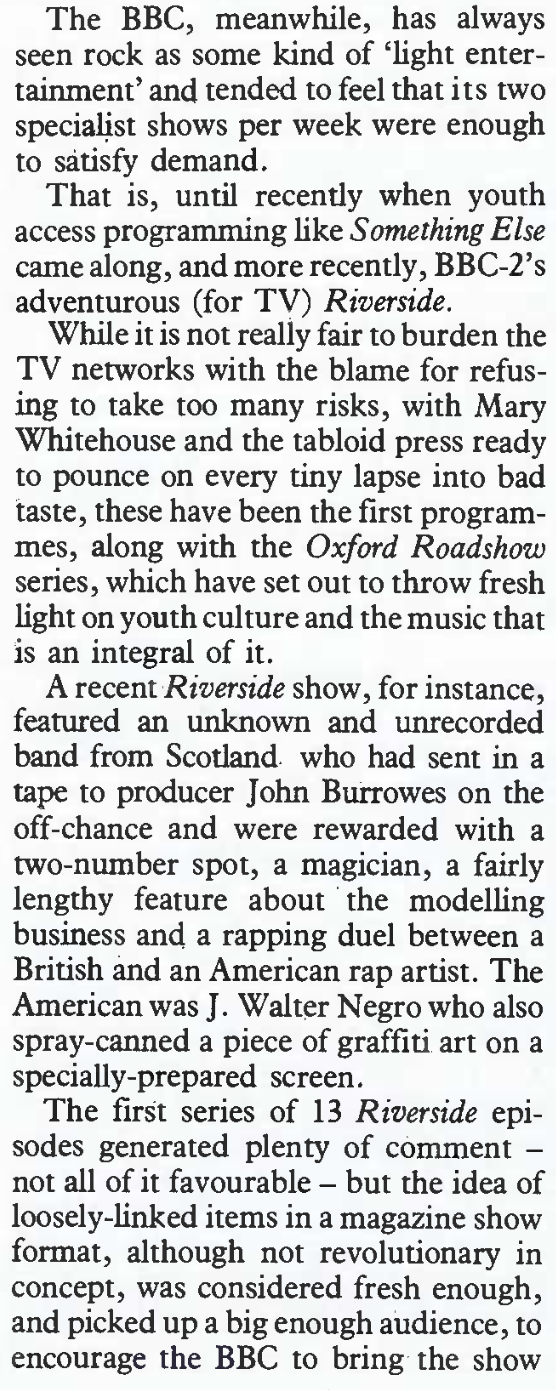
Among the programmes that came out of our area were ‘8 days a week’ , the first series of ‘Pop Quiz’, and a young arts programme that came from the Riverside studios in Hammersmith, that had the eponymous title of ‘Riverside’.
It was becoming difficult for the small team that was running Whistle Test to do all of this, plus the fact that I personally had other duties to take on within the department, looking after other programmes as well, and so we decided that the time would come to have a two-team set up.
Mike Appleton (BBC DVD commentry)
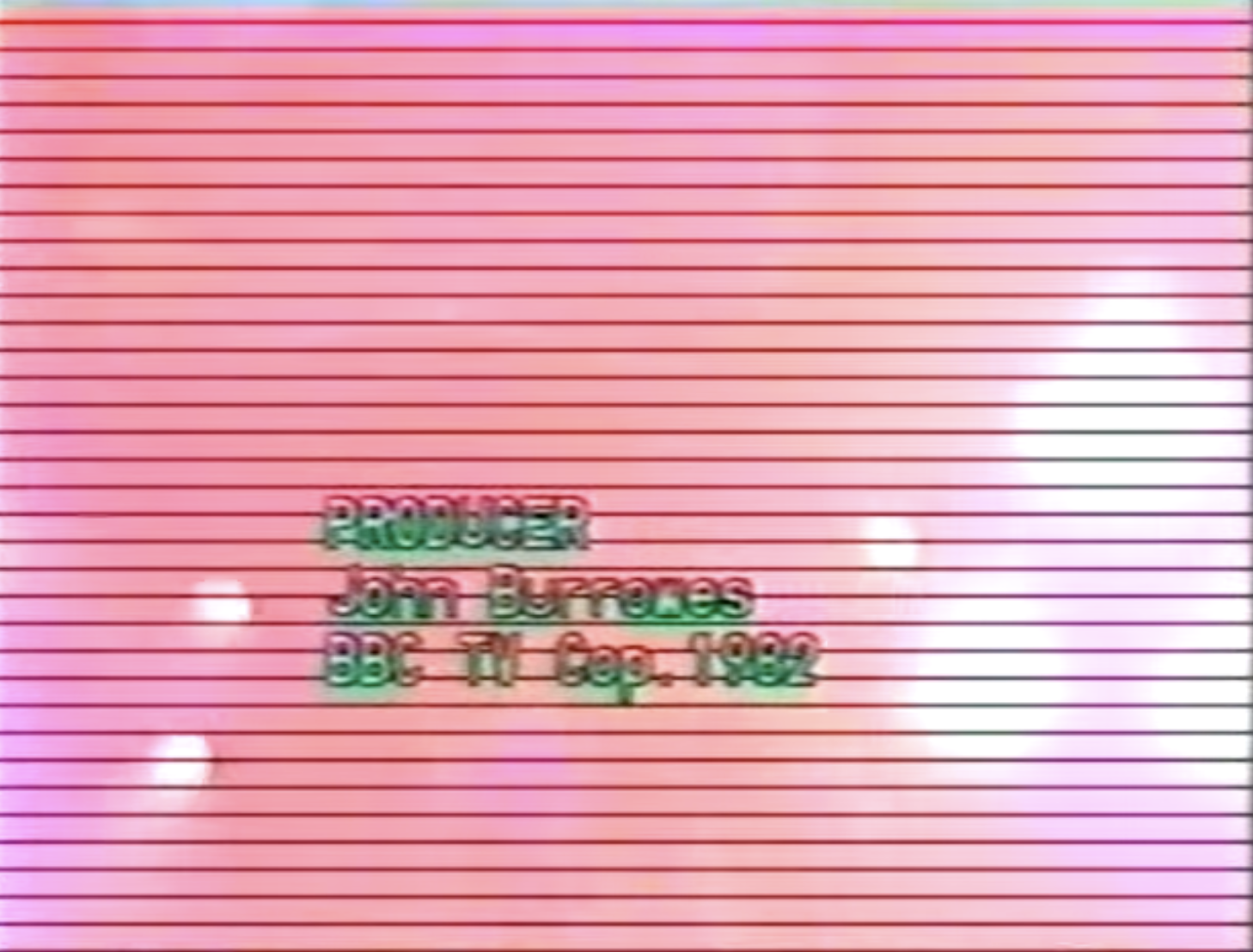
While still maintaining a degree of oversight, two new producers were appointed to take logistical, technical, and creative control of the show: John Burrowes and Trevor Dann.
A producer at Radio 1 in the early 1980s, Trevor Dann had only a little television experience, developing the format that leading to The Rock and Roll Years – a juxtaposition of contemporary music and news footage, telling the story of a particular year from 1955 onwards. It was a format that, for my money, was still one of the most simple and effective ideas transmitted on the BBC.
I had been I’d been a Radio 1 producer for five years and I’d gone over to Network Features television on an attachment. I had made a series for Radio 1, called ’25 Years of Rock’, which was a format I then recycled for the rest of my life. It was basically the same idea which is putting music and news together without any narrator.
The Network Features department came to me and said “Would you like to come over and make it for television?” Only a fool would say no, so I came over and they they said “Okay, well to get an idea of how television works, we’d like you to work for a few months on Did You See..?”. This was a review of television with Ludovic Kennedy, running on BBC2.
So, I produced some episodes of that, and actually studio directed a few. I didn’t really know what I was doing, but because I was around, Roger Laughton, who was the head of the department, started chatting me up saying “Well, what would you do with Whistle Test?”
I had a few ideas. “Well, you need to change the presentation, and you need to book slightly different people, and actually, why don’t you just call it Whistle Test, because that’s what everybody calls it here?”
Trevor Dann
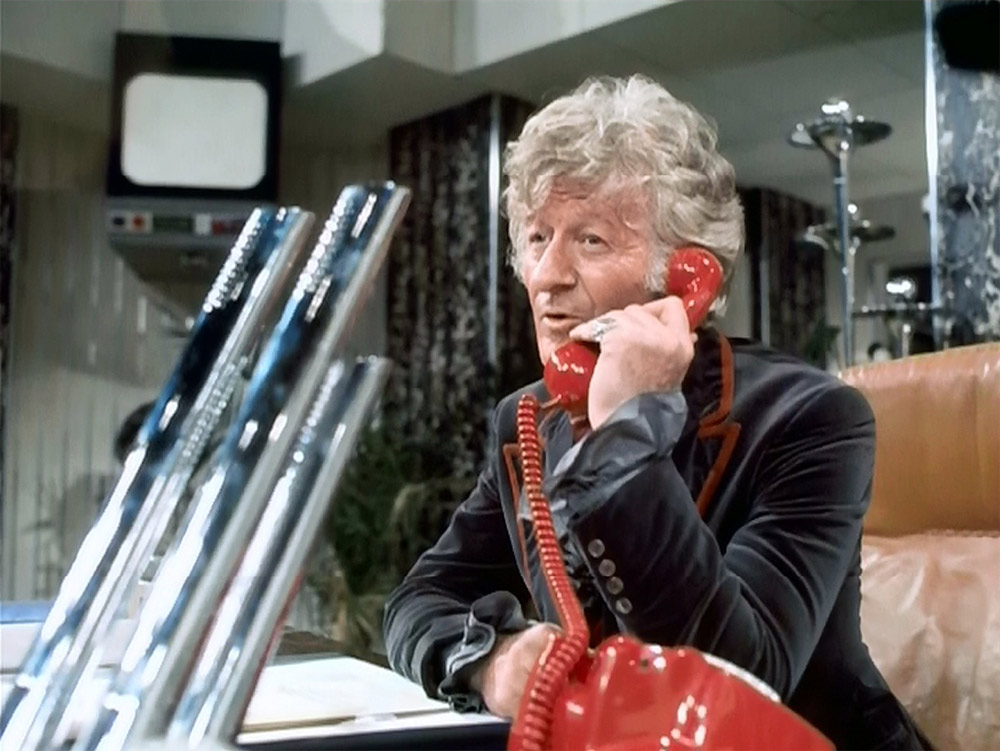
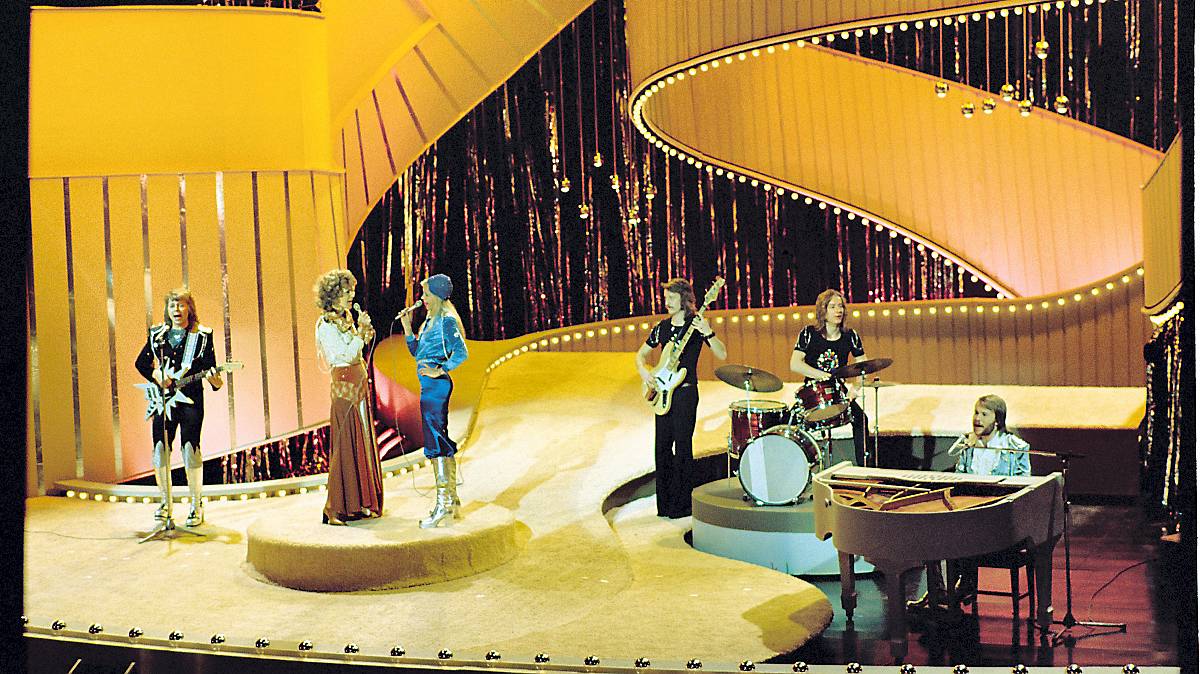
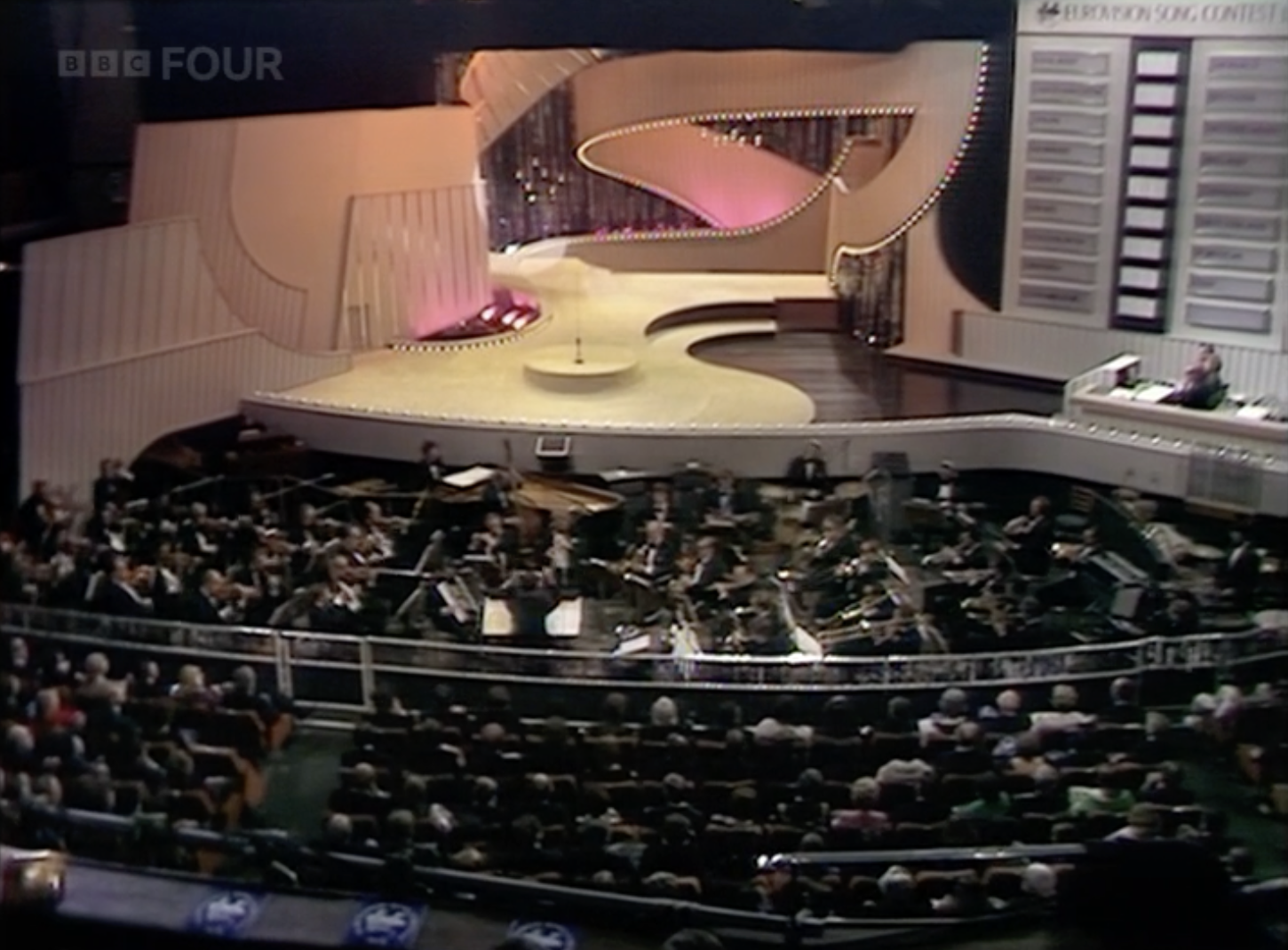
In contrast to Dann’s background in radio, John Burrowes was a visually minded producer, having had a previous life as a production designer, with work ranging from Doctor Who – The Green Death (known affectionately as ‘the one with the maggots’) and the 1974 Eurovision Song Contest (famously won by ABBA). Undertaking a three-month production course at the BBC, he described himself as “flitting about between Light Entertainment and Design departments“, including being put in charge of directing the final Dee Time shows before Simon Dee made his move to London Weekend Television.
I was recommended to the Light Entertainment head Bill Cotton by Stanley Dorfman, who had seen a show I had put together when I was on the training course. I had one week watching what happened on Dee Time – and then I was in charge of a show that was going out live at peaktime on Saturday evening.
John Burrowes (unknown archival interview – 1981.)
And it was Burrowes’ directing nous that led him to join the OGWT team.
John Burrowes was one of the unsung heroes of Whistle Test. He’d actually been Ridley Scott’s assistant in the design department. Then somehow he was one of the OGWT directors for a while, back in the day. So John had been part of that Whistle Test family. He was a very good producer, very visual, and always had very good ideas about design, and I think that’s one of his great strengths.
David G. Croft
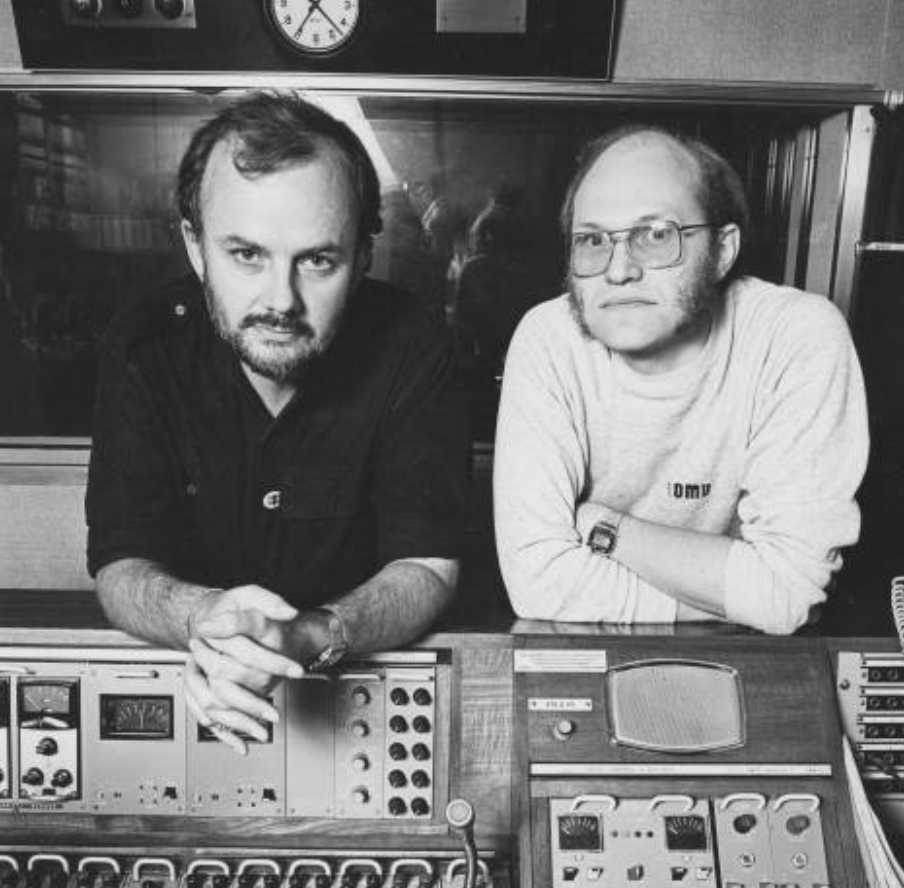
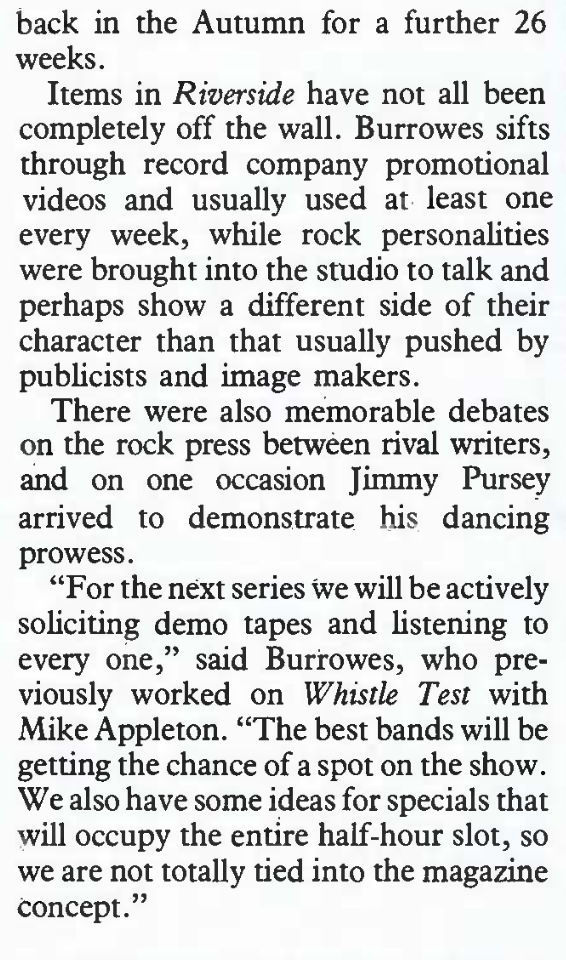
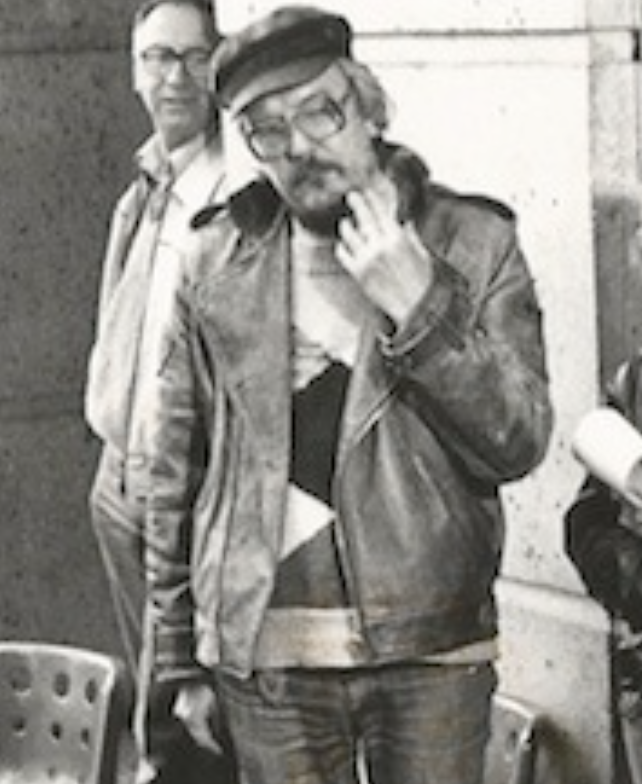
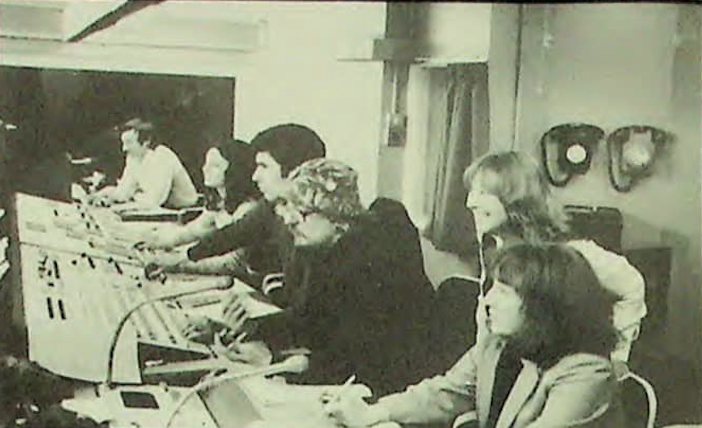
Unknown 1981 article. (L) Mike Appleton planning, (R) John Burrowes placating.
I remember Sting missing a sound check becasue something was sprayed into his eye. I also remember being very English and placating an irate Patti Smith with a cup of tea, and Jerry Lee Lewis with a bottle of brandy.
John Burrowes
Burrowes joined the OGWT set-up during Bob Harris’ final series (1977-78). Alongside Tom Corcoran (more on him later) Burrowes became one of the two regular directors of the series. An unknown 1981 article makes a claim from Burrowes that he wasn’t a music buff, but found OGWT appealing because it fulfilled his own ambition to “get something on the screen which reflects what is happening at the grassroots level.“
Into the 1980s, Burrowes eased up on directing and added producing to his repertoire. He began discussing an idea with Mike Appleton, initially called Street-level, which aimed to capture youth culture.
In the early 1980s I put forward a Youth Programme proposal, which was accepted for BBC2. It was called Riverside, and was more alternative in its music content. It ran successfully for three series.
John Burrowes
Riverside was an adventurous arts programme, recorded at the Riverside studios in Hammersmith (later the home of Channel 4’s TFI Friday.) The series represented a more cutting-edge take on fashion, art, music and culture, and ran for three series between 1982 -83.
Basically I would like to see television showing the way more, rather than just being a reflection of things as they are.
John Burrowes (unknown archival interview – 1981)
One typical show from 1982 highlighted some of what OGWT could offer, mixed with a more eclectic selection of features, and a stylish, contemporary presentation. Post-punk band Birthday Party featured in the studio. The line-up also included the Nin Dance Company, an interview with Steve Strange, and a feature where Ian Birch of Smash Hits magazine met Paul Weller of The Jam, and Martin Fry of ABC, during a behind-the-scenes look at Top of the Pops.
Riverside was also notable due to the introduction of a young director, David G. Croft.
It was very different kind of show, and very exciting. It was music. It was dance. It was visual arts. It was particularly inspired and fueled by the talent of what was then was called The Blitz Kids.
David G. Croft
Director David G. Croft with Rock Around The Clock t-shirt. (Courtesy of David G. Croft)
Croft joined the BBC via a highly competitive BBC trainee assistant producer scheme.
We were on a two-year contract. The first year we were supposed to go and work in four different departments as trainee assistant producers to develop our professional skills, but also to try and find out and confirm which area we wanted to work in.
And then in the second year, we would specialise in that area, and hopefully be offered a job – that was the way it worked.
Sometimes, on such small things your career hangs, and on my application form under interests, I put down that I play the guitar and enjoy rock music. So, after our three week induction period, personnel said to me “Right you’re going to a new programme, that doesn’t have a title yet. So, we’re calling it Whistle Test 2. So, you need to go to this office.”
David G. Croft
Having found the office, it appears that Croft was tested in more ways than one.
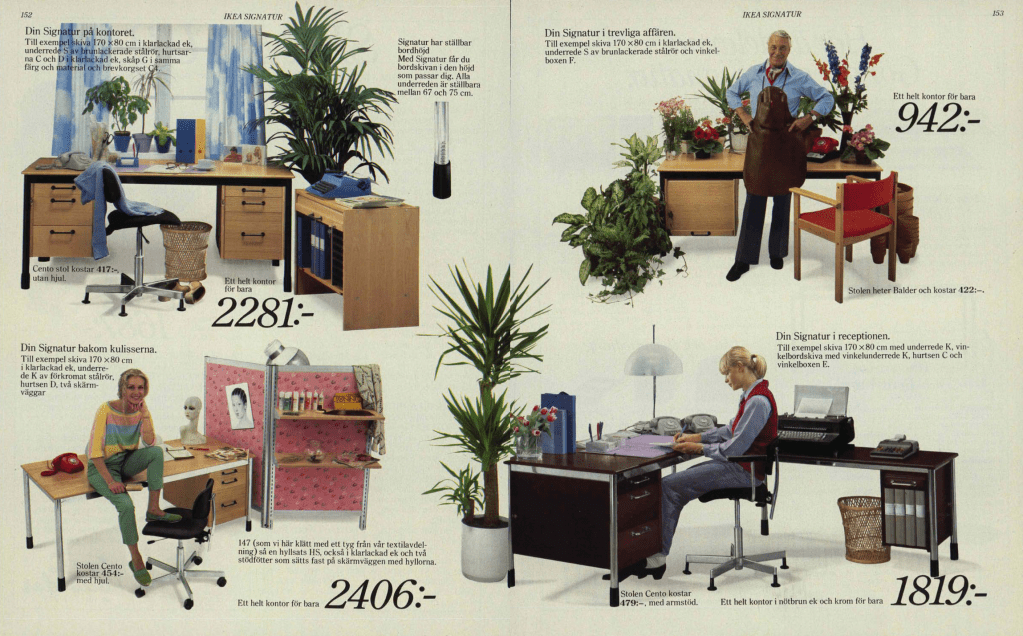
They said “Your desk is over there.” But you’ll need to build it yourself. It was an Ikea. I always thought that was my first challenge in television was to build my own desk.
David G. Croft
A collection of Ikea desks from 1982. David G. Croft not pictured. (c) Ikea.
Riverside‘s original director Roy Chapman, was summoned back to his home at BBC Bristol, and Burrowes offered Croft a golden opportunity.
John Burrowes came to me one day and he said “Would you like to direct the rest of the series?” Now, I’d got a tiny amount of multi-camera experience, but I’d never directed music. And I said to John “Can I think about it?” And John said “Yes, you’ve got half an hour.” So I went and sat in the corner of the office, and eventually thought this is an opportunity that is too good to be true.
So, I went back and said right “I’ll do it. But Roy needs to teach me how to direct music in a week before he goes back to BBC Bristol.”
David G. Croft
The week-long crash course in directing music was profitable for Croft, who developed a rapport with John Burrowes, and remained principal director for the remainder of the show’s run.
Riverside was a memorable addition to the Network Features portfolio, and the reference to the working title Whistle Test 2 suggests it might have acted as a replacement to OGWT. However, it ended in 1983. Perhaps the manoeuvring within ‘Network Features’ and the subsequent great shake-up of the OGWT was responsible for its downfall?
Riverside represented a lot of what Whistle Test wasn’t about. It was Steve Blacknell, it was a bit cool, it had poetry, and it was a bit hearty. It wasn’t quite The Tube but it was definitely more on trend, whereas Whistle Test was old.
So, come the next season, the whole debate within Network Features what was “Well, clearly they’re going to kill off Whistle Test aren’t they? It’s pretty much run its course and all the money will be put into Riverside.”
Meanwhile, Mike Appleton was made into an executive producer and he said “No, we’re going to kill Riverside, and we’re going to keep Whistle Test, but we’ve got to revamp it.
Trevor Dann
When Riverside finished after three series we were absorbed by Old Grey Whistle Test. That’s how that worked. And then that coincided with plans to change Whistle Test.
David G. Croft
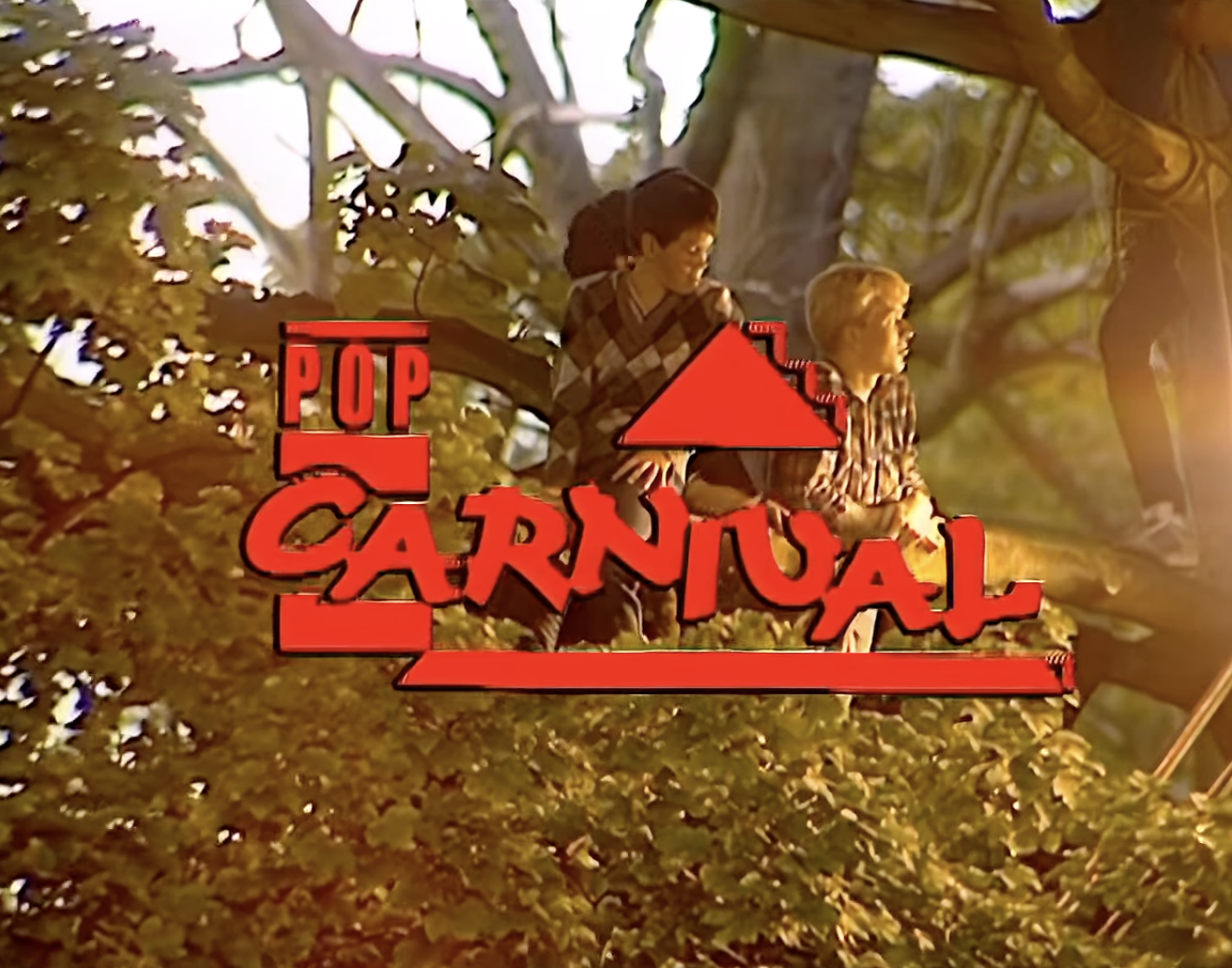
It’s interesting to consider the reduction of OGWT series in 1982-83, from the usual nine months to little more than three. This coincided with several other formats and series that were transmitted around this time. Riverside is the most obvious example, running successfully for three seasons, and pre-dating Channel Four’s The Tube for off-beat presentation. However, there were several smaller series that likely consumed the budget allocated to Mike Appleton. A new series of open-air concerts, Pop Carnival, was broadcast in 1983, largely featuring bands performing on the bandstand at Sefton Park, Liverpool. In addition, Sight and Sound in Concert continued its run until 1984.
Perhaps, there was a sense that OGWT’s race was run, or that a reduced series could exist happily with the new offerings. However, it would appear that late 1983 saw a decision to renew and invest in OGWT, and that the demise of these shorter-lived shows was connected to this decision.
With energies reinvested into OGWT, and a revamp agreed, an early stylistic decision was to confirm the seemingly inevitable – that the ‘Old’ and ‘Grey’ would be consigned to history.
At the same time as we expanded into a two team production unit, we also decided that we should change the name of the programme. This was something that the two new producers were quite keen to do for a long time. The Old Grey Whistle Test had been shortened to Whistle Test. Everybody called it Whistle Test, and it seemed to us that here was an obvious change of title which would retain the feeling of the programme, and it would retain the association of the programme in people’s minds. But, it would be slightly different and it would reflect any changes that we brought into play at this time.
Mike Appleton (BBC DVD commentry)
An interesting element of the OGWT shake-up was the structure of the two production teams. Burrowes’ valuable experience as a producer and director, coupled with an understanding of visual/design sensibilities, offered a perfect counterpoint to Dann, the new recruit, and finding his feet following his switch to radio.
However, it took some searching to find the right fit.
Mike’s original idea was that John would book the bands and I would book the other content – the films, the journalism. John and I said we didn’t want to do that, because we both wanted to do both.
I said, “Well I don’t want to be over antsy about this, but that will never work because you need you need a vision, and we clearly are not on the same musical wavelength.”
Trevor Dann
This explains the resulting strategy adopted, where the two new Whistle Test producers would now produce alternate shows every fortnight. They would be responsible for the studio recording one week, and planning and/or recording filmed inserts the following week. This solution retained a degree of authorship on the part of Burrowes and Dann.
Yet, it created a different set of creative challenges.
John was more arty and as a TV designer and director, the aesthetic was significant. Trevor had incredible experience as a writer and music radio producer. Inevitably there was some competition and they had different tastes, but it was a creative hub and an interesting and enjoyable place to work.
Karen Rosie
In some retrospective published accounts of Whistle Test, it is stated that the two approaches created an uneven balance between each alternate show. One week Dann might maintain the ‘traditions’ of the show by favouring guitar-based rock, or ‘new’ country. The following week, Burrowes might be responsible for more new wave or alternative acts. Indeed, in an archival interview, Dann noted a difference in musical taste, with Burrowes bringing in new bands in a similar mode to Riverside, whereas Dann favoured the traditional Whistle Test values of guitar-based music.
An archival 1981 article (source unknown) noted how Burrowes was instrumental in getting Adam and the Ants on the show, and how music tastes influenced how Burrowes split his directing duties with fellow OGWT director Tom Corcoran.
We work out between us what we are going to cover according to our personal preferences. For instance, I think you would be more likely to see me directing a show with a New Wave act in it.
John Burrowes (unknown archival interview – 1981)
Other members of the production team also noted the musical differences between the two producers, but recognised that it was part and parcel of the creative process. David G. Croft recalled that, regardless of musical taste, both producers were on board with the aim of the series.
Both producers had a clear idea of what the new Whistle Test was trying to do. If there was a difference in emphasis, I would say from my memory, that Trevor was very interested in new country, as it was being called then. To be fair, John wasn’t remotely interested in new country and neither was I, but this was a movement that was happening in Nashville. Trevor was really interested in that, and I know he and Andy Kershaw made, I think, at least two sojourns down to Nashville to make films about what was going on there.
David G. Croft
Sometimes the content wasn’t dictated purely by the producers but was influenced by logistics and availability.
I remember the pluggers (when record companies were key to success) regularly visited to advise who was around for which dates. They were entertaining folk – trying to sell their wares. Whistle Test was an easier job for them than Top of the Pops – which I worked on later – where the rules for who was on depended on the singles chart, and the rules were strict.
Karen Rosie
It’s also fascinating to reflect on the role of the BBC producer. As someone who grew up with Doctor Who, during the series original ‘in-house’ run within the BBC from 1963-89, there was a connection between creative vision, personality, and approach, and how this manifested itself within the show’s respective ‘eras’. The producer acted, in effect, as the ‘showrunner’, reportable to their head of department (in the case of Doctor Who – Series and Serials).
In the context of Whistle Test, there is a sense that having two separate producers who have different sensibilities, yet are both working towards the same series vision, increases the risk of the series lacking a cohesive identity. For Dann, the separate teams didn’t work and led to a competitive working ethos.
Imagine doing a play where someone said “We’re going to do Macbeth and John you’re going to direct it on Monday, Wednesday and Friday and Trevor you’re going to do it Tuesday, Thursday and Saturday,” – how could you do that?
One would be saying “I want the lights bright”, and the other saying “No, I want them dark”. Or “I want it scripted ” or “No, I don’t want it scripted”. Or, “I’m going to record the bands in the morning and play them out later” or, “I’m going to do lots of filming in America” .
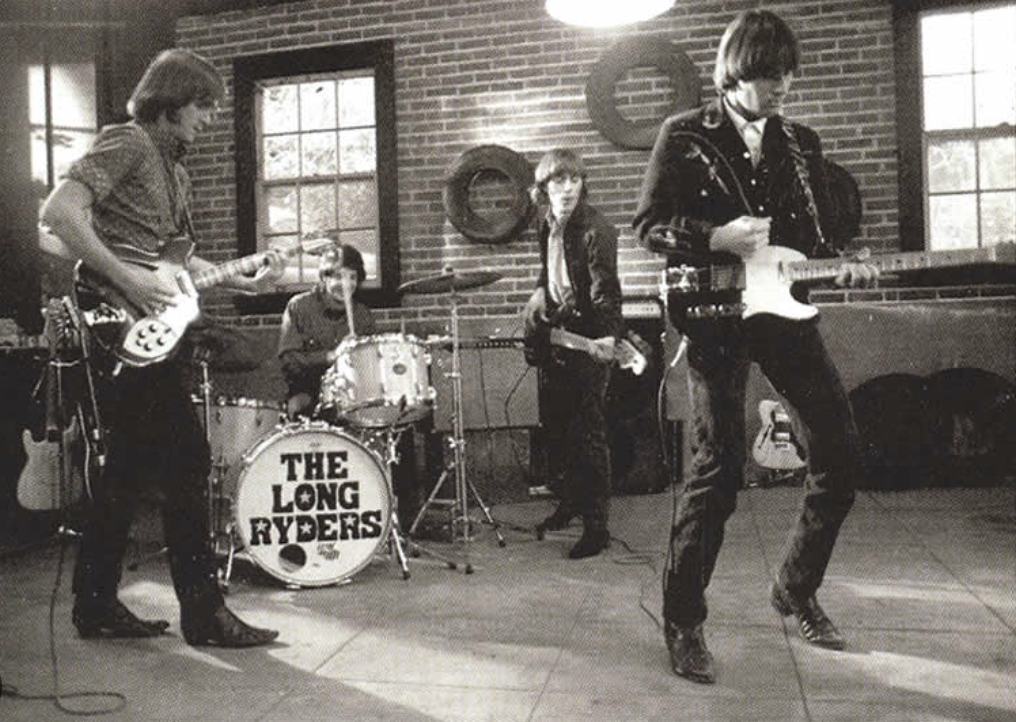
Say to me “I think we can get That Petrol Emotion for 2nd August“, but I want to book The Long Riders …yeah, this is going to be a ridiculously schizophrenic show.
Trevor Dann
Dann regretfully noted that there was sometimes a tendency not to attend the recording of each other’s shows. Sometimes, there was a race to talk to record companies to ask for an act to feature on their show, before the other producer laid claim.
Both liked to keep what they saw as the best stuff for their own programmes, which wasn’t always in the shows’ best interests, but that’s how the BBC worked.
David Hepworth
It’s a fascinating insight into how competition can be woven into the creative process. Authorship is an essential ingredient in the television industry – I’m reminded of tensions between writer Douglas Adams, and producer Alan J.W. Bell, during the making of the television adaptation of The Hitch Hikers Guide to the Galaxy (BBC, 1981) But, when a show has two producers of equal standing I was left considering how the different sensibilities and approaches could work to the benefit of the programme?
An additional authorial consideration was the impact of founding producer Mike Appleton, who had relinquished the day-to-day operations to a new team and was now overseeing a show from an editorial/executive perspective. Dann’s feeling was that Appleton was disappointed to release control and struggled to get over it. It posed questions about how a series can be authored both at an executive and a day-to-day operational level.
Taking all these factors into consideration, and recognising that I wasn’t in a position to experience the nuances of working within the Whistle Test office, my overall conclusion is one of a viewer back in the mid-1980s. By glancing at the listings for each show, I would argue that any unevenness doesn’t present itself as visibly as it might have been felt by the production team of the time. Any variation in tone, on any given week, felt like a natural balance, perfectly fitting in with Whistle Test’s eclectic approach. I found each episode of Whistle Test to be varied and exciting when I was growing up, and interesting and comprehensive now that I’m older.
Another interesting aspect of having two production teams was the pairing up of producers and directors. As has been the case in other BBC productions of the past, it would appear that the experienced and inexperienced worked together for the greater good.
Dann, the newbie, formed a partnership with long-standing director Tom Corcoran, and the experienced Burrowes once more teamed up with inexperienced David G. Croft.
Various accounts and memories about Corcoran are affectionate, portraying someone who was technologically savvy, didn’t suffer fools gladly, enjoyed a taste for Jack Daniels, and was always supported by a team who enjoyed working with him.
Tom Corcoran was a very experienced TV director. David, and later May (Miller), were the new kids on the block, learning and trying to experiment. Tom was generous with his knowledge, encouragement and time and let them get on with it.
Karen Rosie
Tom was the most charming man you ever knew. He was warm and he didn’t mind that I didn’t know anything about television.
Trevor Dann
Meanwhile, partnering Burrowes and Croft was an easy decision, based on their successful collaboration on Riverside.
John was a very experienced producer and director, and he had a manner about him and a lot of expertise that I would never have. He also was best mates with David Croft who was a very bright young bloke out of film school – very creative.
Trevor Dann
With the musical chairs finished, it was time to get down to the business of the all-new Whistle Test.
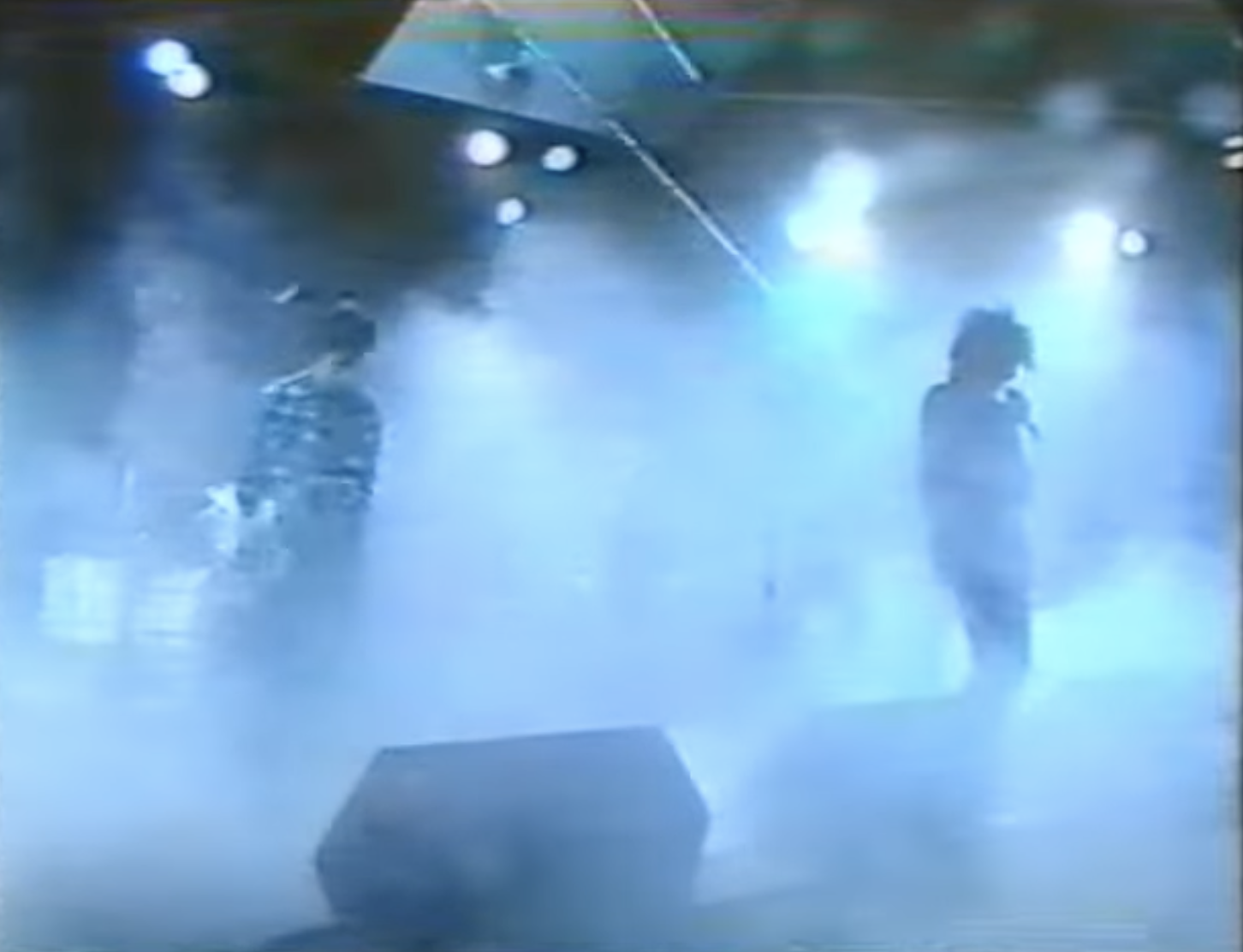
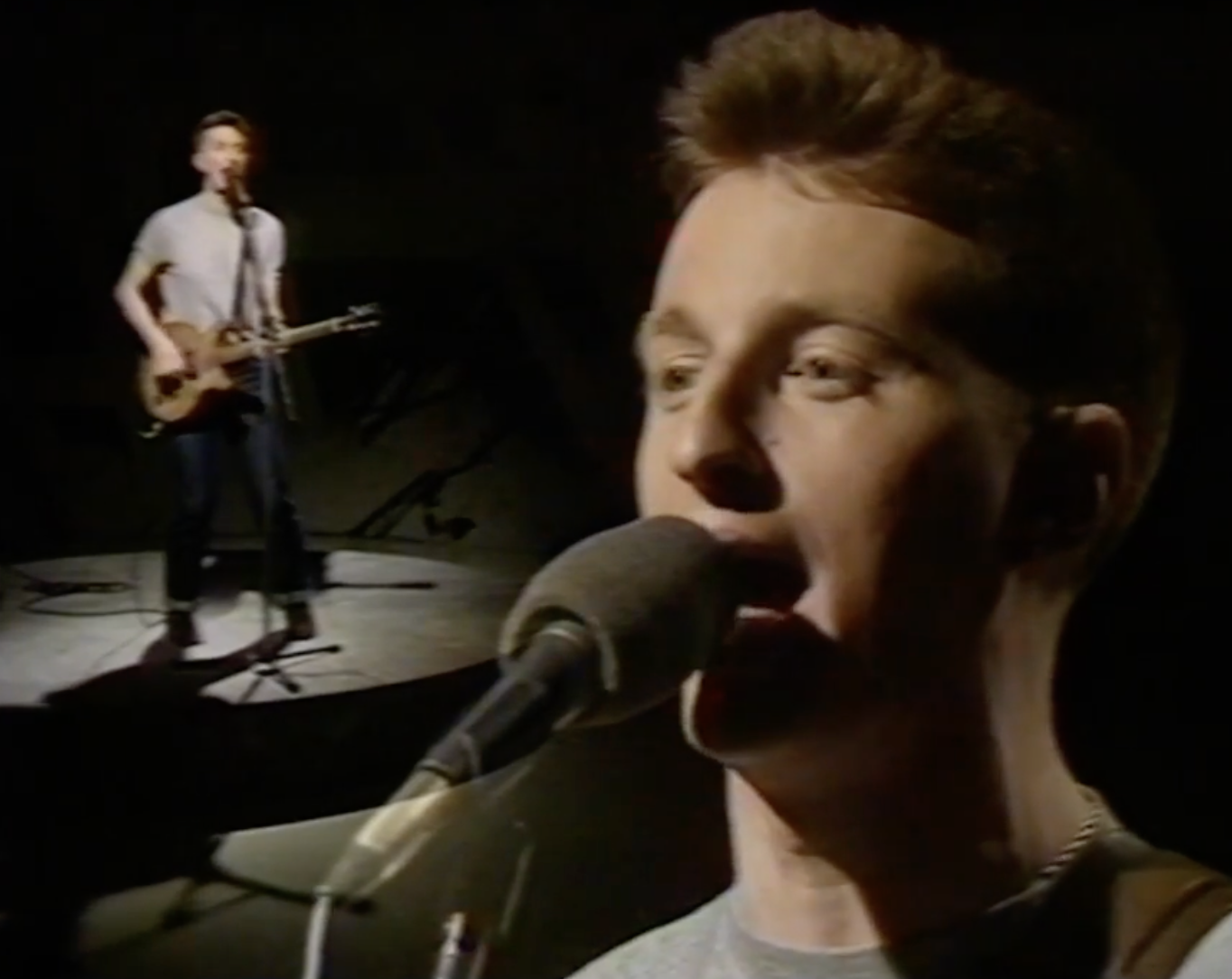
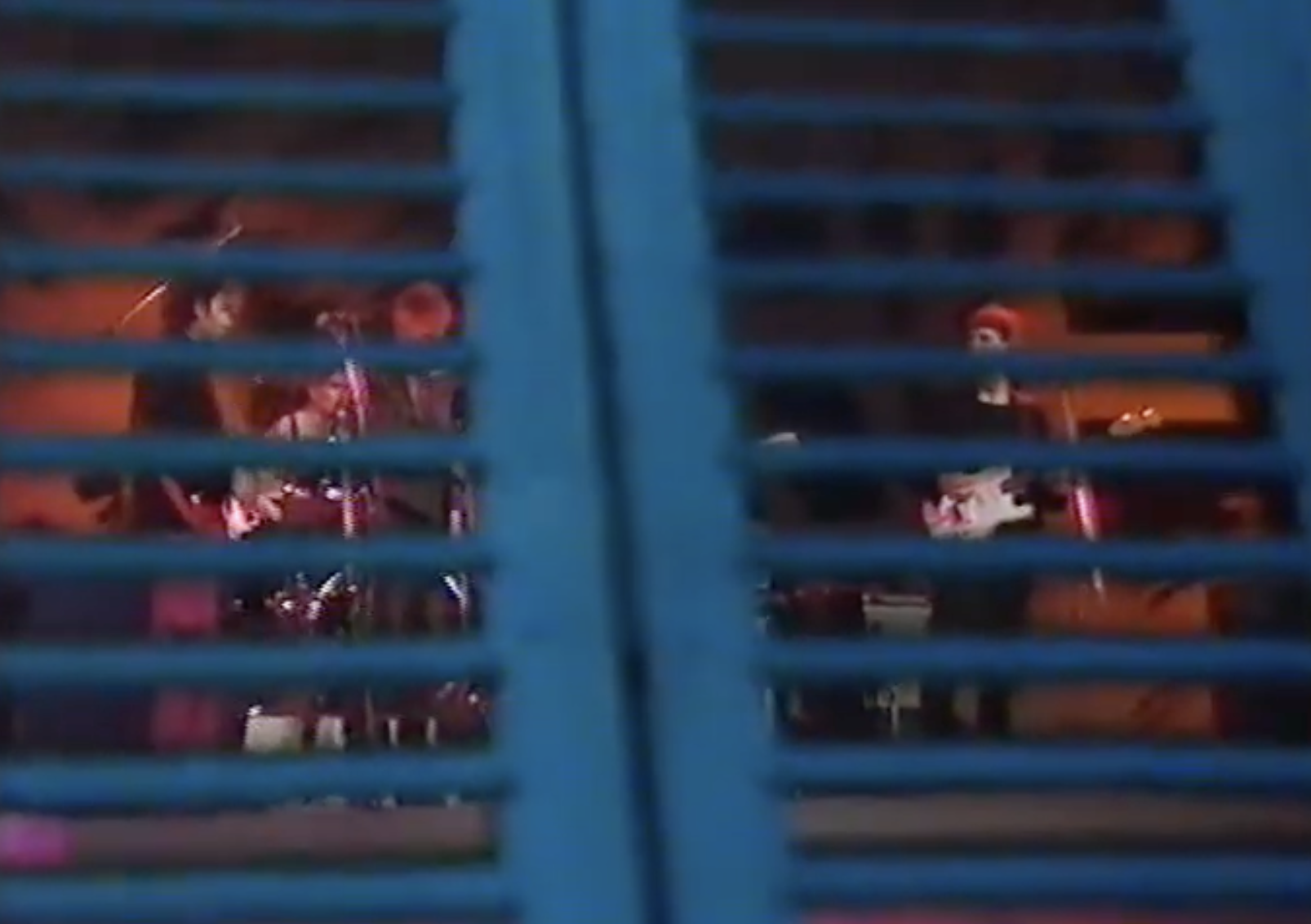
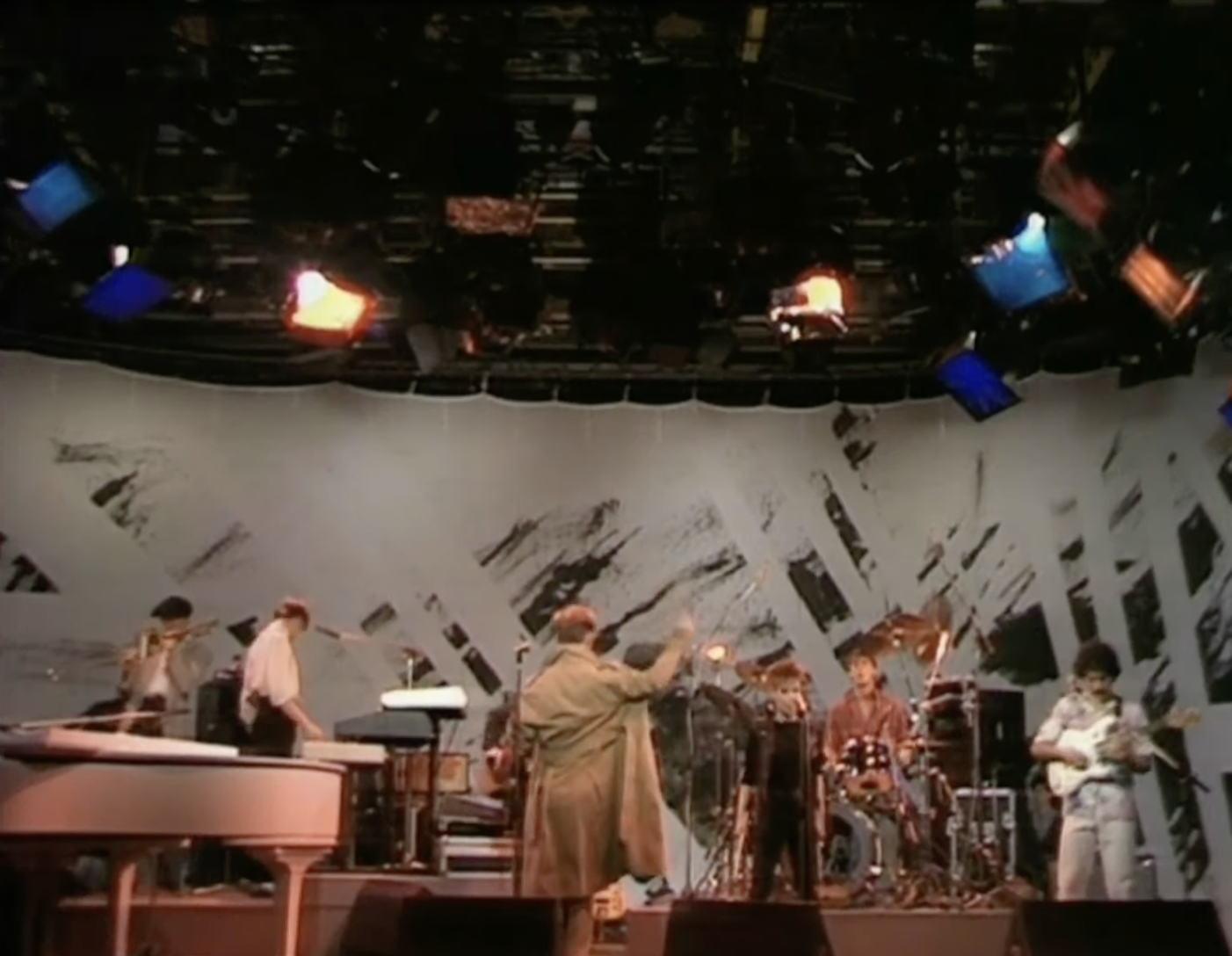
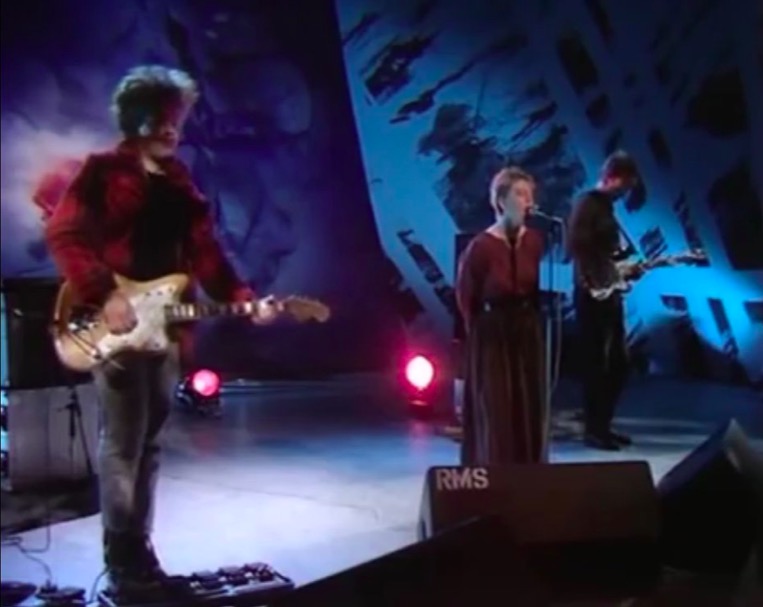
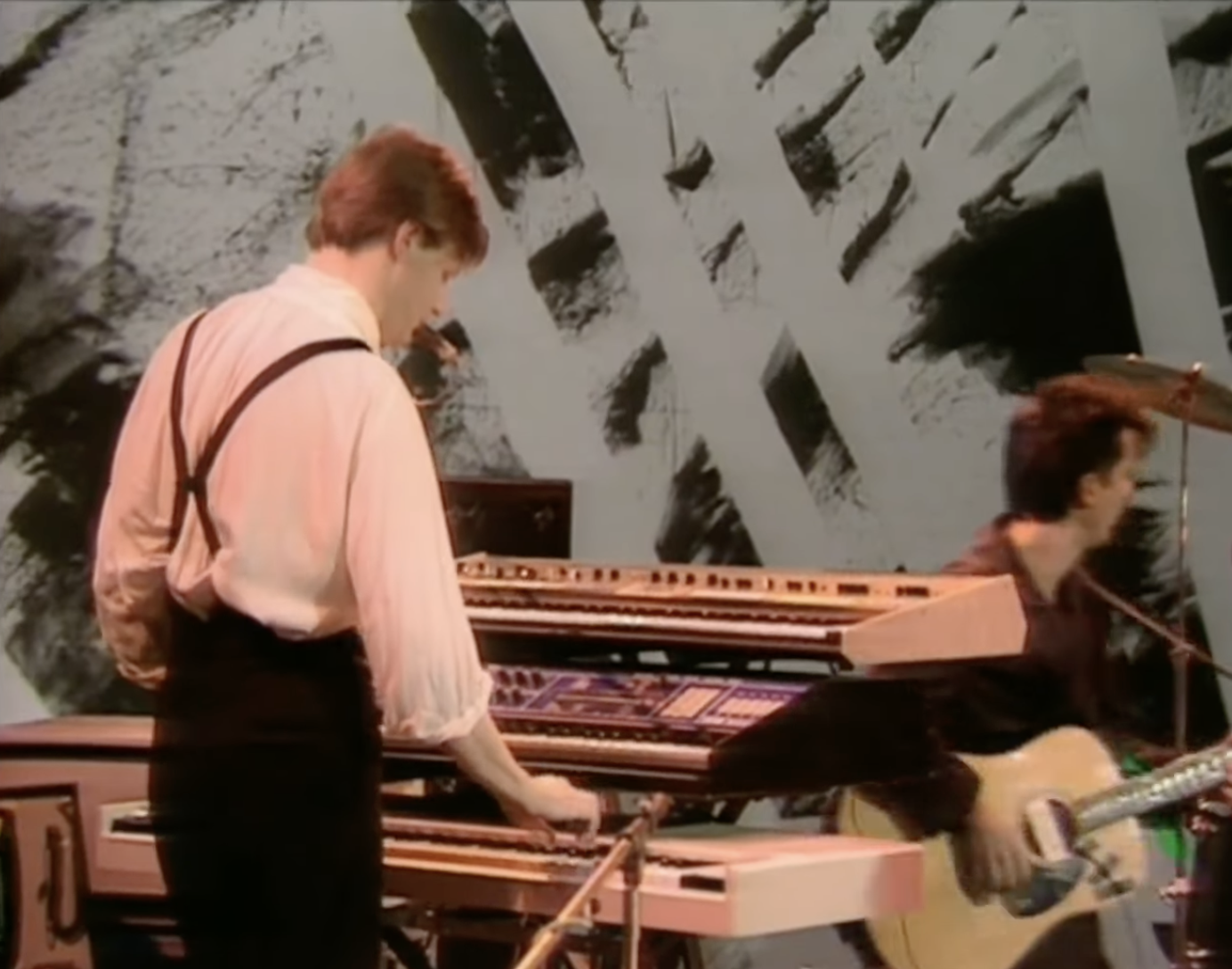
A selection of live studio performances from the Winter 1984 series of Whistle Test.
There is this strange interregnum series between the Old Grey Whistle Test and the new live Whistle Test. In a sense that was a sort of holding series while we were thinking, and having these discussions about what should it look like.
David G. Croft
With David Hepworth and Mark Ellen announcing the changes to the series during the ‘Pick of the Year’ in December 1983, the new series followed swiftly in January 1984. The first edition was transmitted on Friday 13th.
Although broadcast in Whistle Test‘s old late-night stomping ground, the stylistic changes to the show were very noticeable.
The show dropped its audience and recorded late-night in a studio about the size of a kitchen. It went out after live snooker from Sheffield, so if Cliff Thorburn and Dennis Taylor were locked in a nail-biter, we weren’t on till after midnight.
Mark Ellen (quoted in Rock Stars Stole My Life)
Dropping the studio audience that had been a constant over the previous three series was presumably down to logistics. Whatever atmosphere had been created by a group of pensioners expecting to see An Evening with Roger Whittaker but witnessing Marillion putting two fingers into his mouth was replaced by a return to the intimacy (perhaps a more kindly way of saying ’empty studio’) of the 1970s.
There was a significant departure from the norm, one of which the audience might not have picked up on, as Trevor Dann explains,
A show that I produced had a big issue, although I wouldn’t call it a row. The very first person I booked was Billy Bragg, and of course he hadn’t made an album, he’d made a thing called an EP. Well, that didn’t bother me, or indeed anyone else. We knew he was the right person to be on Whistle Test, but Mike was very reluctant because he wasn’t The Doobie Brothers, if you know what I mean? He just didn’t come from that whole kind of stereo, gatefold sleeve, progressive rock tradition which is what Mike felt comfortable with.
Trevor Dann
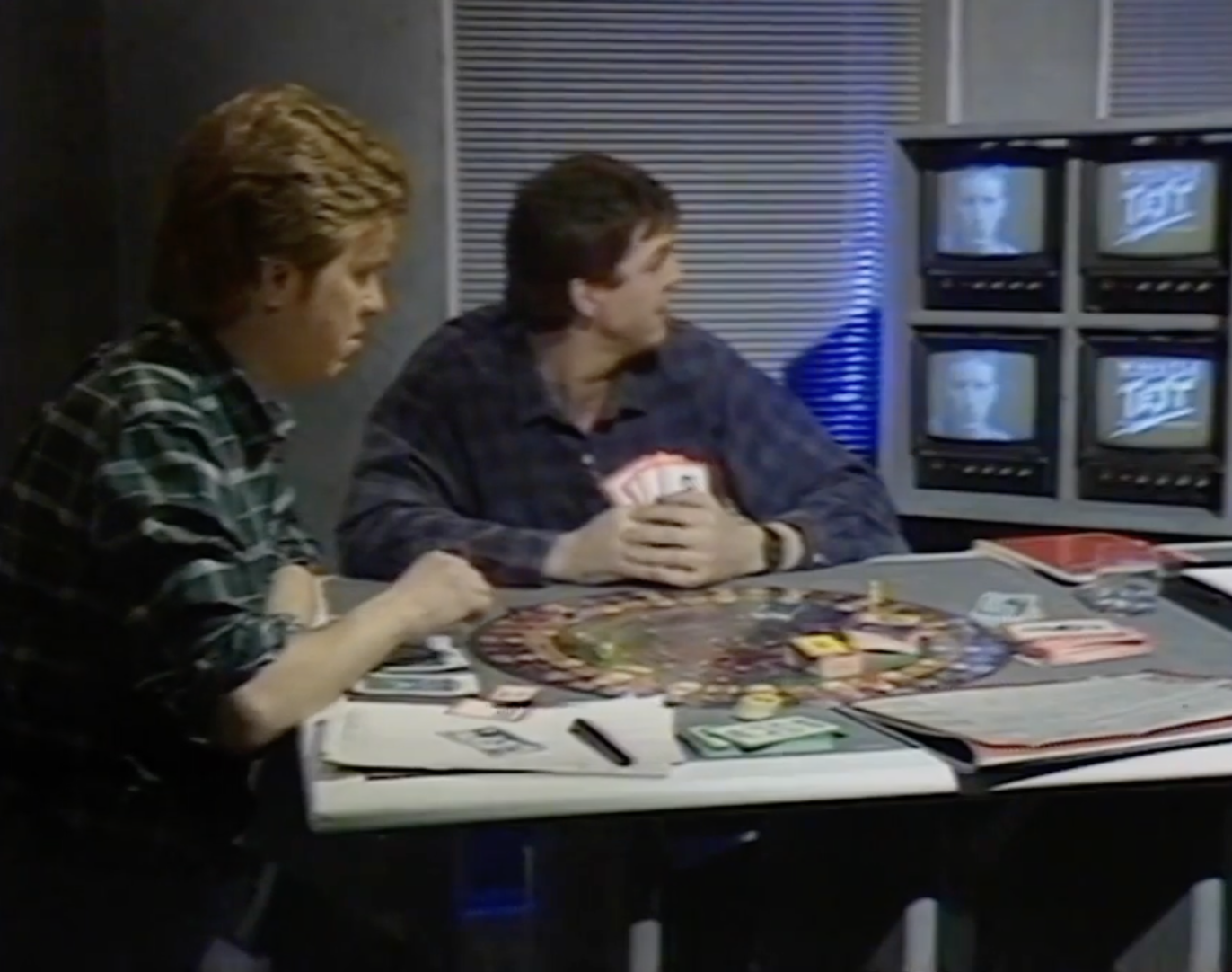
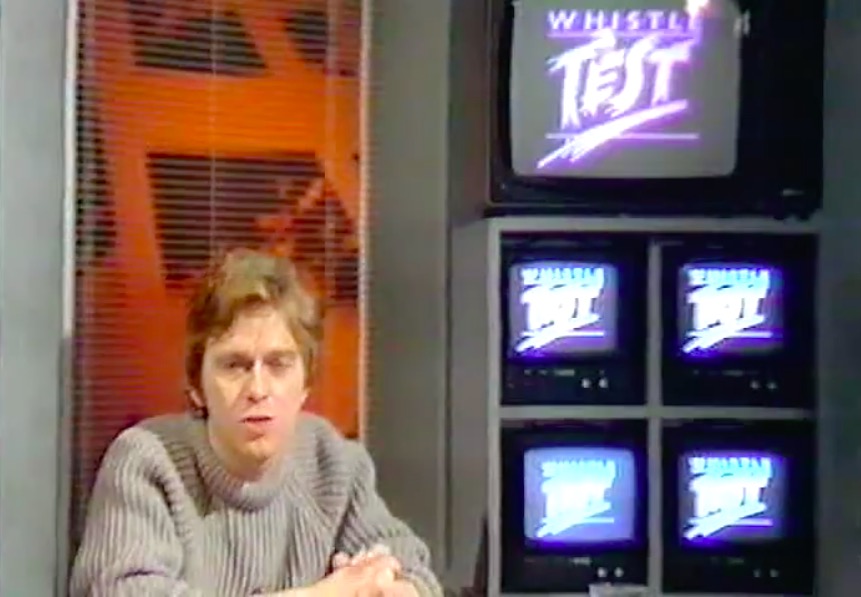
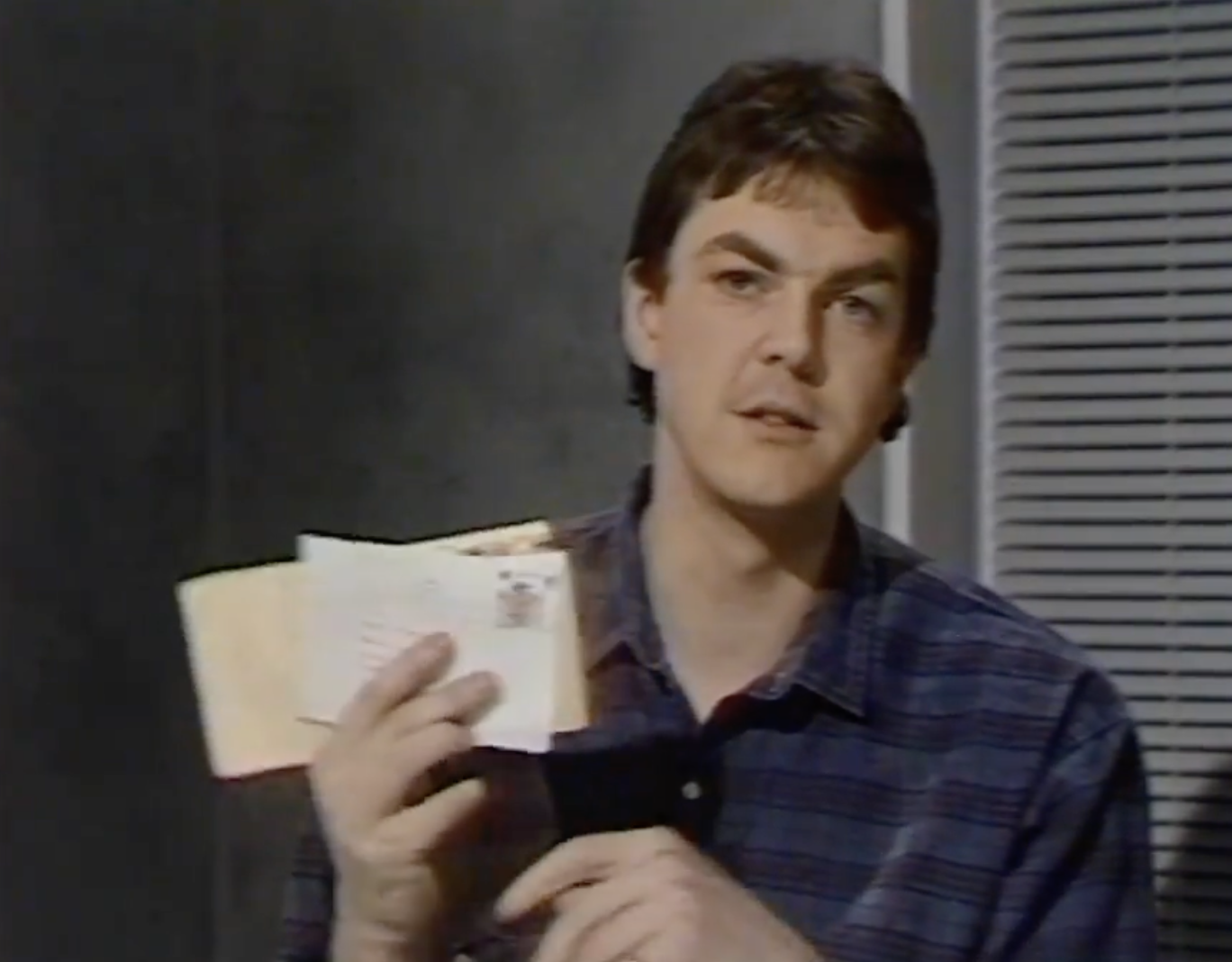
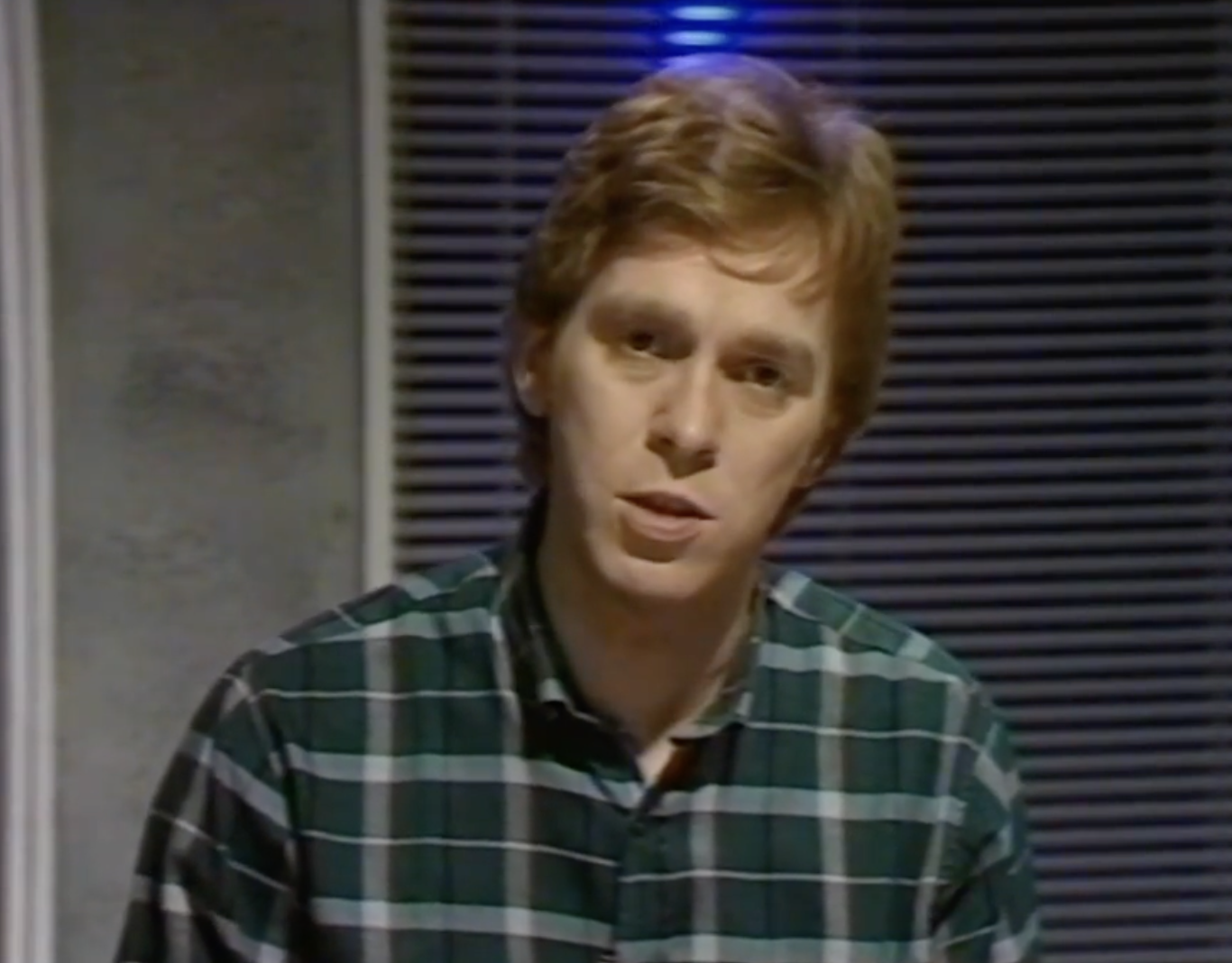
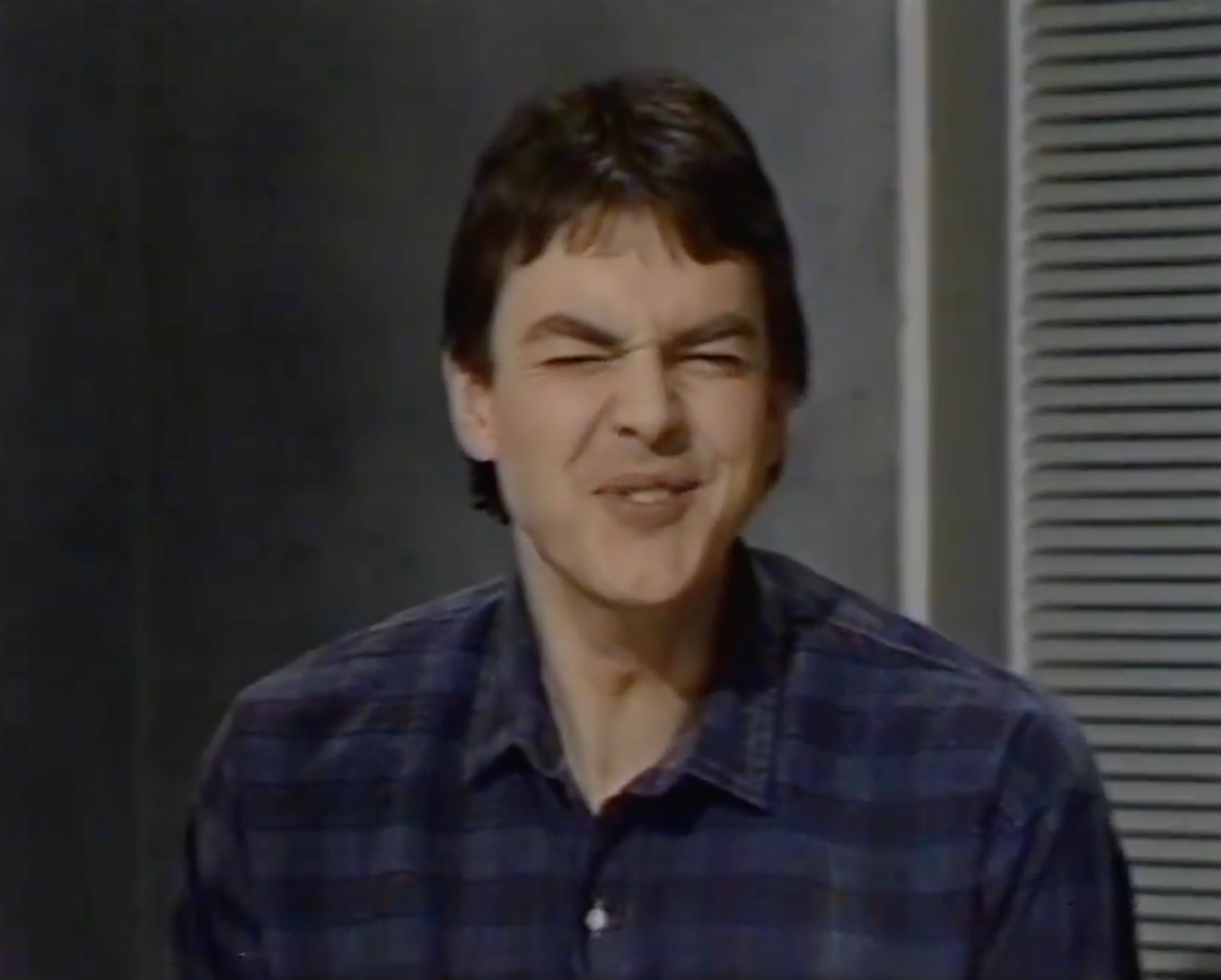
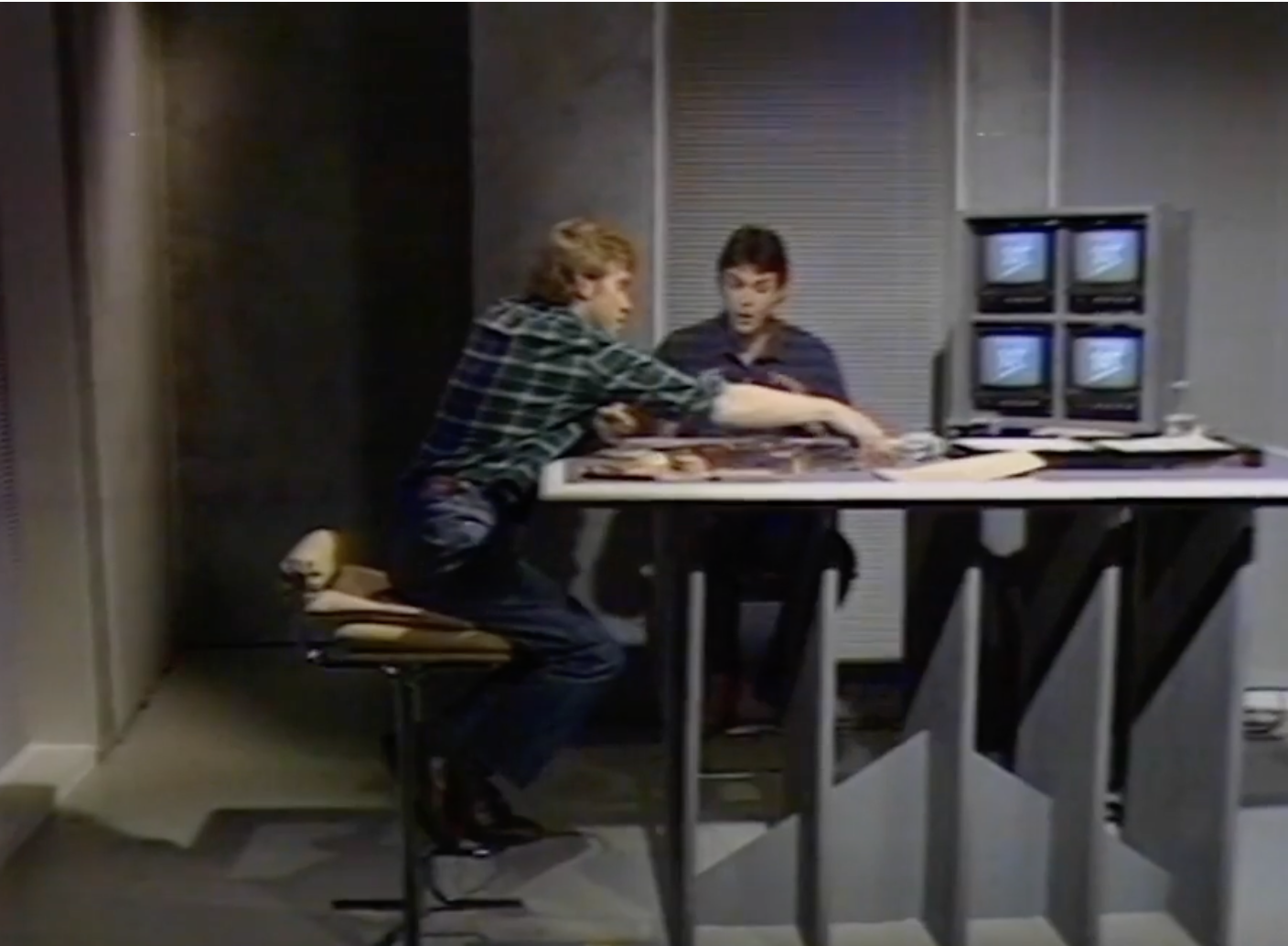
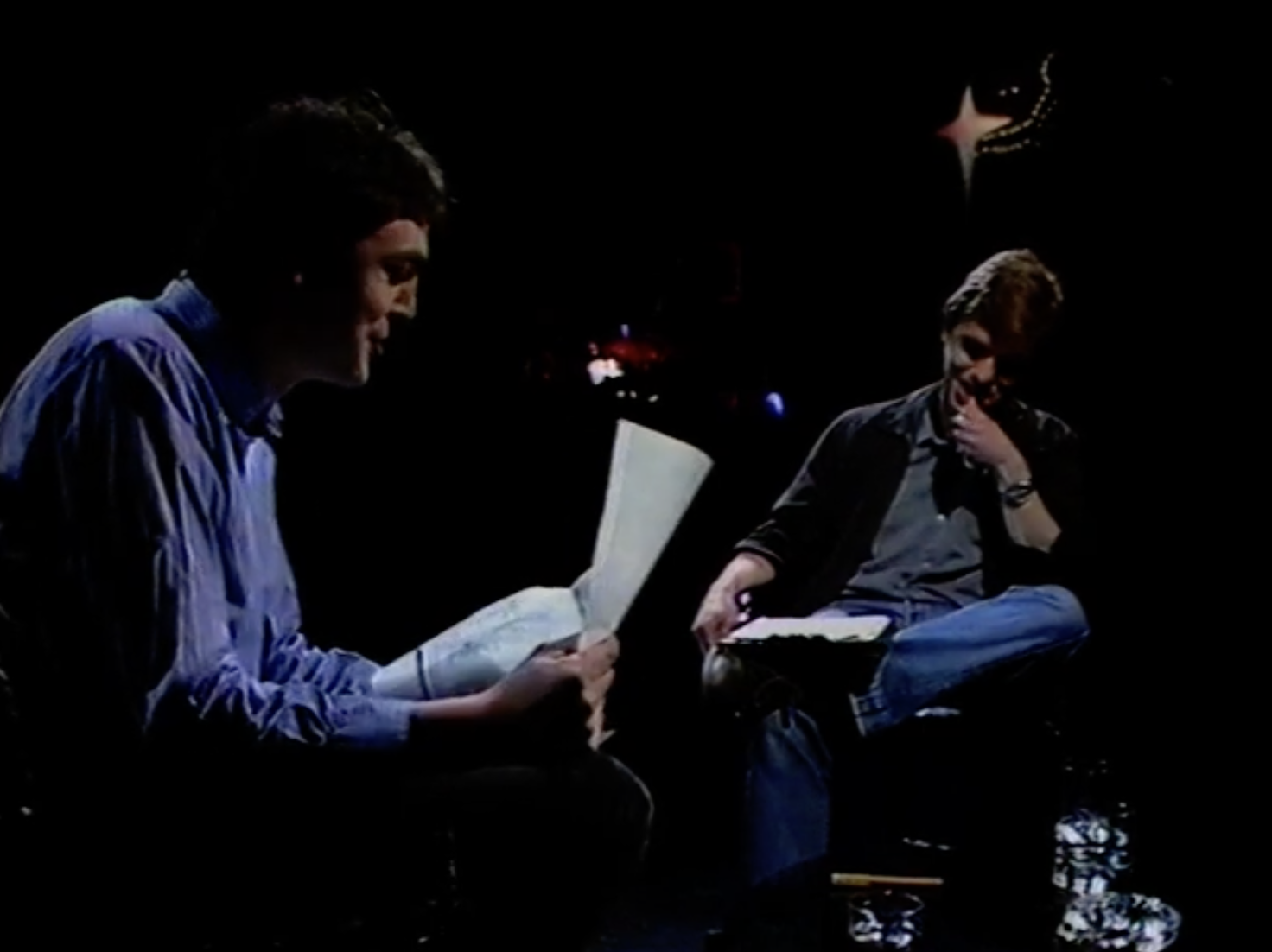
Elsewhere, there was a slightly different feel to the series, with the immediate connection between presenters and performers severed, as Hepworth and Ellen’s links were no longer recorded in front of the act on the studio stage, but separately within an office set. This featured Pieff ‘Eleganza’ high stools, a designer table, Venetian blinds, and set dressing that included a set of ‘high tech’ (yet typically BBC) monitors that created an air of ‘mission control’. As Mark Ellen noted, “We’ve had the decorators in.“
Although modest in nature, this new set felt positively ‘penthouse’ in comparison to the only other time a Whistle Test presenter had a dedicated corner of the studio – the ‘Common Room’ adorned with gig posters that featured between 1976 to 1982.
There were some changes to the series format, perhaps tentative in nature, but a sign of things to come. Firstly, there was a competition – a classic BBC answers on a postcard affair – where the winners would be announced the following week. It’s another step towards the series directly engaging with its audience.
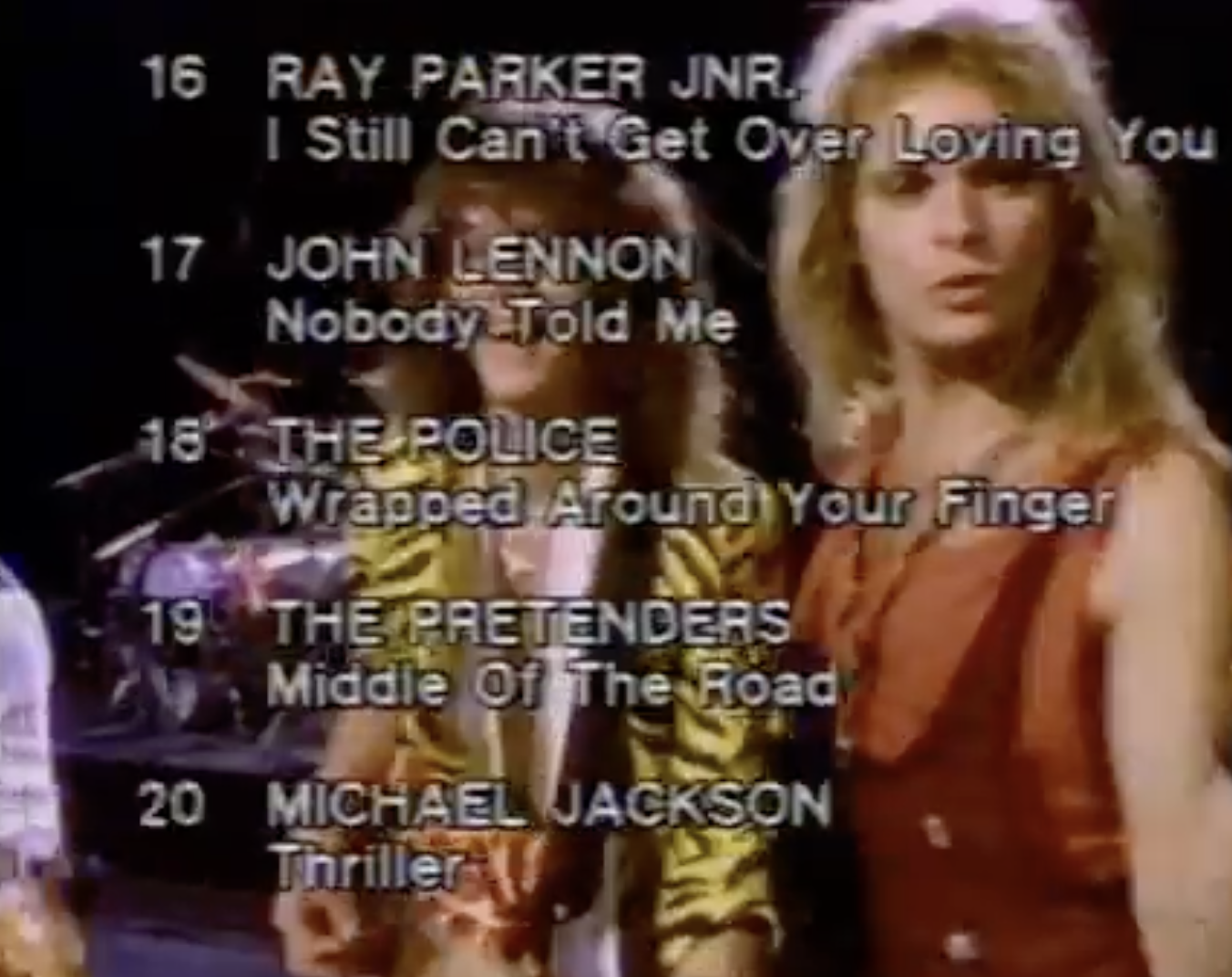
Another development was the introduction of a weekly chart rundown. Each edition would feature a different genre or country. An example of this is the edition on 10th February 1984 featuring the Top 20 singles from the US Billboard chart, played over a pouty, posturing, promotional video from Van Halen…
…with one posture in particular, drawing an exhale from Mark Ellen.
ELLEN: Oooh, crikes, makes your eyes water, that. That was David Lee Roth of Van Halen, the man surely for who Jockey Y-fronts were invented.
As Hepworth noted on screen, this series also paid more notice to the music video. An interesting feature, also from 10th February, focused on The Music Channel – a UK answer to MTV for the 10 – 25 year old market. The segment featured a show, hosted by Mike Read and Pat Sharp, which was regularly screened in Norway, but on this special occasion, available to cable viewers in – yes, you guessed it – the Swindon area. Amusingly, Read would interview Holly Johnson from Frankie Goes To Hollywood, days after the Radio 1 ‘Relax’ furore. Less amusingly, reference was made to Rupert Murdoch’s Sky service, which hosted the pilot.
The increasing focus on music videos was initially a bone of contention between Mike Appleton and Trevor Dann
Mike was implacably against videos because he argued that the Phil Jenkinson old movie clips cut to Frank Zappa or whoever, was actually one of the great selling points of of the Old Grey Whistle Test.
Now, I was at university when the OGWT was on, and nobody wanted to see those films. “Show us a film of a group playing that we like!” So, I was adamant that we needed to get rid of this, because we now had videos that we could use at a time when Top of the Pops wasn’t using videos.
We definitely got some big old videos in, and that was at a time when they really mattered, when kind of rock artists with credibility were making great videos. It wasn’t just silly little promotional things for singles.
Trevor Dann
Meanwhile, back in the studio, there were further stylistic developments. It’s hard to define a ‘replacement’ in terms of the performance area of the studio, when all that previously existed was a few items of scenery against a bare studio wall. However, the new Whistle Test now featured an expansive and bold cyclorama, featuring a contemporary backdrop that defied description.
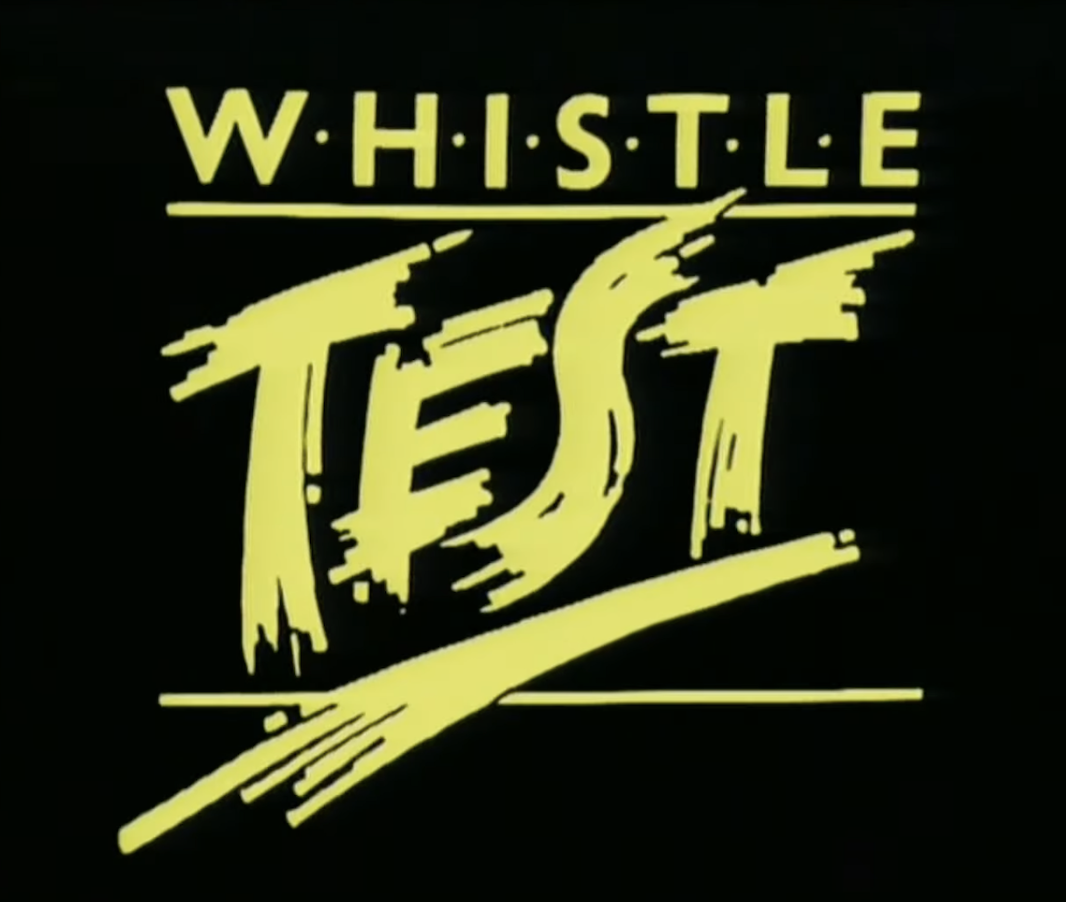
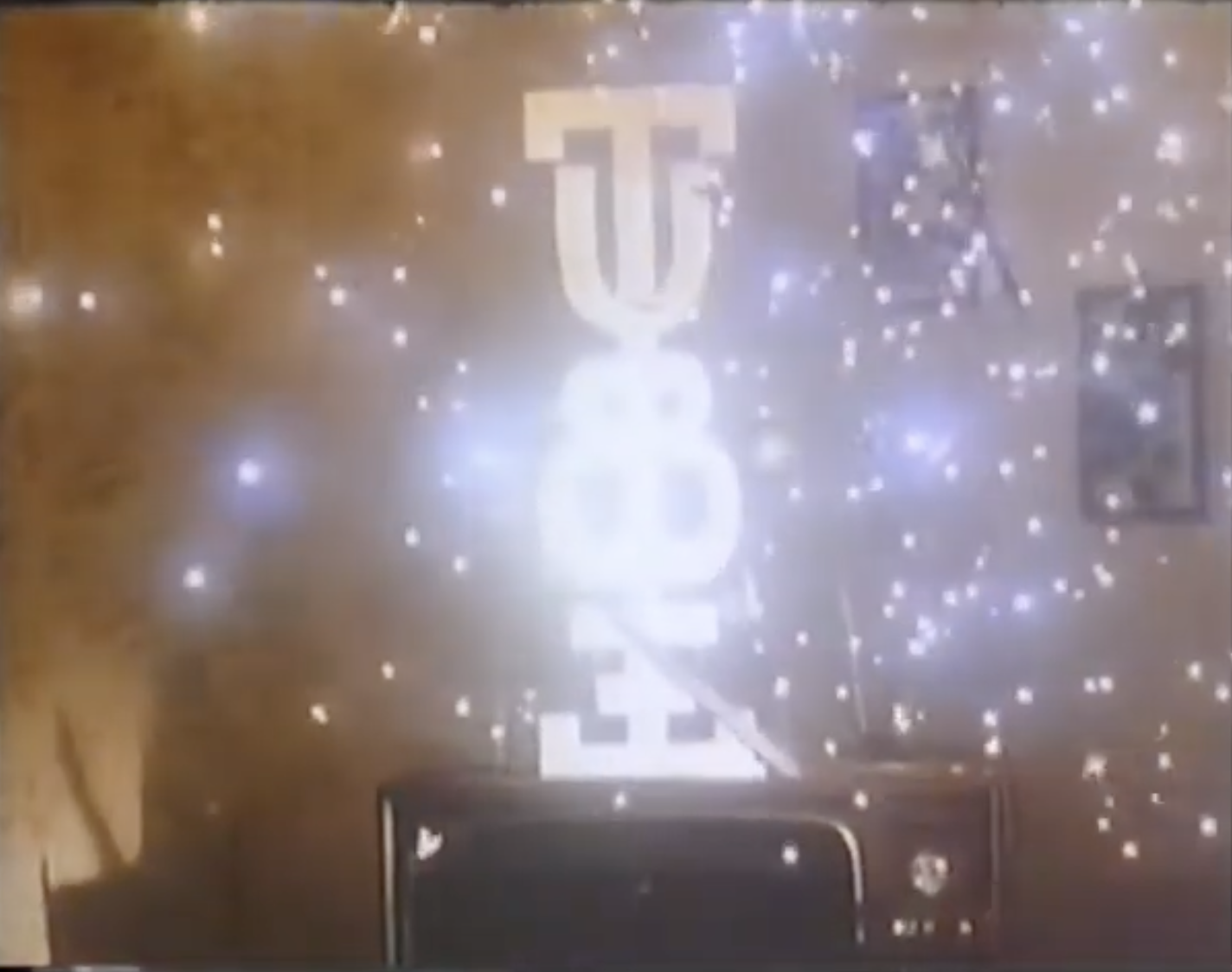
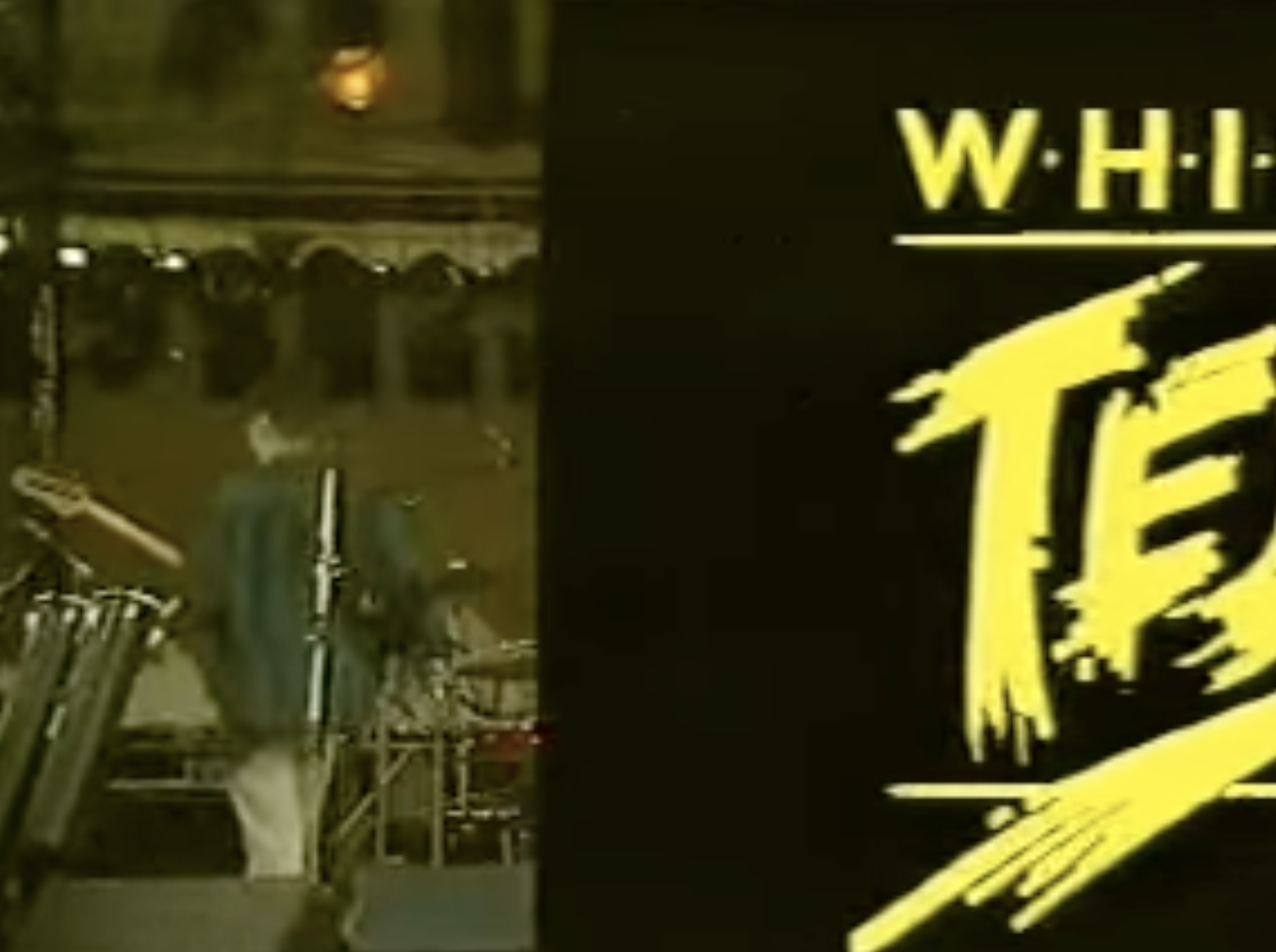
If the new, truncated title of the show was a big statement, the actual representation of it was somewhat understated. The logo itself was loud and proud at first glance. However, it wasn’t part of a wider title sequence, but nothing more than a static caption that slid off into the side, or cut to the opening scene of the show.
It’s not clear if the logo represents anything in particular, although, like the studio backdrop, it is contemporary in nature. One can only conclude that this was either a budgetary decision or a conscious reaction to distance Whistle Test from The Tube, whose titles often conveyed high energy in the MTV mode.
The Tube was fast and fizzing and featured Paula in short, meringue-like frocks; The OGWT was unhurried and stubbly and presented by blokes wearing Boz Scaggs and Orange Juice T-shirts. They were from the fashionable north, prime-time and live; we were pre-recorded in a cupboard in London and aired when Hurricane Higgins put his cue to bed.
Mark Ellen (quoted in Rock Stars Stole My Life)
Whistle Test had often been pre-recorded in the past, but often as ‘live’, with minimal editing, meaning some subtle fluffs and errors were often retained.
I do remember doing shows from Riverside Studios with a live audience and recording ‘as live’. Nobody wanted to do retakes or start again if possible. Editing on 2 inch and then 1 inch tape was expensive and unwieldy.
Karen Rosie
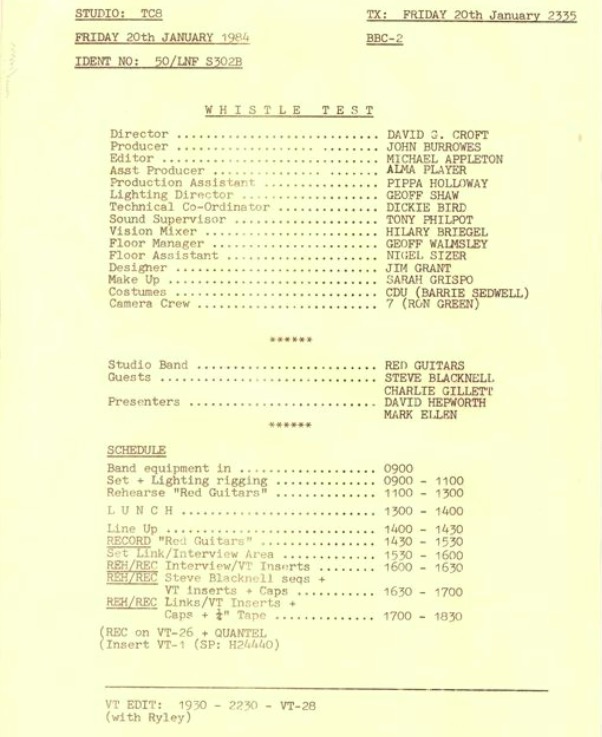
There appeared to be some evolution. An unedited studio tape of the previous series in Spring 1983 suggests that retakes were a part of the recording. However, the production schedule for this series confirms that out-of-sequence recording was the norm. This feels like a leap in the way Whistle Test was recorded.
Benefitting from its traditional last-thing-at-night timeslot, Whistle Test was now recorded usually on the day of transmission, starting with the soundcheck for the live band in the morning, followed by the recording of the two numbers after lunch. By late afternoon, the material from the office set would be recorded, with Hepworth and Ellen relying less on a script and more on their own improvisational skills. 2-3 hours of editing would take place early in the evening, in readiness for broadcasting on BBC2, towards the midnight hour.
Typical Whistle Test programme schedule (Winter 1984 series) Recording usually on a Friday.
0900 – Band equipment arrives into studio 0900 – 1100 – Set and lighting rigging. 1100 – 1300 – Rehearse band. 1300 – 1400 – Lunch 1400 – 1430 – Line up (cameras) 1430 – 1530 – Record band. 1530 – 1600 – Record presenter links in ‘office’ interview area set. 1630 – 1830 – Rehearse/record interviews and VT inserts. 1830 – 1930 – Dinner 1930 – 2230 – VT edit
2335 – 0015 – Transmission on the same day! (Friday, BBC2).
Never a show with a lot of money to spend, this new series tended to only feature one act performing in the studio. Apparently, the Musicians’ Union demanded payment to groups of up to £100 per member, and £200 for solo artists, resulting in the careful balancing of the budget. It’s interesting to note that one edition, featuring two live acts, was only possible because both Billy Bragg and Steve Nieve were solo performers.
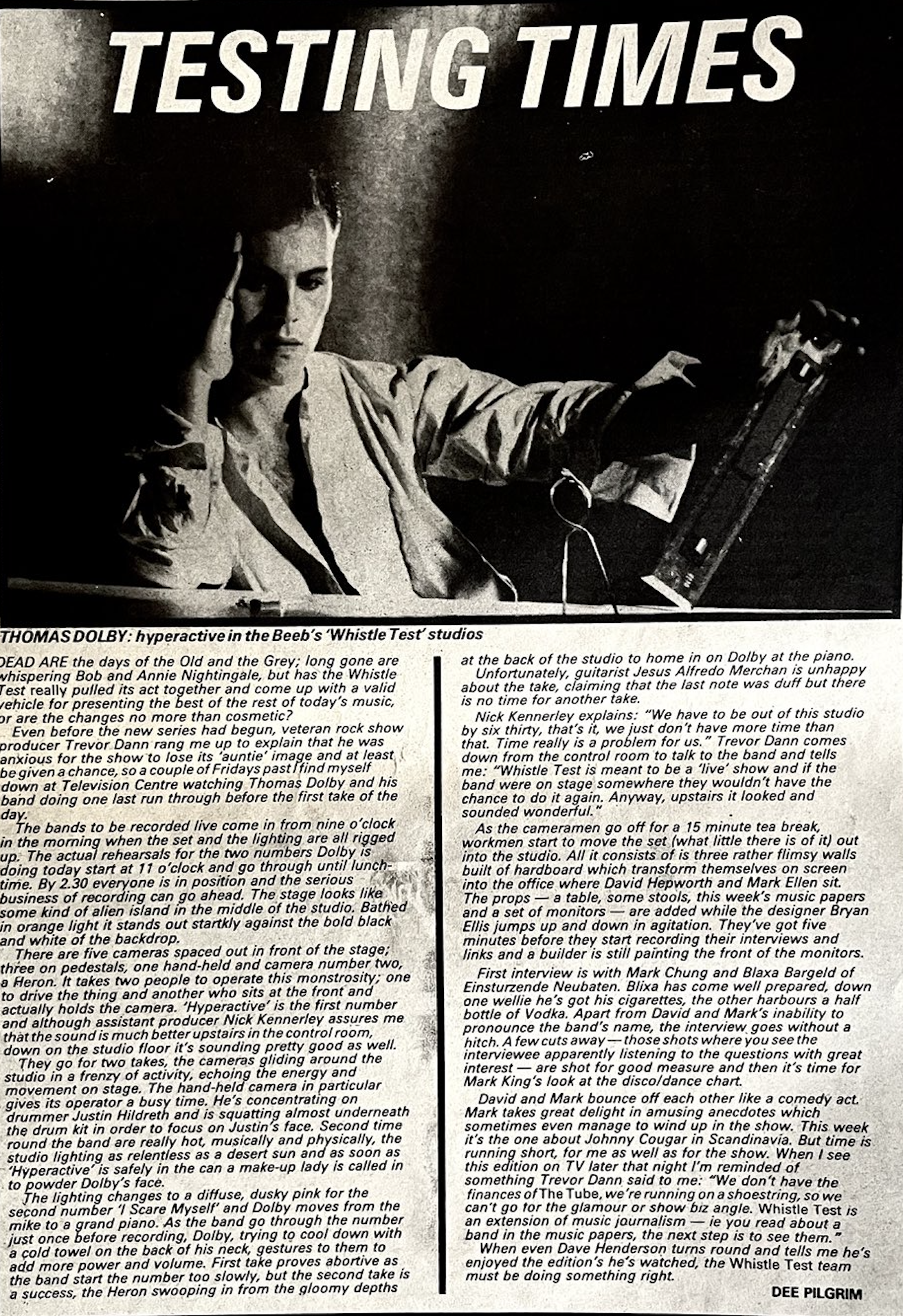
The 11th February issue of Sounds notes that more than one take of Thomas Dolby’s ‘Hyperactive’ was recorded. A ‘luxury’ of a pre-recorded show was the opportunity for multiple takes if required. A glance at the final transmission reveals that occasional cutaways from one take could be spliced into another.
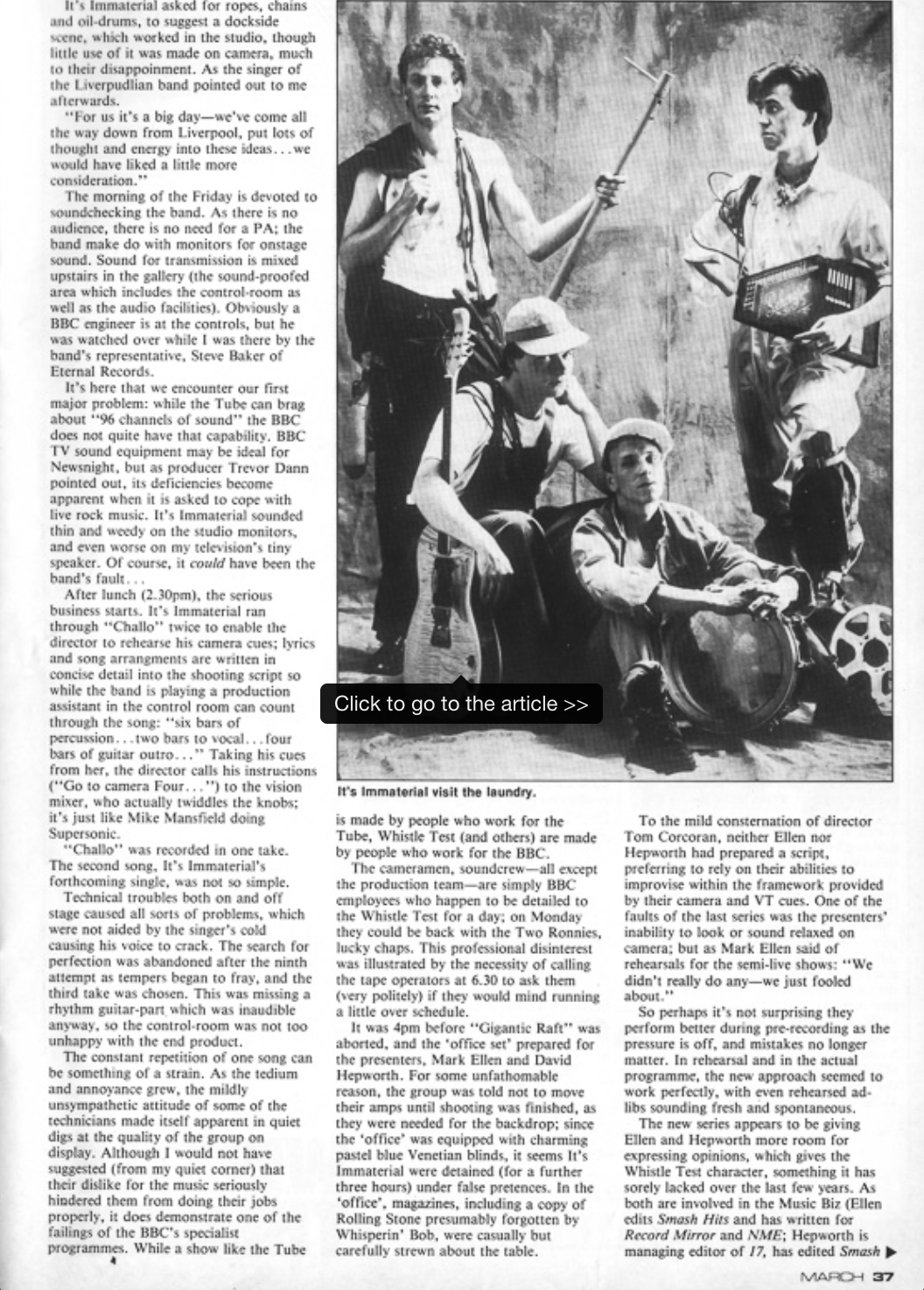
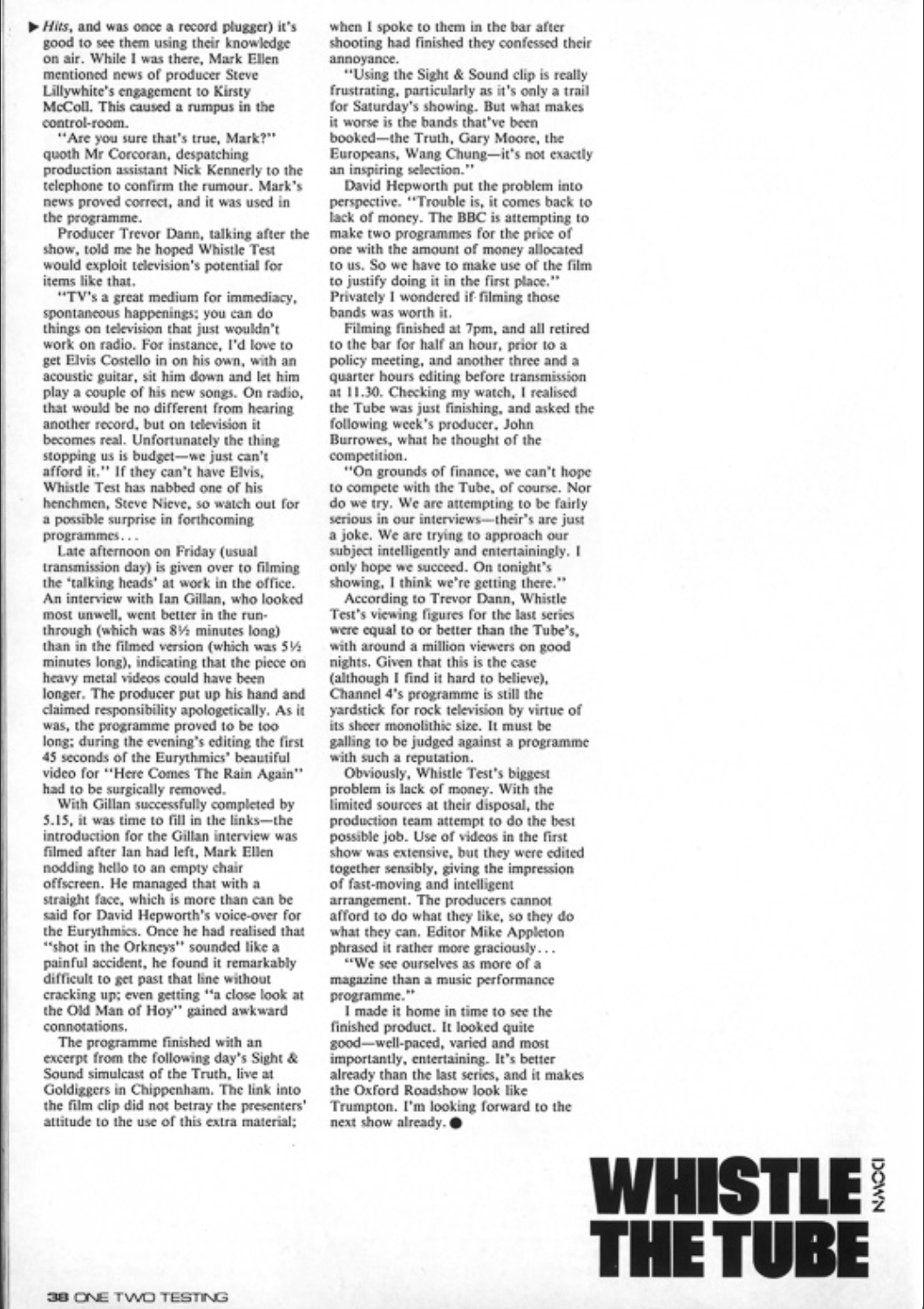
A contemporary article in the magazine One Two Testing documented a day in the life of Whistle Test and revealed the limitations of the budget, with the inevitable comparisons to The Tube. While not hostile to the show, there is a sense that, editorially, the brief was to be slightly downbeat. In addition to references to the limited budget, there was disappointment that little of the additional set dressing to accompany the studio band ‘It’s Immaterial’ was seen on camera – an industrial dockyard setting, featuring ropes, chains and oil drums. There were also notes about various technical troubles and challenges due to the singer’s cracking voice – apparently, he had a cold.
There’s a nice illustration of how music was directed from BBC studio gallery, via the standard ‘Multi-Camera’ style of television production.
…lyrics and song arrangements are written in concise detail into the shooting script so while the band is playing a production assistant in the control room can count through the song: “six bars of percussion… two bars to vocal… four bars of guitar outro…” Taking his cues from her, the director calls his instructions (“Go to camera Four…”) to the vision mixer, who actually twiddles the knobs.
Jon Lewin – One Two Testing (March 1984)
A gripe that the article has about Whistle Test is a comment that the studio technicians perhaps lacked sympathy towards music television, noting that they might be working for The Two Ronnies the following day.
…the mildly unsympathetic attitude of some of the technicians made itself apparent in quiet digs at the quality of the group on display. Although I would not have suggested (from my quiet corner) that their dislike for the music seriously hindered them from doing their jobs properly, it does demonstrate one of the failings of the BBC’s specialist programmes. While a show like The Tube is made by people who work for The Tube, Whistle Test (and others) are made by people who work for the BBC.
Jon Lewin – One Two Testing (March 1984)
Looking back, it feels like a contradiction in terms. Lewin tactically falls short in implying studio unprofessionalism, but then suggests that the crews working for the BBC are the source of a below-par output. It demonstrates a distance between the wishes of some print media and the realities of a publicly funded corporation. And a key point is completely missed, in that Whistle Test always had a good reputation for studio sound, and care over what was happening in the studio. BBC crews – whether they liked the show or not – always worked to very high standards. (We will discuss studio sound later.)
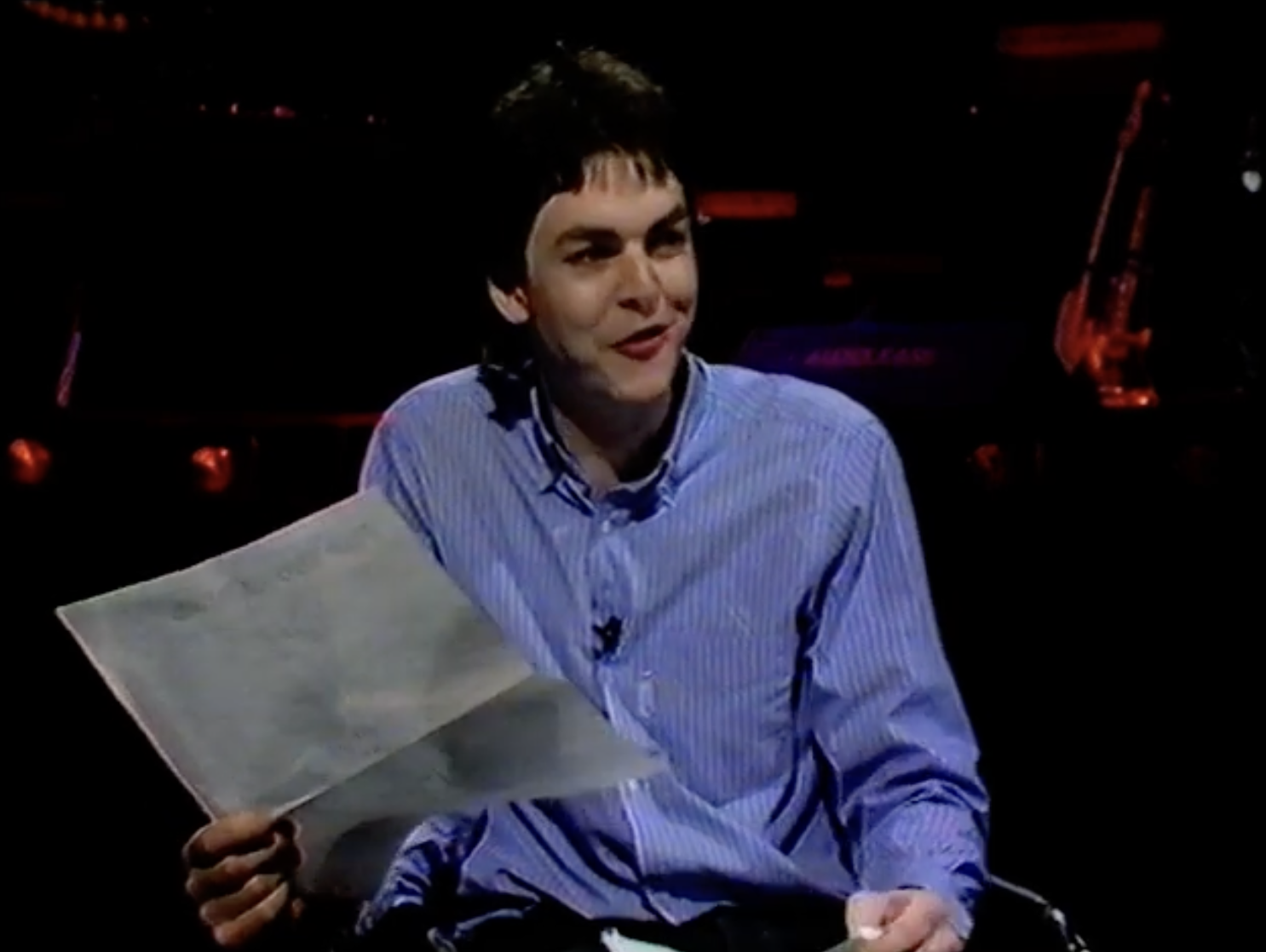
Attention then turned to the presenting duo of Hepworth and Ellen, and their approach to hosting the show. According to Lewin, there was little in the way of rehearsing their links, preferring to fool about and rely on their improvisational skills within the camera script and VT cues they were provided with. Although this technique appeared to cause mild consternation for director Tom Corcoran, the article approved this new approach, “with even rehearsed adlibs sounding fresh and spontaneous.“
By 5.15, it was time to fill in the links — the introduction for the Gillan interview was filmed after Ian had left, Mark Ellen nodding hello to an empty chair offscreen. He managed that with a straight face, which is more than can be said for David Hepworth’s voice-over for the Eurythmics. Once he had realised that “shot in the Orkneys” sounded like a painful accident, he found it remarkably difficult to get past that line without cracking up; even getting “a close look at the Old Man of Hoy” gained awkward connotations.
Jon Lewin – One Two Testing (March 1984)
A good example of the presenter’s rapport is from the edition broadcast on 10th February 1984, where Hepworth and Ellen play a road-tour influenced board game, seemingly making it up as they go along, and add-libbing a final ‘sore loser’ send-off as the screen fades to black at the end of the show.
Dann saw the introduction of humour and irreverence as part of the new Whistle Test sensibility.
Until David and Mark were on their own with Andy, Whistle Test was an entirely irony free place. It was it was a bit fond of itself, it was very proud of the fact that it was celebrating the greatest music ever by the great heritage artists. Even Annie (Nightingale), who had a great sense of humor, was forced into that whole kind of presentation style which is best expressed by the character who does Jazz Club in The Fast Show. It had become a programme where you took everything bloody seriously, and my view was that we should occasionally take the piss.
Now, some people didn’t like that. Don Henley did not enjoy really being asked why The Eagles were so boring. He didn’t like that at all. I remember an interview with Nick Mason of Pink Floyd and it was said “It must be great to be in a band like Pink Floyd because you never have to play quickly – you never get tired.” He didn’t think that was funny.
Trevor Dann
In fact, a quick glance at some links offered by Hepworth and Ellen during the final OGWT series, produced by Mike Appleton in 1983, suggests a touch of irony was pursued naturally by the presenters themselves.
ELLEN: …it’s currently at number 43 in the LP chart, isn’t it? It’s at 43 this week but it was at 37 last week which means, of course, it’s going down. But of course, the situation will soon be reversed by the mighty promotional force of the Old Grey Whistle Test programmes. It happens all the time. I mean Spandau Ballet… we had them on not two weeks ago you know, and they were washed up and left for dead, down the dumper totally, now they’ve got a number one album. It’s incredible, such as is the miracle of television, a window on the world.
The presenters had won favour with Jon Lewin, who argued (rightly, I think) that Hepworth and Ellen were using their journalistic credentials to maintain a Whistle Test tradition of the opinionated presenter viewpoint.
Reflecting on the main thrust of the One Two Testing article, namely the lack of money, it feels that the budgetary references were a softer way of communicating the central narrative surrounding Whistle Test within the music press – how it apparently played second fiddle to Channel 4’s The Tube.
Trevor Dann presented the case that Whistle Test was neck and neck with The Tube, with around a million viewers, and John Burrowes highlighted the difference in how the subject matter was treated, by emphasising that Whistle Test was serious in their approach to interviewing, and The Tube was just “a joke“.
The defence from the two producers didn’t seem to cut much ice, with the verdict seemingly delivered before the article was even written.
Channel 4’s programme is still the yardstick for rock television by virtue of its sheer monolithic size. It must be galling to be judged against a programme with such a reputation. Obviously, Whistle Test’s biggest problem is lack of money. With the limited sources at their disposal, the production team attempt to do the best possible job. Use of videos in the first show was extensive, but they were edited together sensibly, giving the impression of fast-moving and intelligent arrangement. The producers cannot afford to do what they like, so they do what they can.
Jon Lewin – One Two Testing (March 1984)
Yet, Lewin’s closing remarks shy away from the argument that Whistle Test didn’t need to be compared to The Tube. This series is a case in point. Faced with the opportunity to re-launch with a new name, the show remained faithful to its signature remit – a more serious exploration of the rock and pop world, albeit with a touch more humour thrown in. Nonetheless, this short 12-week run (including a one-off concert by the ‘The Icicle Works’ from Sefton Park, Liverpool) is a fascinating transition between the familiar ‘Starkicker’ era, and the forthcoming live format that would debut later in the year.
This chapter has focussed on how new blood, new authorial voices, and new ways of working, can create a different dynamic, and with that, the first steps in revamping a familiar brand. Indeed, the Winter 1984 series is a run that feels like it can experiment with its own format, in the safety of its late-night slot, without too much worry about audience share and viewing figures. There’s the first sense that the show is embracing a sense of… dare I say it… style.
If you’re on BBC2 and you’re on late at night, you’ve got a much more immediately dedicated following, probably. So, you haven’t got the pressure of something like Top of the Pops which has got to deliver X million viewers every week, and it’s on prime time.
Annie Nightingale (quoted in The Story of Light Entertainment, BBC, 2009)
The new studio design, while modest, hints at 1980s sensibilities. The emergence of a greater mix of features, including an increase in promotional videos, competitions, and deep dives into a particular subject or genre, suggests a show that is developing its magazine format while maintaining its music performance remit.
This is very much reflected in what was transmitted, with slightly less focus on studio performances (only one per show), and more on the presenters, features, and those who ‘drop into the studio’ for a chat about anything from the American music scene, to the history of Radio Caroline.
Although the number of studio performances might be fewer than in previous series, there are standout performances across the musical spectrum, from Billy Bragg accompanied by his guitar to The Cocteau Twins accompanied by their reel-to-reels. However, if I had to choose one performance, I would go for Thomas Dolby and his band, who offer a crackling performance of Hyperactive. There’s energy, eclecticism, and tight musicianship. Dolby duets with Adele Bertei, who is the perfect foil visually and vocally.
The Winter 1984 Whistle Test series is transitional and often forgotten. Previously published histories usually suggest that OGWT immediately gave way to a new live format, but this run suggests there were some calculations to work out first. Presumably, the main decision was centred around whether to remain faithful to the established Whistle Test raison d’être, or try to capture a younger audience and compete with The Tube. Perhaps the answer was somewhere in the middle.
Either way, it acted as a segway to an even bolder revamp only six months later.








































 Pink for your actual Pterodactyl
Leave a comment