Welcome to this catalogue of chairs that featured during the era of UK telefantasy from 1960 – 89. Each decade begins with some wider observations that I hope you find interesting.
You might question why a few entries are included within the realm of ‘telefantasy’ – you’ll be quite right in your questioning. However, as I embarked on this journey, I enjoyed stumbling across the items and the shows they belonged to, and wanted to include them here.
I hope you enjoy seeing the connections between furniture design and the television screen. I’m sure I’ll keep adding to it over time. Comments and corrections are always welcome.
The Chairs of British Telefantasy. The 1960s.
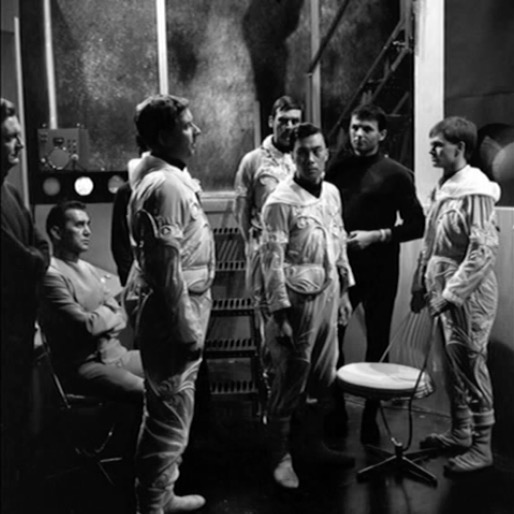
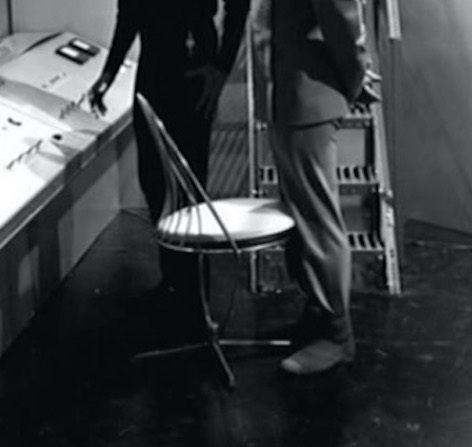
In 1962, the BBC broadcast the opening episode of the anthology series Out of the Unknown. Penned by John Wyndham, No Place Like Earth is set in an Earth-less universe, with Venus and Mars acting as a kind of galactic moterway.


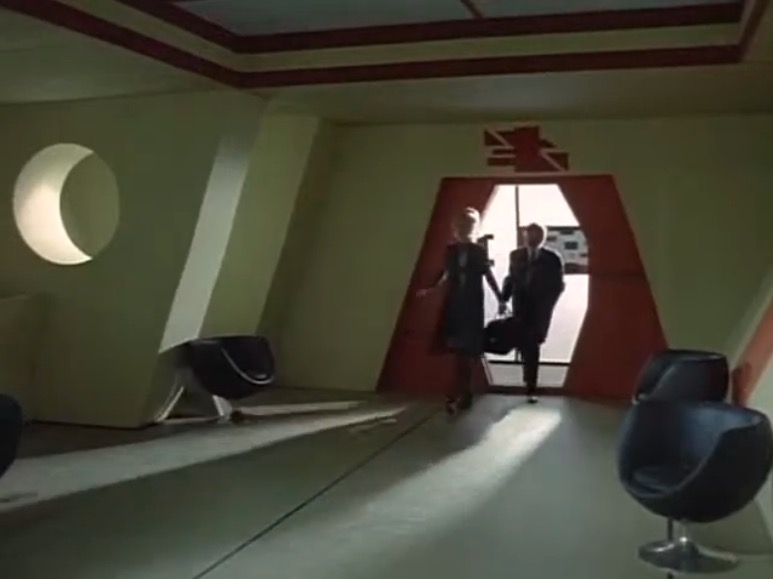
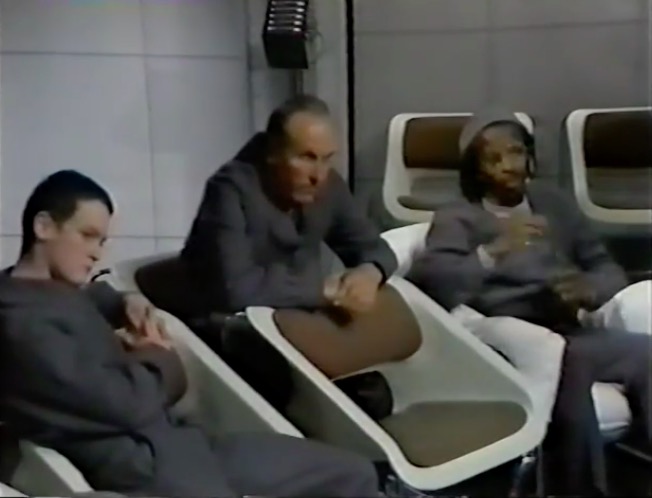
In keeping with the title of the episode, one of the settings on Venus is a space travel waiting room adorned with futuristic details such as a framed slogan ‘Venus is the future’, patterned wallpaper, and an intriguing molded fibreglass chair unlike anything I’ve seen before. I say chair, but the triangular design that allows more than one person to sit on it lends itself to any multi-use communal space.
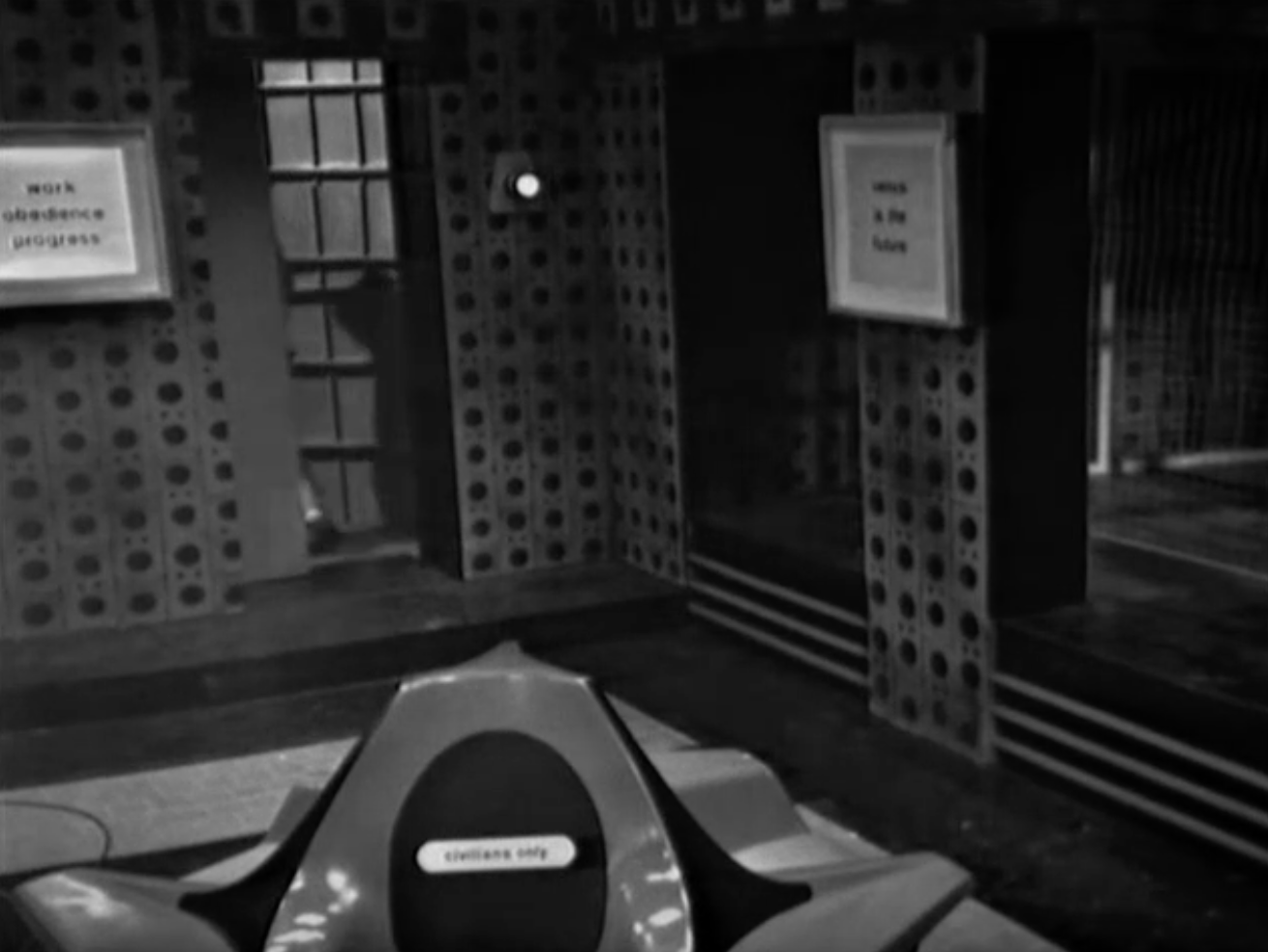
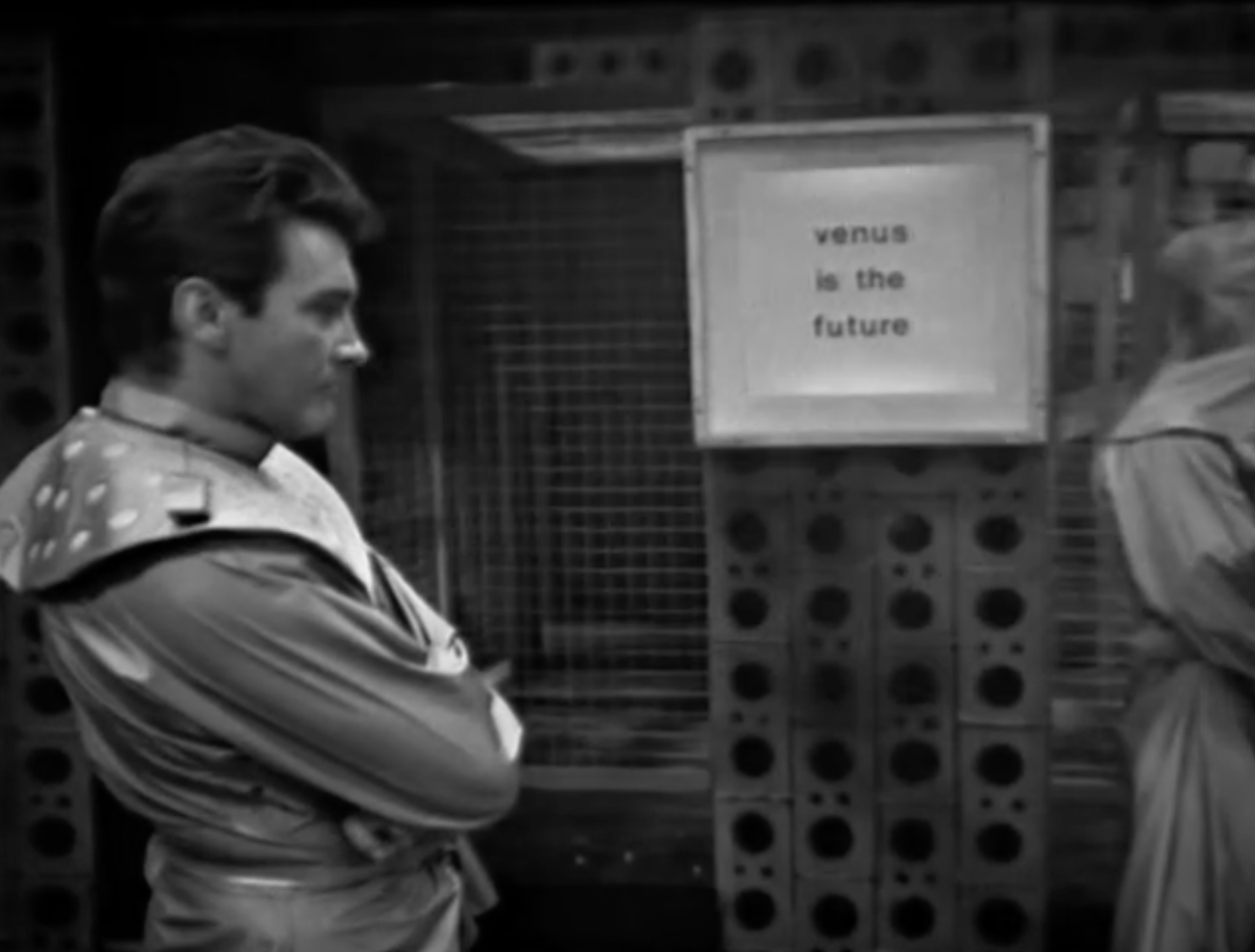
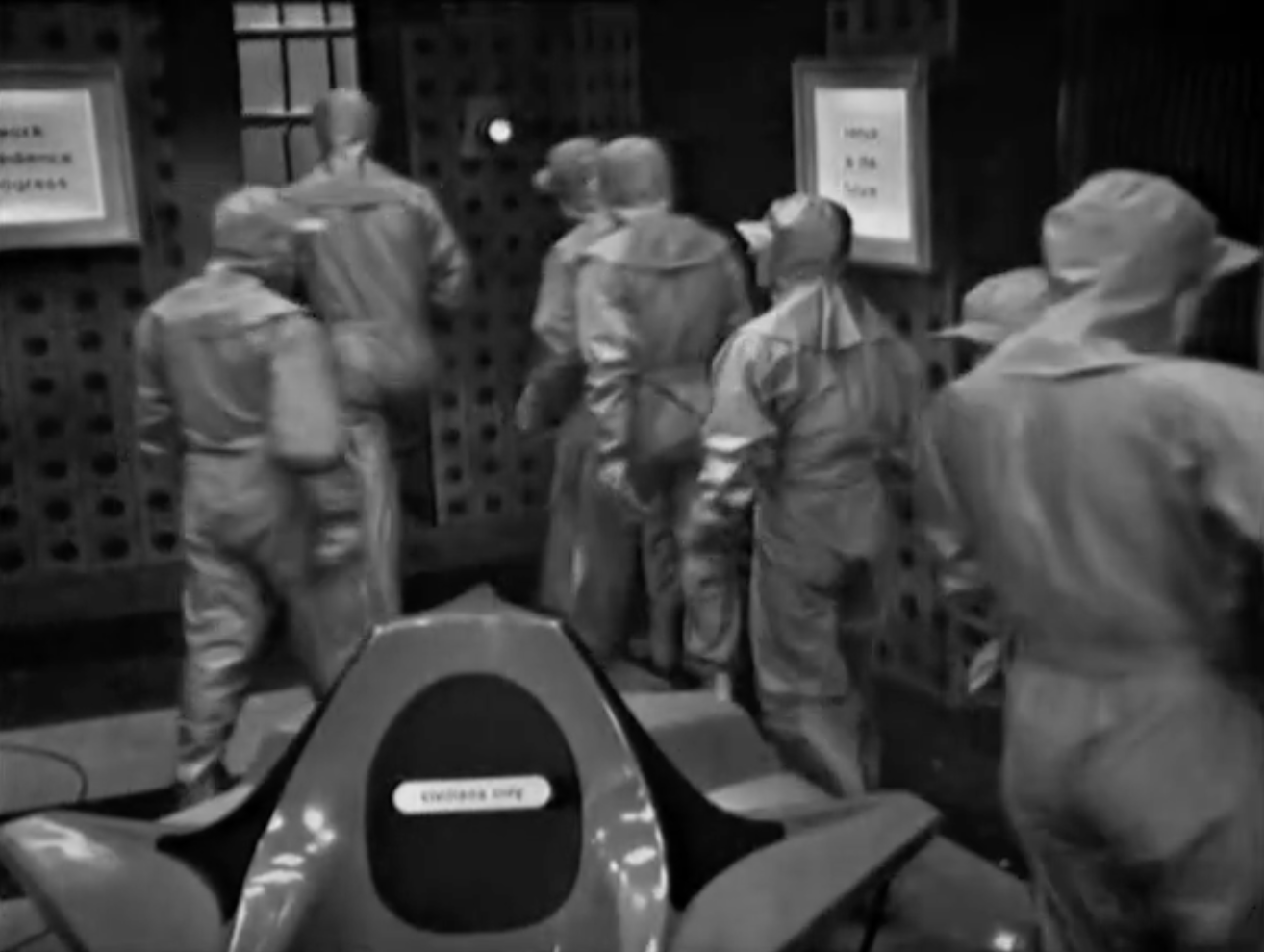
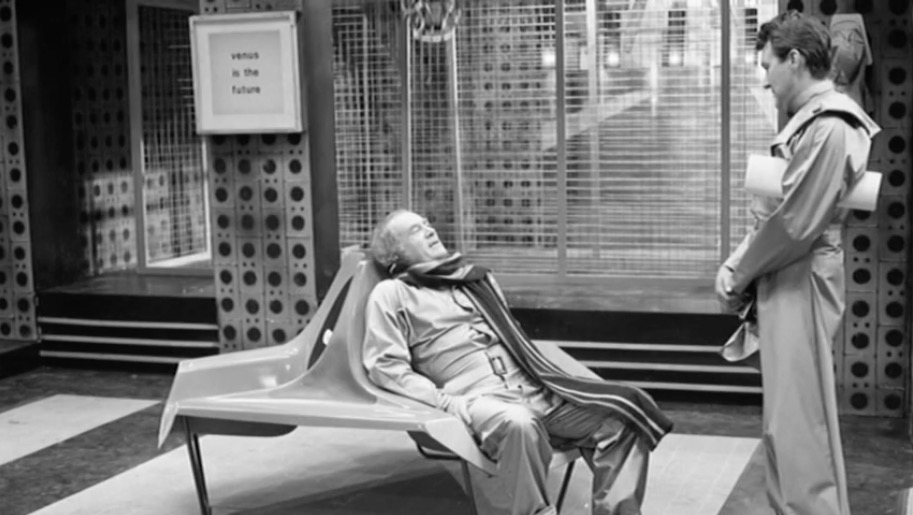
Could it have been custom-built for the episode? It’s unlikely, considering the cost of the production as a whole.
Could it have been hired from a prop store or an in-house BBC warehouse? Again, this is unlikely considering it hadn’t been seen in any other production of the time.
Could it be a commercially available design, in the style of various chrome or fibreglass designed pieces from Bauhaus to Eames? Closer, but still no cigar.
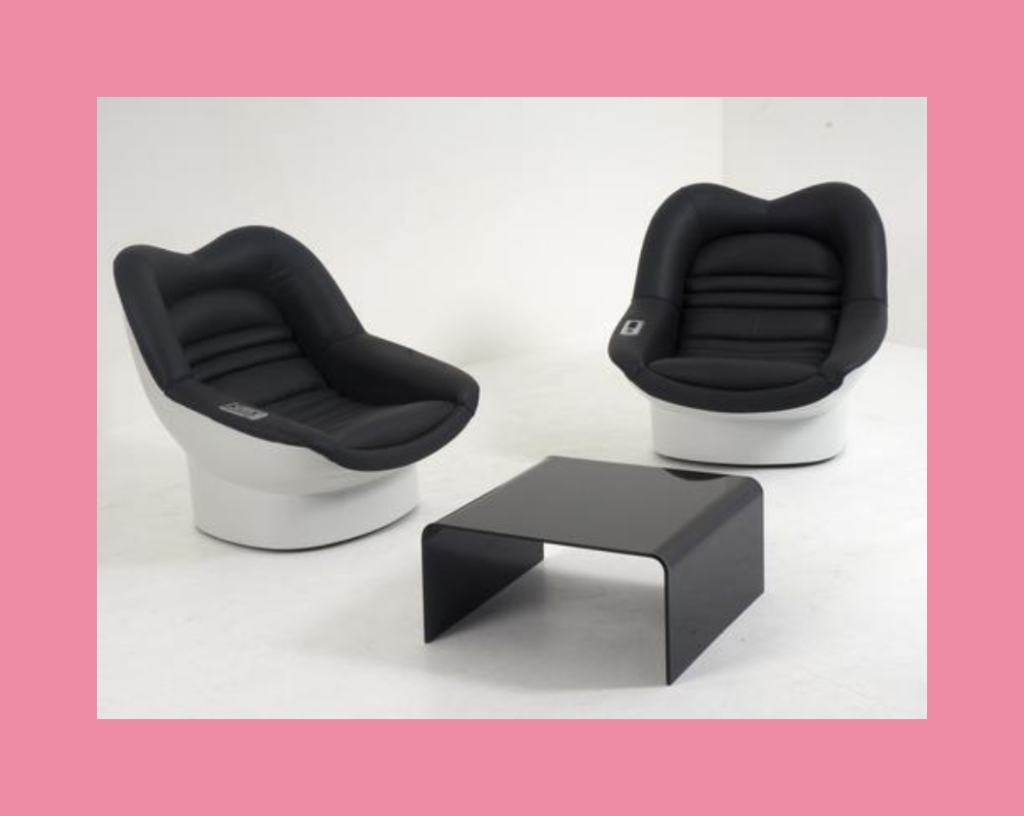
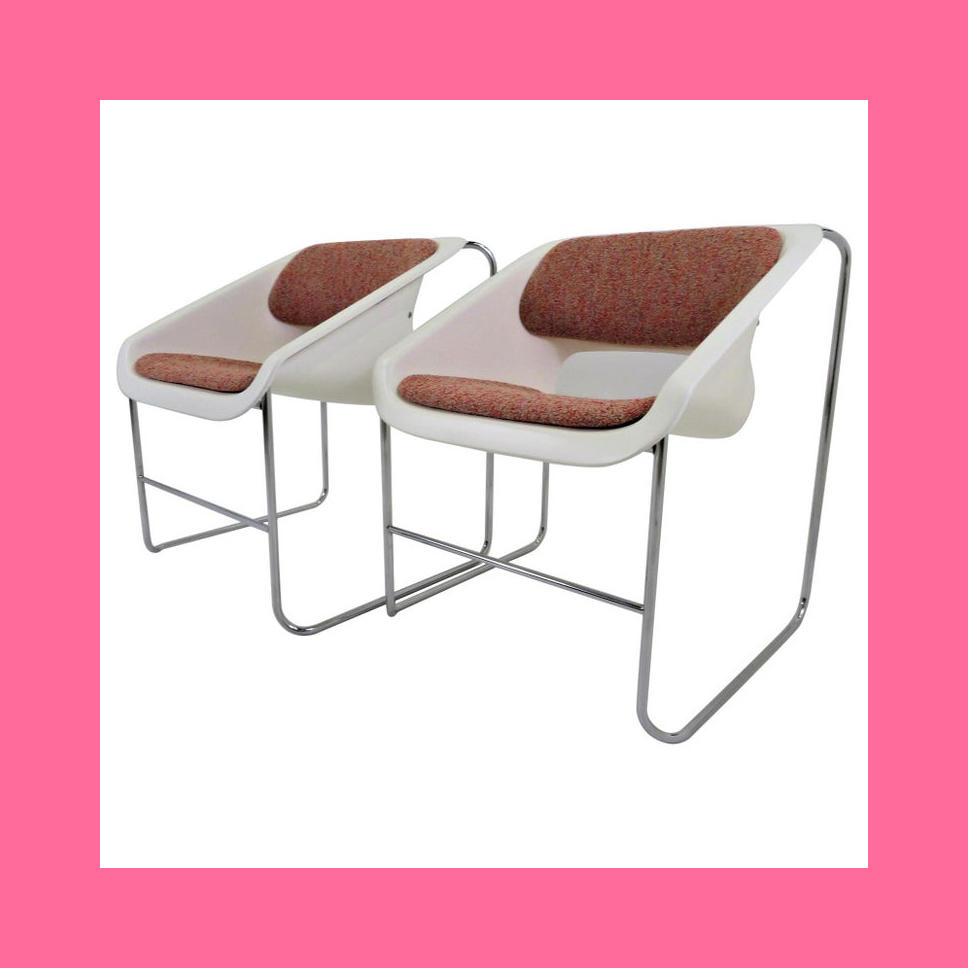
Just as I gave up hope, I came across these photos from the 1962 British Motor Show at Earls Court in London 1962. The listing notes a new lightweight chair developed by the Lotus automotive company.
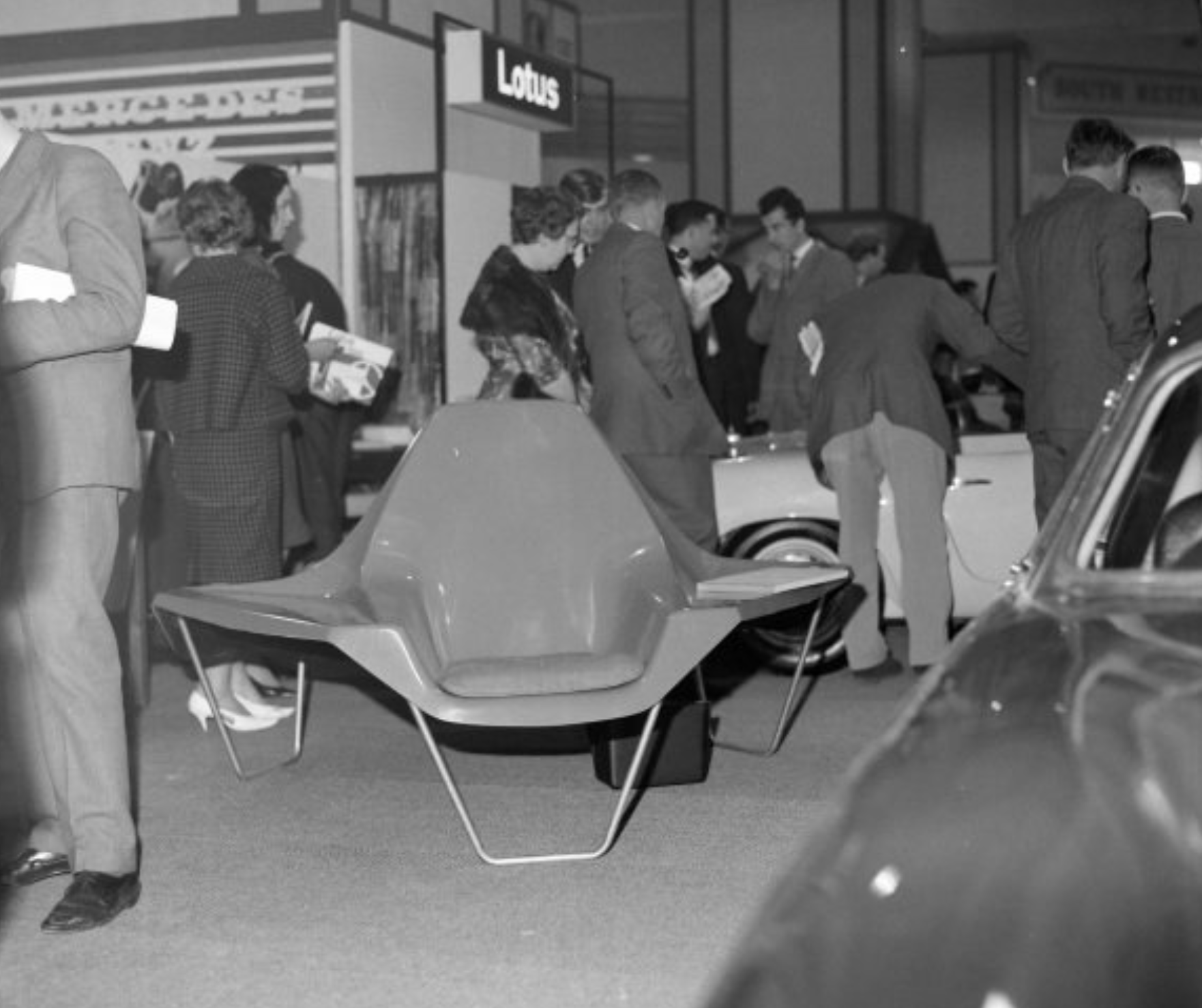
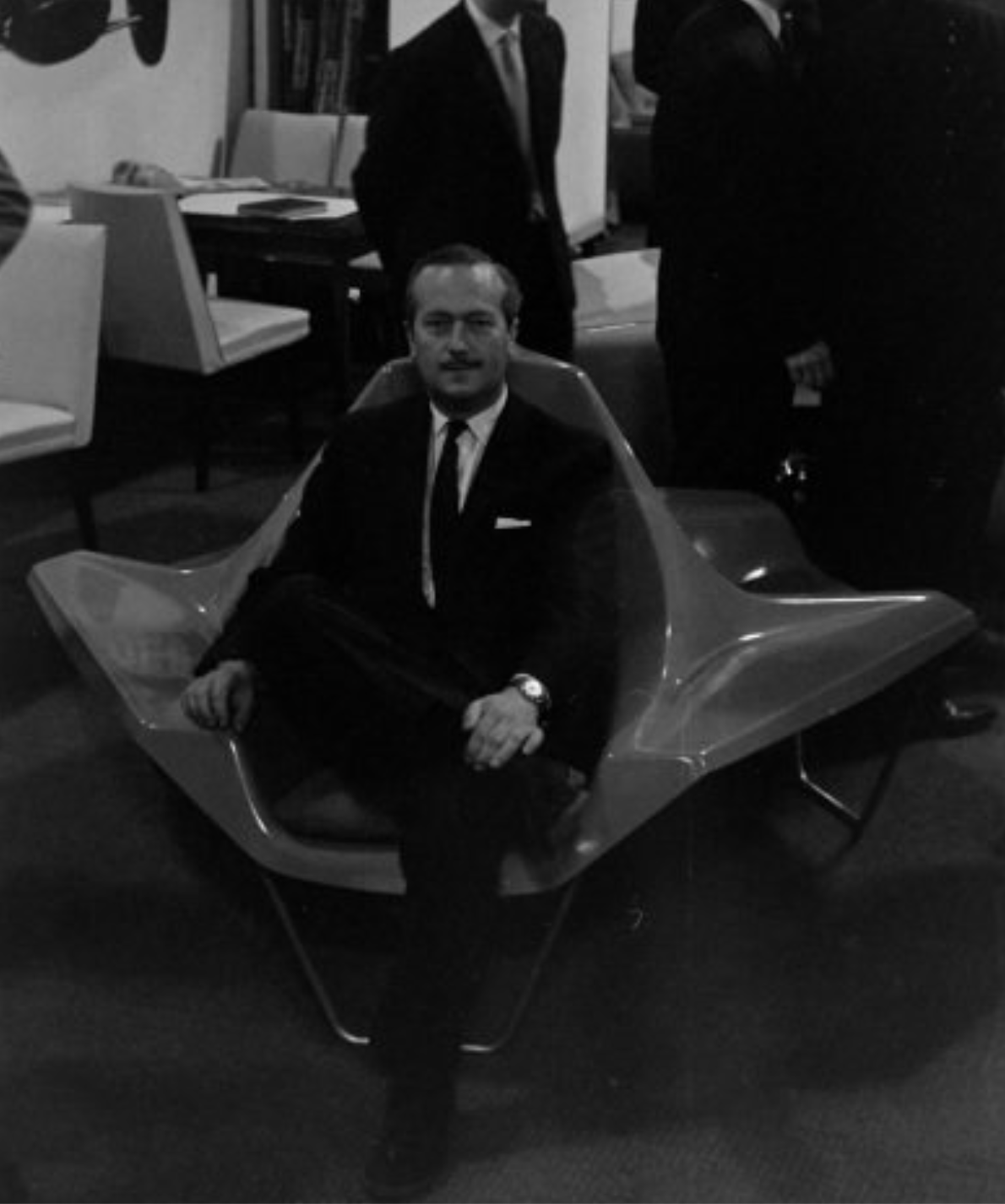
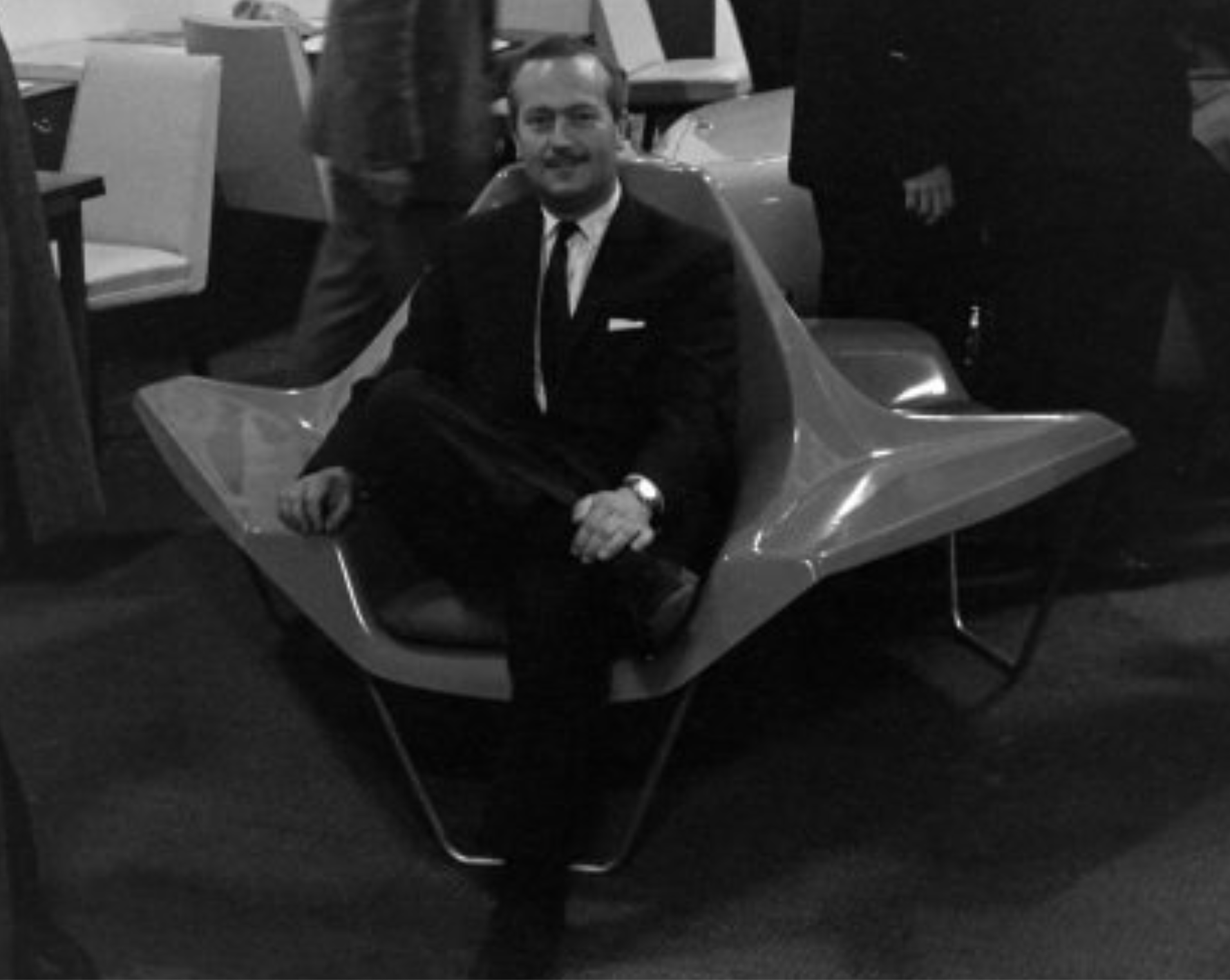
It’s a curious design, with more than a whiff of 1950s sleekness, yet it is distinctively 1960s in nature thanks to the moulded potential of the brave new world of design.
It serves as a reminder that the television designer is a curious soul, with one eye on the drawing board, and the other looking outwards, seeing what is happening in the world, and sometimes beyond.
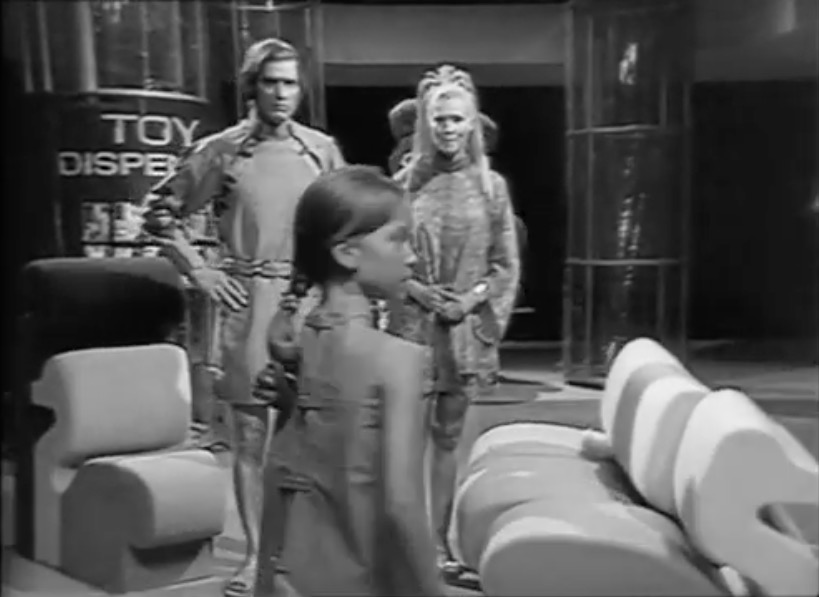
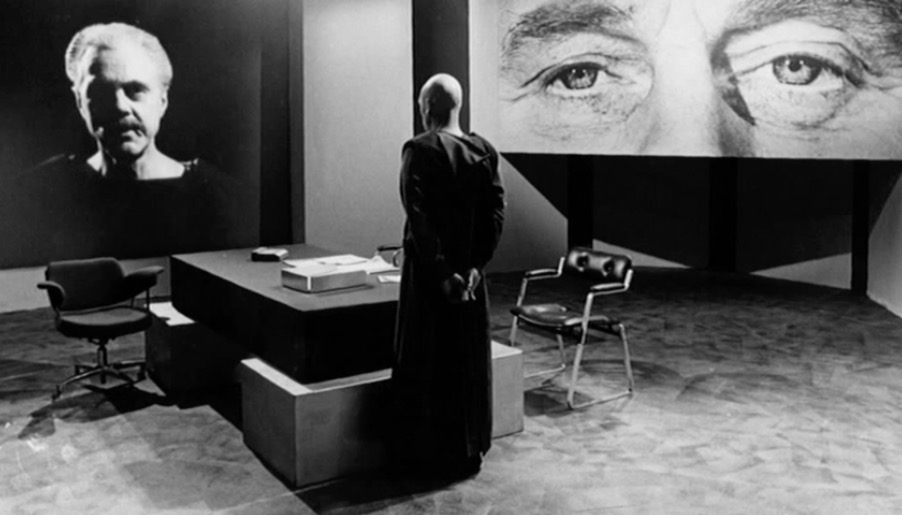
Fast forward towards the end of the decade, and BBC2 broadcasts a television play The Year of the Sex Olympics. This Nigel Kneale play was transmitted in mid-1968 and captures a new conceptual future through its interesting use of furniture. Historical artifacts feature, however, it’s the space-age designs that stand out.
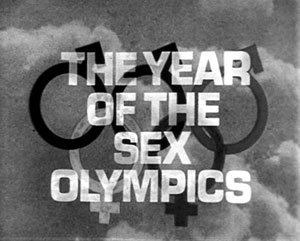
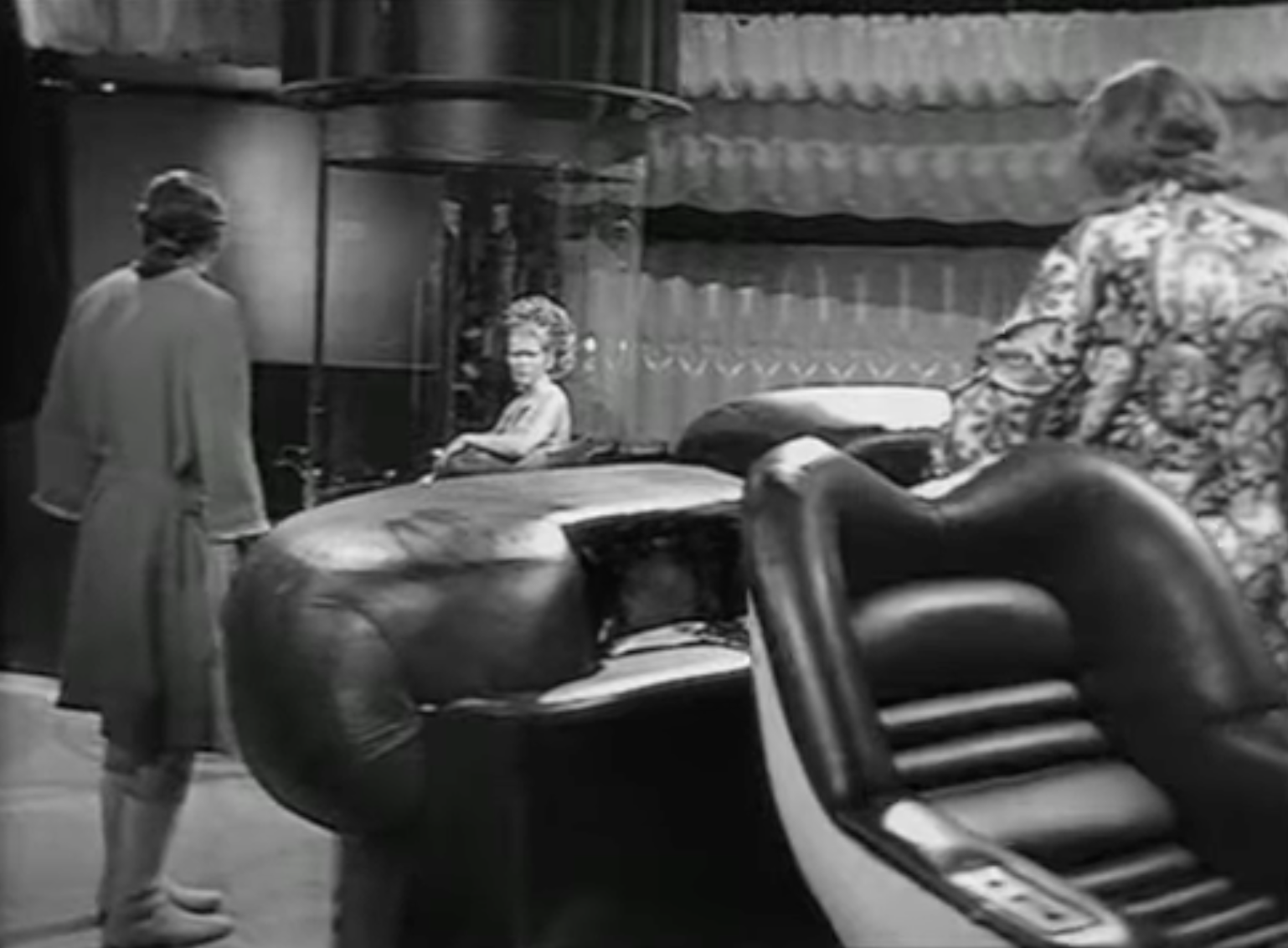
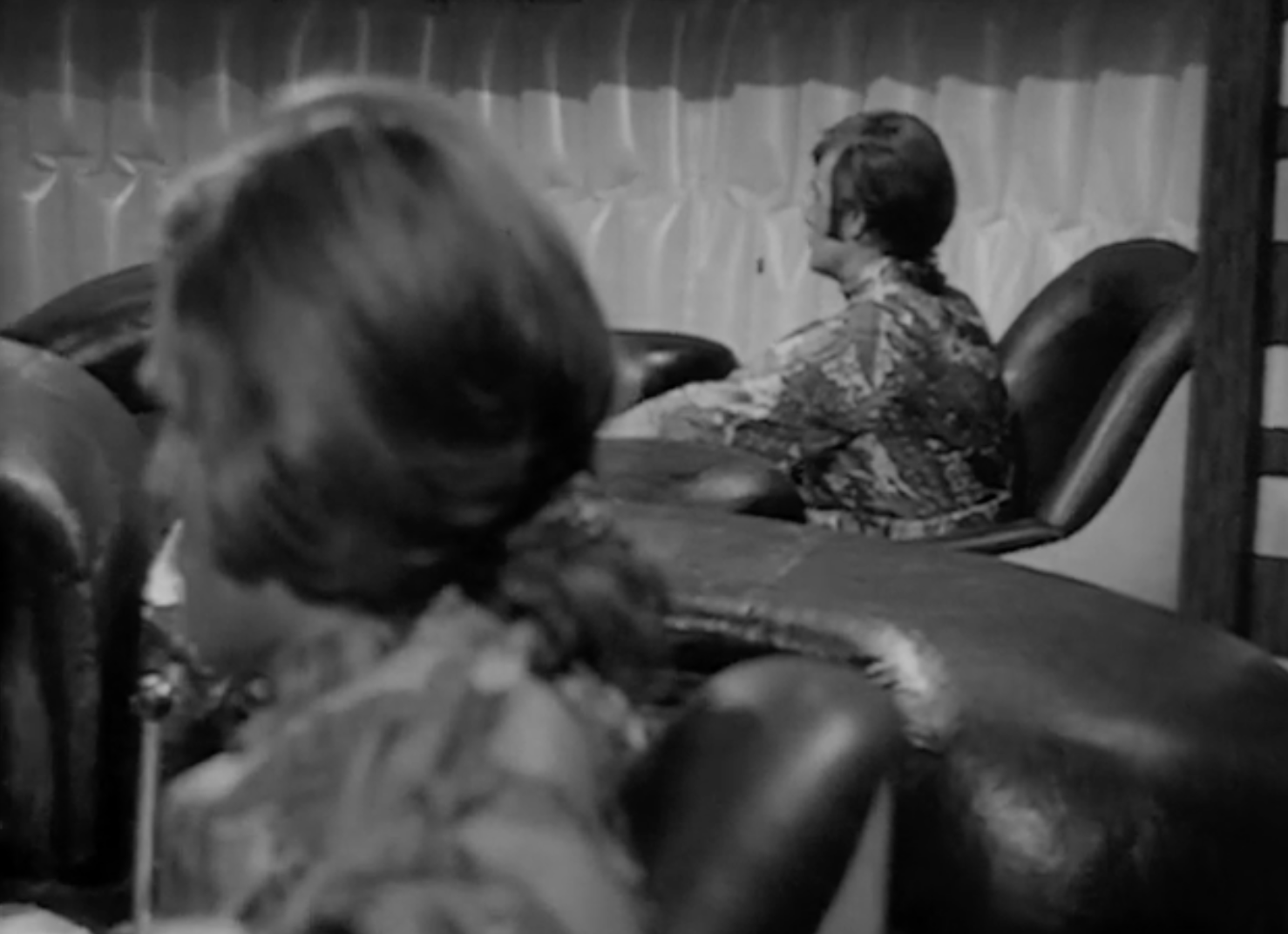
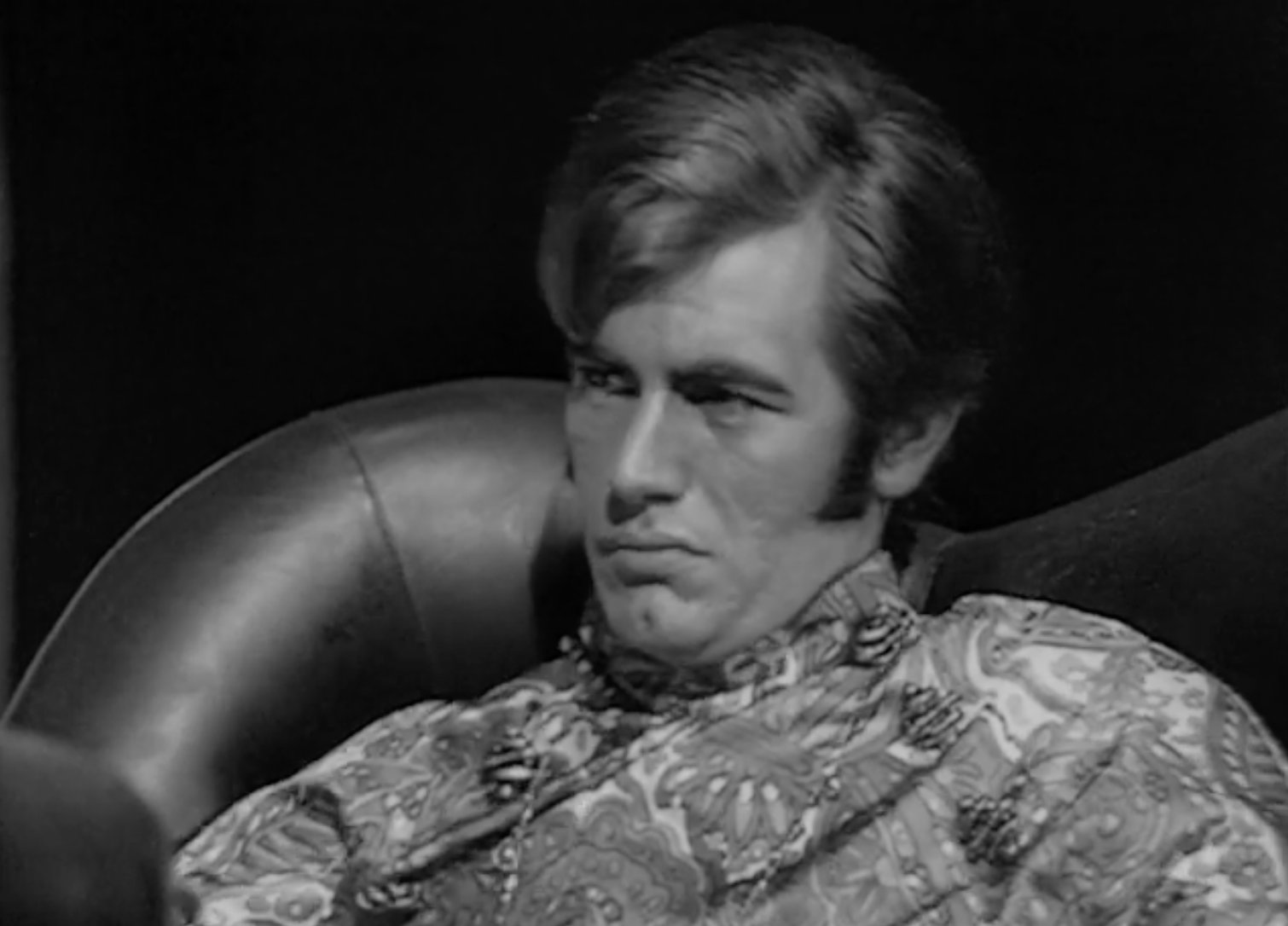
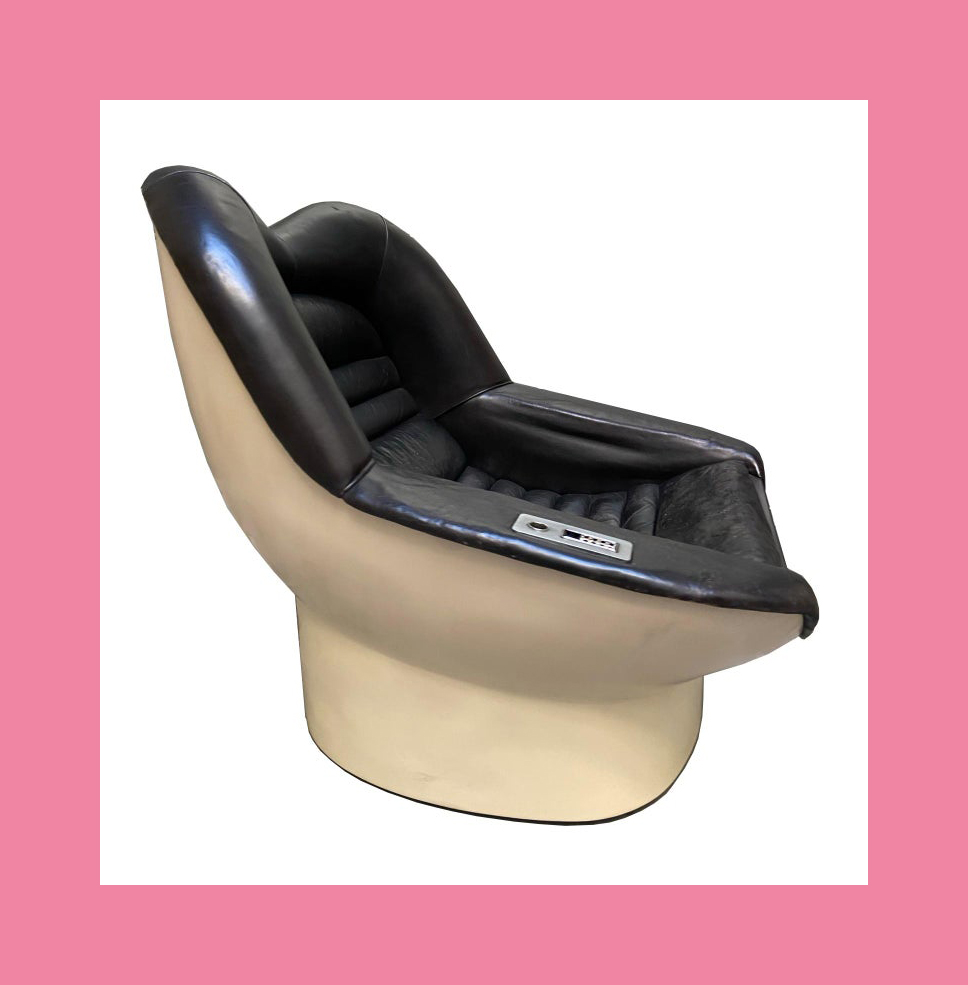
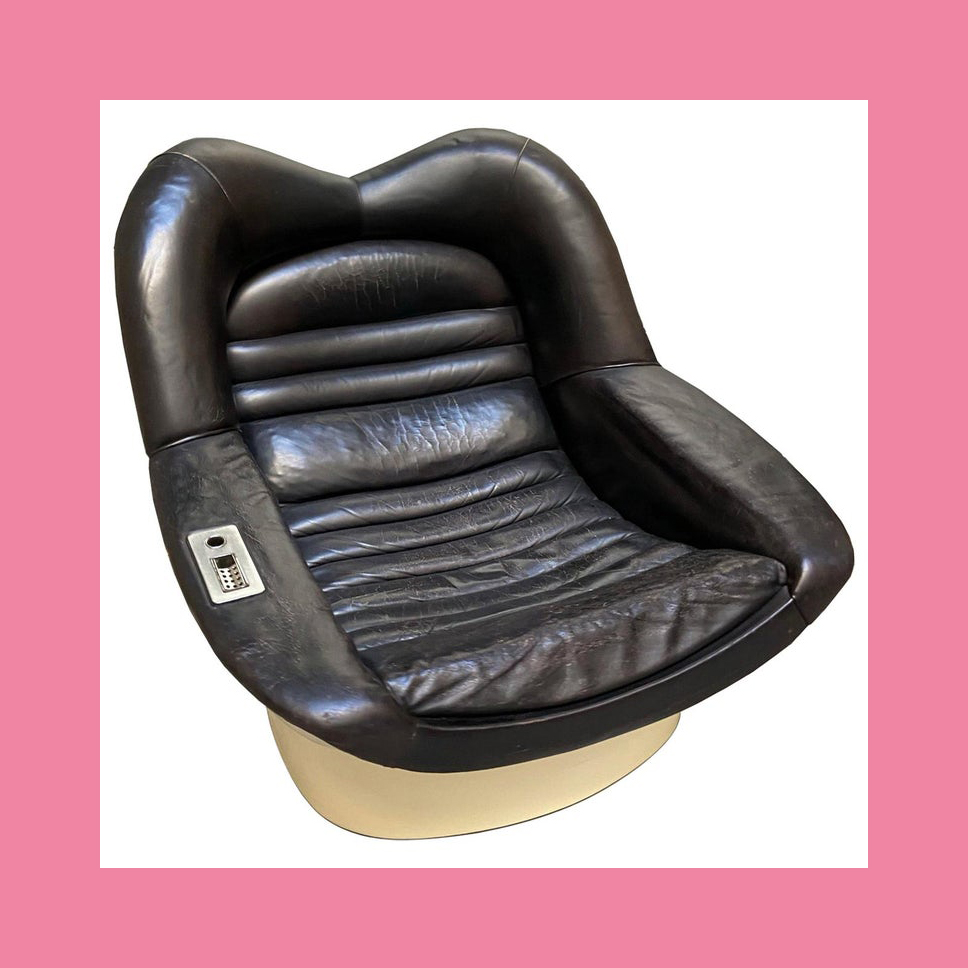
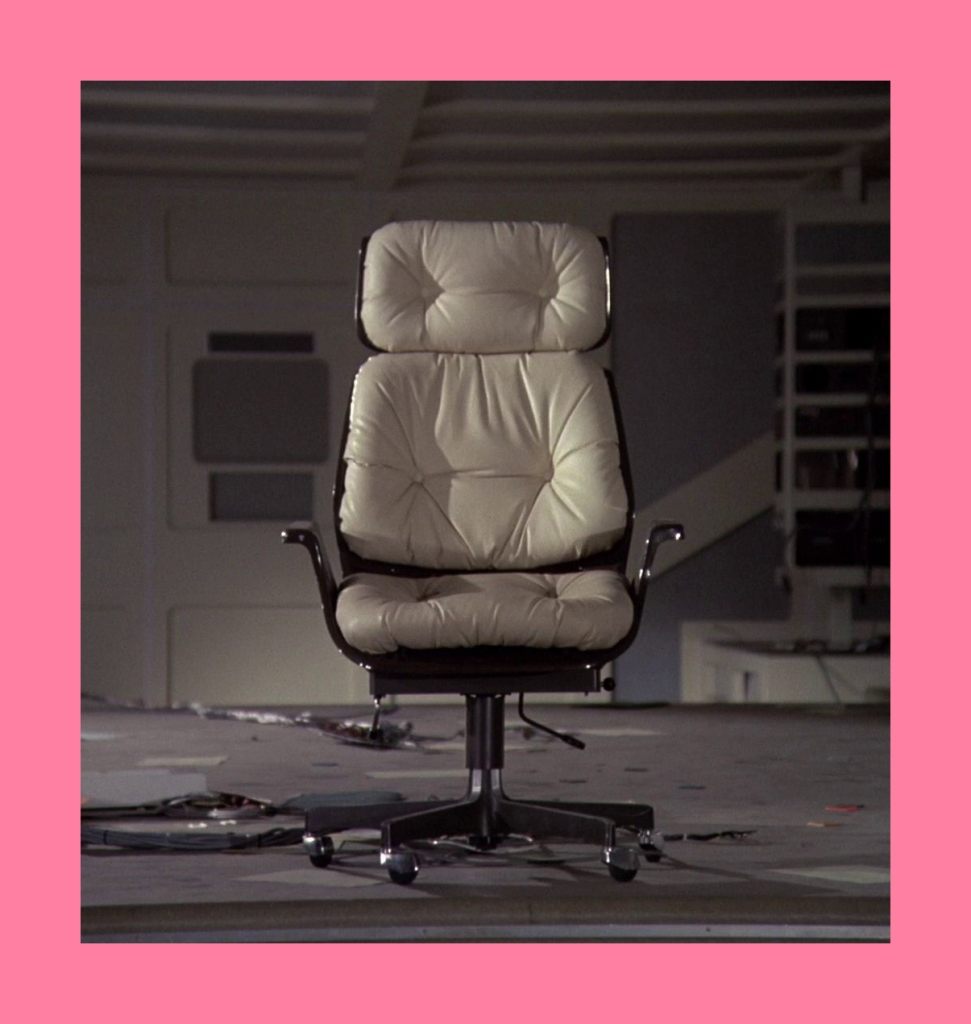
In the controller’s room, we see a chair that has popped up in everything from Sontaran spaceships to Titan-bound shuttles. This is the Alda Armchair, designed by Cesare Casati & Enzo Hybsch for Confort, Italy, 1966. This chair is interesting for two separate reasons. Firstly, it is a large lounge chair that swivels. Now, lots of lounge chairs swivel on a single leg; however, this, like the familiar Elda chair by Joe Columbo, swivels on a fibreglass base and offers a truly space-age aesthetic. Not a hint of chrome in sight.
This leads neatly to the second reason, the distinctive visual appearance. The upholstered leather and padded headrest appear to work in unison with the rest of the set design, with televisions fitted into a desk that is equally padded in black leather. It’s one of the few set designs of the era where the furniture is compatible with the rest of the set.
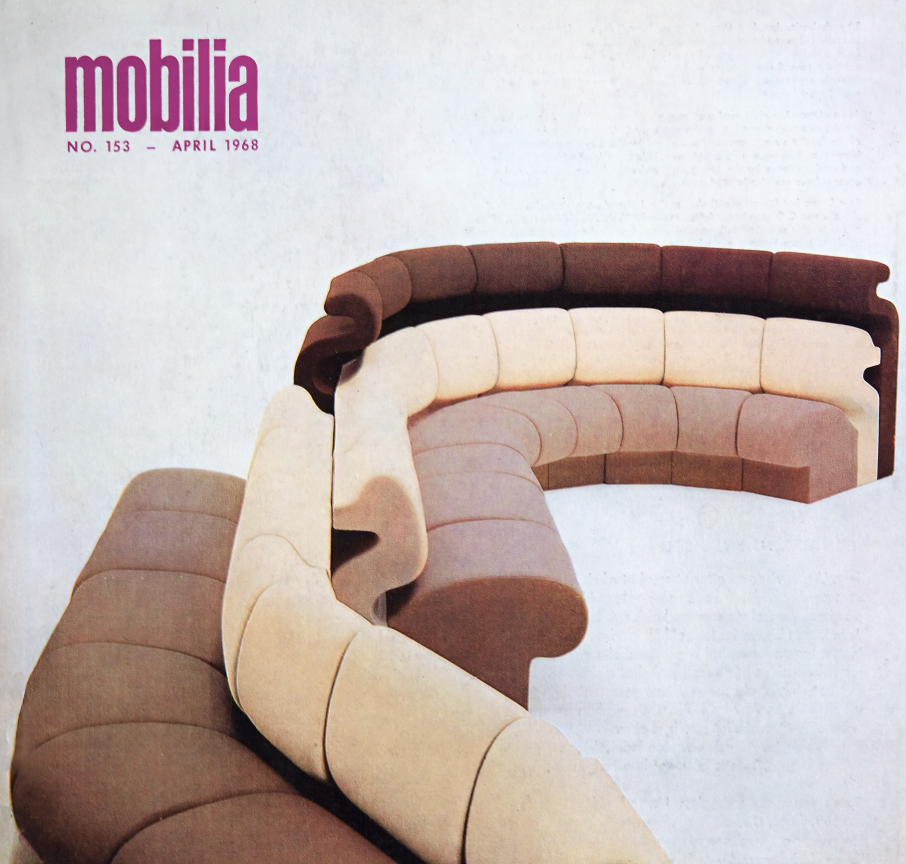
However, it is the modular sofa that is the most exciting element. Doctor Who and Blake’s 7 fans will be more than familiar with the Chadwick sofa, featuring everywhere from a Teal-Star space cruiser to a Parisian art gallery housing the TARDIS. Yet this television play features the Utsep system, designed by Danish architect Jørn Utzon. This was based on the concept of ‘additive architecture’ – the idea that new shapes and forms emerge with new elements added to the mix.
Jørn Utzon, Arquitectura aditiva, 1970 (1)
A principle of pure addition implies a new architectural shape, a new expression, with the same features and the same effects that you obtain when you add more trees to the forest (…); it all depends on how many different units you add to the set.
It would appear that it was hot off the press by the time BBC designer Roger Andrews (no stranger to fantasy in 1968 – he also oversaw a number of Late Night Horror episodes on BBC2.)
The Utsep system is made up of seat, a high backrest and a low backrest that could combine and fit any layout, either straight or curvilinear. The range of possible layouts, in addition to the organic shapes of the units, allow the creation of a kind of sculptural landscape, which can enliven any type of room. (1)

The 1960s really was a brave new world, and here are a few standouts from the time.
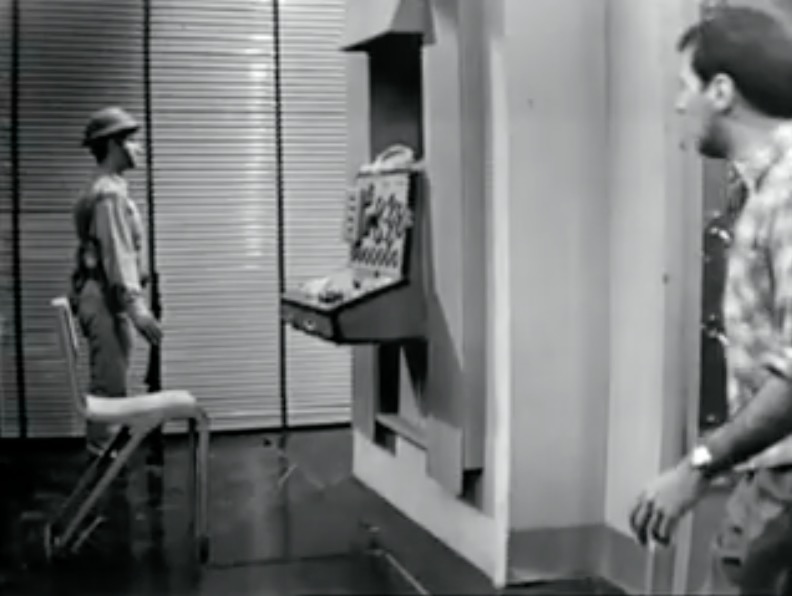
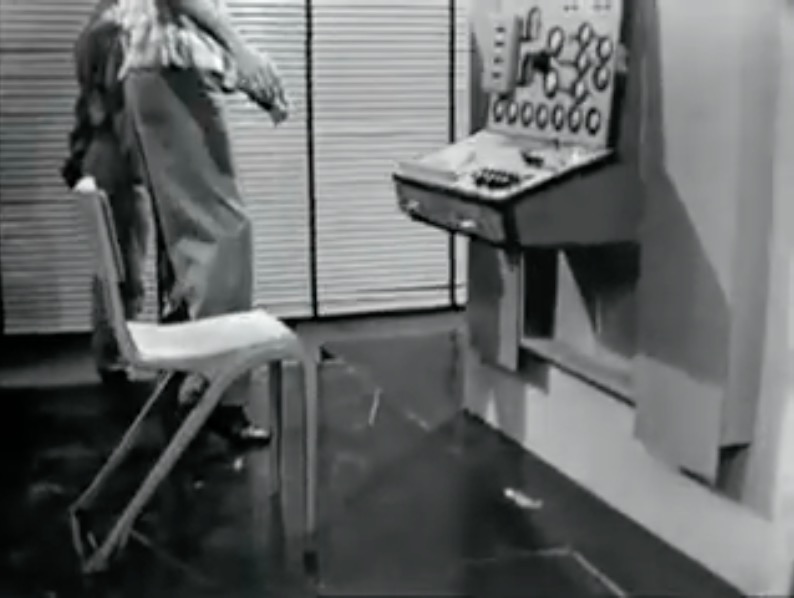
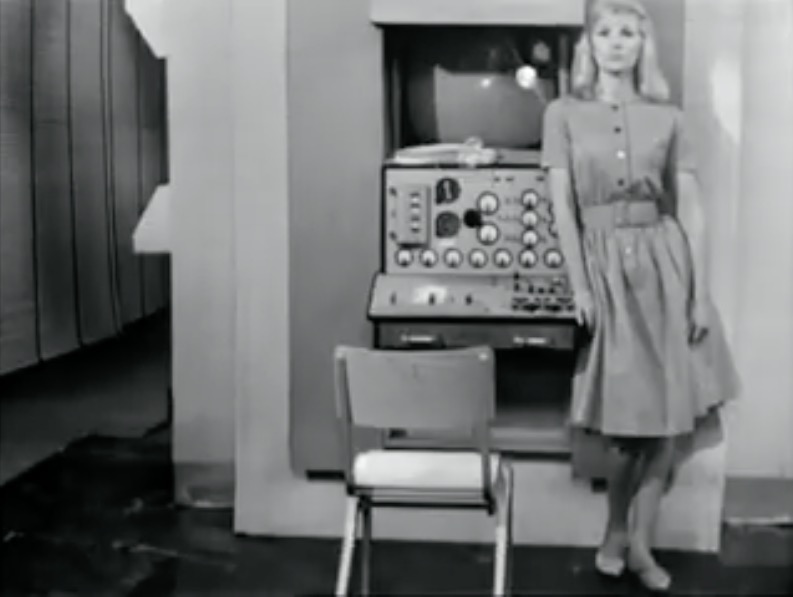
The Andromeda Breakthrough – ‘Azaran Forecast’ (BBC, 1962)
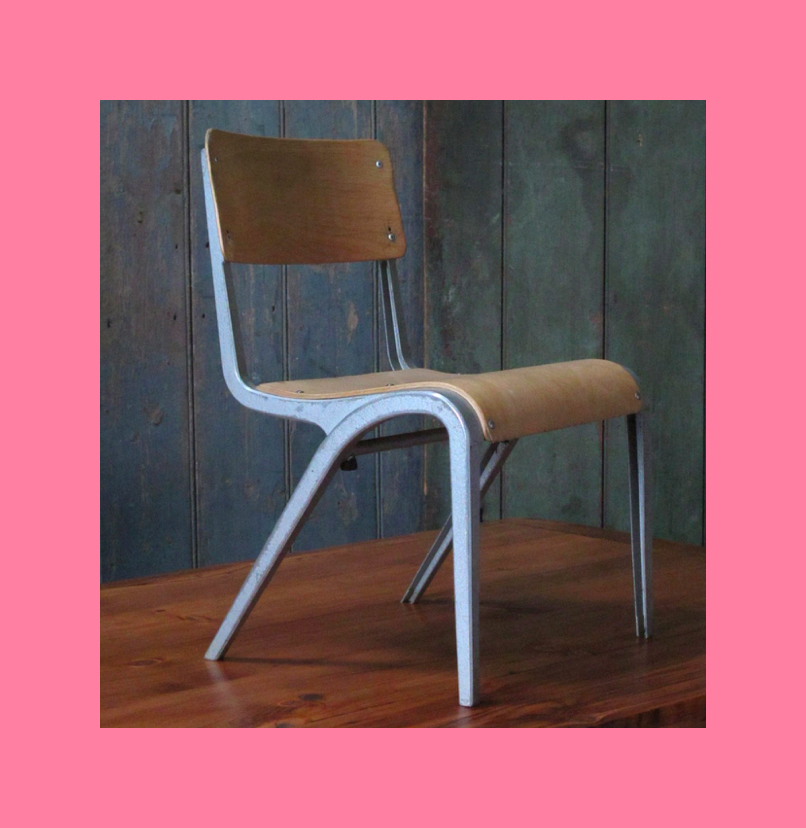
Stacking chair
James Leonard
Esavian (Educational Supply Association Ltd), UK, 1948
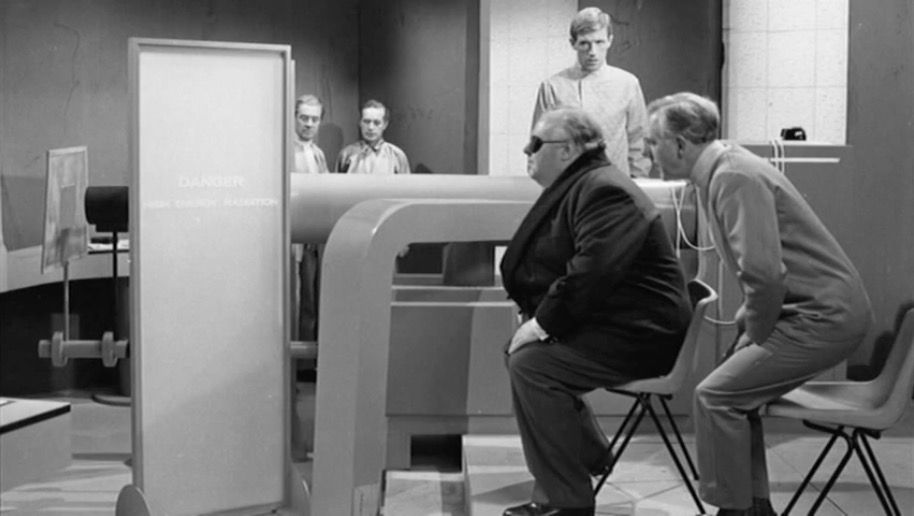
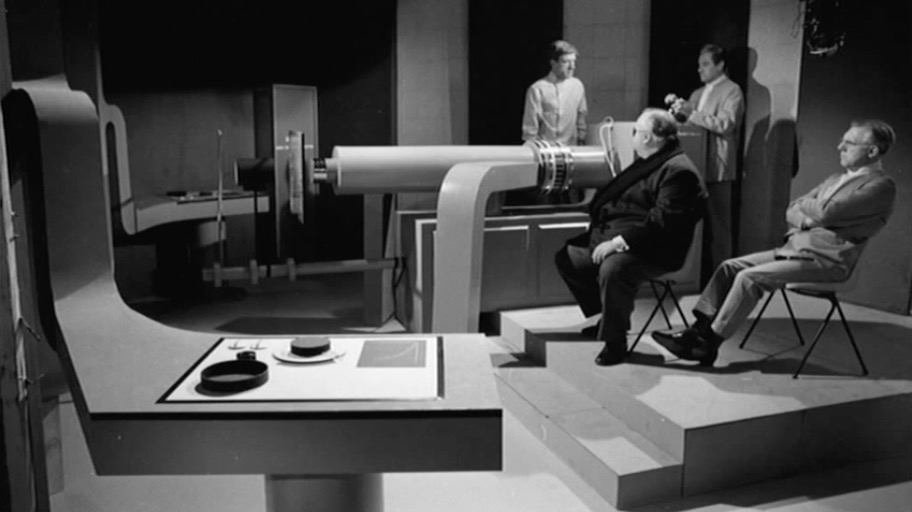
Out of the Unknown – ‘The Dead Past (BBC, 1965)
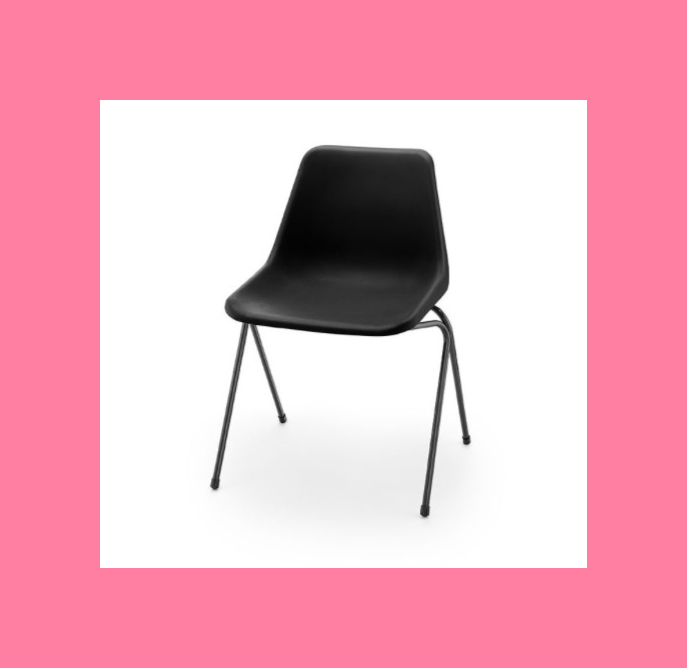
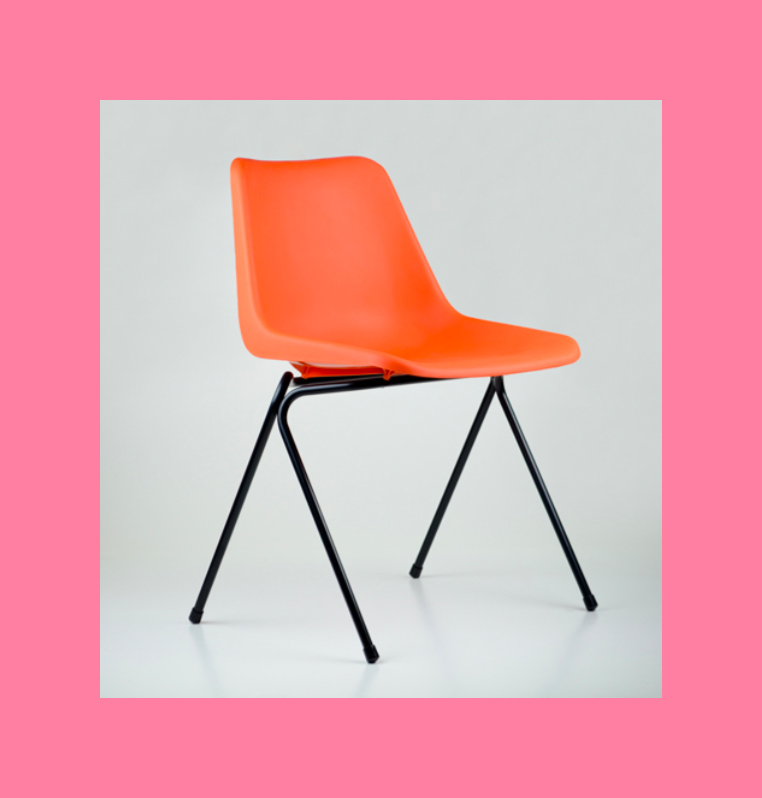
Polyside chair
Robin Day
Hille, 1963
The Prisoner (ITV, 1967)
Ball Chair
Eero Aarnio
Asko, Denmark, 1963
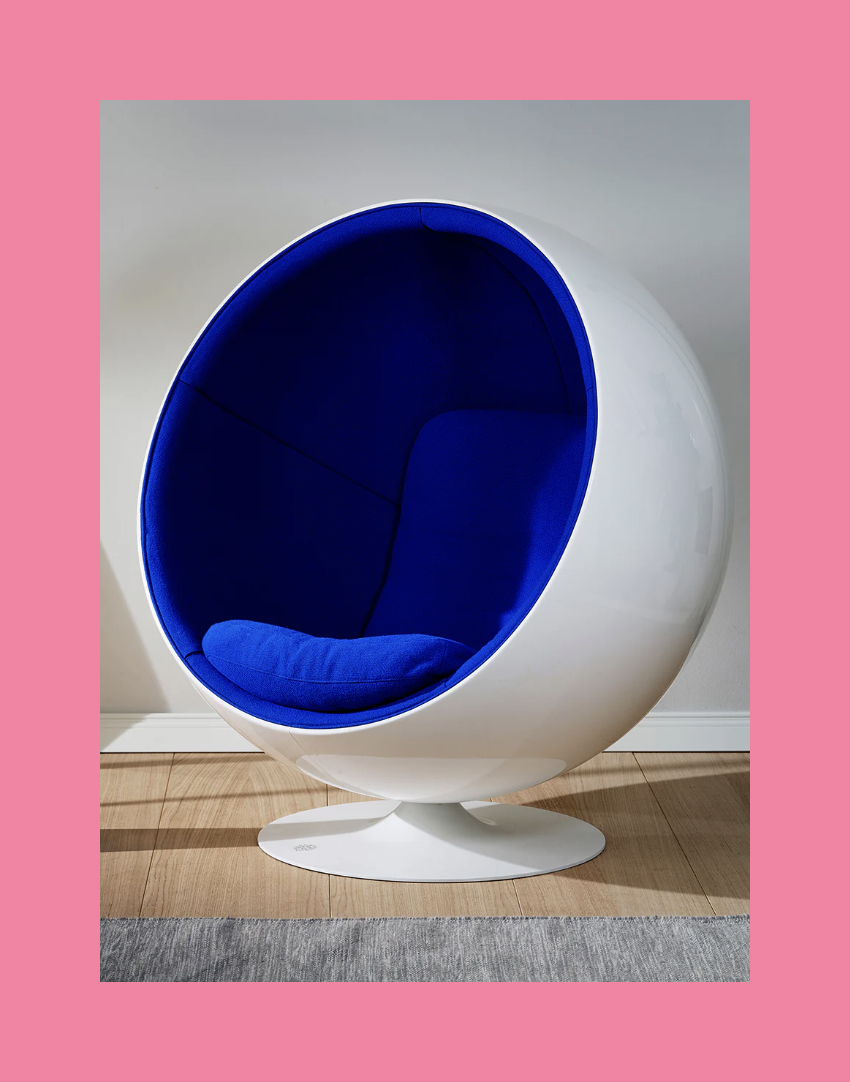
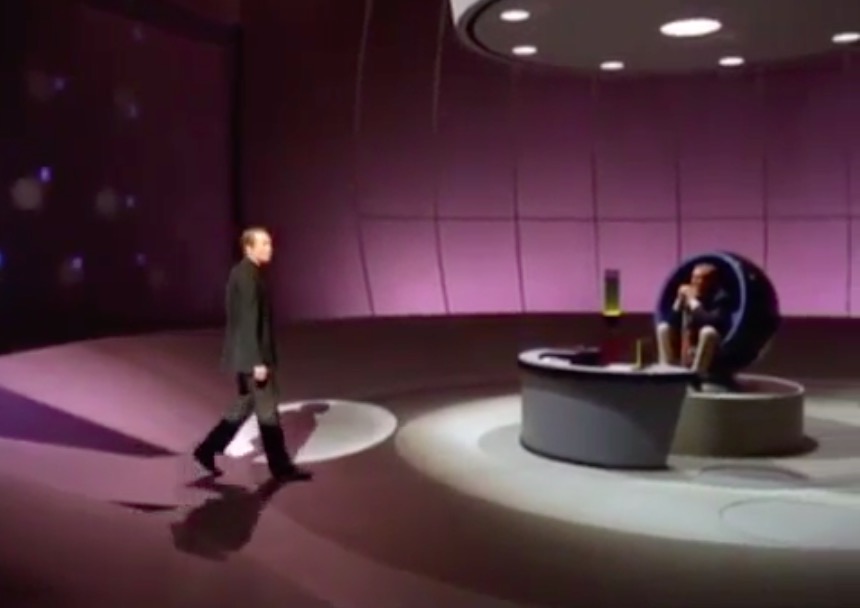
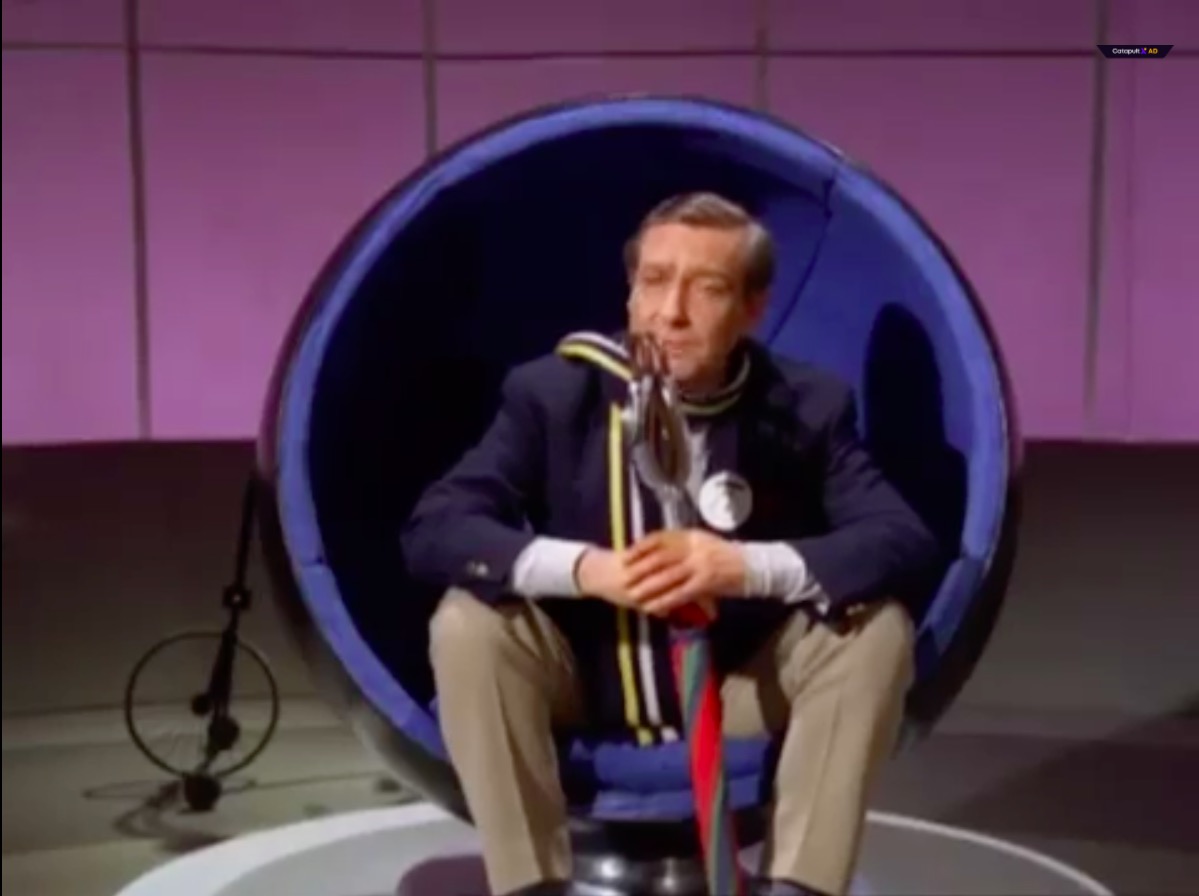
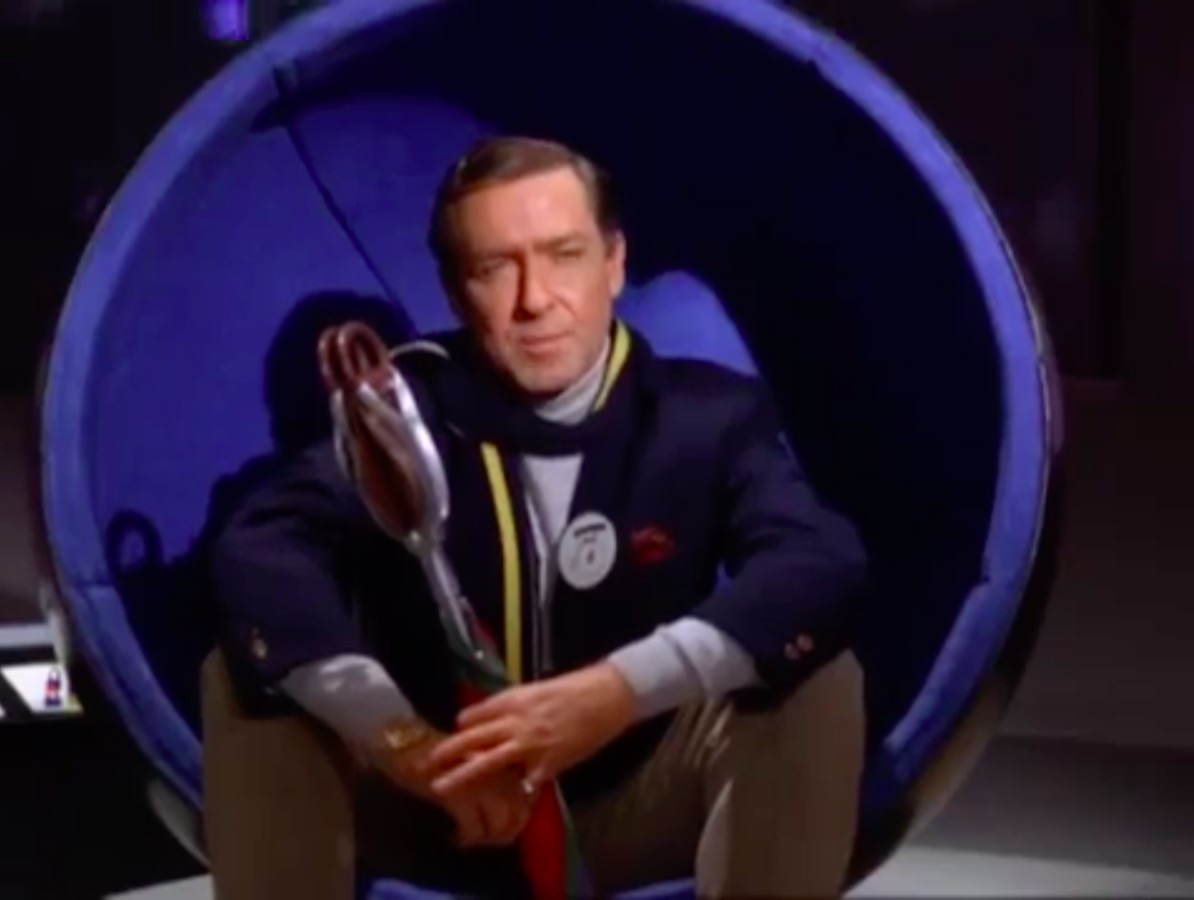
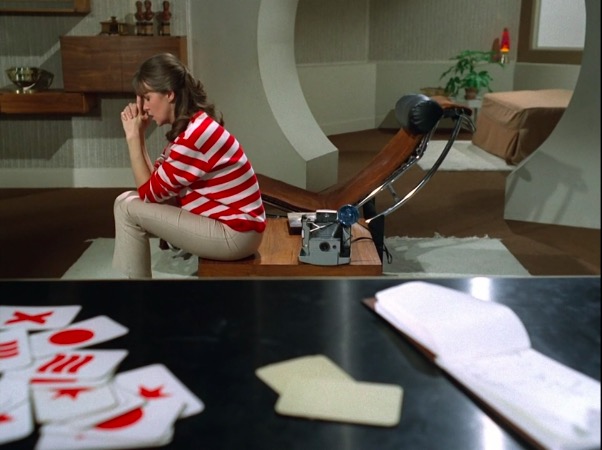
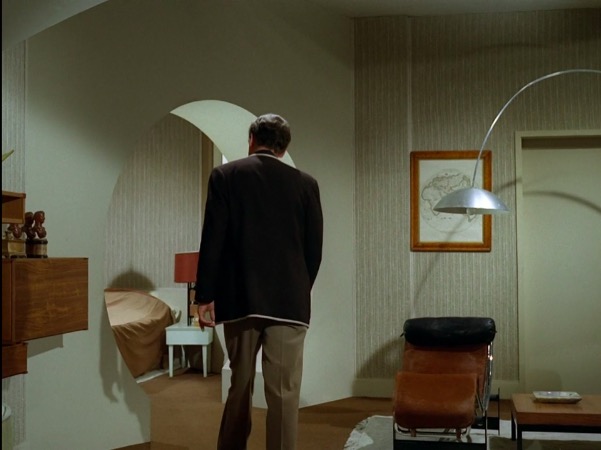
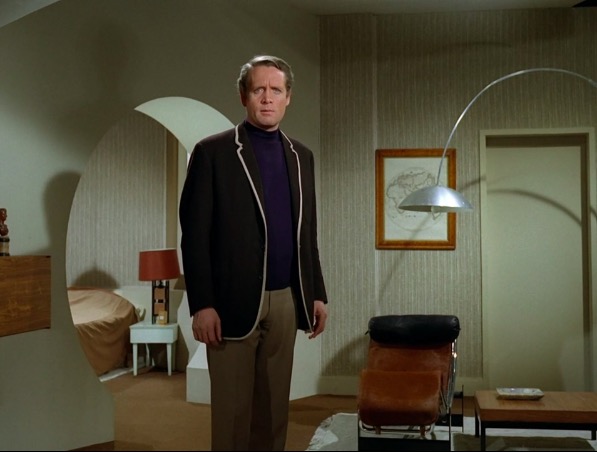
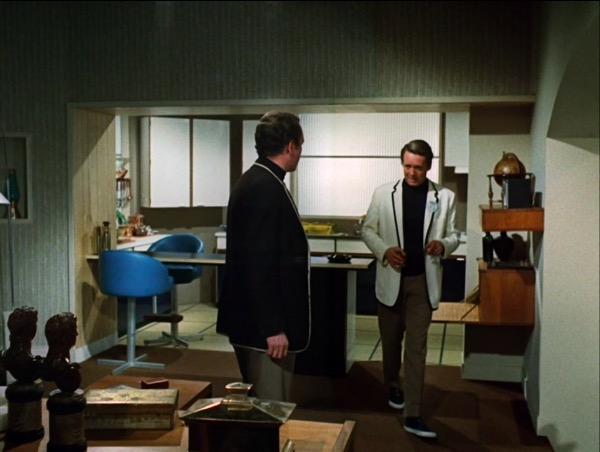
The Prisoner (ITV, 1967)
Chaise Longue LC4
Le Corbusier, Charlotte Perriand & Pierre Jeanneret
Cassina, Italy, 1928
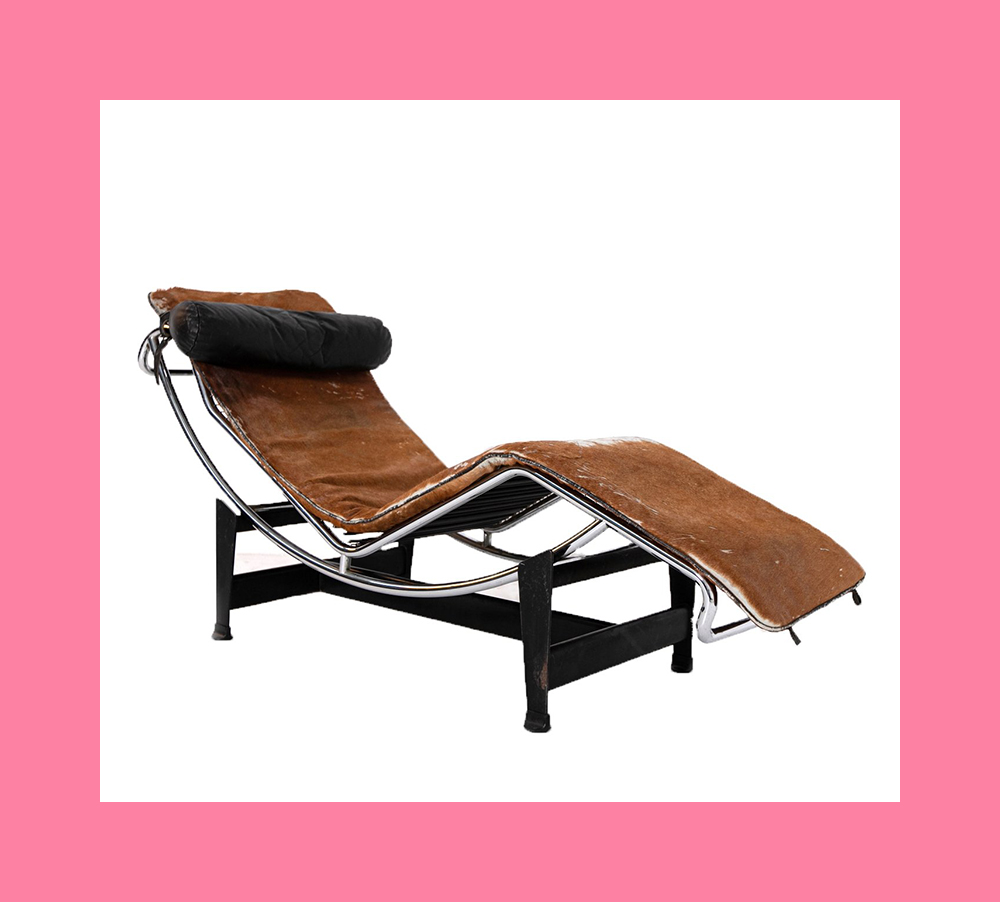
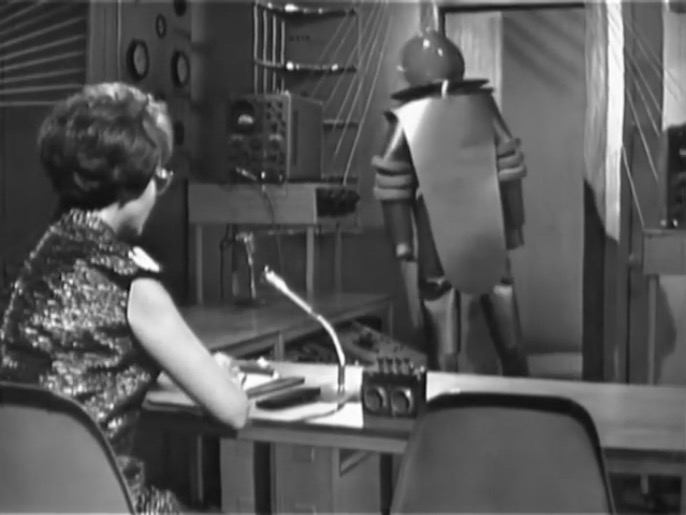
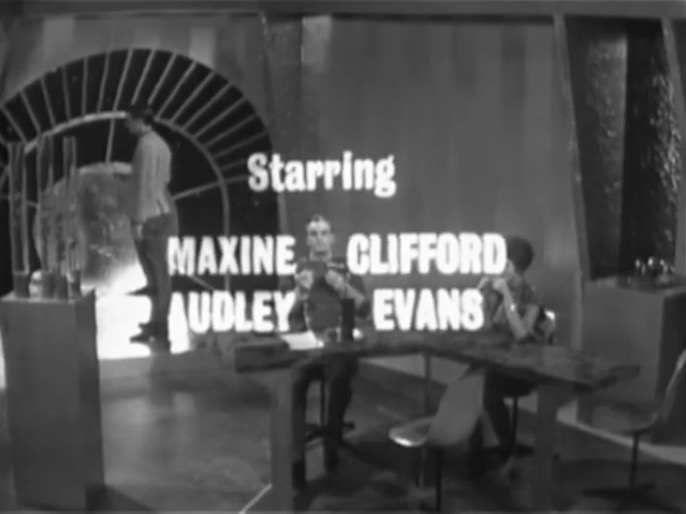
Out of this World – ‘Little Lost Robot’ (ITV, 1962)
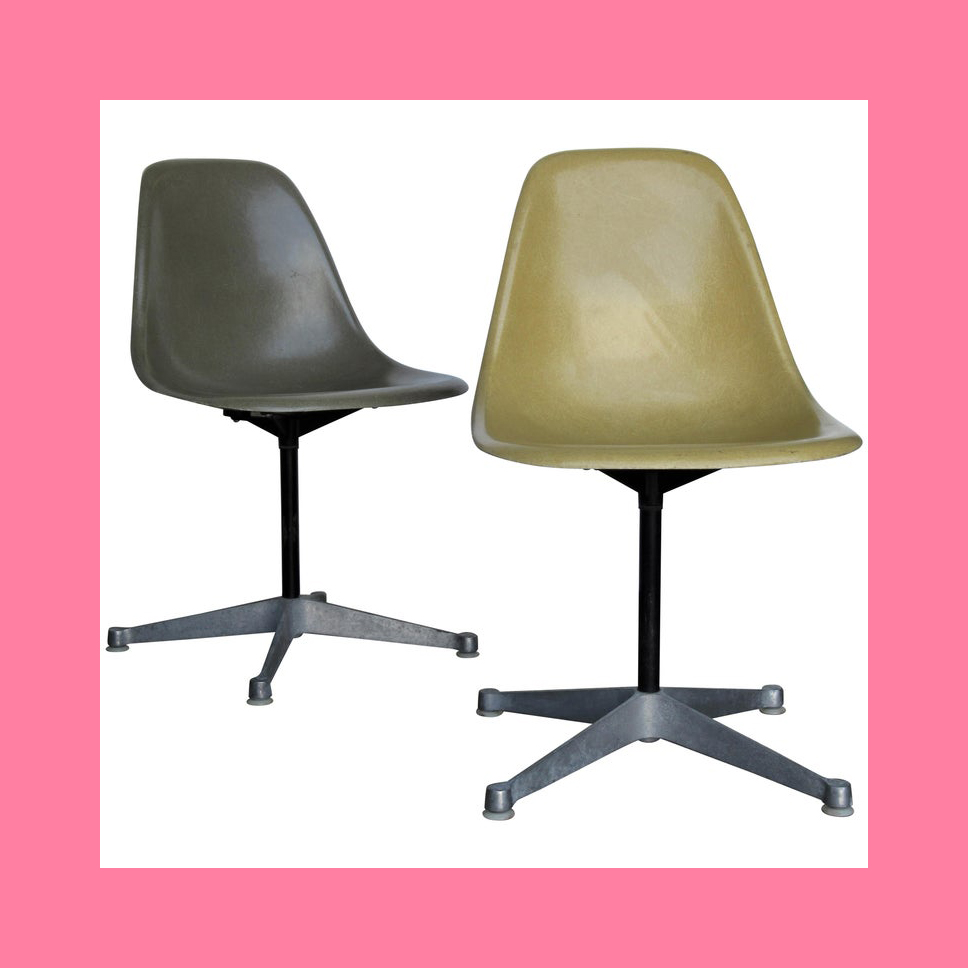
Eames shell swivel chair.
Charles and Ray Eames.
Herman Miller, USA, 1950’s

Out of the Unknown – ‘Too Many Cooks’ (BBC, 1965)
Mitcham armchair
William Plunkett
WP furniture, UK, 1966
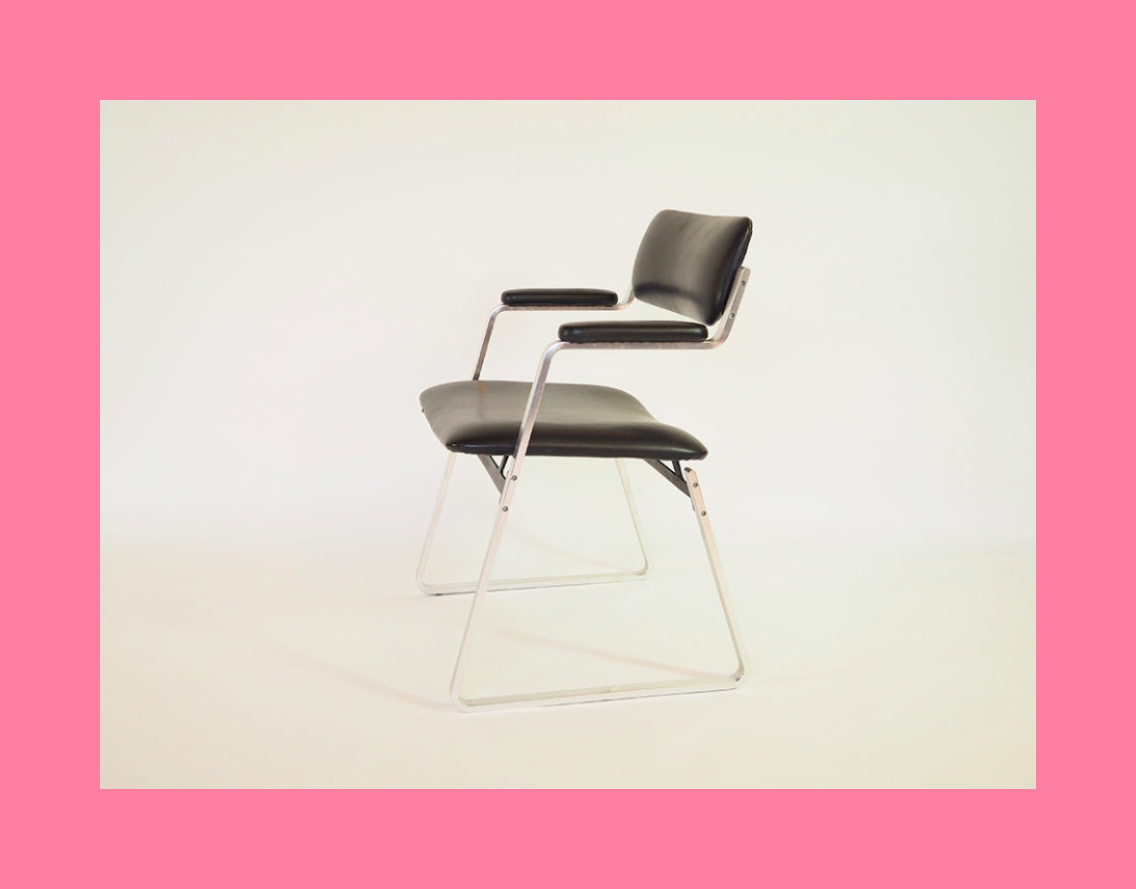
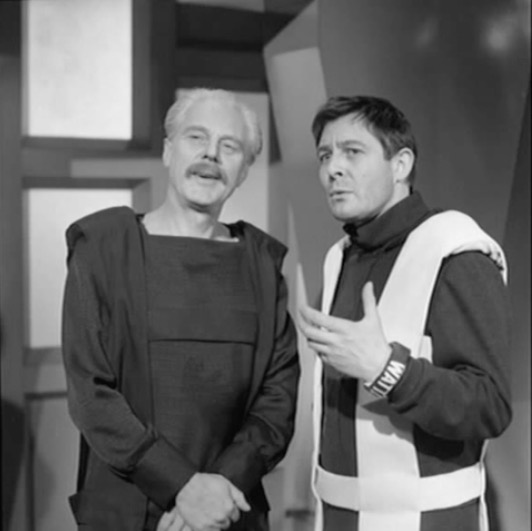
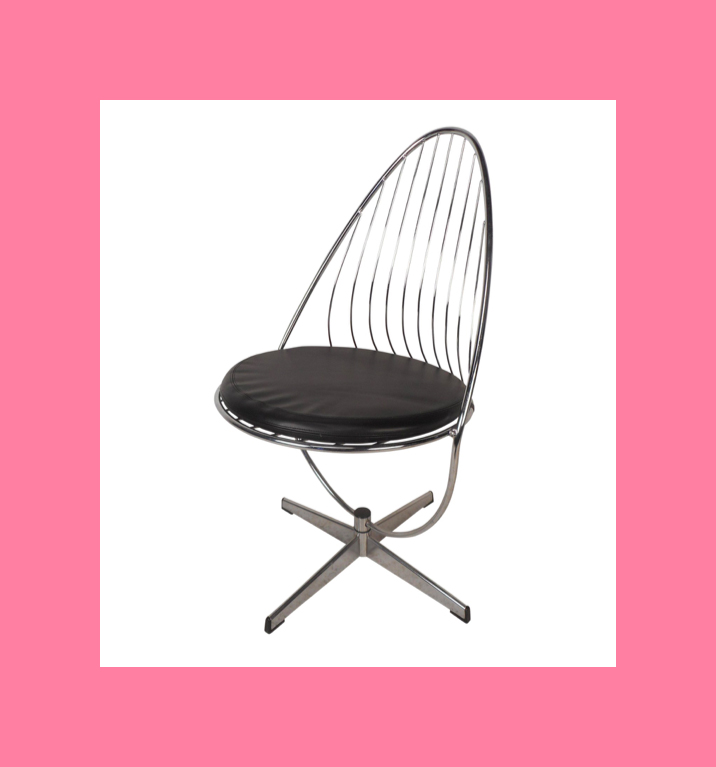
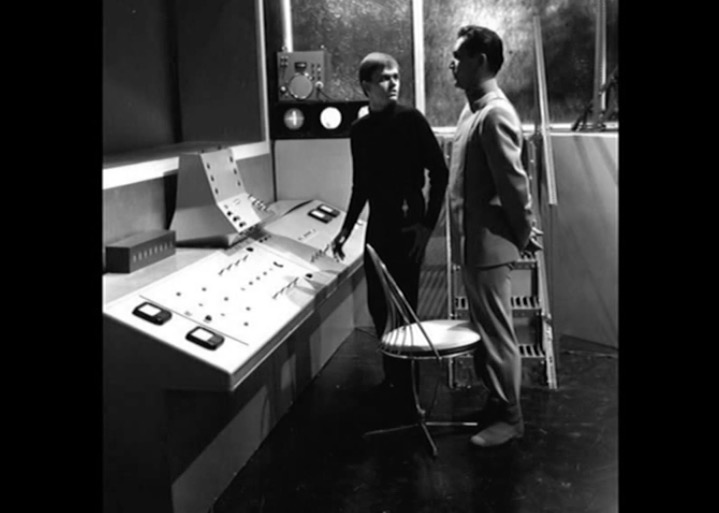
Out of the Unknown – ‘Sucker Bait’ (BBC, 1965)
Egg side chair.
Designer unknown.
Dahlen Mobler AB, Sweden, 1960’s
The Chairs of British Telefantasy. The 1970s.
In terms of how modernist furniture was utilised, the 1970s might be best described as the decade that understood the potential of the materials used in construction, and the technology used in design and manufacture.
The history goes something like this; the modernist brave new world of the 1960s gives way to the potential for mass production and duplication. The ability to control materials more economically results in ever more sophisticated forms, with the 1970s being the epoch of ‘space-age’ design. This is mirrored in the world of telefantasy, with fibreglass increasingly moulded into furniture to suit the needs of the television production, rather than relying on commercially available chairs.
A good example can be found in the short-lived flirtation with lunar-based drama. Moonbase Three (BBC, 1972.)
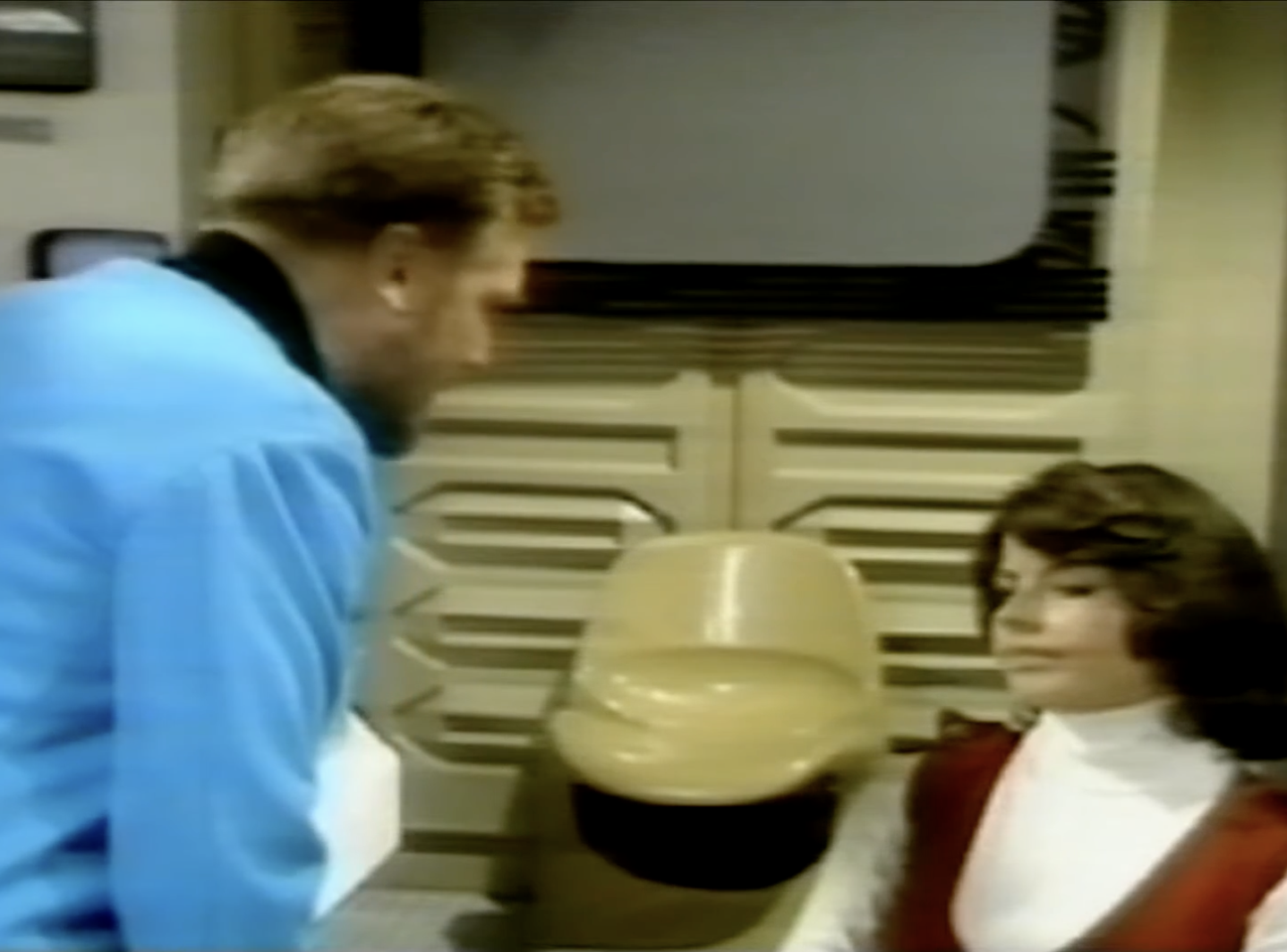
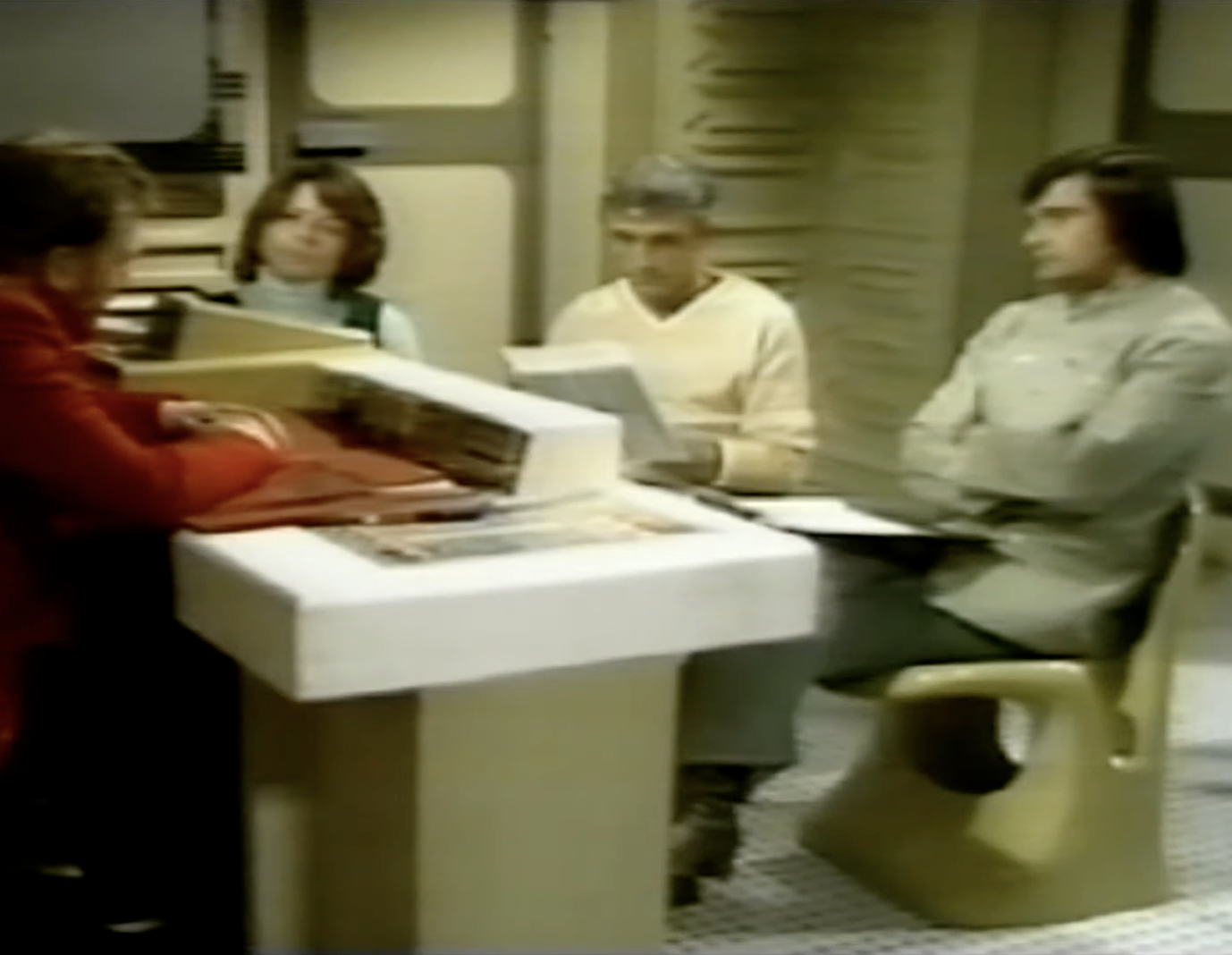
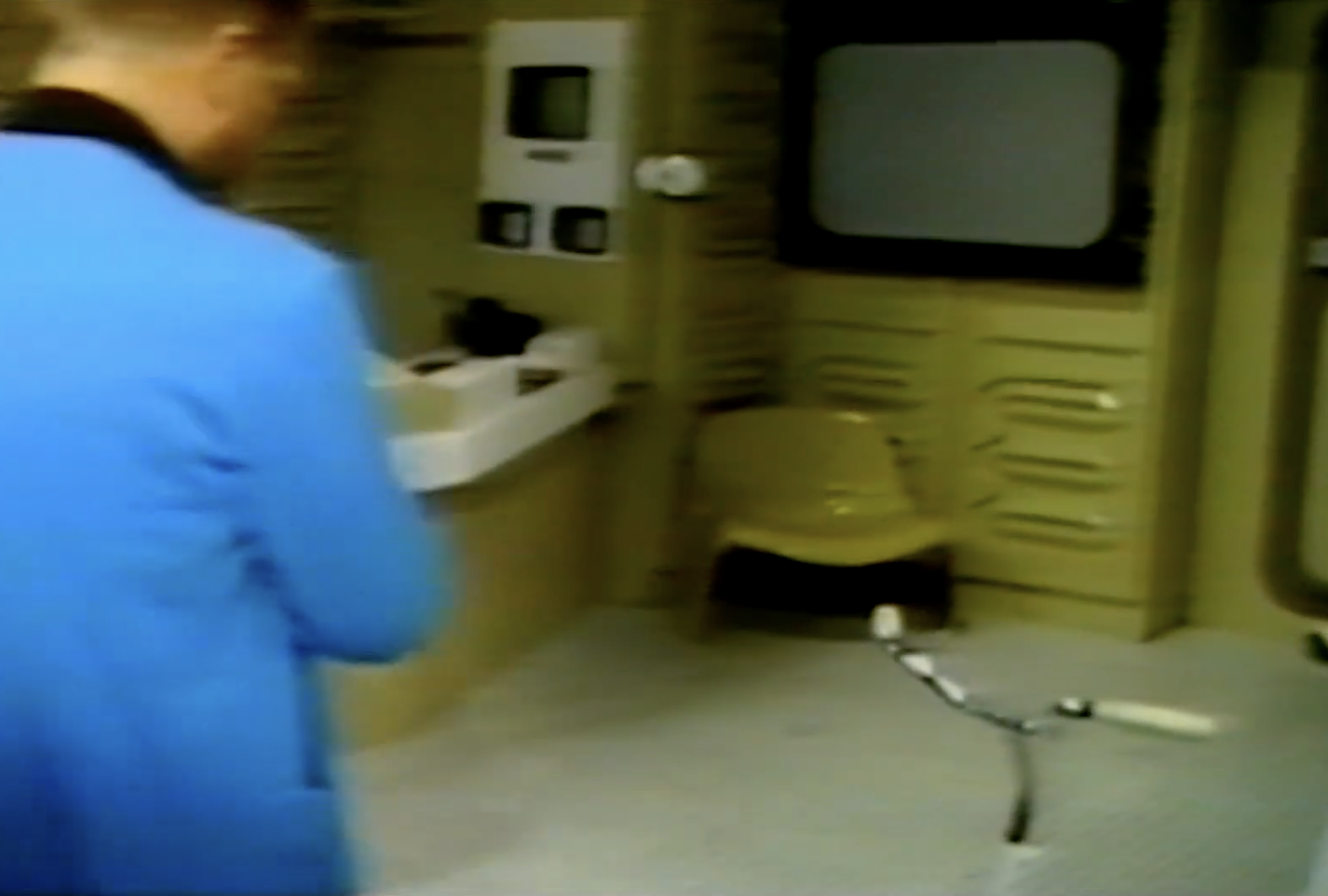
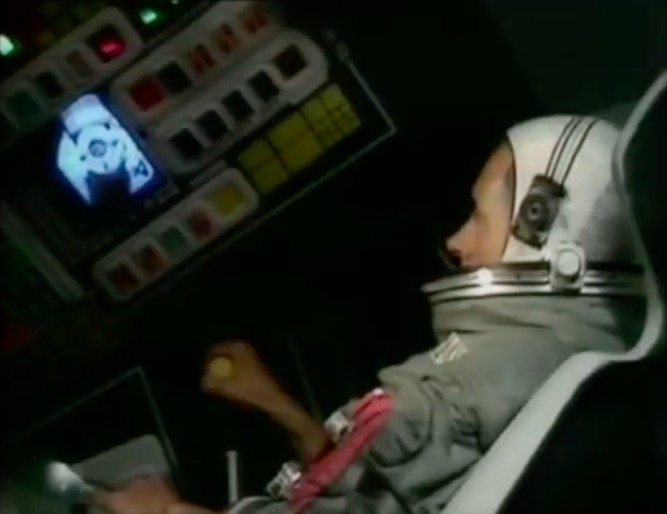

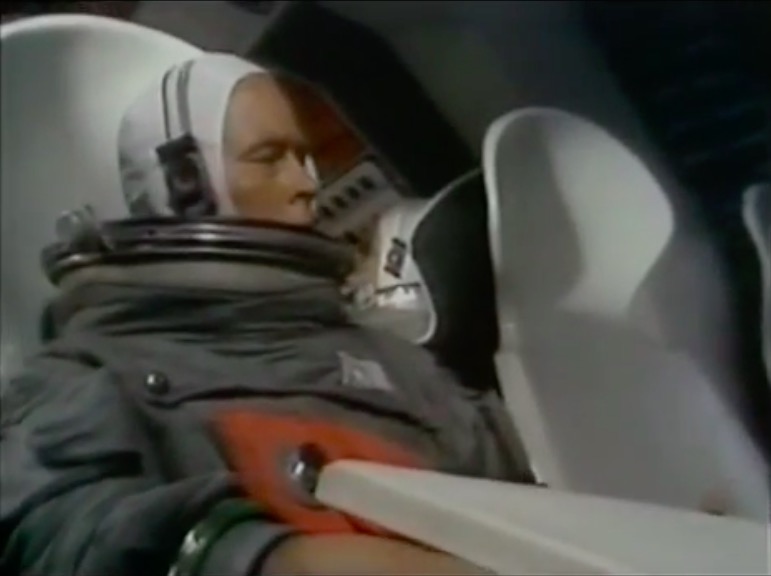
This series made good use of presumably custom-built mouldings, using a number of space-age designs that – to the best of my knowledge – first appeared in Doctor Who as part of the impressive setting occupied by the Time Lords in The Three Doctors (BBC, 1972-3).
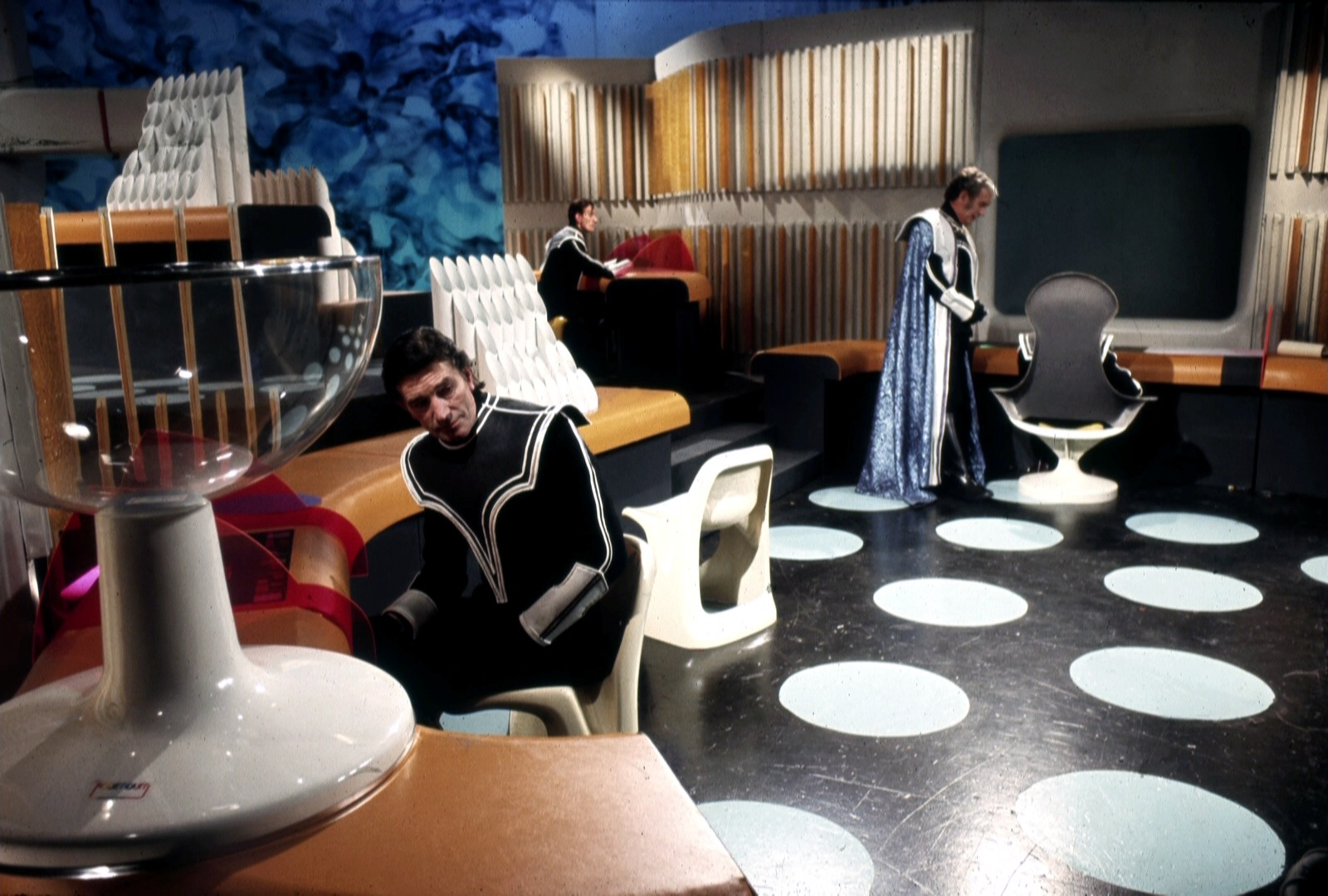
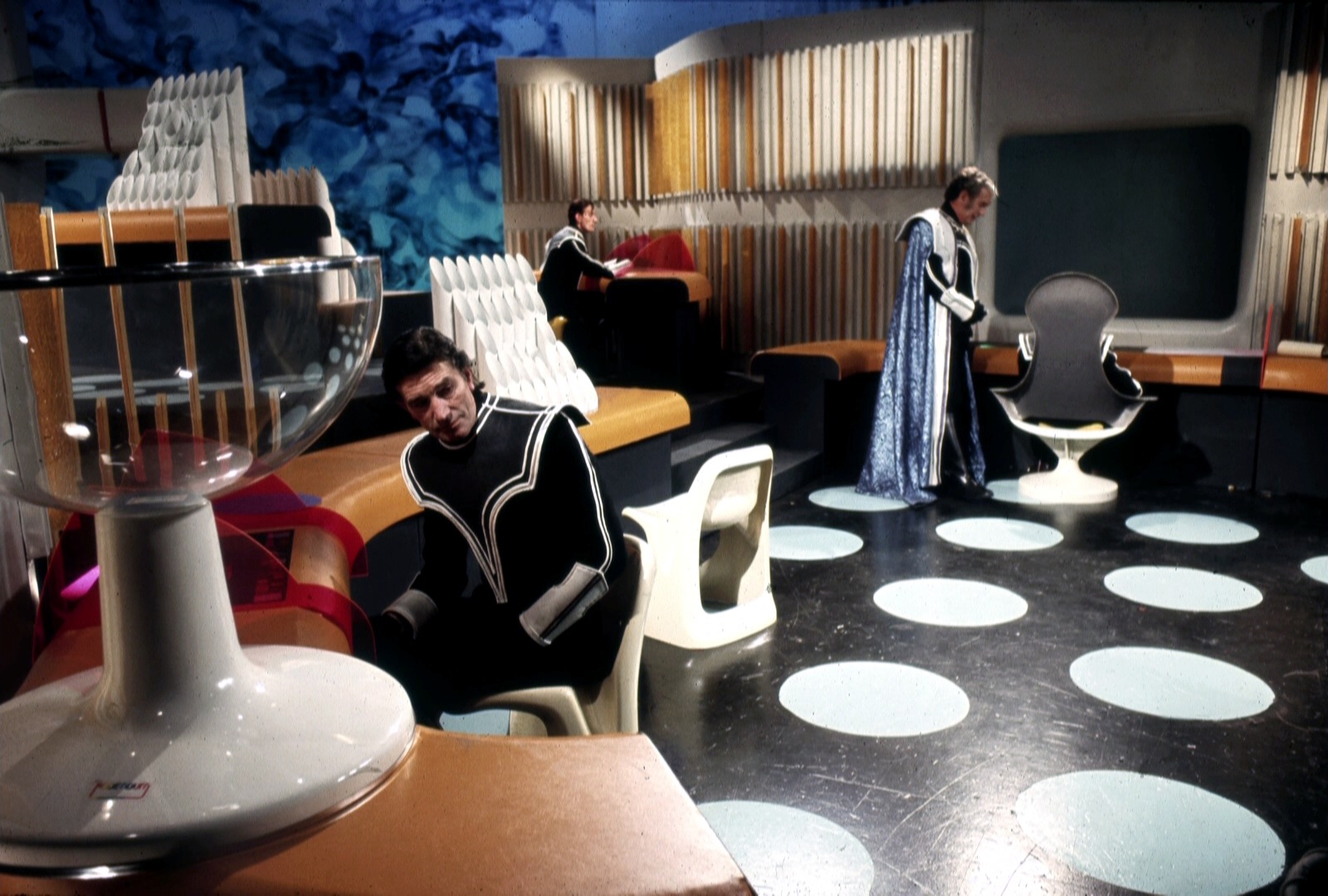
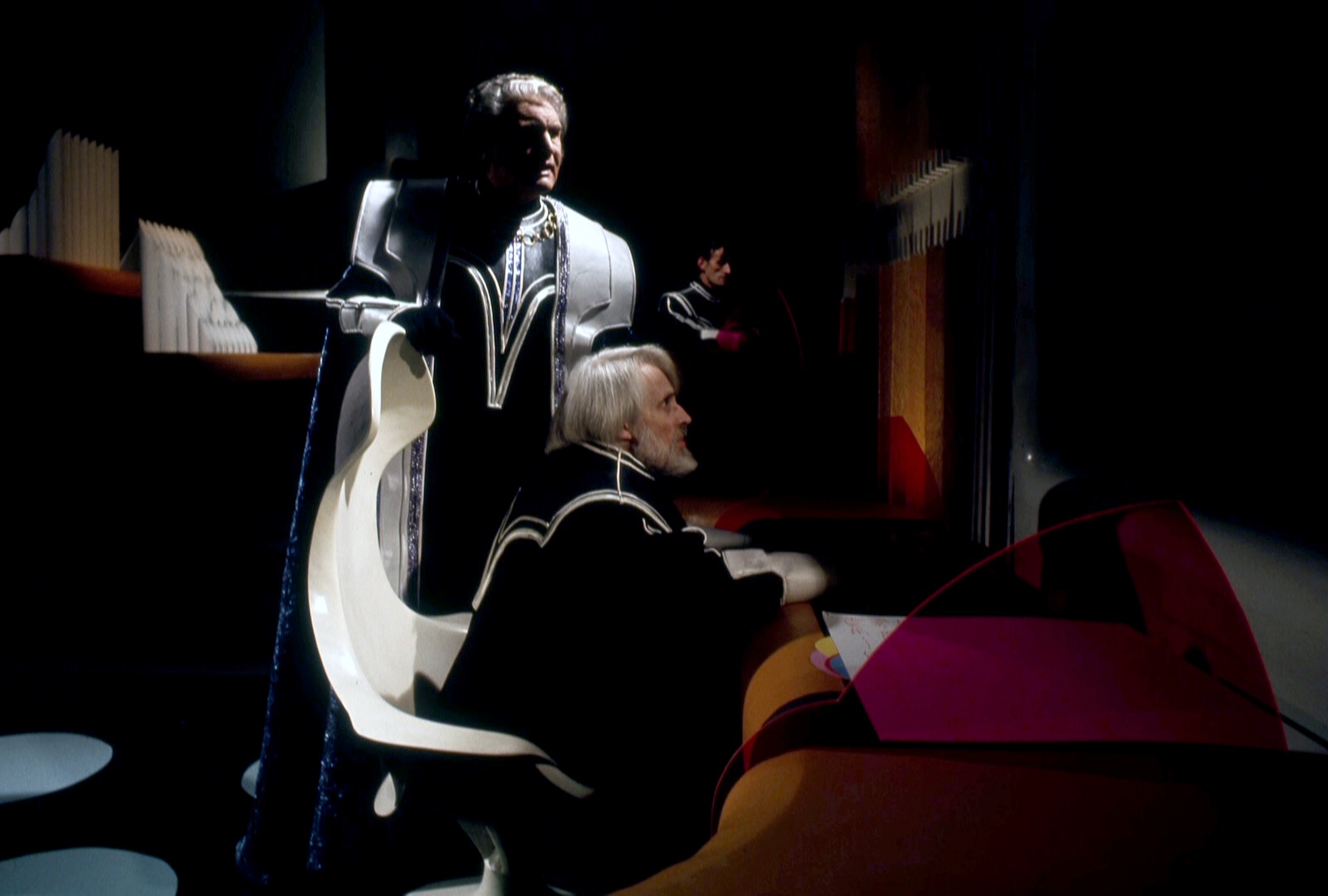
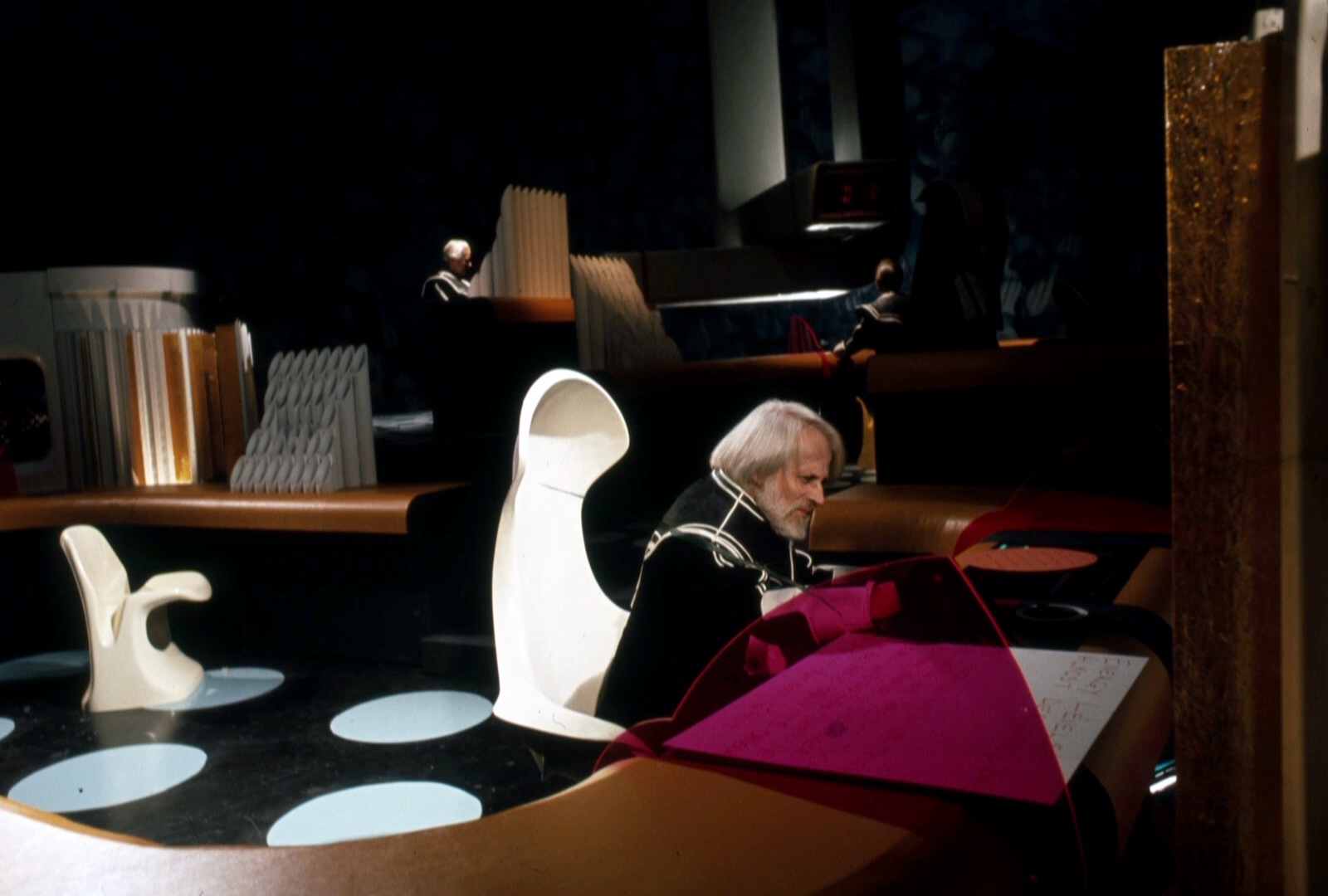
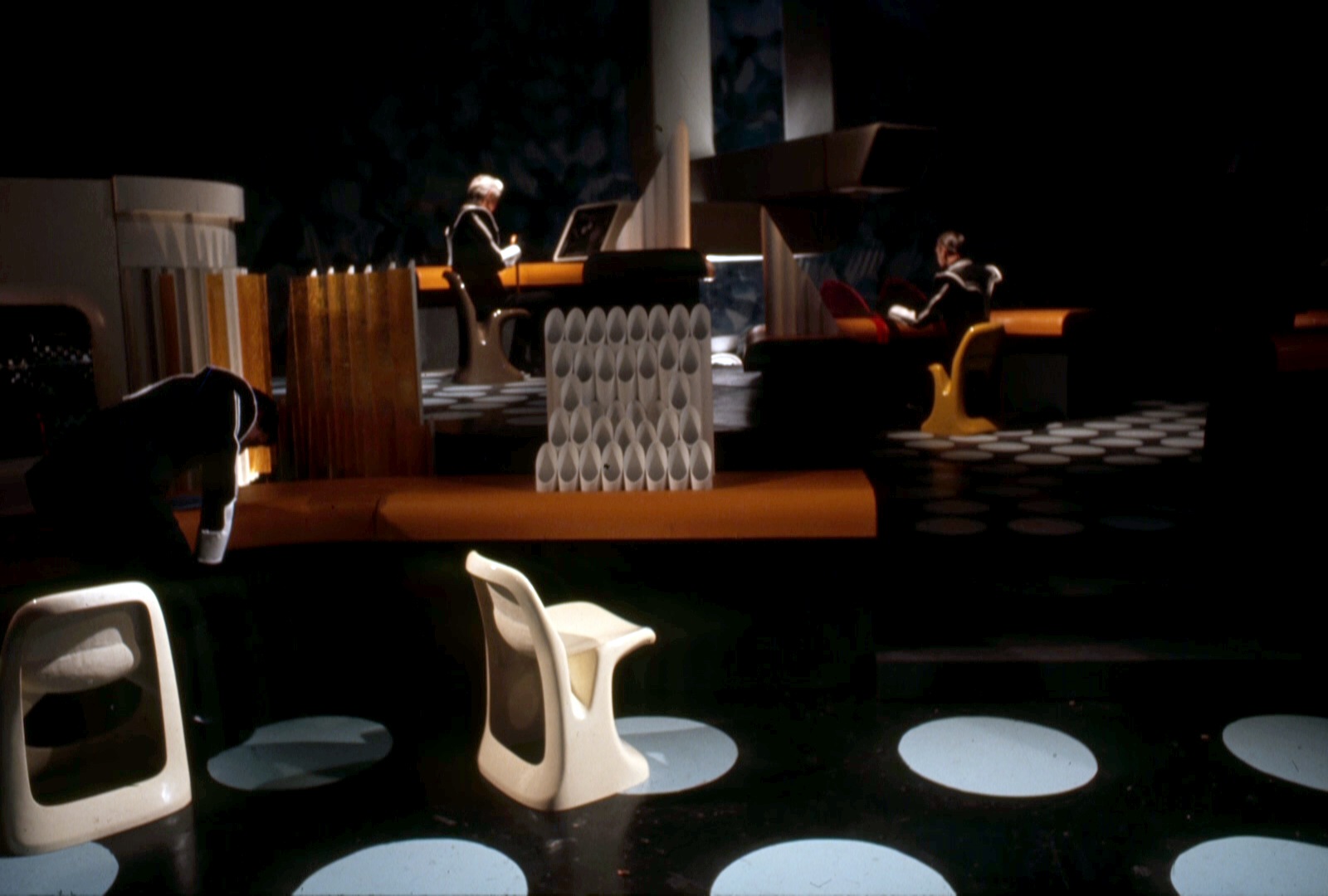
The production designer for both productions was Roger Liminton. While it is unclear whether we was responsible for the design of the chairs, he was perhaps inadvertently responsible for the archetypal white space-age furniture used by the BBC well into the 1980s. The seat would appear again frequently in Doctor Who and Blake’s 7, with the high-backed chair notably used as Servalan’s chair-of-command in series B.
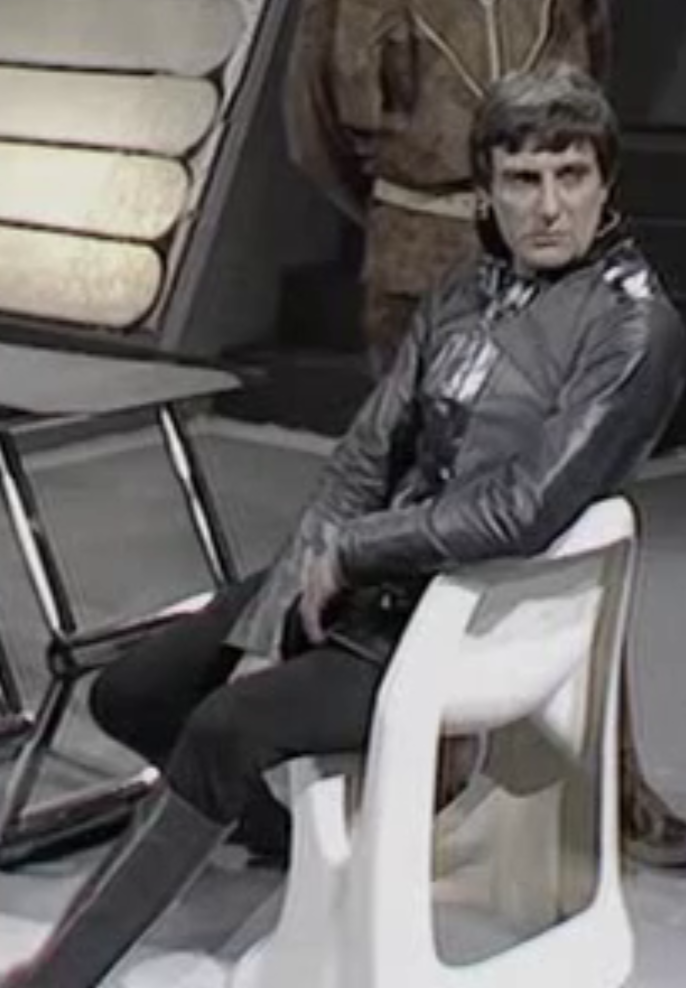
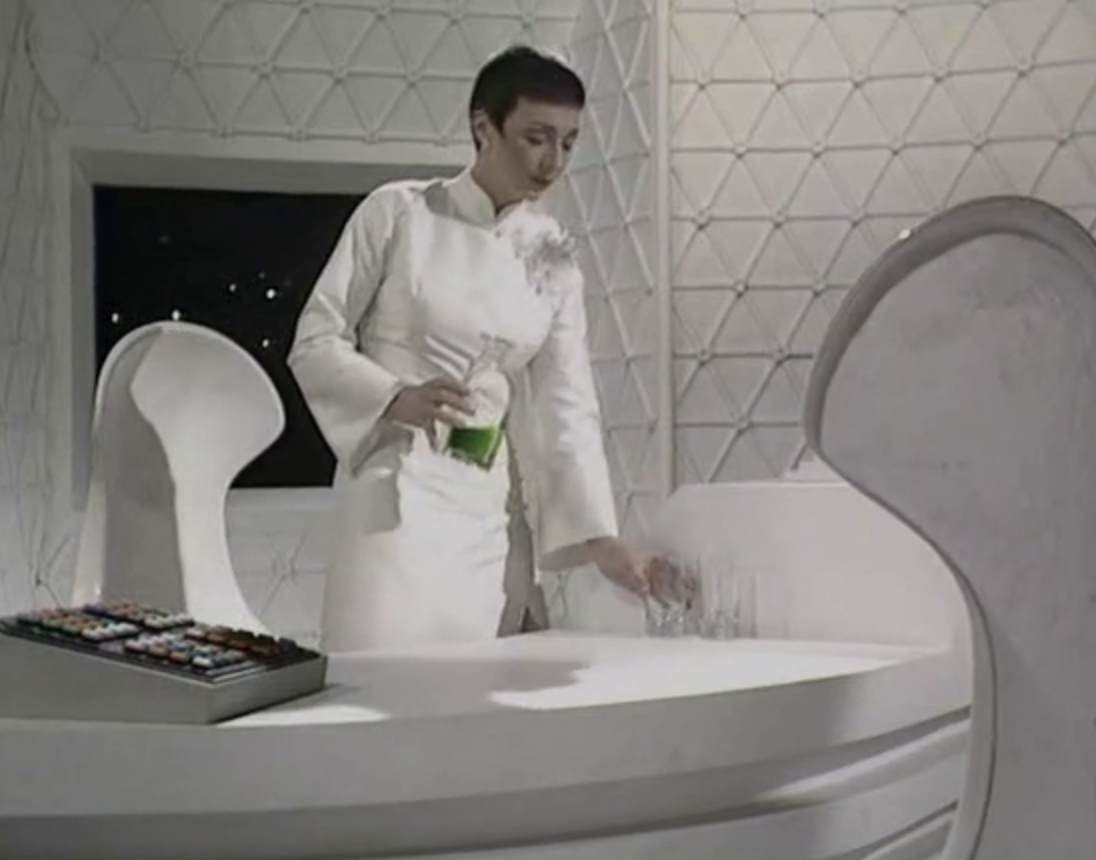
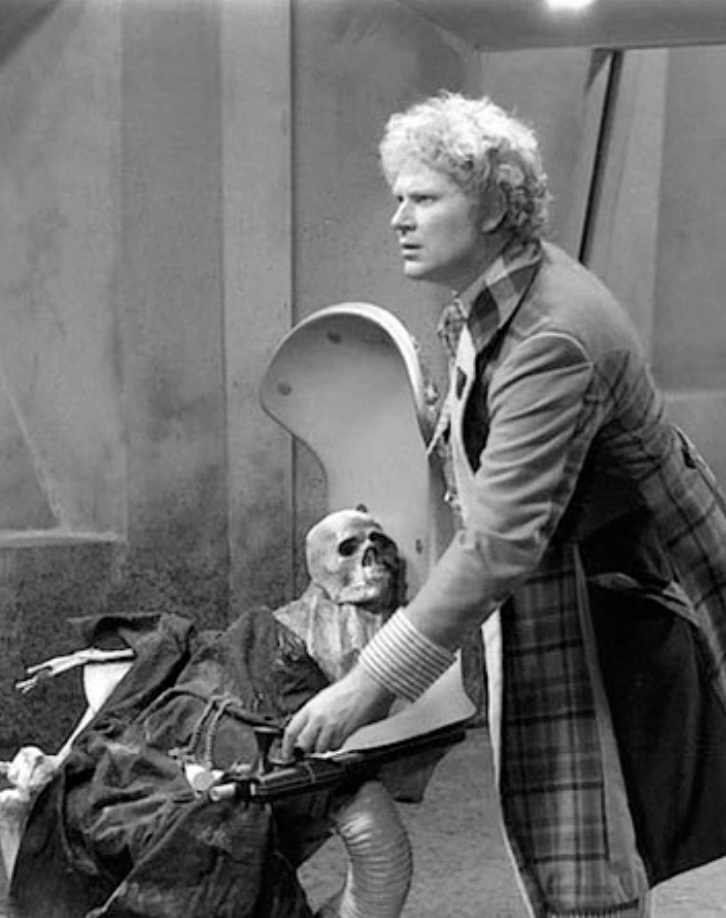
It is interesting to note that the furniture in question was not only designed for screen, (as opposed to being commercially available) but also crudely manufactured. A close inspection of the chair reveals it is poorly cut at the base, had imperfections on the inside, and was constructed in a crude, almost flimsy manner that wouldn’t compare well to products such as Casilino by Andexander Begge, that were widely available on the market.
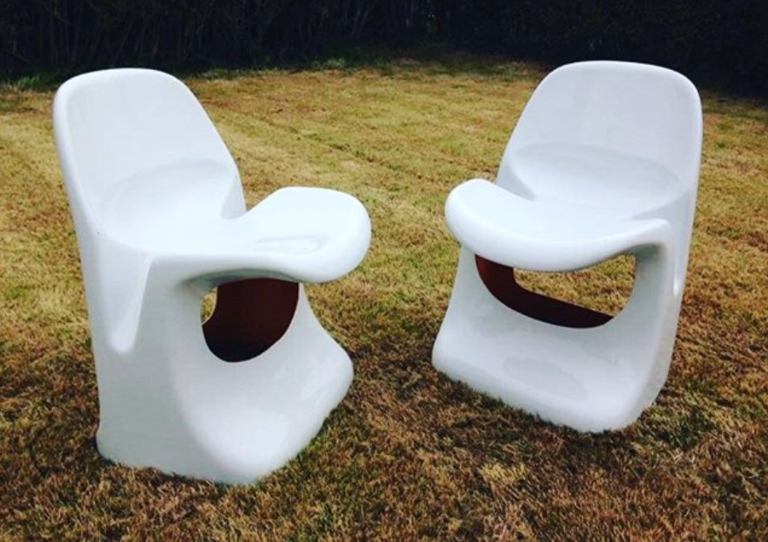
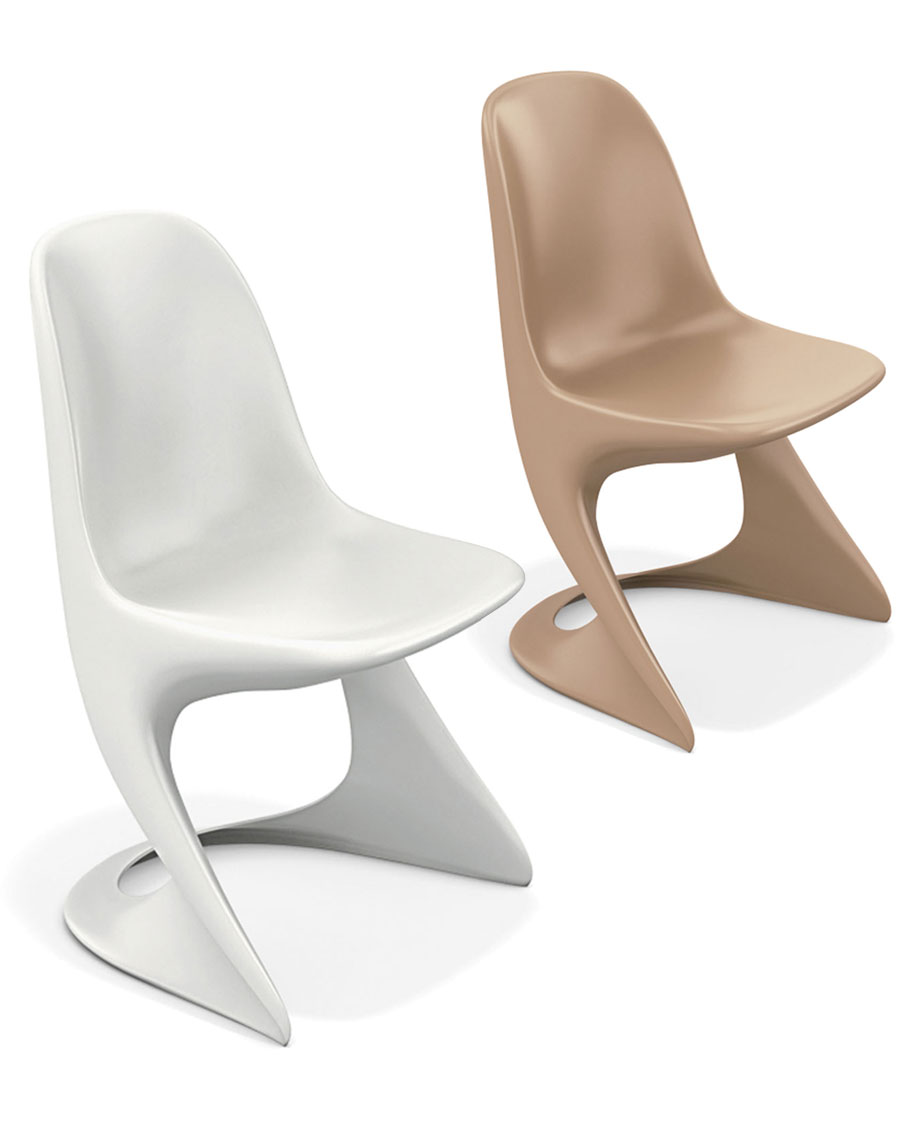
Nonetheless, it looked great on the screen. Job done.
The plundering of existing ‘prop’ chairs extended across film and television. A distinctive octagonal dining chair that houses 007’s backside in ‘The Man With the Golden Gun (1974) would also be seen in everything from The Goodies to Doctor Who.
In fact, the connection between BBC telefantasy, James Bond and Gerry Anderson series all point to a Pinewood-based collection. It would appear that prop-hire contained both the commercially available and the custom-built.

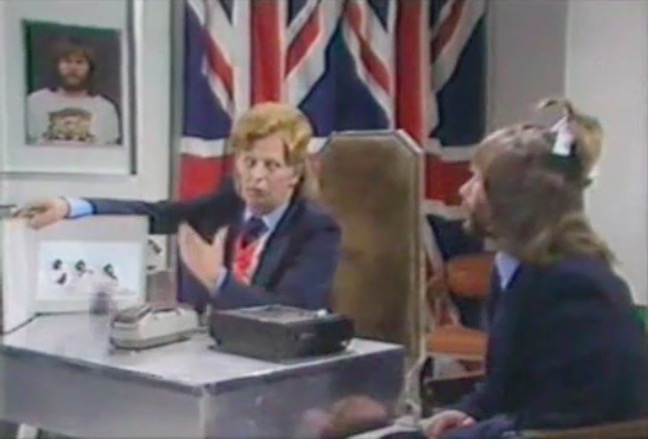
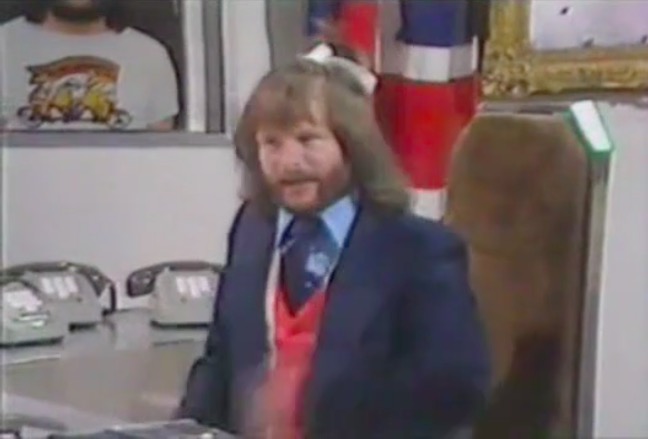
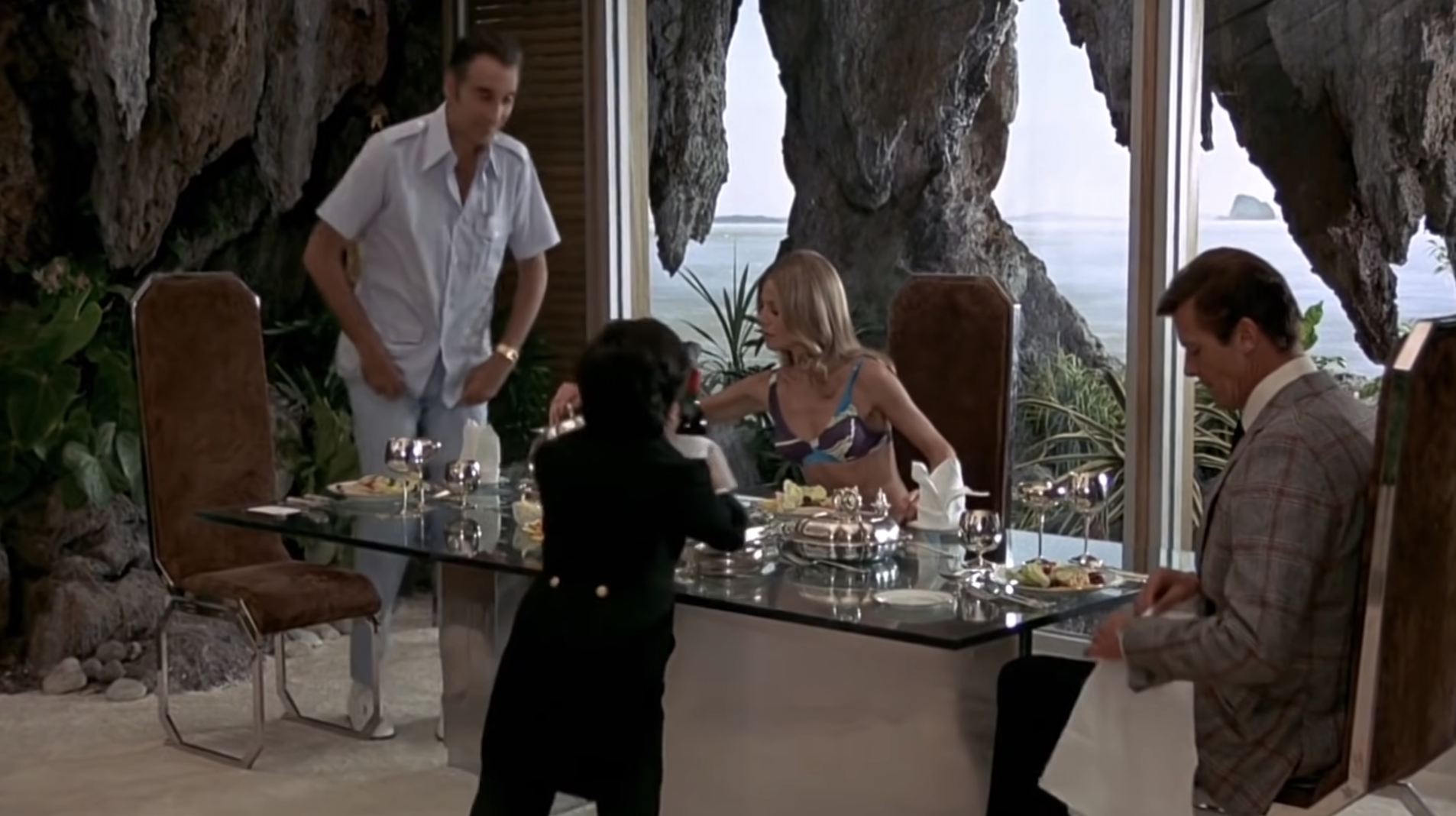
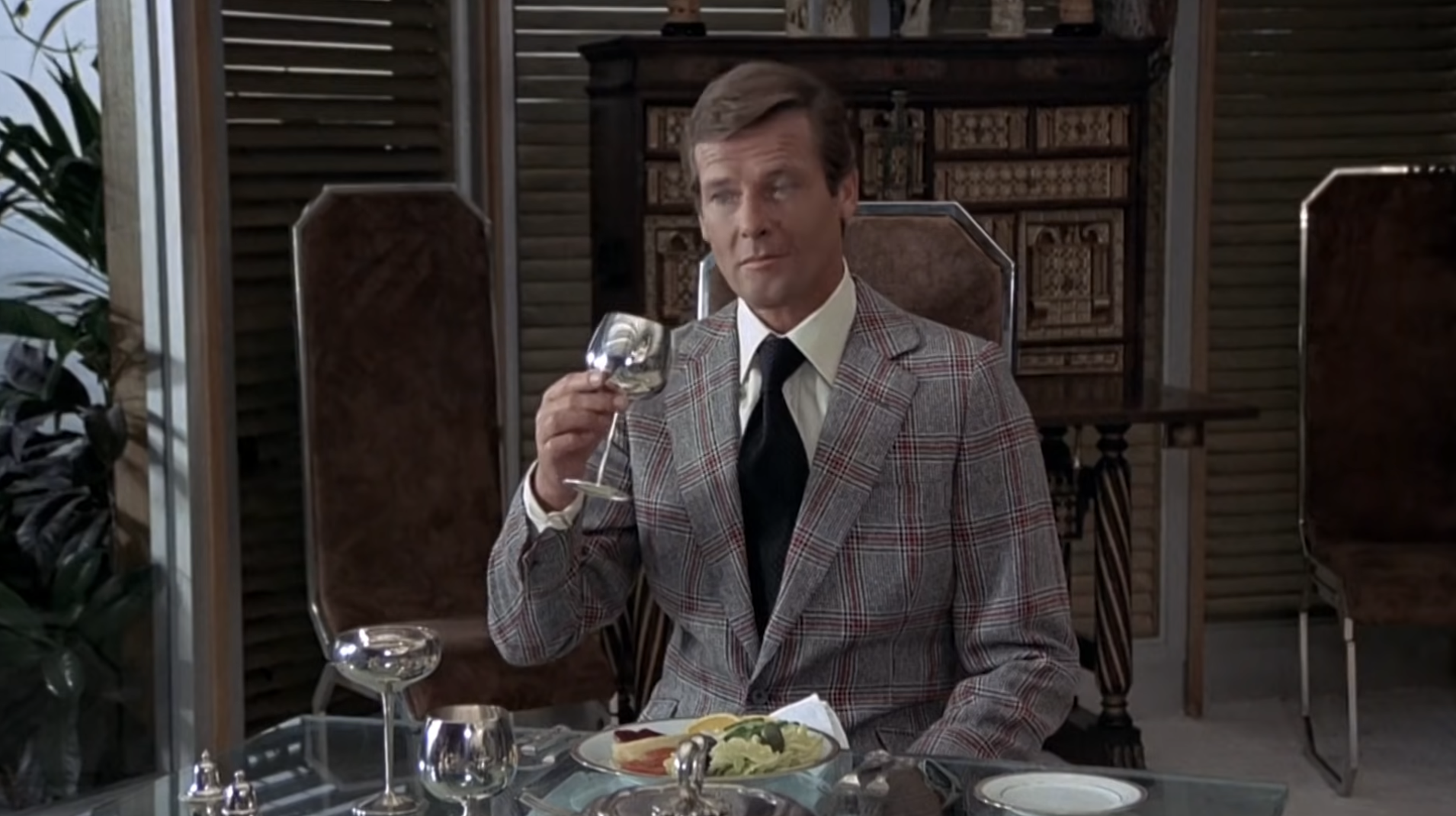
Let us glance at a collection of the distinctive features of 1970s chairs – the emergence of ergonomic design, space-age mouldings, and a reminder that there is always a blurring of the decades, as 1960s design still featured frequently.
The Goodies – ‘2001 and a bit’ (BBC, 1976)
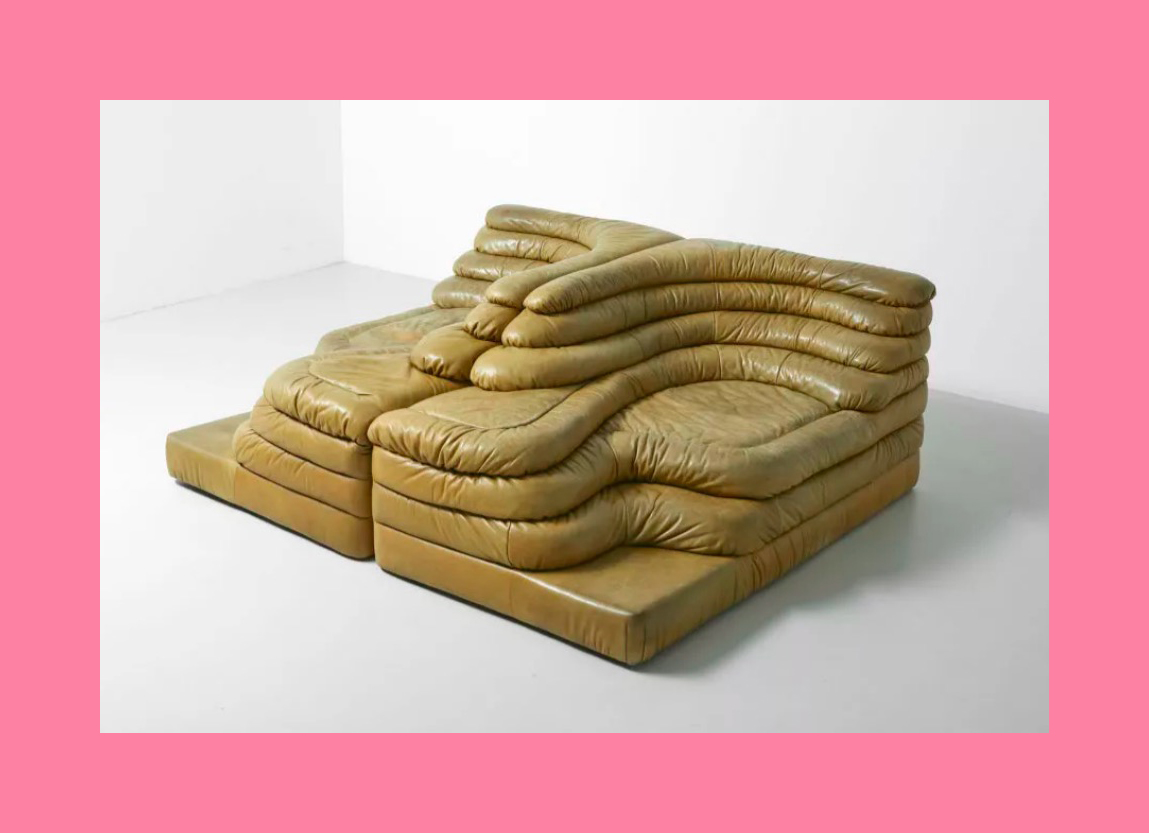
‘Terrazza’ sofa.
Ubald Klug
De Sede, Switzerland, 1972
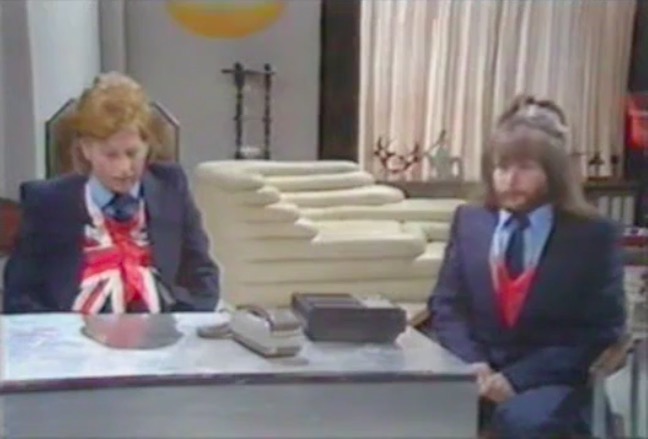
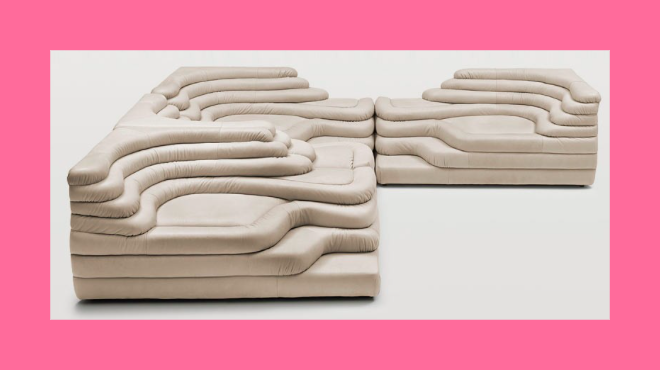
The Goodies – ‘2001 and a bit’ (BBC, 1976)
Unibloc 4 seating
Roger Landault
Steiner and Cattaneo, France/Italy, 1972

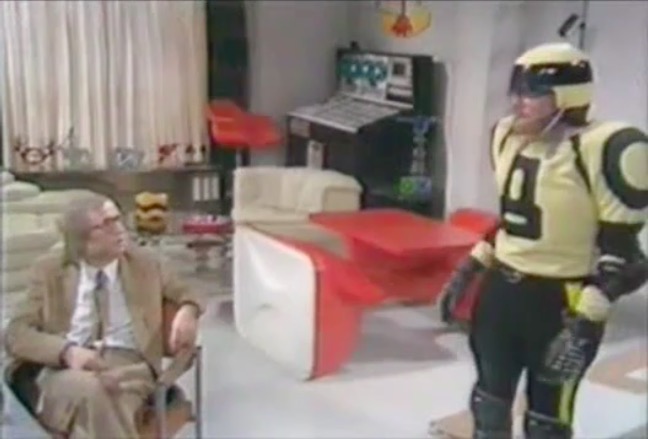
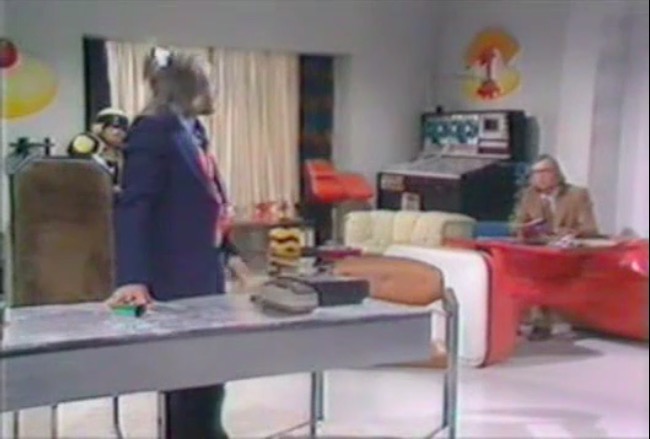
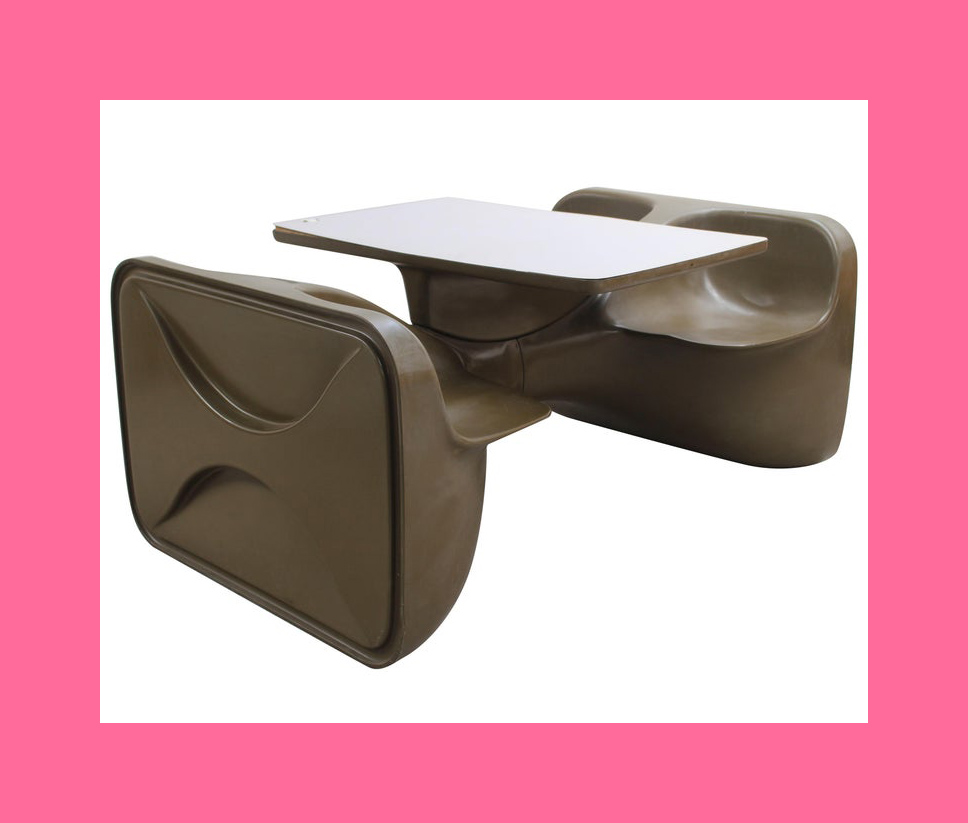
The Doombolt Chase (ITV, 1978)
Chrome bar stool
Designer unknown
Netherlands, 1950
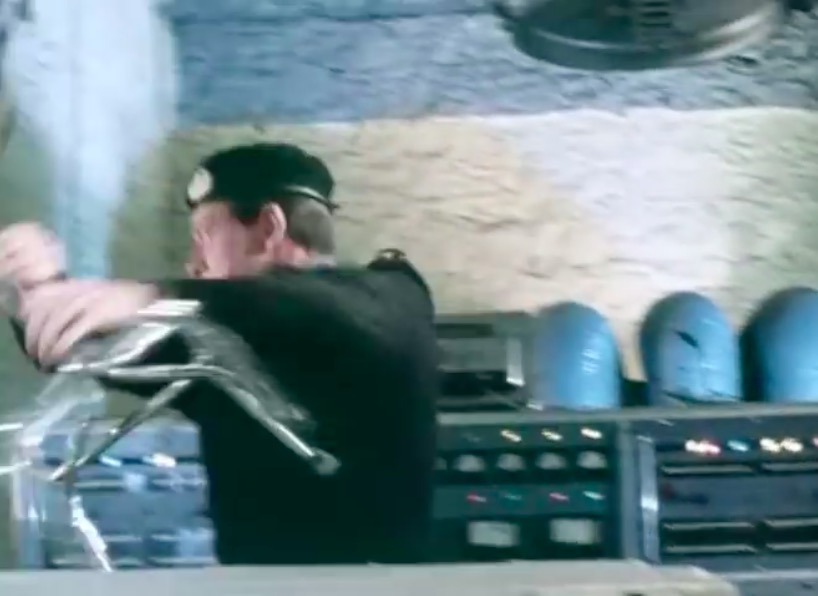

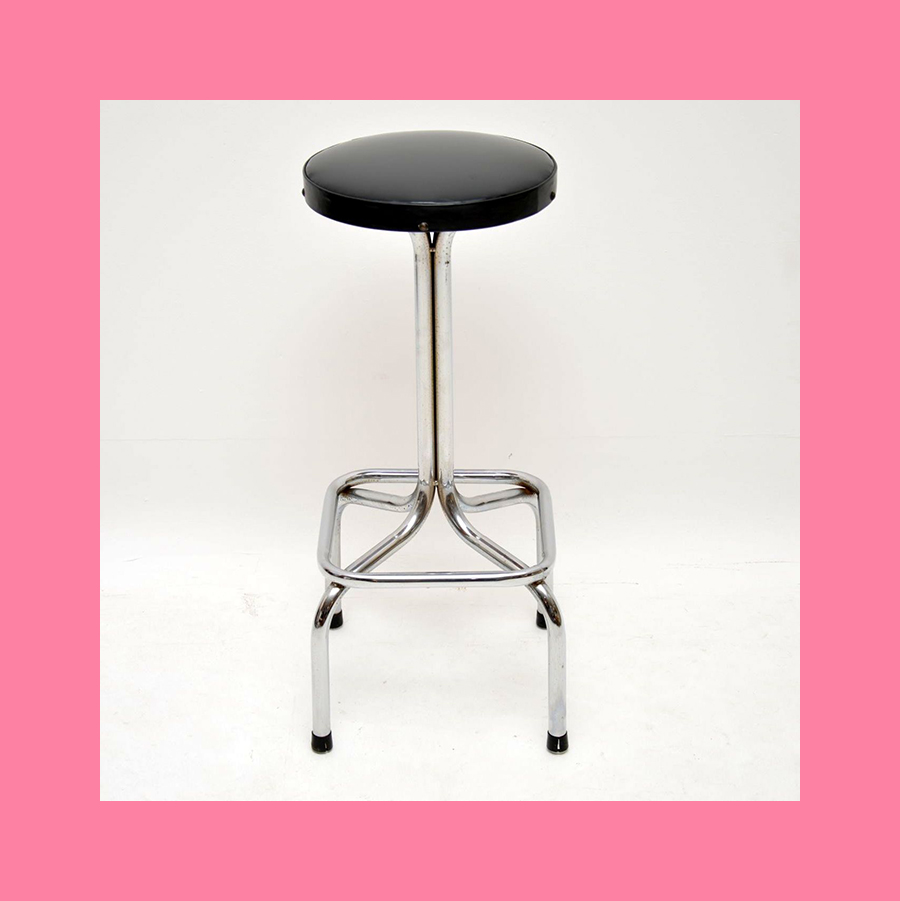
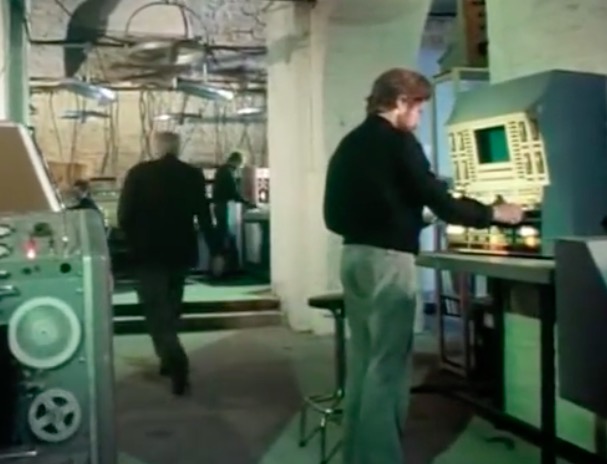
Paul Temple ‘Catch your Death’ (BBC, 1971)
DS-P Reclining Sofa
Robert Haussmann,
Dr Sede, Switzerland, 197

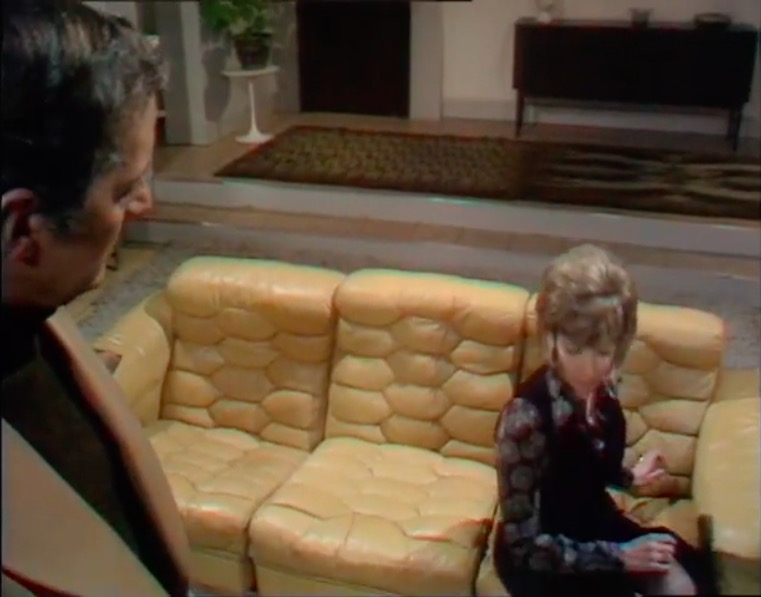
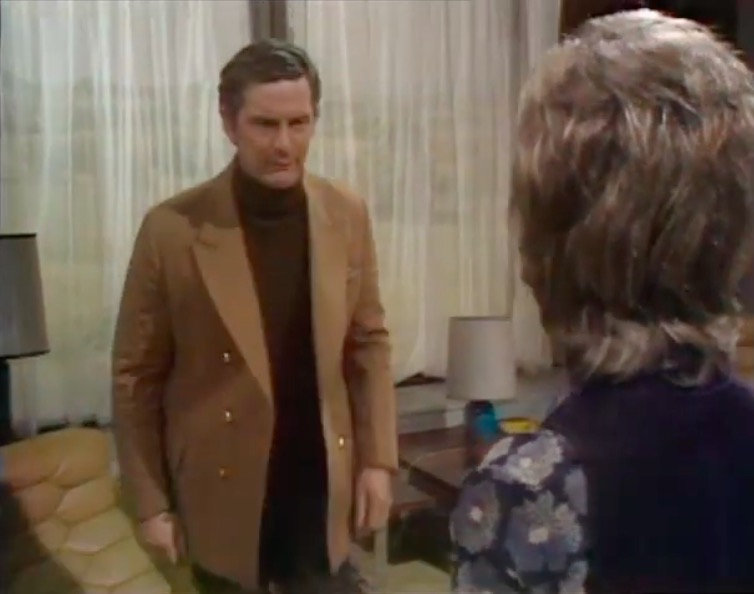
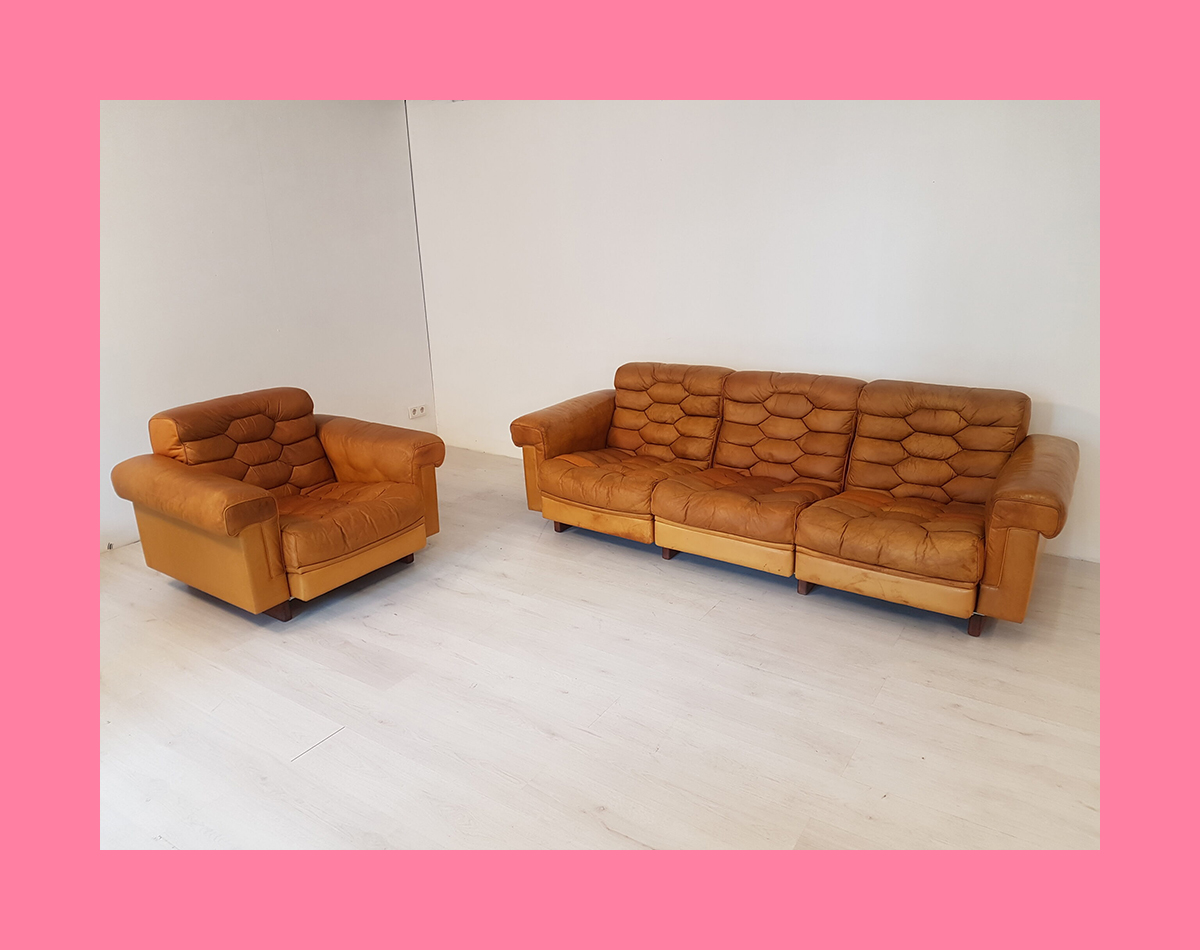
Paul Temple ‘Catch your Death’ (BBC, 1971)
Cognac leather Swivel Office Chair
Ring Mekanikk,
1970


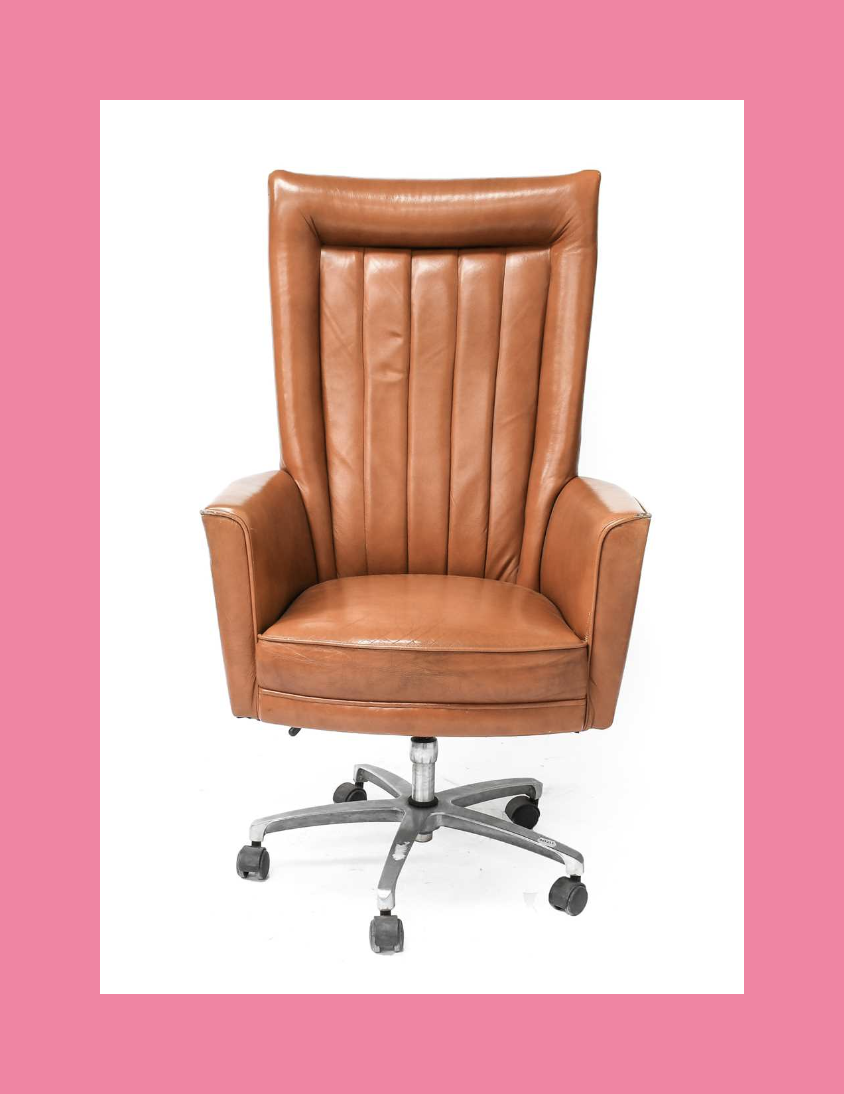

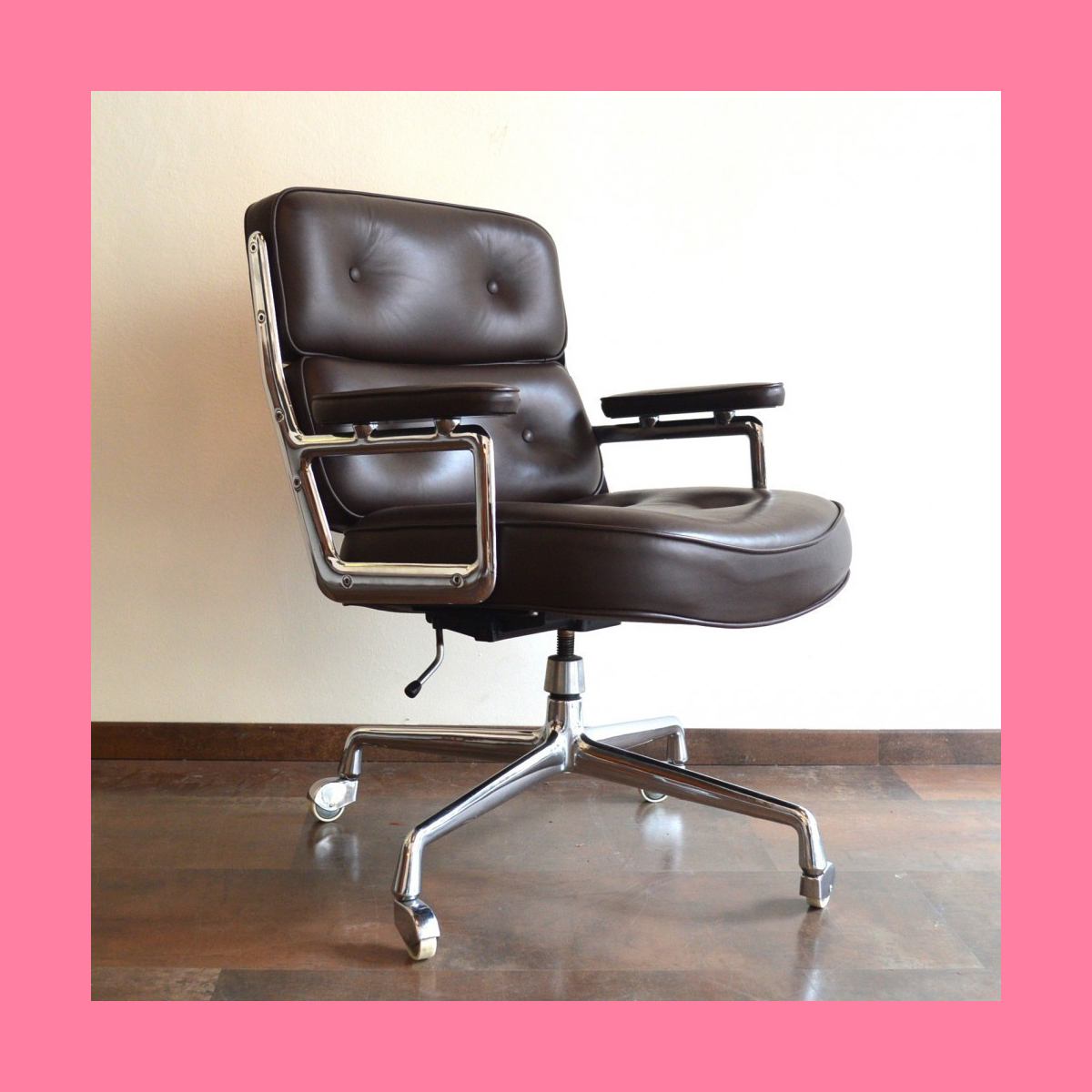
Paul Temple ‘Cue Murder’ (BBC, 1971)
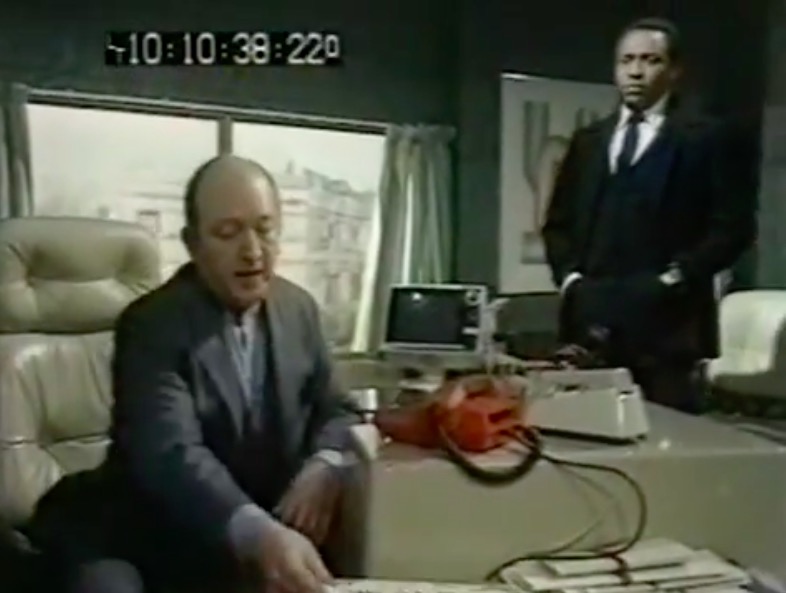
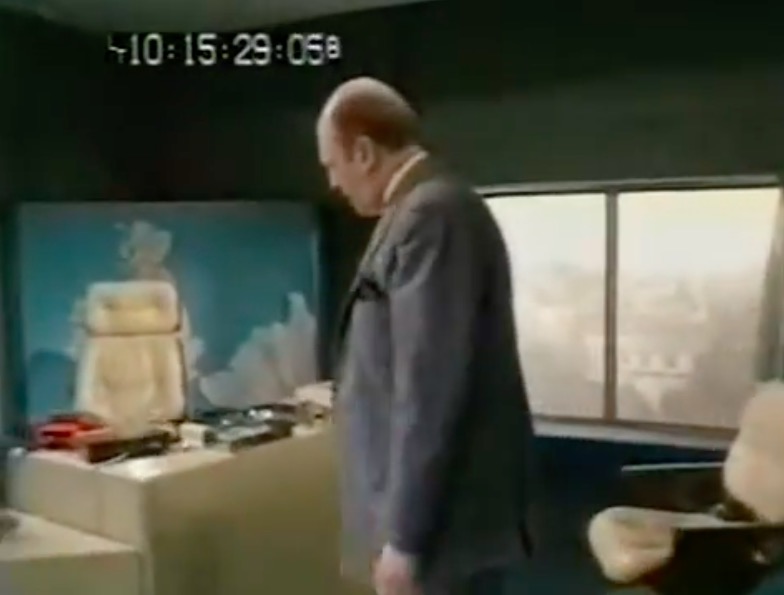
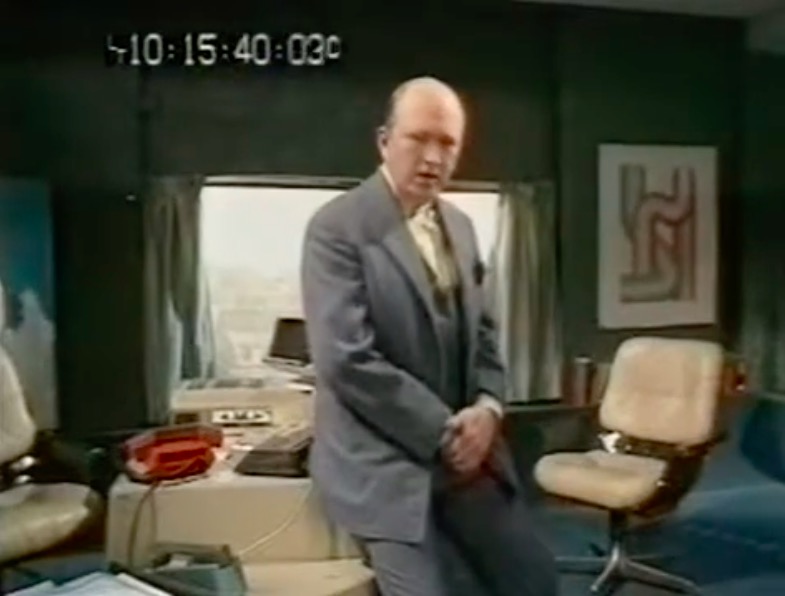
Eames ES 104 executive chair
Charles and Ray Eames
Vitra, USA, 1960
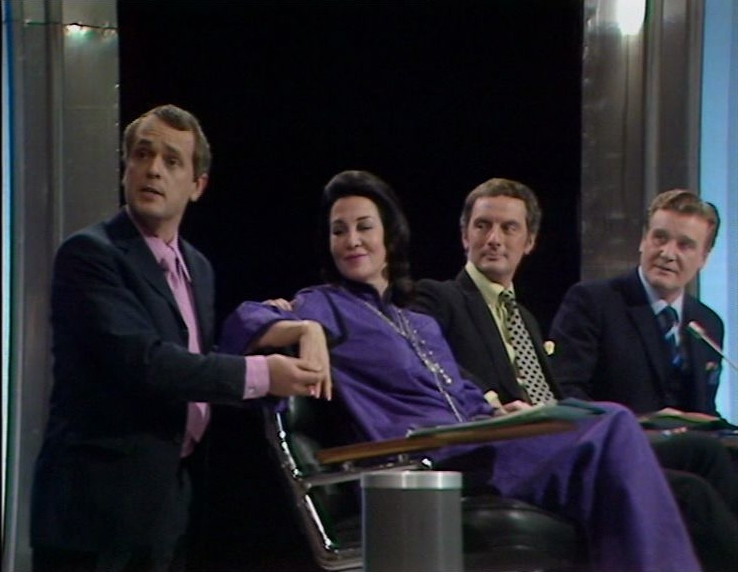
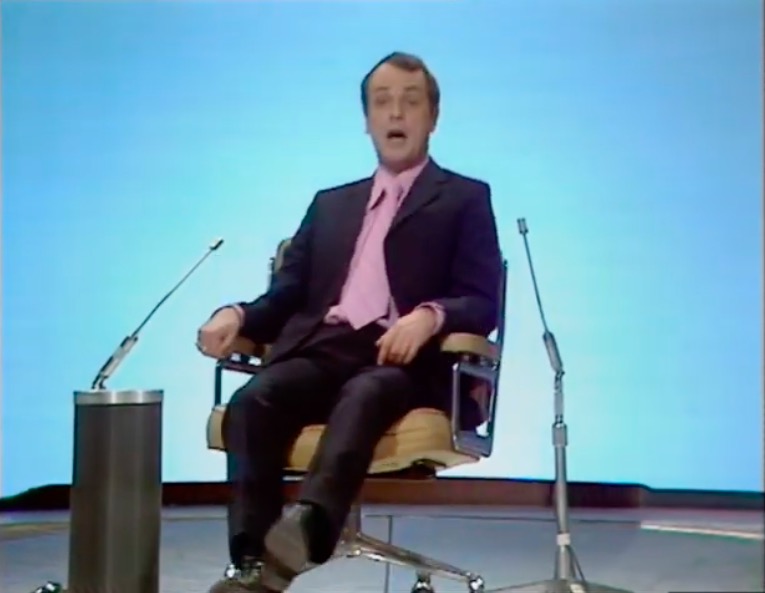
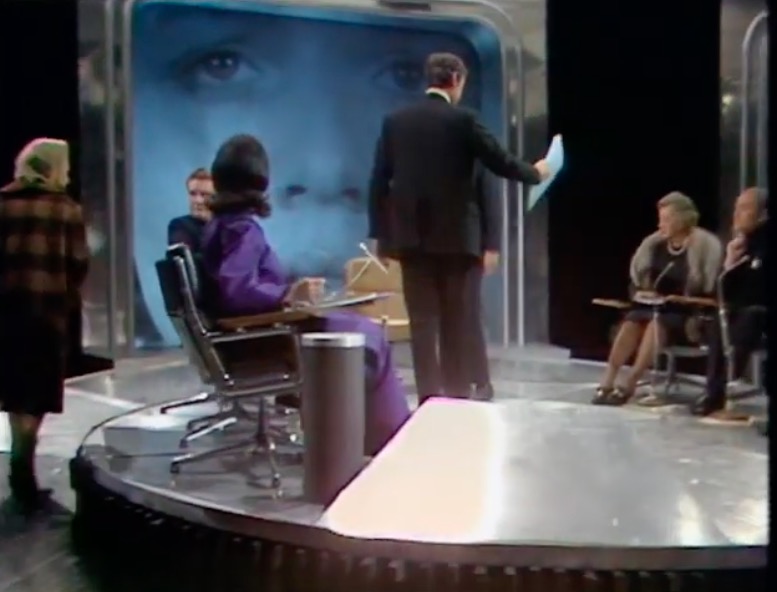
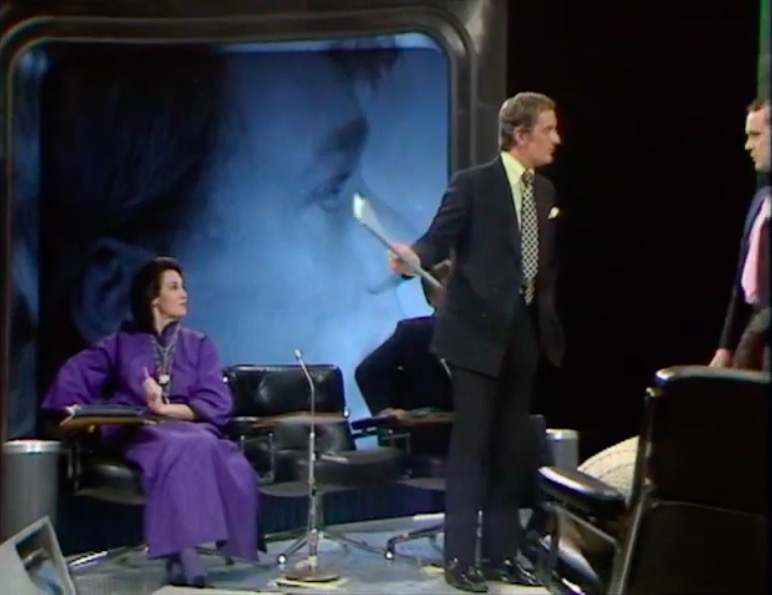
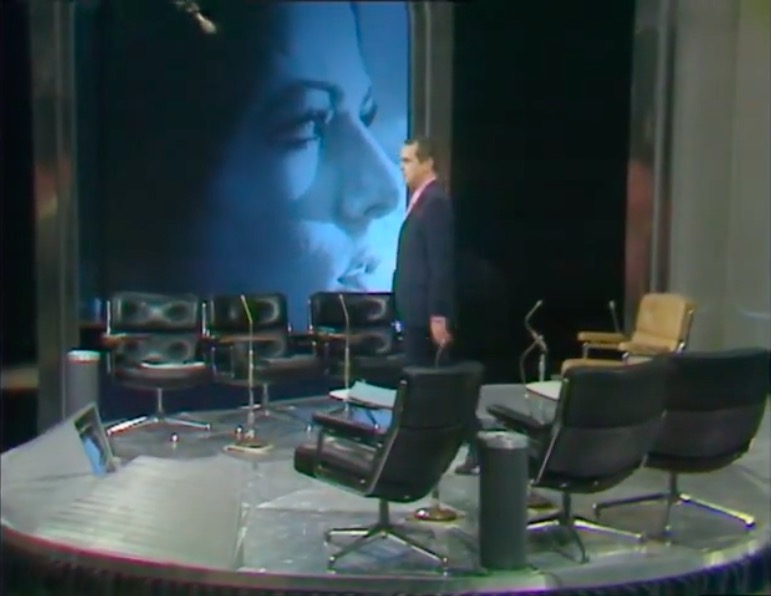
Nigel Kneale’s Beasts (ITV, 1976)
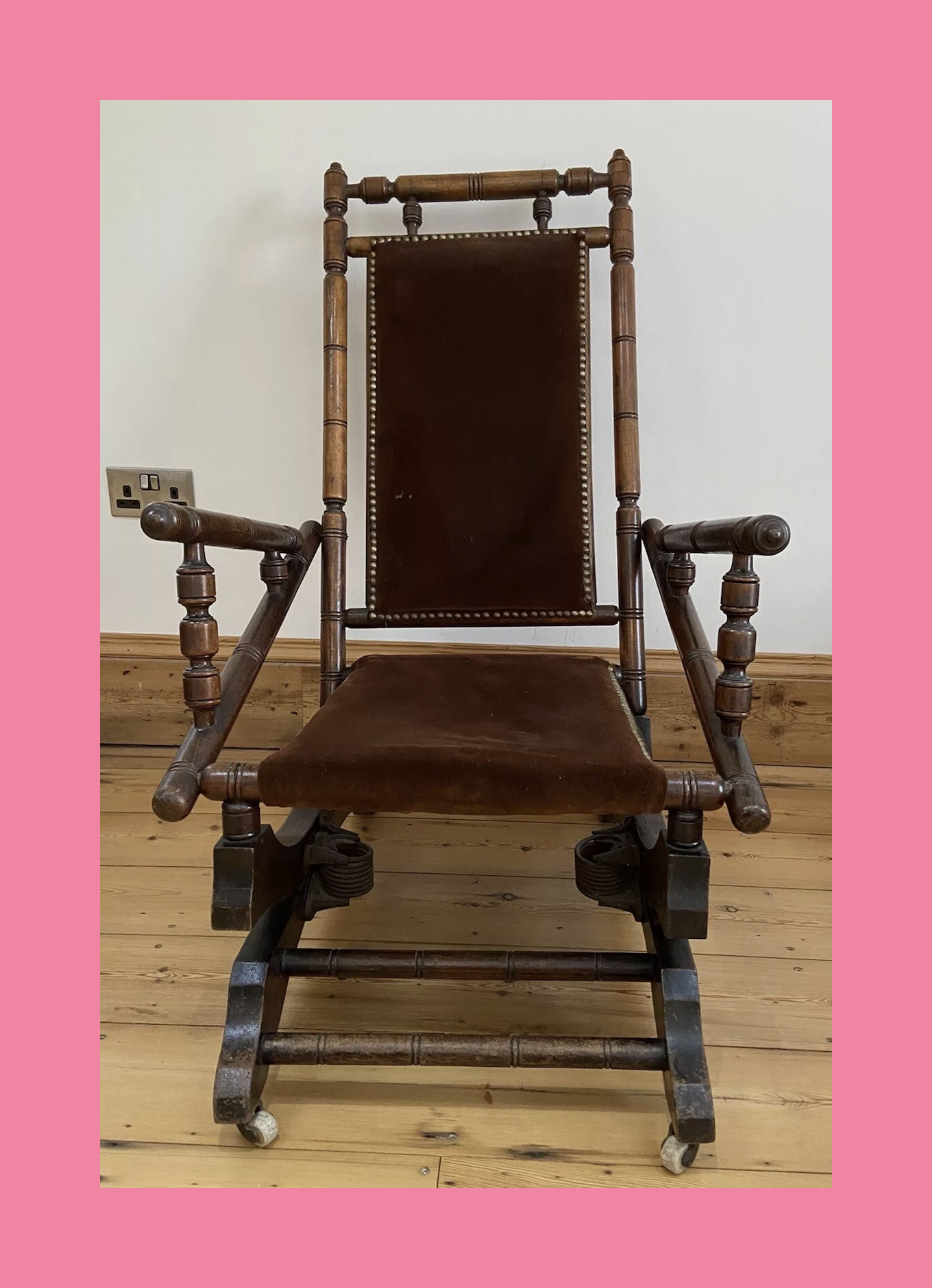
Antique Mahogany American-Style Rocking Chair
Designer and year unknown.
Victorian era.
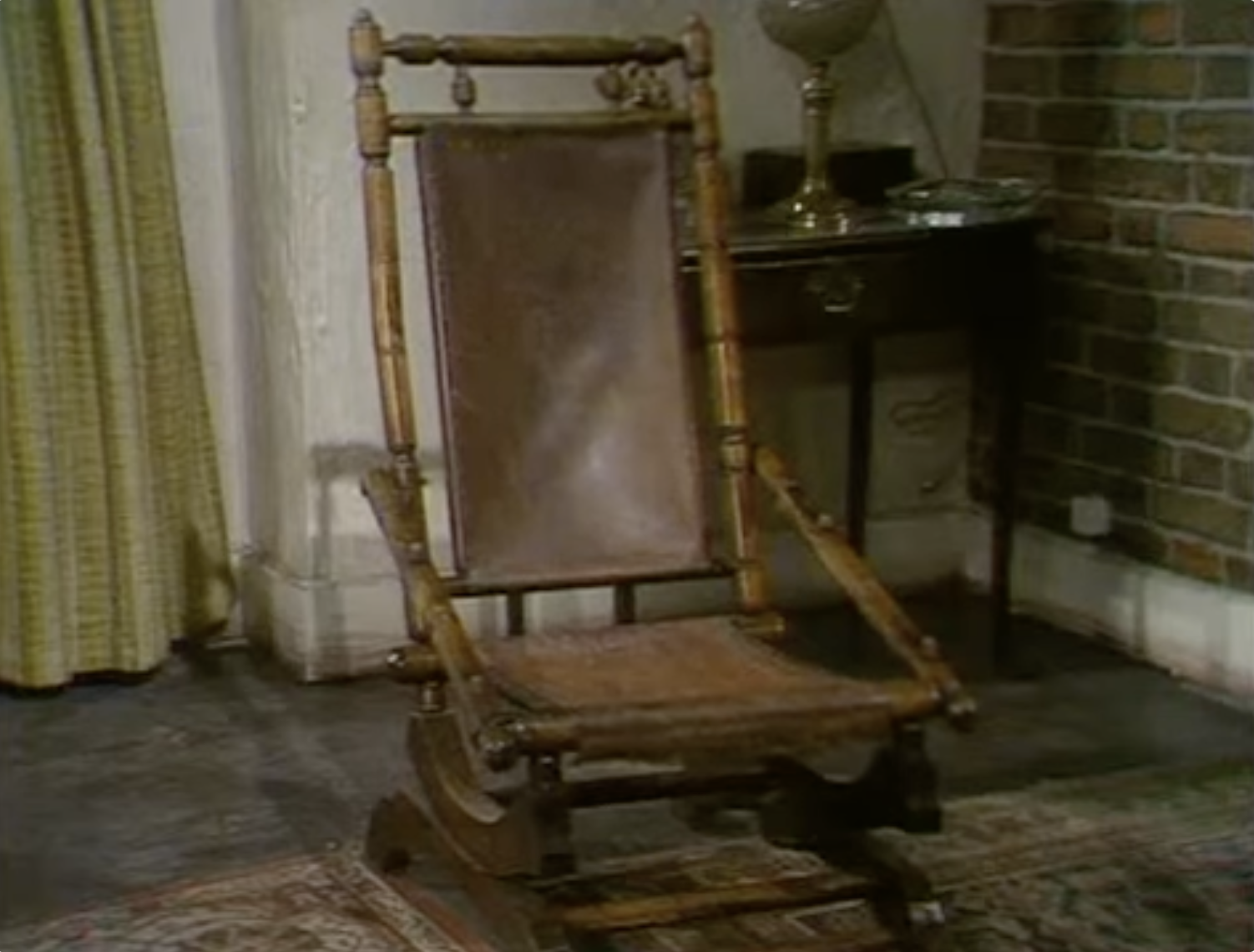
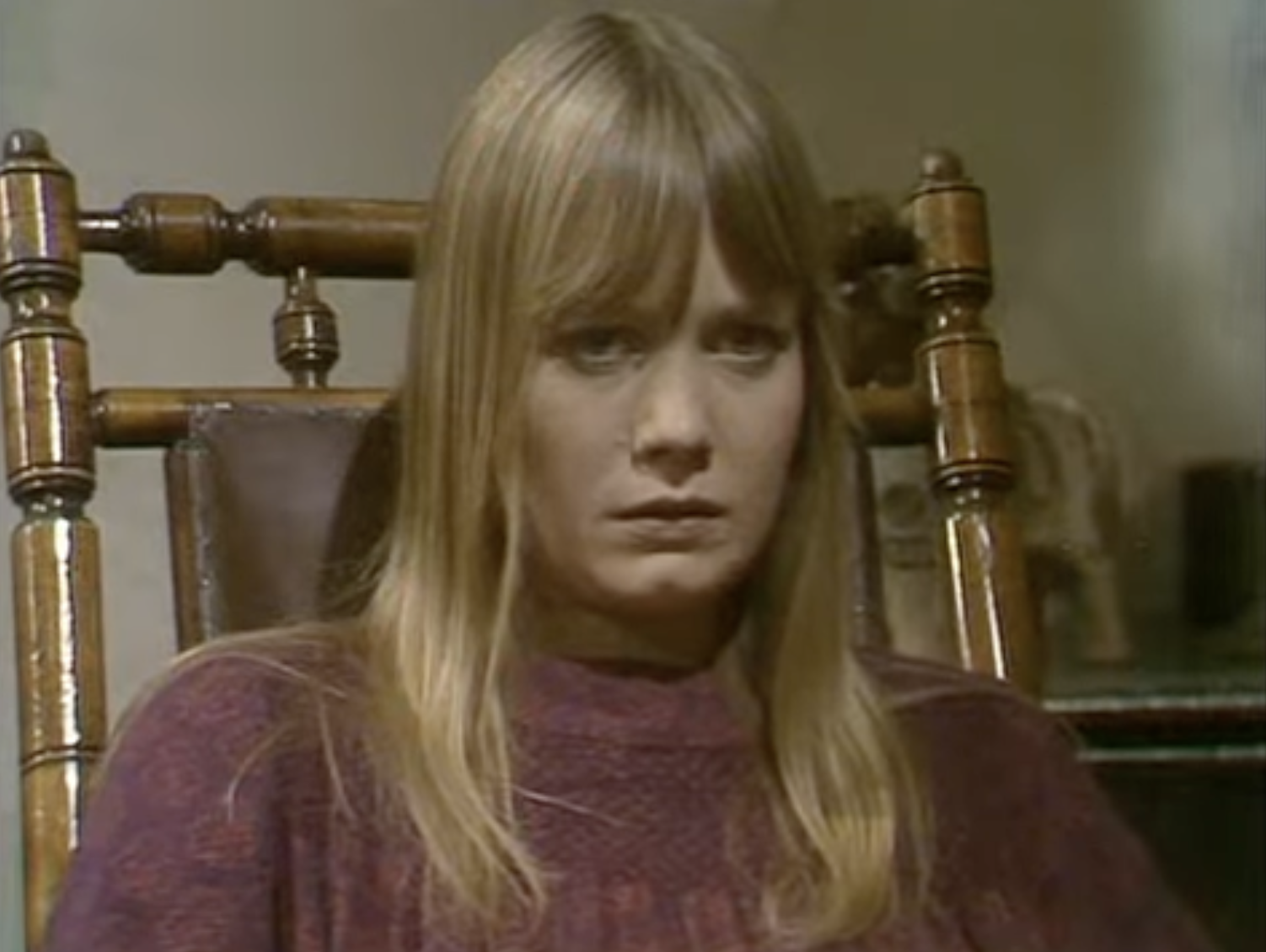
The Stone Tape (BBC, 1972)
Executive chair
Vincent Cafiero
Knoll International, 1958
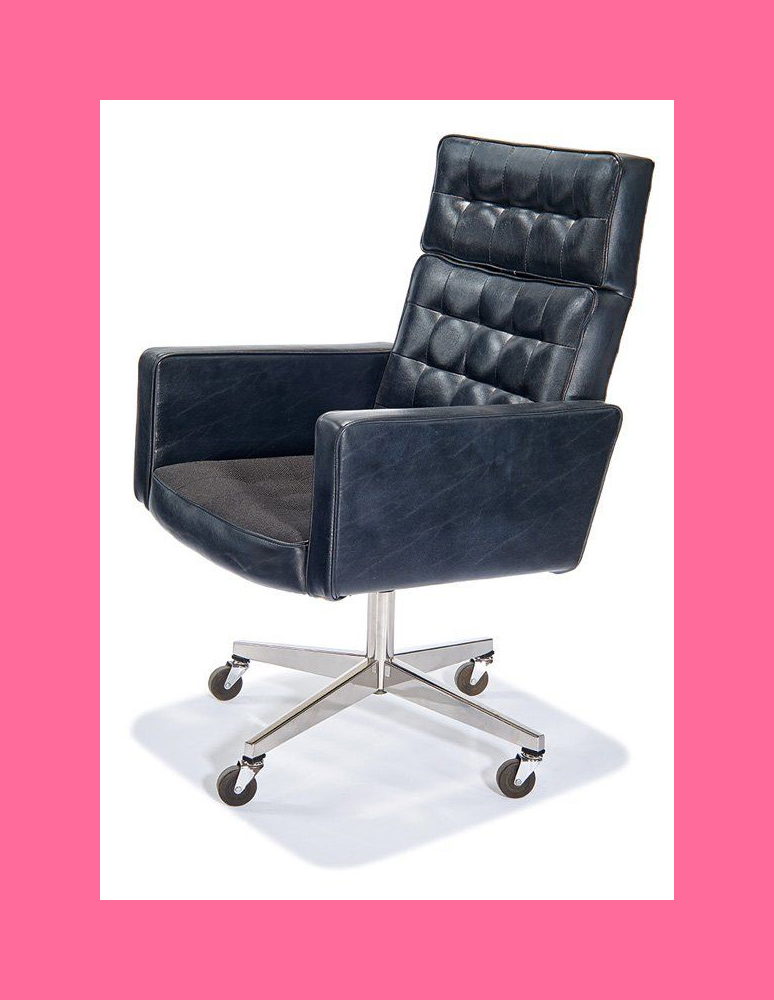

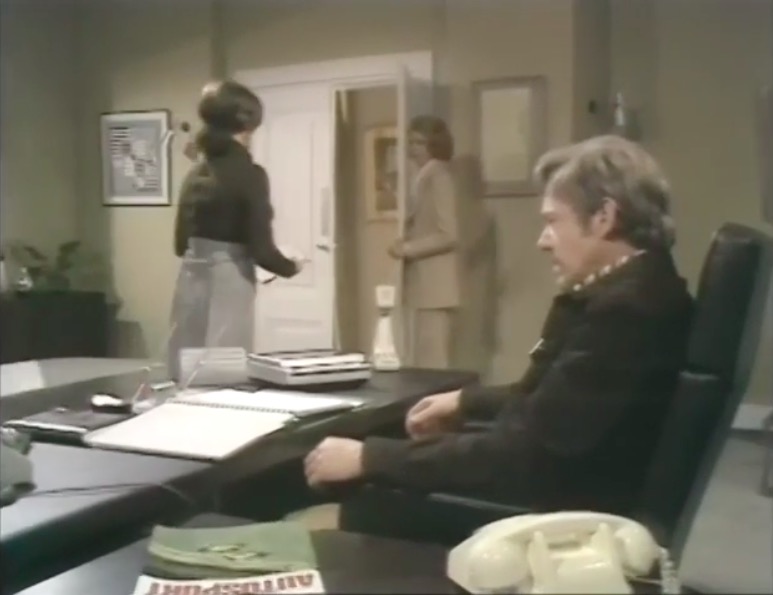

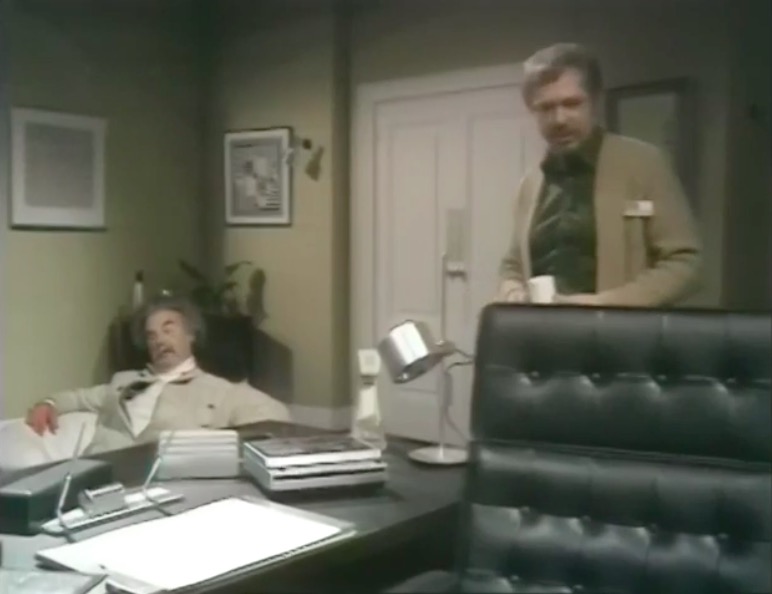
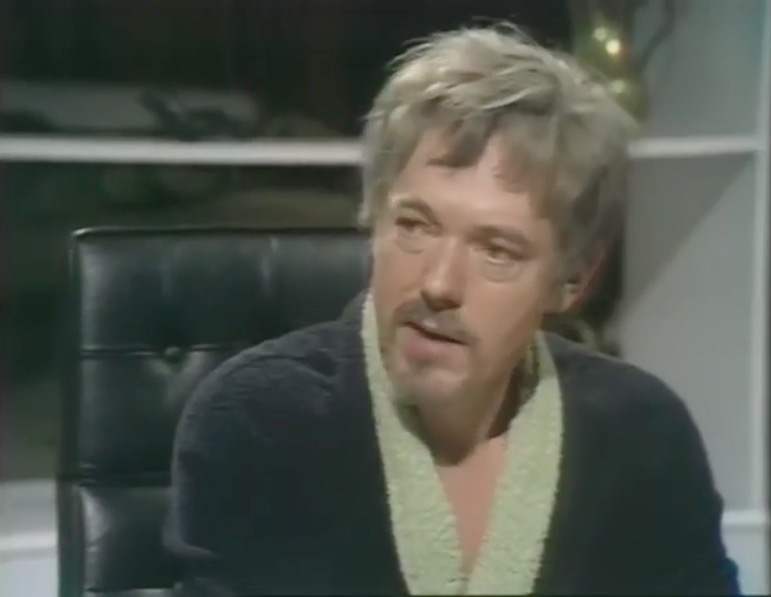
‘1990’ (BBC, 1977-78)
Selene chair
Vico Magistretti,
Atremide, Italy, 1968


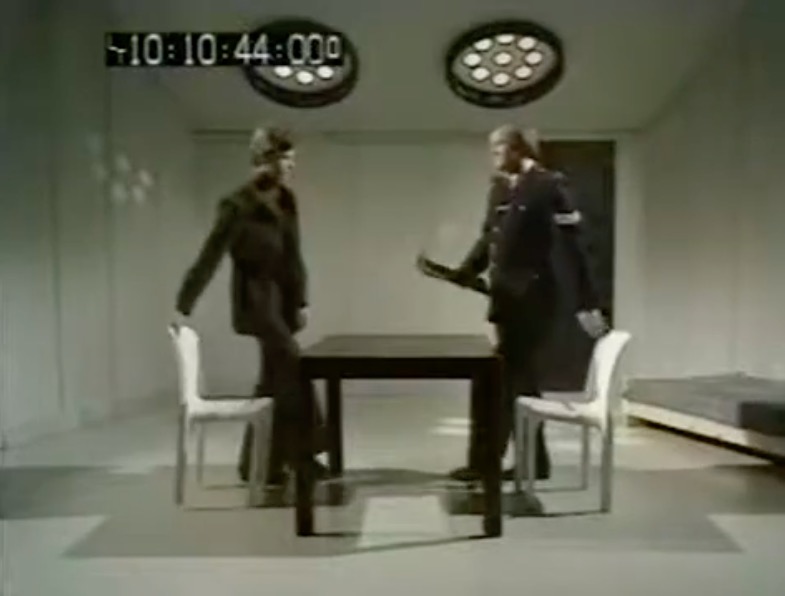
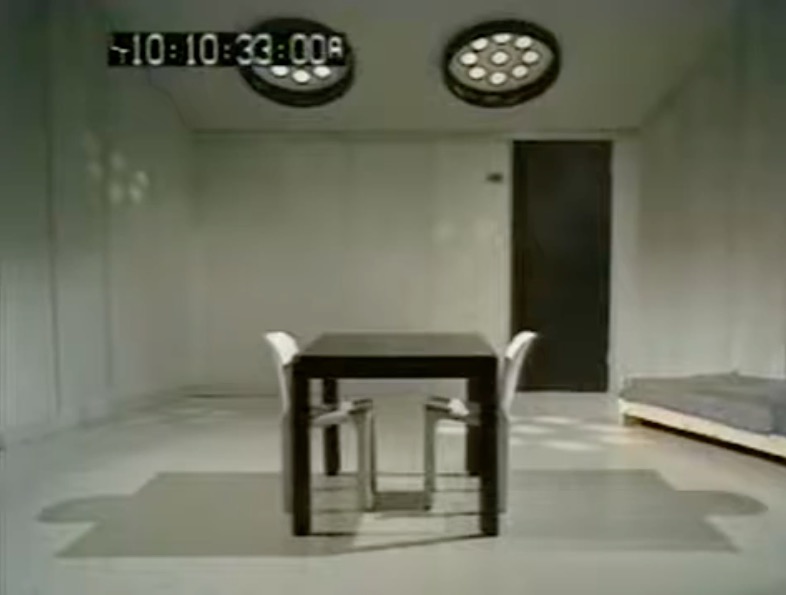
‘1990’ (BBC, 1977-78)
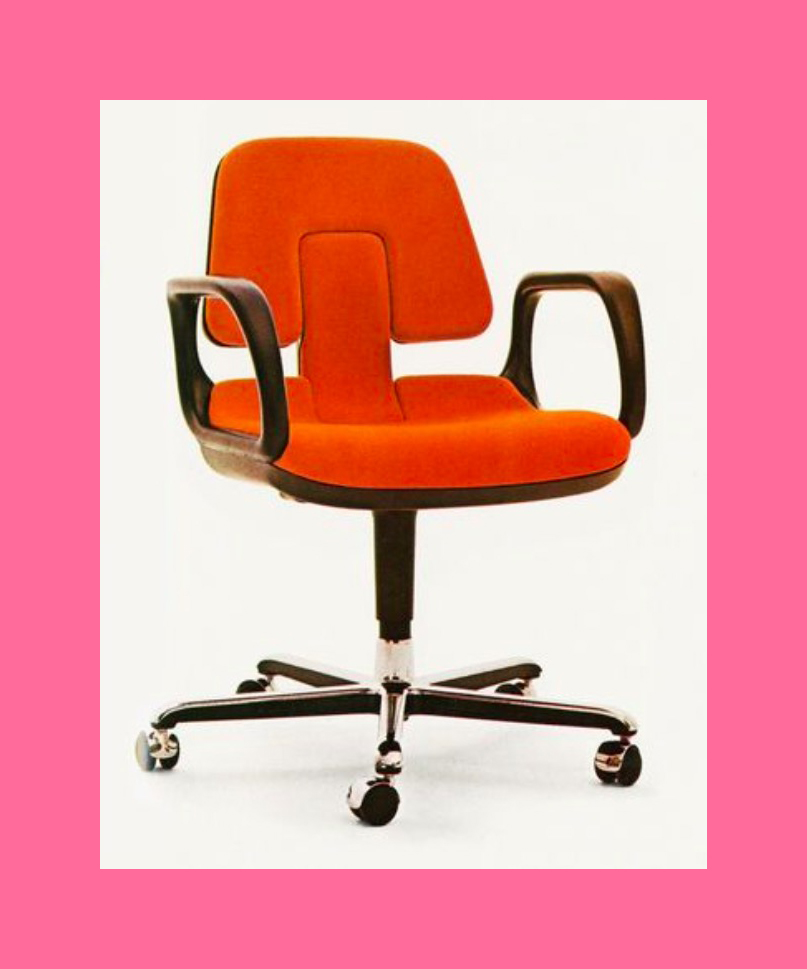
Vitramat 20 office chair.
Wolfgang Mueller Deisig
Vitra, Switzerland, 1976.
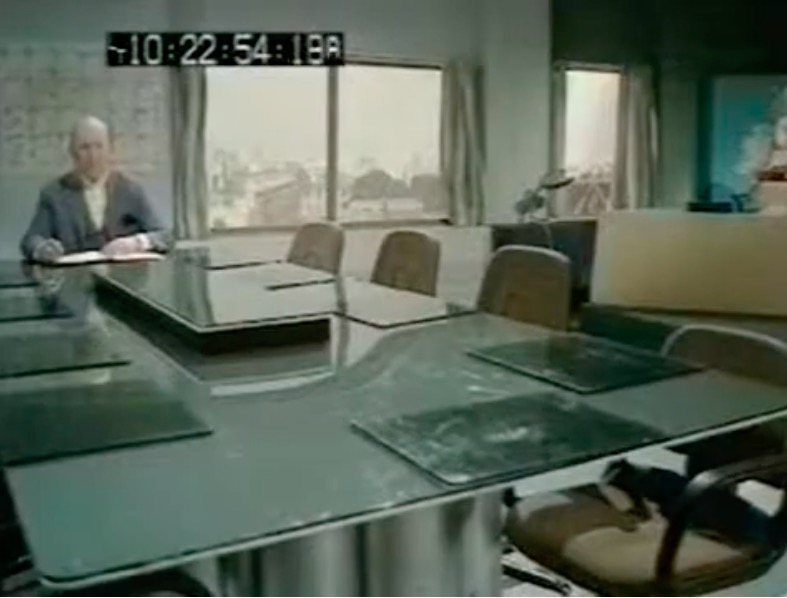
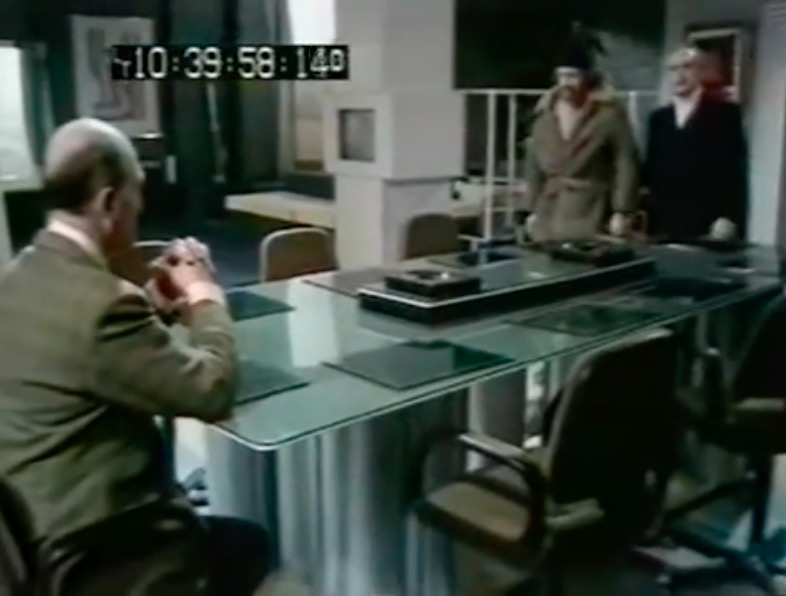
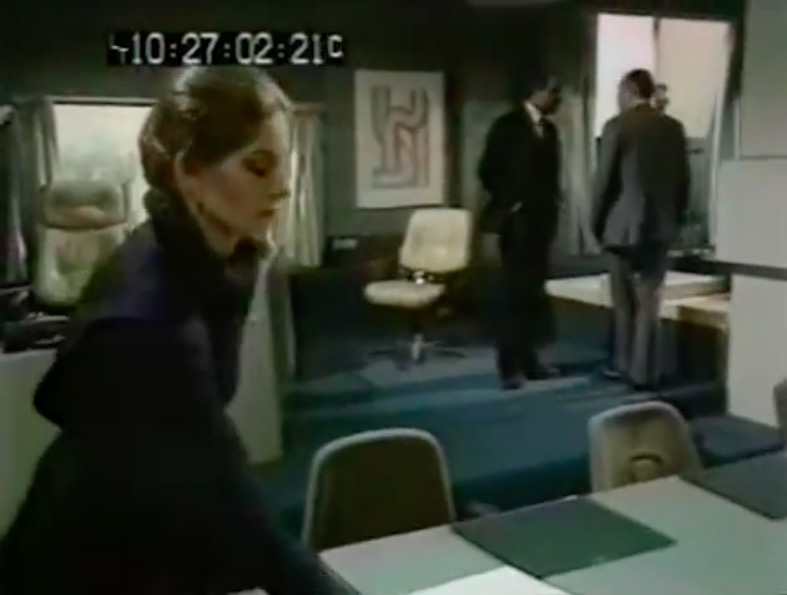
‘1990’ (BBC, 1977-78)
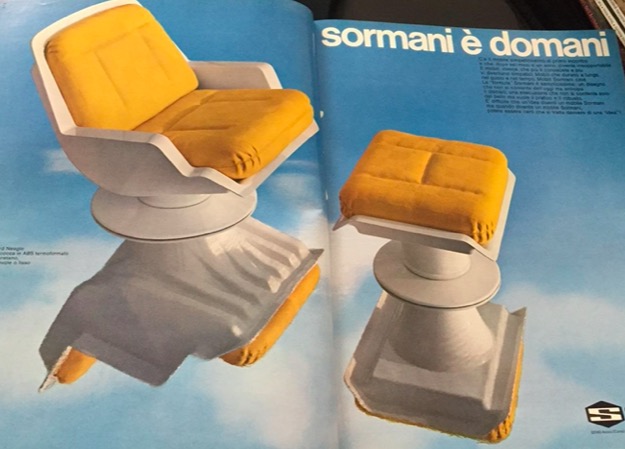
Domani chair
Designer presumed to be Odo Klose
Odo Klose and partners, Germany, 1972
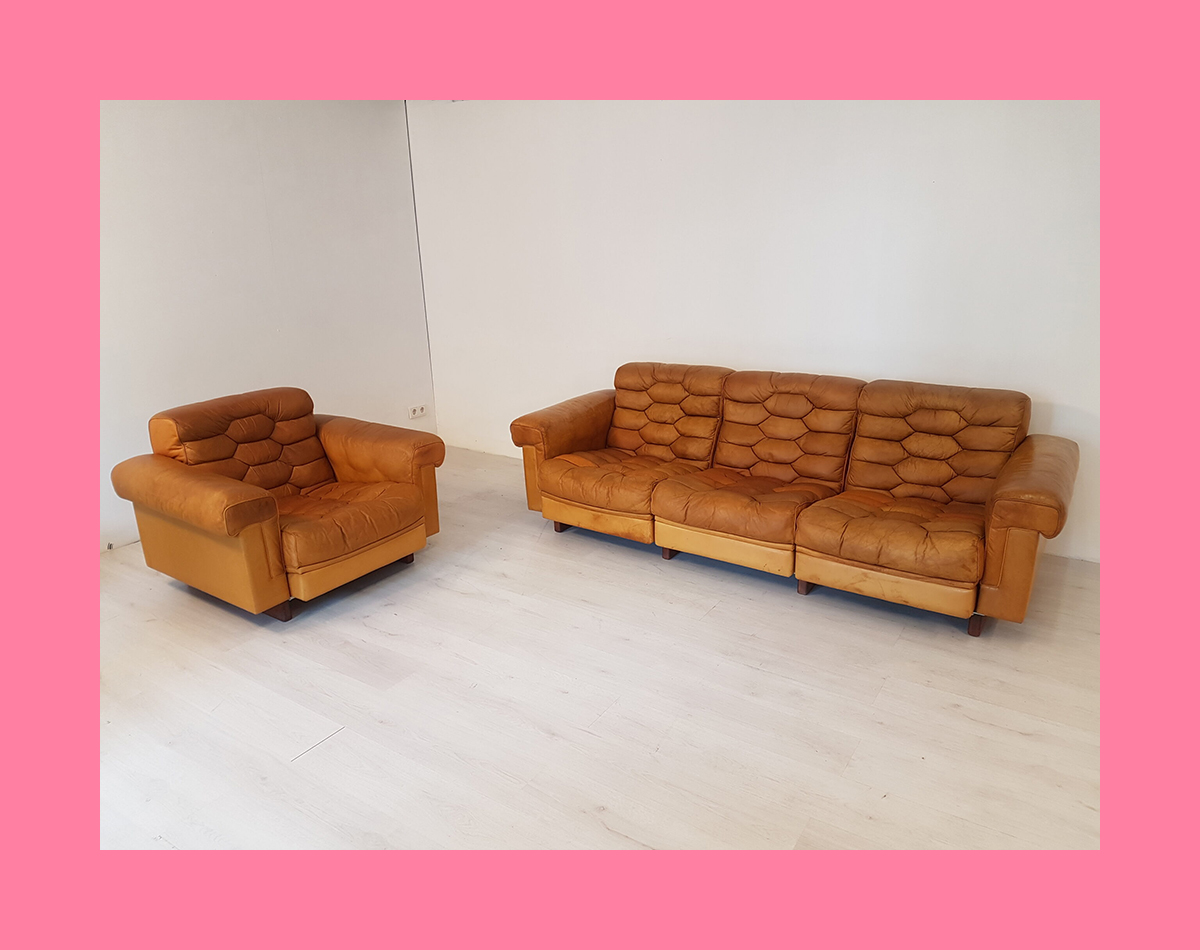
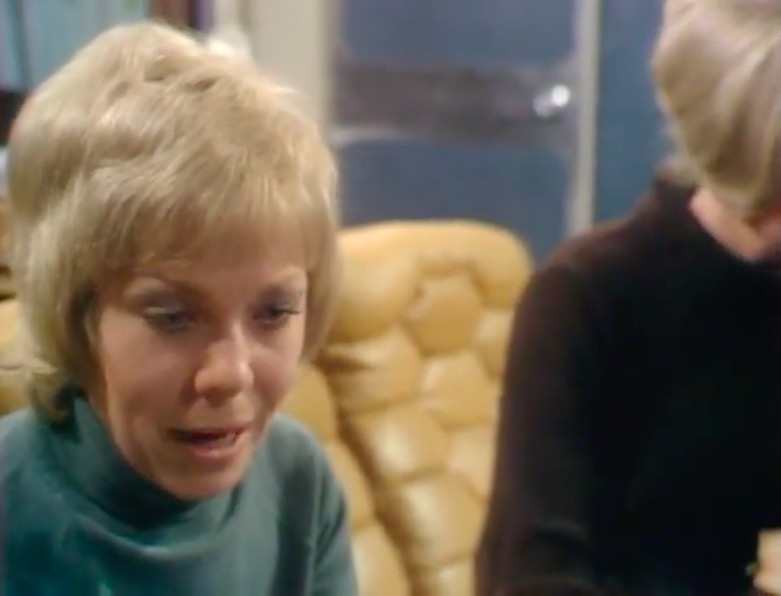
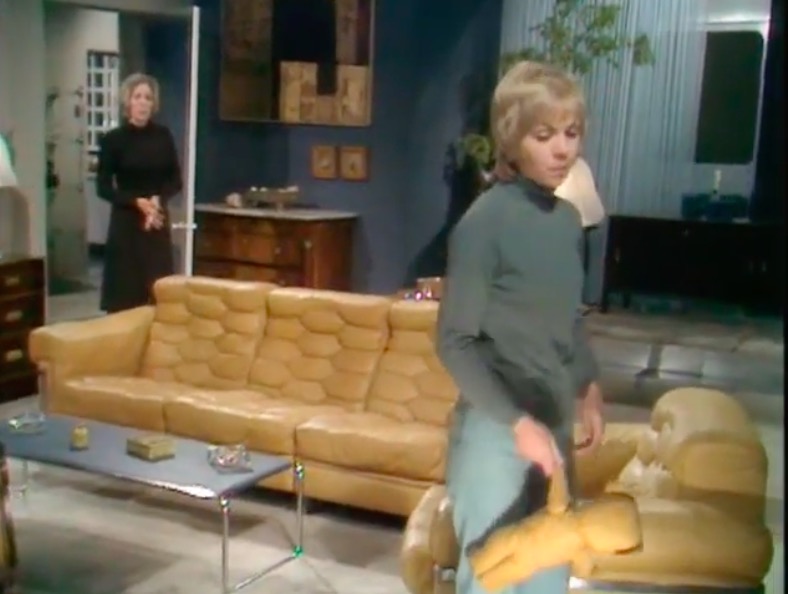
The Guardians (ITV, 1971)
DS-P Reclining Sofa
Robert Haussmann,
Dr Sede, Switzerland, 1971


The Tomorrow People (ITV, 1973)
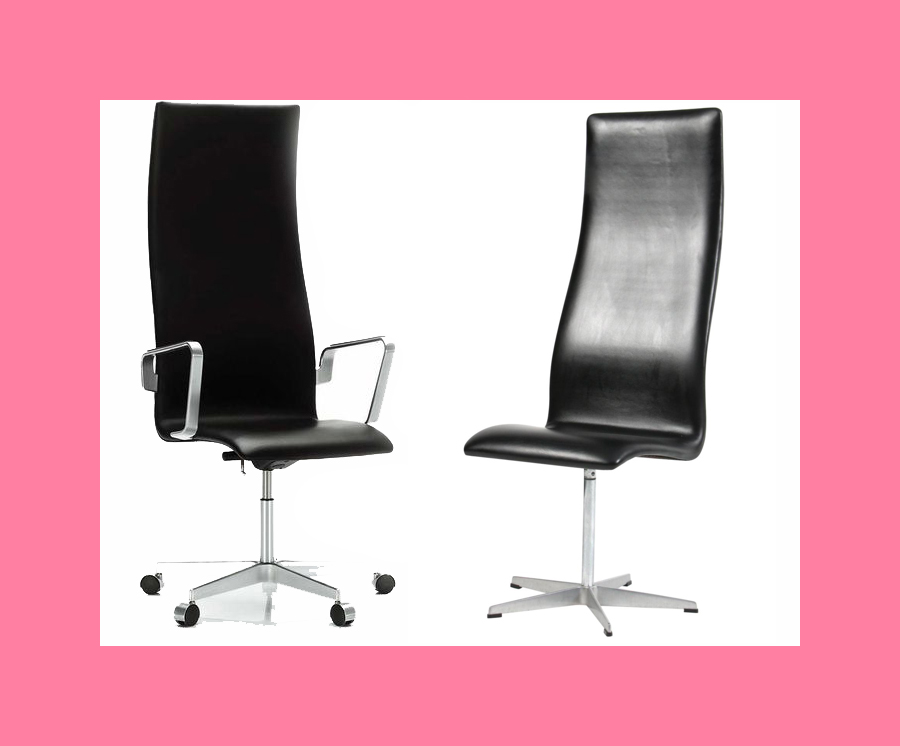
High-backed Oxford chair
Arne Jacobsen
Fritz Hansen, Denmark, 1965
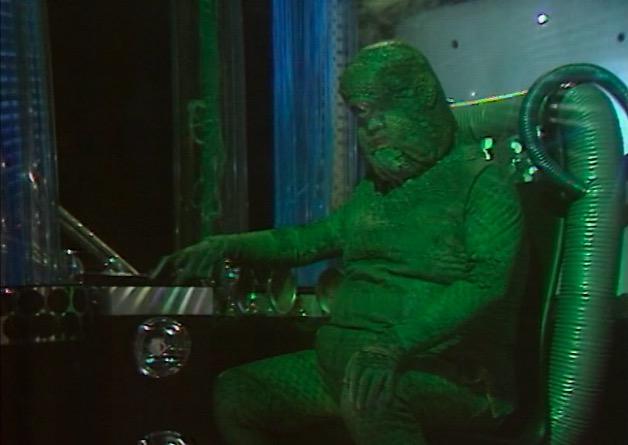
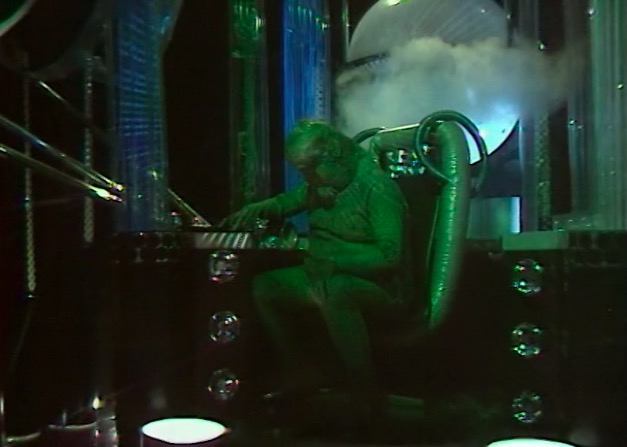
The Tomorrow People (ITV, 1973)
Alda’ lounge chair
Cesare Casati and Enzo Hybsch.
Comfort, Italy 1966
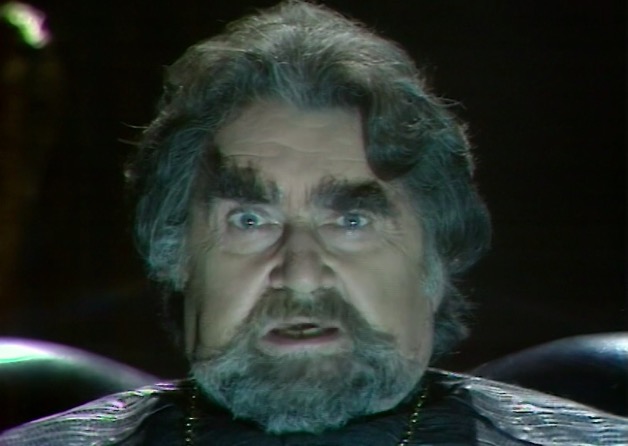
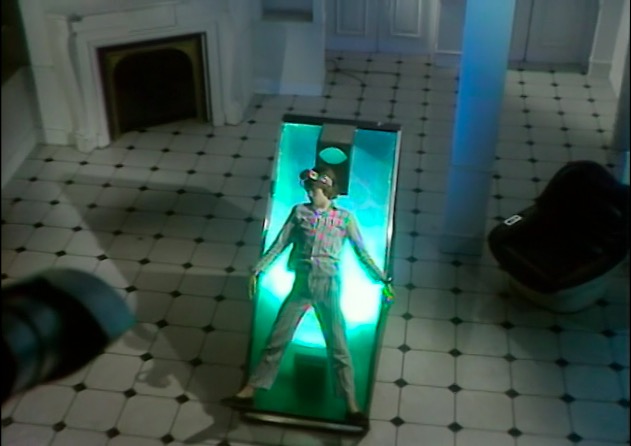
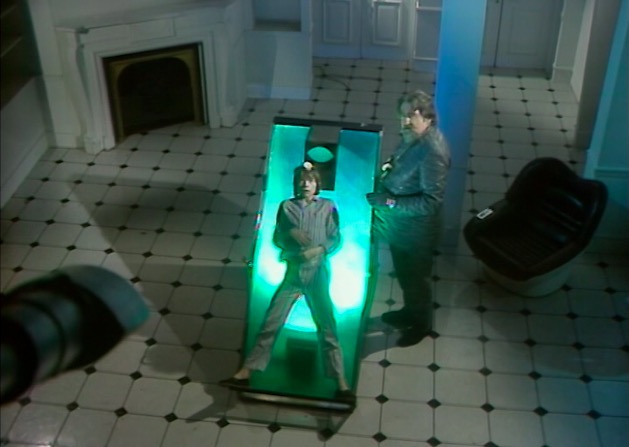
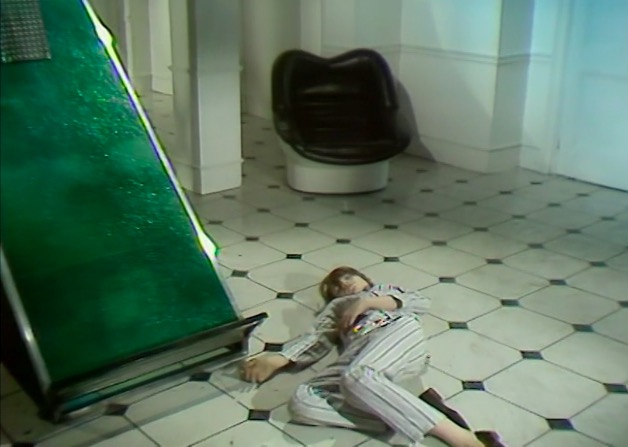
Star Maidens (ITV, 1976)
Venus Barstool
Börje Johanson
Johansson Design, Sweden, 1960s
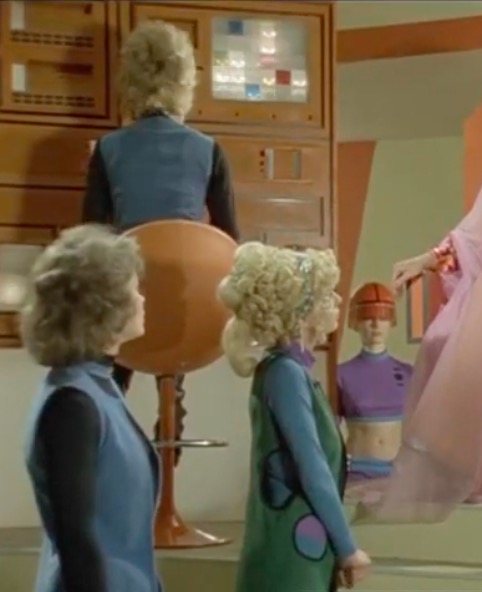
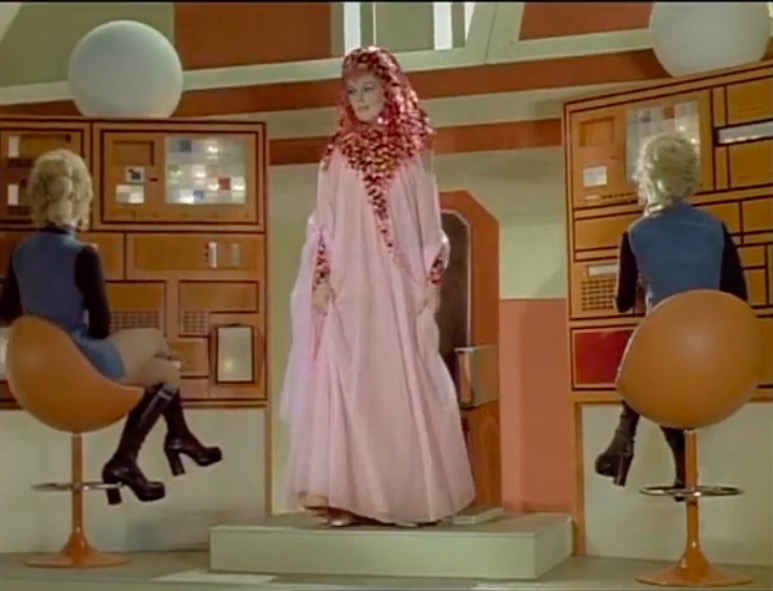
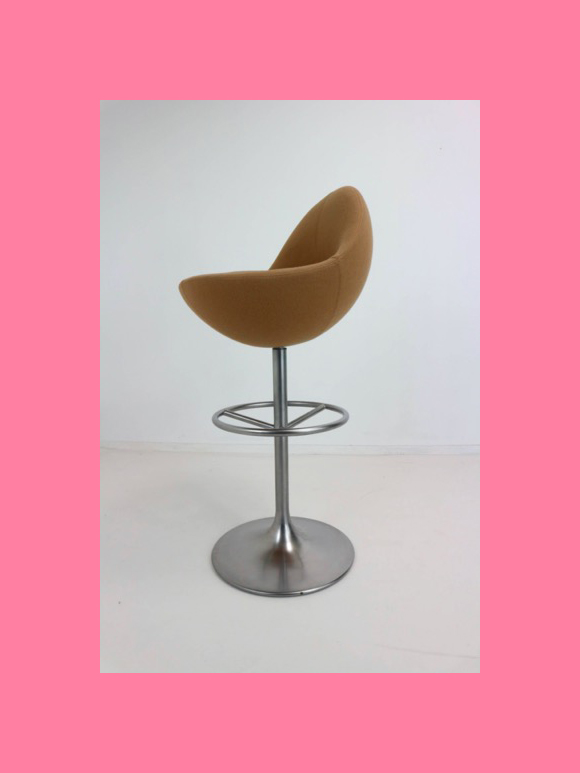
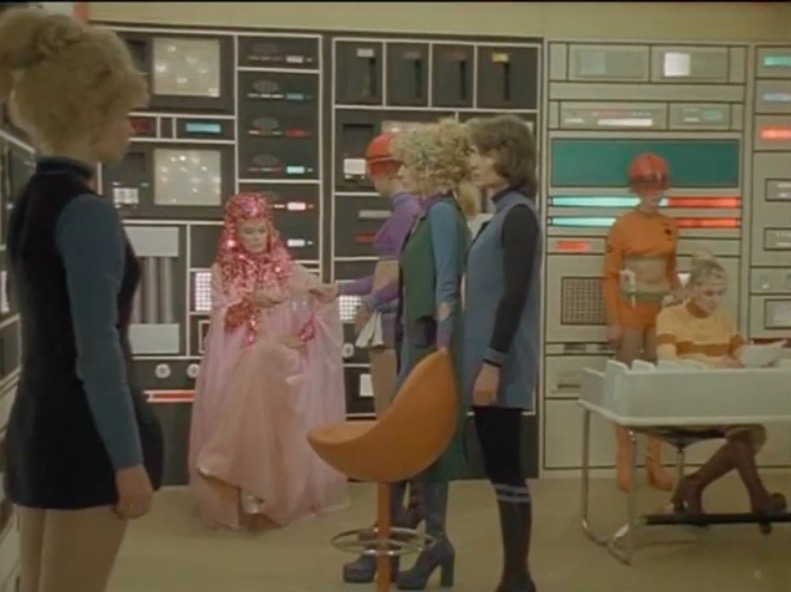
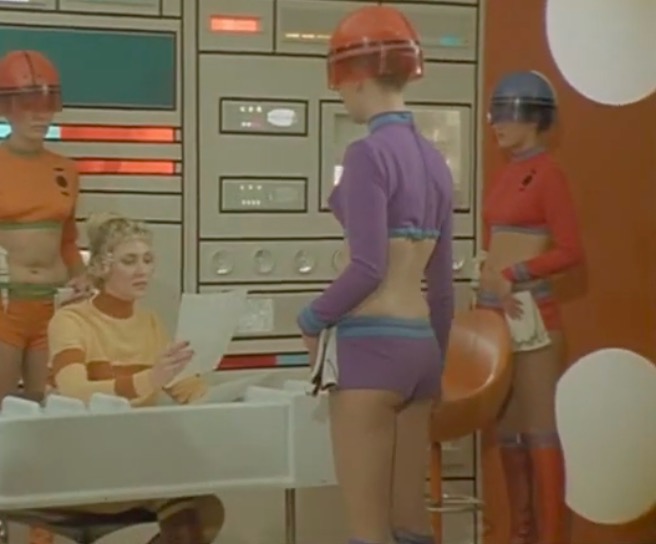
Star Maidens (ITV, 1976)
Pastil Chair
Eero Aarnio
Asko, Finland, 1967
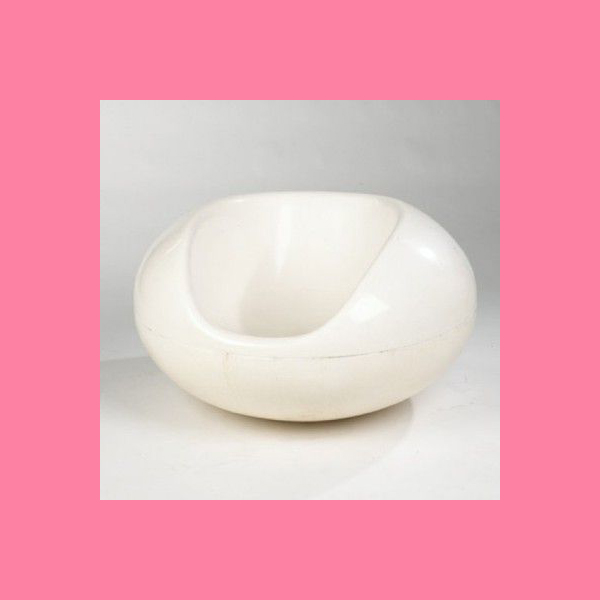
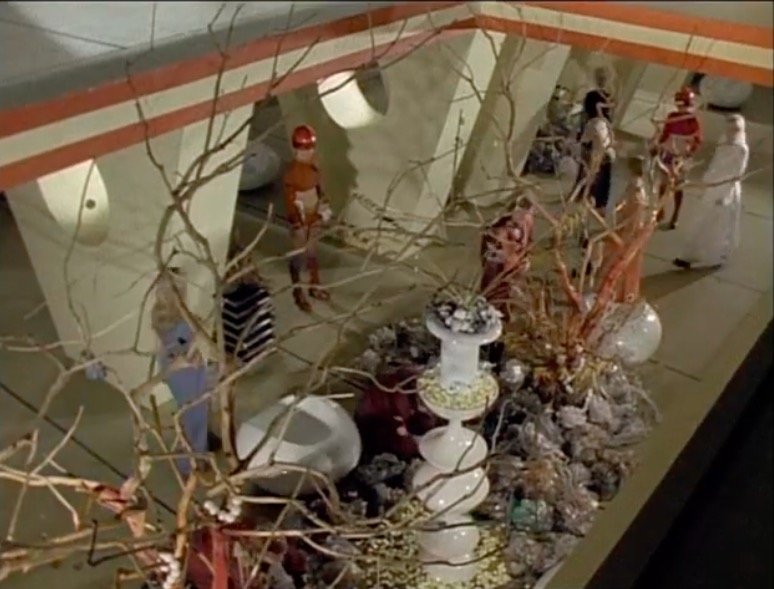
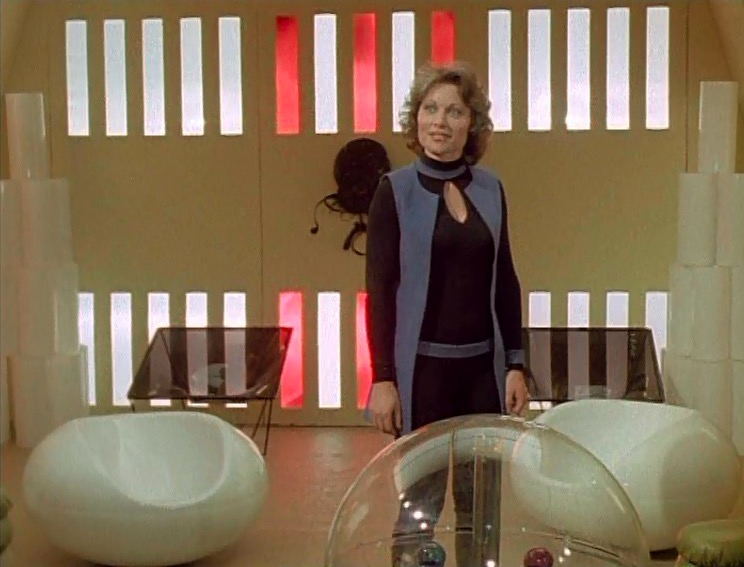
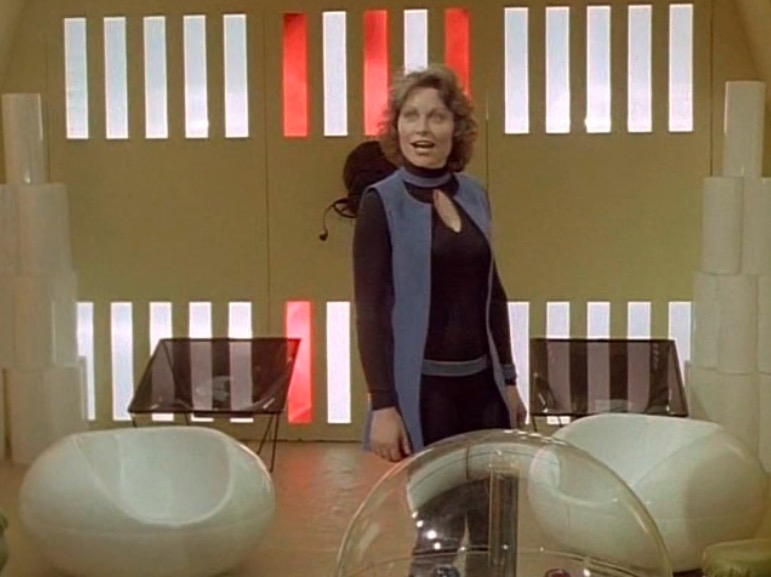
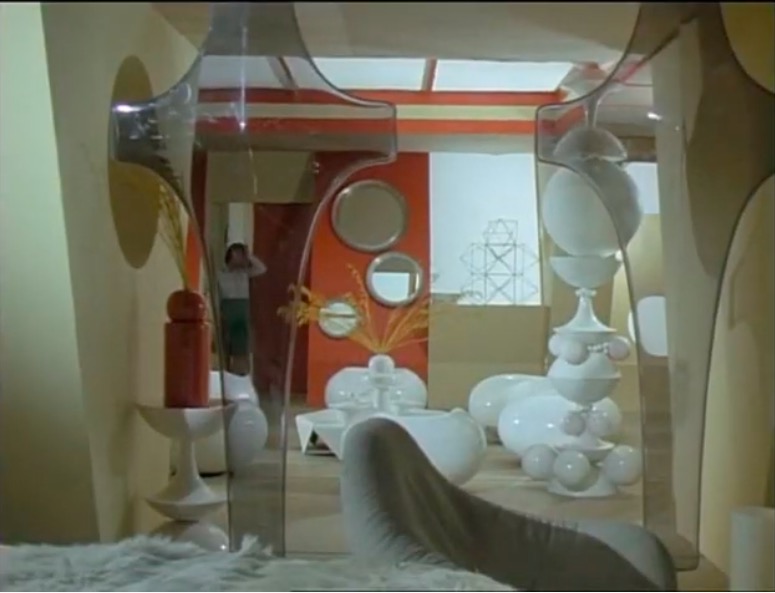
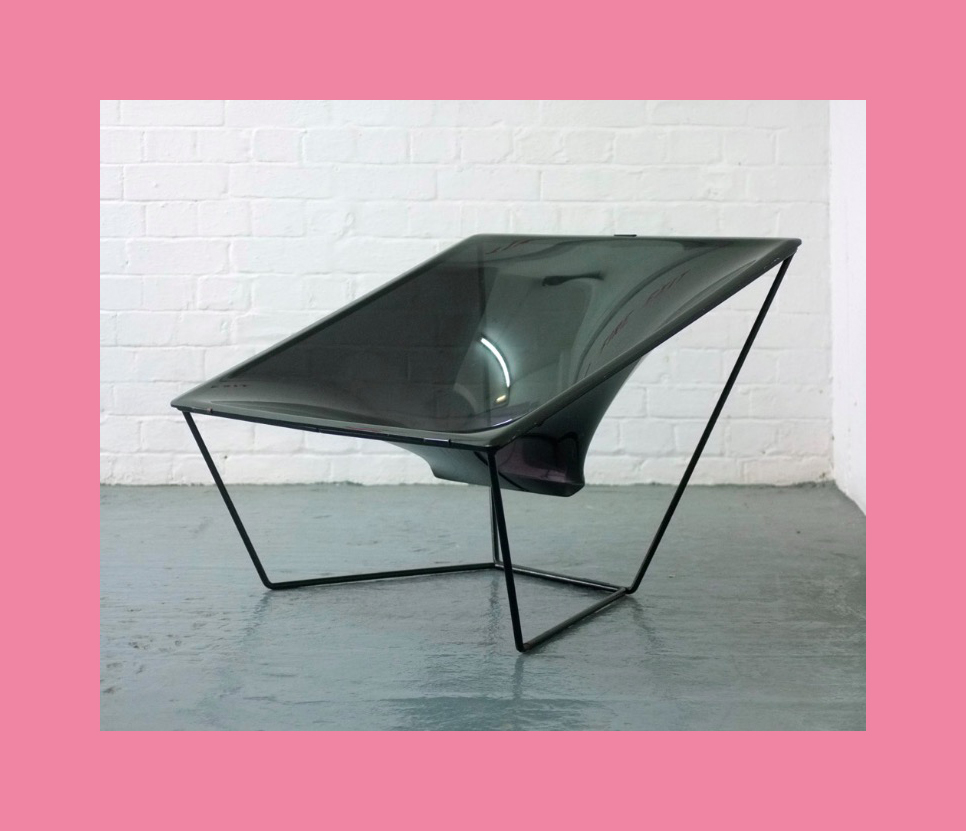
Star Maidens (ITV, 1976)
Contour Chair
David Colwell,
William Jaycox, 1967
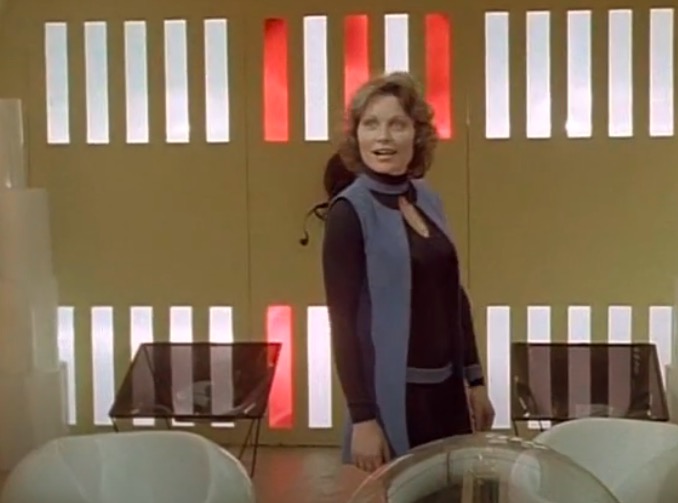


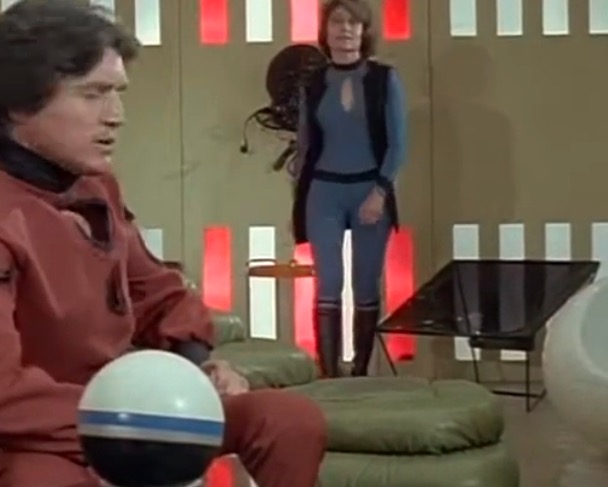
Star Maidens (ITV, 1976)
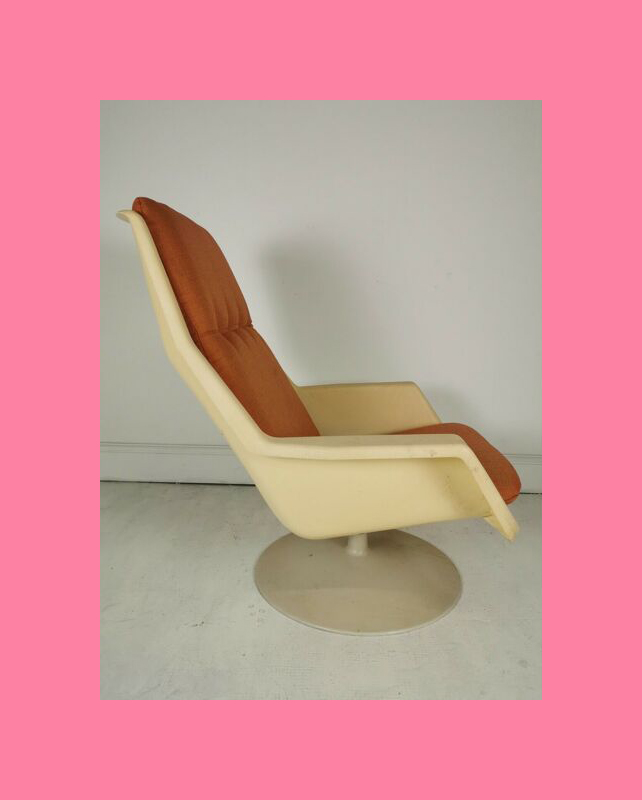
4-4000 Easy Lounge Chair
Robin Day
Hille, UK, 1970s
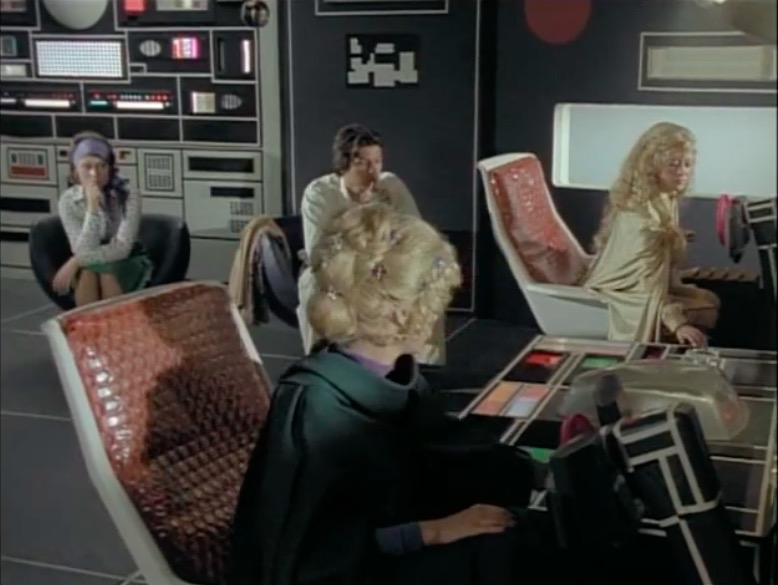
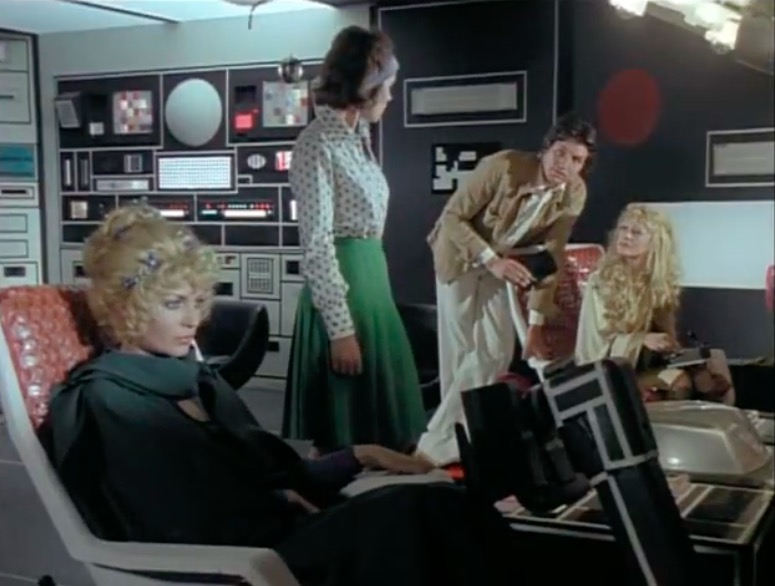
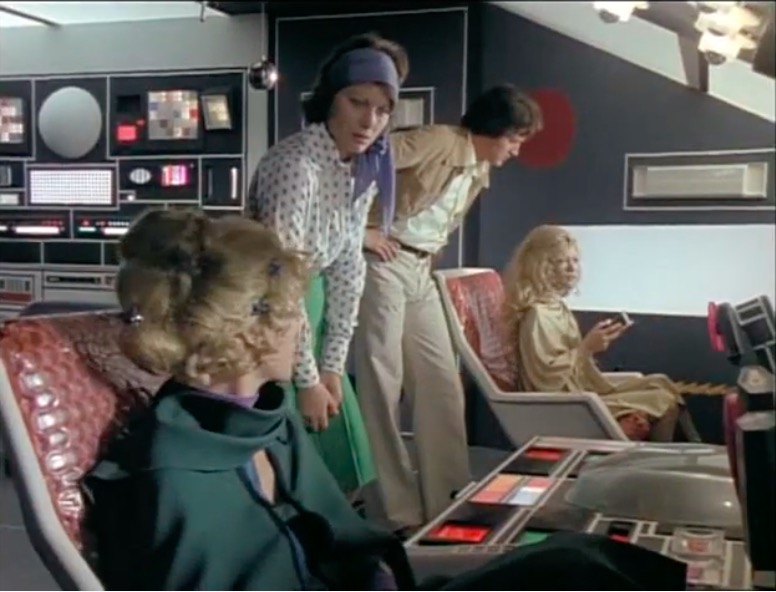
Star Maidens (ITV, 1976)
Lounge chair
Designer unknown
Lurashell, UK, 1971
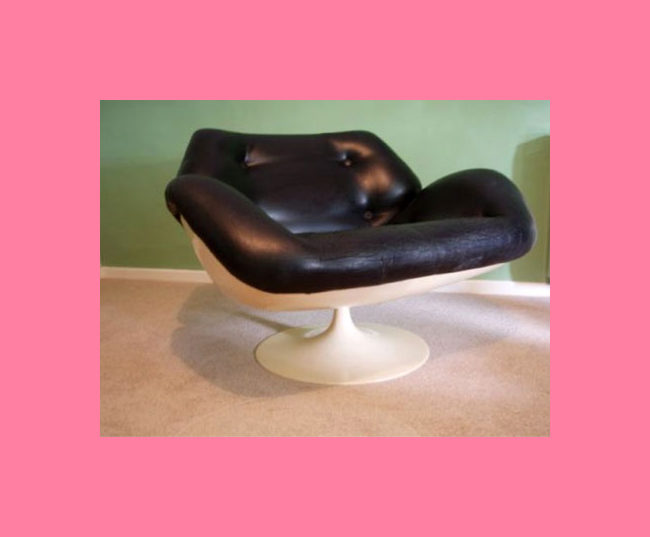

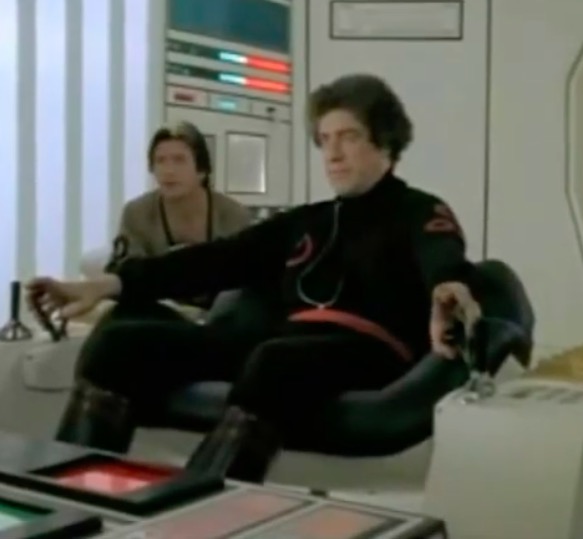
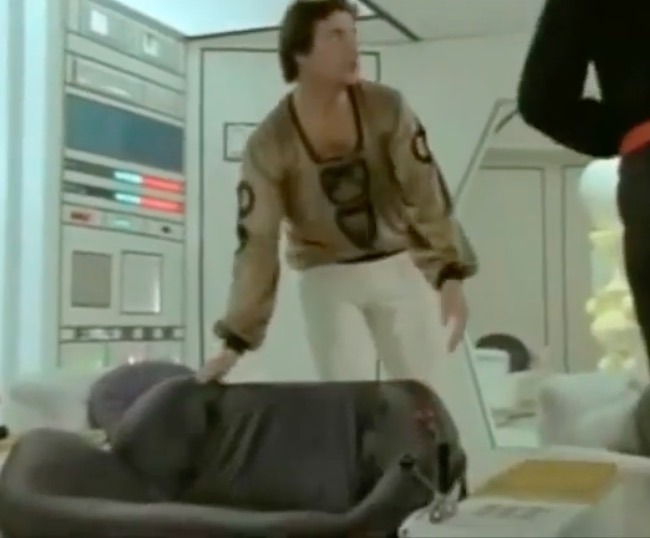
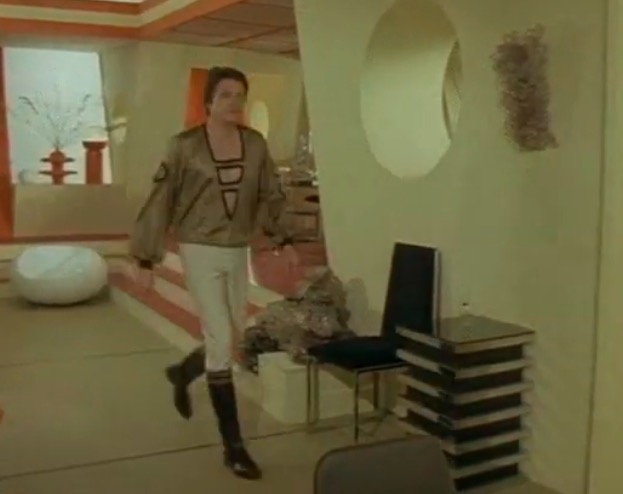
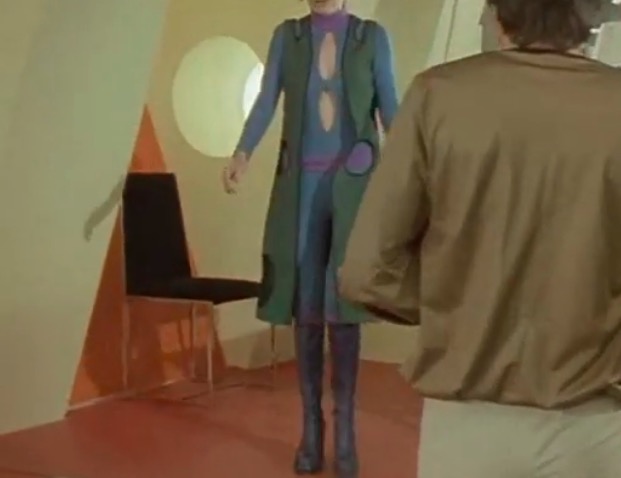
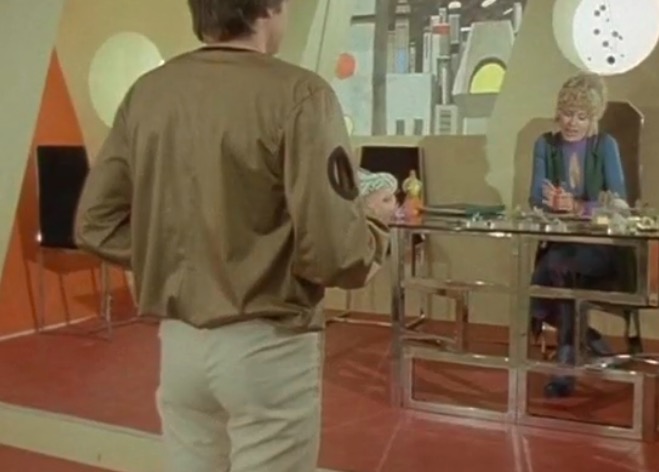
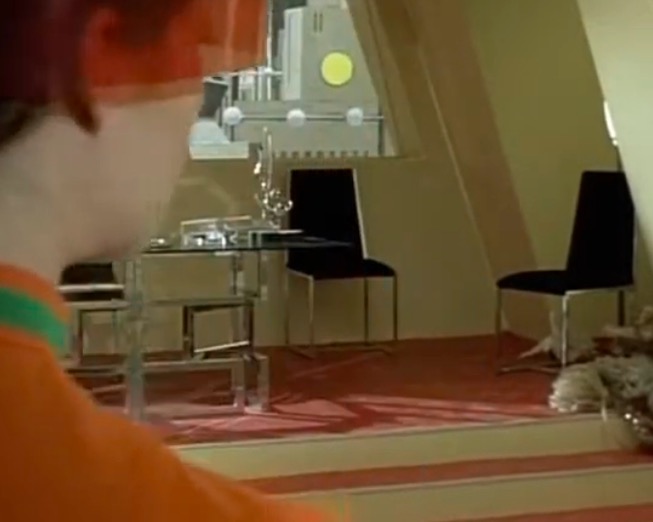
Star Maidens (ITV, 1976)
Chrome and suede dining chair
Designer unknown, in the style of Milo Baughman
1970s
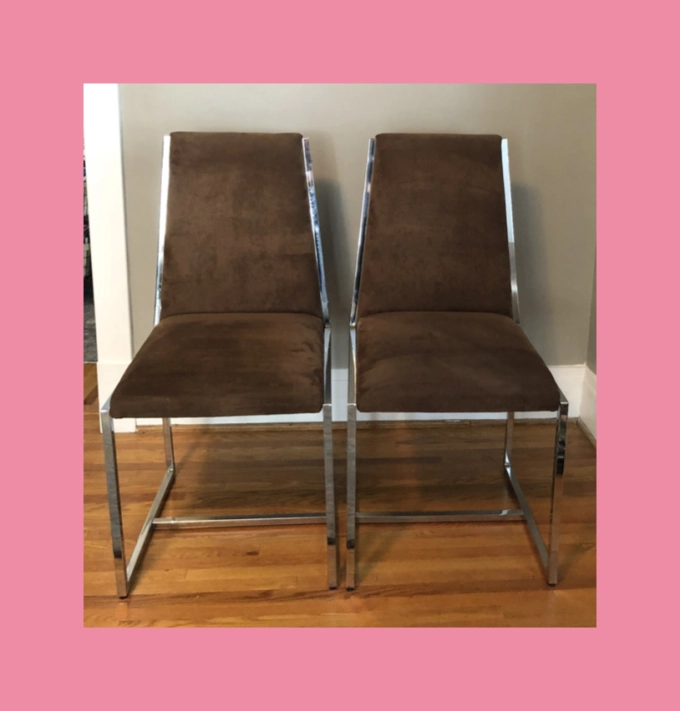
Star Maidens (ITV, 1976)
Rodica chair
Mario Brunu
Comfort, Italy, 1968
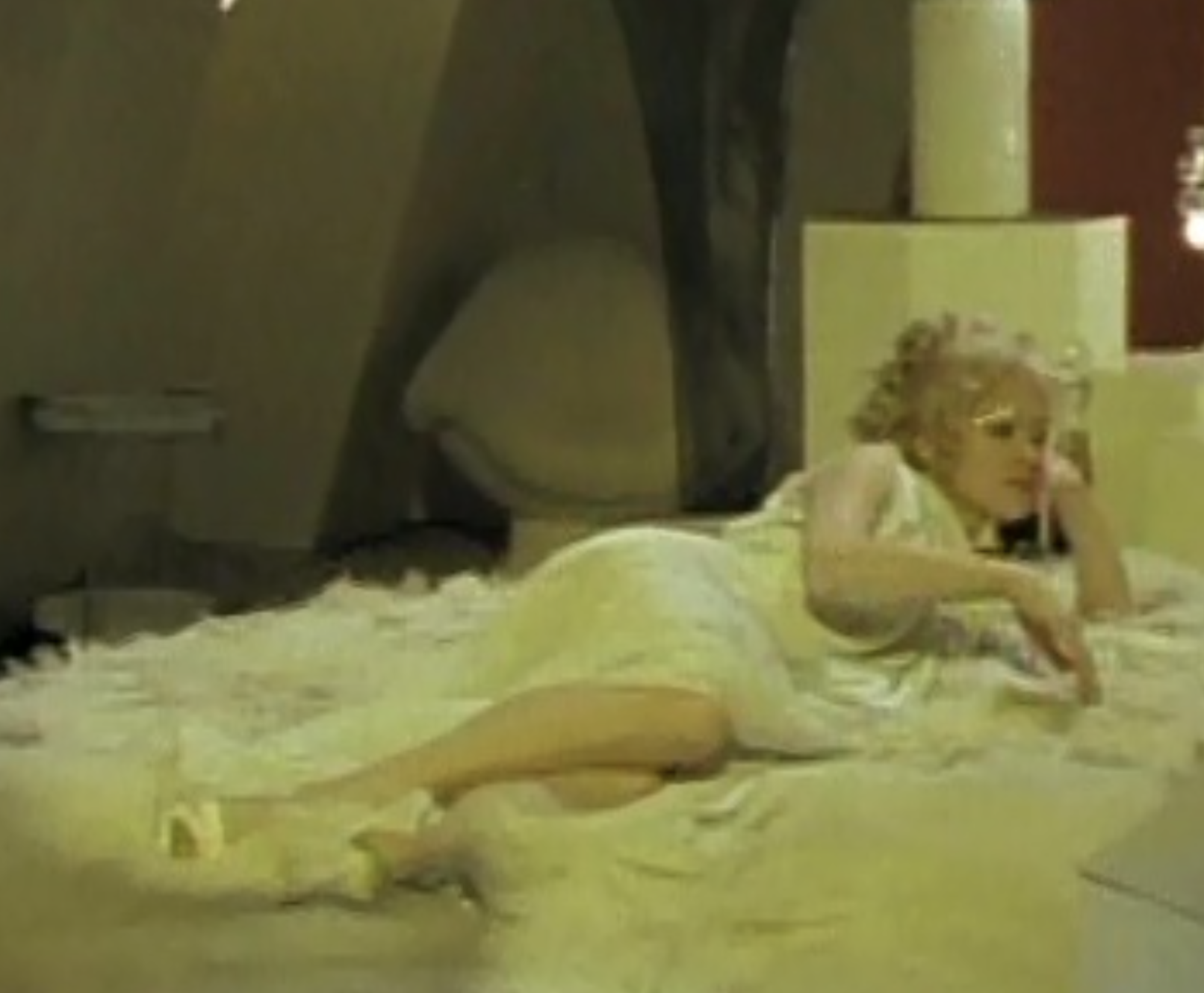

Star Maidens – ‘Creatures of the Mind’ (ITV, 1976)
‘Terrazza’ sofa.
Ubald Klug
De Sede, Switzerland, 1972
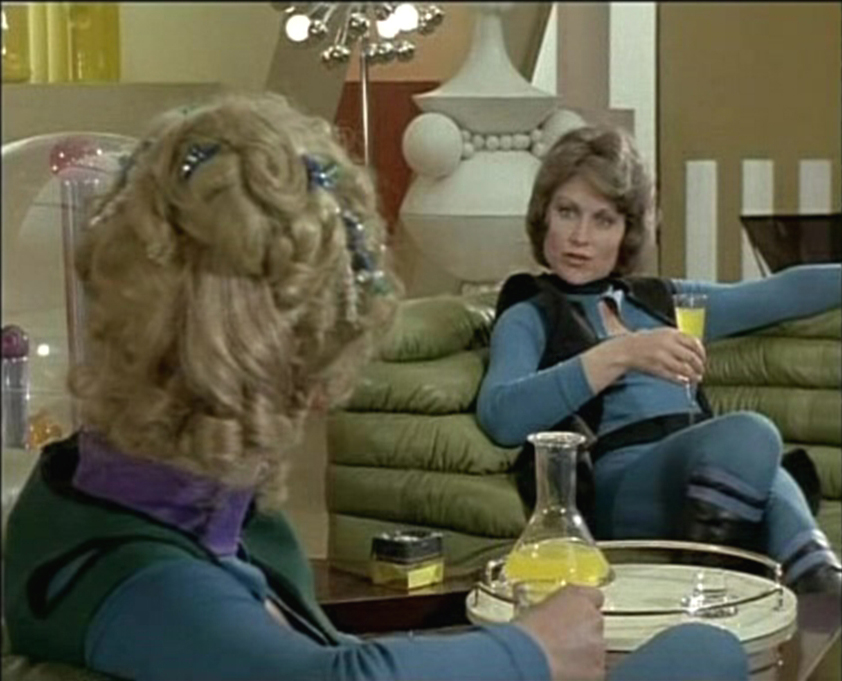
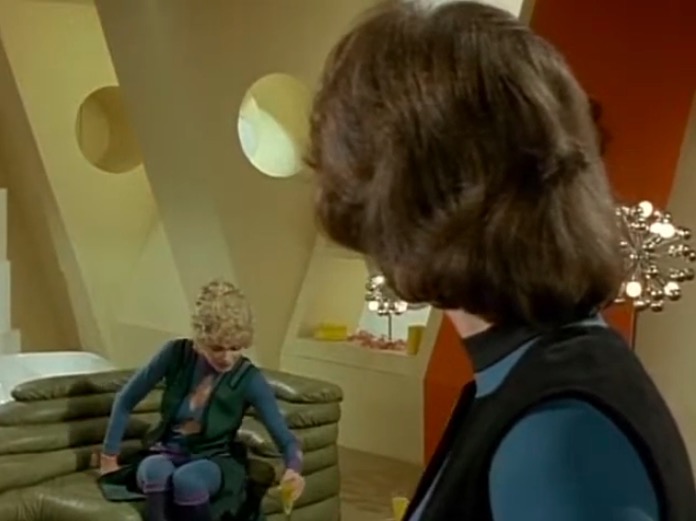
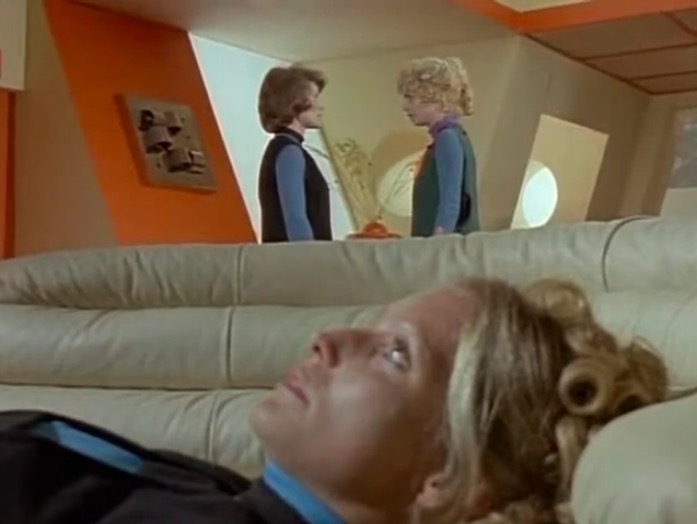
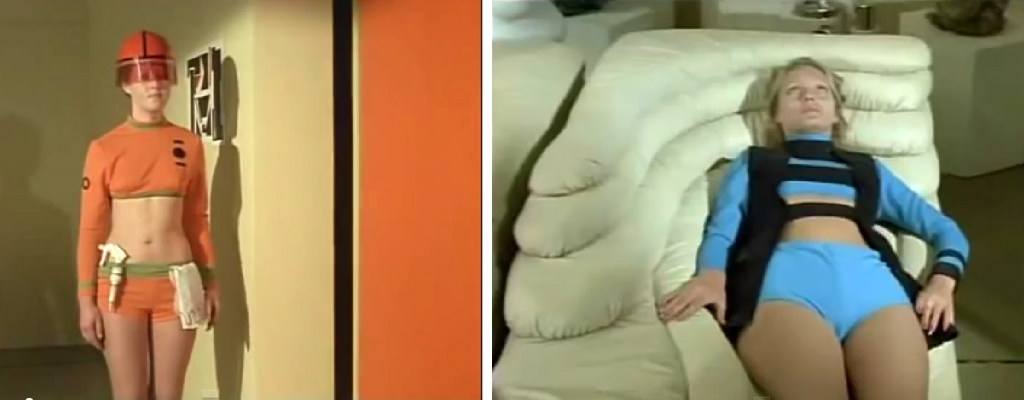
Star Maidens (ITV, 1976)
Stoll Giroflex Leather Office Swivel Chair
Karl Dittert
Stoll, Switzerland, 1970s
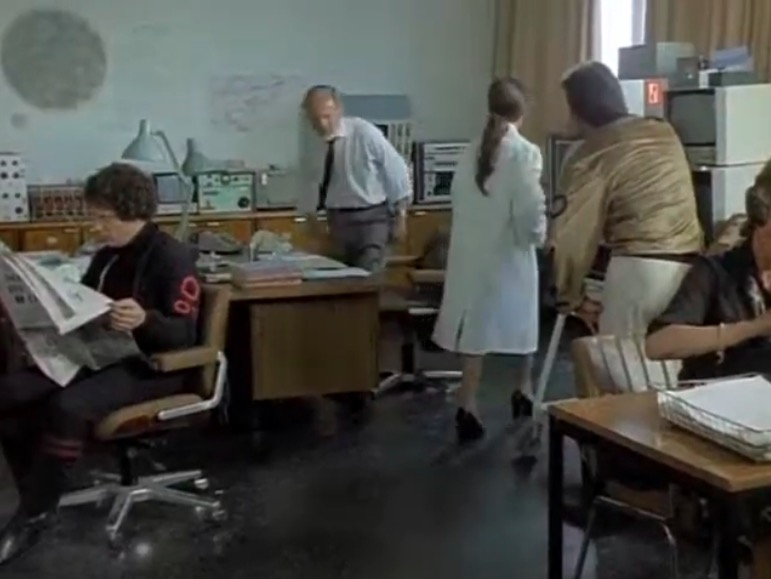
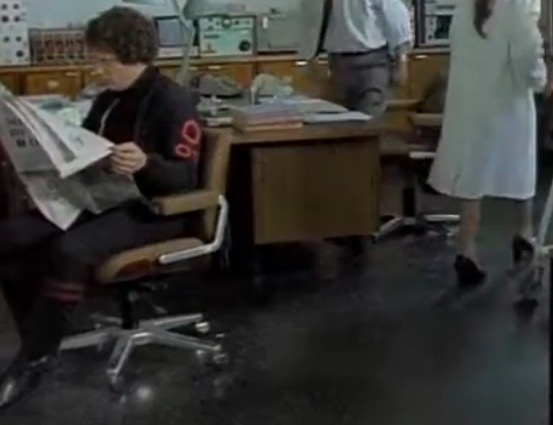
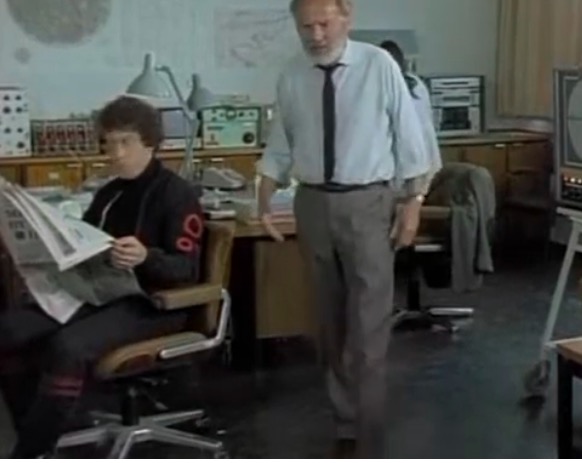
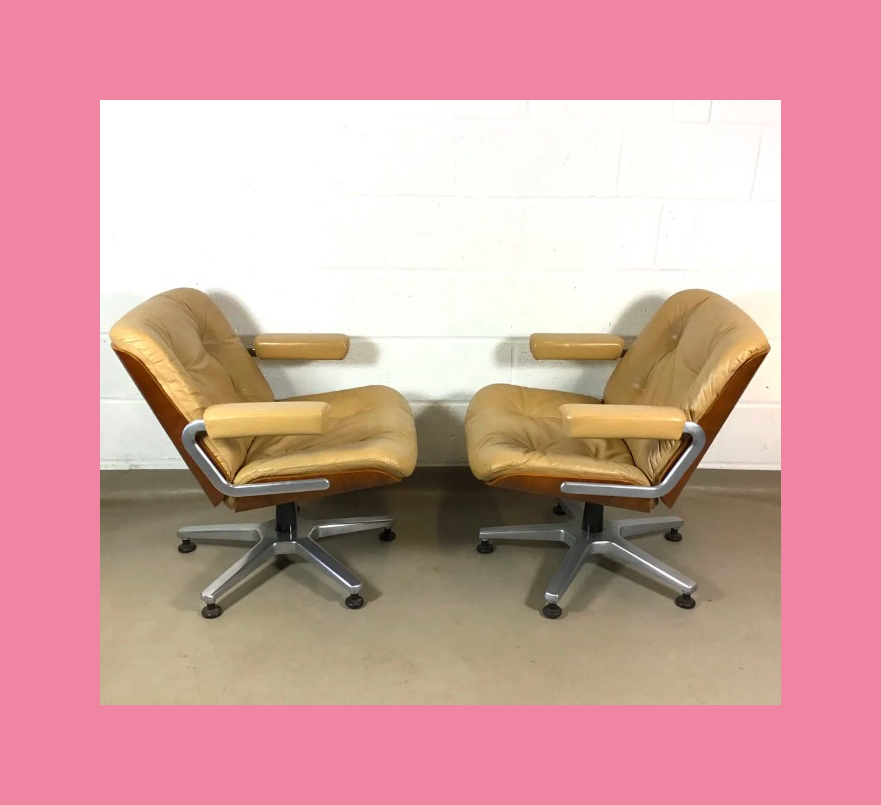
Star Maidens (ITV, 1976)
Unibloc 4 seating unit
Roger Landault
Steiner and Cattaneo, France/Italy, 1972


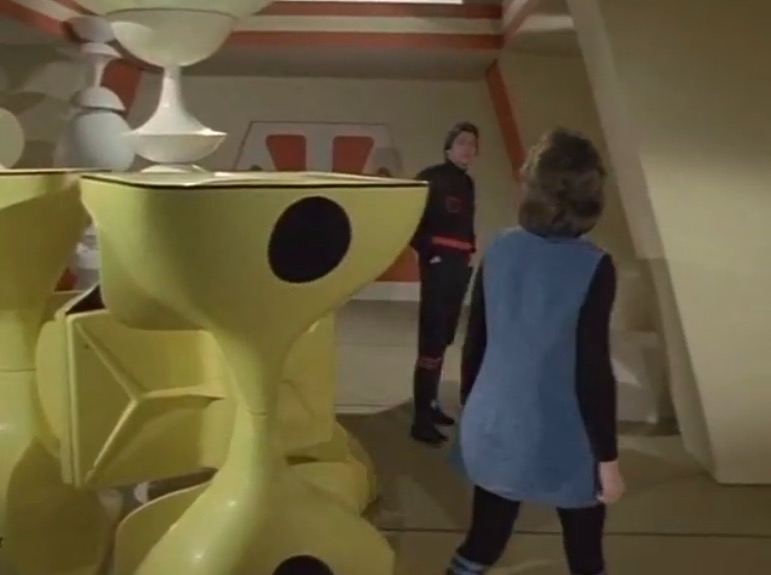
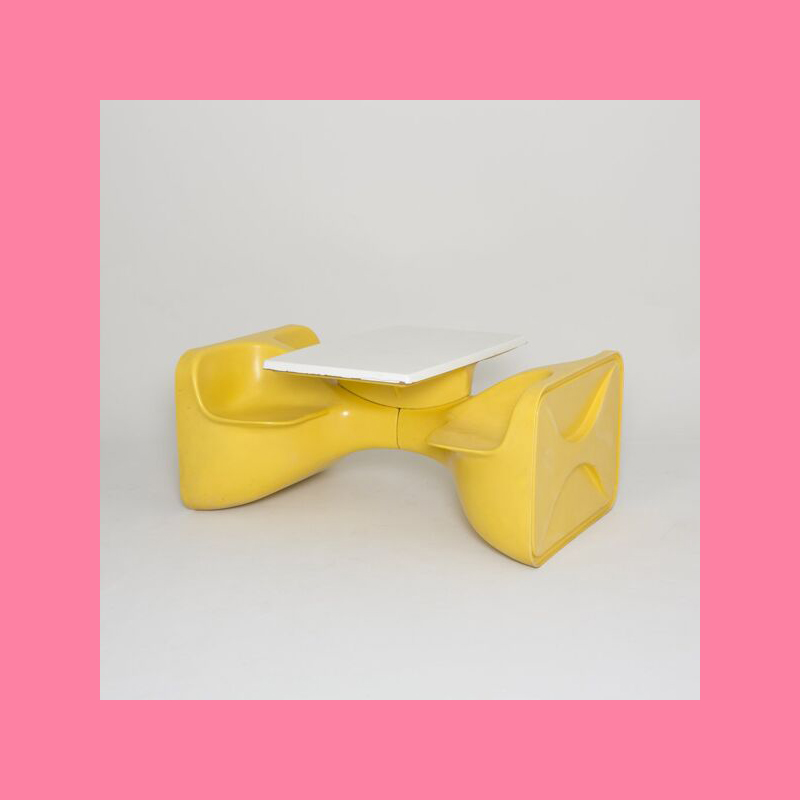
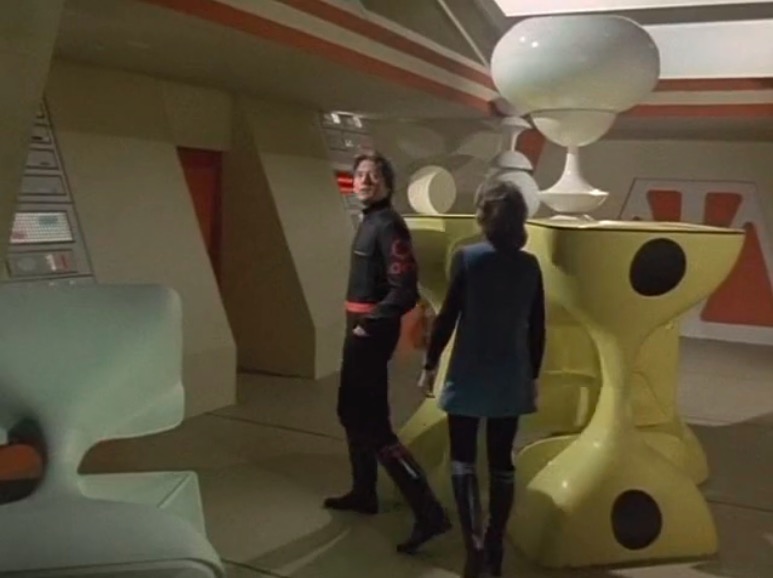
Star Maidens (ITV, 1976)
Ditzel stool.
Nanna Ditzel
Domus Danica, Denmark, 1969.


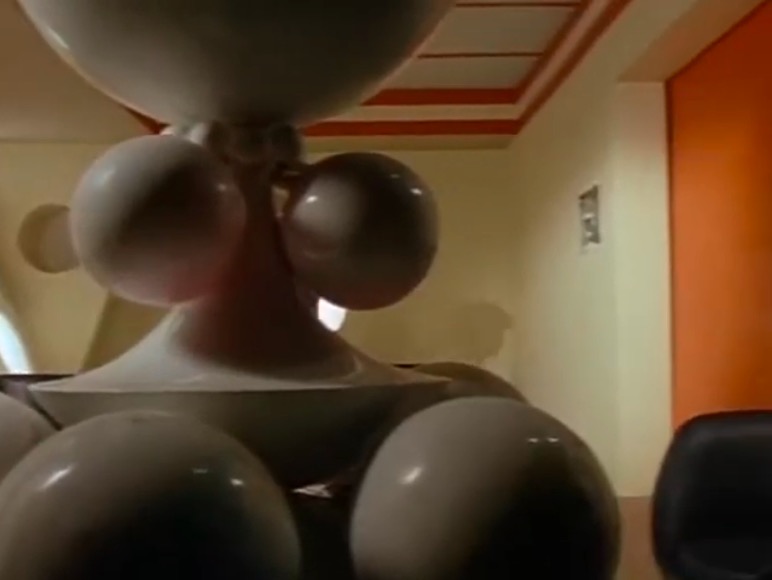
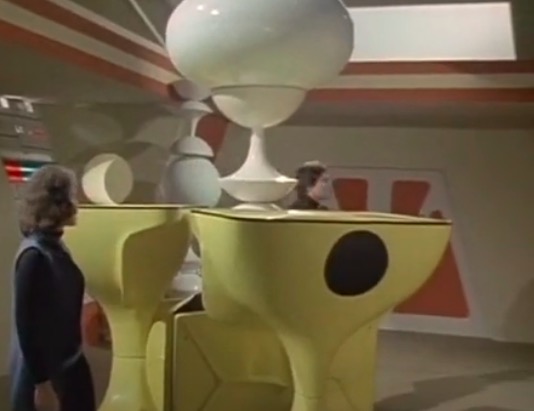
UFO (ITV, 1970)
9900 Colani Collection
Luigi Colani
Kusch & Co, Germany, 1969
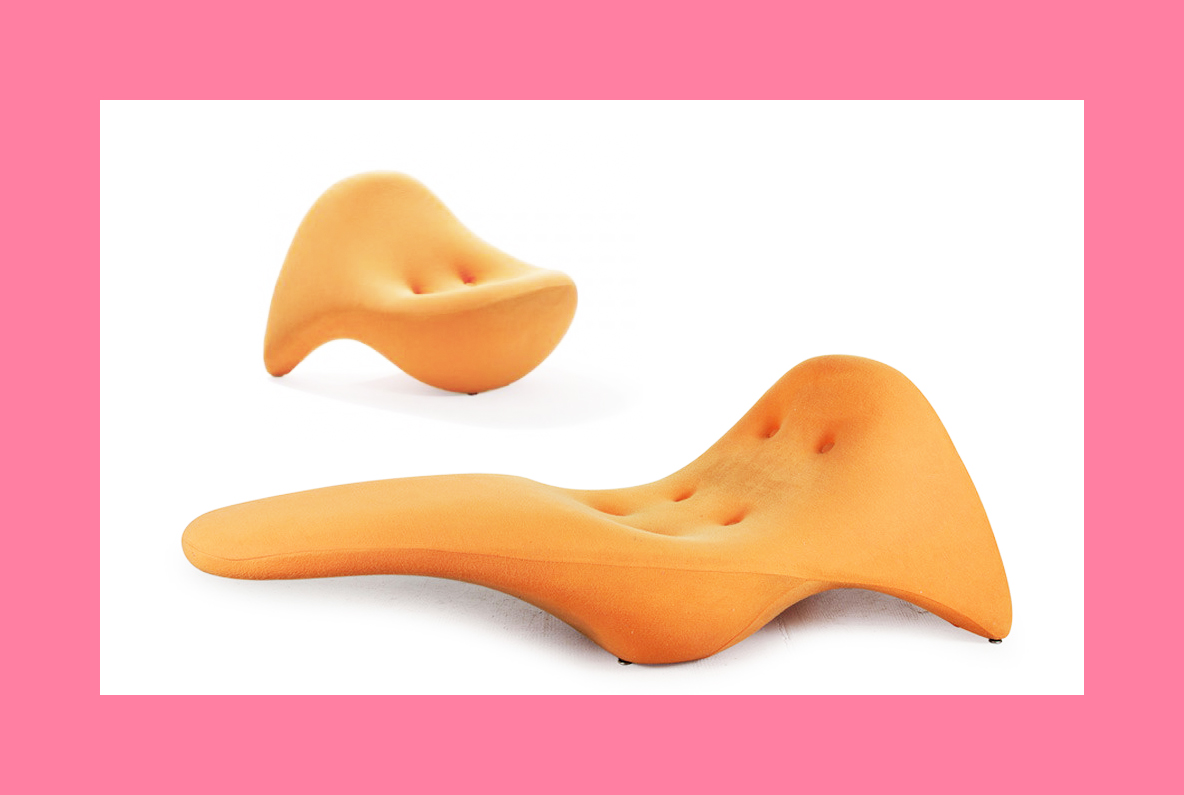
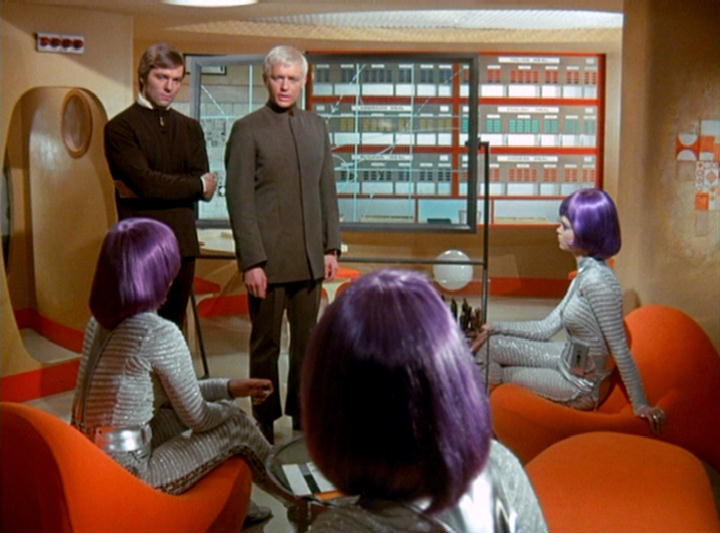
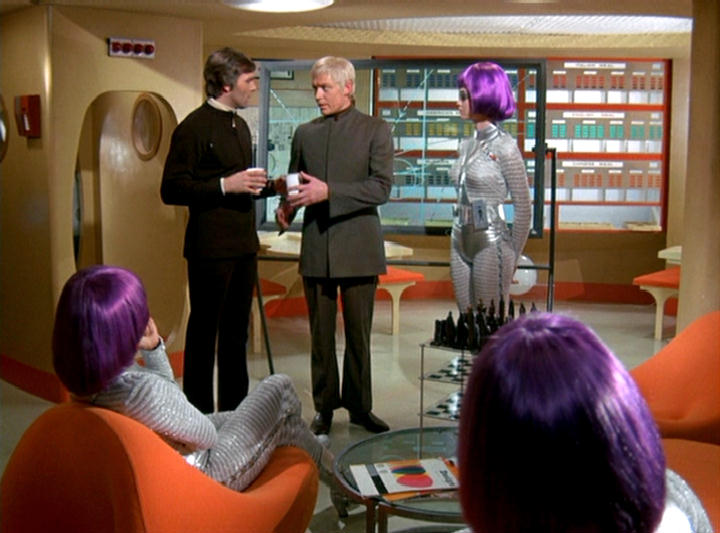
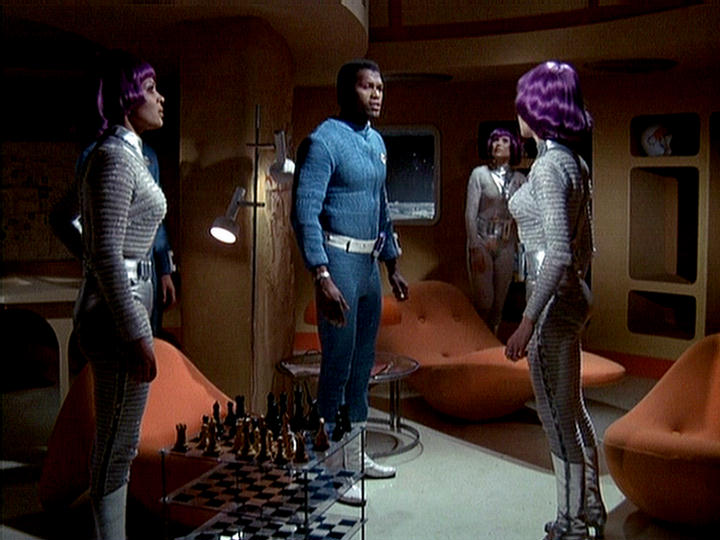
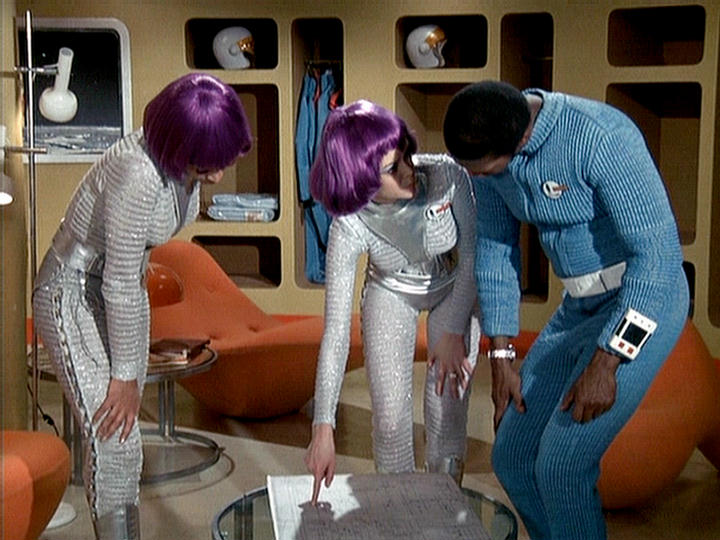
UFO – ‘The Responsibility Seat’ (ITV, 1970)
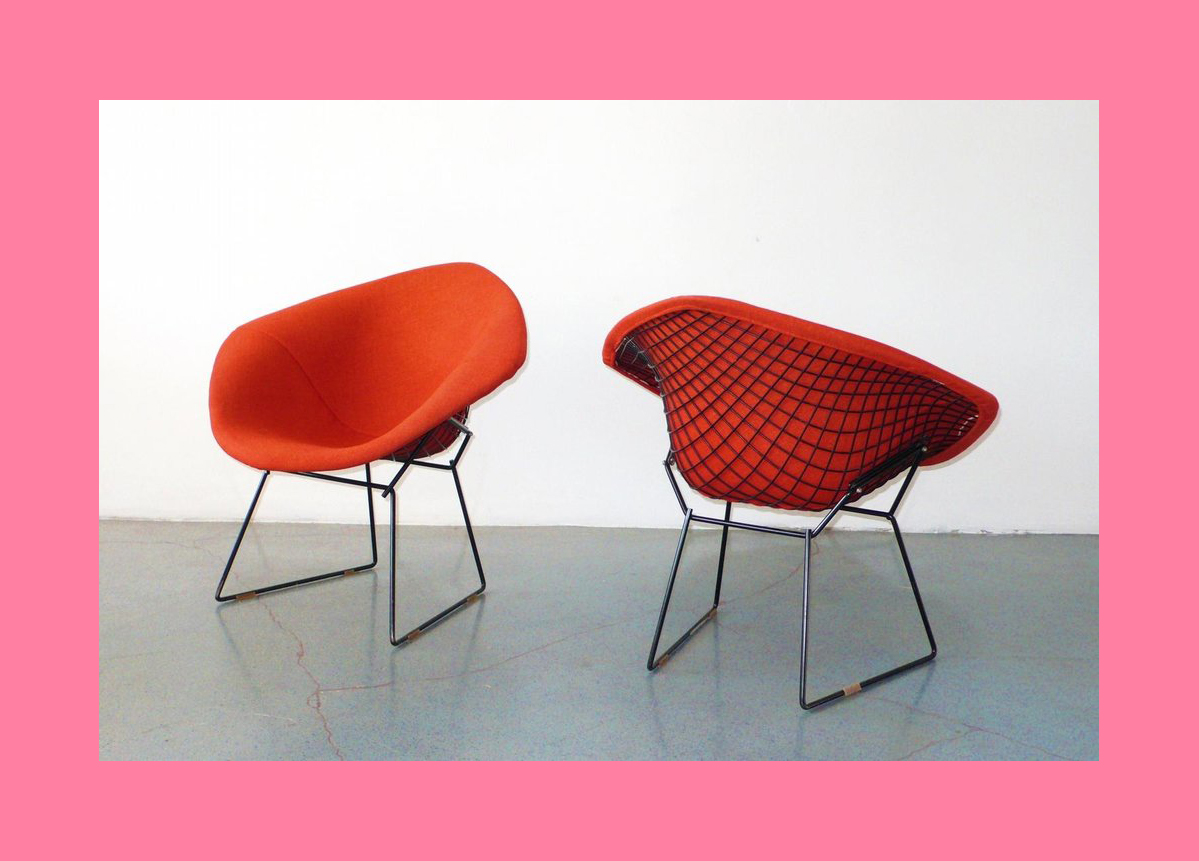
Diamond Chair
Harry Bertoia
Knoll, USA, 1952
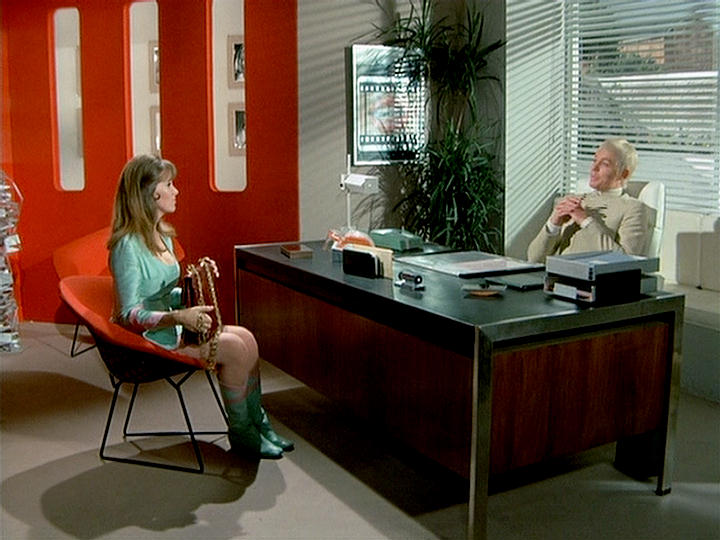
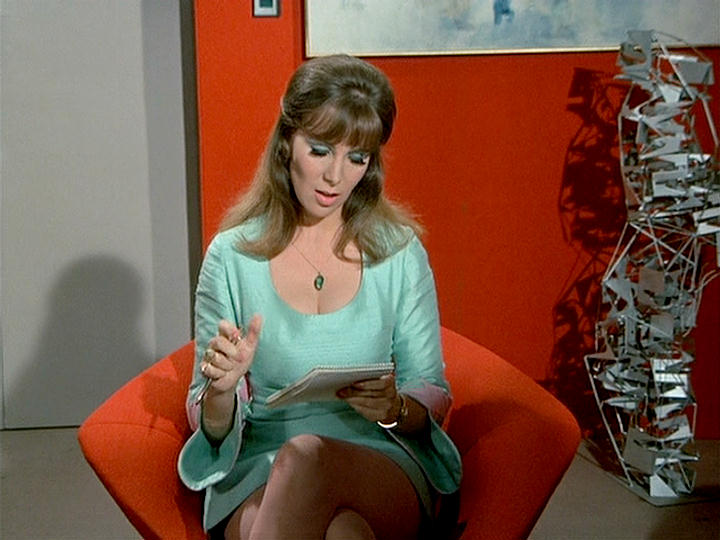
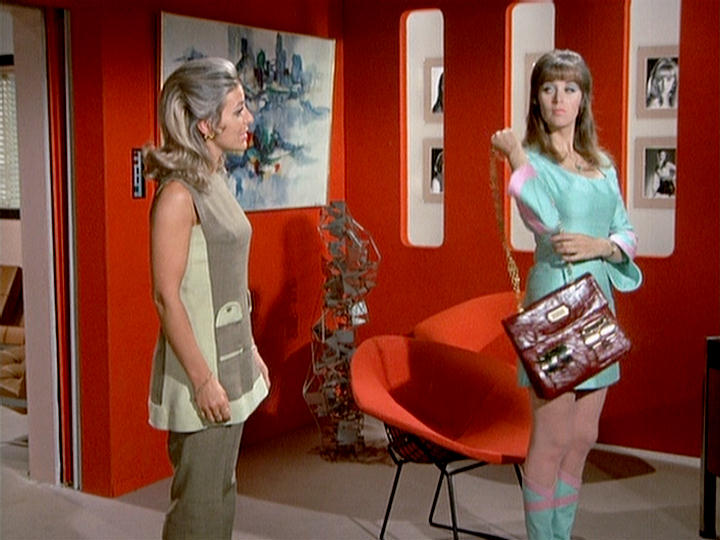
Second City Firsts – ‘Glitter’ (BBC Pebble Mill, 1976)
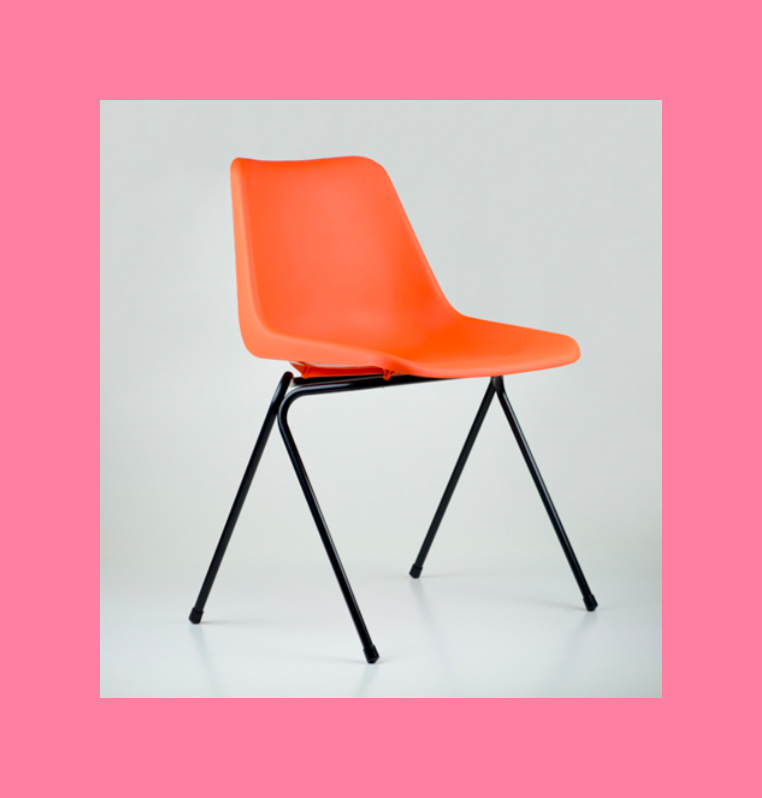
Polyside chair
Robin Day
Hille, 1963
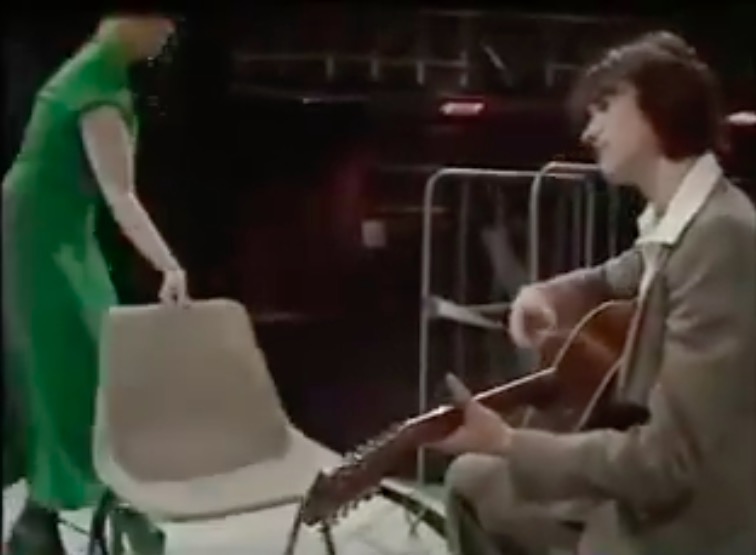
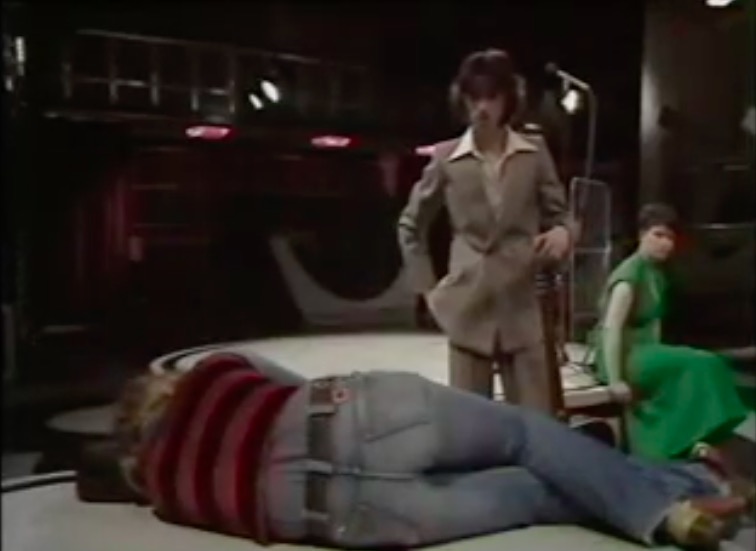

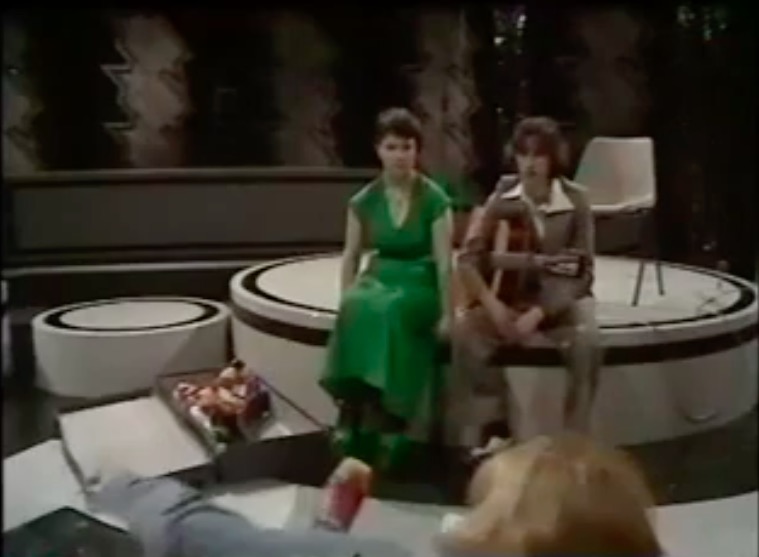
Star Maidens (ITV, 1976)
Overman/’Globus’/Tub
Sweden, 1960s
Various listings identify differently.
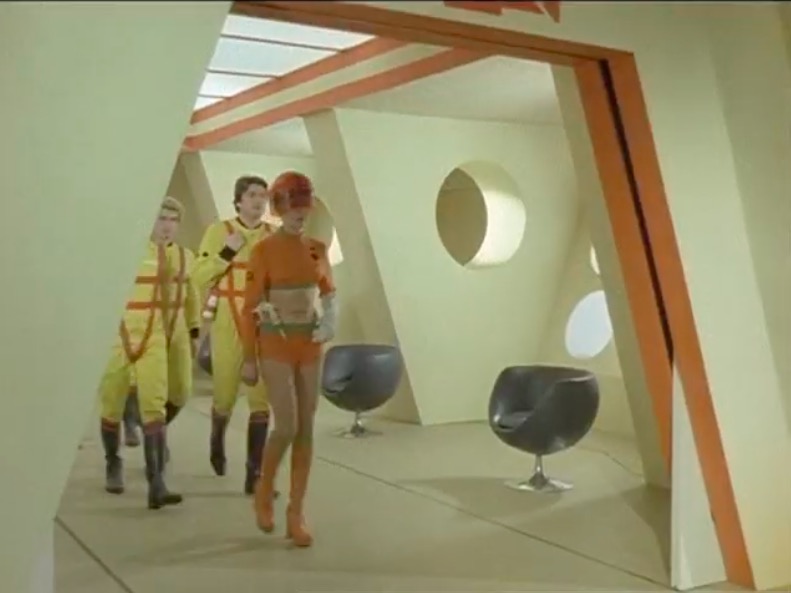
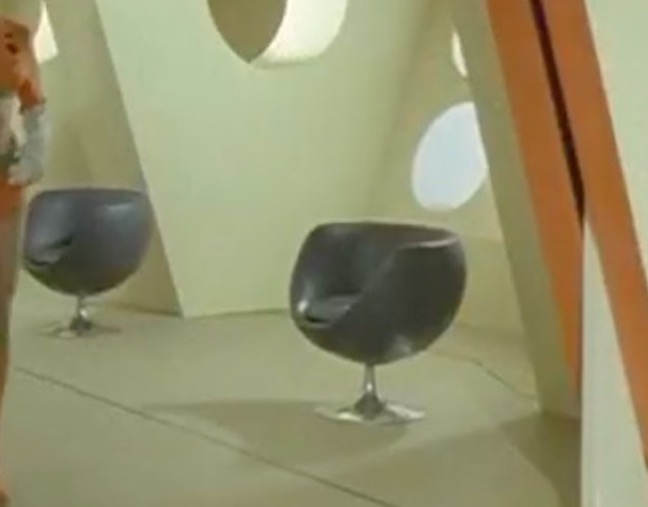
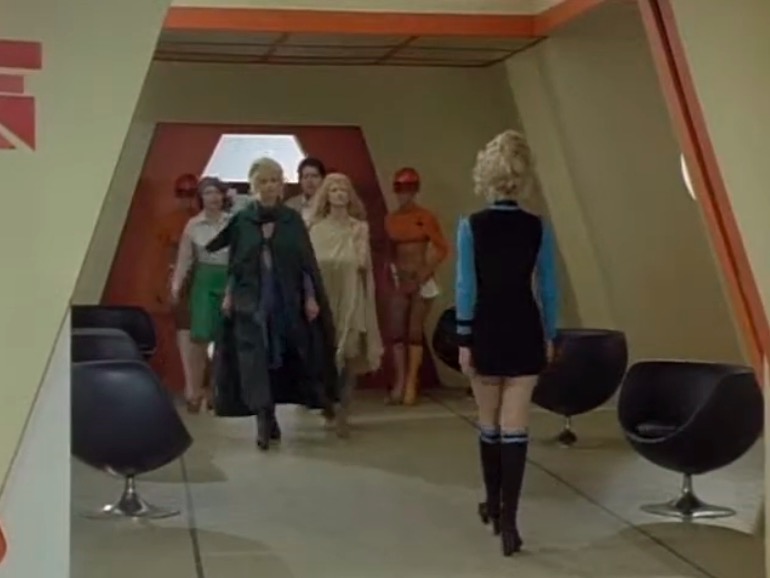

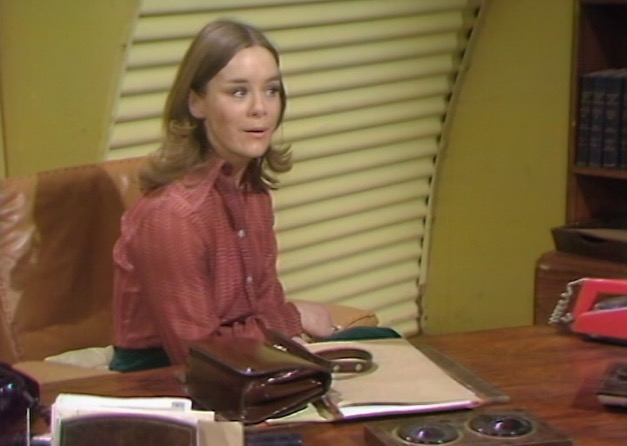
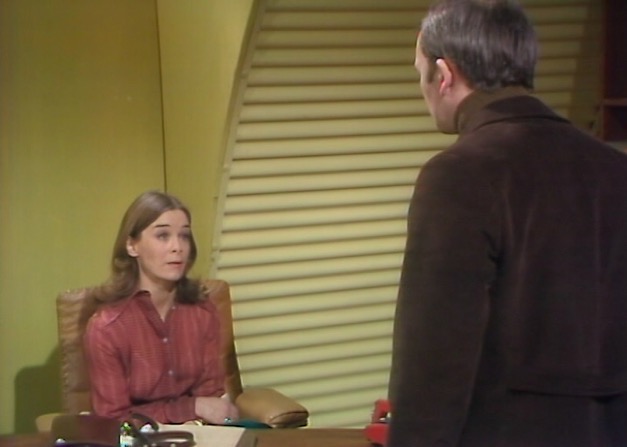
The Tomorrow People (ITV, 1975)
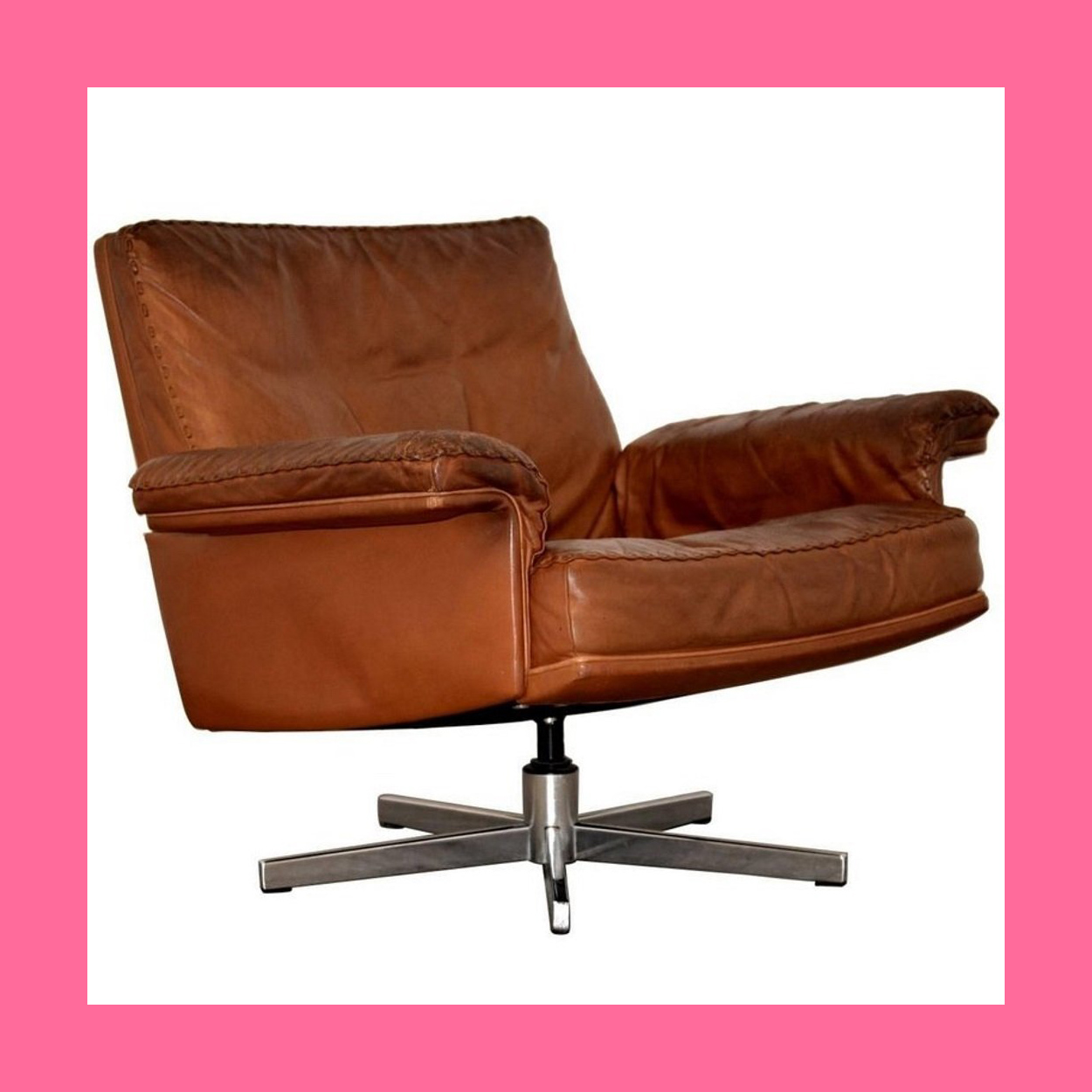
De Sede DS 35 Swivel Armchair.
De Sede Design Team.
Switzerland, 1970s.

The Tomorrow People (ITV, 1975)
Polyside chair
Robin Day
Hille, UK, 1963
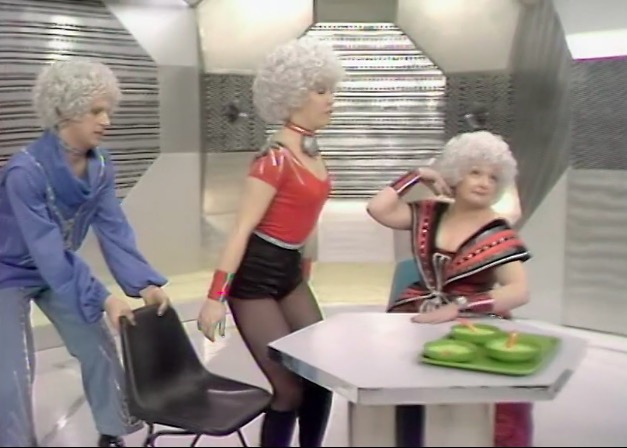

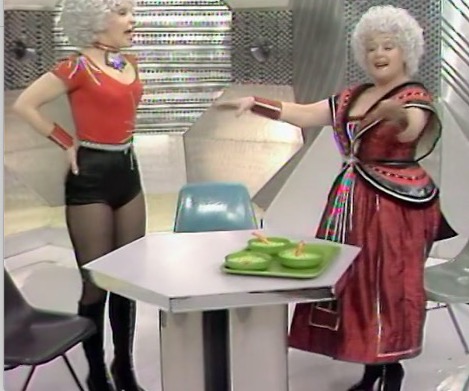
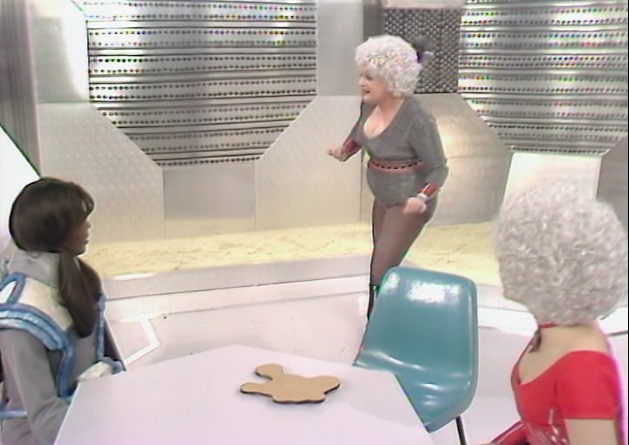
UFO (ITV, 1970)
Pollock executive chair.
Charles Pollock.
Knoll, America, 1963
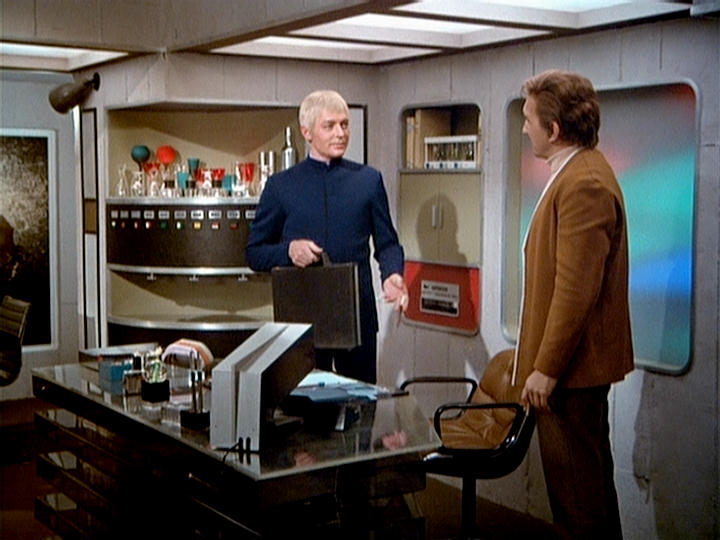

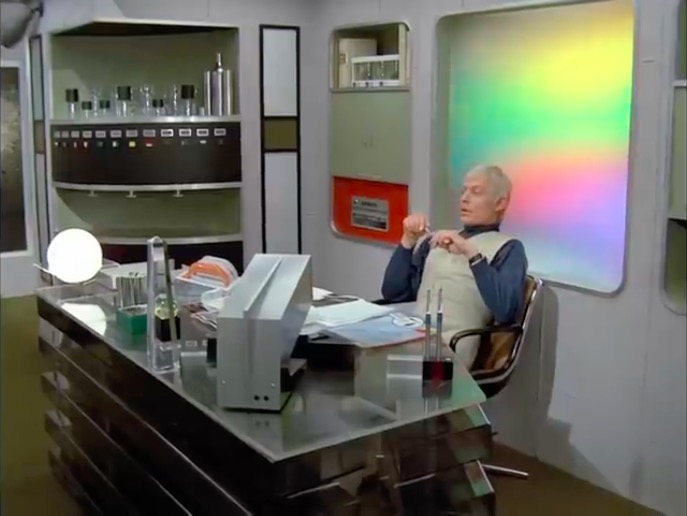
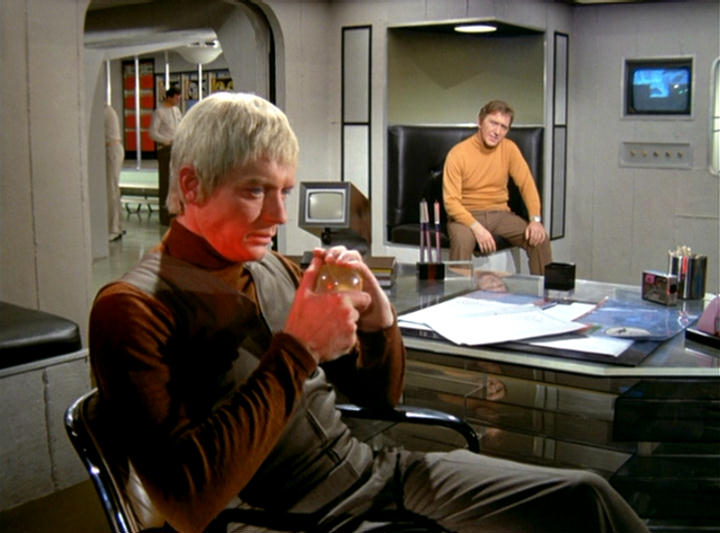
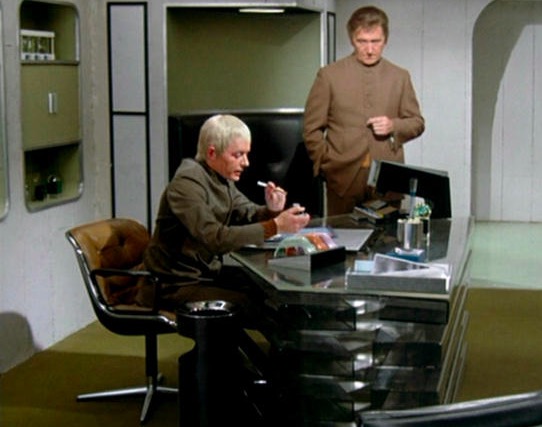
The Jensen Code (ITV, 1976)
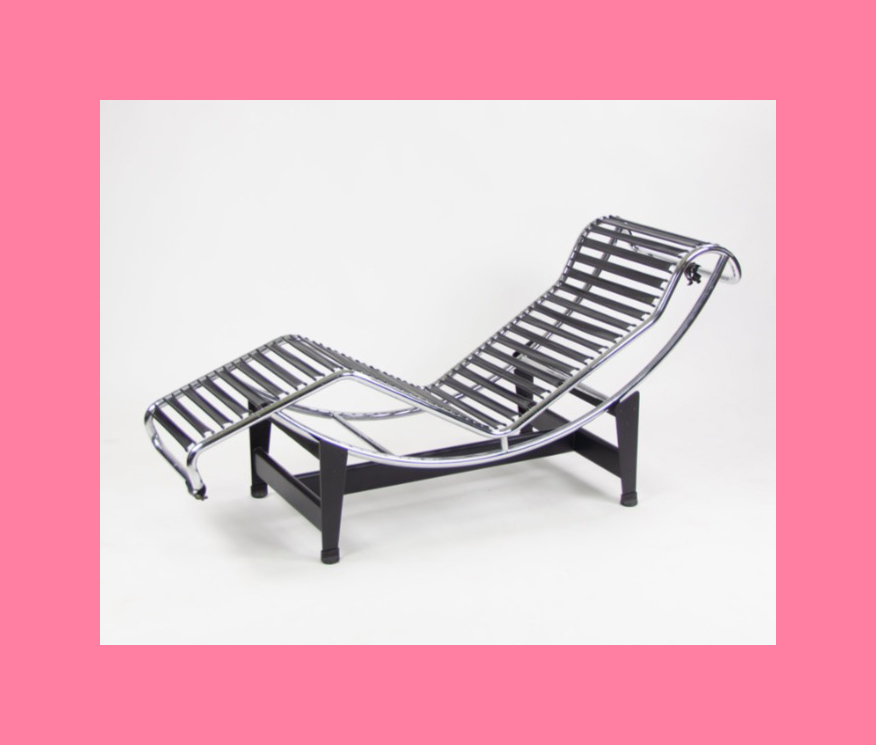
LC4 Chaise Longue
Le Corbusier, Pierre Jeanneret and Charlotte Perriand
Cassina Italy, 1929
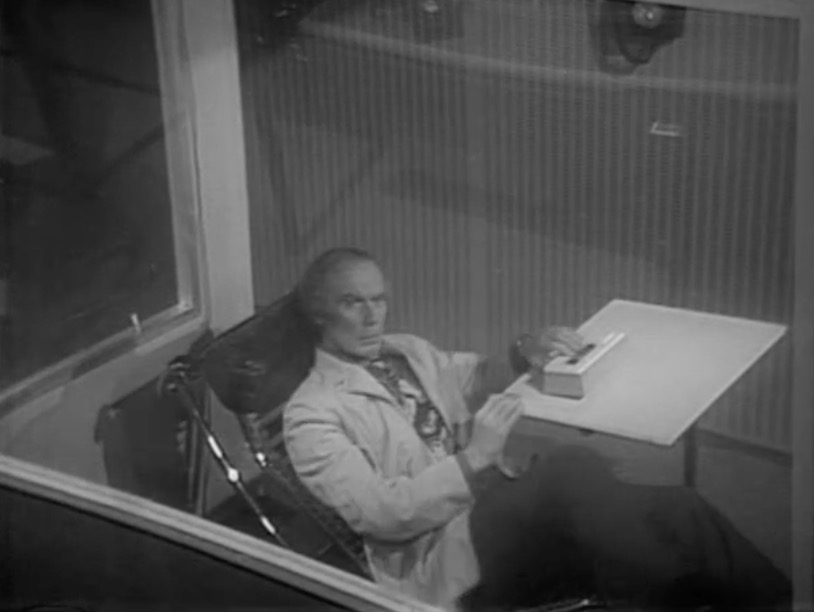
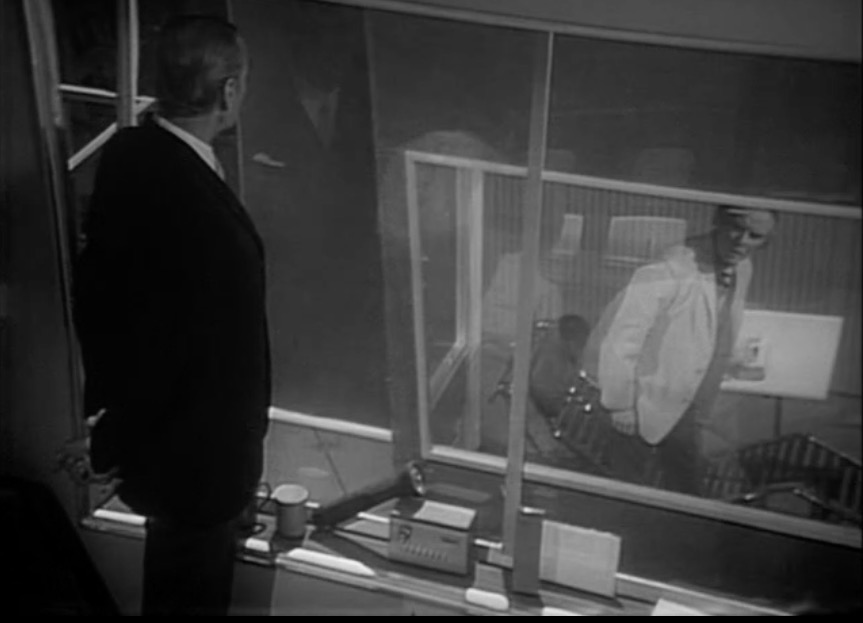
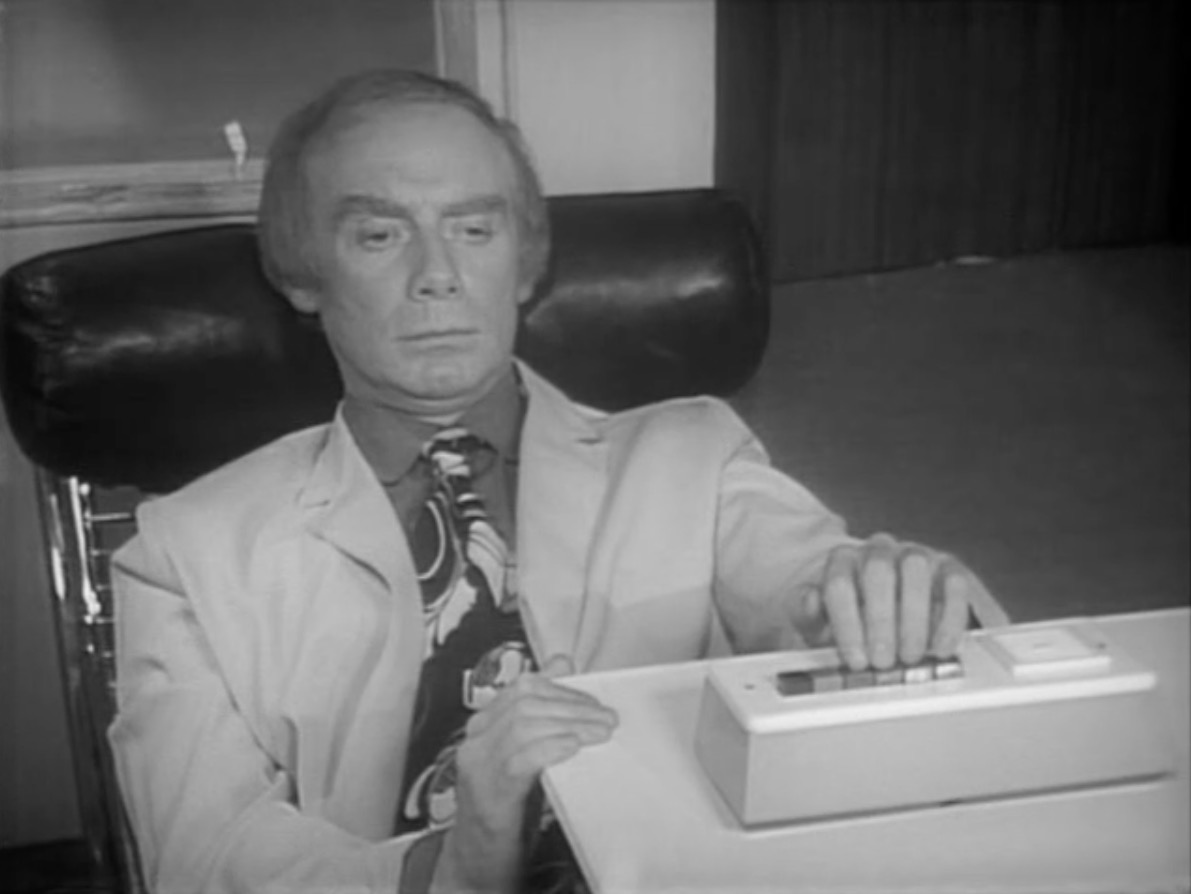
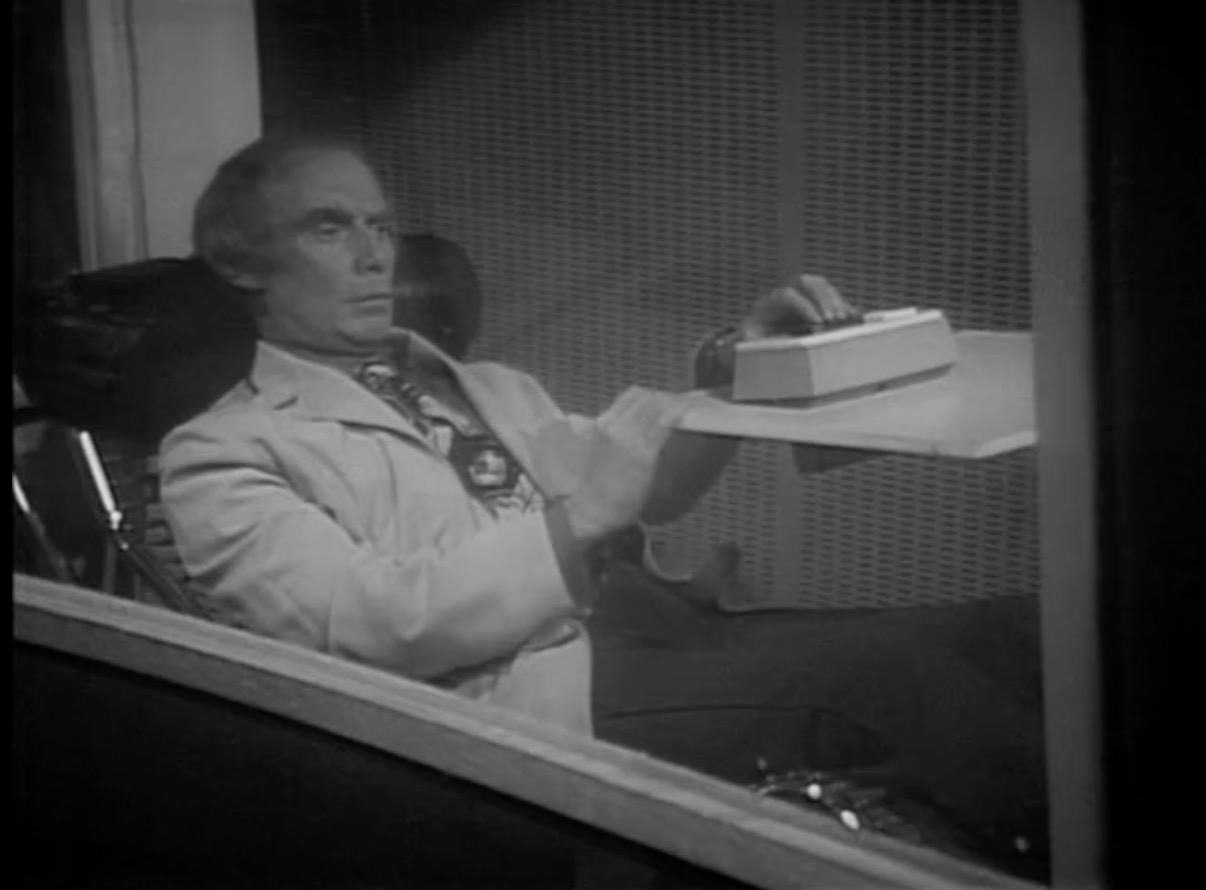
The Jensen Code (ITV, 1976)
De Sede RH 201 Executive Lounge Chair
Robert Haussmann
Switzerland, 1960’s
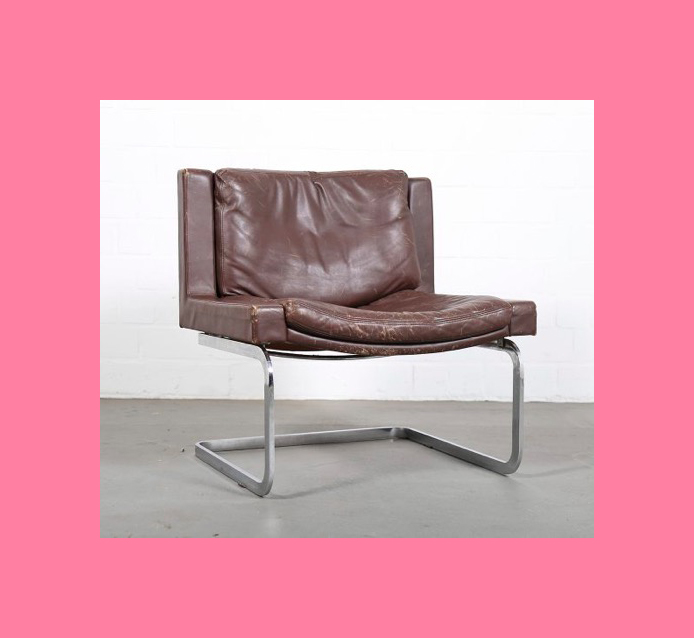


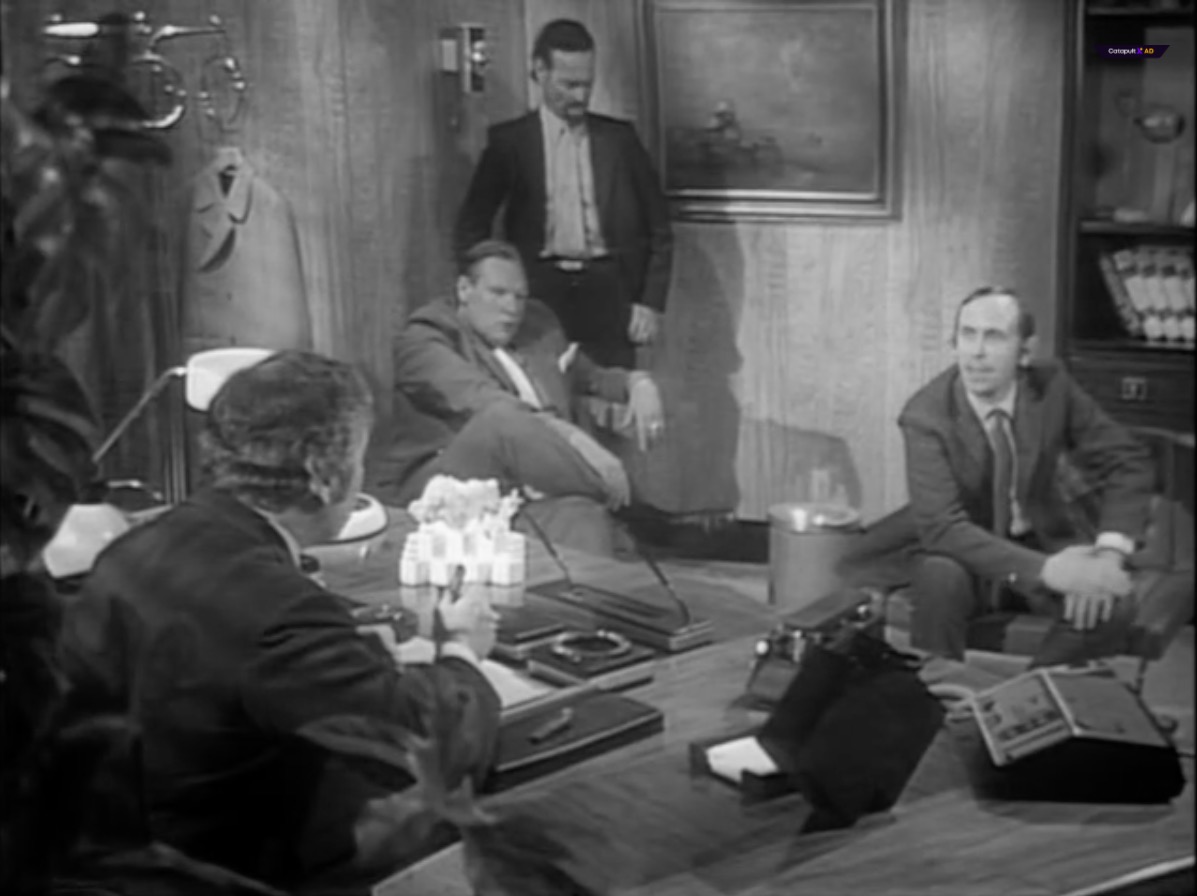
Moonbase 3 (BBC, 1973)
Chair: EA 215 Soft Pad Lounge Chair
Charles and Ray Eames
Herman Miller, USA, 1969
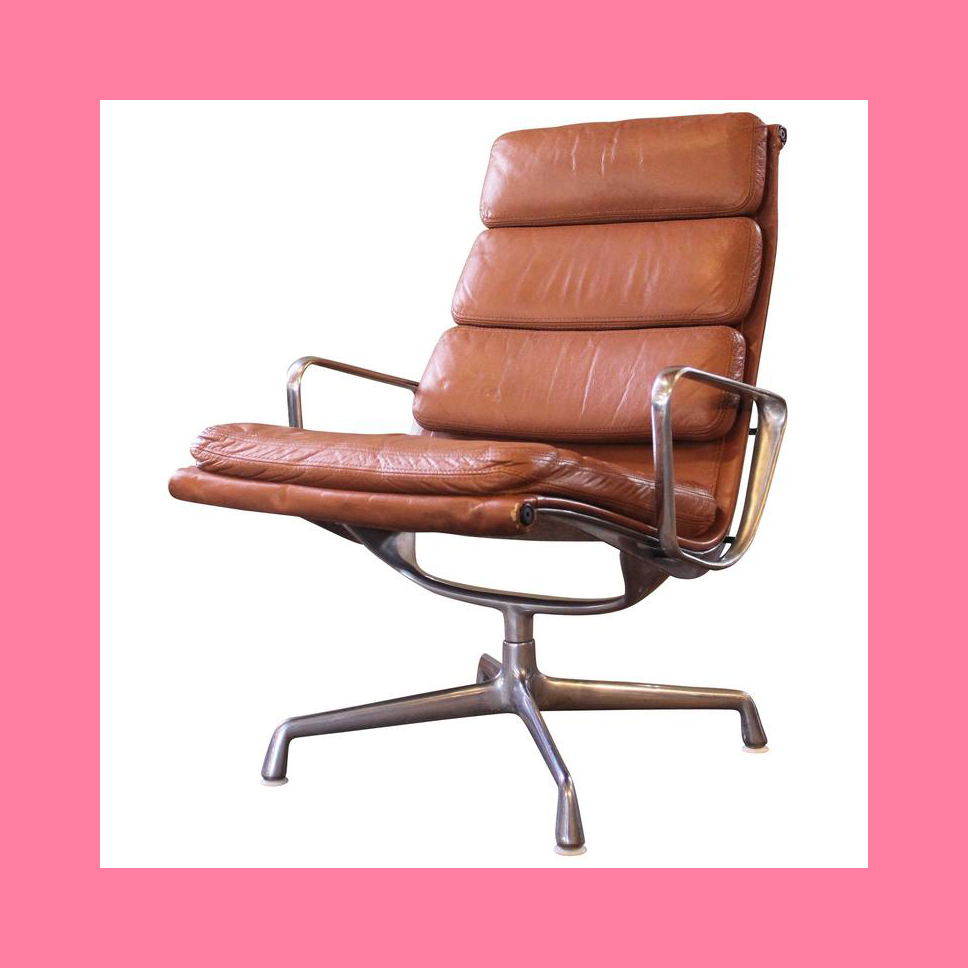

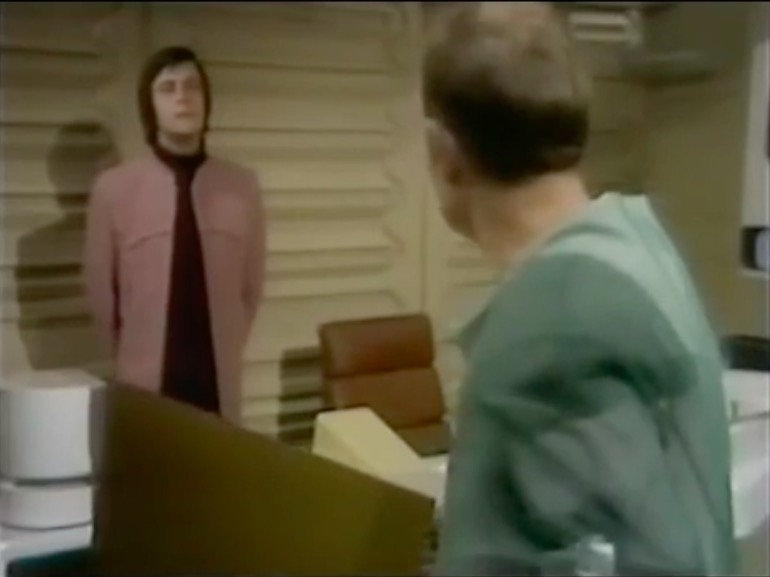
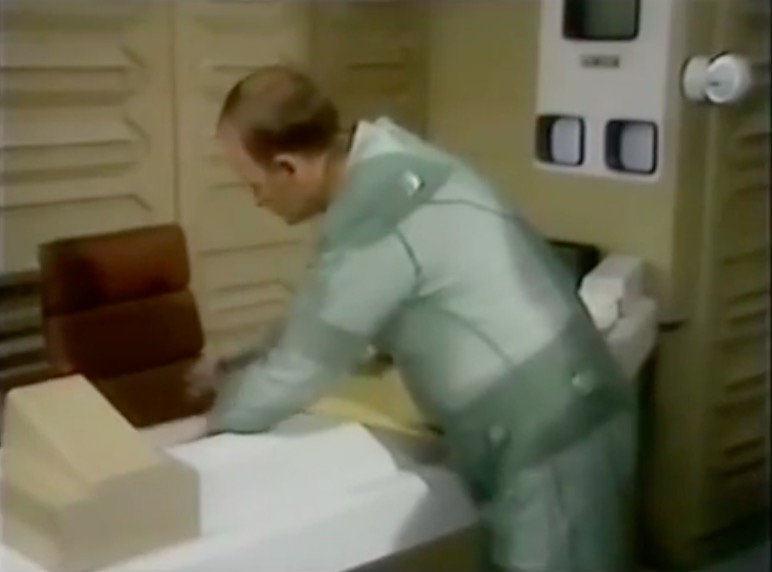
UFO – ‘E.S.P’ (ITC, 1970)
Mushroom chair
Maurice Burke
Arkana, UK, 1960
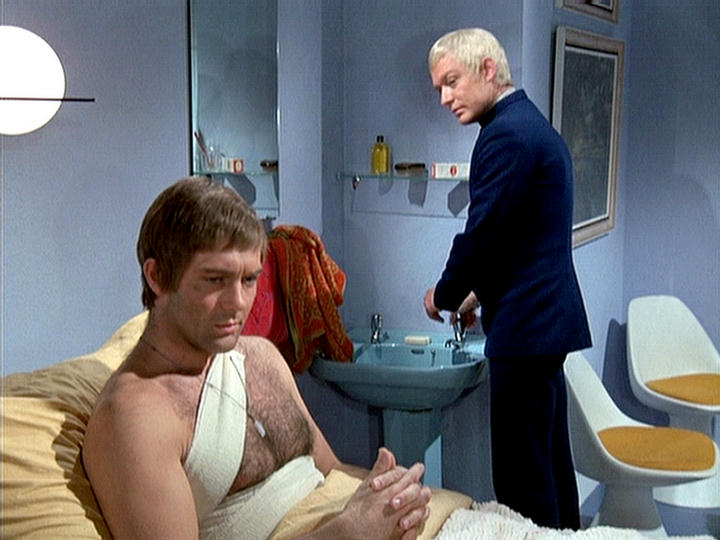
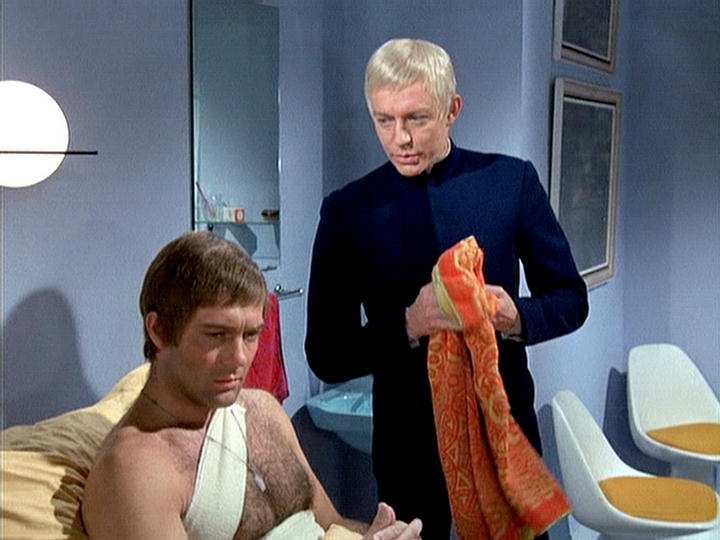
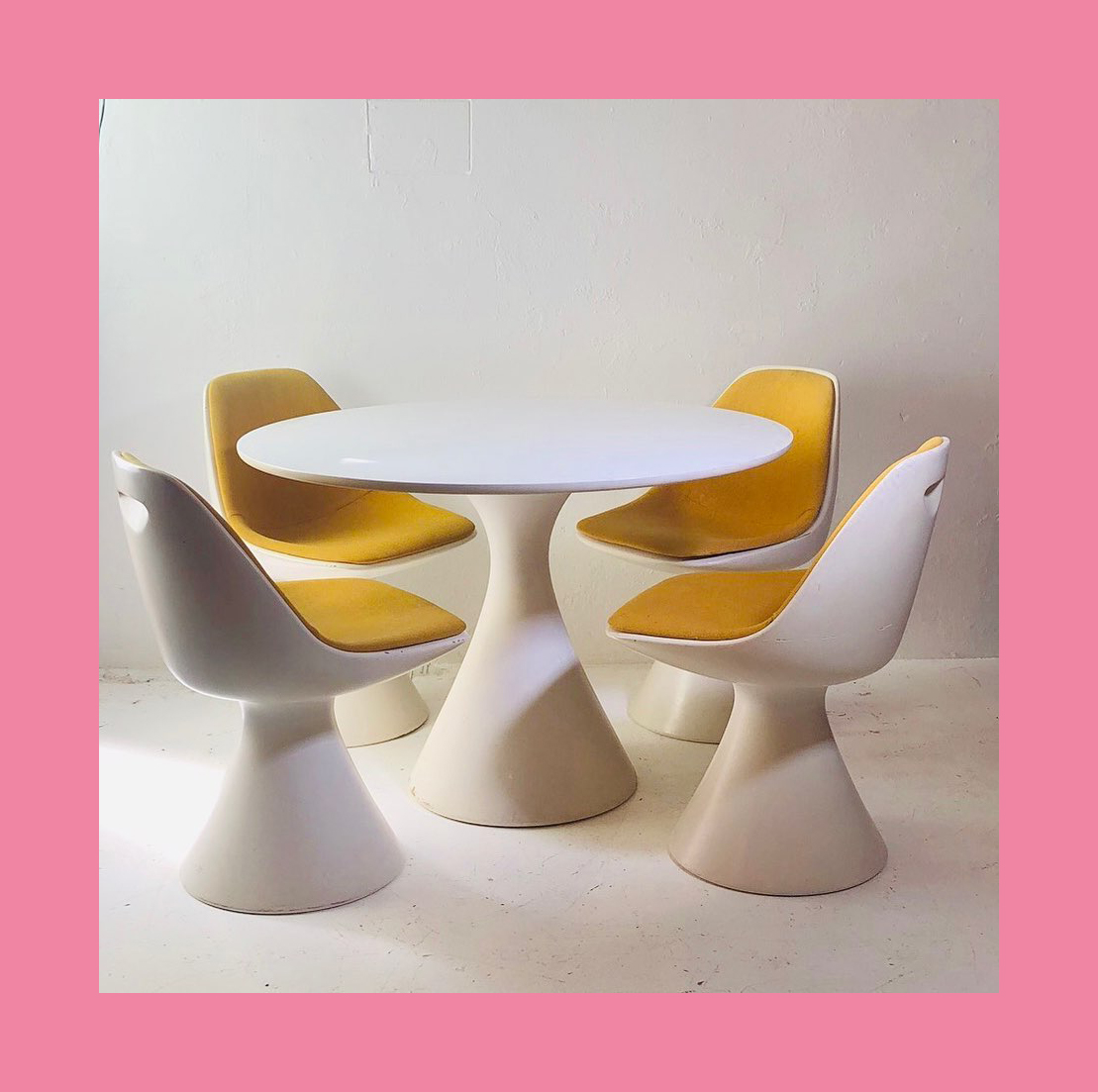
UFO – ‘Computer Affair’ (ITC, 1970)
Swivel chair
Robin Day
Hille, France, 1960.
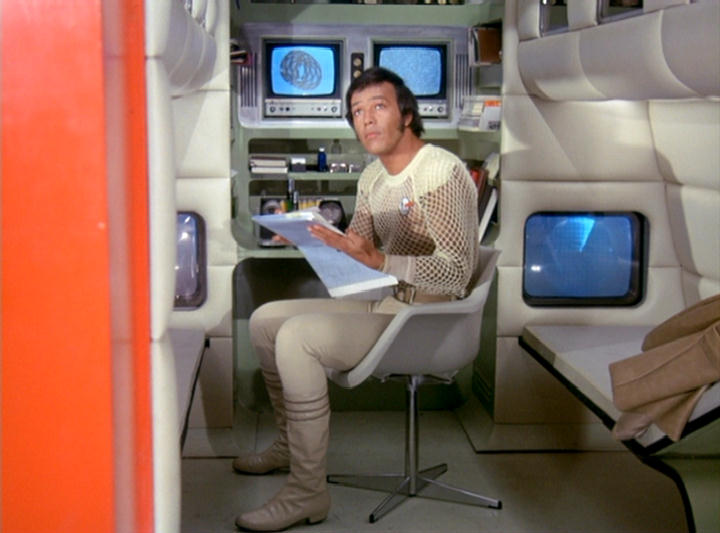
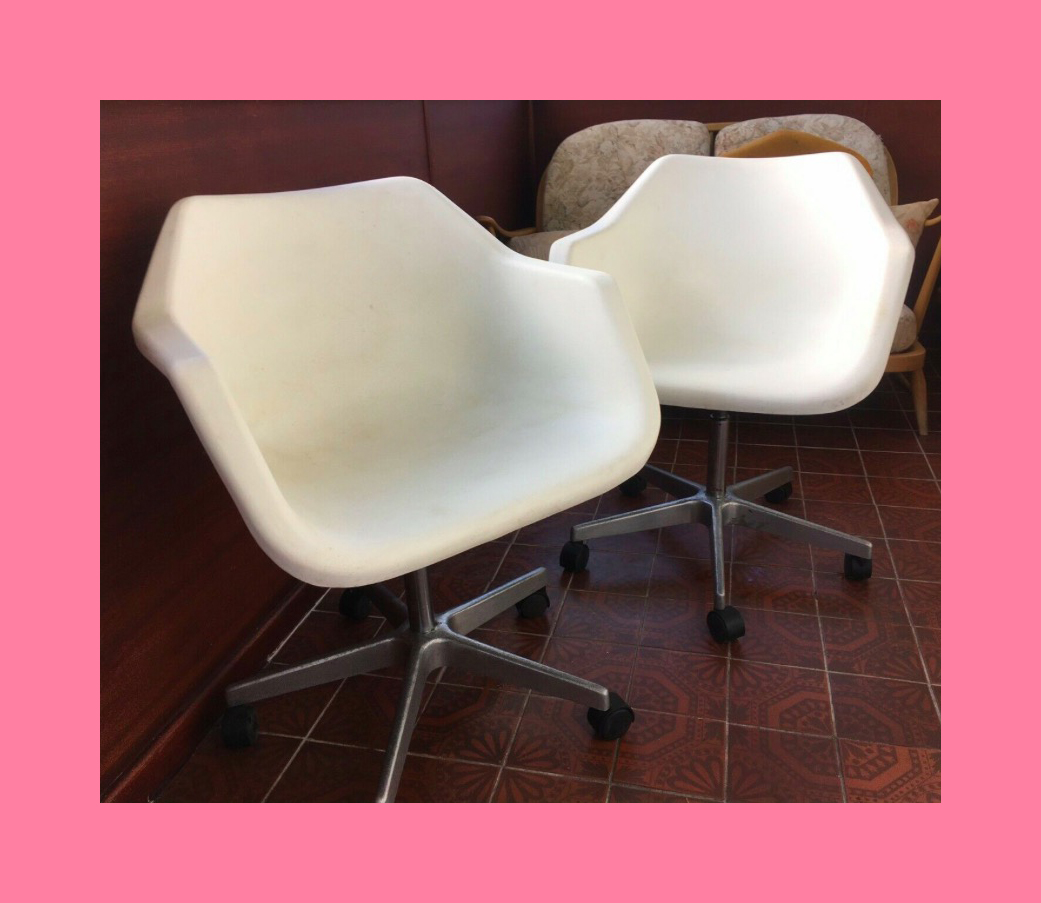
UFO – ‘Ordeal’ (ITC, 1970)
Butterfly chair
Jorge Ferrari-Hardoy
Knoll International, 1960s
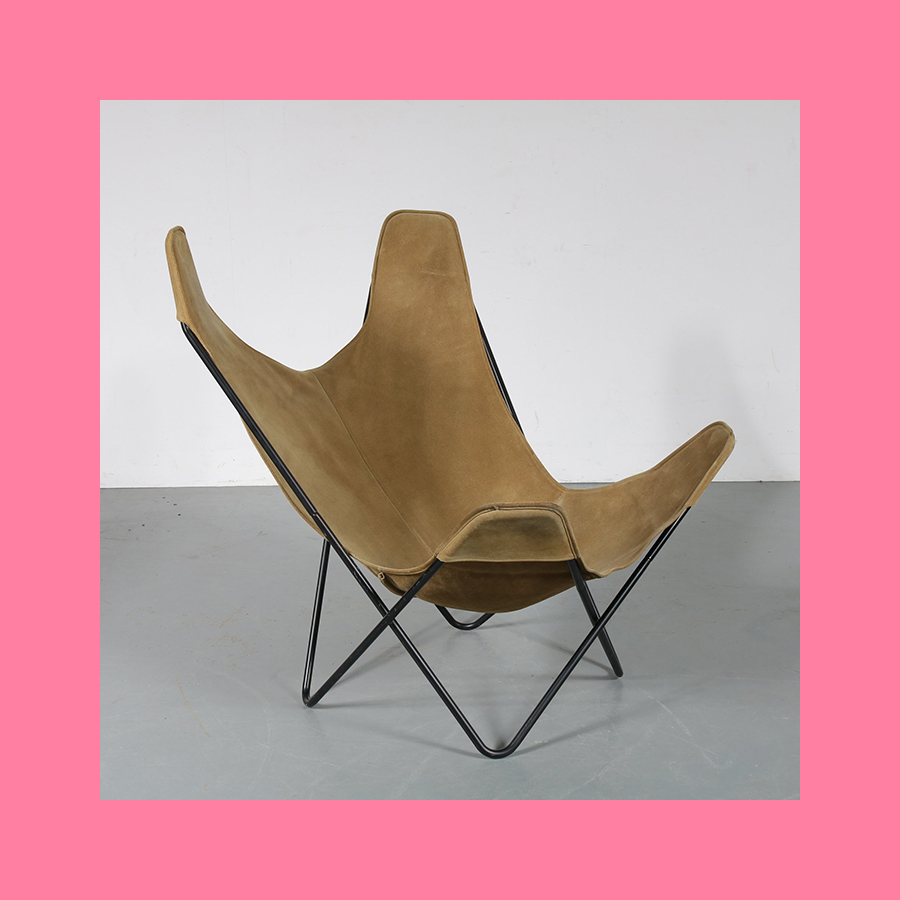
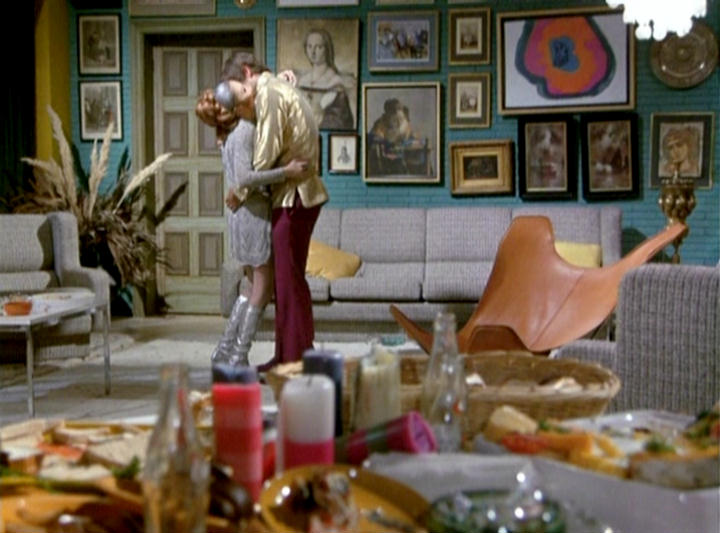
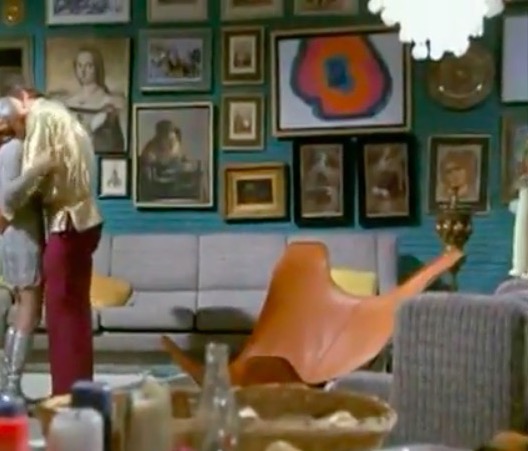

UFO – ‘Conflict’ (ITC, 1970)
Elda armchair
Joe Colombo
Comfort, Italy, 1963
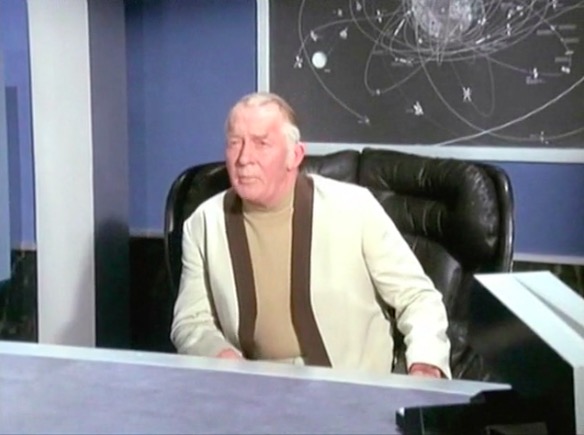
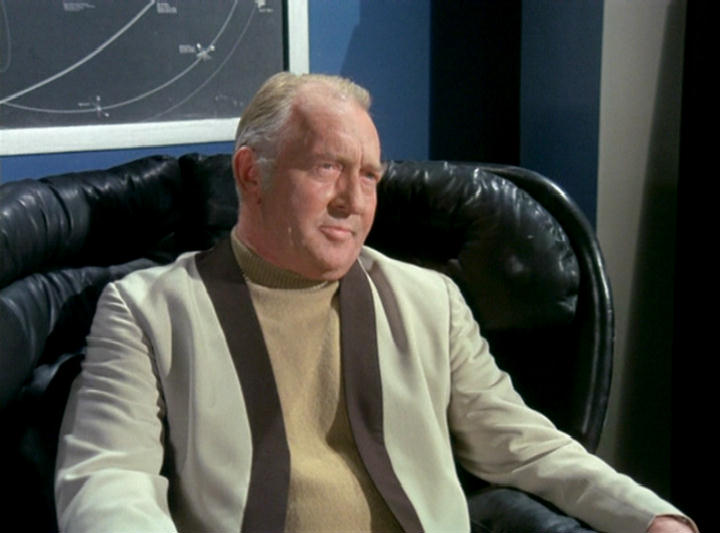
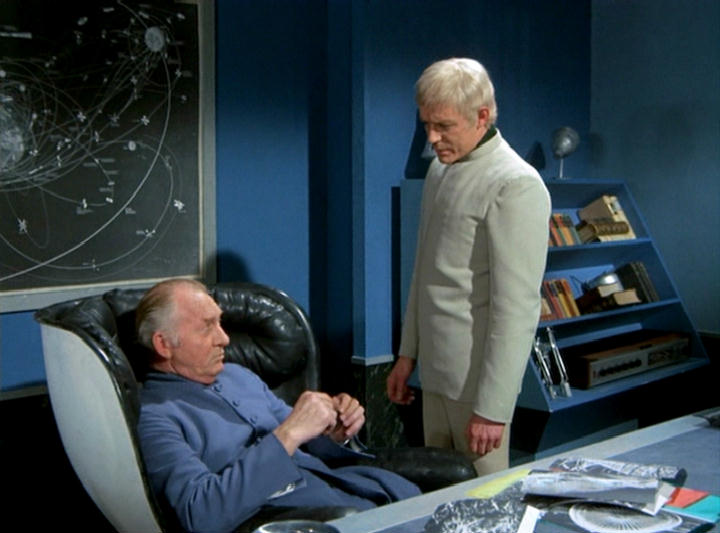
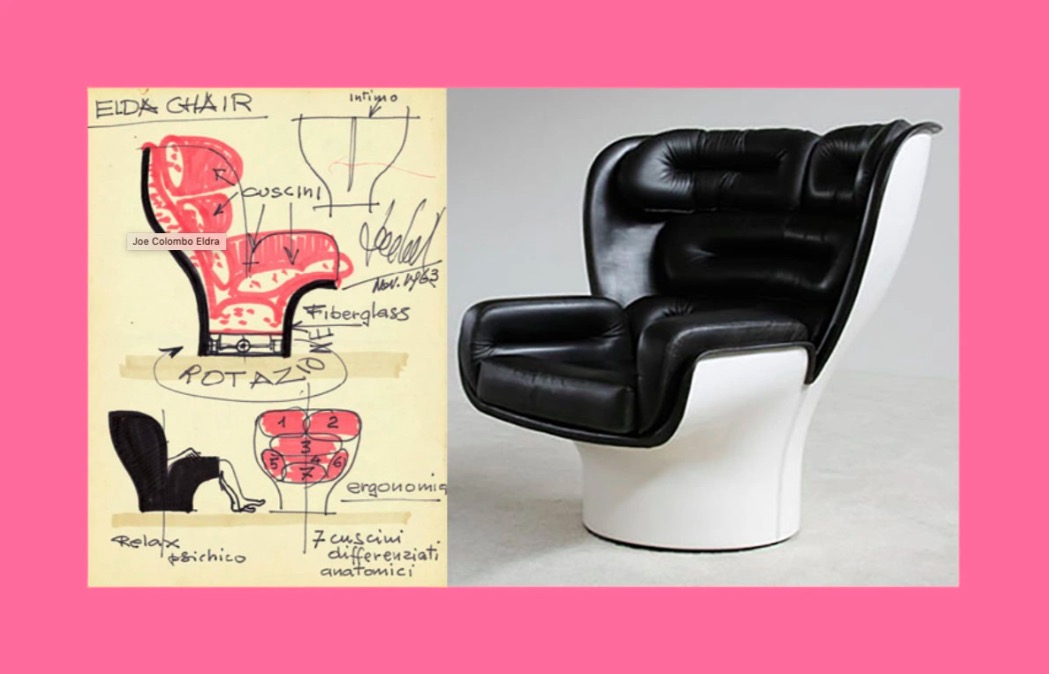
Come Back, Mrs. Noah (BBC 1977-78)
Silver wing armchair
Esko Pajamies
Asko, Finland, 1970
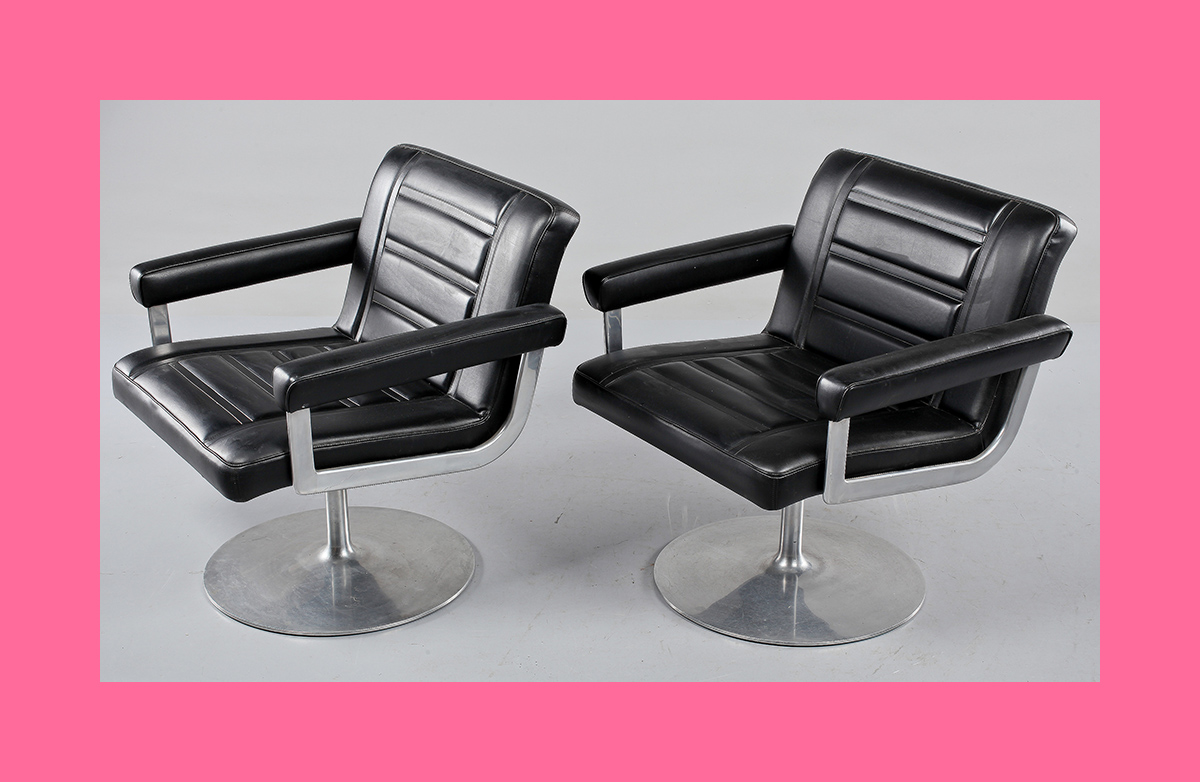
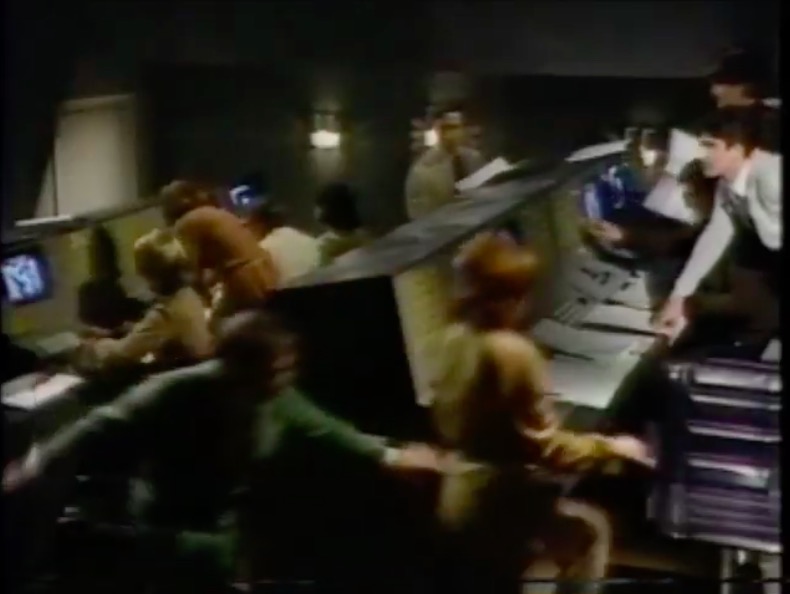
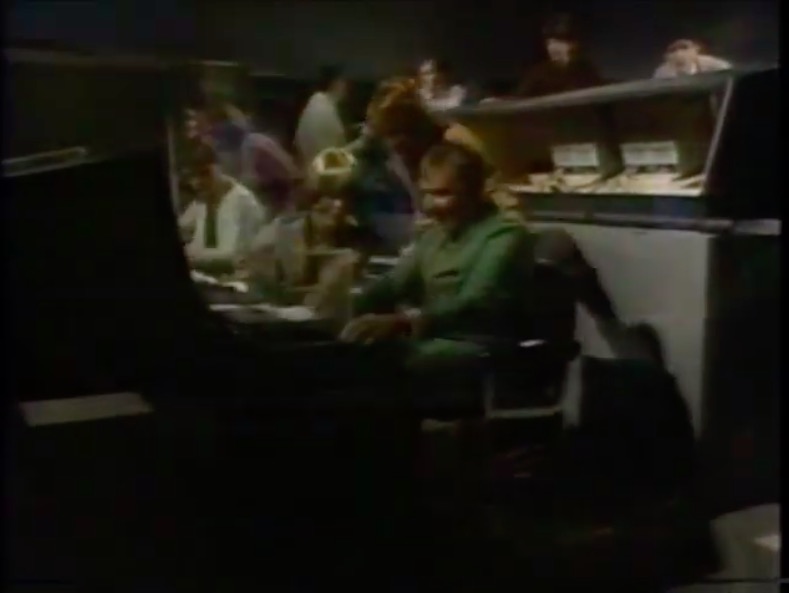
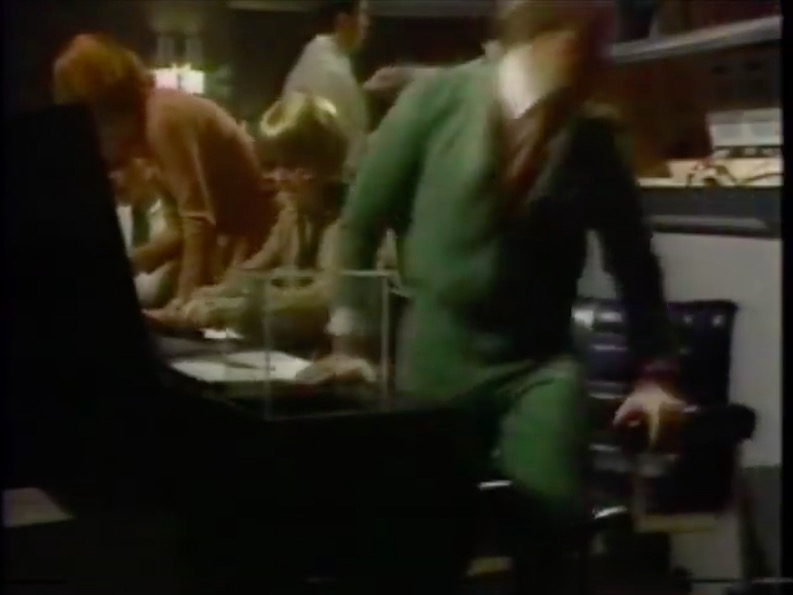
Doomwatch (BBC 1970 – 72)
Silver wing chair
Esko Pajamies
Asko, Finland, 1970

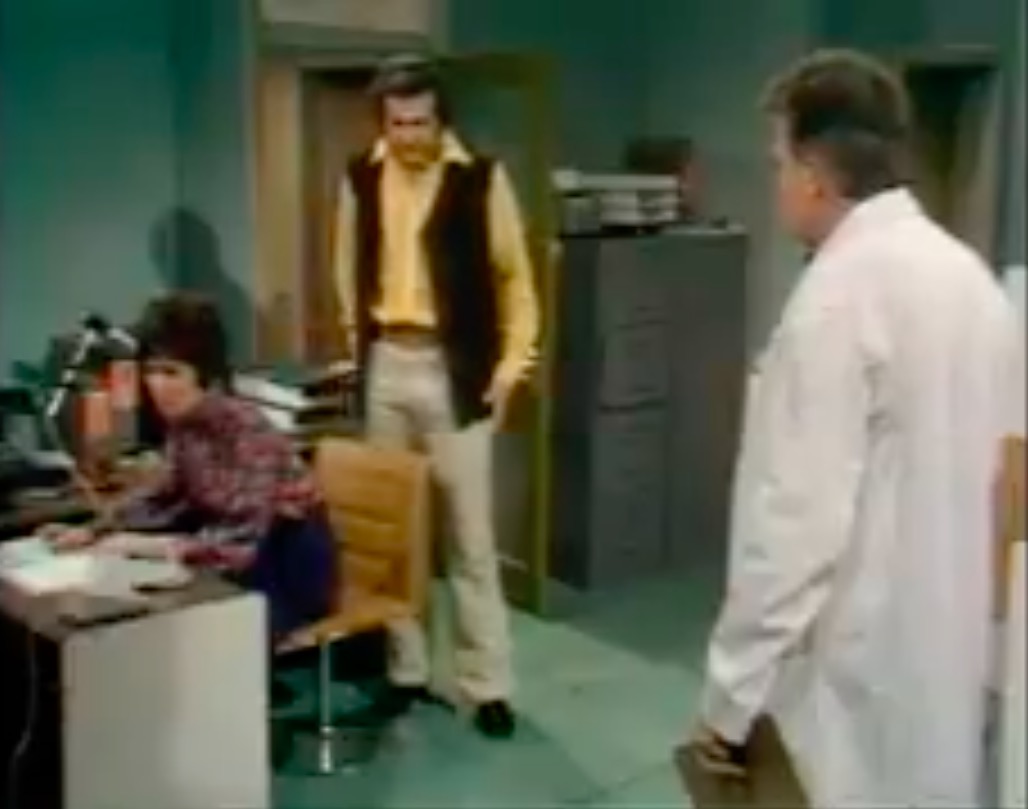
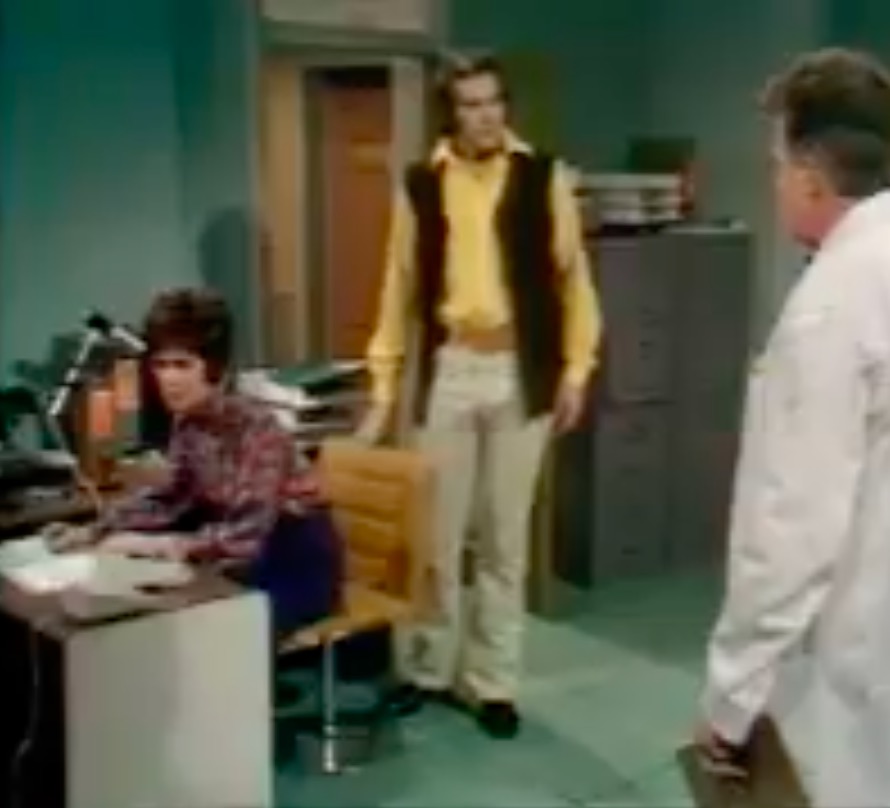

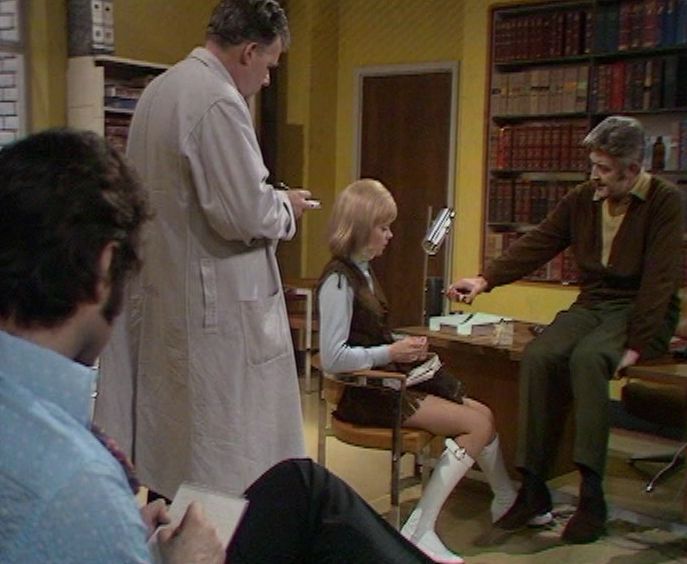
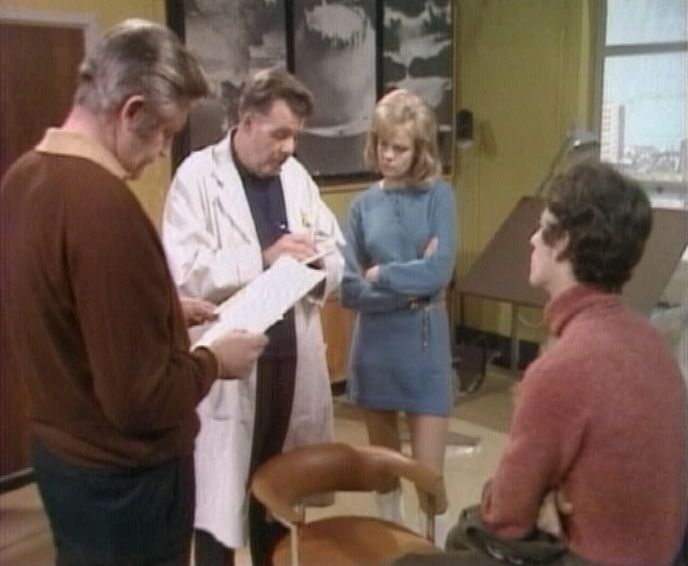
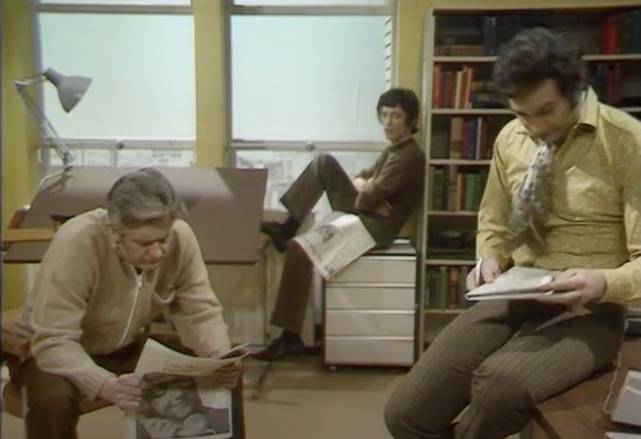
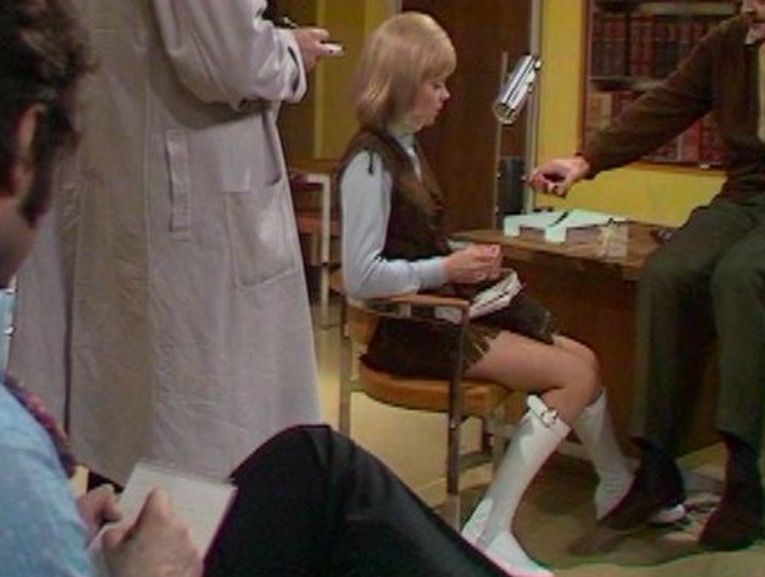
Doomwatch (BBC 1970 – 72)
Various episodes.
Chrome dining chair
Richard Young
Merrow, UK 1960s.
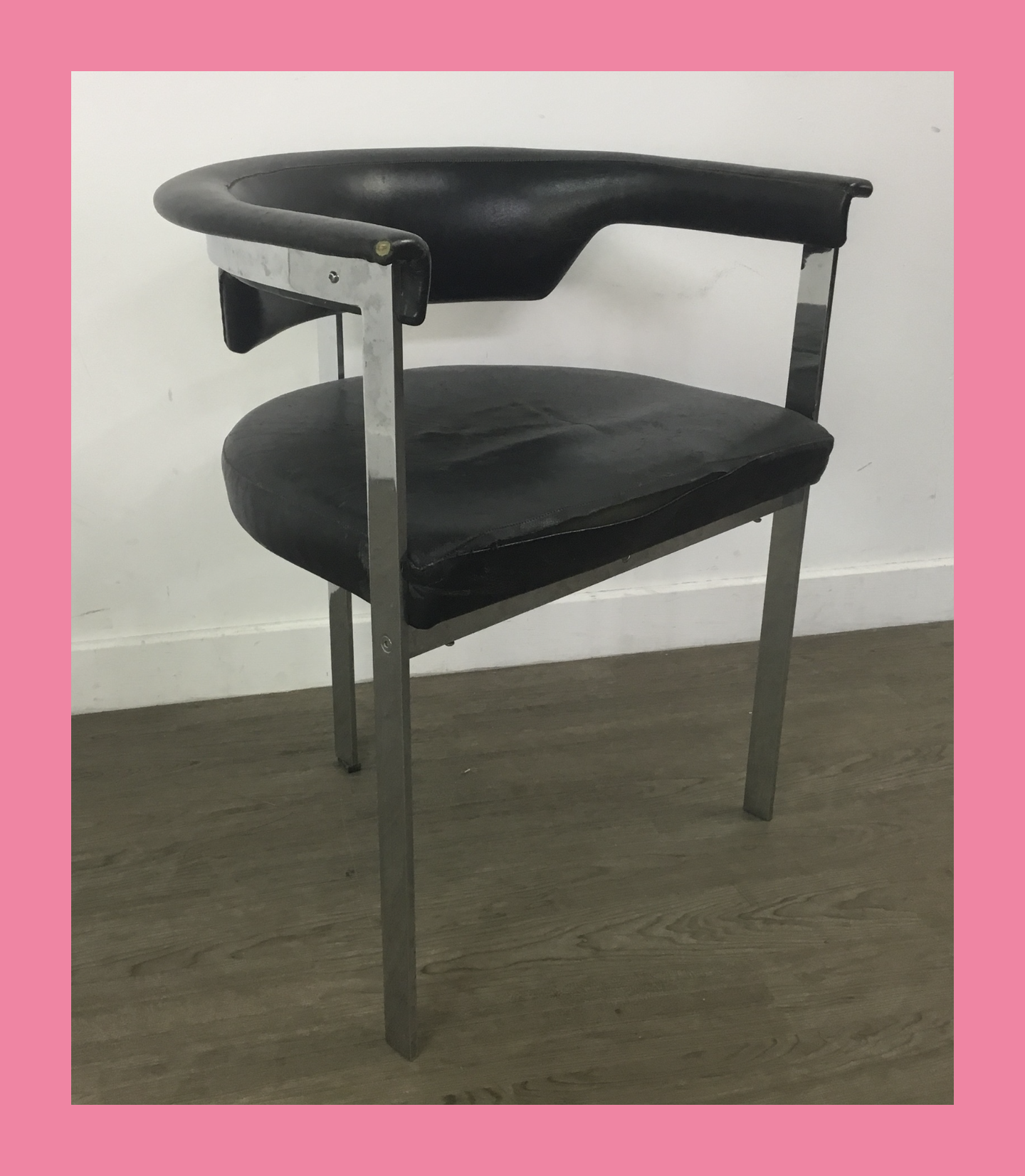
Quatermass (ITV, 1979)
Domani chair
Designer presumed to be Odo Klose
Odo Klose and partners, Germany, 1972
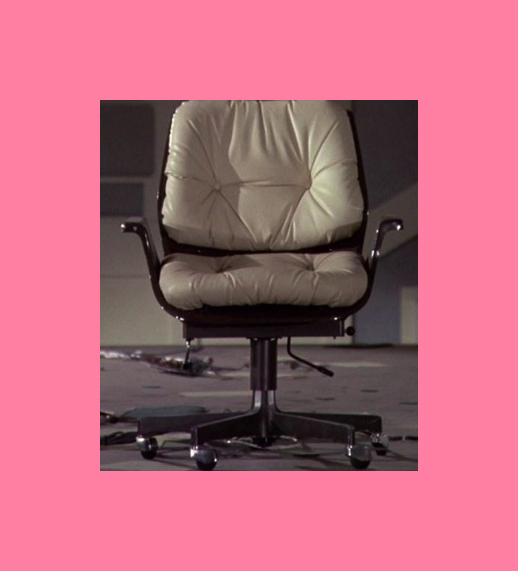
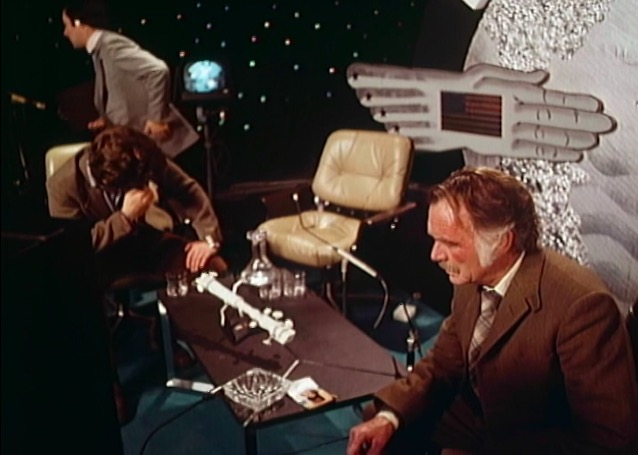
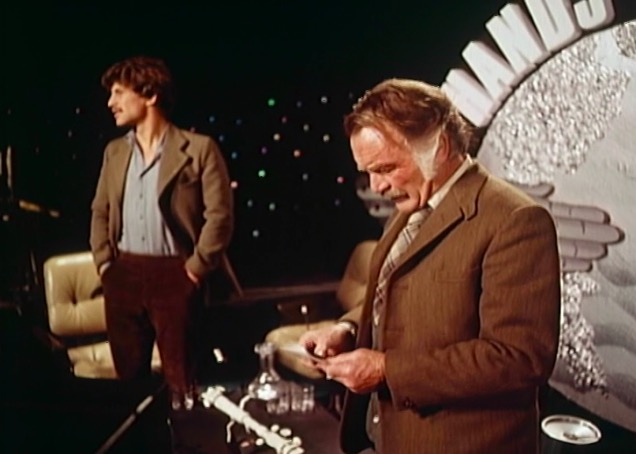
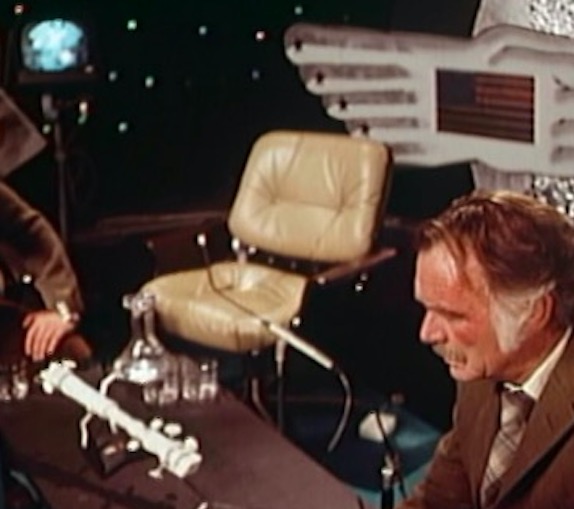
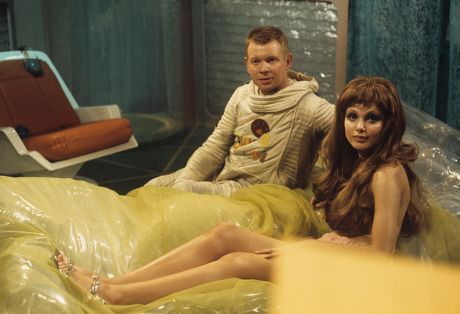
The Adventures of Don Quick – ‘The Love Reflector’ (ITV, 1970)
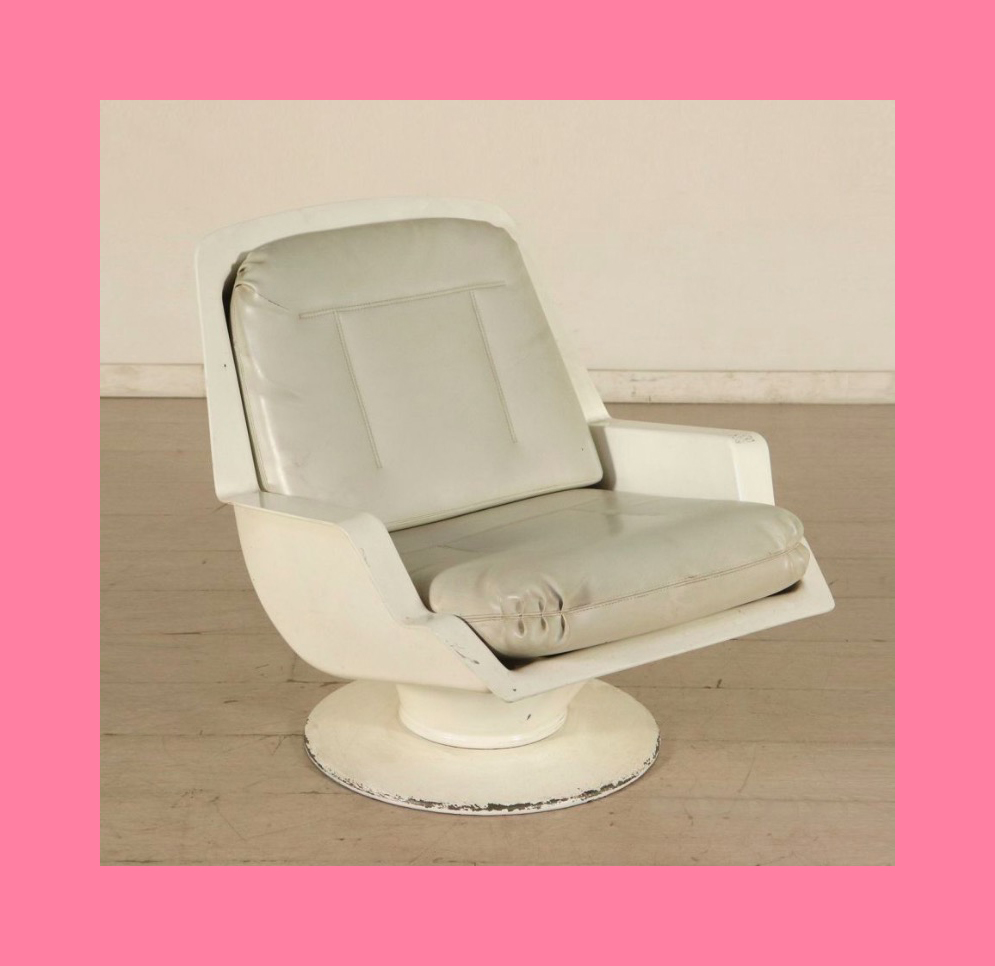
NIKE lounge armchair
Richard Neagle
Sormani, Italy, 1966

The Chairs of British Telefantasy. The 1980s.
By the 1980s there was change afoot. By the end of the decade, it felt that a broader shift in broadcasting towards a business-minded culture, resulted in expensive space-age drama being largely sidelined. Therefore, it’s apt that many of the chairs used in the 1980s belong to a previous era, largely harking back to the 1960s and 1970s. In terms of set design, Star Cops feels a little more in the moment than some of its contemporaries, yet it lacks much in the way of furniture that matches the postmodernist thinking of the era. However, it does feature some kneeling chairs, which is a departure from the norm, and is in keeping with the increasing move towards ergonomic designs.

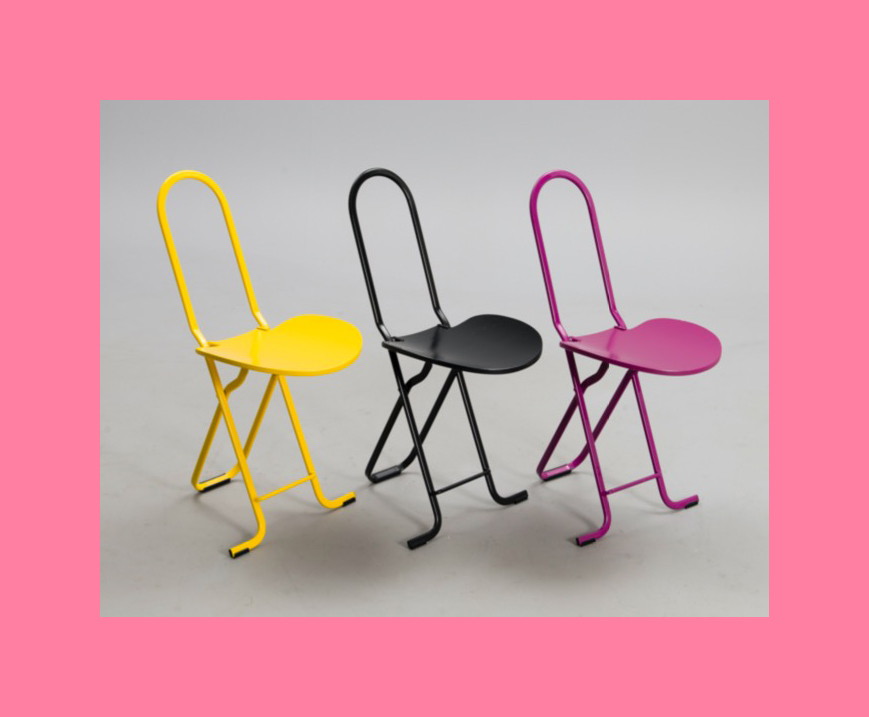
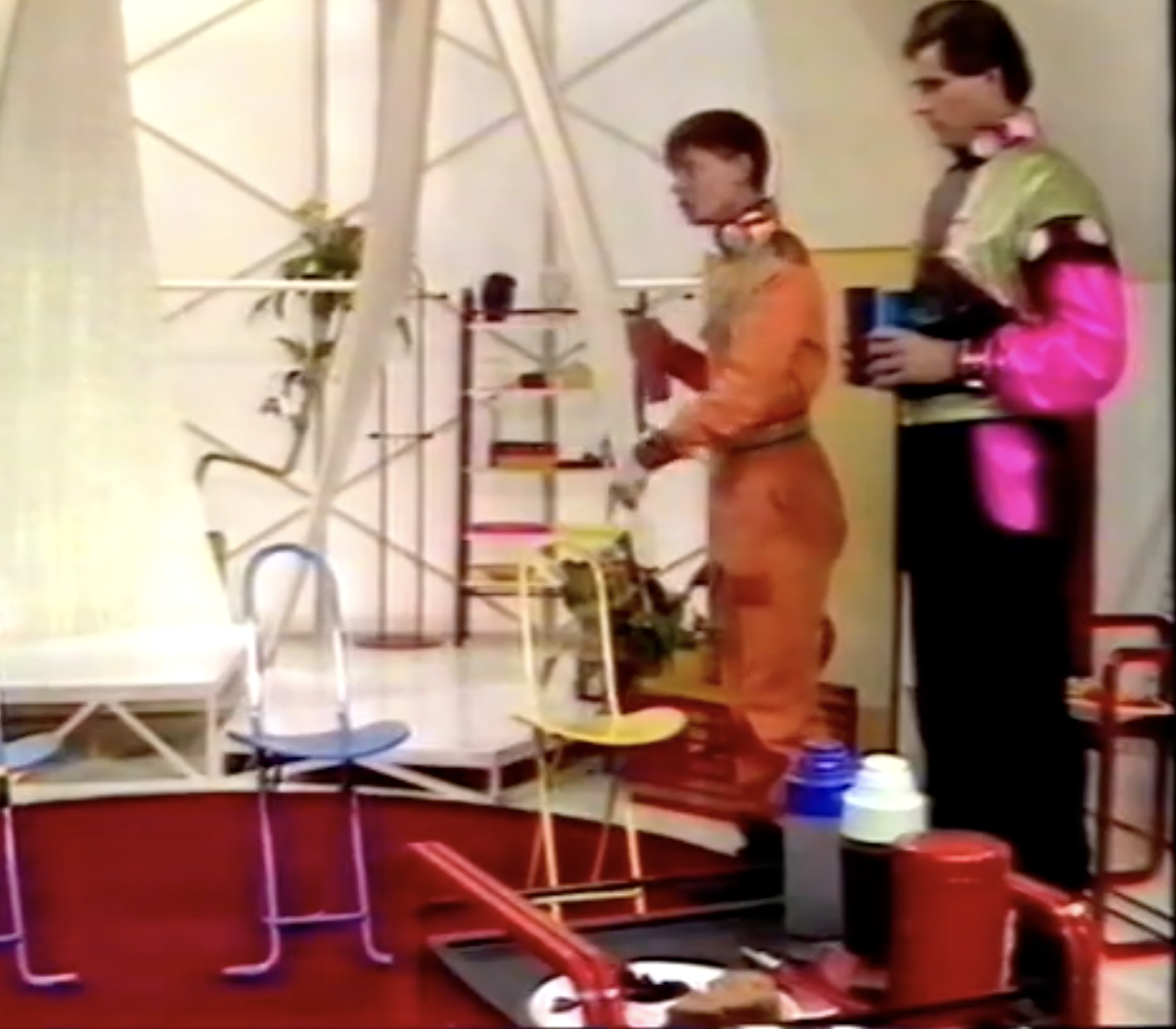
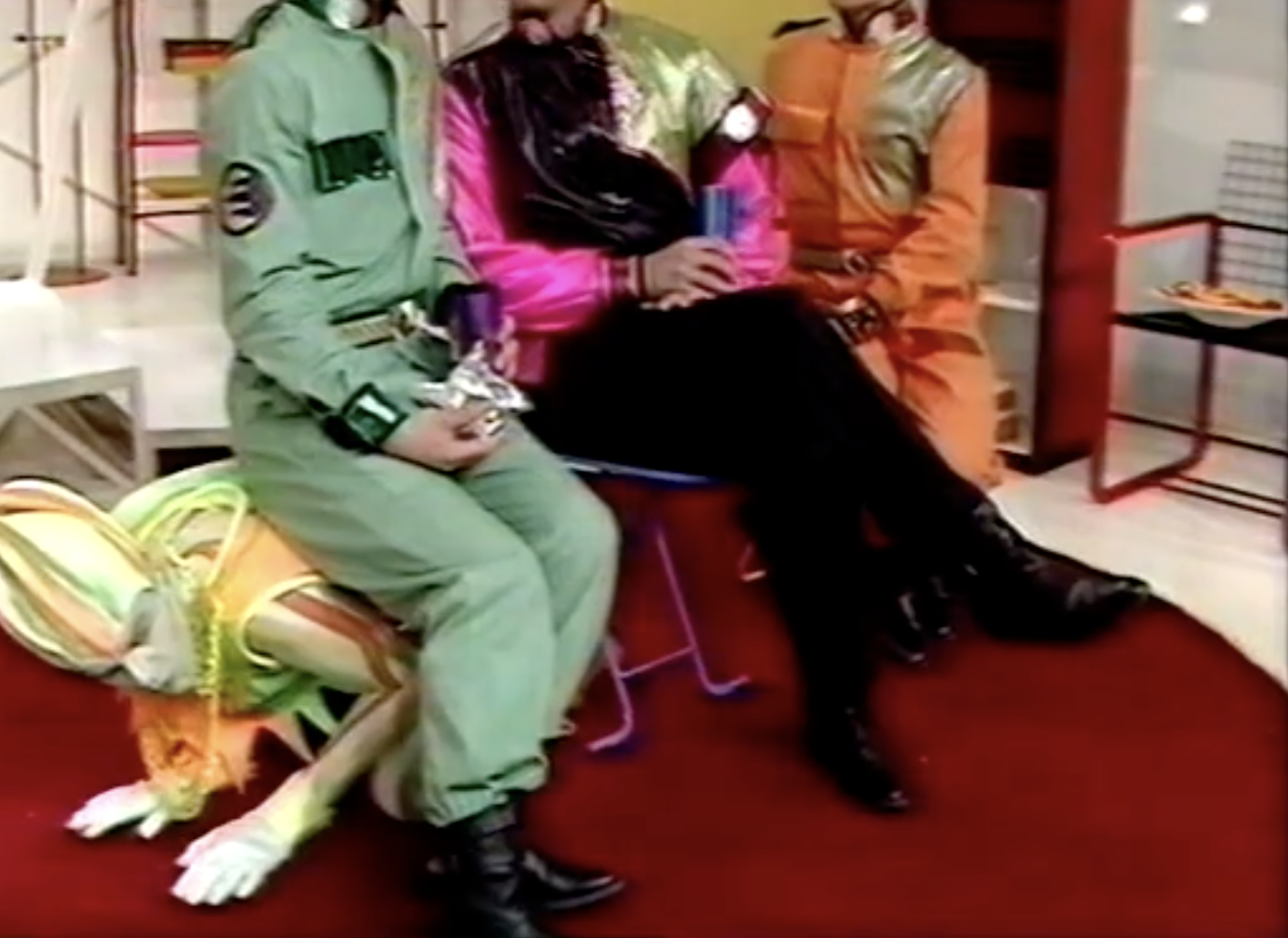
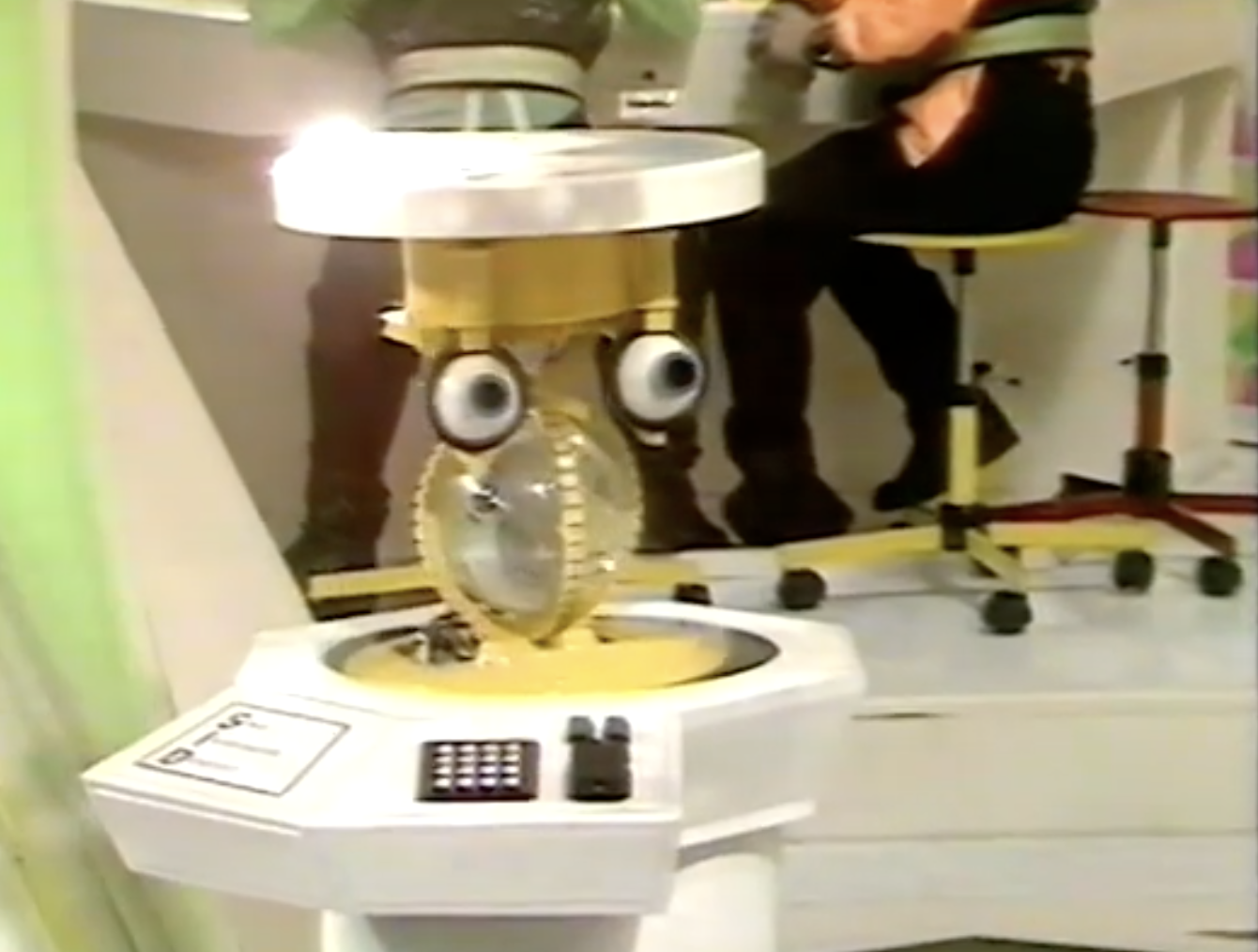
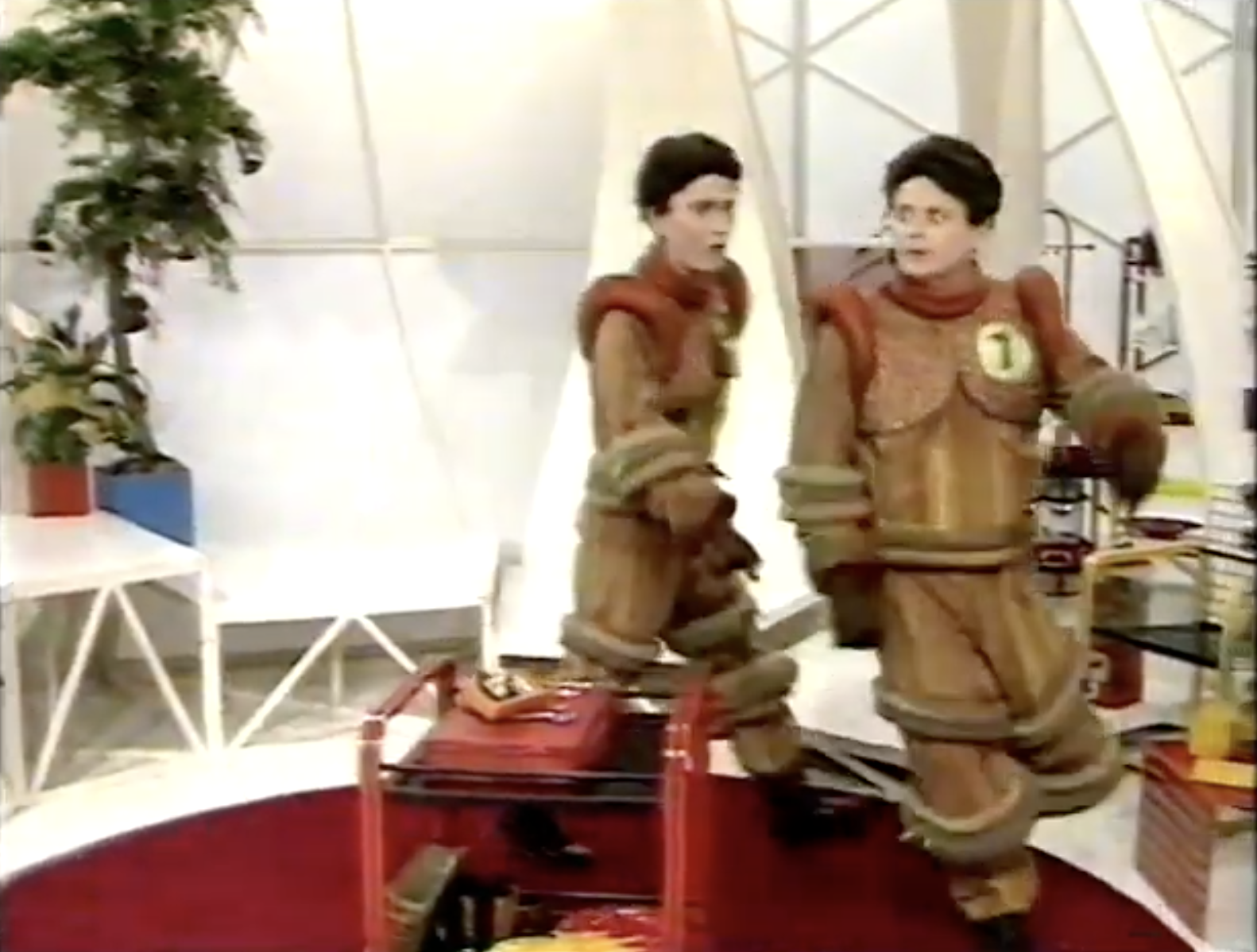
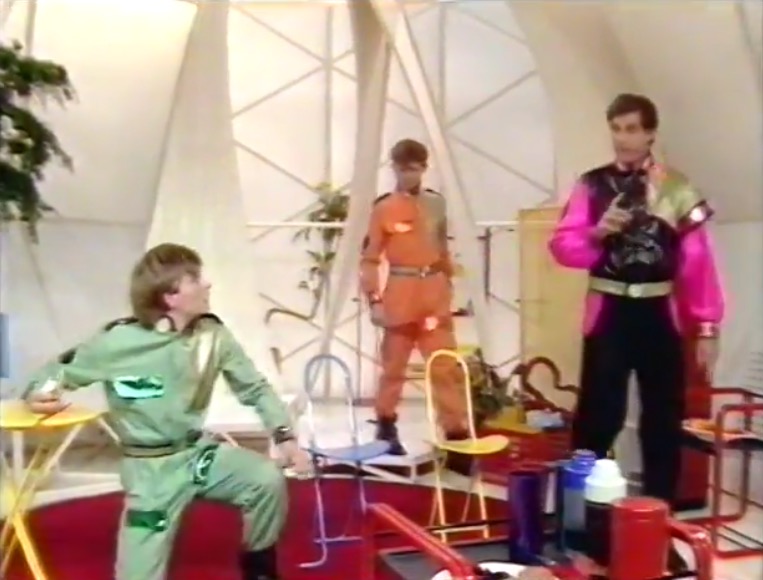
Of course, there are some highlights, usually found in the most unlikely of places. Children’s series Galloping Galaxies! might have Kenneth Williams as a selling point, but the use of furniture is pretty much a step ahead. The use of colourful Italian Dafne stools by Gastone Rinaldi, screams postmodernist 1980s.
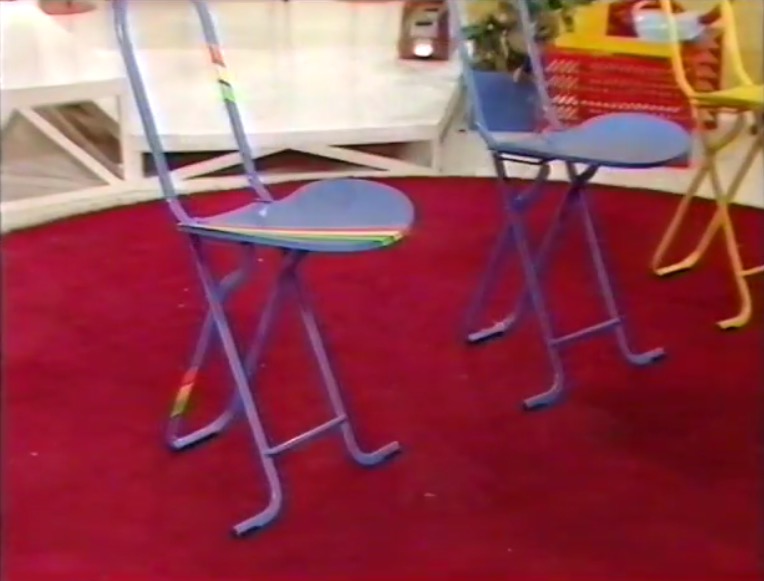
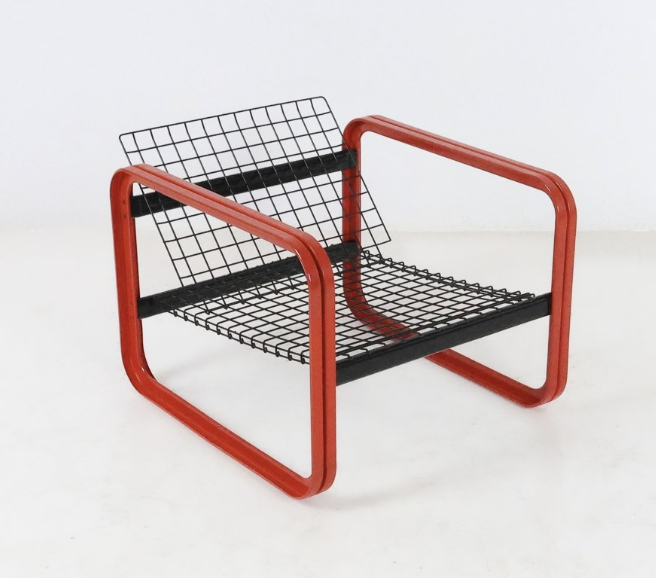
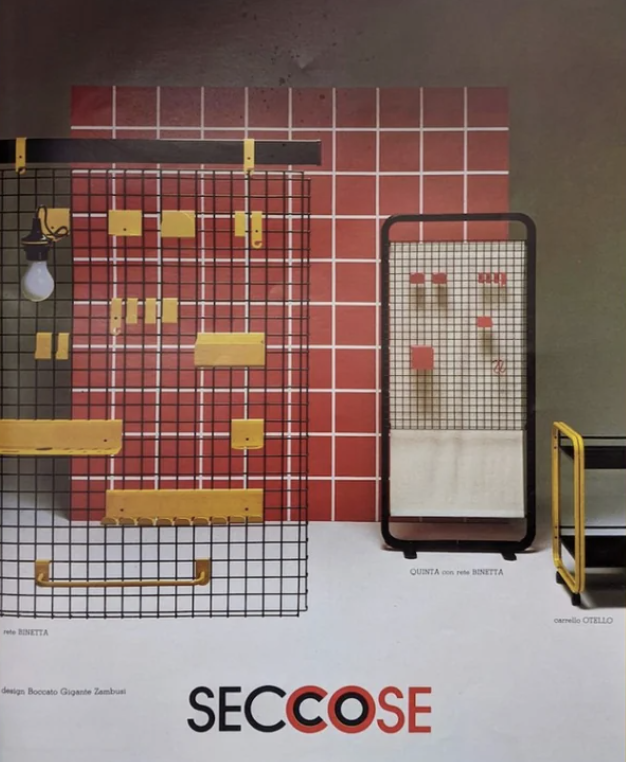
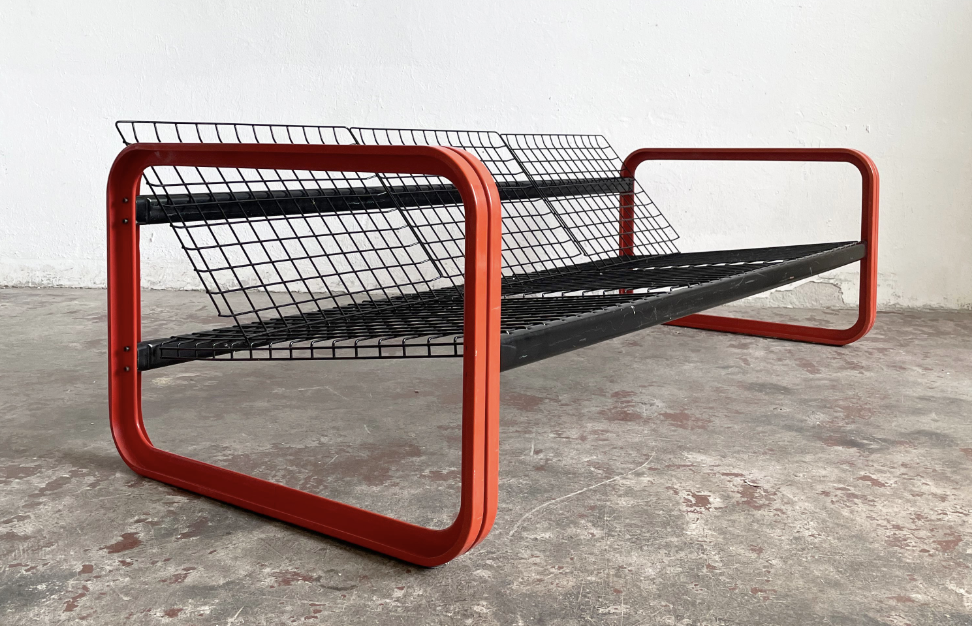
As does this rather fine Italian Quadra Chair from Gigante, Zambusi and Boccato for Seccose – glimpsed to the right of the screen.


It is gratifying to see that not only the chair features, but also other elements, such as the trolley in the foreground. Some items was part of a suite of artifacts with the same design characteristics.

I can’t believe I’m writing this, but Galloping Gallaxies! might be one of the more authentic expressions of 1980s kitsch. Even the workshop stools that feature elsewhere use the same bold colours, and the splashes of colour and form work well with the broader set design elements.

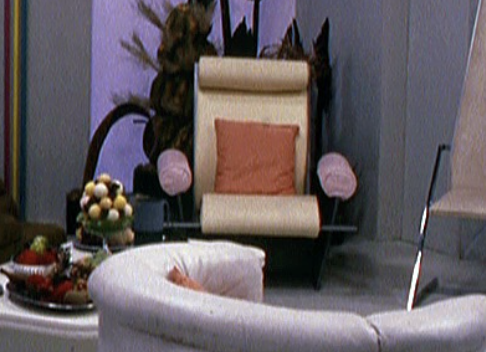
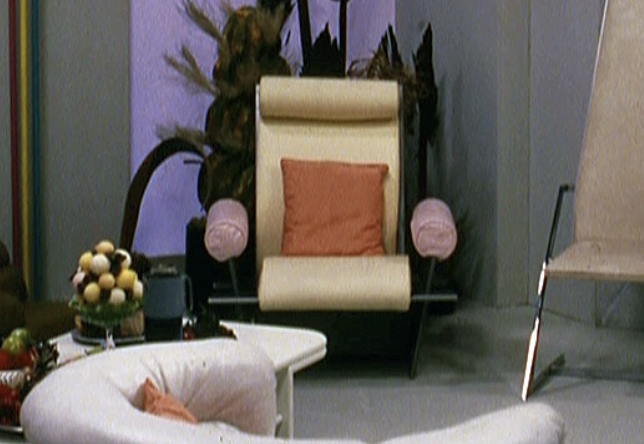
The playful postmodernist designs made famous by the Memphis design group are referenced in Doctor Who. In the 1985 serial ‘Timelash’, we see an unidentified chair that is big on colour and shape, replacing the chrome of old.
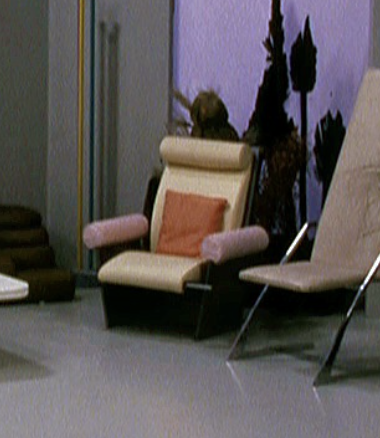
However, these examples are the exception to the rule. It’s almost as though the mode of making television that was in decline by the 1980s continued to rely on the ‘old favourites’ – what was already available in the prop store, or had been for years. This decade continued to largely use familiar artifacts that no doubt kept the costs down.
The 1990s saw the decline in studio-based drama, and a move towards a new way of making dramatised television, increasingly using the single-camera technique. Perhaps the reduction in ongoing ‘telefantasy’ series during this decade means that this collection spanning over three decades is a distinct momento of an age far, far away.
Captain Zep – Space Detective (BBC 1983)
‘Vertebra’ chair system.
Emilio Ambasz
Anonima Castelli, Italy, 1976

Captain Zep – Space Detective (BBC 1984)
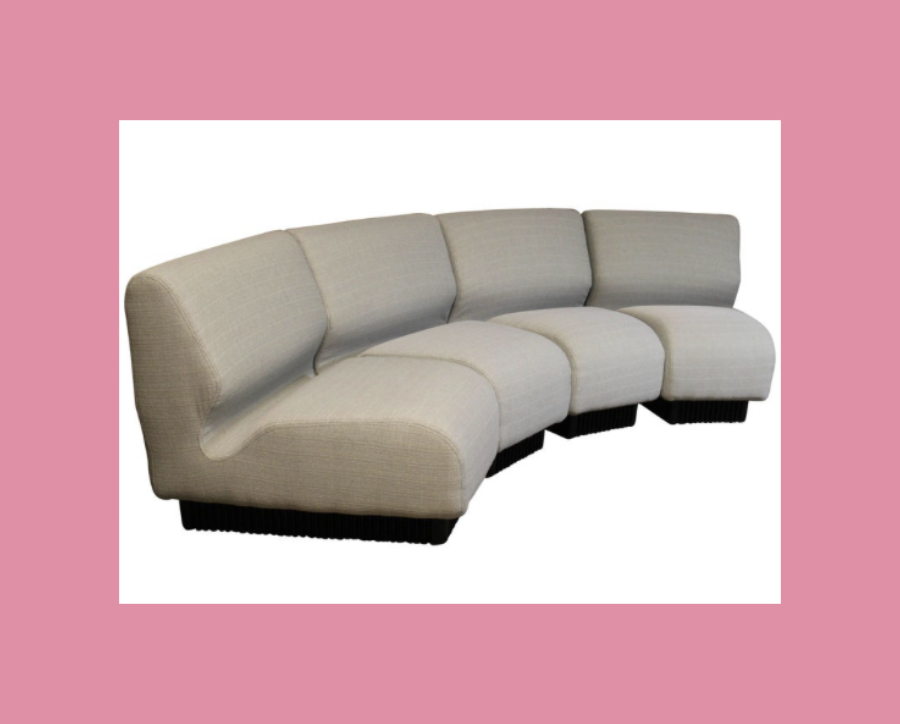
Chadwick Modular Seating
Don Chadwick
Herman Miller, USA, 1974

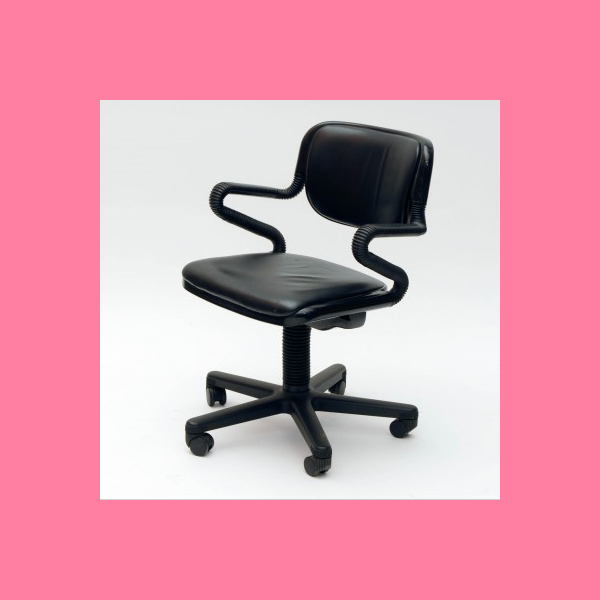
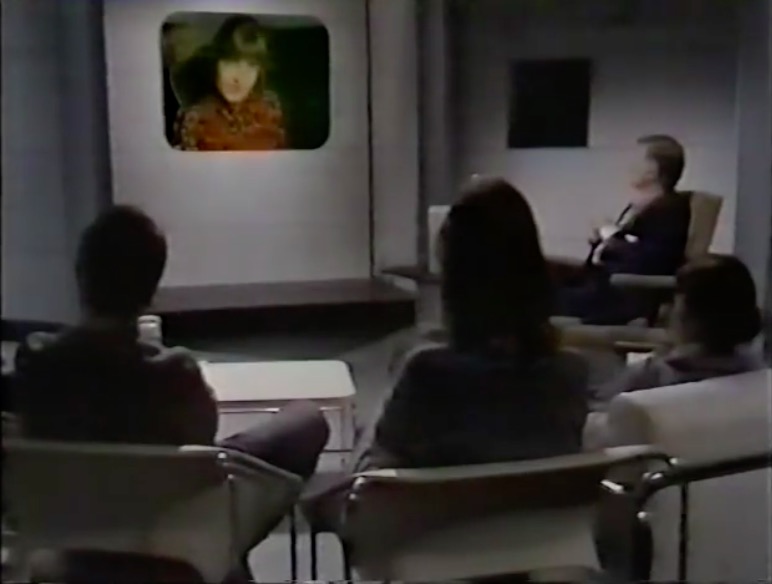
Play for Tomorrow – ‘Crimes’ (BBC, 1982)
Lotus
Paul Boulva
Artopex, Canada, 1976
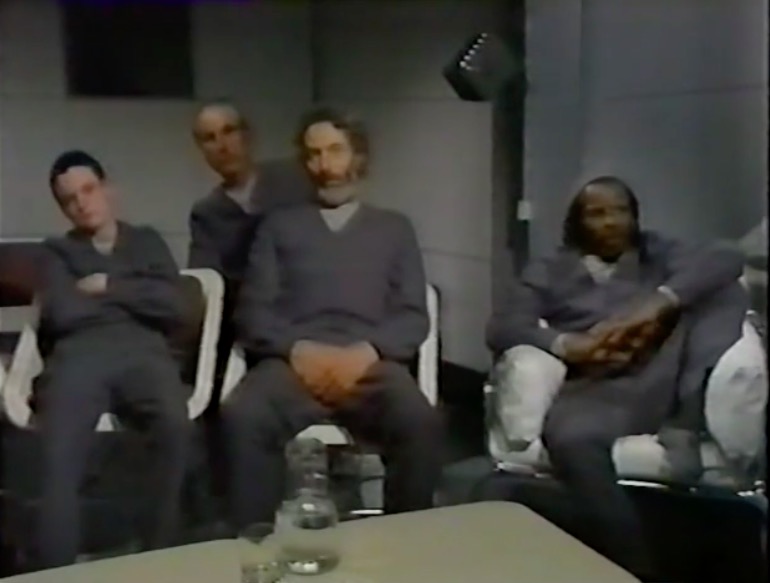
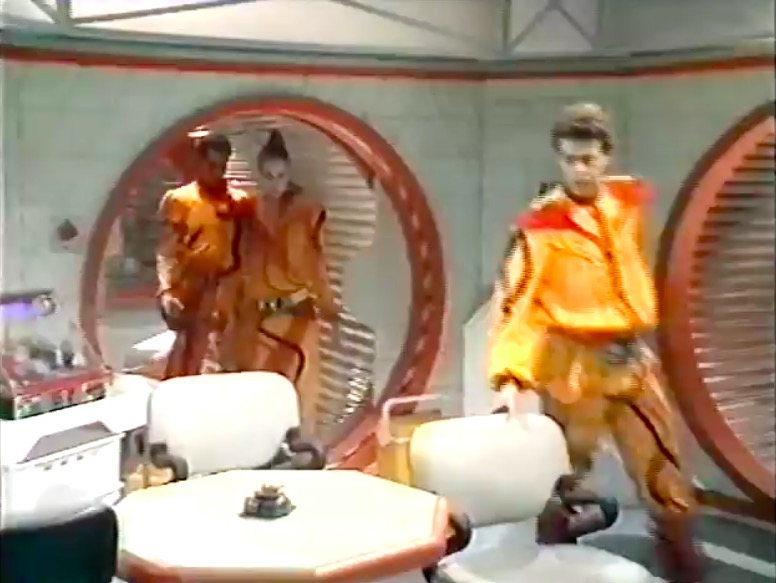
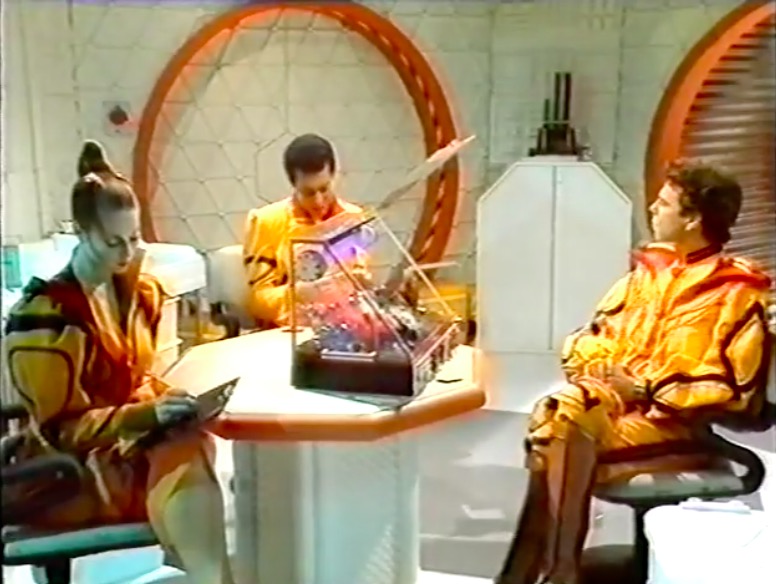
Red Dwarf (BBC, 1988)
Chadwick Modular Seating
Don Chadwick
Herman Miller, USA, 1974
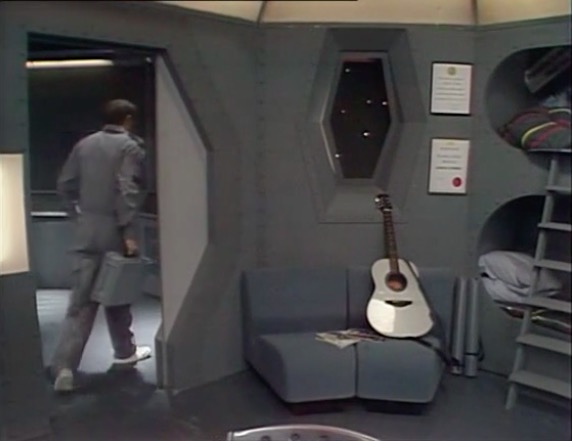
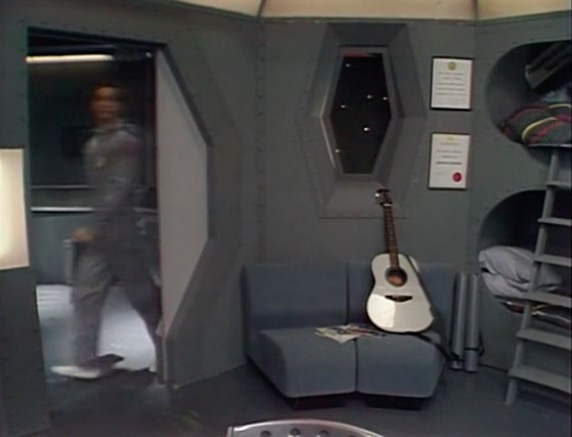
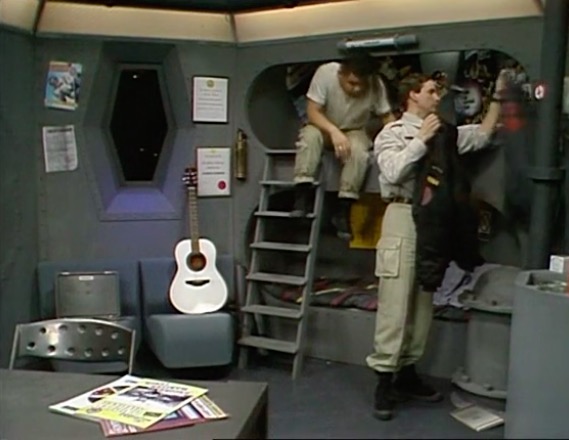

The Old Men at the Zoo (BBC, 1983)
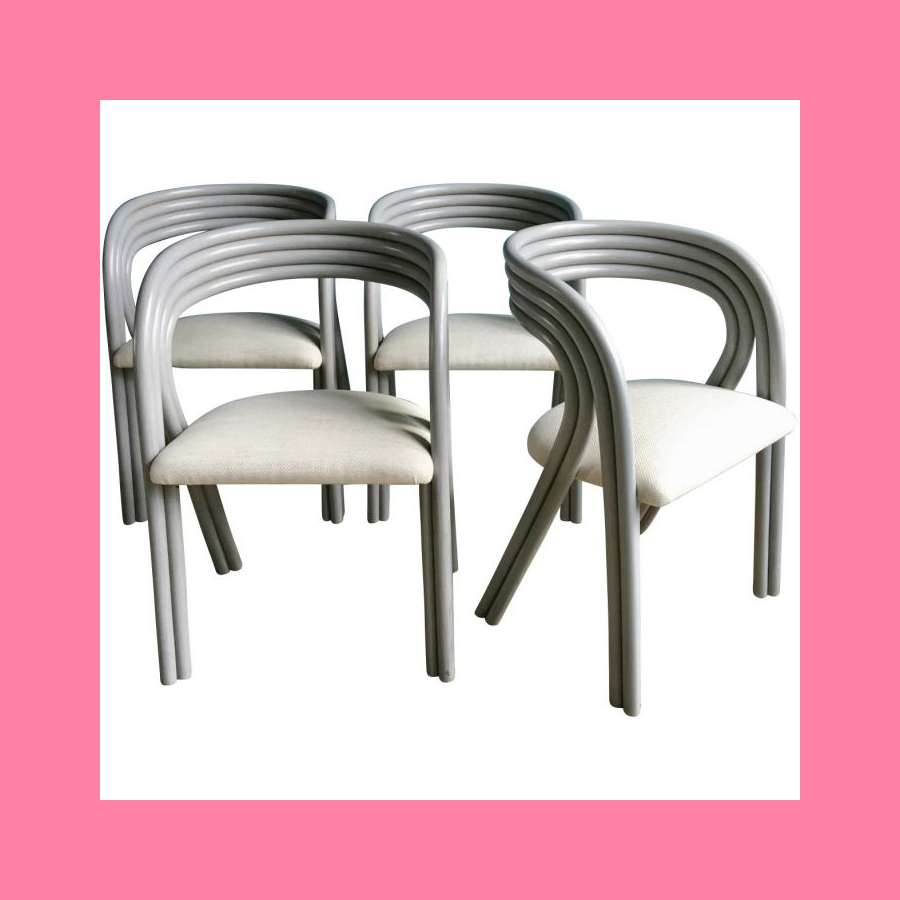
Rattan dining chairs
Axel Enthoven
Rohé Noordwolde, Netherlands, 1970s.
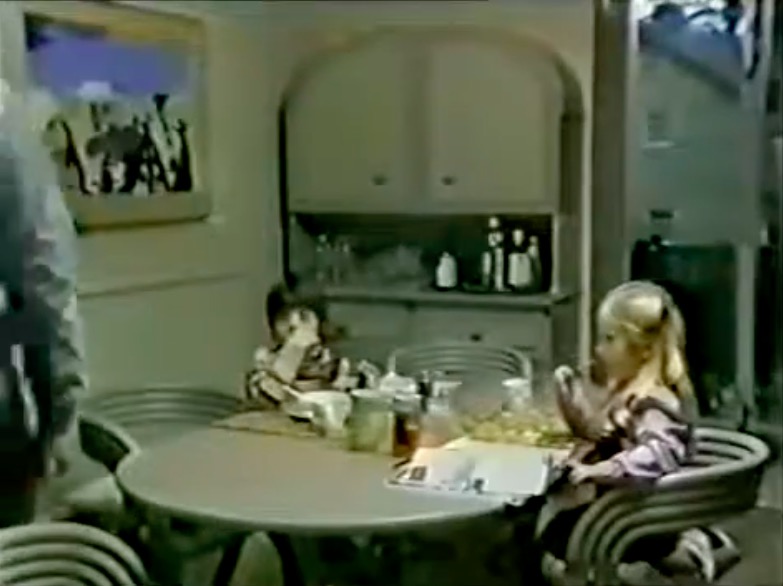
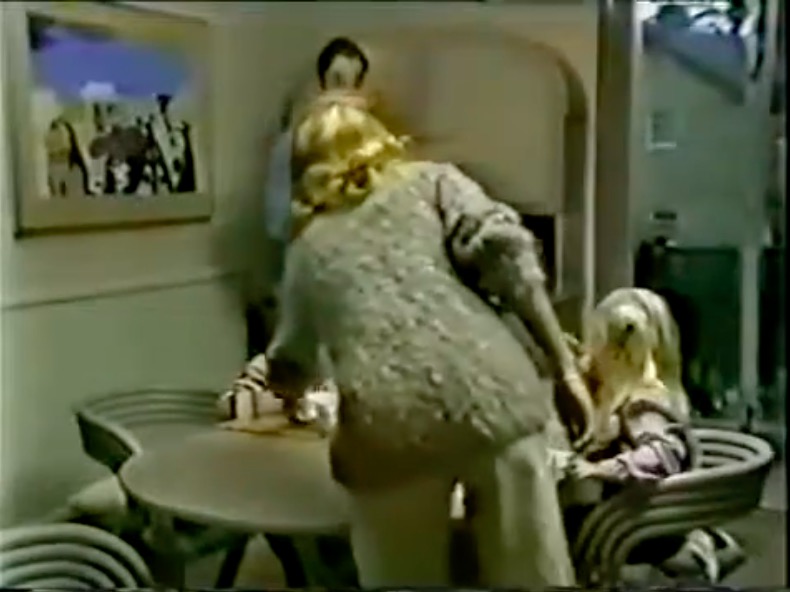

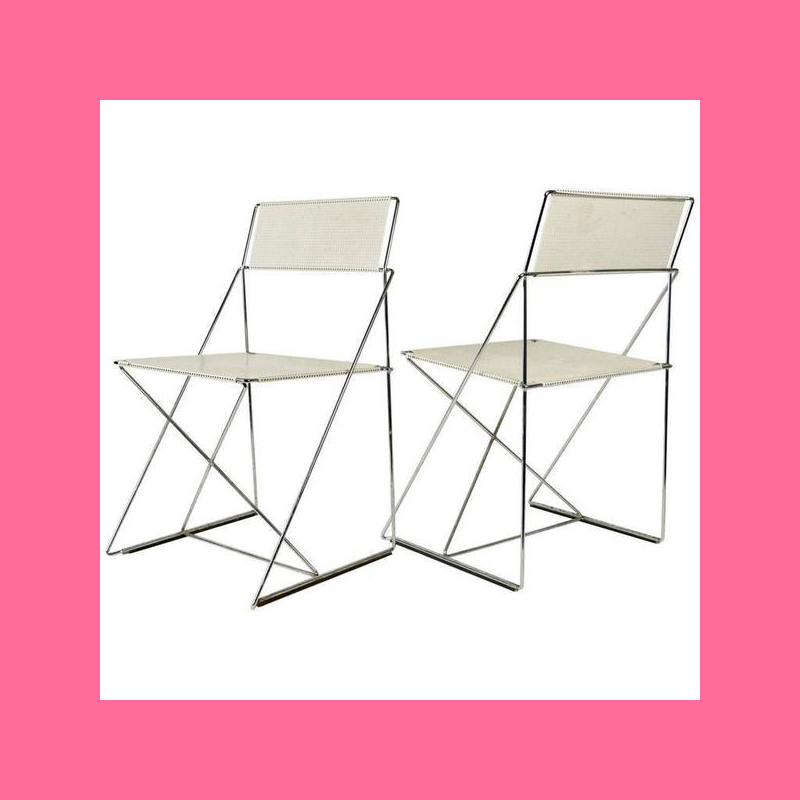
Codename Icarus (BBC, 1981)
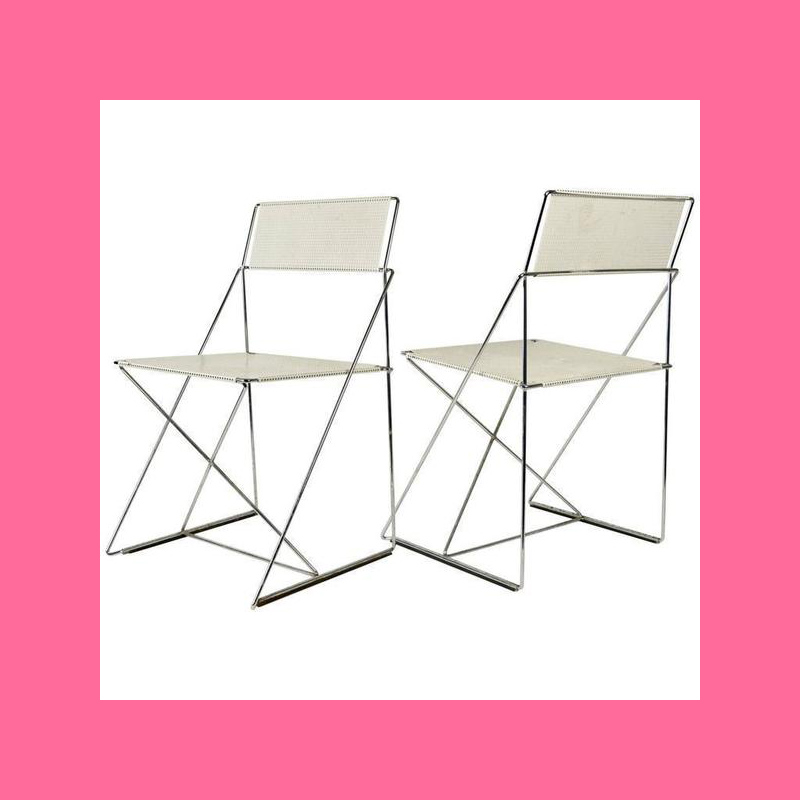
Nuova X Line Chair,
Niels Jørgen Haugesen
Magis Editions, Italy, 1977
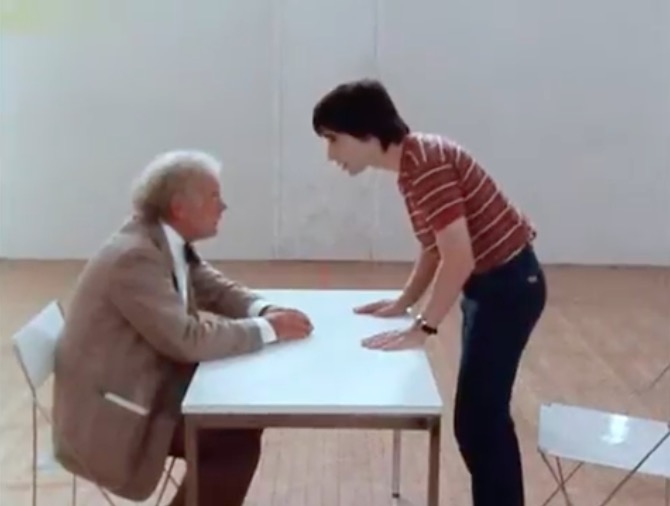
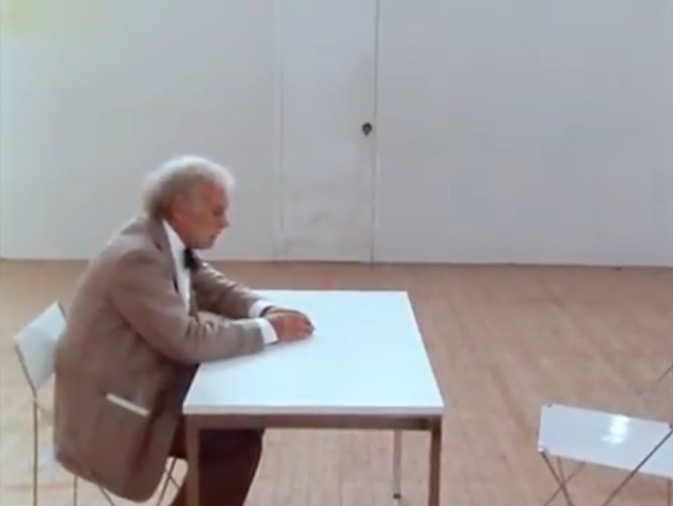
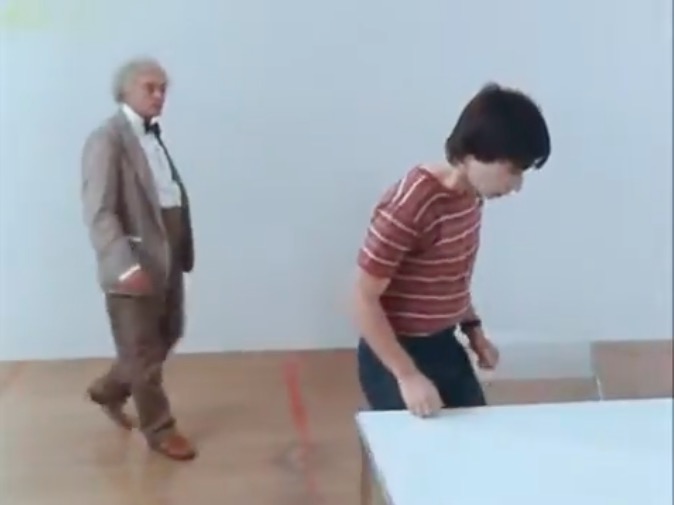


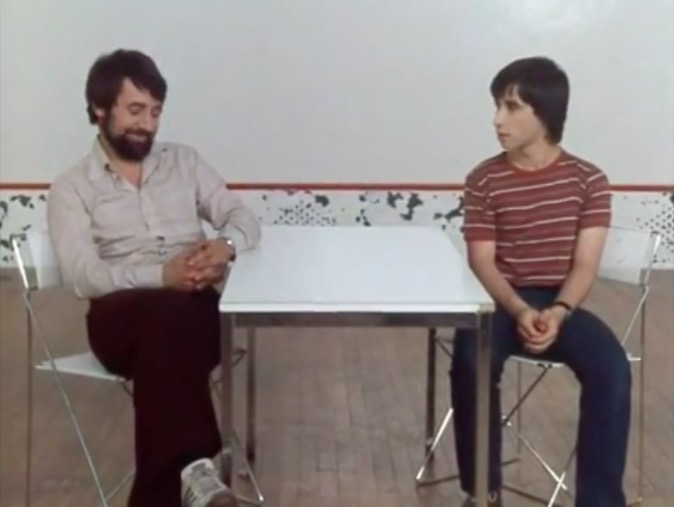
Sapphire and Steel (ITV, 1981)
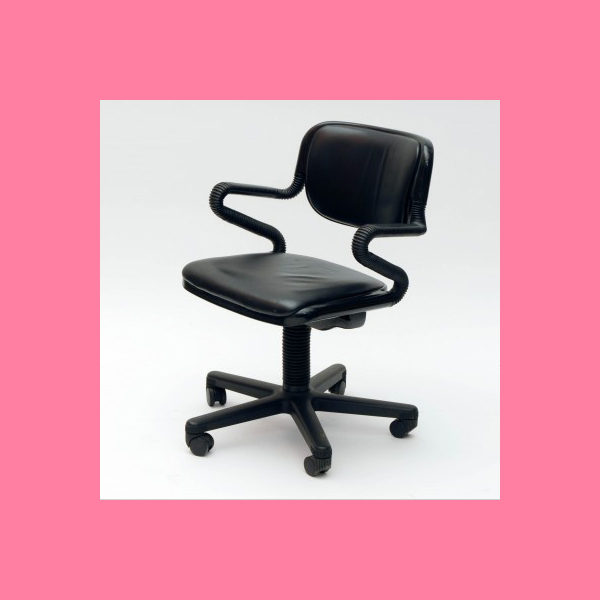
Vertebra chair system (tulip base)
Emilio Ambasz and Giancarlo Piretti
Castelli, Italy, 1978
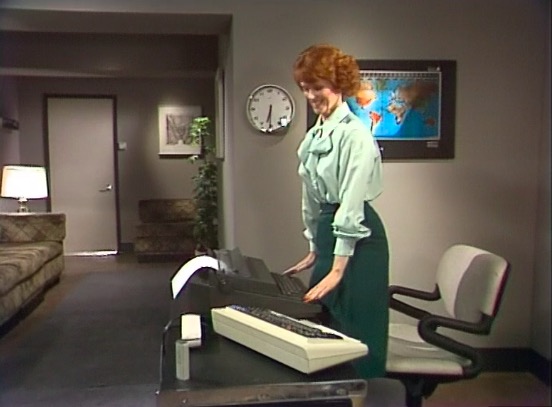

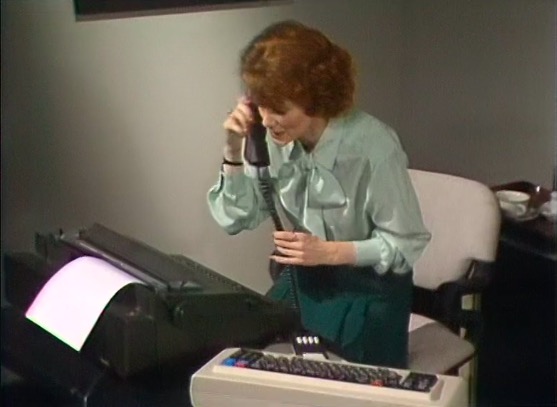
Sapphire and Steel (ITV, 1981)
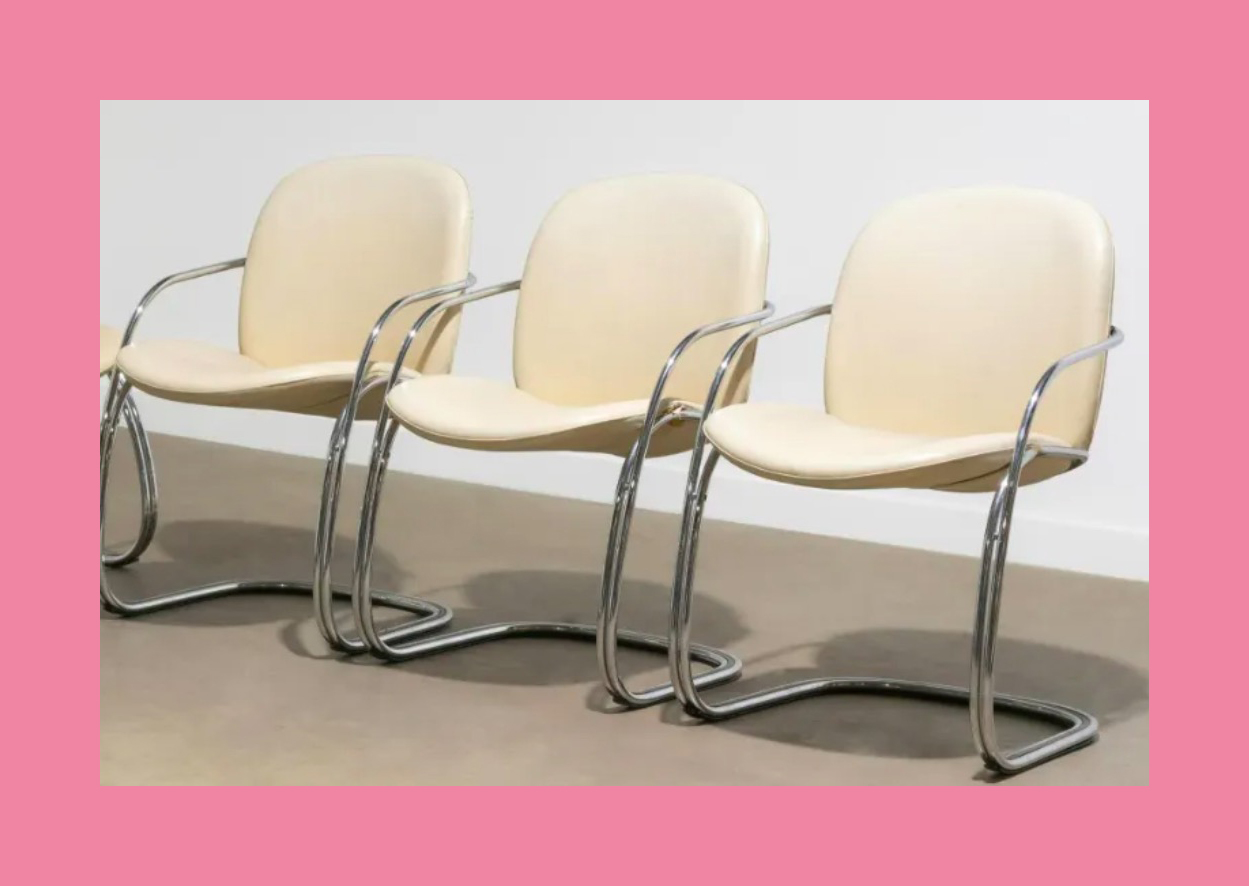
Chrome dining chairs
Gastone Rinaldi for RIMA.
Italy, 1970s.
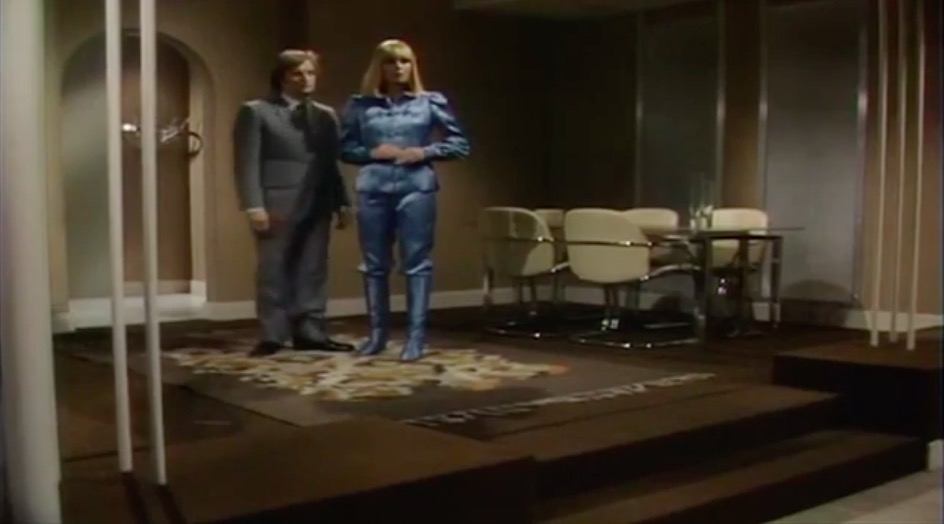
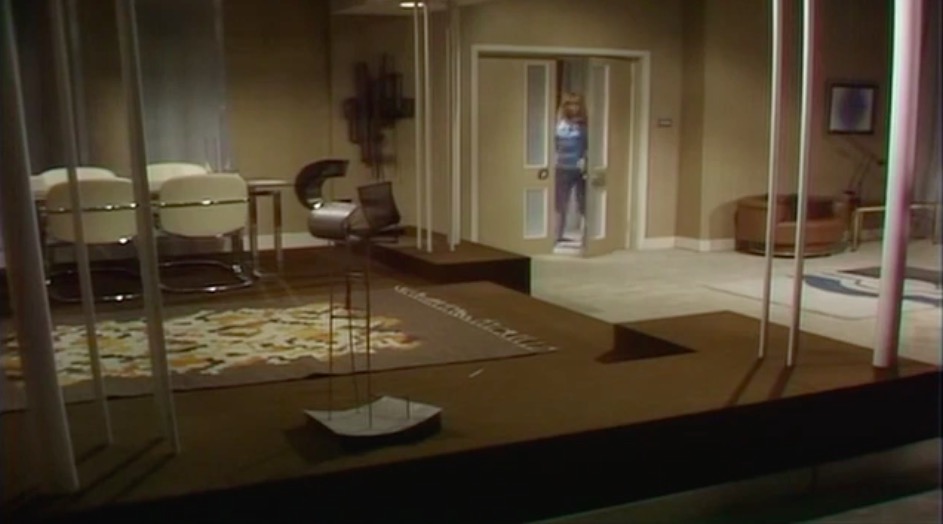
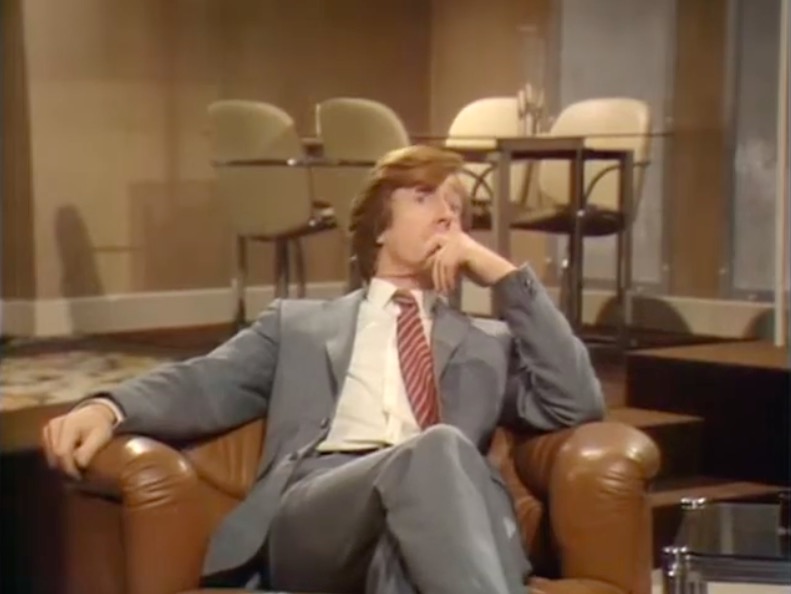
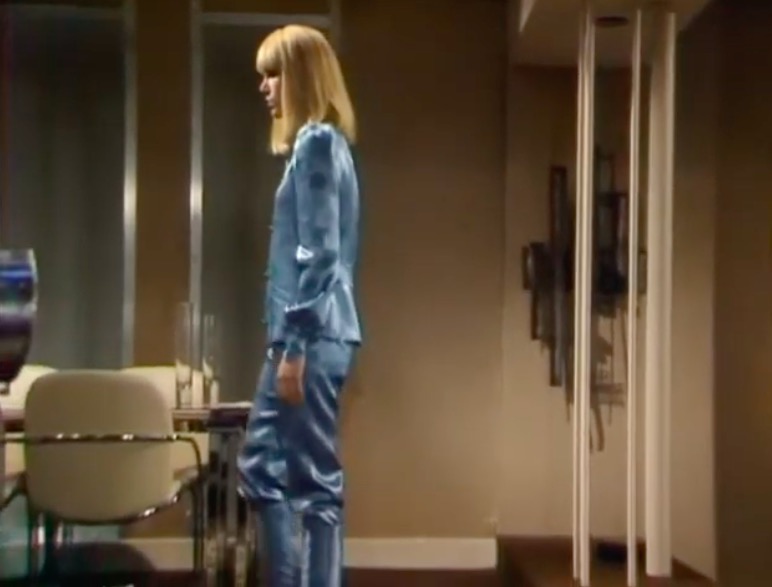
Sapphire and Steel (ITV, 1981)
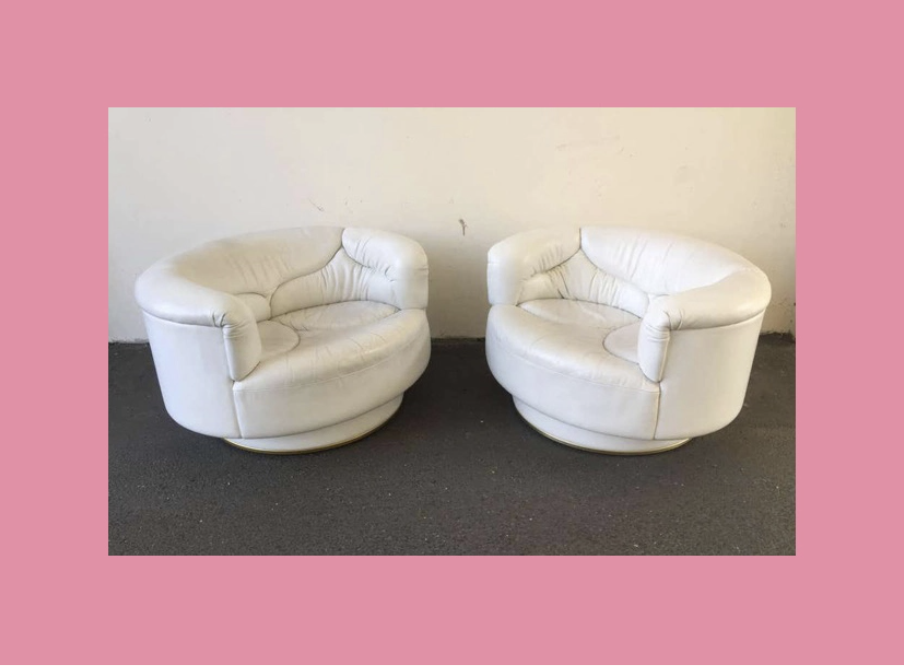
Listed as “Leather sofa in manner of Milo Baughman, but made in De Sede quality.”
Designer unknown
1975.
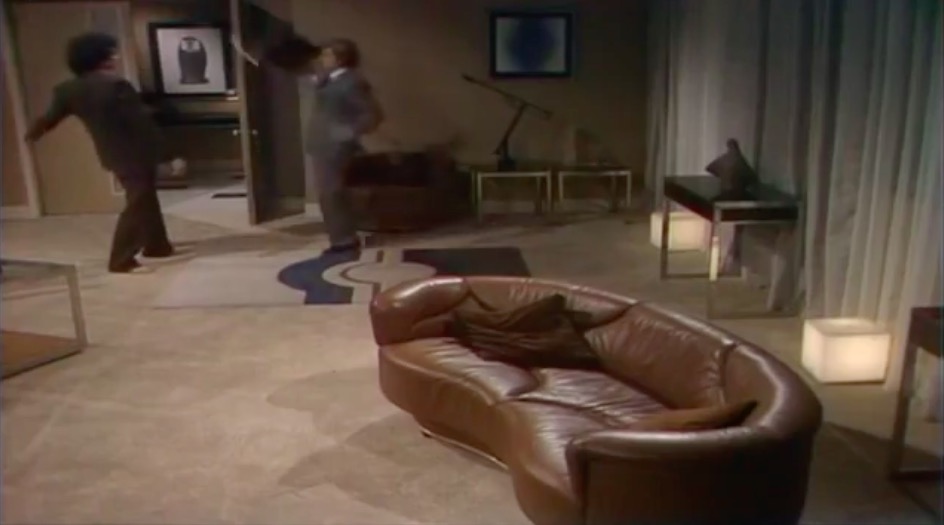

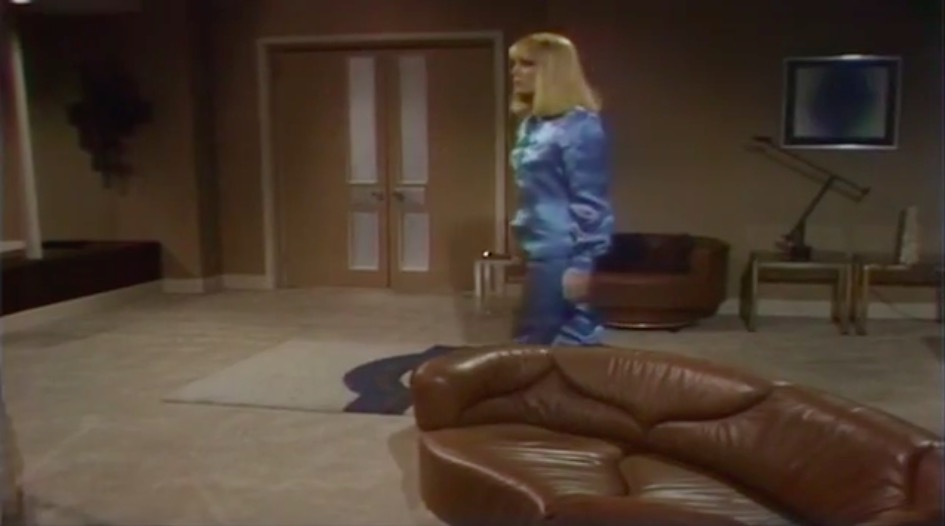

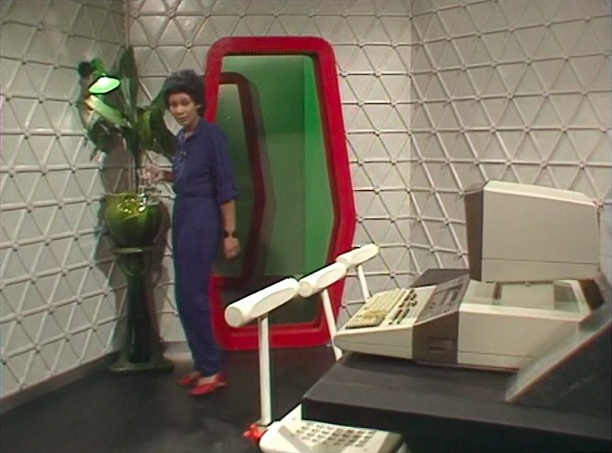
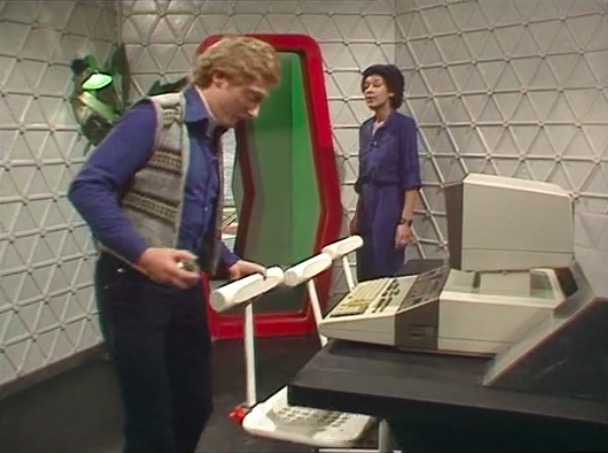
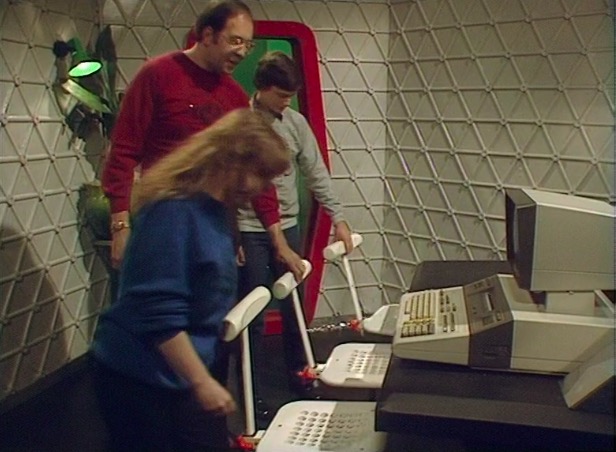
The Adventure Game (BBC, 1980)
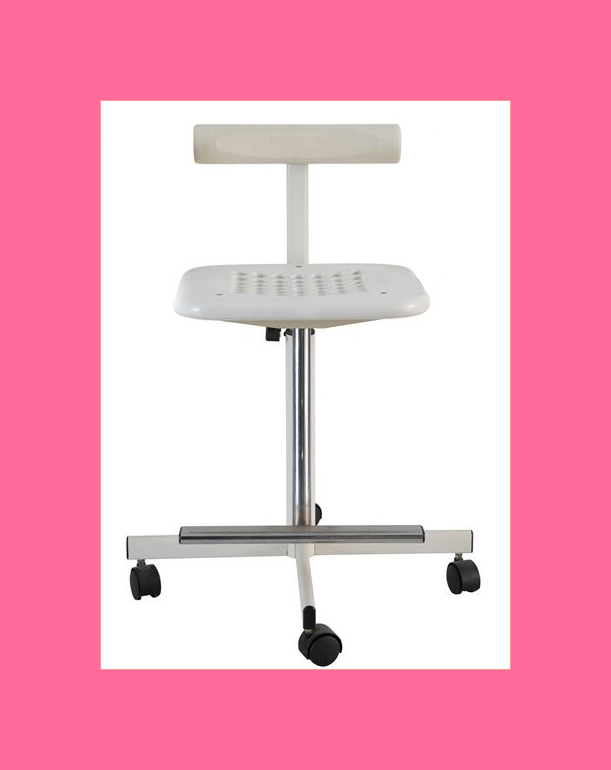
Polo drawing stool
Paolo Parigi,
Parigi Heron, Italy, 1975
Play for Tomorrow – ‘Easter 2016’ (BBC 1982)
Wilkhahn Delta chair
Delta Design,
Wilkhahn, Germany, 1968.
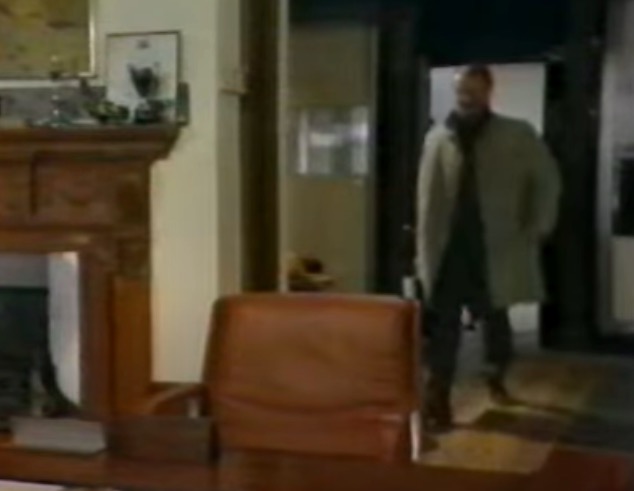

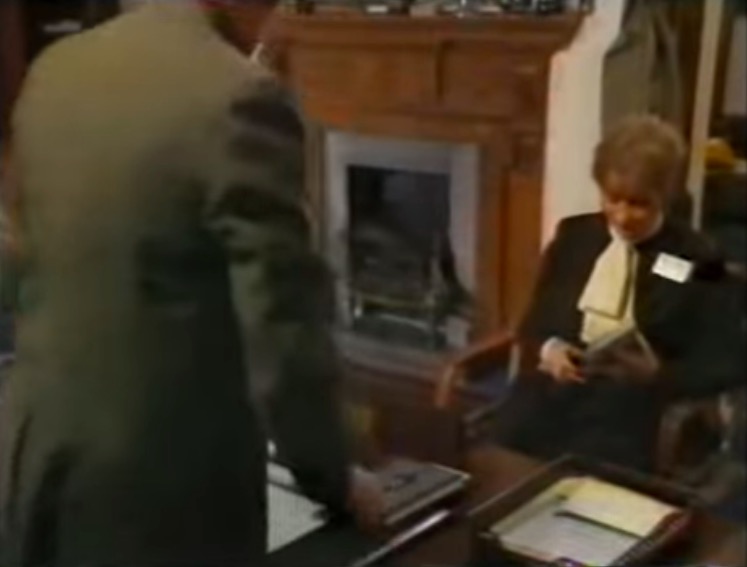
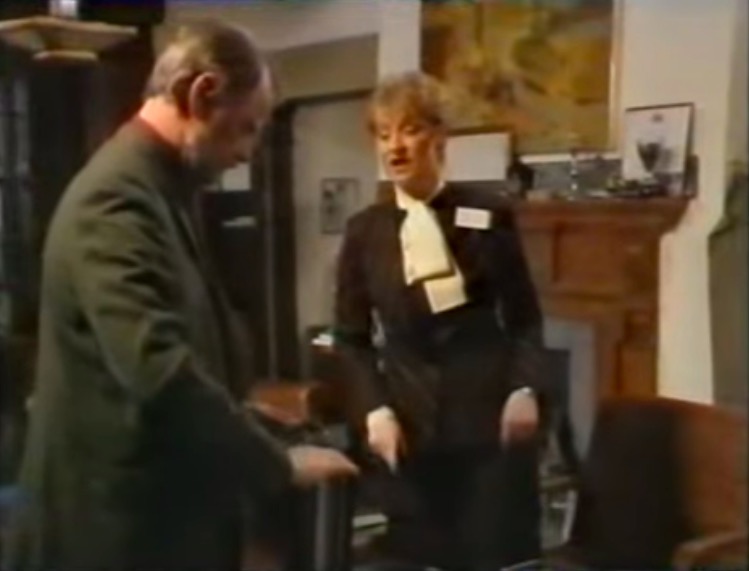
Play for Tomorrow – ‘Bright Eyes’ (BBC 1982)
Nuova X Line Chairl,
Niels Jørgen Haugesen
Magis Editions, Italy, 1977
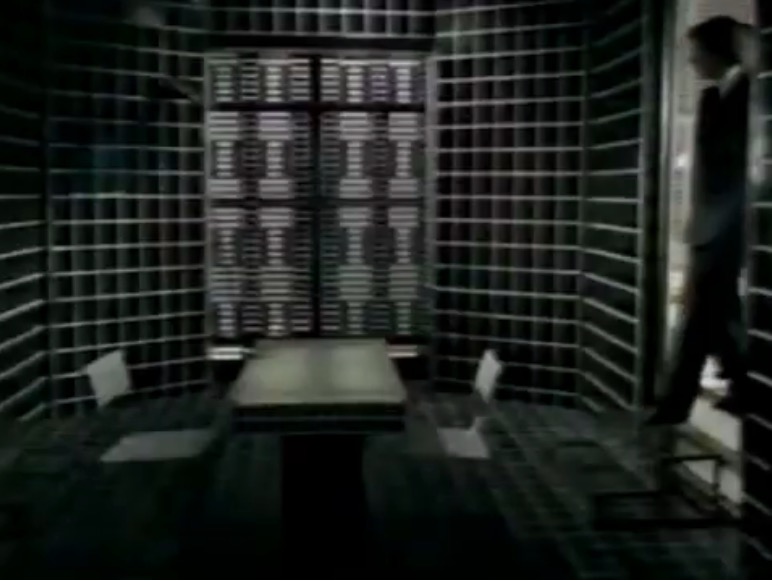
Play for Tomorrow – ‘Bright Eyes’ (BBC 1982)
Polo drawing stool
Paolo Parigi,
Parigi Heron, Italy, 1975
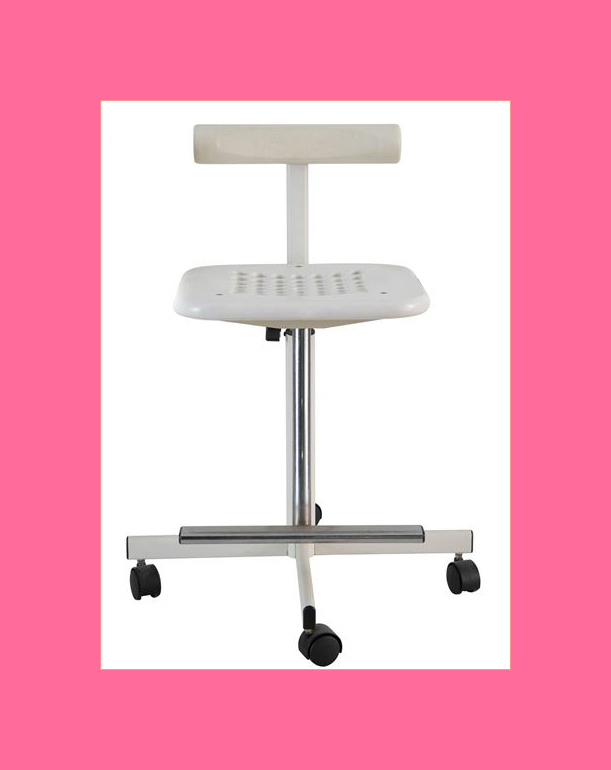
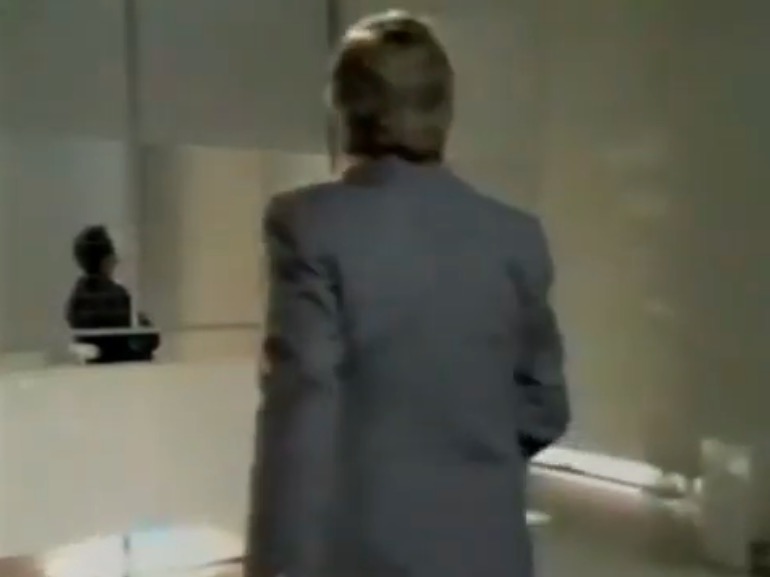
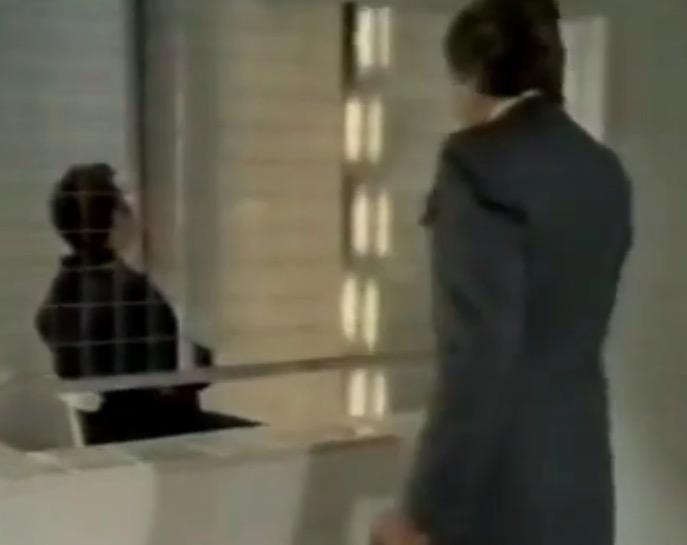
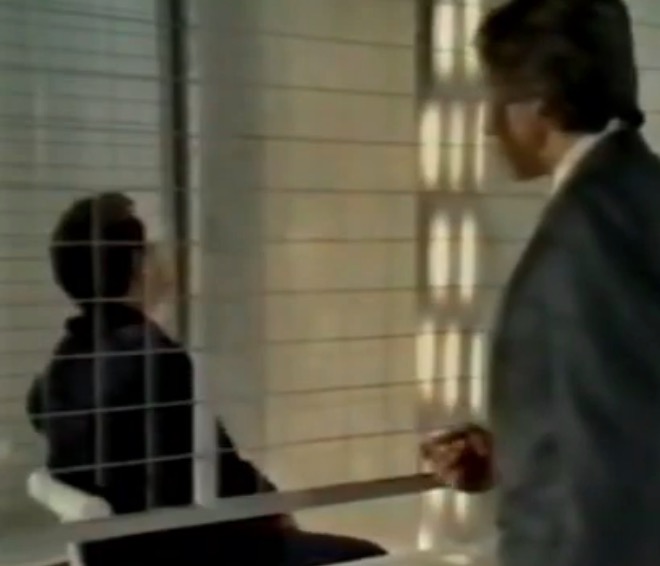
Play for Tomorrow – ‘Shades’ (BBC 1982)
DS-11 sofa
De Sede
Switzerland, 1970s
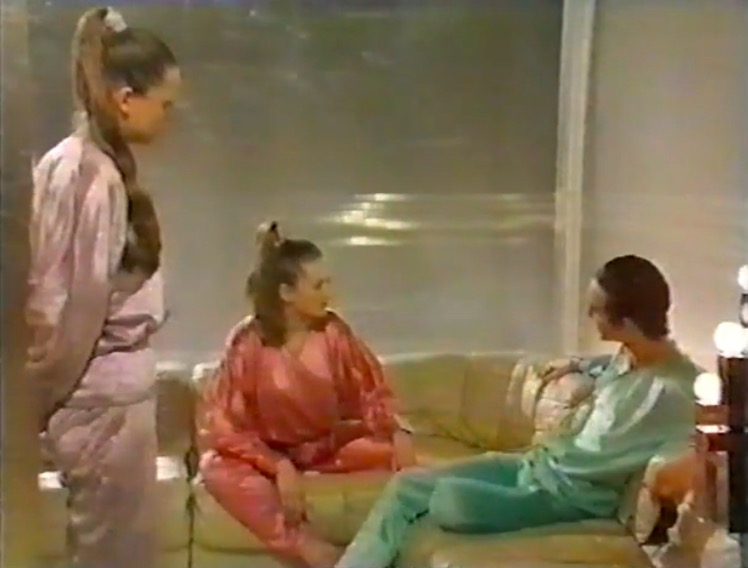
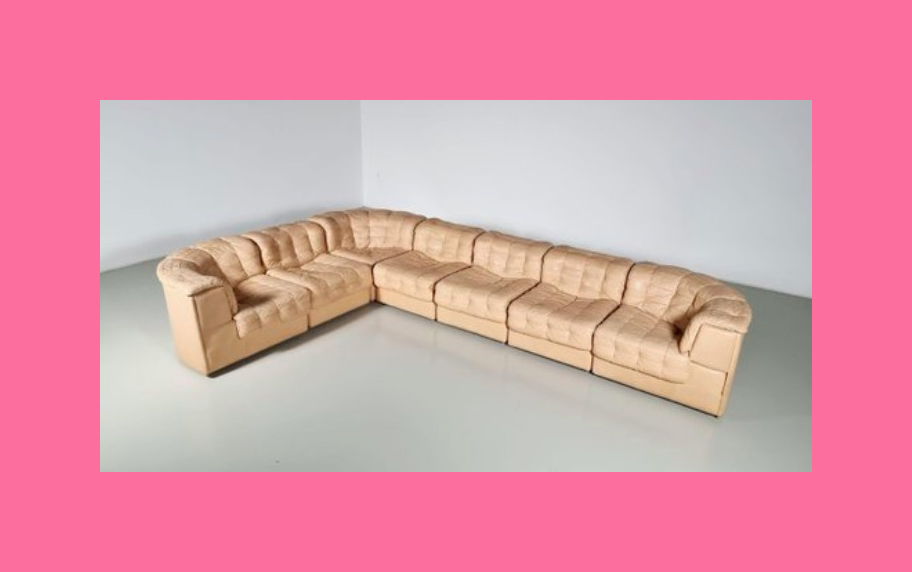
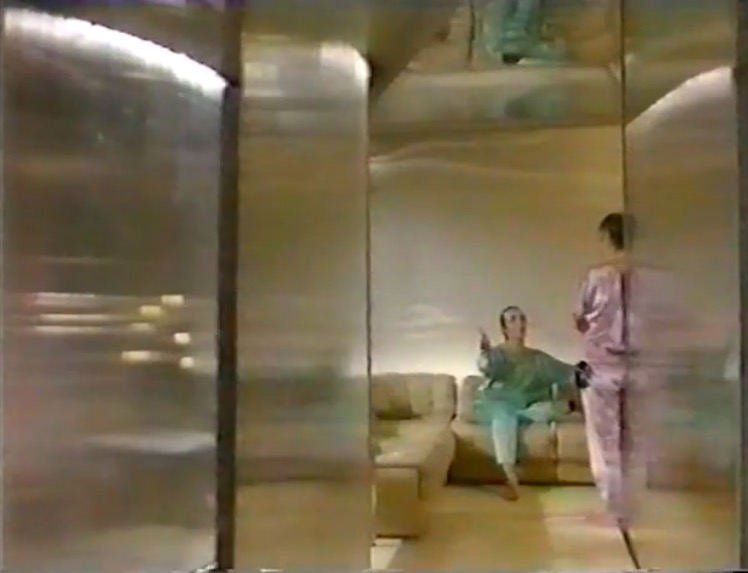
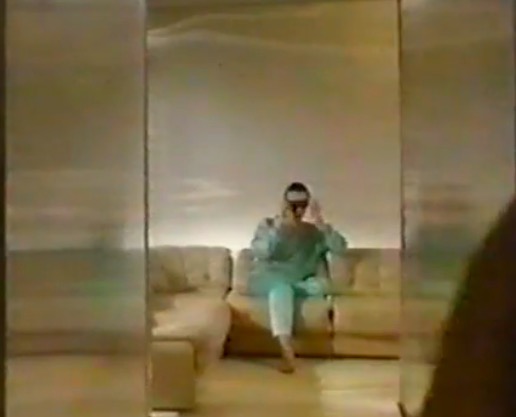
The Hitchhiker’s Guide to the Galaxy (BBC, 1981)
Vitramat 20 office chair.
Wolfgang Mueller Deisig 1976
Vitra, Switzerland, 1976
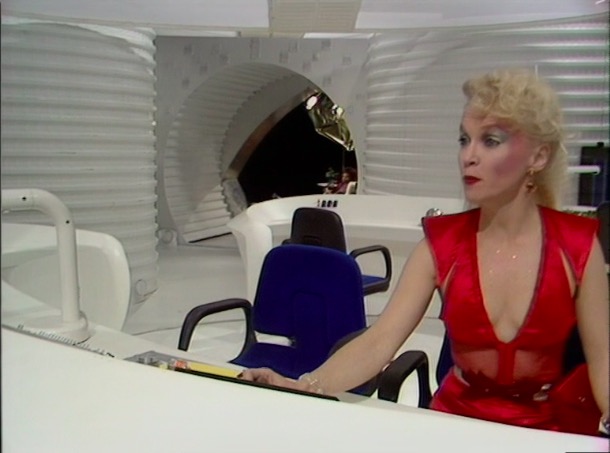
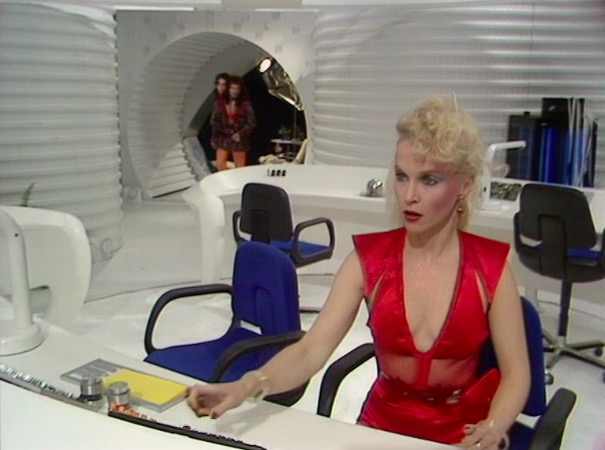
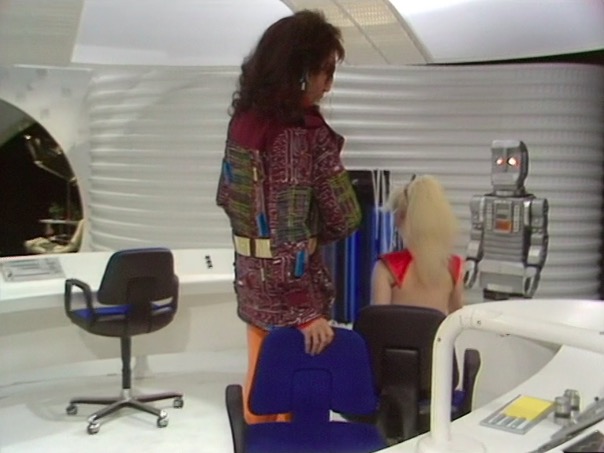
The Hitchhiker’s Guide to the Galaxy (BBC, 1981)
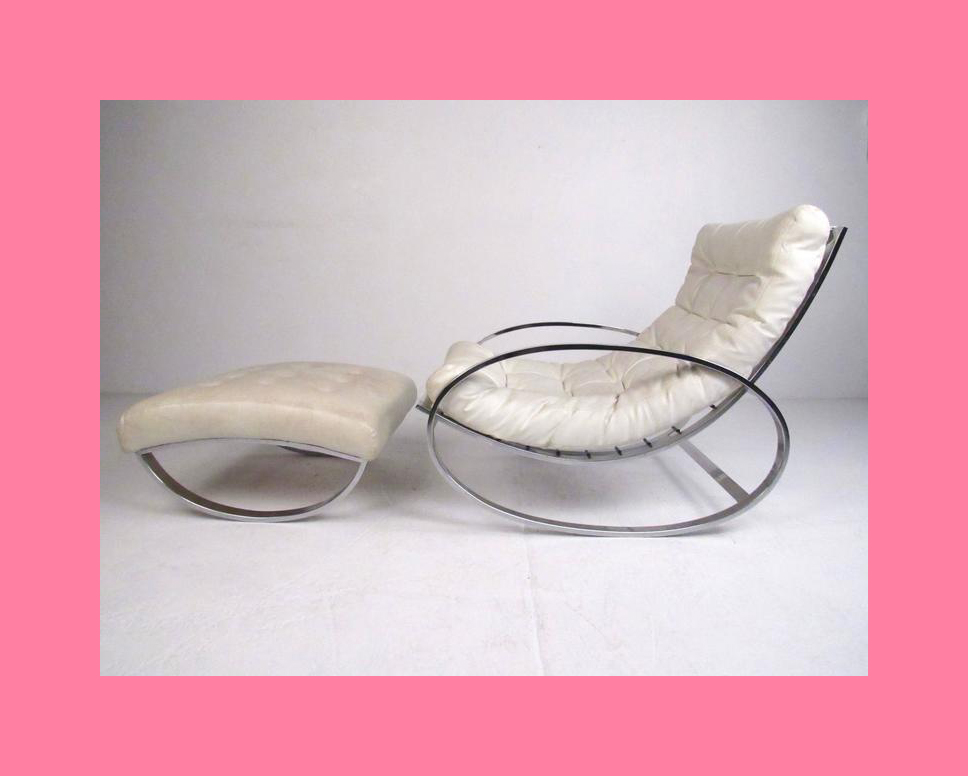
“Ellipse” rocker chair
Renato Zevi
Selig, Italy, 1970.
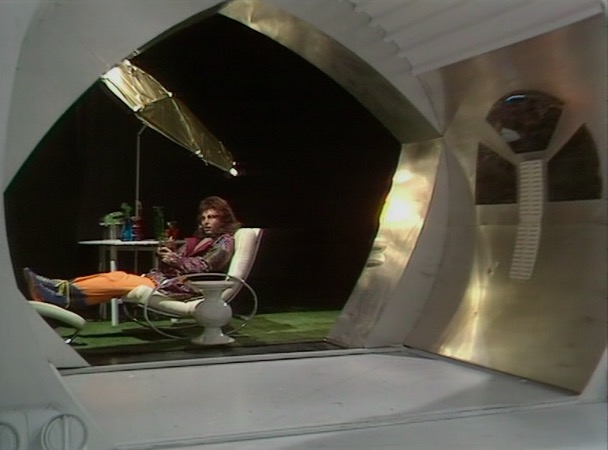
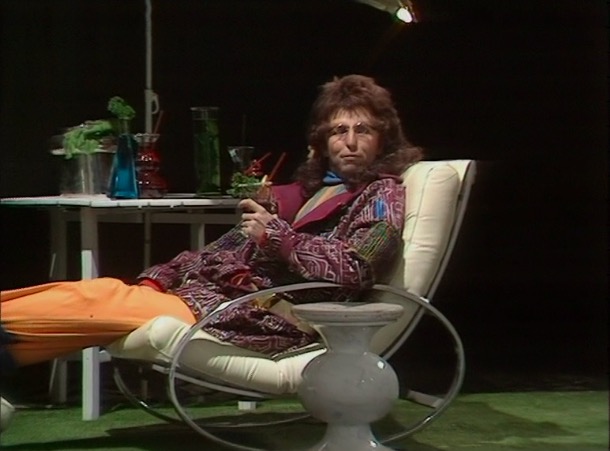
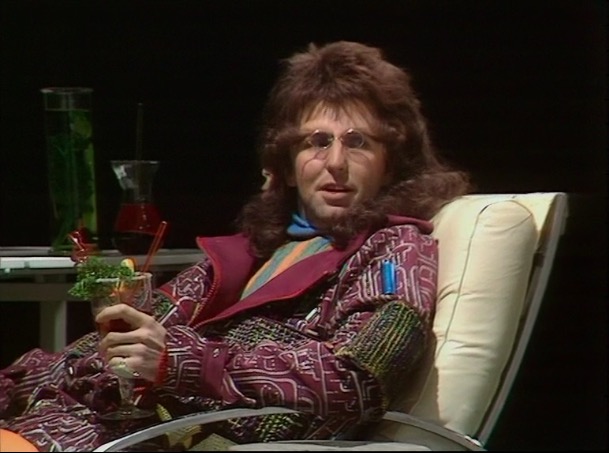
The Hitchhiker’s Guide to the Galaxy (BBC, 1981)
Tulip bar stools
Designer unknown
1970s.
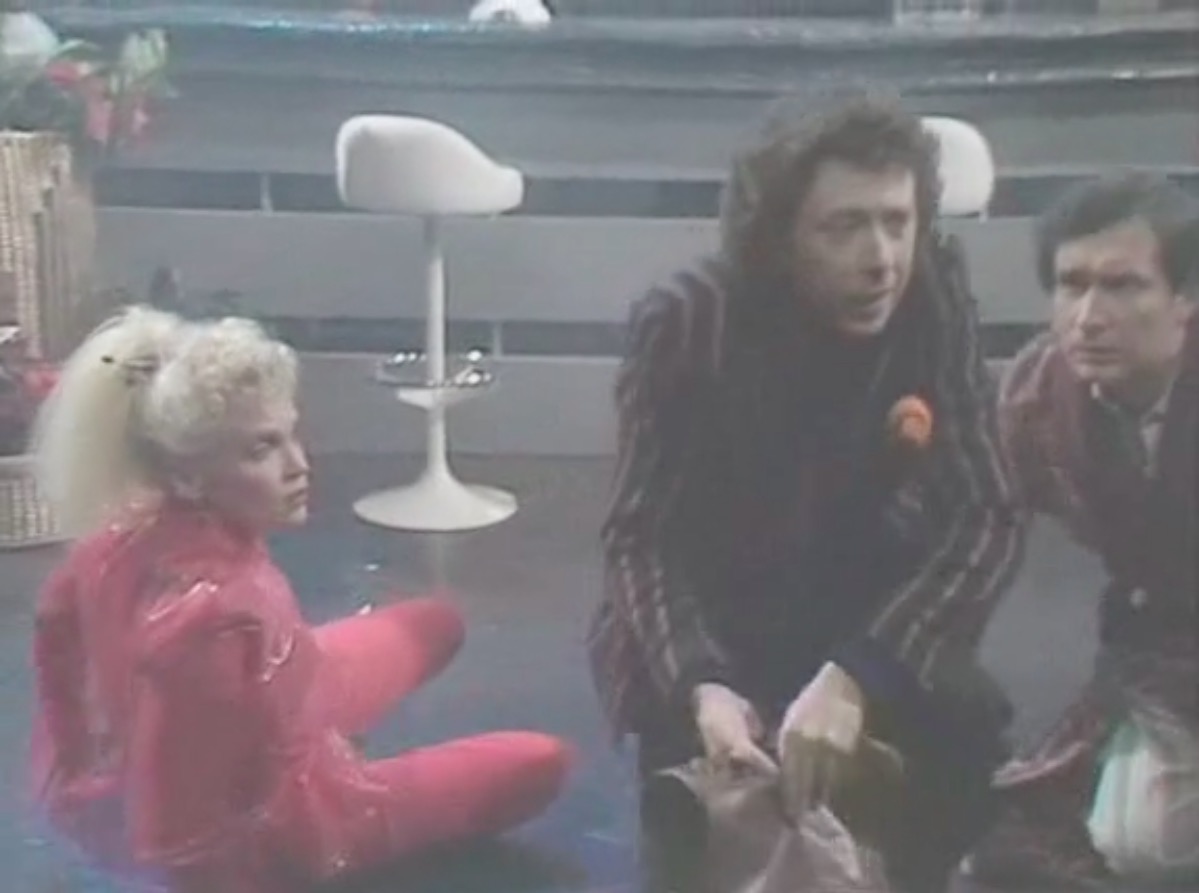
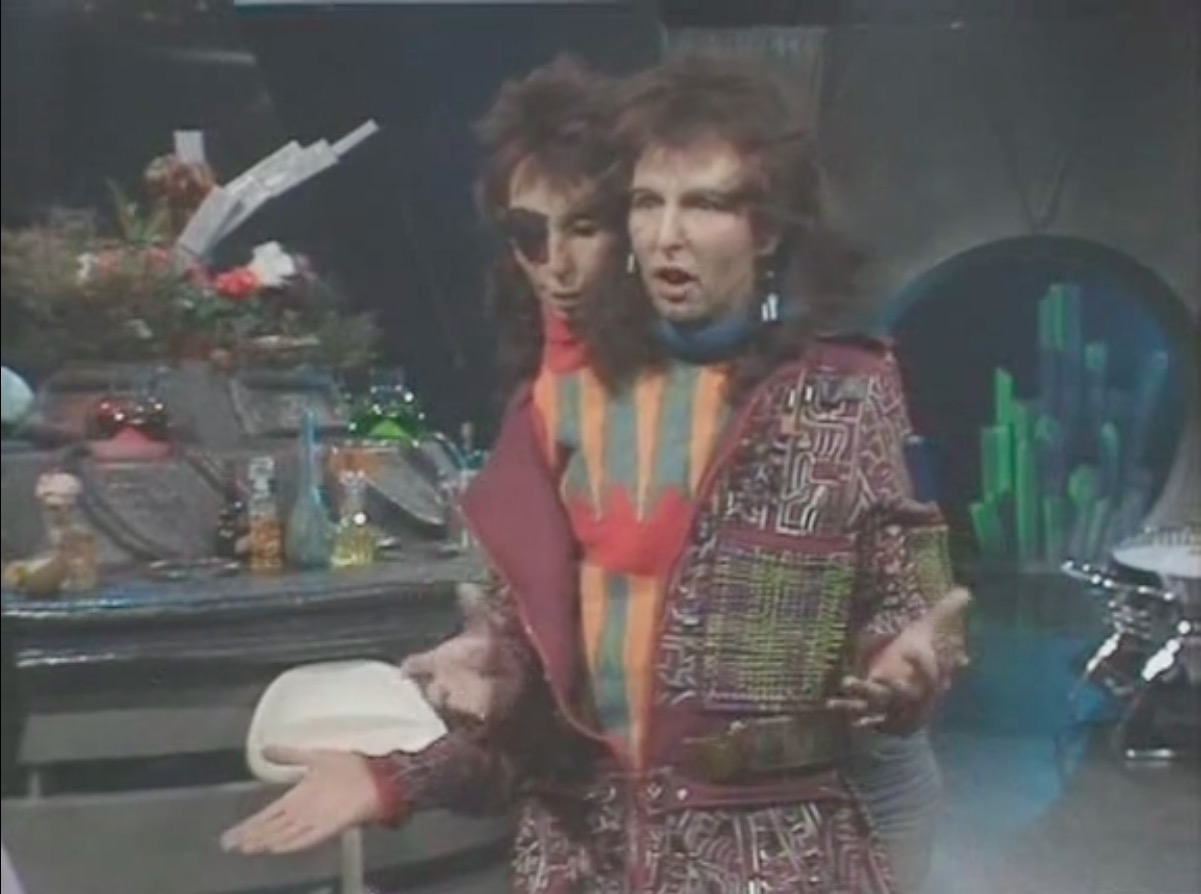
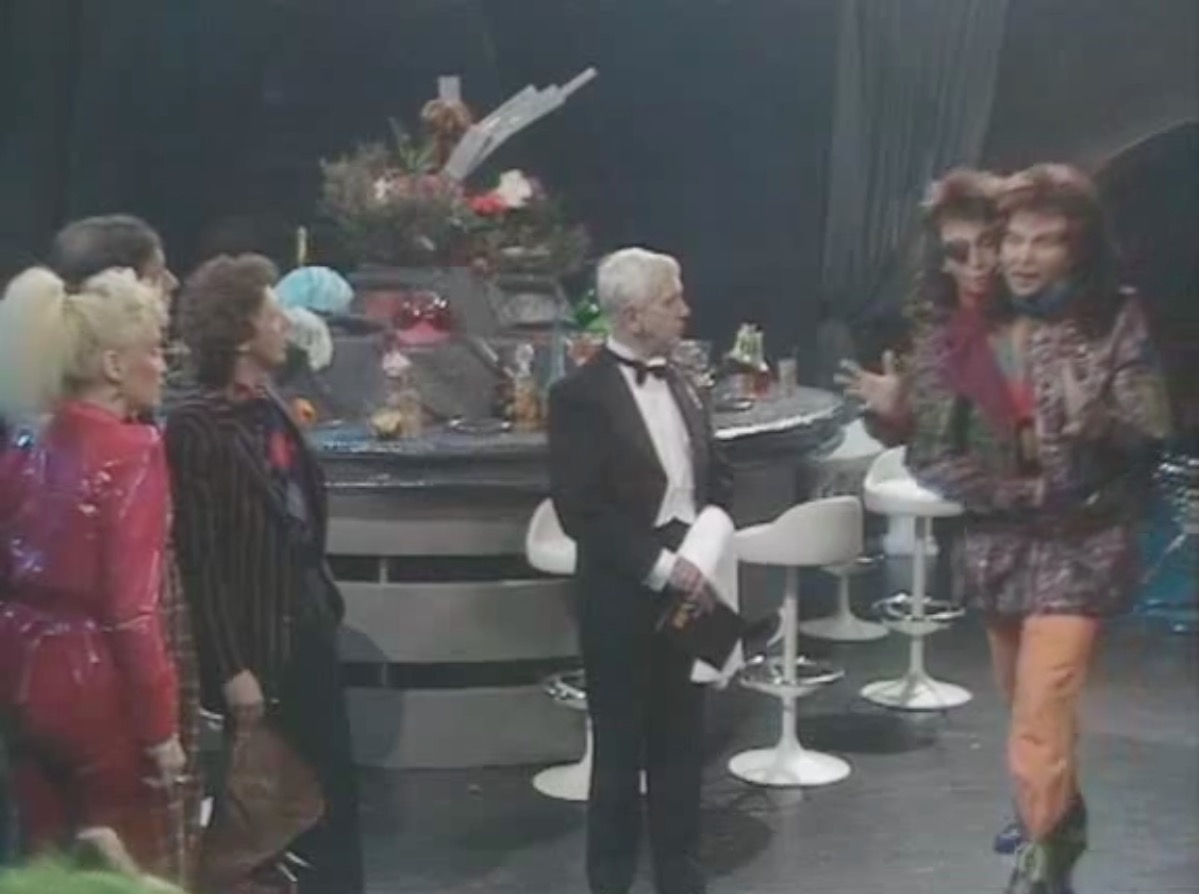

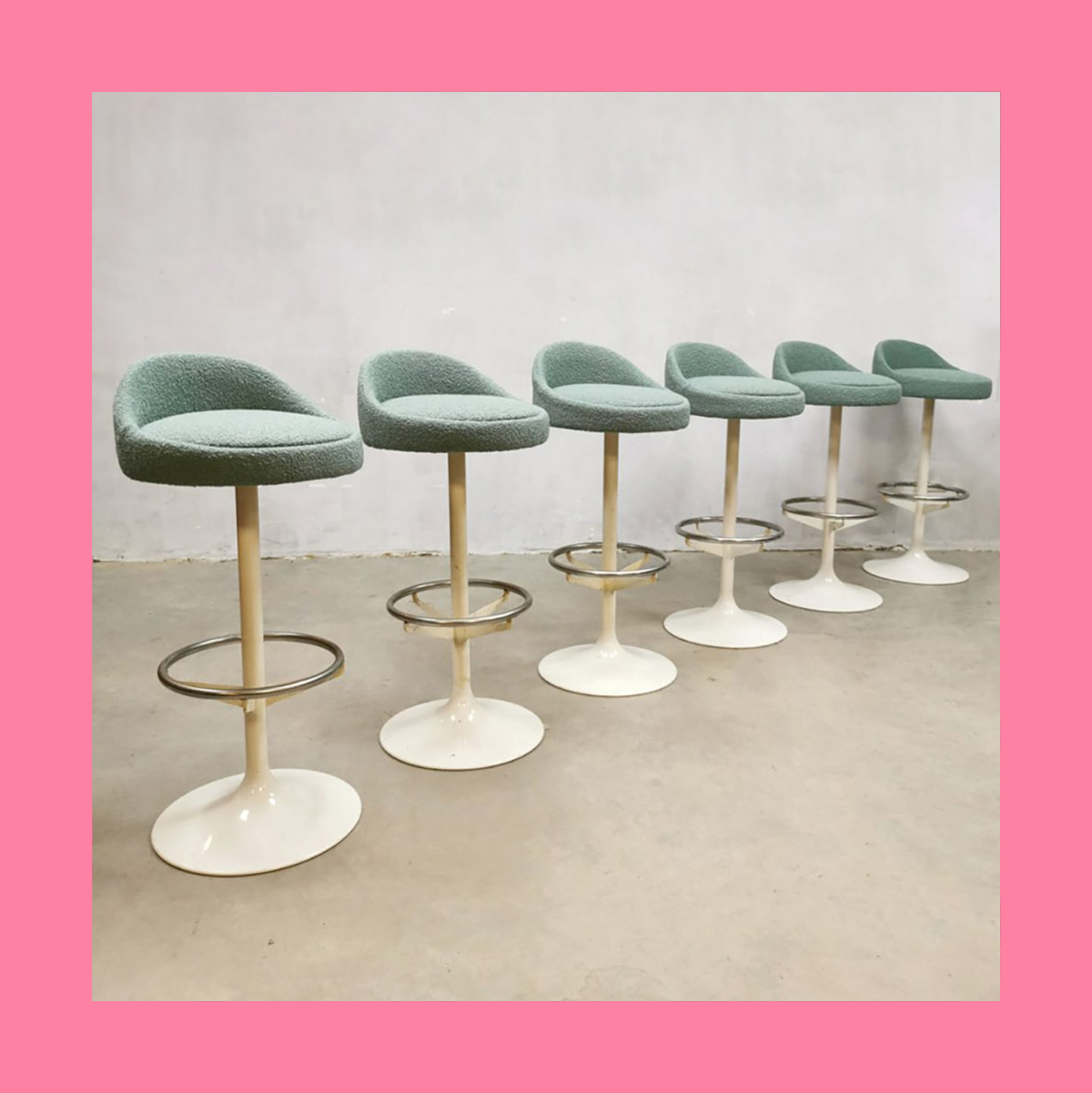
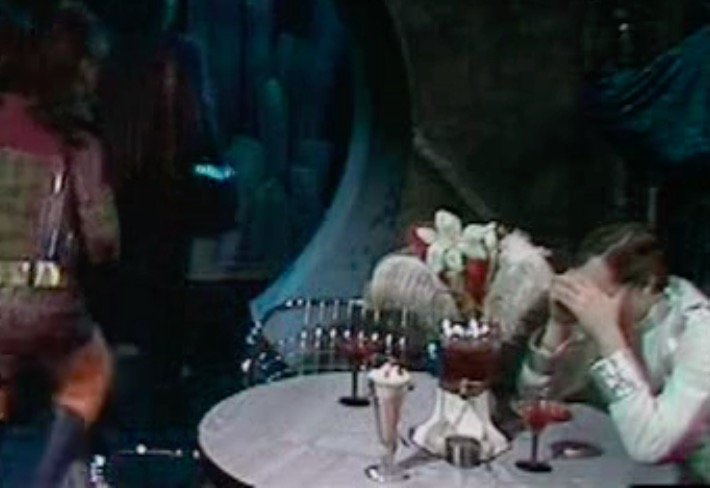
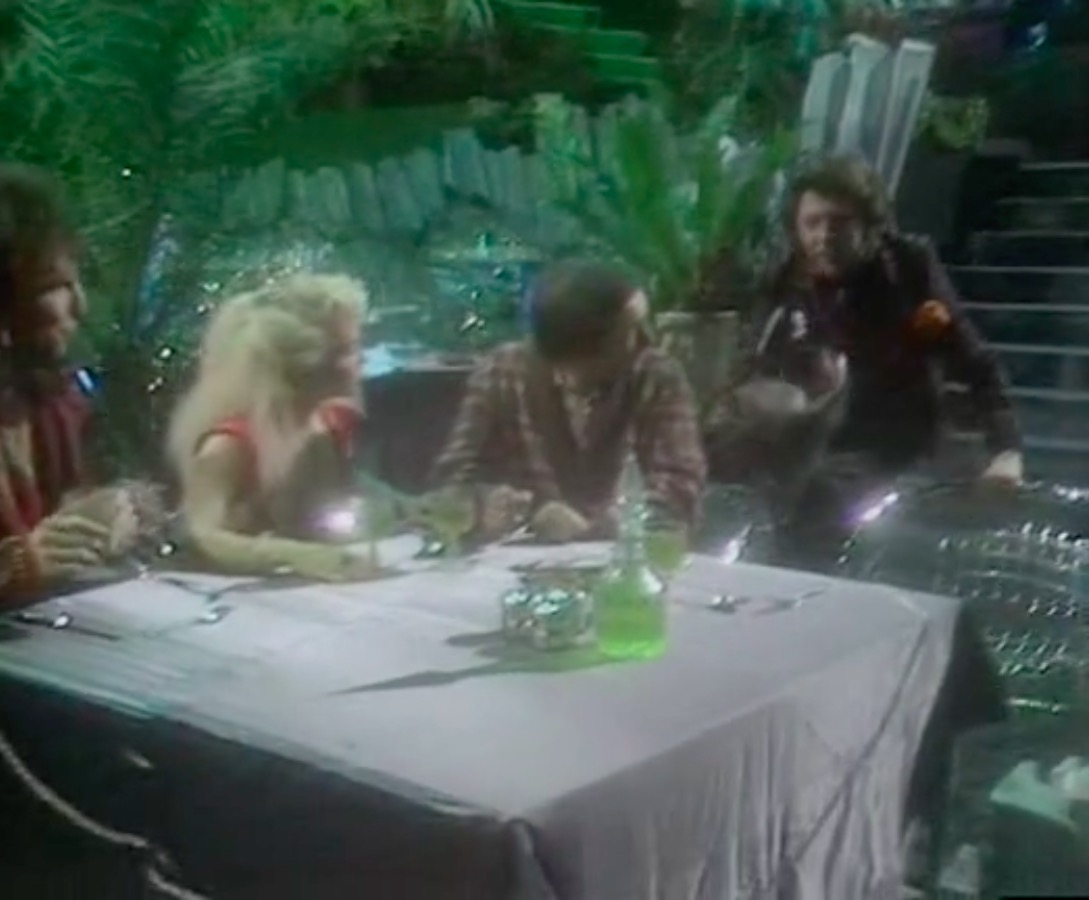
The Hitchhiker’s Guide to the Galaxy (BBC, 1981)
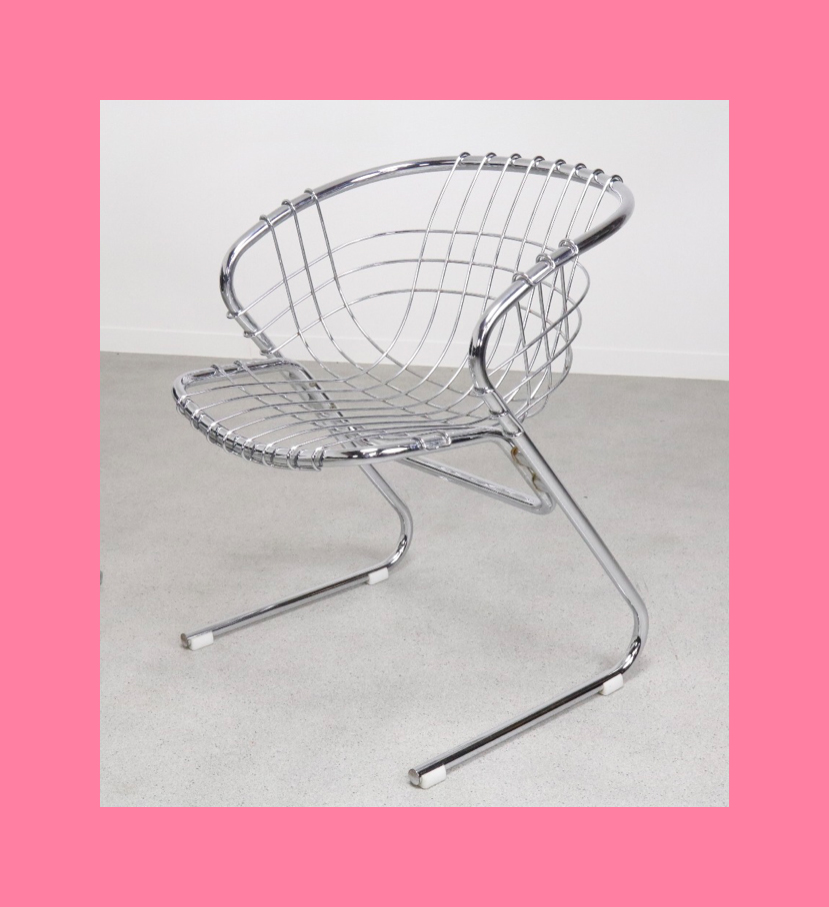
Flynn dining chairs
Gastone Rinaldi
Thema, Italy, 1970

The Hitchhiker’s Guide to the Galaxy (BBC, 1981)
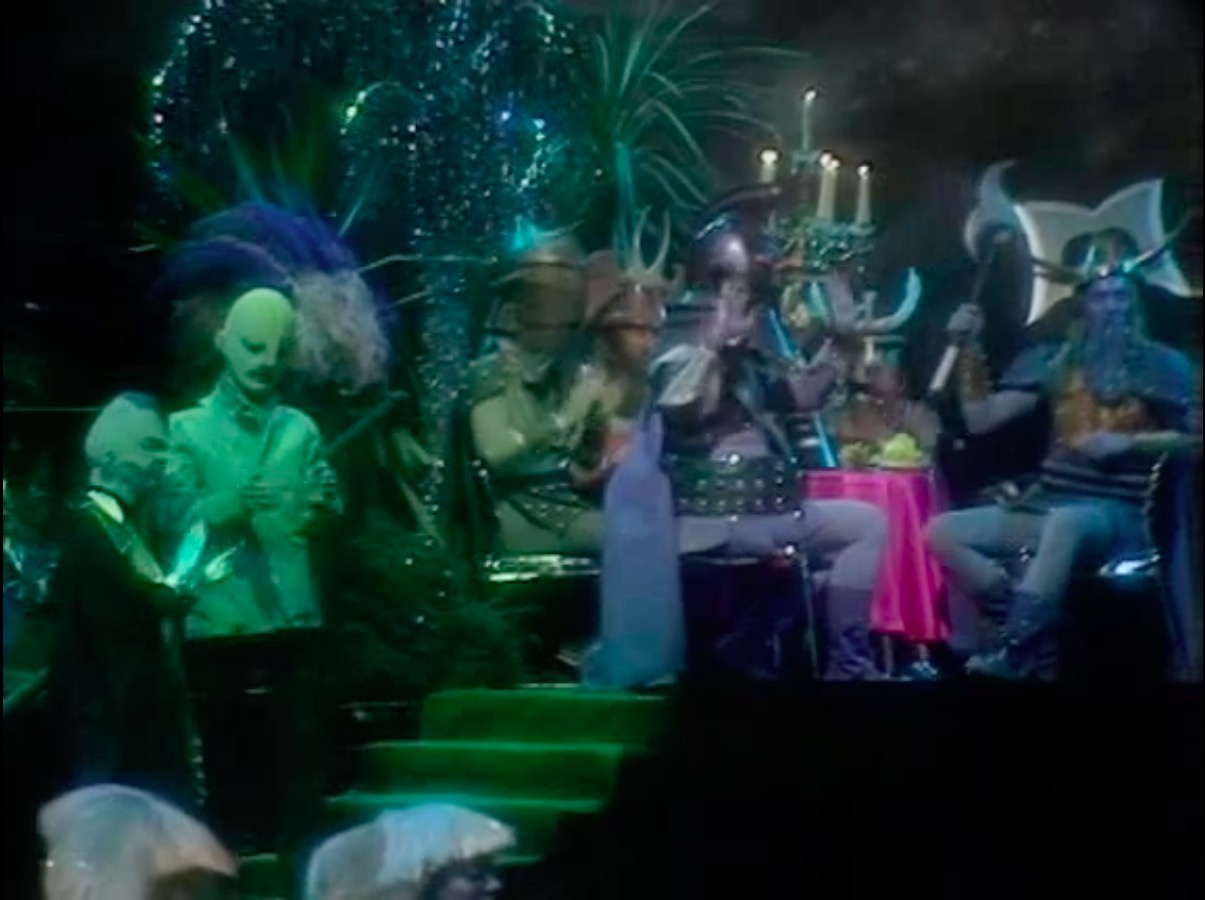
Omkstak
Rodney Kinsman
Bieffeplast, Italy, 1971
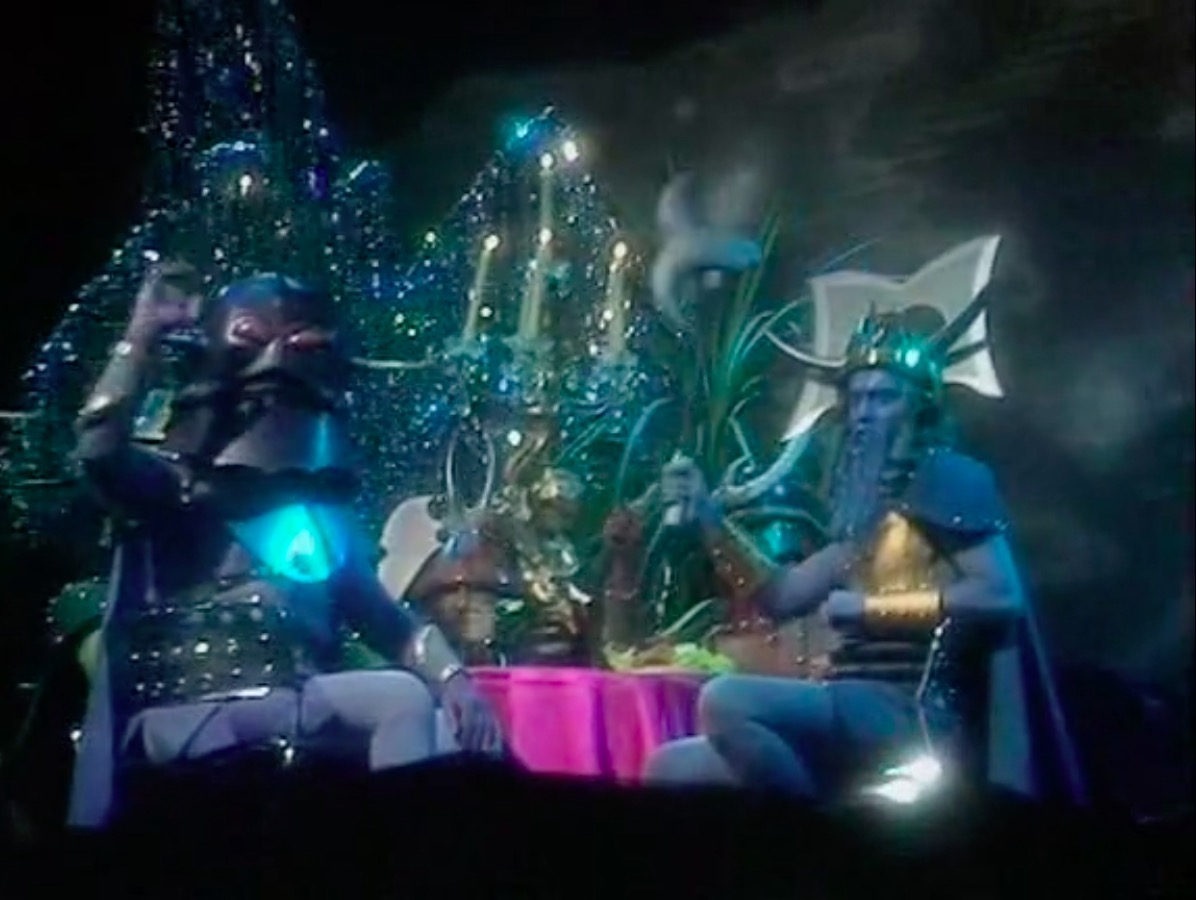
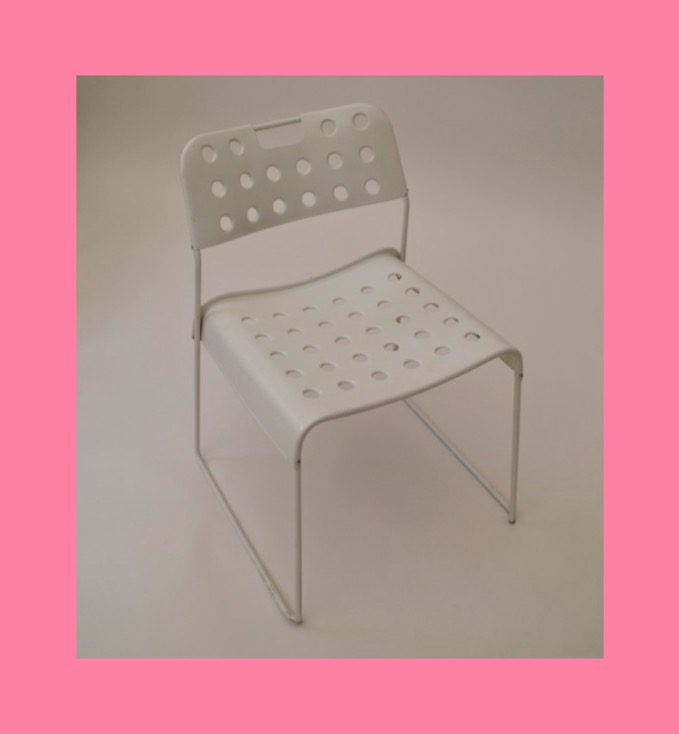
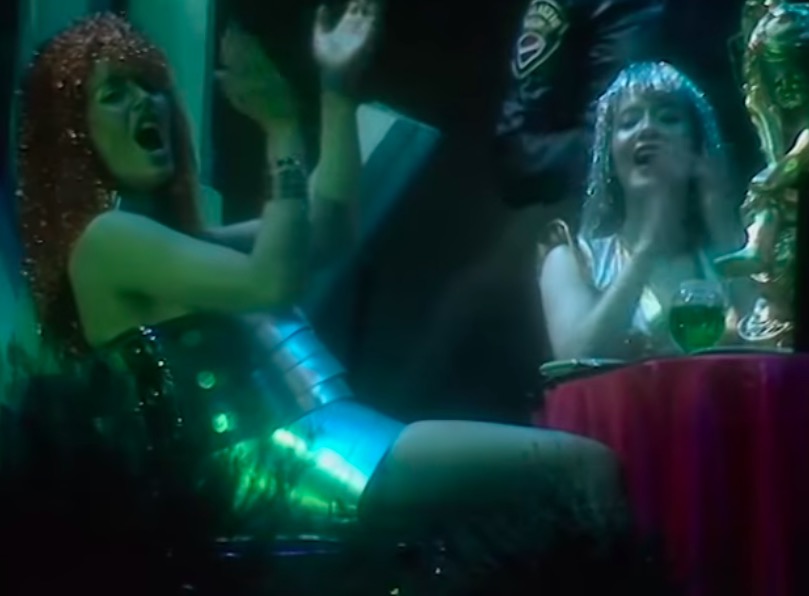
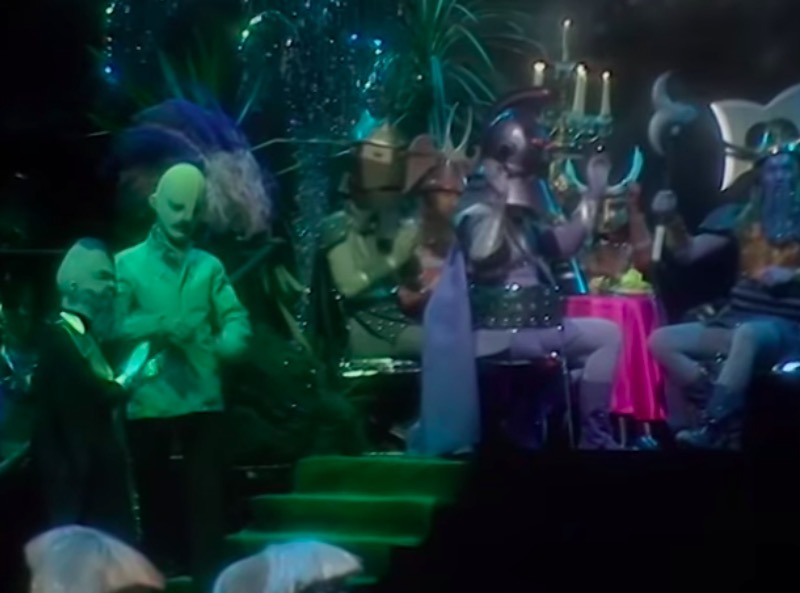
The Hitchhiker’s Guide to the Galaxy (BBC, 1981)
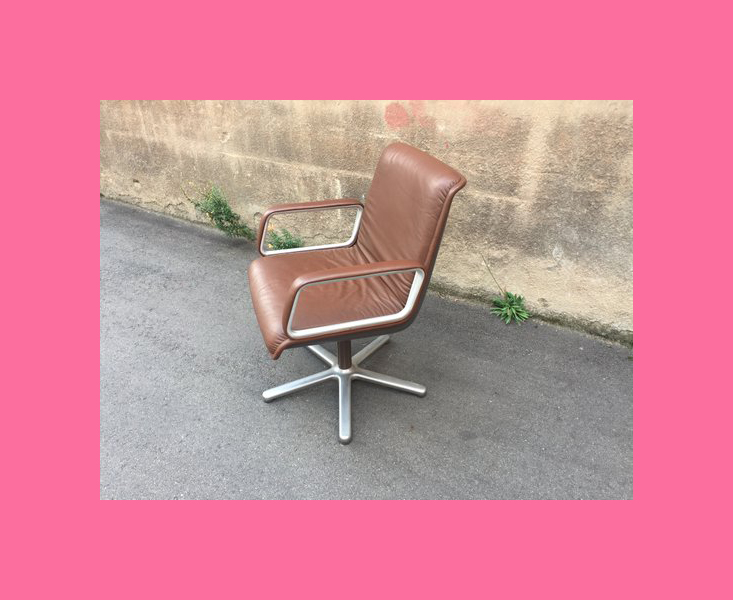
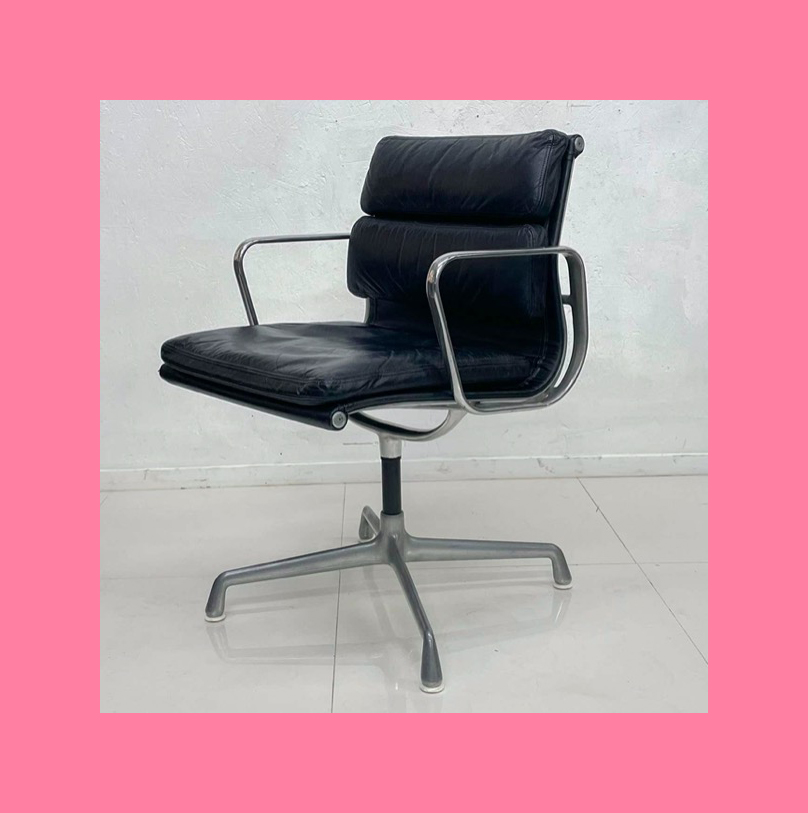
Eames soft pad management side office chair
Charles and Ray Eames.
Herman Miller, USA, 1970’s
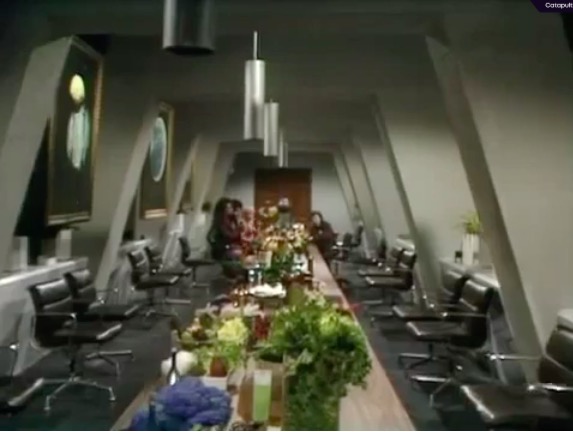
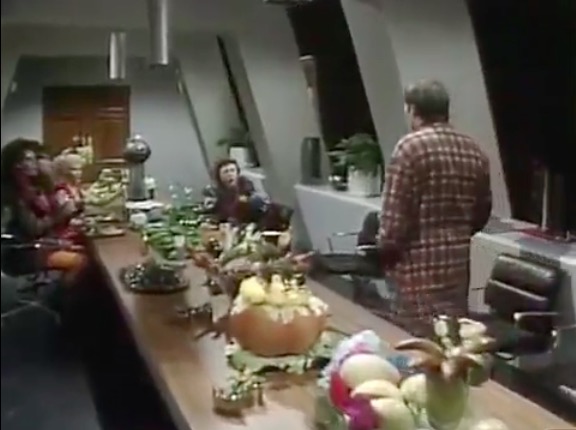
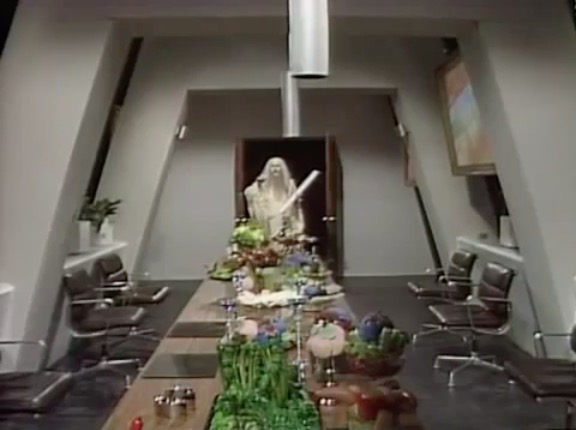
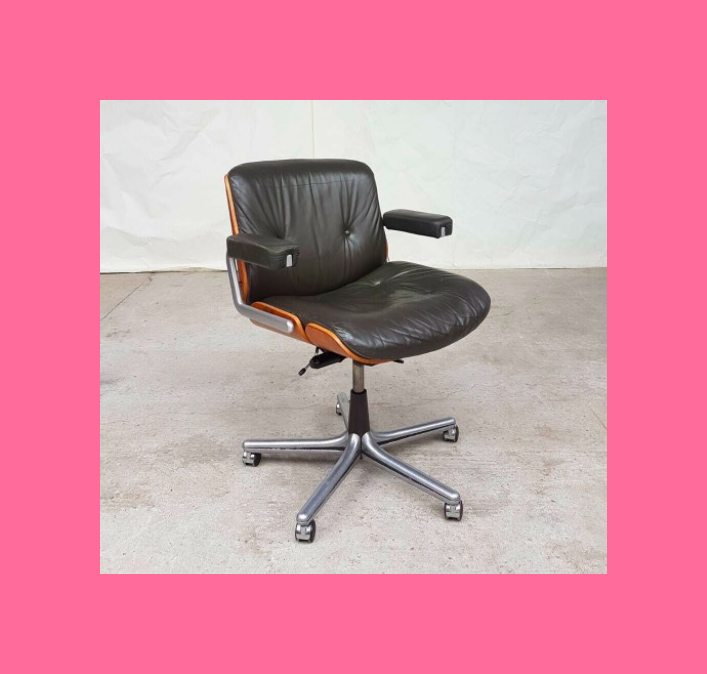
Artemis 81 (BBC Pebble Mill, 1981)
Stoll Giroflex Leather Office Swivel Chair
Karl Dittert
Stoll, Switzerland, 1970s
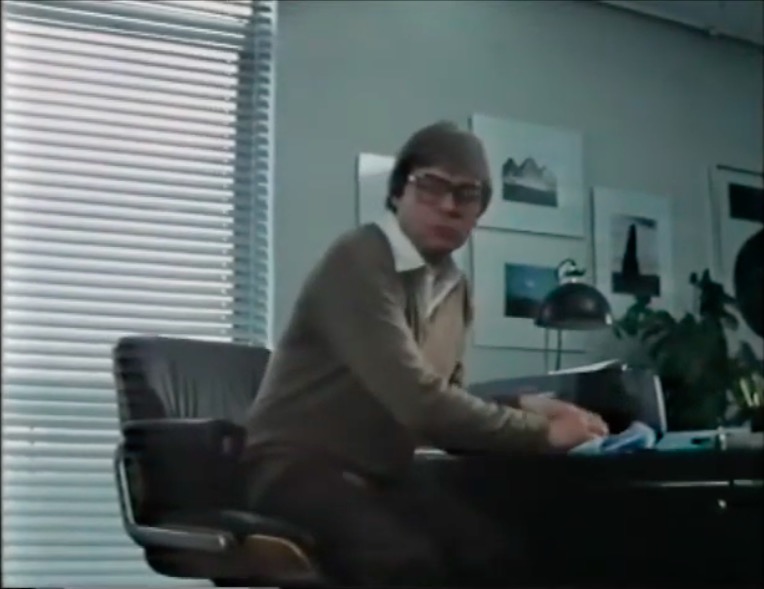
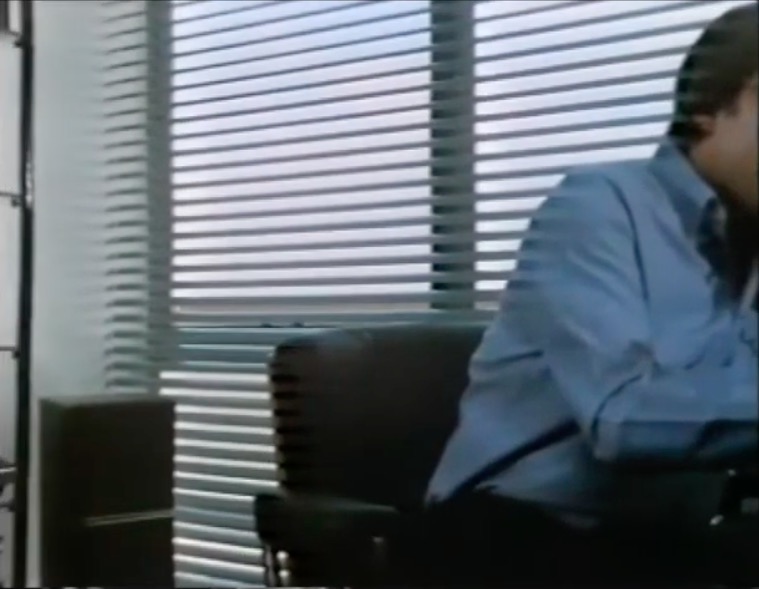
Dramarama: The Universe Downstairs (ITV, 1984)
Rattan dining chairs
Axel Enthoven
Rohé Noordwolde, Netherlands, 1970s.
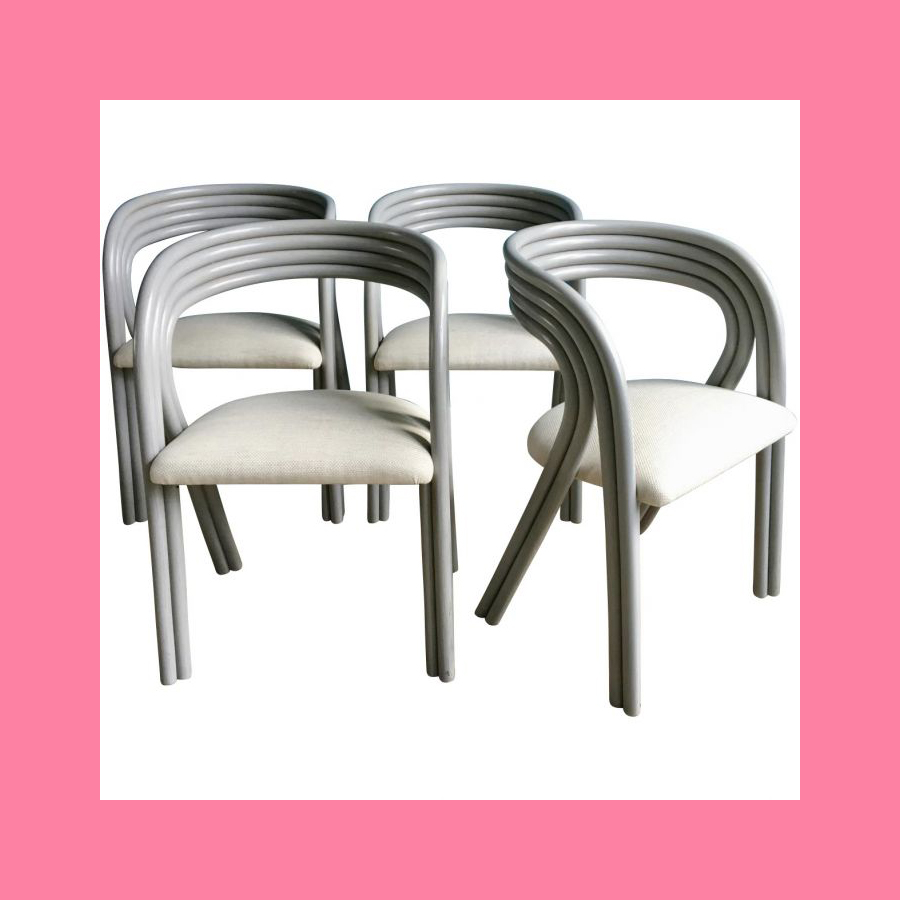
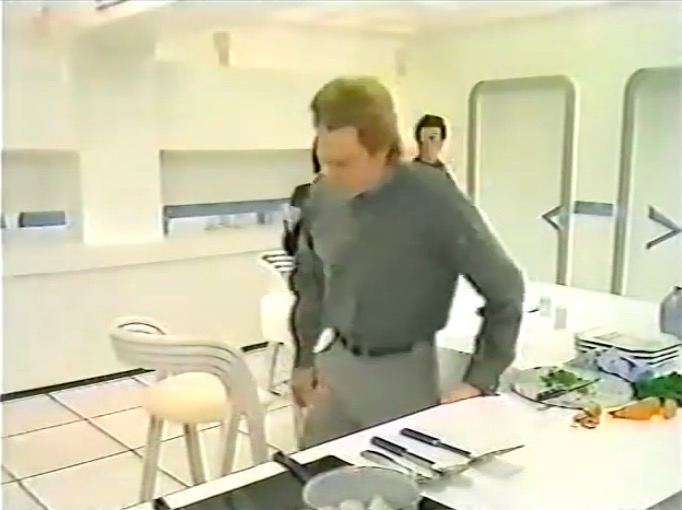
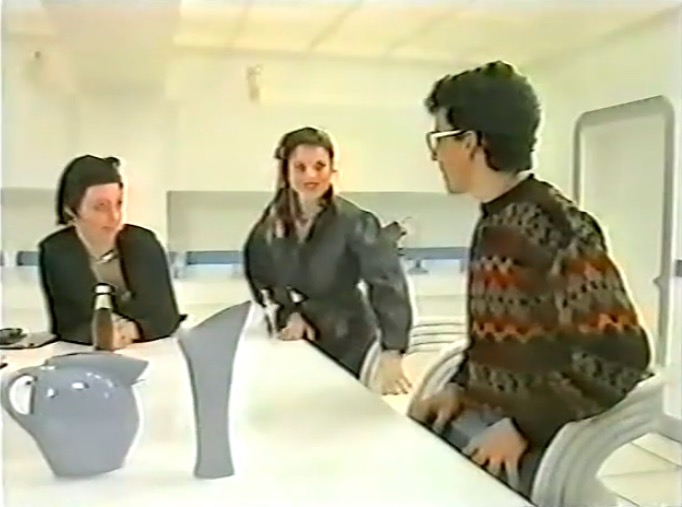
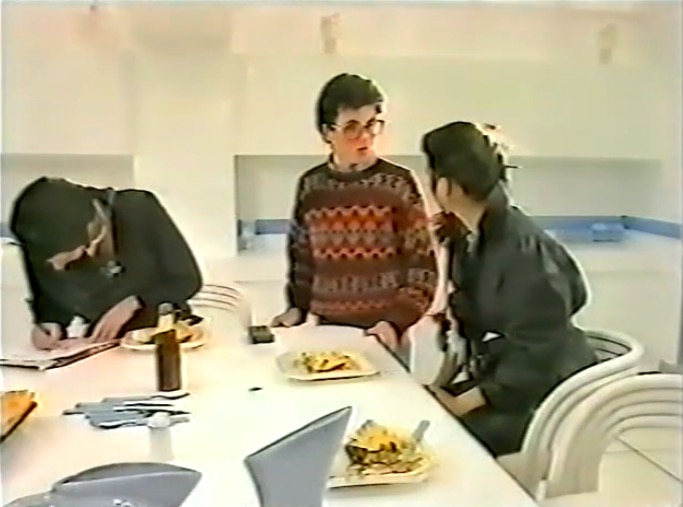
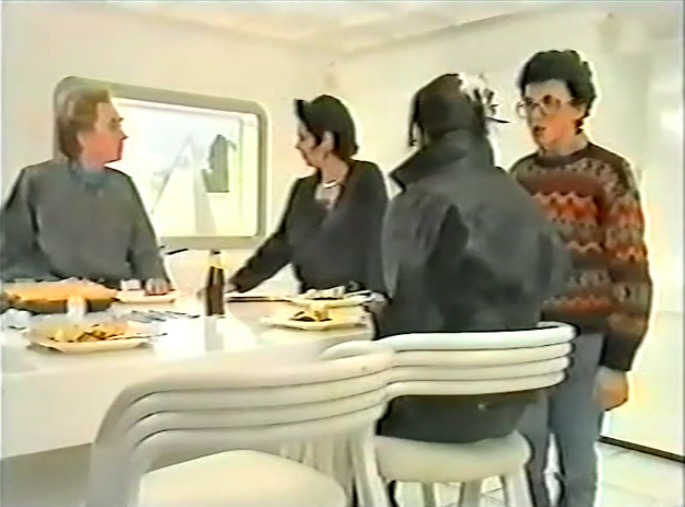
Galloping Galaxies (BBC, 1985-86)
Dafne stools.
Gastone Rinaldi
Thema, Italy, 1980’s
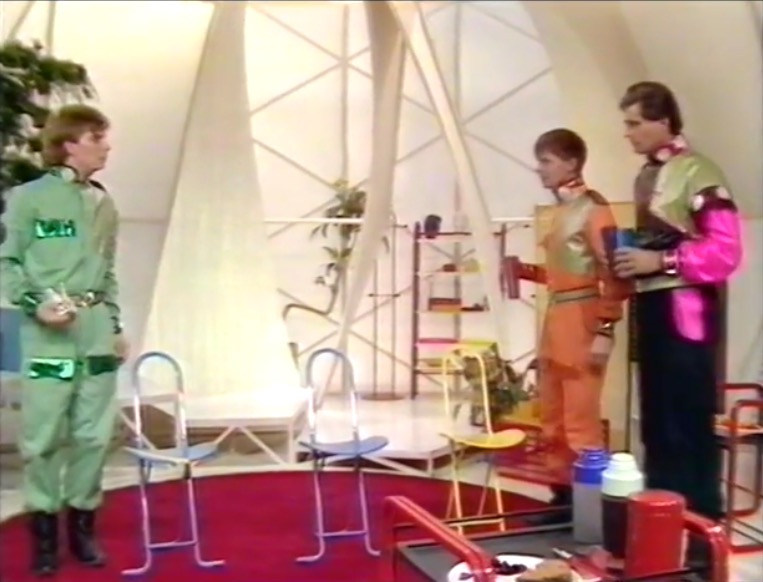
Galloping Galaxies (BBC, 1985-86)
Quadra Chair
Gigante, Zambusi and Boccato
Seccose, Italy, 1980s
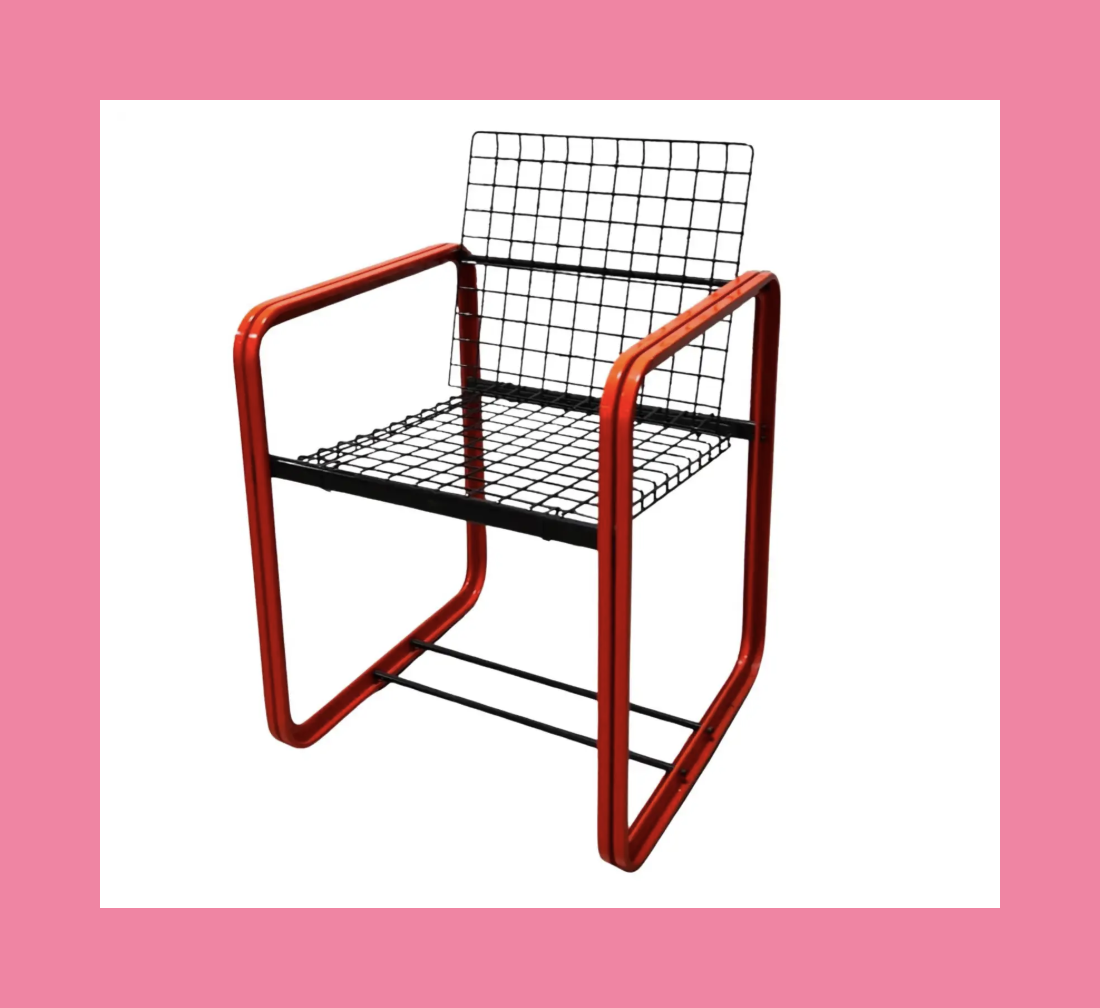

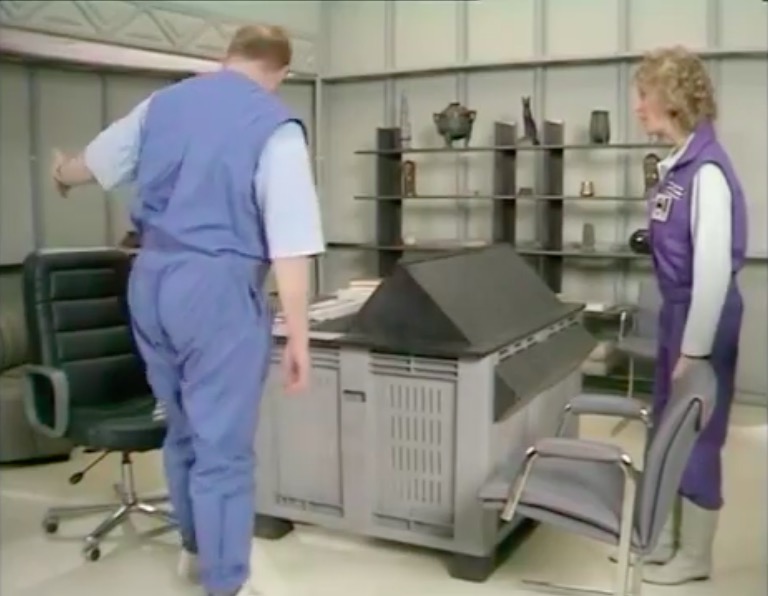
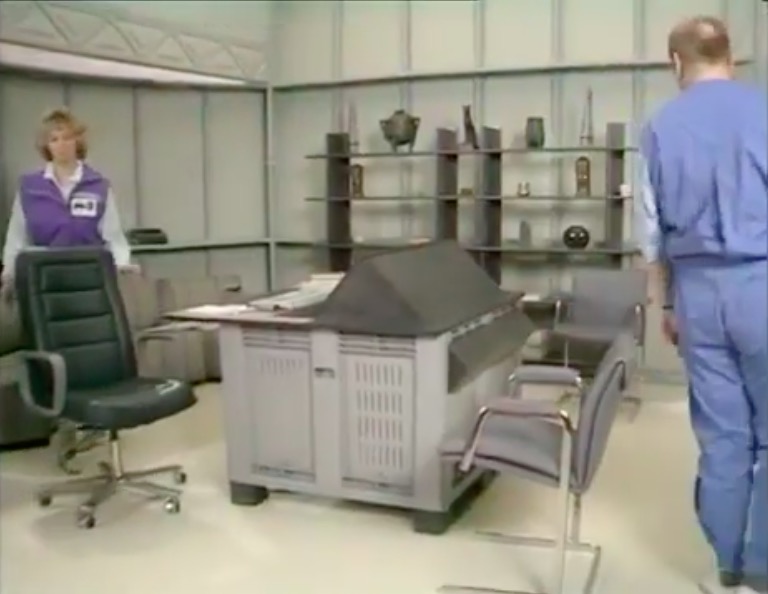
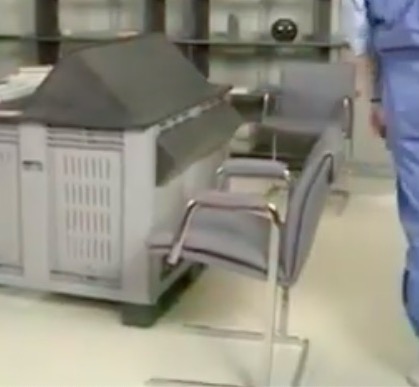
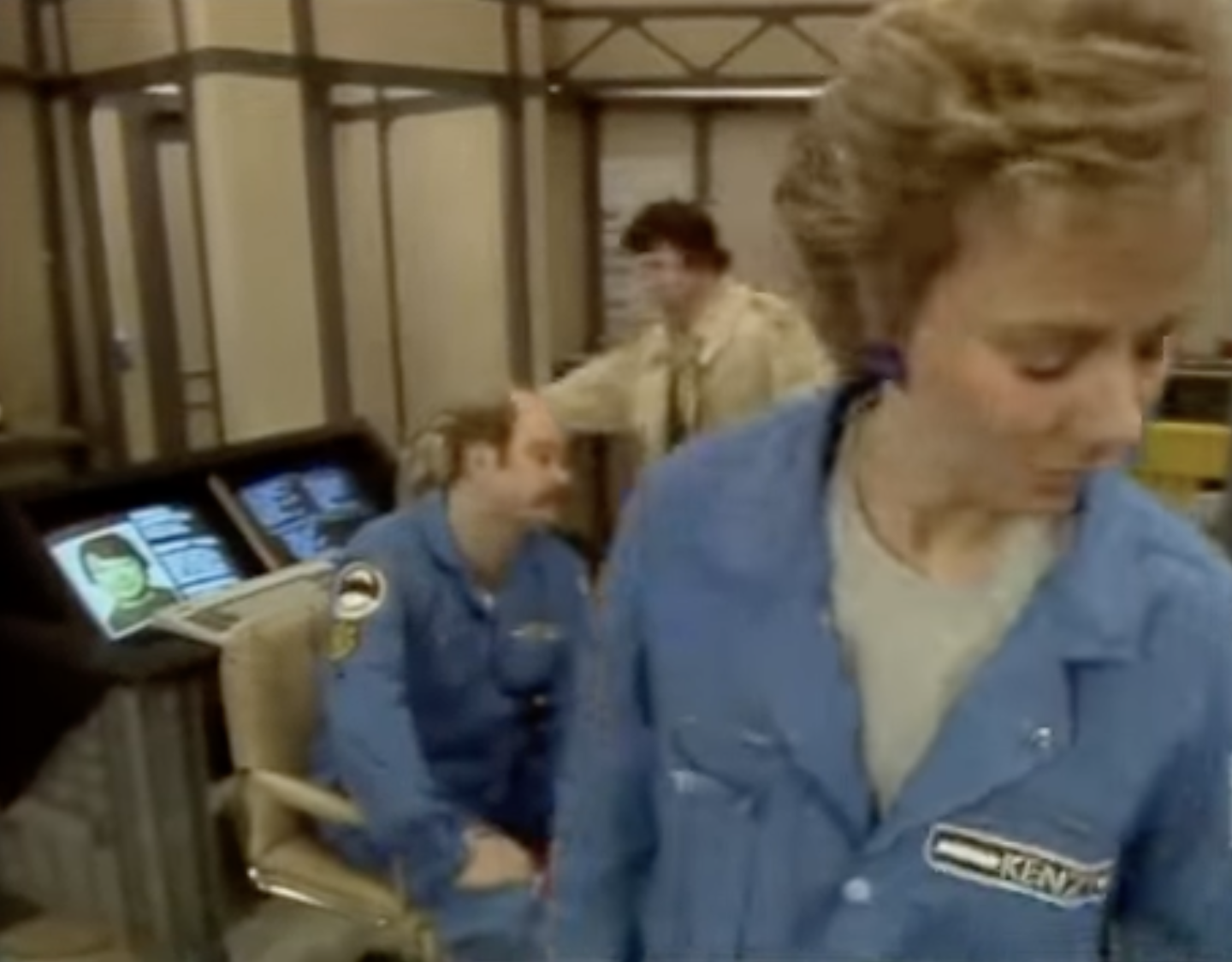
Star Cops (BBC 1987)
Delphi boardroom chair
Designer unknown
Boss Design, UK, 1970s
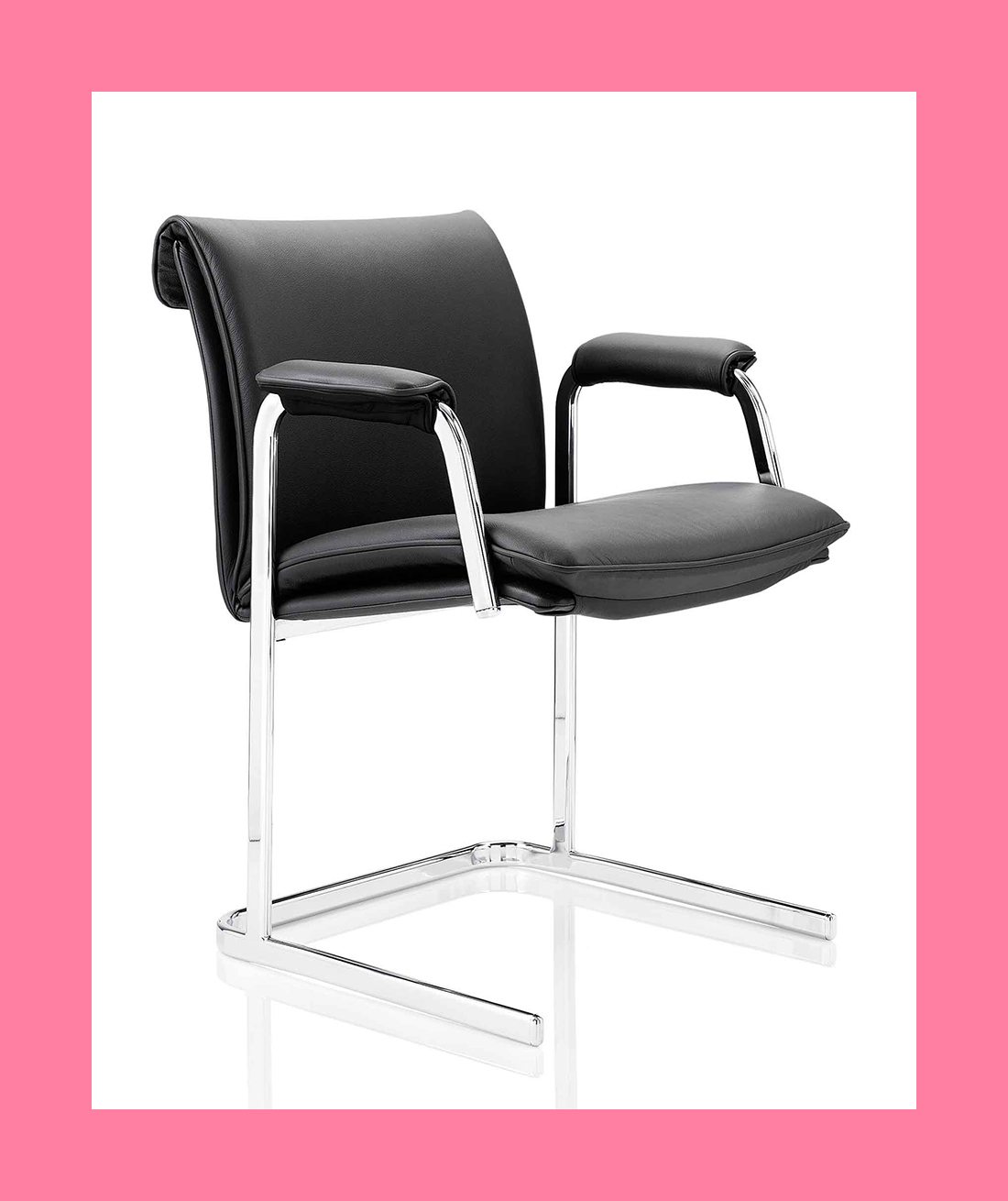
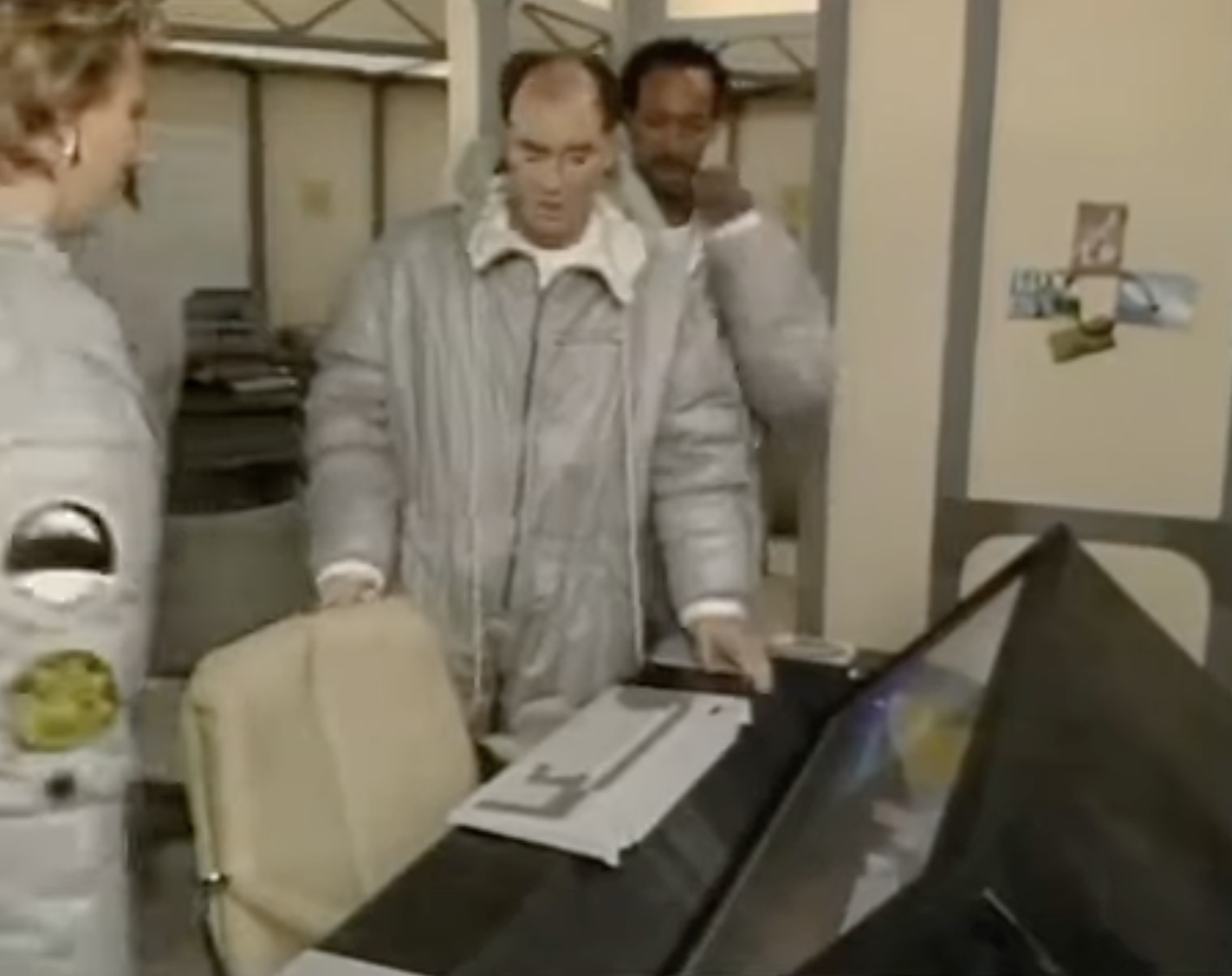
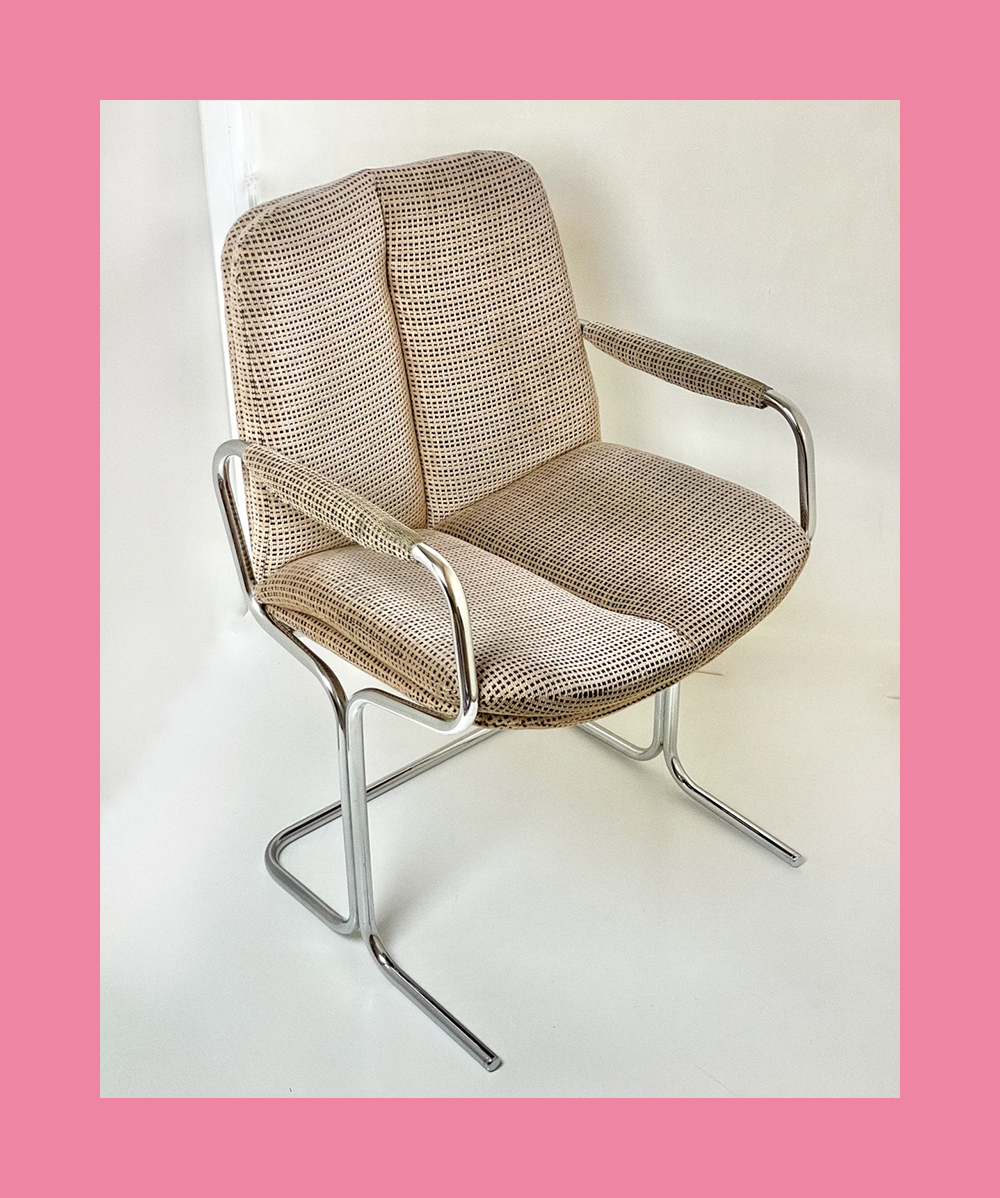
Star Cops (BBC 1987)
Pieff Eleganza office chair.
Tim Bates
Pieff, UK, 1970


(1) https://www.ramonesteve.com/en/manufacturing-the-interior/designing-as-addition-in-jorn-utzon/
https://catacombs.space1999.net/plus/sm/starmaidens.html
 Pink for your actual Pterodactyl
Leave a comment