Have you ever whiled away days, months, or years, wondering about the provenance of various artifacts seen in the first 26 seasons of Doctor Who? The Pirate Captain’s aircar? Ace’s ghetto blaster? The Doctor’s yo-yo? A ice bucket shaped as a Curling Stone in a Parisian cafe?
Maybe, just maybe, you have. We’re all collectors.
This page is full of things. Not custom props, but things.
There are plenty of categories to choose from as you scroll down. Dip in, and have fun!
TELEPHONES AND COMMUNICATIONS
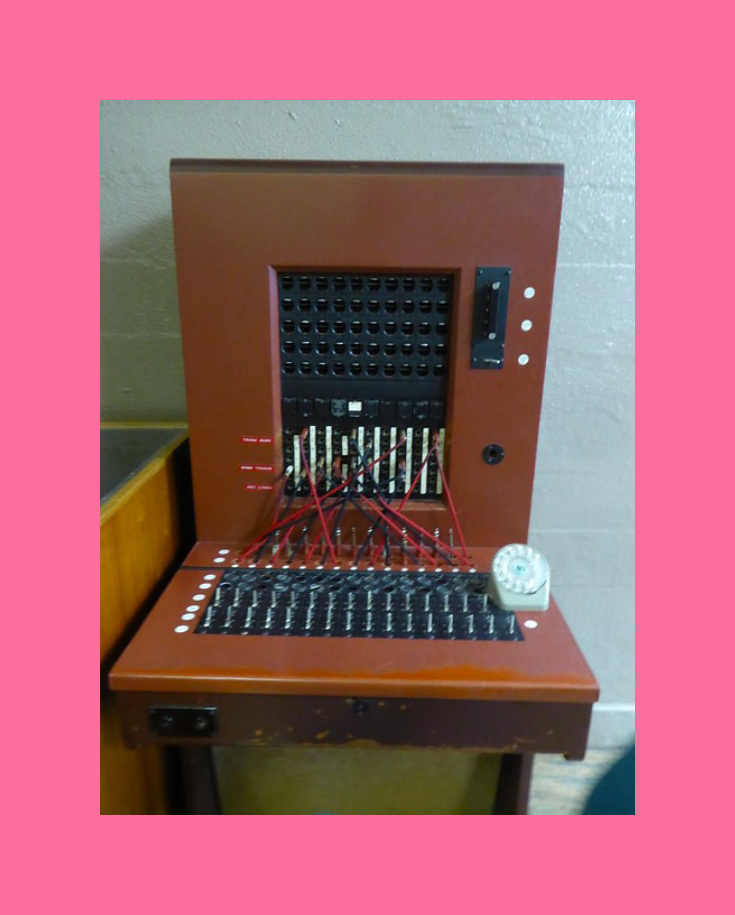
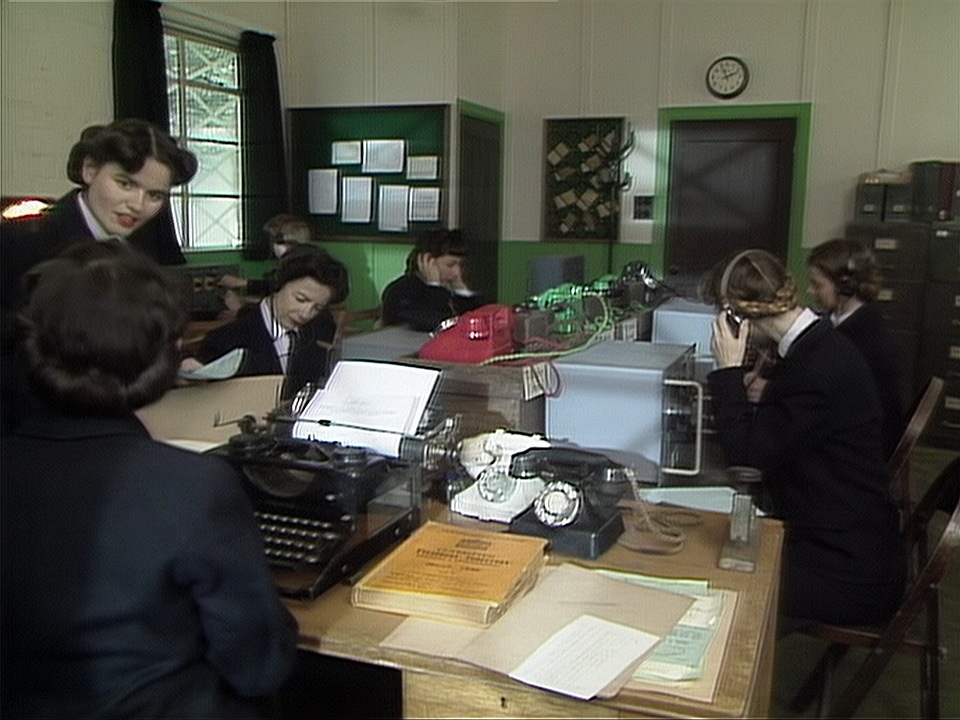
Our journey back and forth starts with supplies at the village shop and police station featured in ‘Planet of Giants’. The switchboard operated by Hilda Rowse is a PMBX telephone switchboard AT 3796 (likely the mark 3 – circa 1957). Yes, I know little of what any of that meant either.

Another desk, in another time. Commander Millington tries to get into a Nazi mindset, although aesthetically I would question the use of this Bakelite Telephone by ATM. Model 332 in jade green, dated 1956/7. However, it does make the surroundings ‘pop’ a little.


Elsewhere, in the Northumbrian naval base, we can see these ‘Gecophones’ manufactured by GEC from the 1930s to the 1950s.




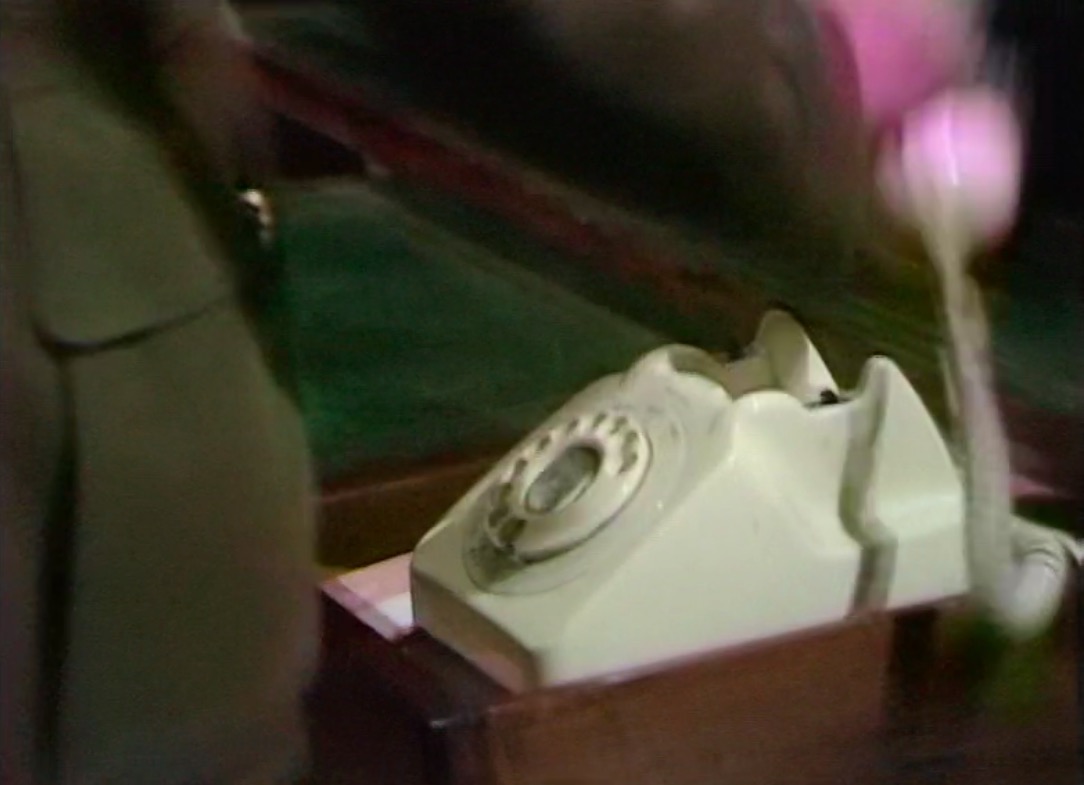
Regeneration hotline! This is a GPO rotary telephone. The 746 model is one of the common makes, however I believe this to be the 706F based on the mouldings underneath the receiver. This dates from 1966.


Back in time, Channing listens in to the hubbub in the hospital phone booth, featuring this 1959 Boxes Coin Collecting No. 705, the first pay on answer (POA) payphone, designed for use with subscriber trunk dialling (STD), in public kiosks. It was made by Associated Automation, part of the Elliott Automation group of companies and was intend for use in public call offices – what do you mean, I’ve copied and pasted this from somewhere else!?


Into the future now, and phone meets phallus, with the Vervoids choice of communication – the Contempra Telephone, from Northern Telecom, dated 1968. The phone also pops up elsewhere from time to time, notably on the Seabase in ‘Warriors of the Deep’.


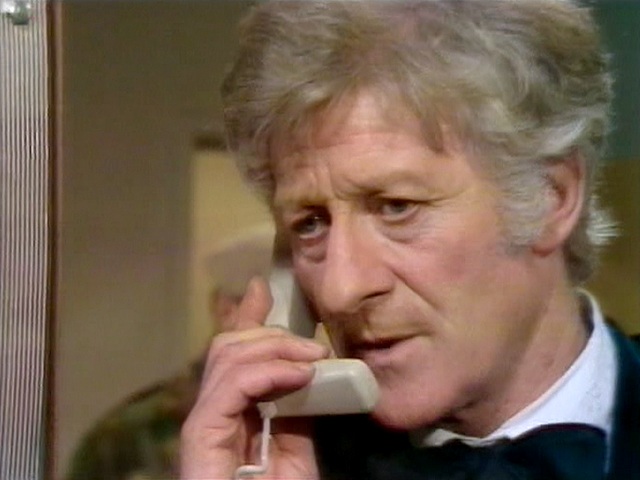
One of the classic artifacts now – the General Post Office’s Trimphone (1964). Sleek, practical, and with a hint of radioactivity to make the dial glow – no public health warning is needed with these phones!
It features frequently in Doctor Who, particularly during the UNIT era, where it conveys all sorts of orders from the ministry which result in one of the Brigadier’s many grimaces. In ‘Inferno’, it plays a key part in the drama, with technician Bromley having a civilised conversation, before all hell breaks loose, with Slocum going crazy, Bromley and Wyatt looking ominously distant, and the Doctor dealing with the matter himself, all with the incessant ringing in the foreground. Even off-screen, the phone played a part in a one-off contretemps between Pertwee and director Douglas Camfield about how the Doctor should appear in shot with it!


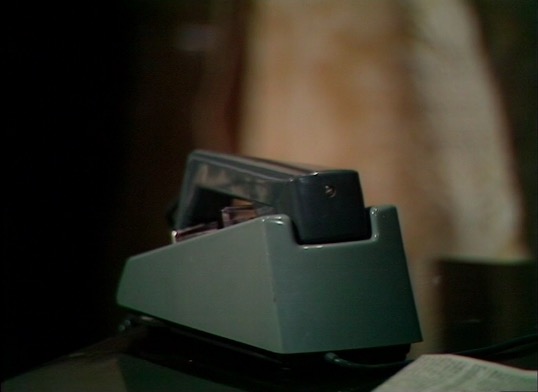
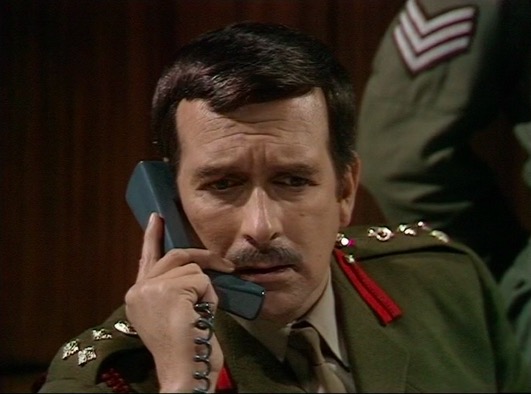
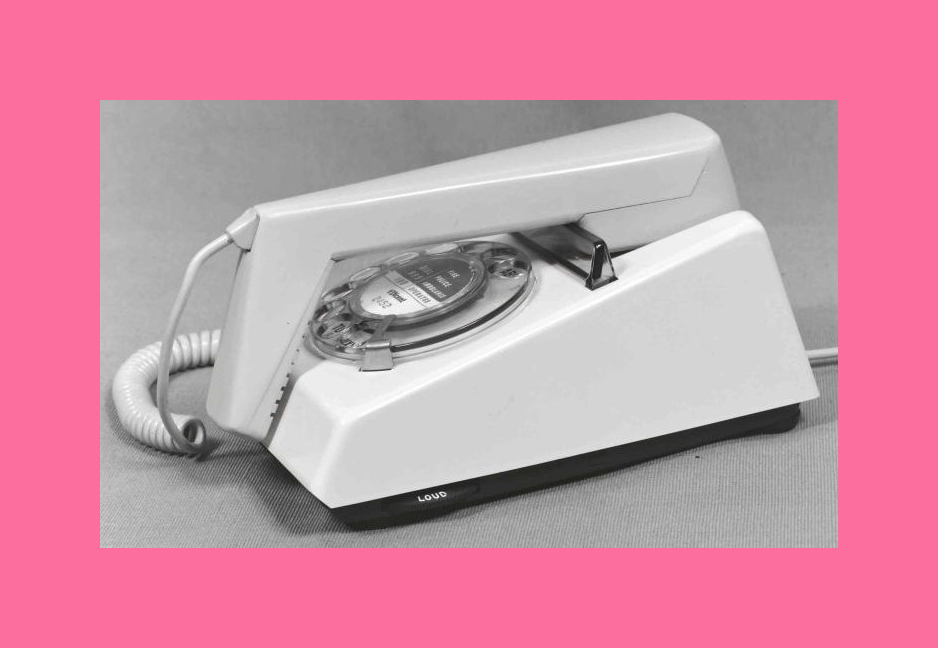
Moving on to the shorter distance communication now, and Grover and co. use this unmarked Ivory standup 12-button desk intercom. One listing simply describes this as “commonly used in department stores“.


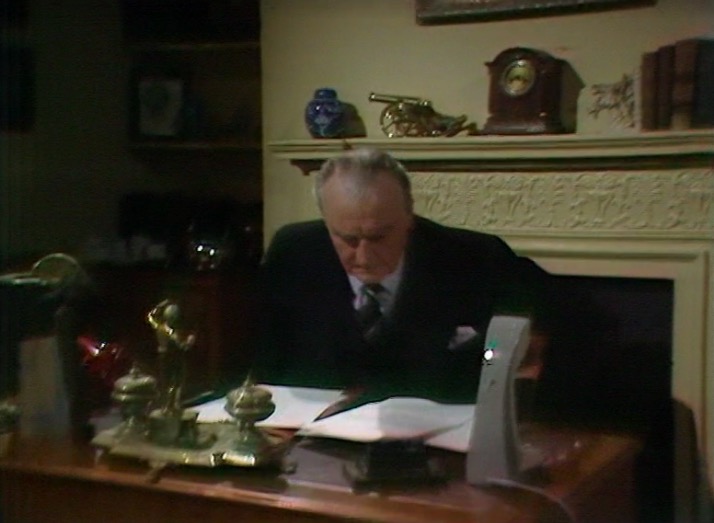
Another familiar unit can be seen, in various models, from Troughton to Tom Baker. This is the ‘National’ (Panasonic) transistor intercom, made in Japan, 1960s. This one knows that in order to get a good close up, you need to be both mountable and compact – actors take note!


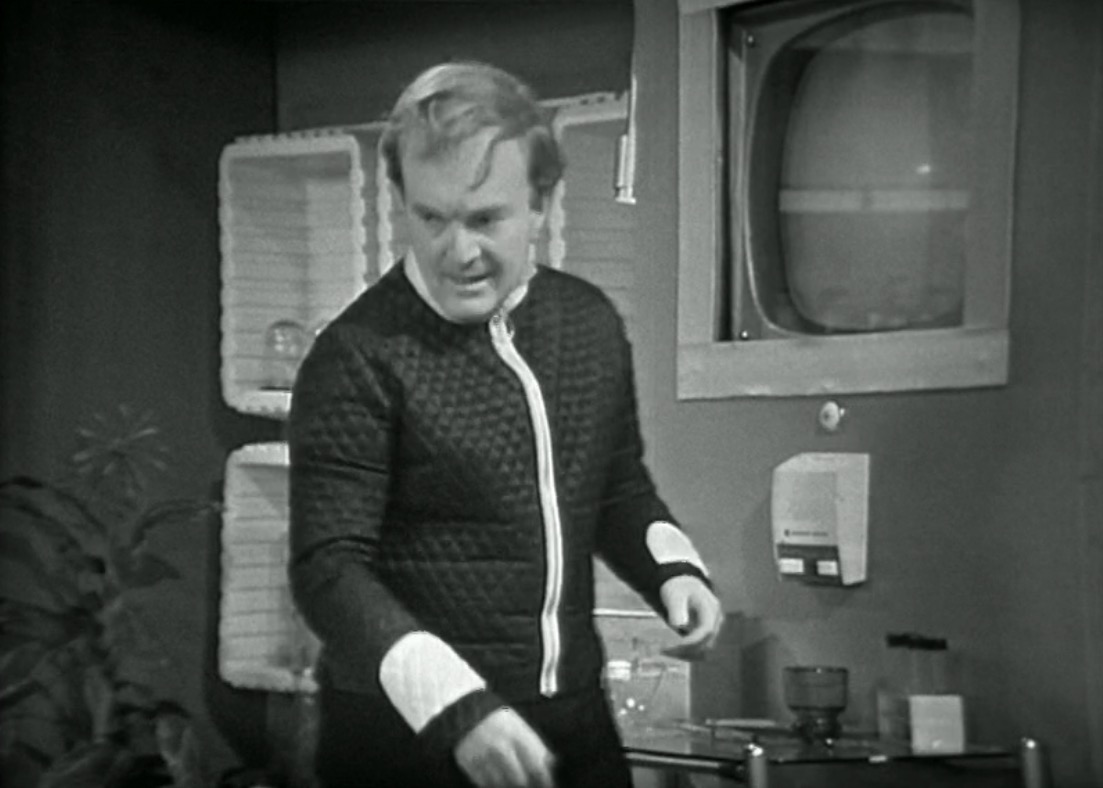

Another hard to find device are these 1970s intercom handsets. They are listed on a retro prop store as ‘GBintercom1’, but are unmarked. These are definitely easier to find within Doctor Who, than outside of it. They have a distinctly brutal appearance, so they fit well within the Kaled bunker.


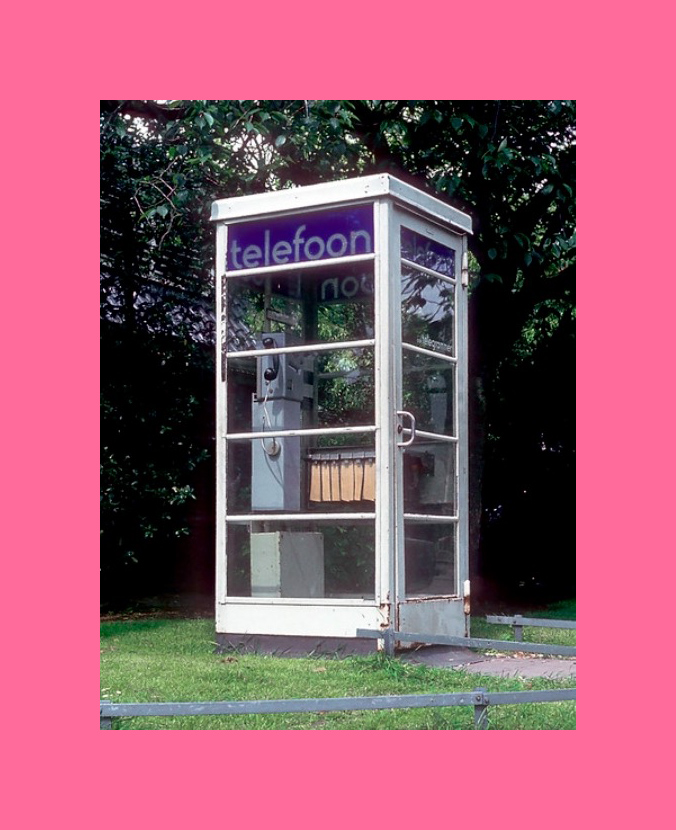
It’s 1983 and it is time to “phone home“. ‘Arc of Infinity’ offers us this Dutch telephone box, designed by Brinkman & Van der Vlugt in 1931 for PTT, seen in ‘Arc of Infinity’. The duo’s short-lived practice (Van der Vlugt died young) resulted in many architectural gems, including Rotterdam’s Van Nelle Factory – a UNESCO World Heritage Site, and a perfect location to film ‘The Sun Makers’ if season 15’s budget stretched further than knicker elastic.


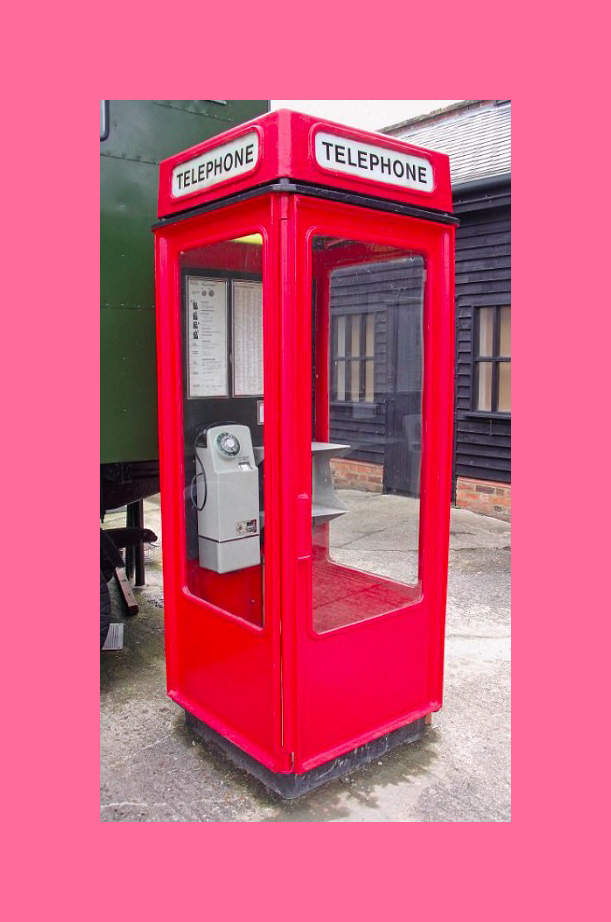
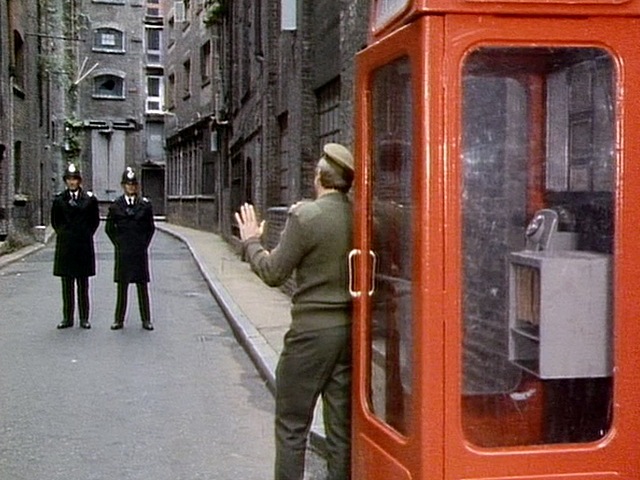
The later Peter Davison era also gives us this ‘Poppy Red’ K8 telephone box, introduced in 1968, and designed by Bruce Martin. Only around 11,000 were installed, replacing earlier models only when they needed relocating or had been damaged beyond repair.
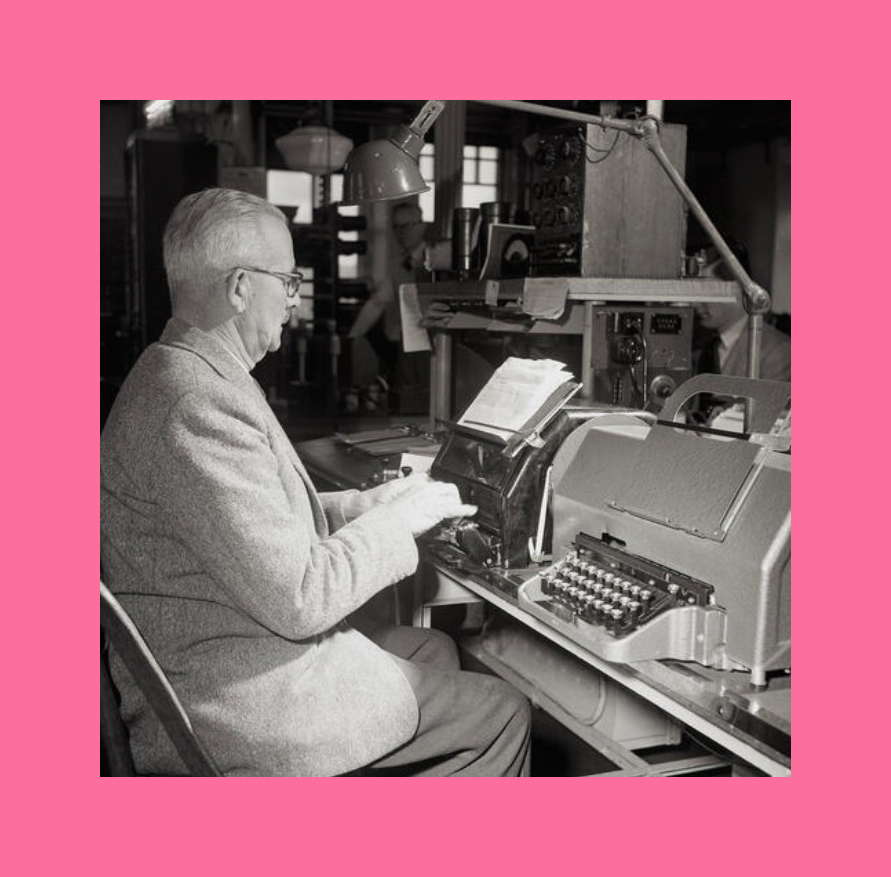
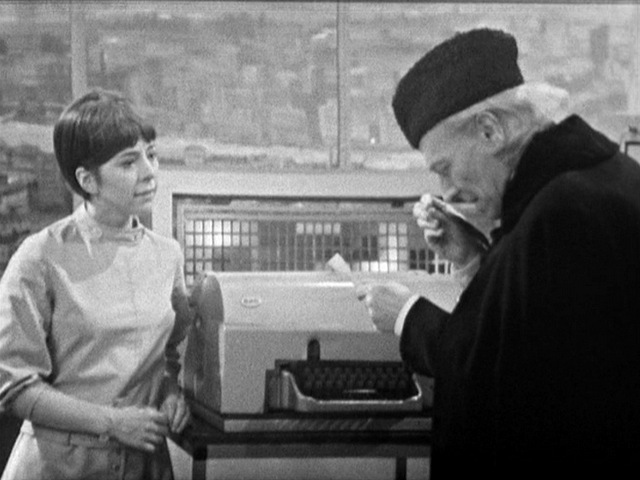
Finally in this section, we return to black and white London 1966. Up in the Post Office Tower a 1950’s Telex machine is required, used by WOTAN.


POSTERS AND PAINTINGS
We start our poster collection with this fabulous “World of flowers”, published in 1972 by Edinburgh based mapmaker and publisher John Bartholomew and Son. This gorgeous map breaks down each continent, and is based on a painting by Botanical illustrator Barbara Everard (1910 – 90), who surely must have a claim to be the inspiration for Amelia Ducat, with both having a connection to the second world war – Ducet discussing her involvement as part of an artillery unit with Sir Colin Thackeray, and Everard’s real experiences as a prisoner of war, including working on the infamous Kwai bridge in Burma.


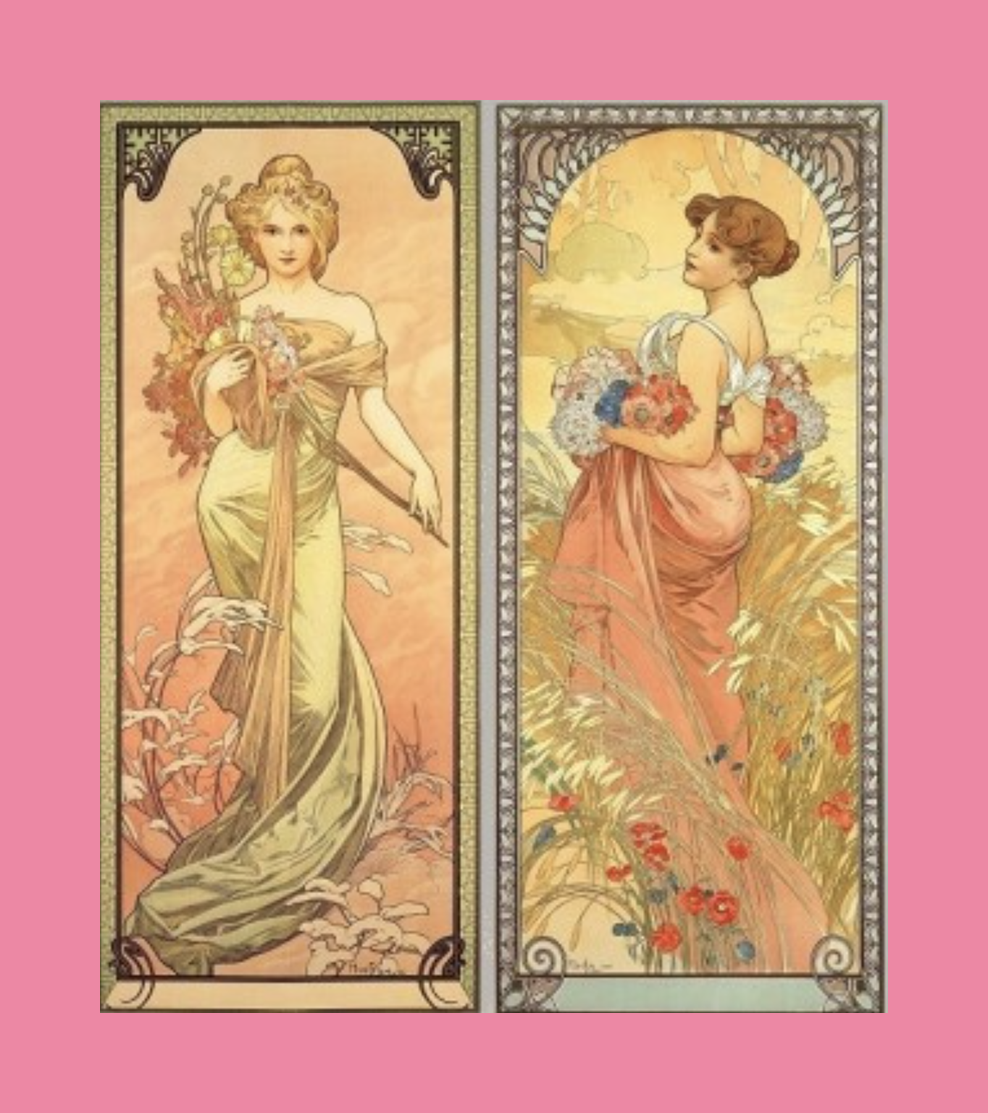
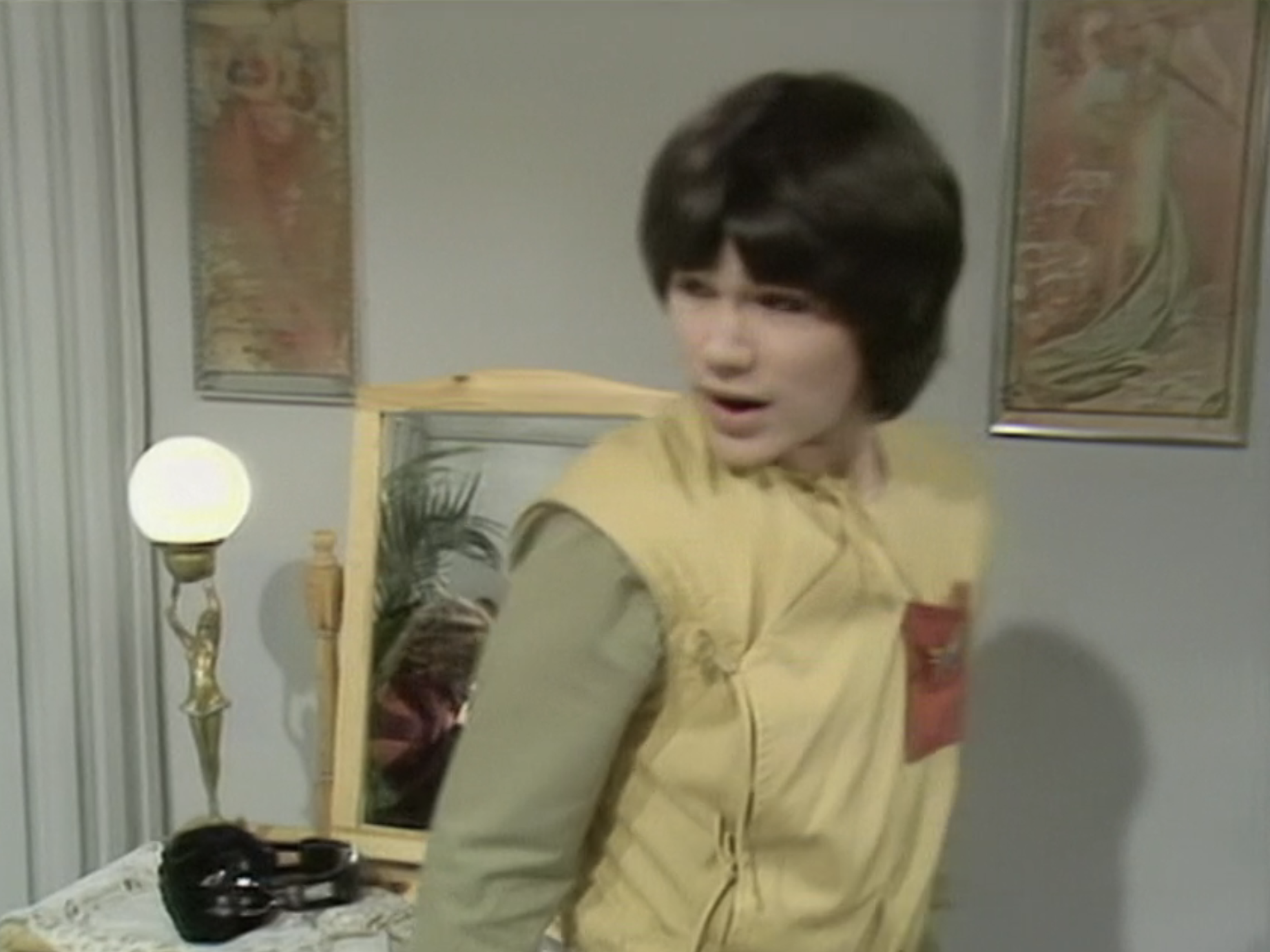
Next up we have the The Seasons – a coloured lithograph by Alphonse Mucha. Three sets were created in 1986, 1897, and 1900. This is the final set from 1900. We can see on the left, Summer, depicted as sultry, and on the right, Spring, represented as the innocent. Representations of Tegan and Nyssa? (OK, I’m reading far too much into this!)

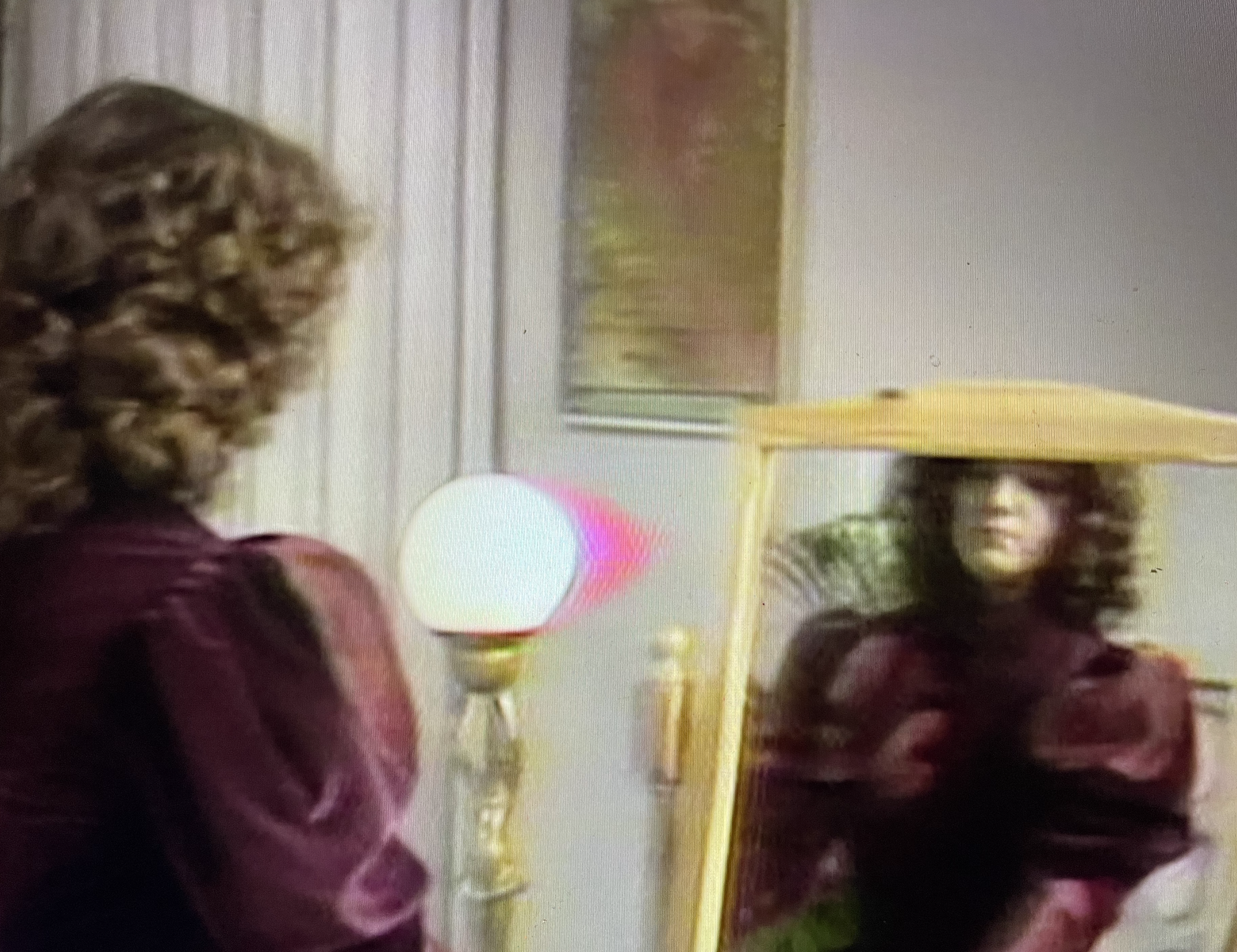
In a Tibetan meditation centre near Mortimer, Lupton and his gang, make use of this poster of ‘The Wheel of Existence’, representing the cycle of birth and rebirth and existence in samsara. The version used in ‘Planet of the Spiders’ was painted in the 1960’s by Sherab Palden Beru (1911 – 2012) an exiled Tibetan thangka artist.


In Paris, 1979. “3 millions d’années d’aventure humaine: le CNRS et la préhistoire” was an exhibition shown at the Muséum national d’histoire naturelle between 25 January and 31 May 1979. The exhibition was created by the Centre national de la recherche scientifique (CNRS), and was exhibited at the French National Museum of Natural History.


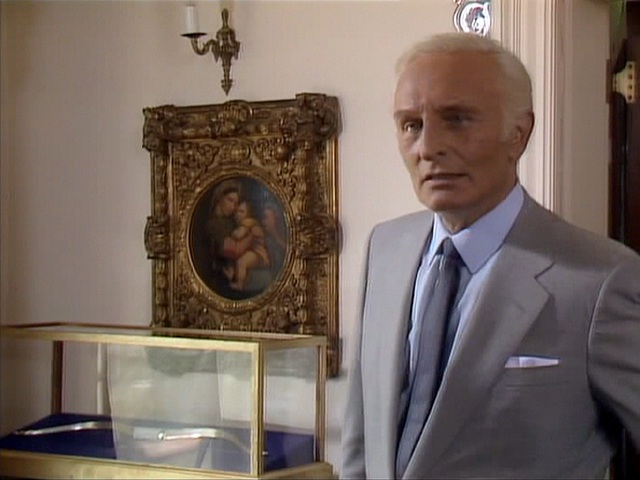
In the Louvre, the Doctor is oblivious to Raphael’s (1483-1520) The Madonna of Divine Love aka Madonna & Child with Saint Elizabeth and John the Baptist. Late 19th century.


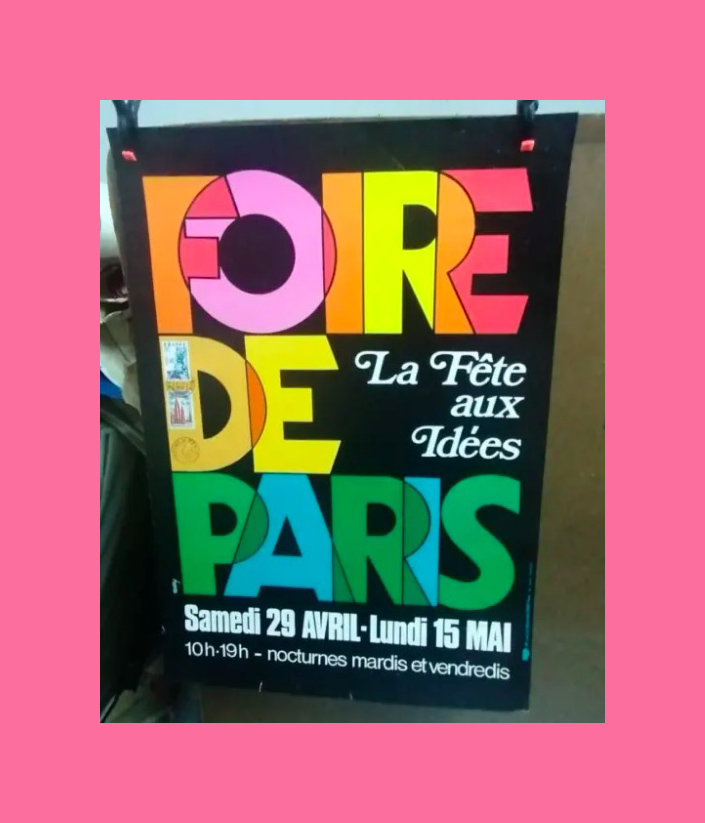
Another light run, and we pass this advert for Foire de Paris La Fete aux Idees – Saturday 29th April and Monday 15th May 1979. Foire de Paris is a major retail event that has been held annually since 1904, typically for ten days in April–May.


Down the steps and into the Métro, and here is some marketing extolling the ‘on point’ customer service virtues of French retailer Le Redoute. Circa 1979 – of course.


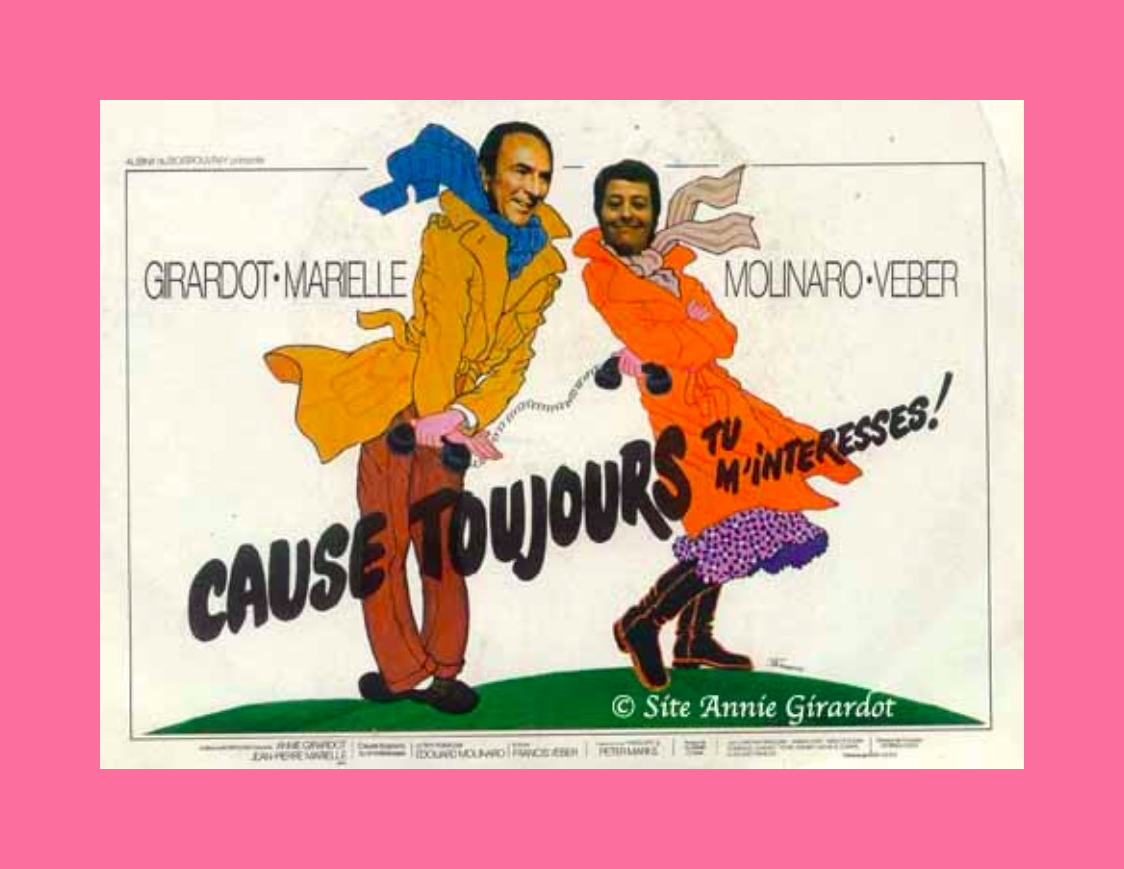
If we run quickly we might make a Parisian cinema, to watch a matinée screening of ‘Cause Toujours Tu M’Interesses’ (1979) – a bittersweet romantic comedy, directed by Édouard Molinaro, hot off the success of ”La Cage aux Folles’ the previous year.

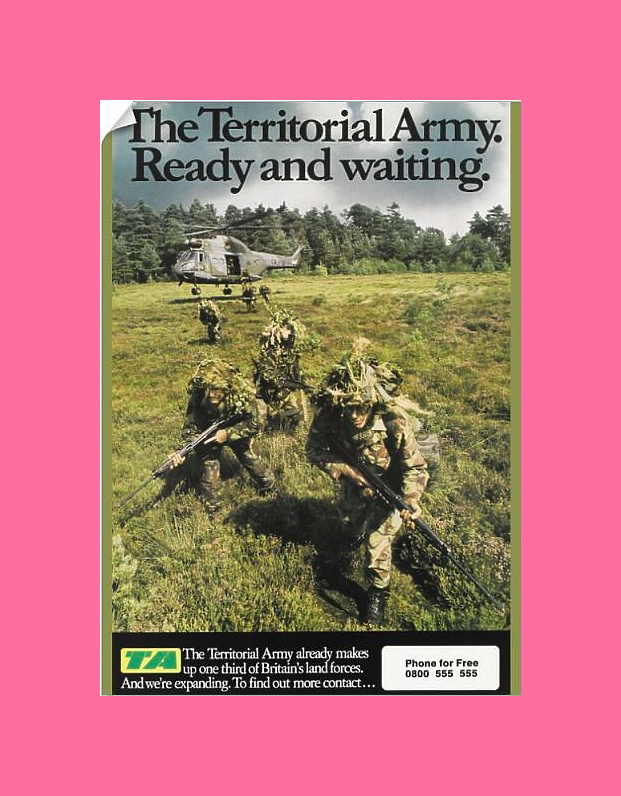
After all that romance, it’s time to put feet firmly back on the ground, with this colour photolithograph recruiting poster, published by the Armed Forces Careers Office for the Territorial Army. ‘Ready and waiting’ dates from 1987.

And there’s more from Perivale. Two for the price of one!
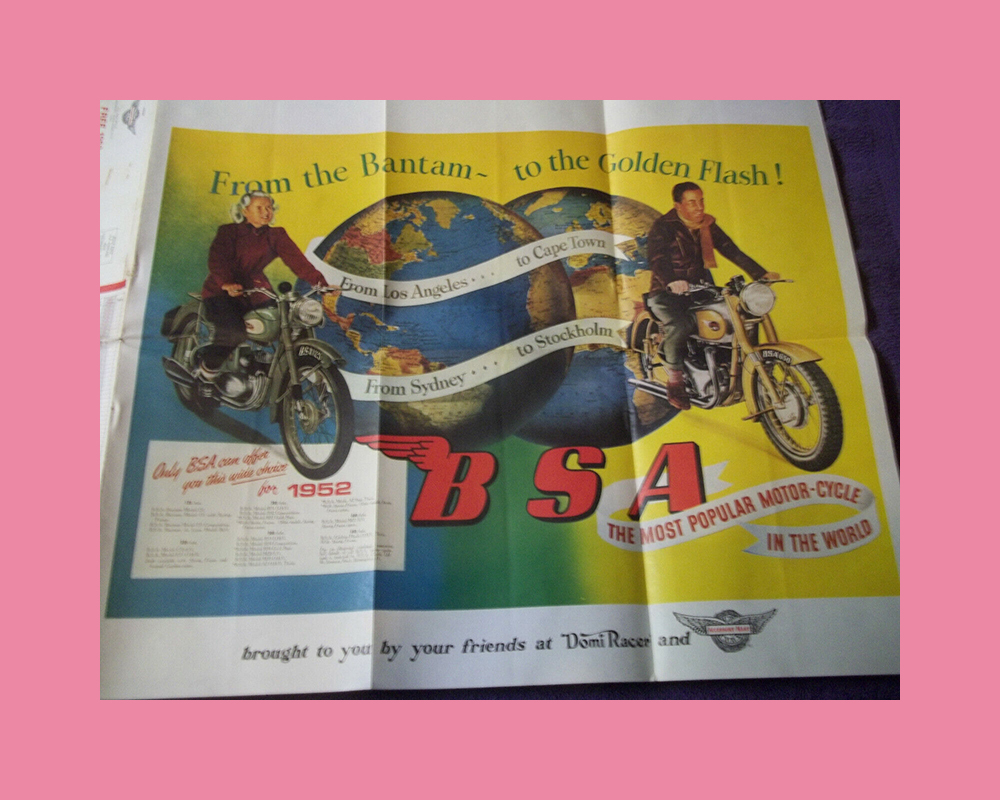
BSA (Birmingham Small Arms) motorcycle poster, circa December 1981.
Re-issue of a 1949 AJS (A.J. Stevens and co) poster which featuring the Porcupine 500cc. (I’m pretending I know what I’m talking about here…can you guess?)
Hmmm, if only I could pinpoint what motorbike is in shot too? (Hint, go the the ‘Transport’ section).


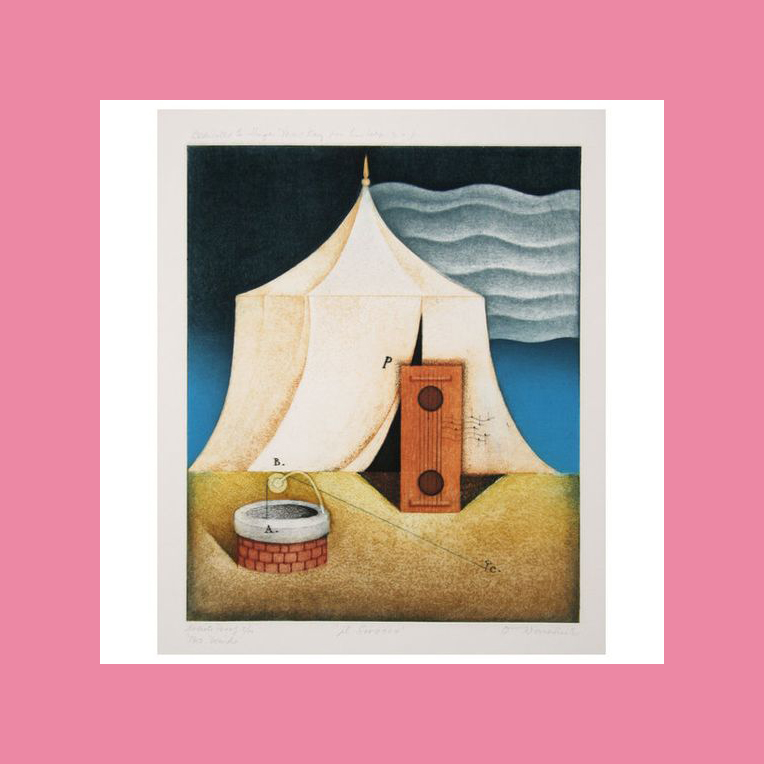
On to the ship seen in ‘Mawdryn Undead’. I think this is such a gorgeous set design. Firstly, there are a couple of obscure pieces from American artist Tighe O’Donoghue – The Winds – il sirocco, dating from 1979.

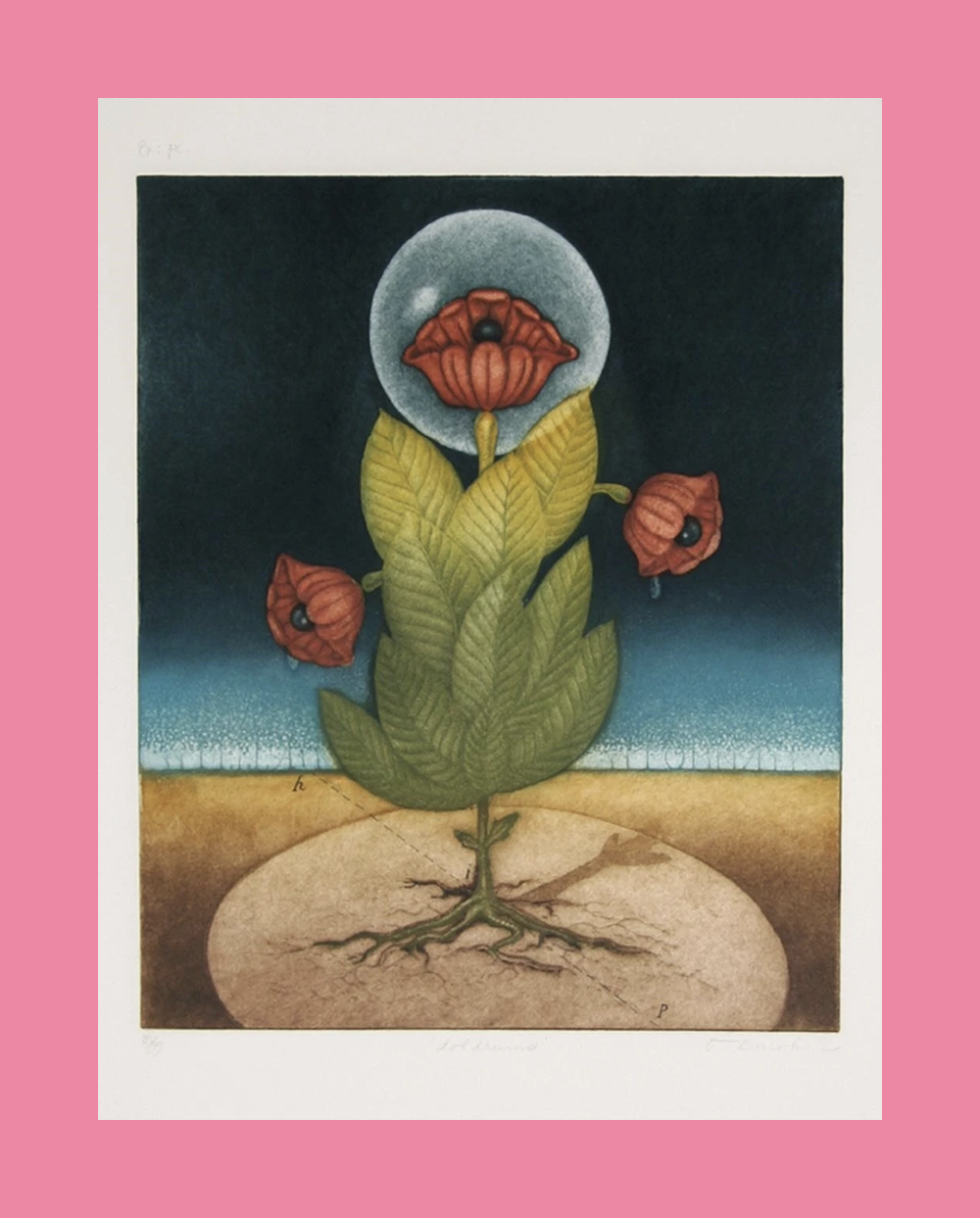
…and ‘Doldrums’ from 1985.

…and some gold themed works from Victor Vasarely, with a bronze figure (designer unknown) in front of it.


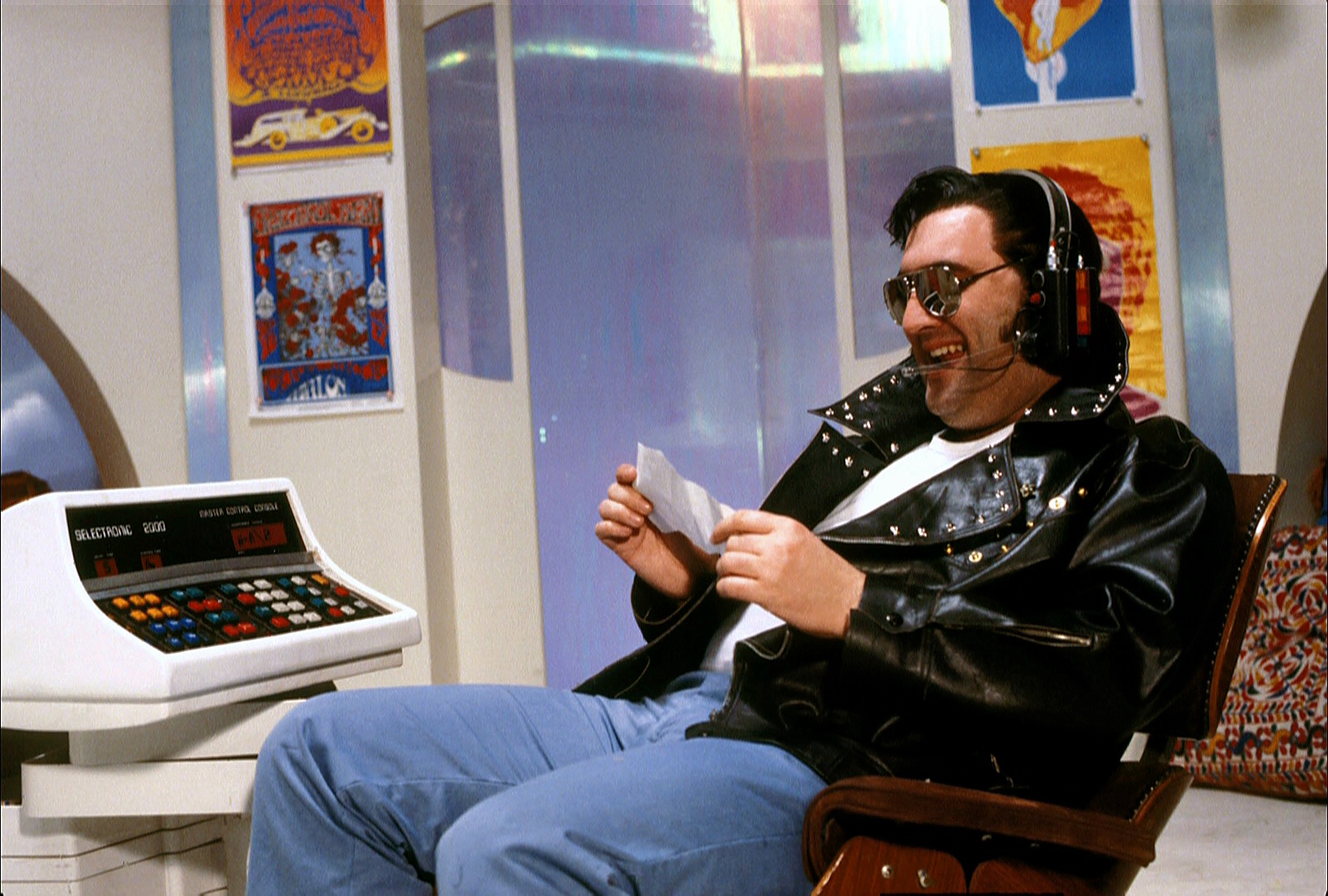
Meanwhile, over at Tranquil Repose, the DJ has a fine collection of vintage pop culture.
Take this 1968 print, ‘Babe Rainbow, based on a fictitious lady wrestler. According to its artist, Peter Blake, “She is twenty-three years old and has broken her nose in the ring. She was born in New Cross, London and wrestles mainly in Europe and the USA as there have only been a few contests between lady wrestlers in London. She is the daughter of the notorious Doktor K Tortur.” (V&A)


Seen next to the doorway are some familiar works, such as this lithograph of John Lennon, by Richard Avedon, 1967.


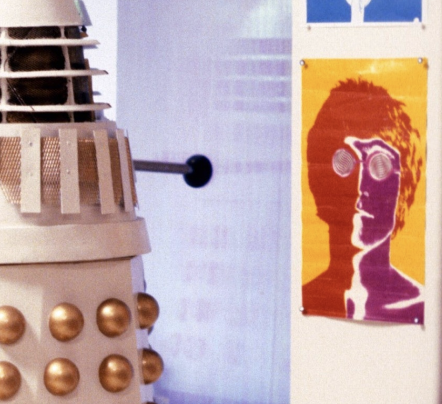
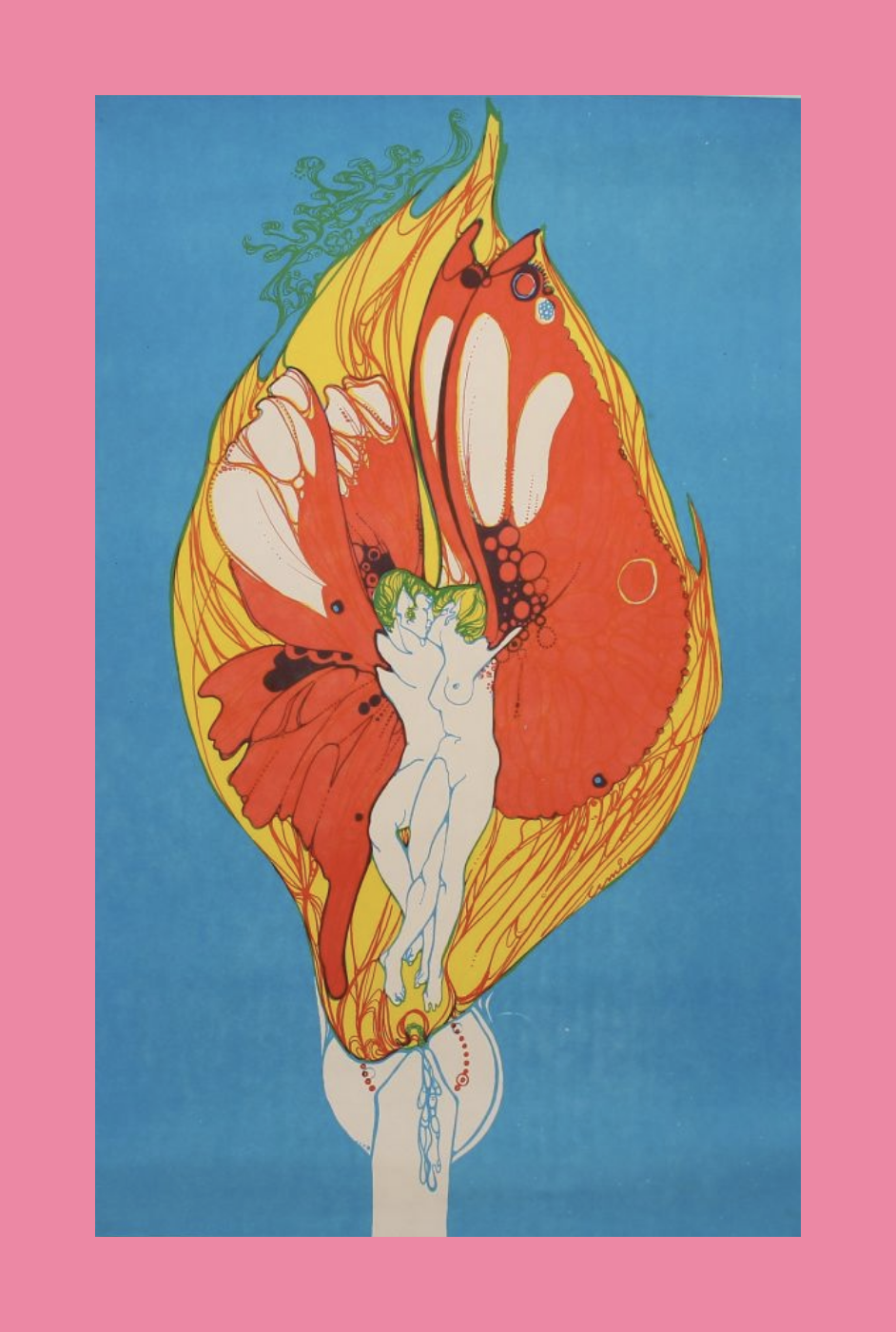
This one is a little more obscure. An untitled work from the San Francisco Poster Company – 1967.

And this famous image of Marilyn Monroe. Andy Warhol Sunday B Morning. Marilyn 11:22.


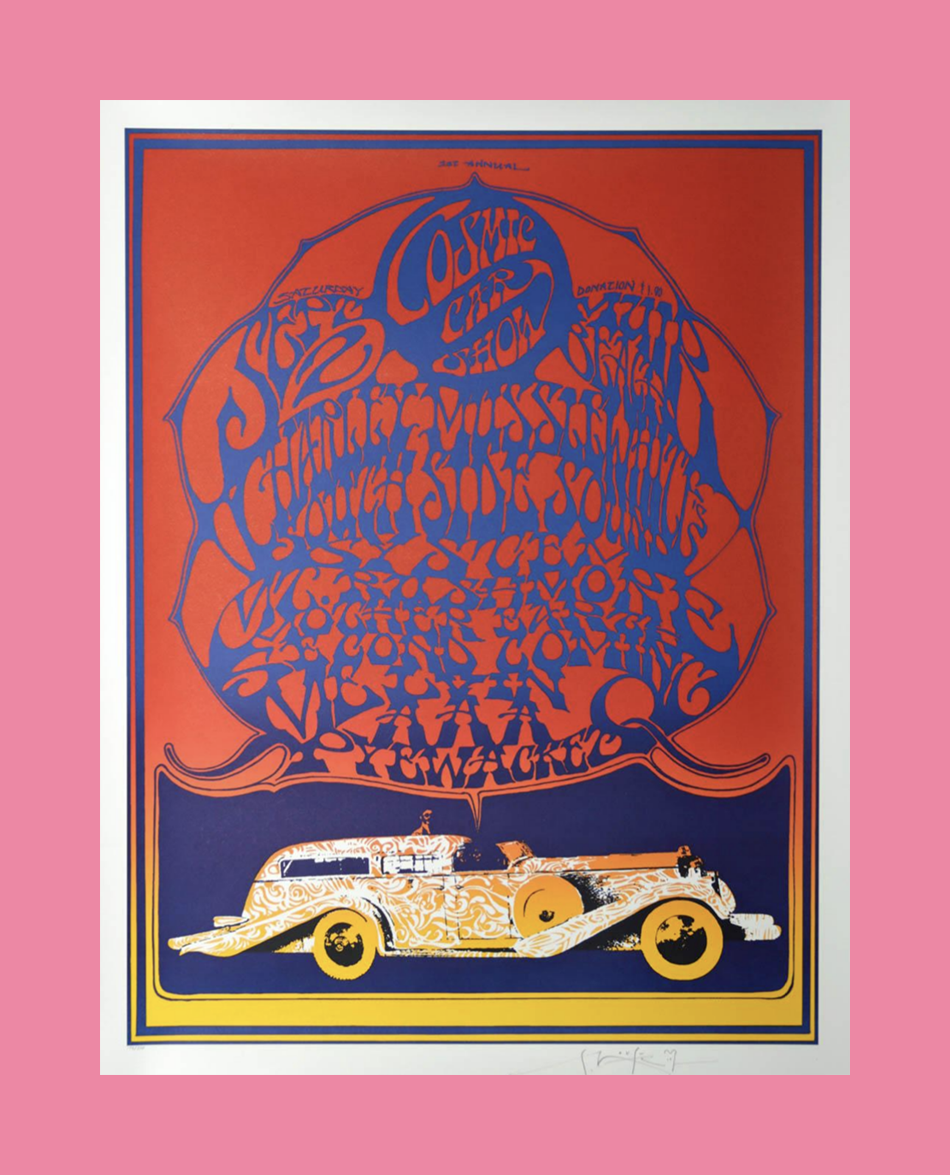
And two posters designed by Stanley Mouse. First up is ‘Cosmic Car Show’ dating from 1967. The second is a collaboration with Alton Kelley, advertising Grateful Dead & Oxford Circle at the Avalon Ballroom 16-17th September 1966.



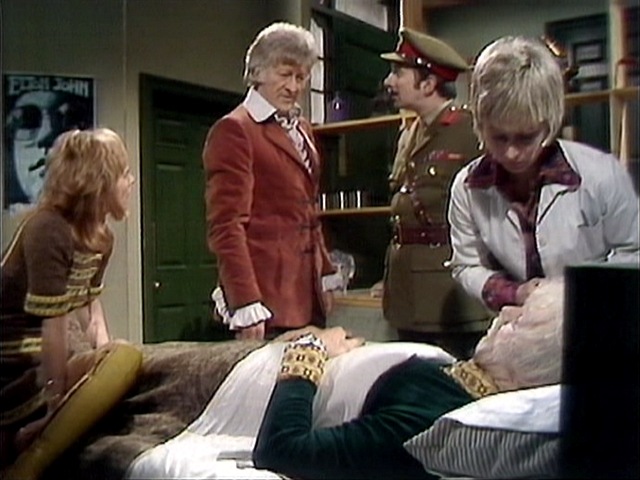
Back to the Pertwee era now, and here’s a rare 1971 Elton John ‘Madman Across Water’ promotional poster, seen in Stuart Hyde’s digs.


Someone at the ‘Nuthutch’ clearly appreciated turn of the century French culture.
Bulllier Tous les Jeudis Grand Fete. This poster was originally created in 1894, by Georges Meunier. Meunier was a student of, and influenced by, legendary poster artist Jules Cheret, who was known by some as “the father of the modern poster.” Bal Bullier was the name of a celebrated ballroom in Paris, until it closed its doors in 1940.


And it was Jules Chéret who was responsible for this poster for Pippermint liqueur from French producers Get Frères, circa 1900. Chéret elected to shade the woman in the same cool mint green as this liquor, and uses the complementary red in the background to create contrast and drama.


Artwork of a different style now, with ‘Folly’, by US artist Robert Gordy. The date of this piece is hard to determine, but judging by the style of similar works, I would guess late 1960’s.


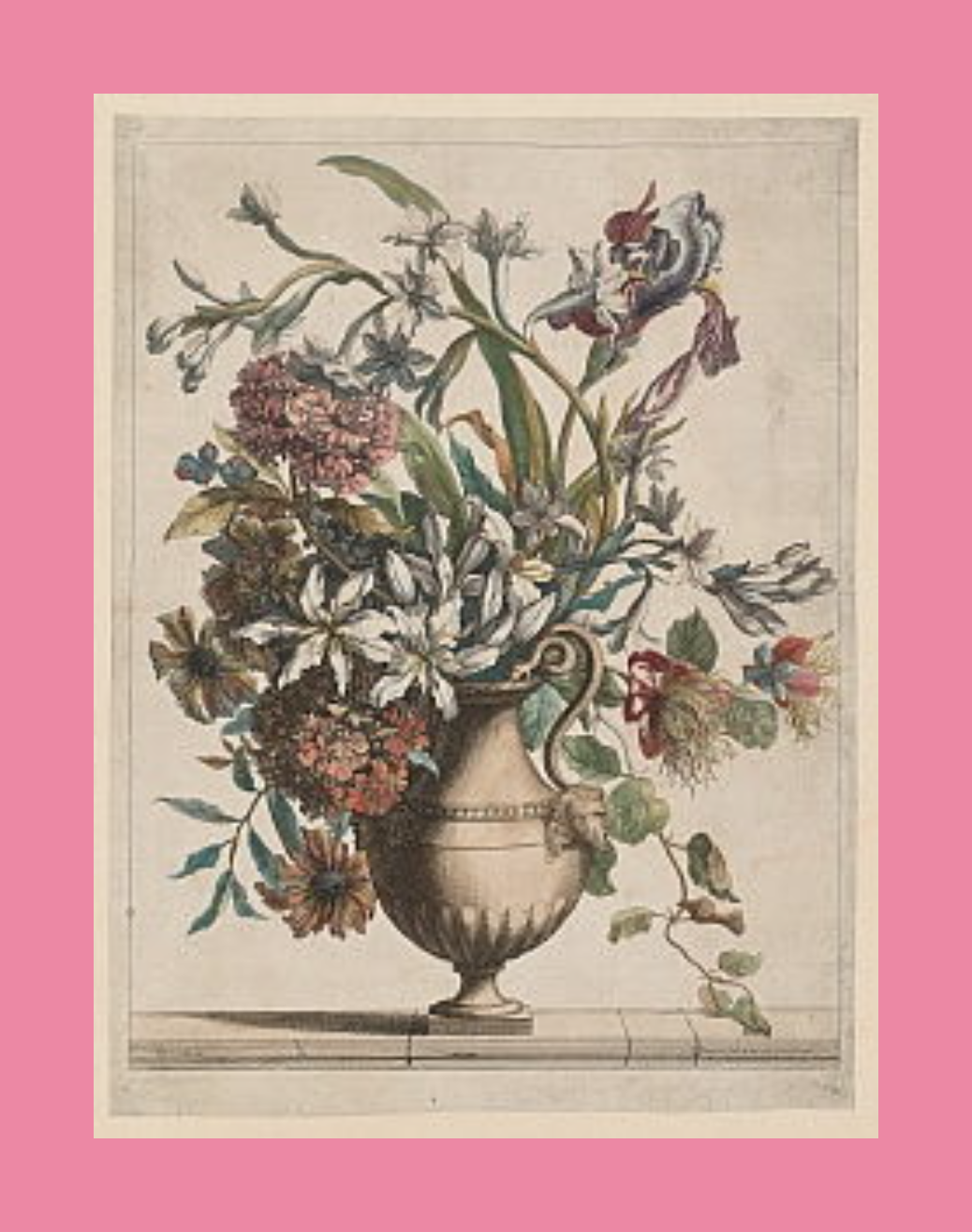
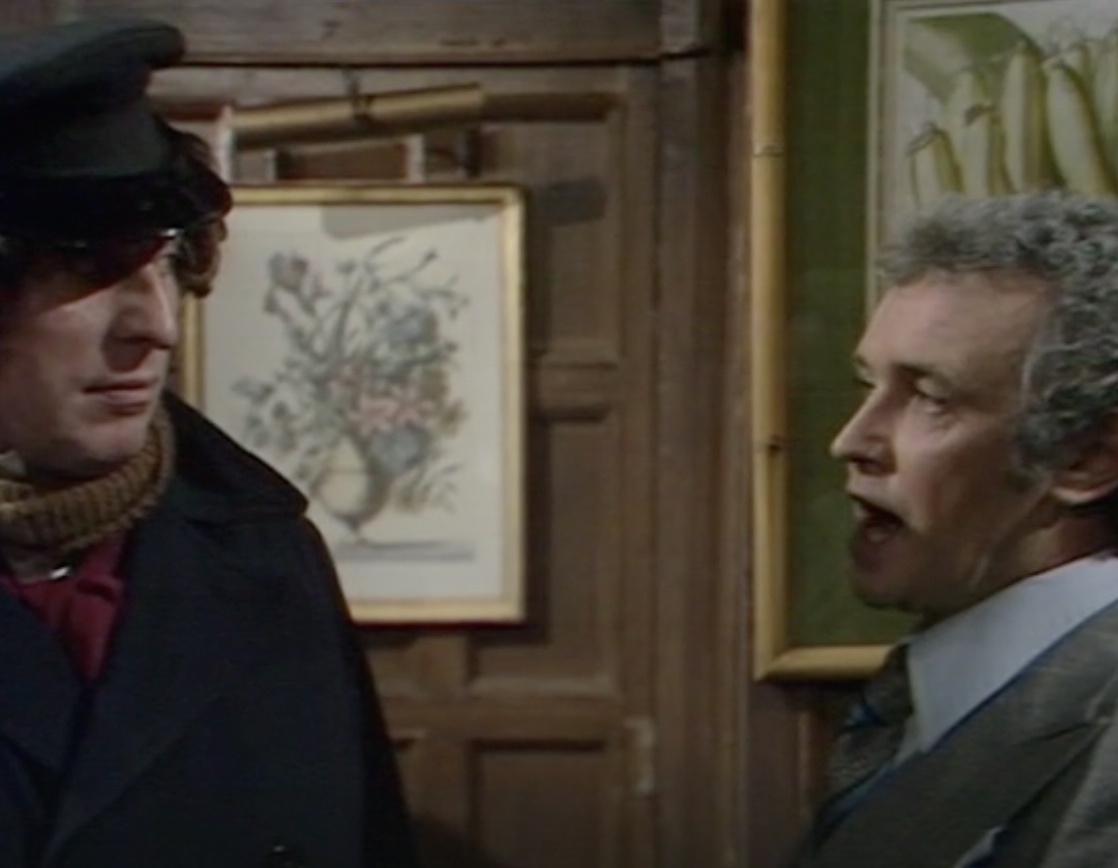
Gardeners’ World’s now. Let’s start with the residence of Harrison Chase. Liure de Toutes Sortes de fleurs daprès nature: Vase of Flowers. by Jean Baptiste Monnoyer ca.1670–80 – although the reproduction is flipped horizontally.
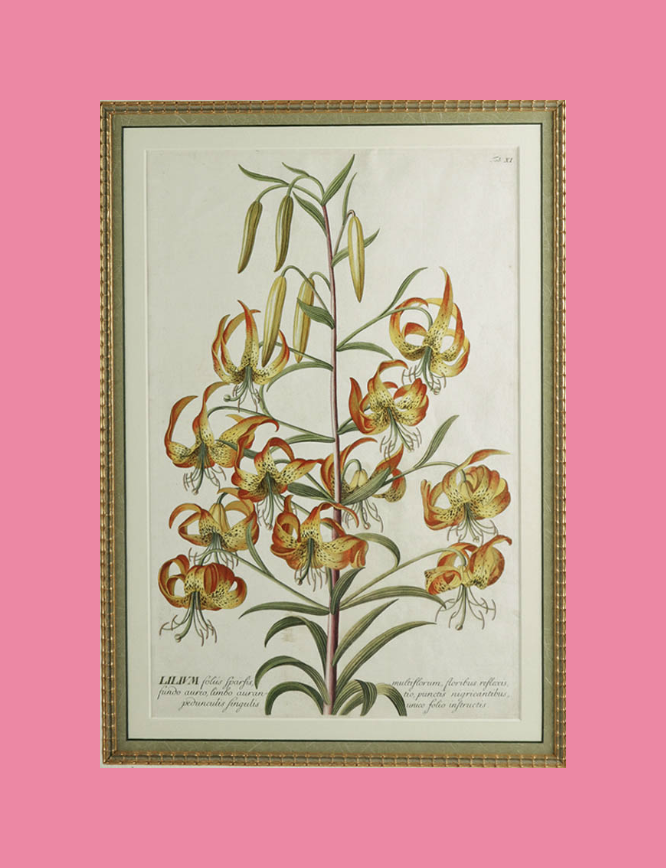
Georg Dionysius Ehret (British, 1708-1770), ‘Lilium’. This featured in the book ‘Plantae Selectae’ by Christoph Jacob Trew (German, 1695-1769). Ehret notes that “this lily first flowered in August 1738”

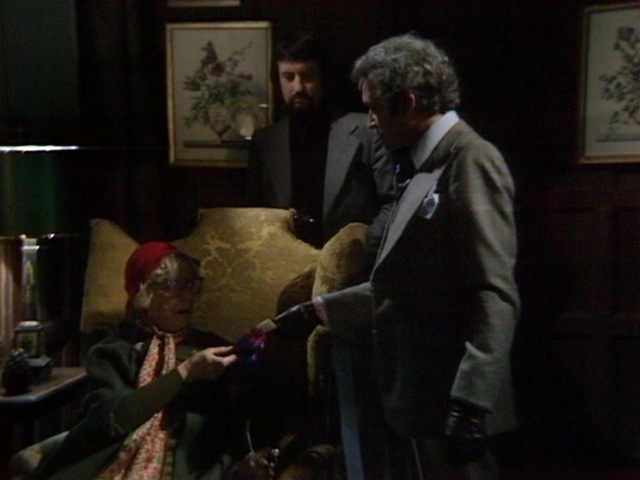
Another ‘Vase of Flowers’ by Jean Baptiste Monnoyer. This time, we can see Galdioli, Tulips, Anemones, a Poppy, an Auricula and Apple Blossom.

We can also glimpse ‘Group of Three Engraved Botanical Plates Illustrating Fruit’ by Christoph Trew & Dionysius Ehret, 1750


Back to ‘Black Orchid’ and here is a print of an etching. ‘The Three Graces’ (John MacWhirter, 1887) by David Law (1831 – 1902). It depicts three birch trees growing in a wooded landscape, with a rabbit on a path between bracken.
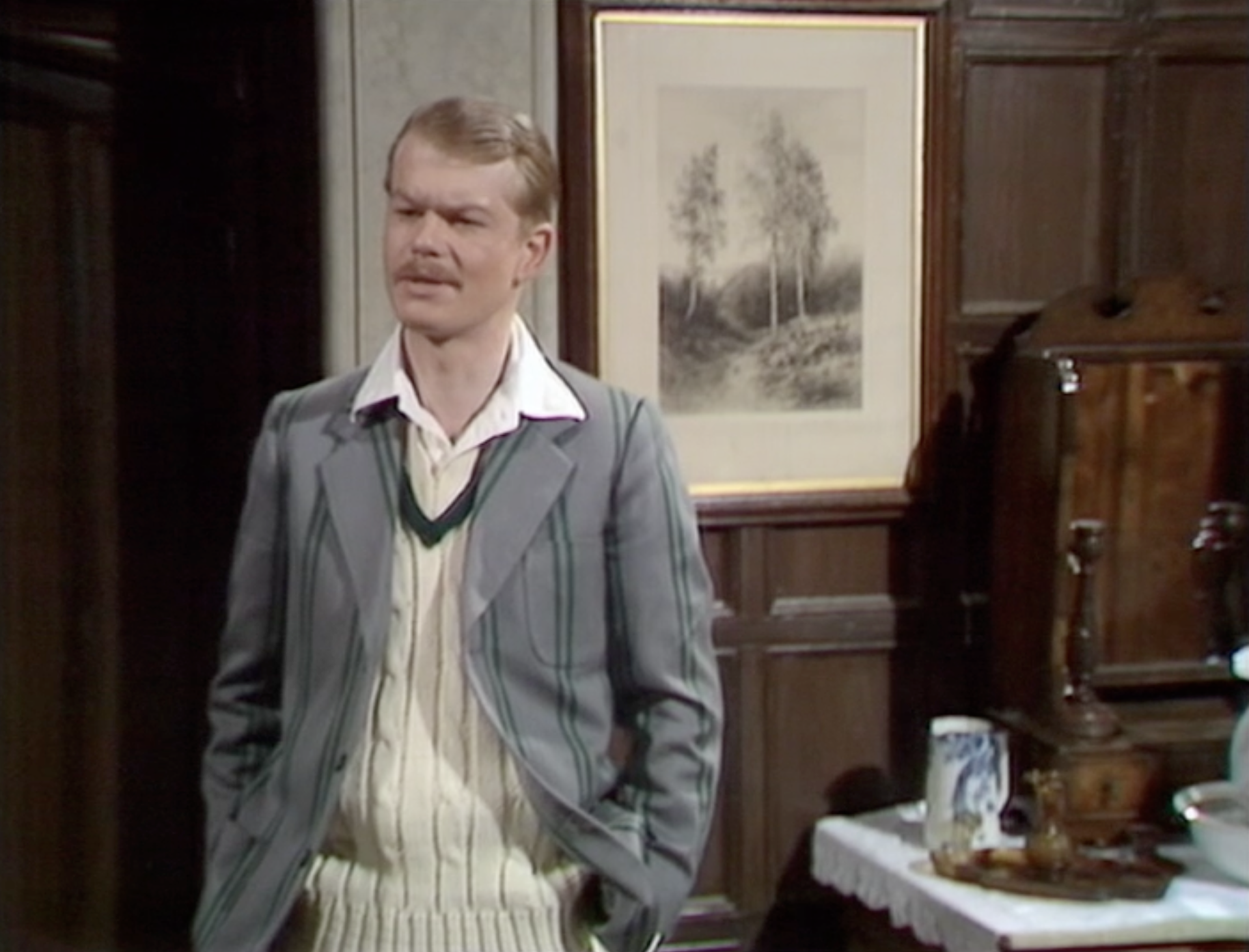

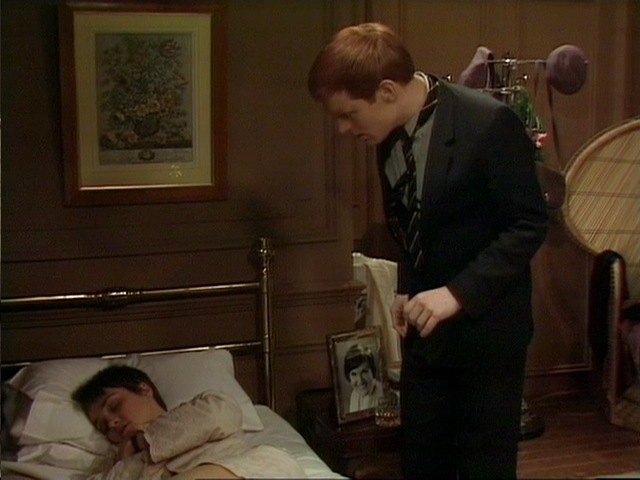
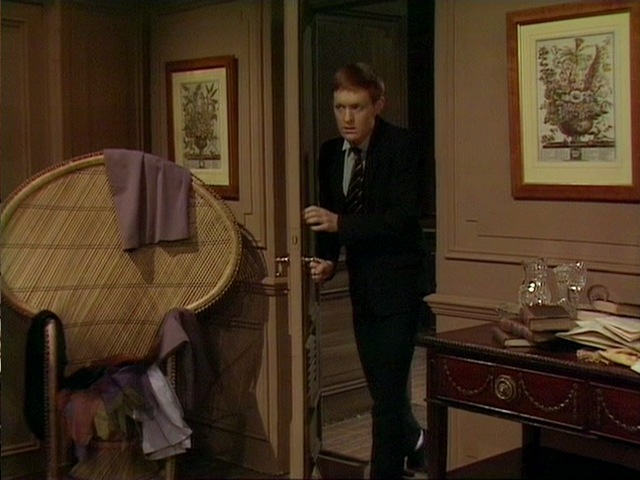
In’ Enlightenment’, we can see the work of gardener/nurseryman Robert Furber. His ‘Twelve Months of Flowers,’ (1730) was a ground-breaking seed catalog with illustrations of grand flower arrangements grouped by the months in which they bloomed. Firstly, we see ‘December Flowers’.


Then we can see ‘May flowers’.

And to the left of the image, behind the rattan chair, we can see ‘January Flowers’.

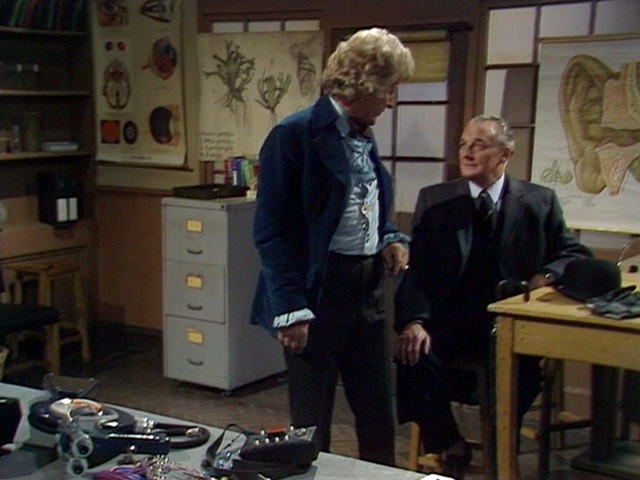
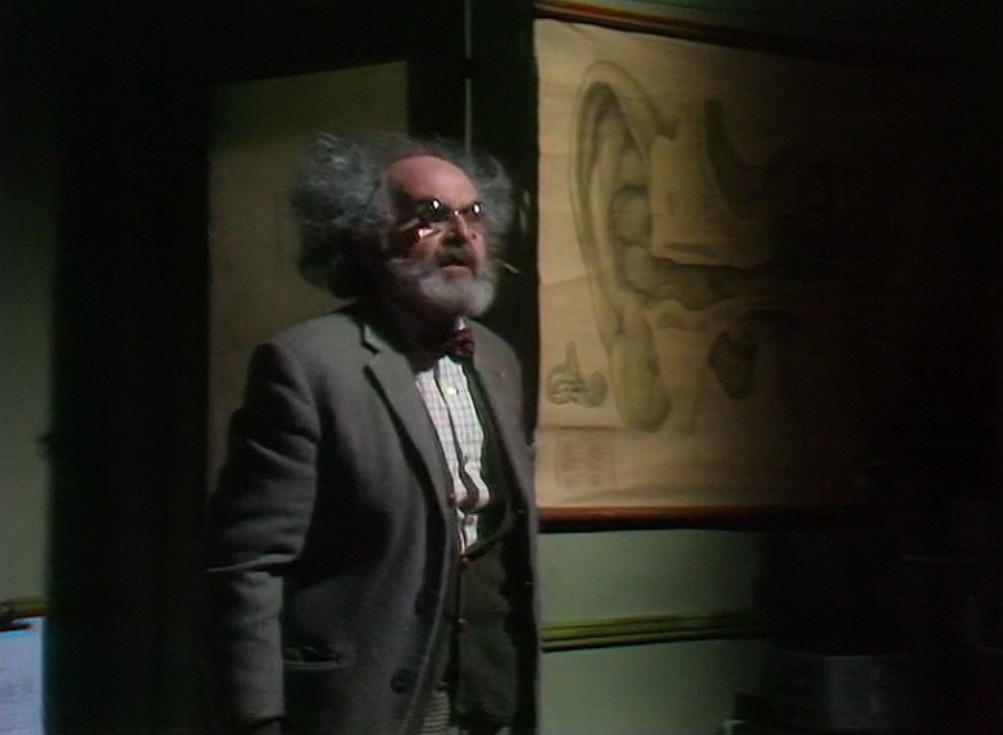
Onto the wonders of medical science now, and here is an example of precision seen in ‘Invasion of the Dinosaurs’, where the school displays this anatomical human ear medical poster by renowned maker T Gerrard of Pentonville, London. This would have been produced in the first half of the 20th century – I can’t be more specific.
UPDATE – this is also seen later in the production block, in ‘Robot’.


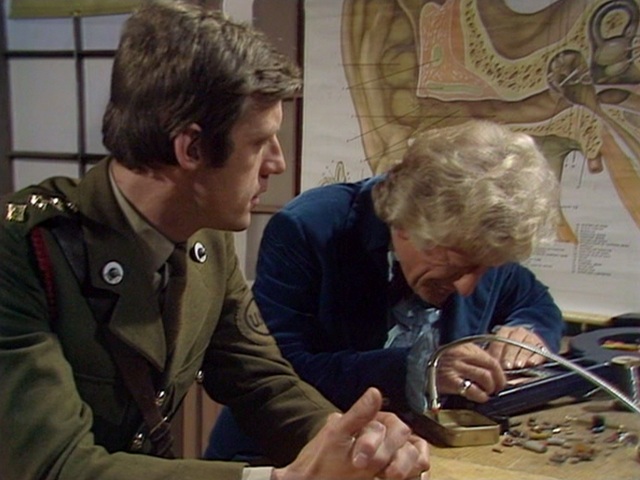

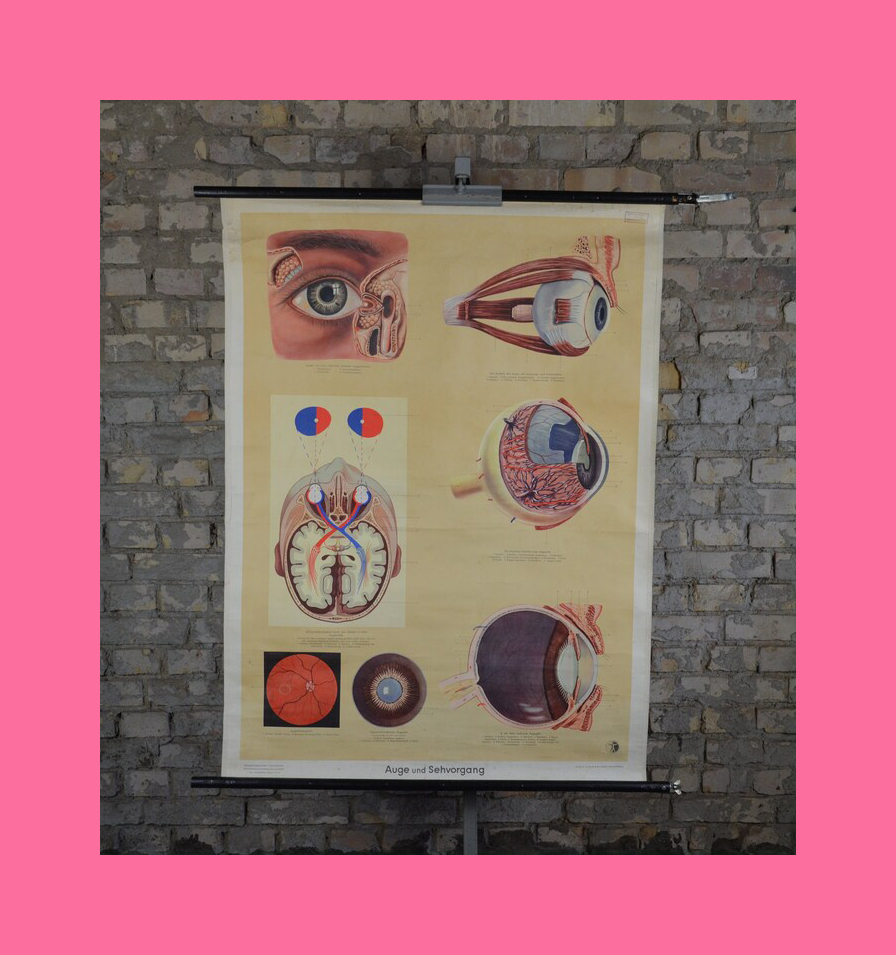
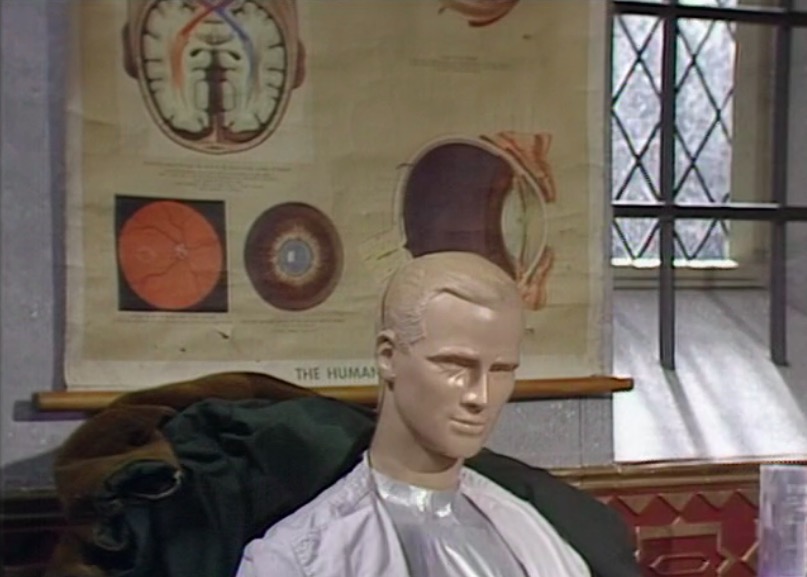
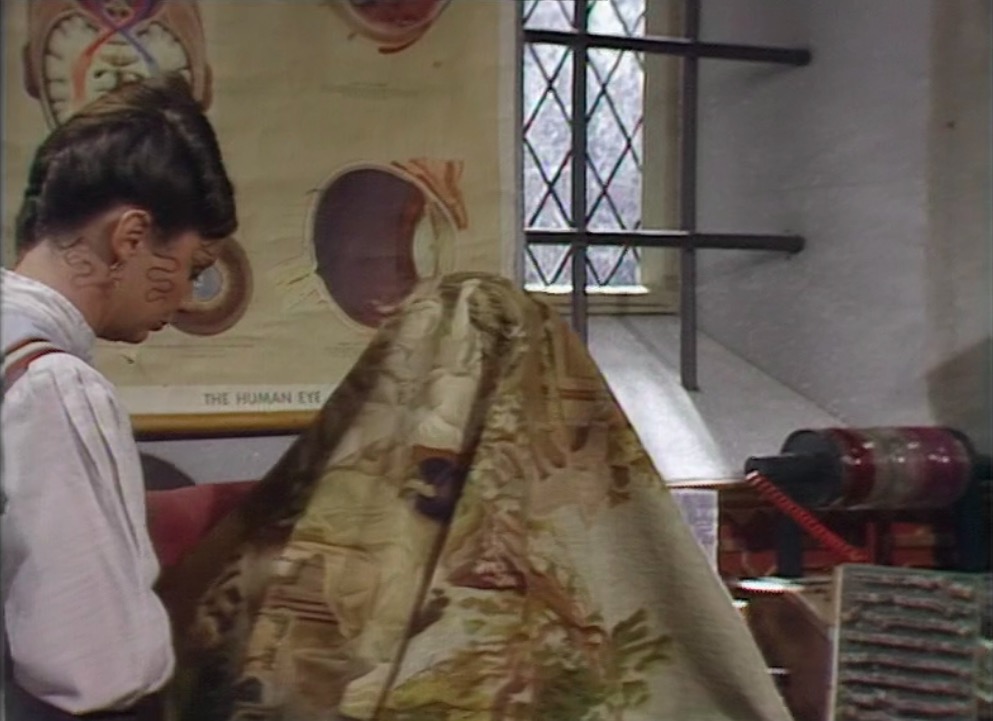
Elsewhere in the universe, on Tara, we can see something similar. ‘The Human Eye’ was an educational poster from the 1960s. There are a number of listings that suggest this might have originated in Germany. Although it is seen predominantly in ‘The Androids of Tara’ (1979), it can also be glimpsed in the school featured in ‘Invasion of the Dinosaurs’ (1974).
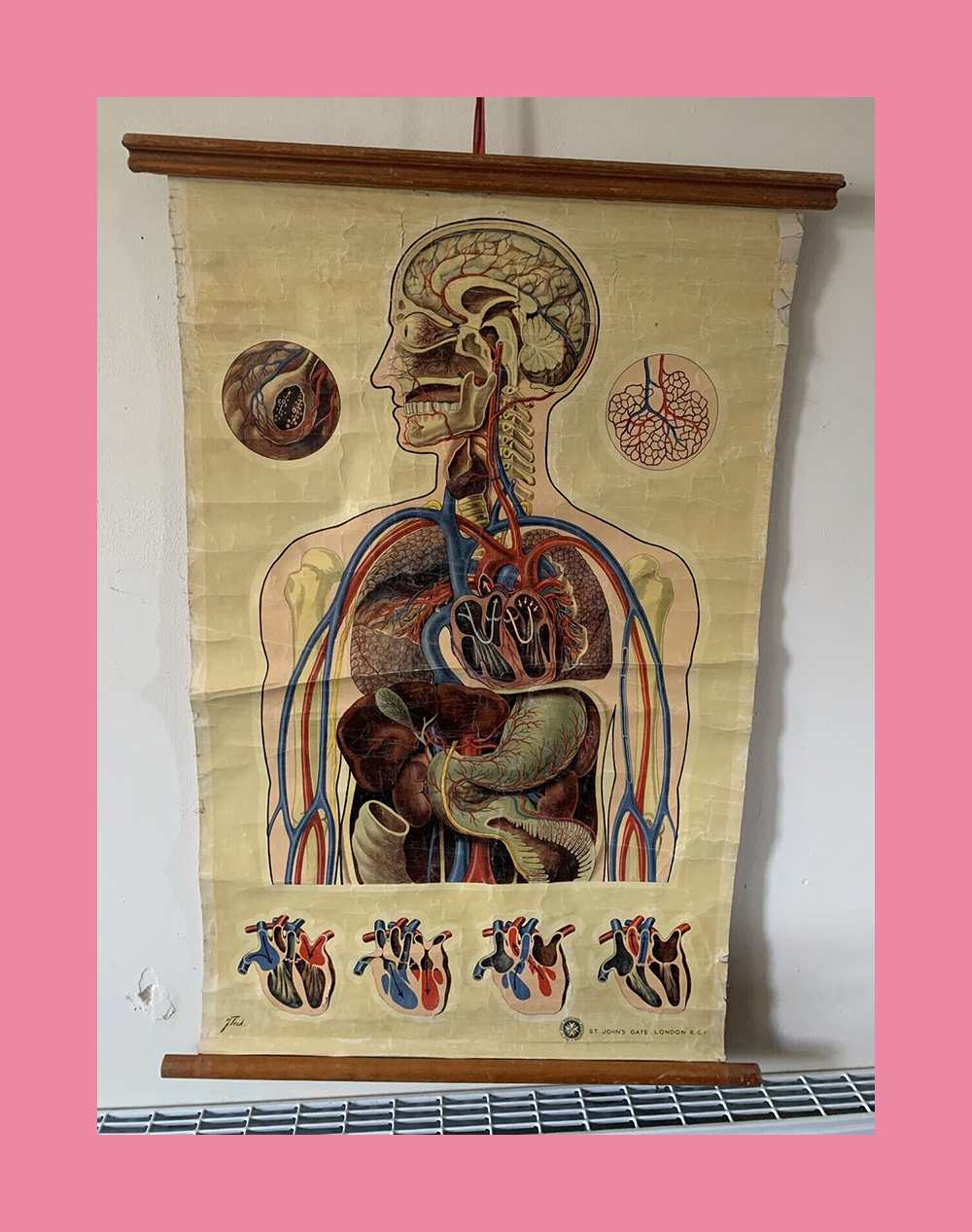
St Johns Ambulance Medical Poster Blood flow system, by J Teck, probably 1940s/early 1950s – Ham-fisted bun vendor not pictured..
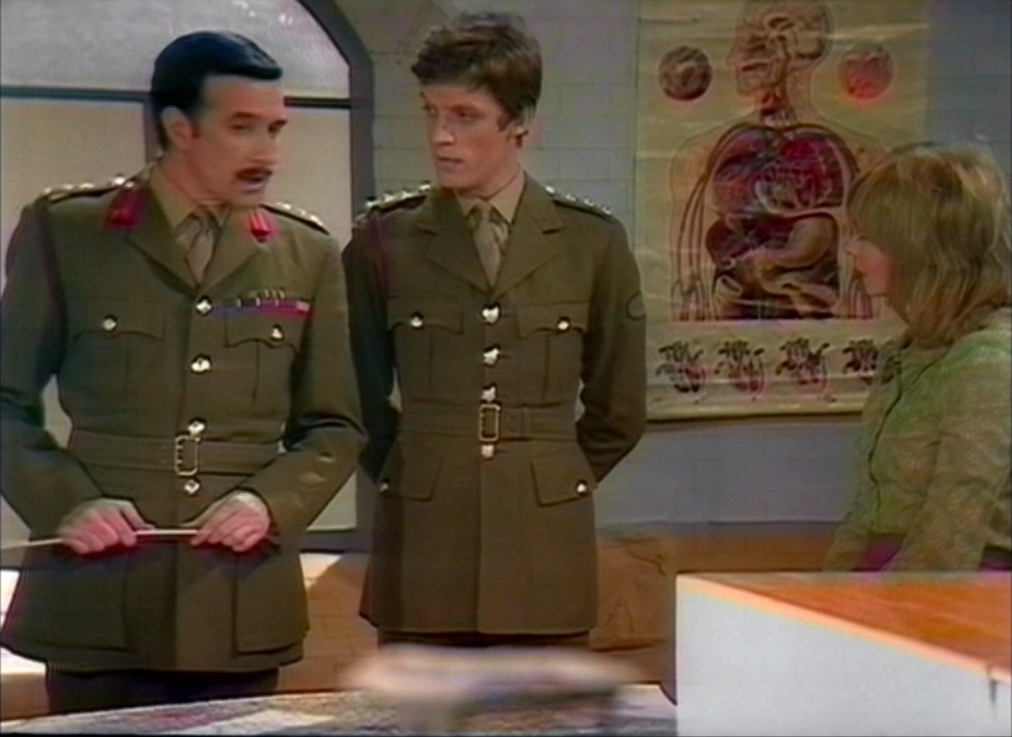

Back to Dinosaur invaded London, and this anti-smoking poster ‘You can’t scrub your lungs clean’, produced by the Health Education Council, London.

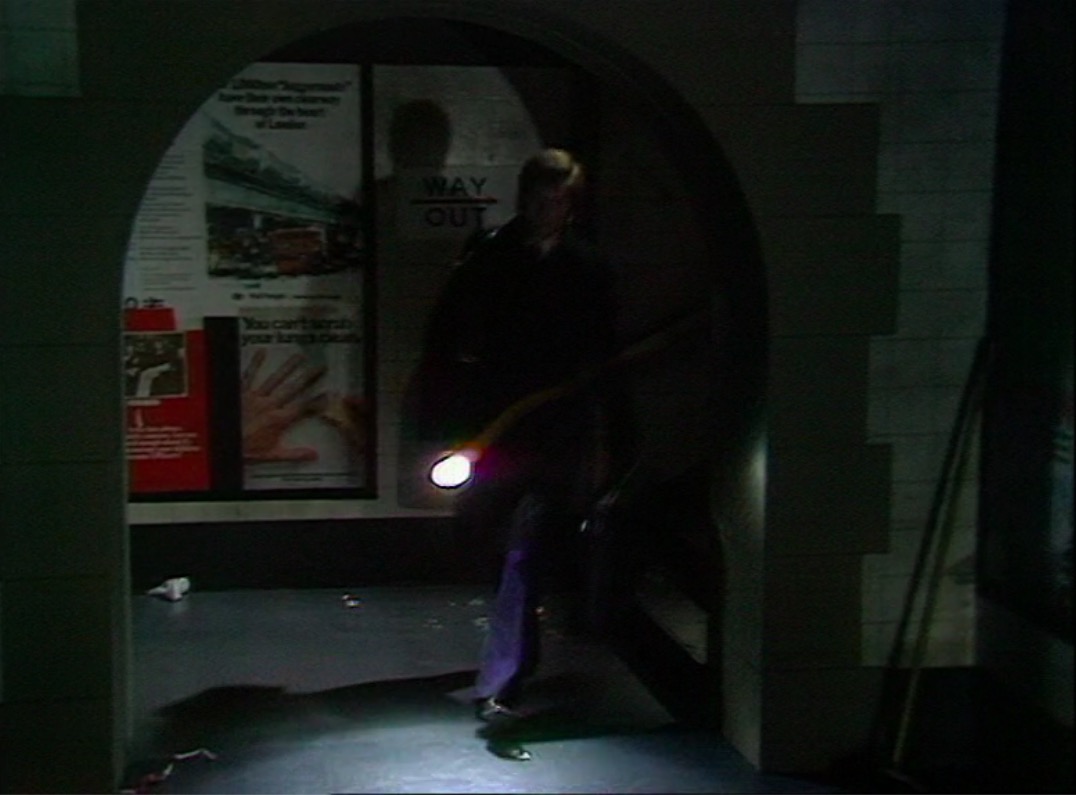

And check this out, if you look even closer! This advert for Rail Freight. 1,000ton juggernauts, no less!
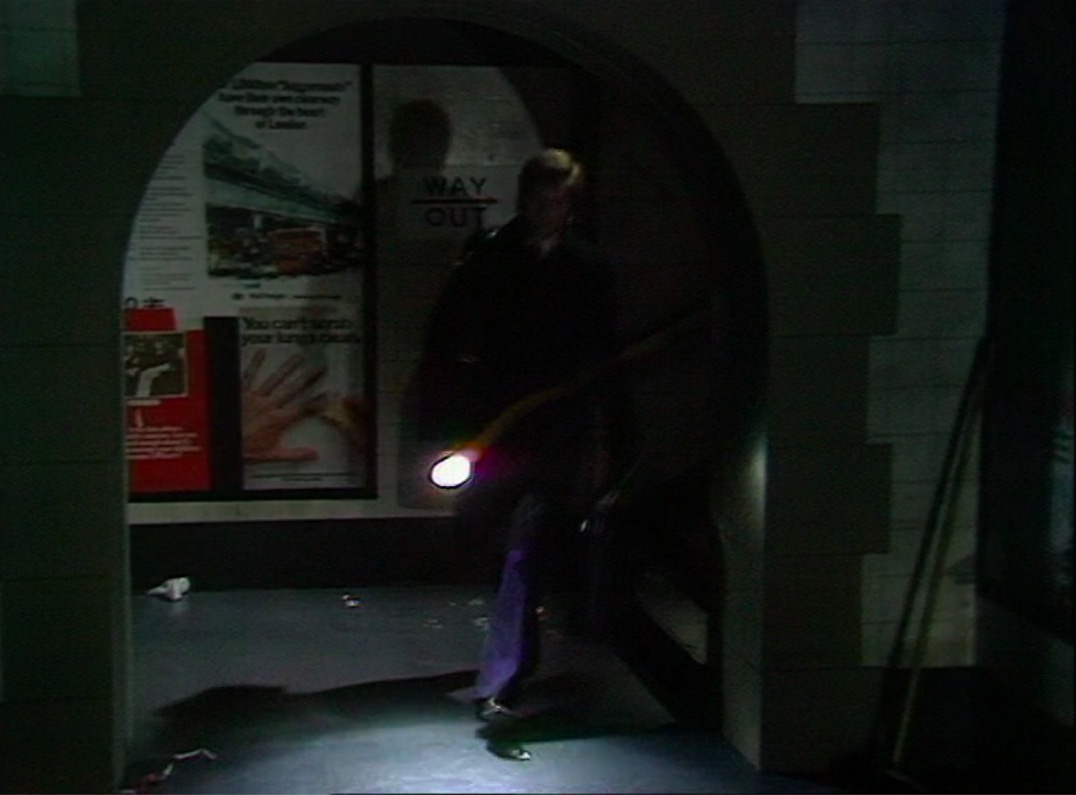

More squinting, I’m afraid! Look to the right, and in the darkness, is this poster advertising the 1972 film adaptation of the BBC’s Henry VIII series. The director was Waris Hussein. Whatever became of him? Thanks both to another ‘King Harry’. @IcarFaem on the Twitter.


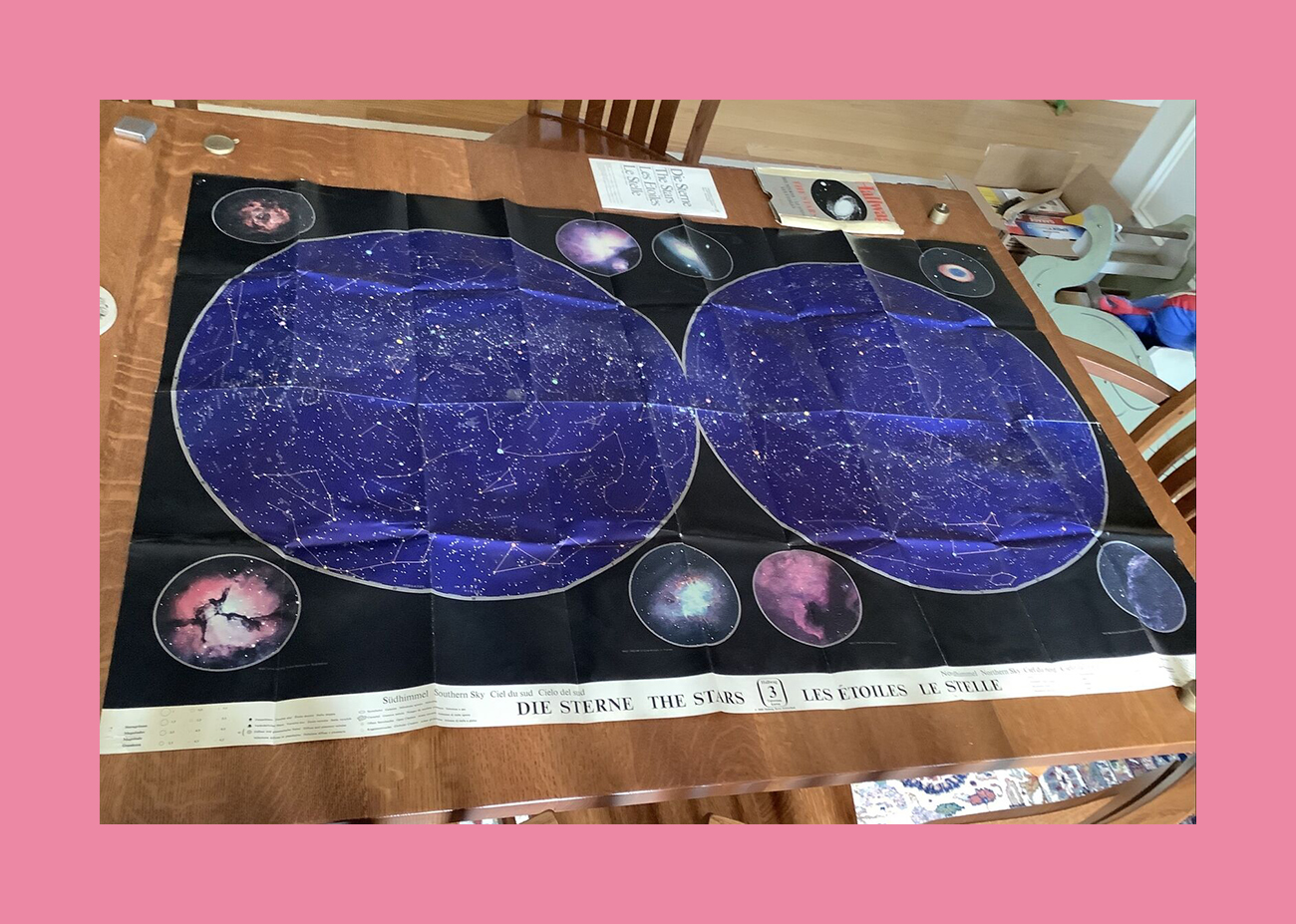
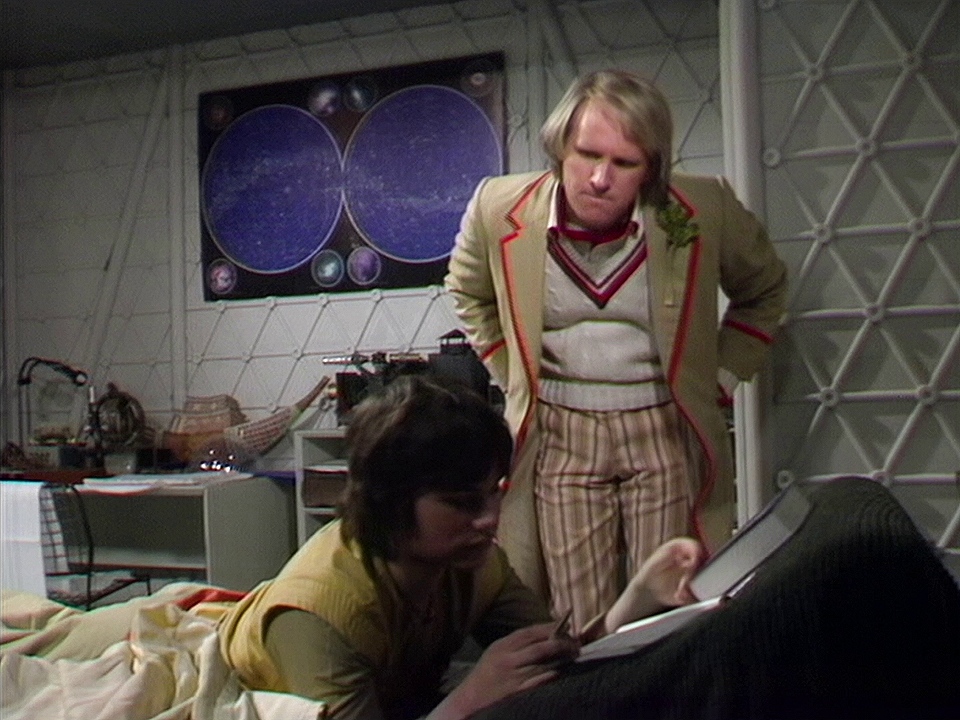
The Stars – poster. This features in ‘Earthshock’ and ‘Terminus’, as something Adric might enjoy. Also it features in ‘Timelash’. It dates from 1969 and was produced by Hallwag Maps, Switzerland.

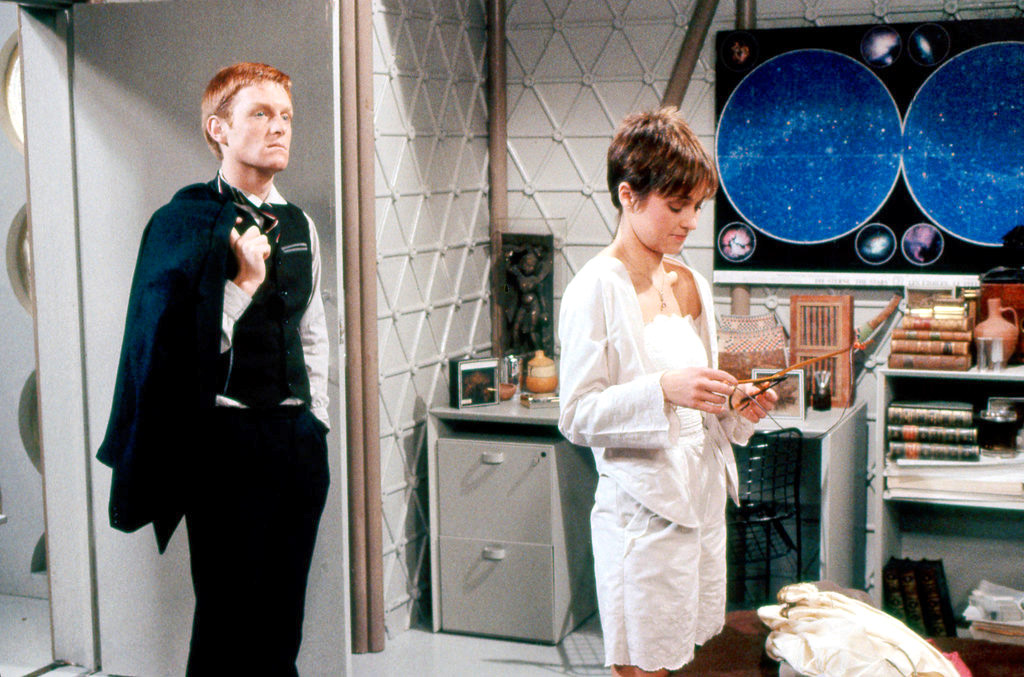

A similar chart can be glimpsed in ‘Terror of the Vervoids’ – this is ‘Map of the Sky’ – a star chart showing stars to magnitude 5.0 and many deep-sky objects. Includes the Milky Way, constellation lines, and classical constellation figures (lower portion). This was produced by Cartografia Giovanni De Agostini, Milan. Date uncertain (possibly 1961)


Moving on to 1988, and Silver Nemesis features this depiction of Madonna and Child. The provenance of this particular painting can’t be confirmed, but it would appear to be from the late 19th century, and based on the famous work by Raphael, painted approximately 1513–1514.

Here’s a famous reproduction. That of Jan van Eyck’s portrait of Giovanni di Nicolao di Arnolfini, an Italian merchant working in Bruges, and his wife, from 1434. There are many interpretations of this painting, which I’m sure Castellan Kelner was pondering, alongside how badly framed. it was, while his Sontaran overlords wanted yet another thing from him.

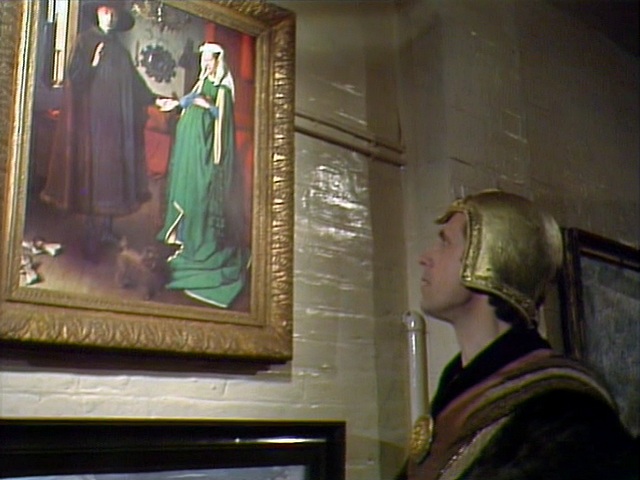
We also see, pride of place, L’Escargot (The Snail) by Henri Matisse, 1953.


In Adric’s room, later occupied by Turlough, there is a reproduction of Victor Vasarely’s ‘VP-host’ (1970- 72). Vasrarely was a French-Hungarian artist credited as the father of the Op Art movement.
Another print from the same series can be found onboard the Hyperion III.

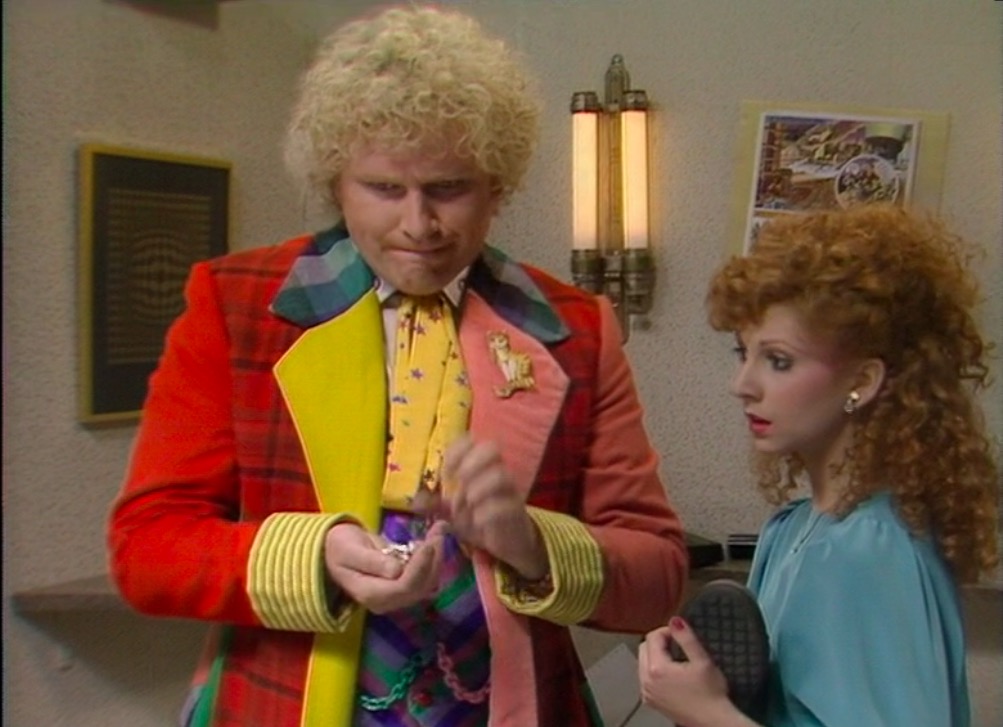

The print in question is likely to be ”Yak” (1978). Complements Mel’s hair.

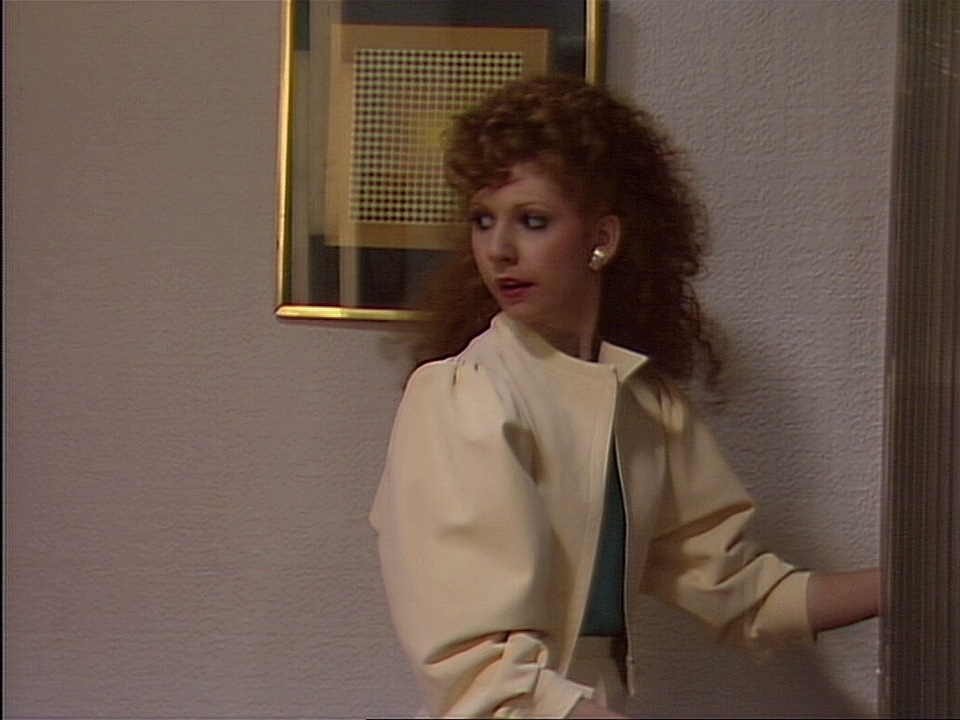

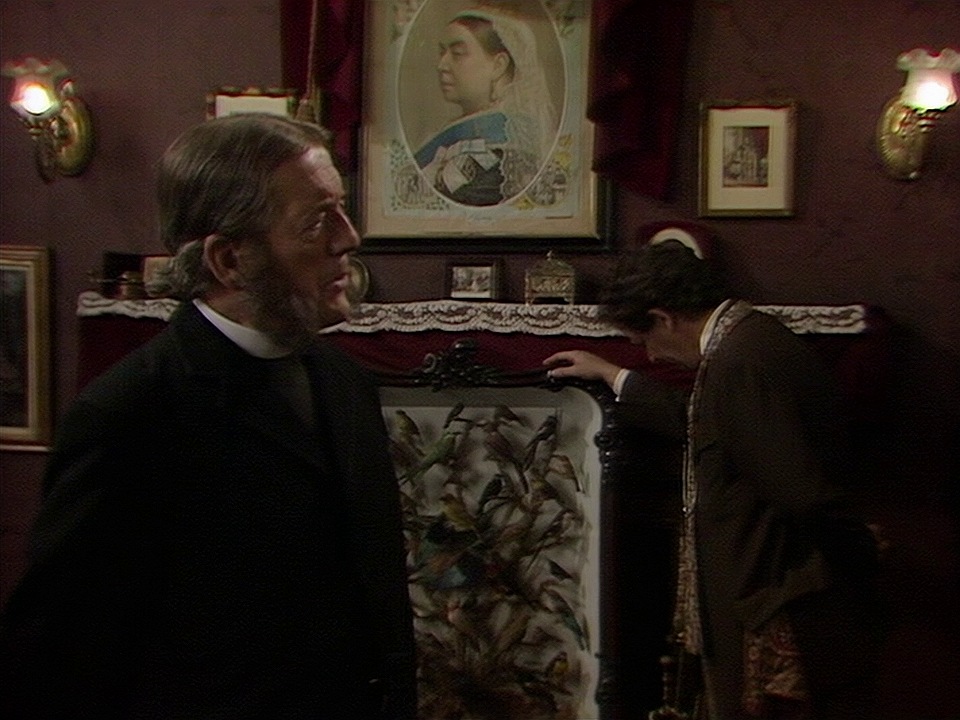
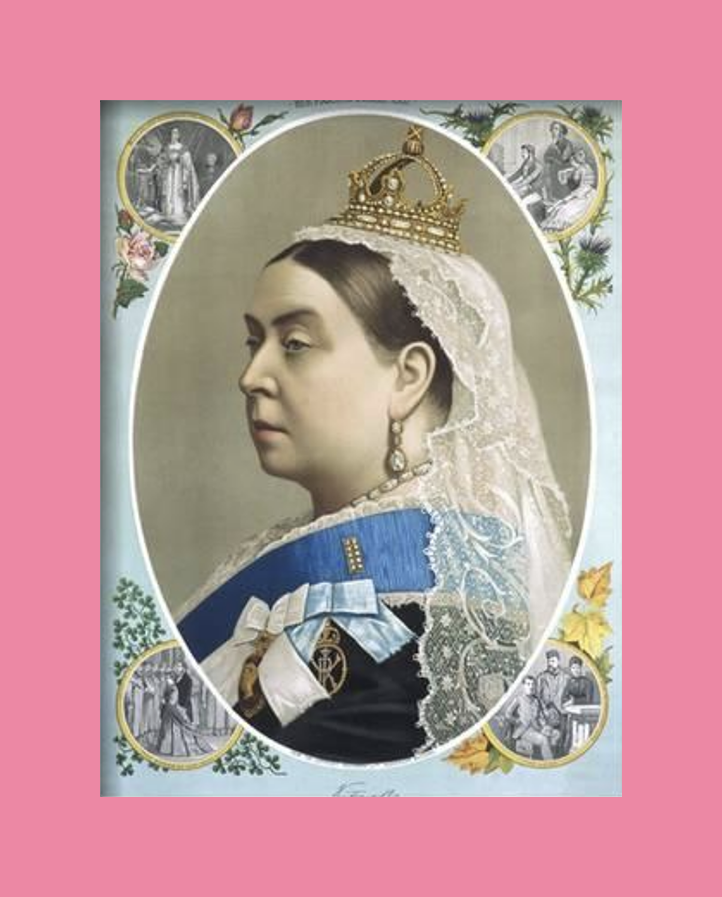
Finally, we shift to the end of the first age of recorded Doctor Who – Ghost Light. We see this colour portrait of Queen Victoria produced for her Golden Jubilee, 1887. Artist Unknown.
ELECTRICAL
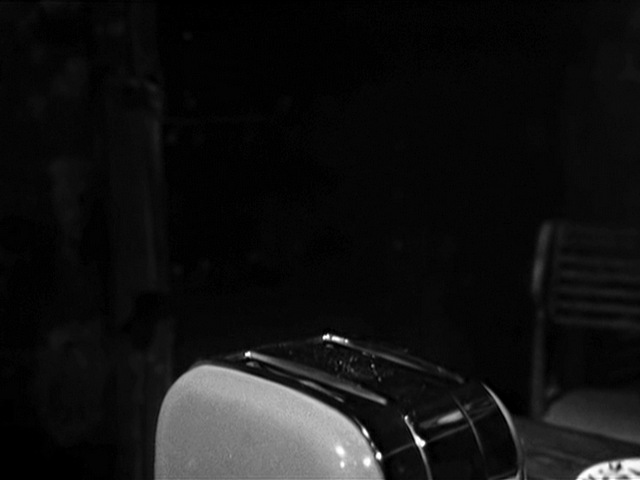
Breakfast in 1066, and here’s that Meddling Monk cooking up fried eggs and toast, thanks to this Morphy Richards pop-up toaster, model TUID, likely in cream, circa 1956.


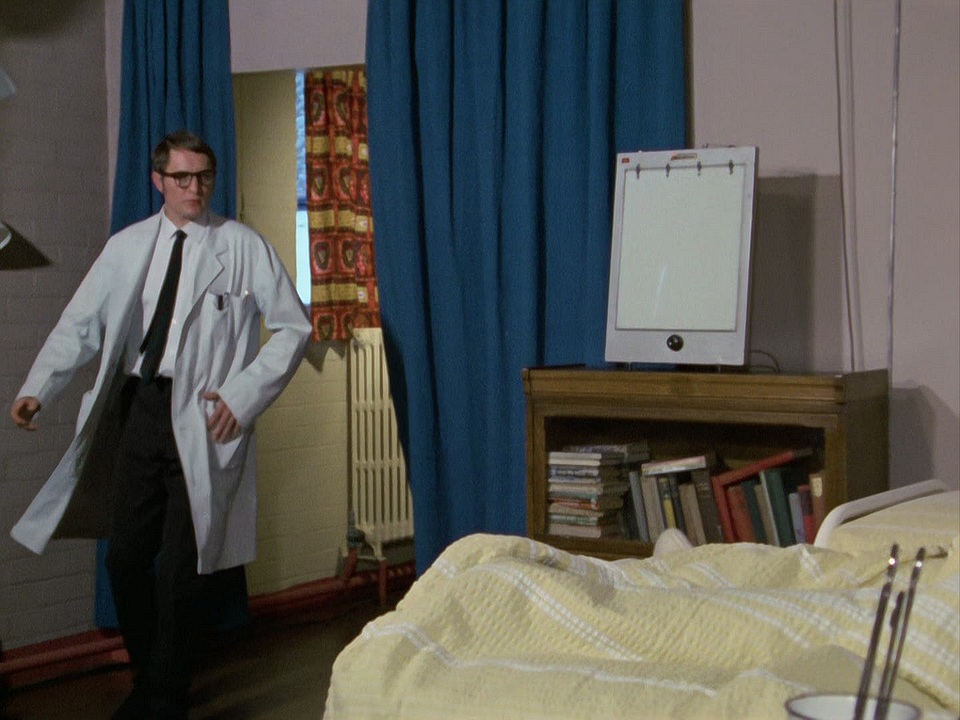
We now take a trip to Ashbridge Cottage Hospital. This 1960’s Kodak coldlight illuminator x-ray light box will have revealed many interesting innards, but I doubt two hearts will have been a frequent occurrence.


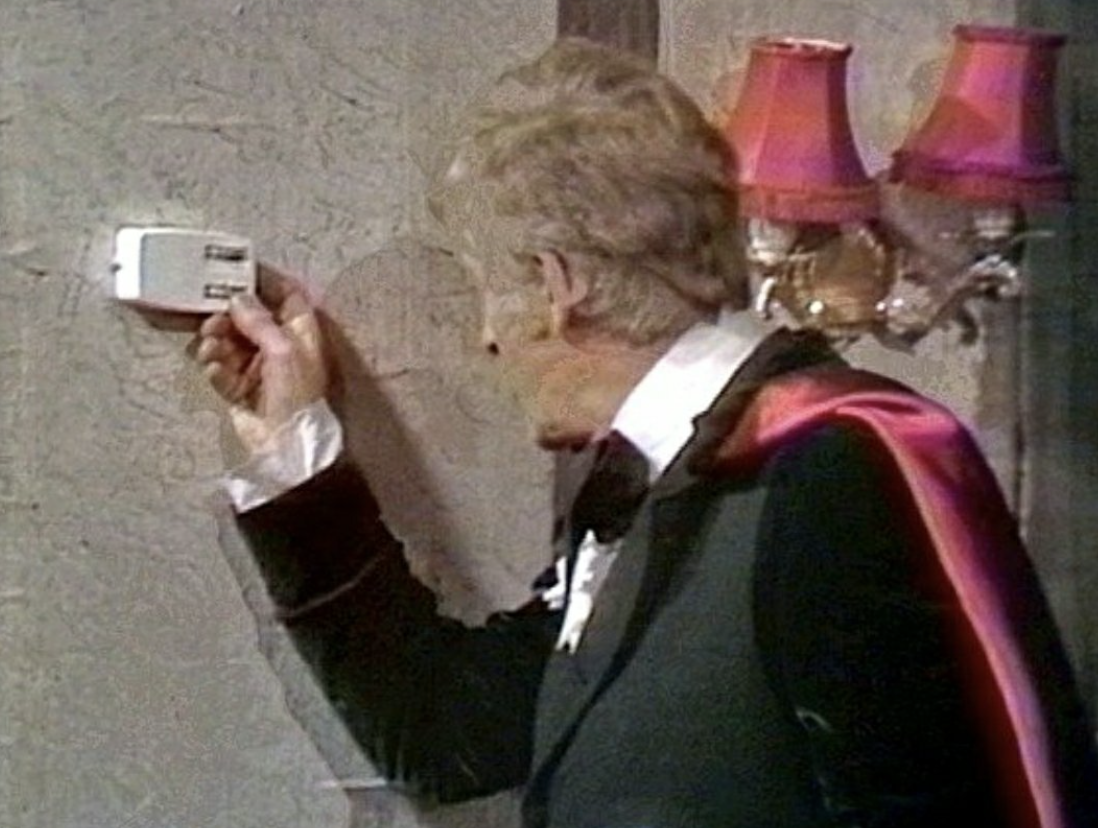
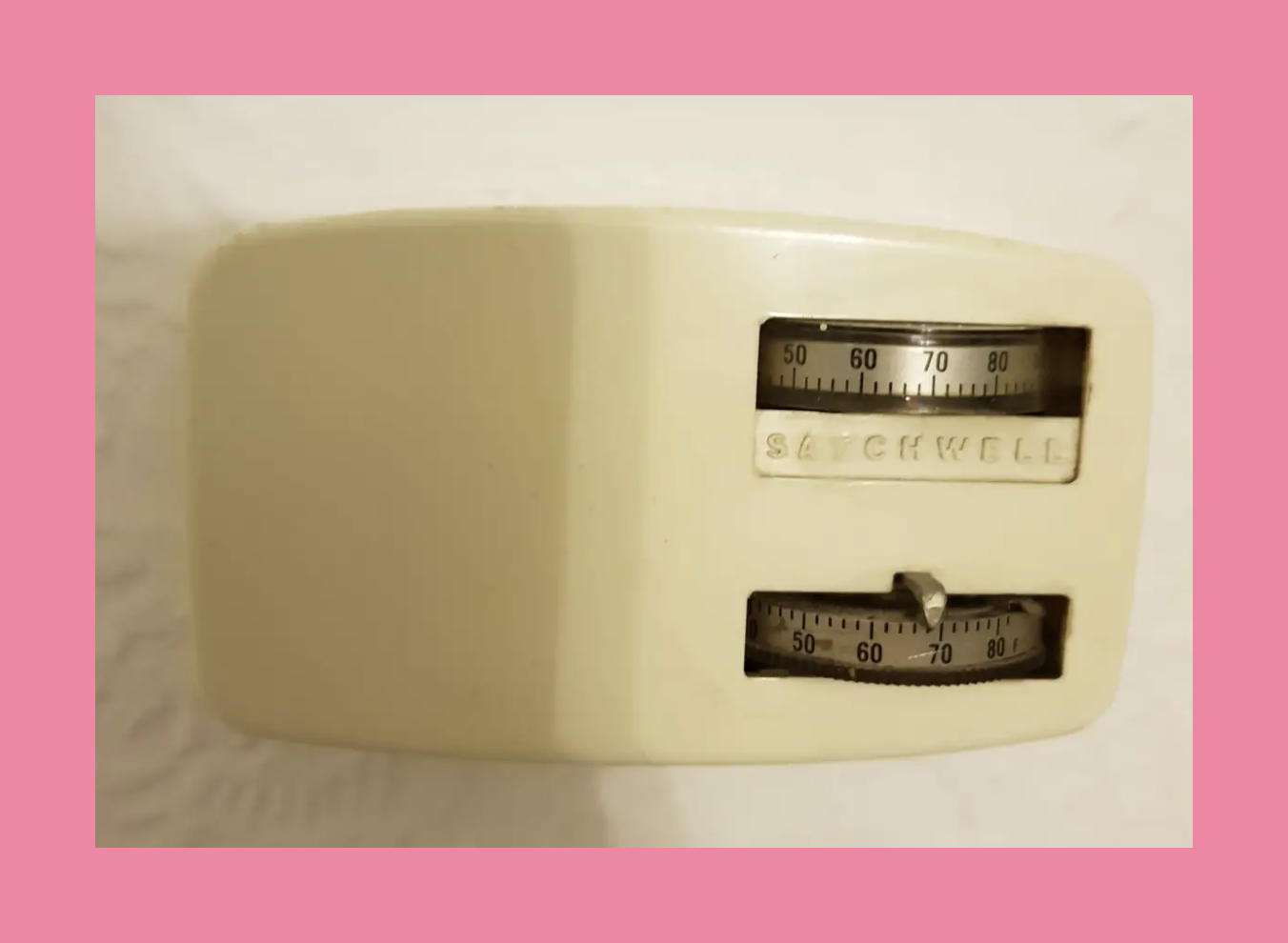
Dr. Quinn likes it toasty, thanks to this 1960’s Satchwell room thermostat.
BOOKS
Book club!
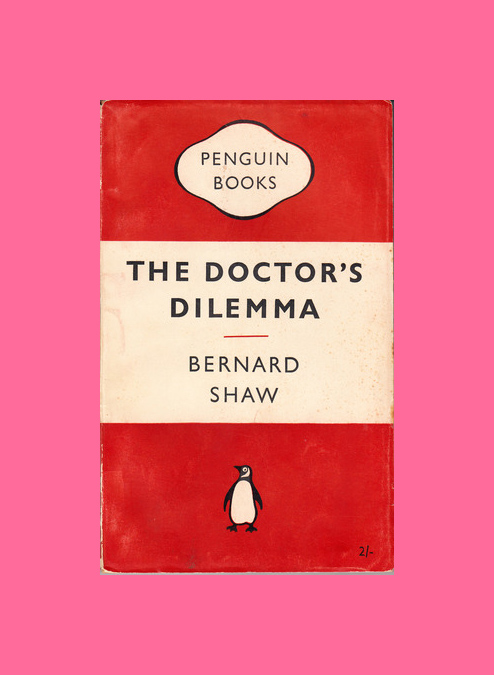
Our first offering is this well-thumbed 1940’s edition of ‘The Doctor’s Dilemma’ by George Bernard Shaw. Penguin books.

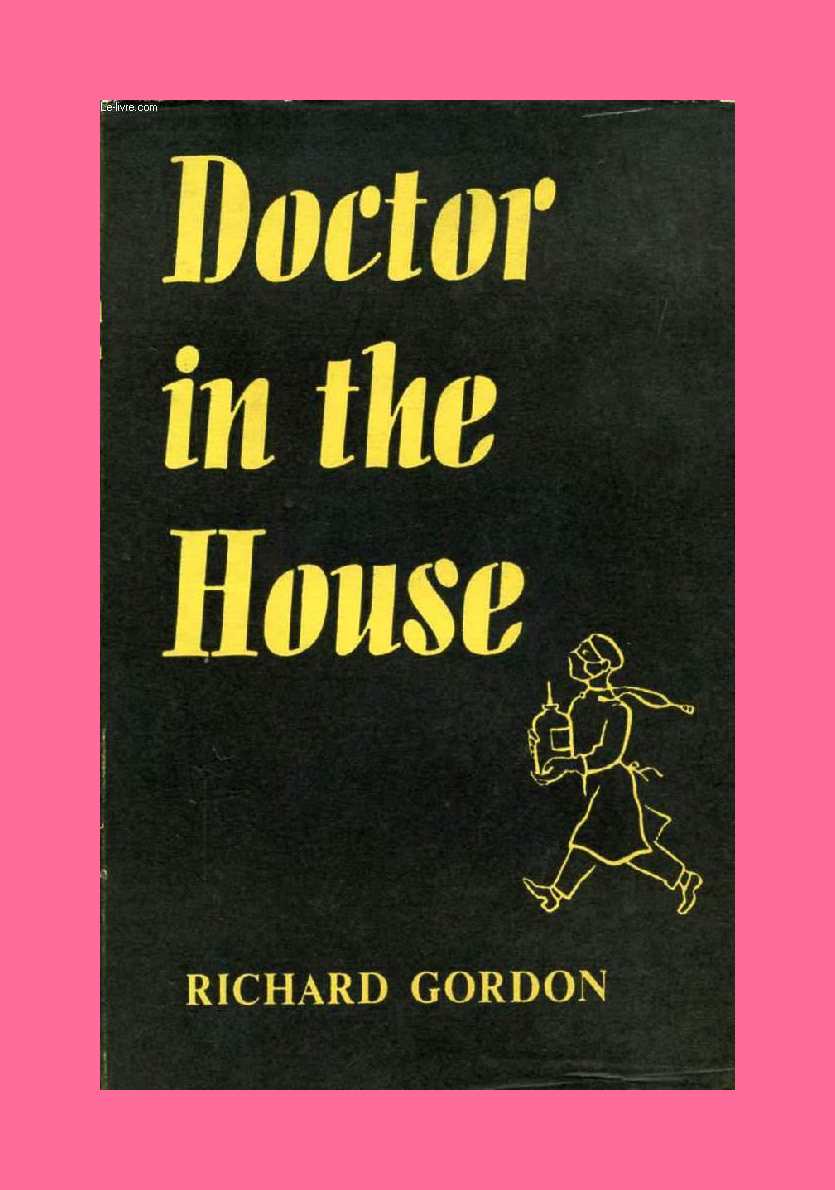
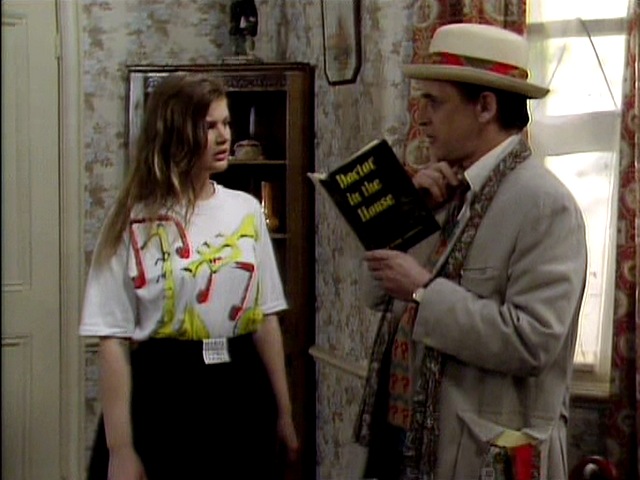
Next up is this 1955 edition of ‘Doctor in the House’, by Richard Gordon.
It’s almost like they deliberately chose books with ‘Doctor’ in the title.
In Tommy’s hideaway, we hear and see ‘Going to school: A Ladybird learning to read book’ (Ladybird books) 1959. It is authored by Margaret Elise Gagg, who is credited with a number of similar publications.
In the hands of John Kane, it remains one of Doctor Who’s most affecting scenes.


Into the frontier within space, and ‘The War of the Worlds’, H.G. Wells. Published by Heinemann, 1973. Heinemann had a long standing history of publishing works by famous authors that had previously been published as serials. I’ll be honest, I thought the cover was a lash-up by the production designers. But no, it is legit!


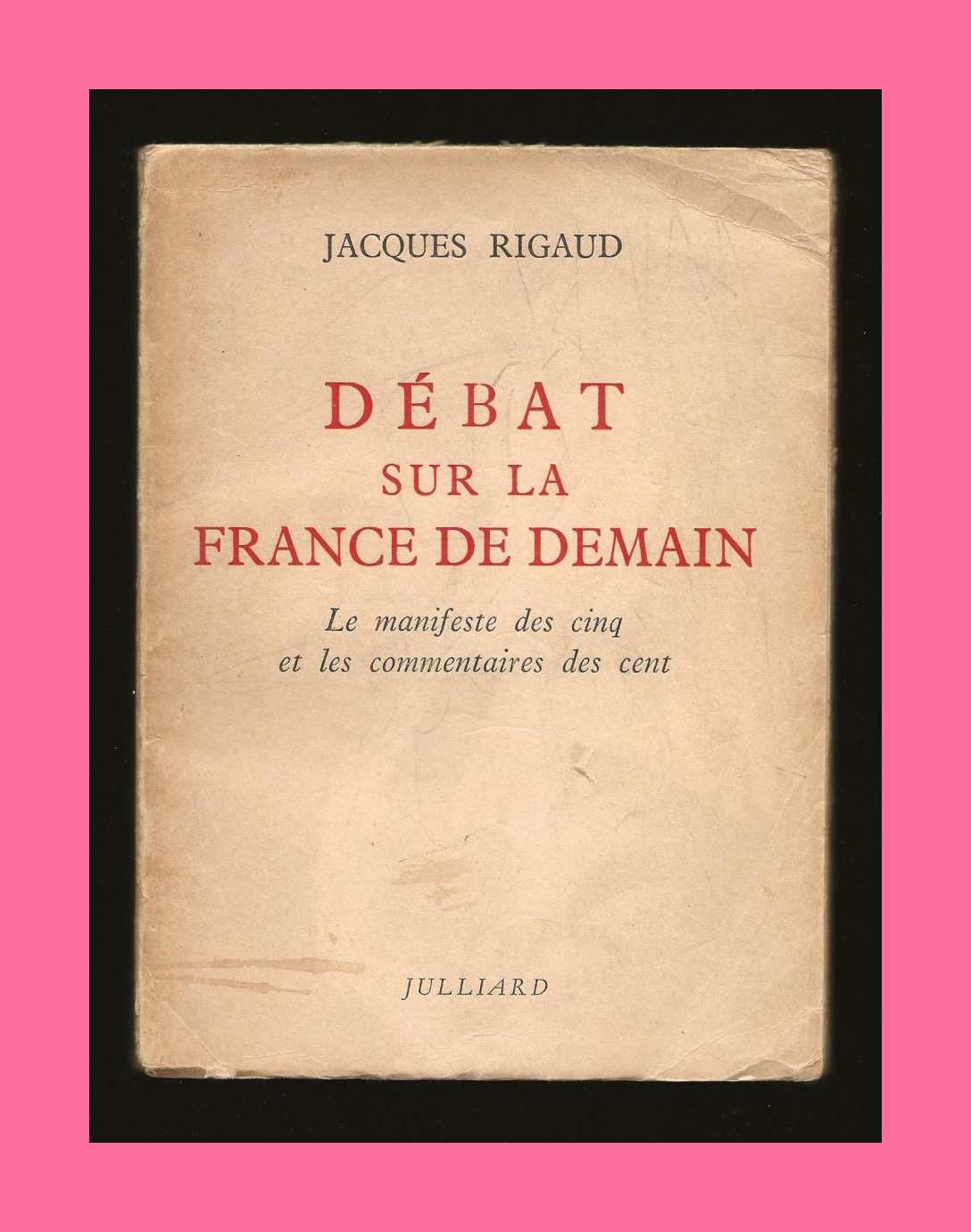
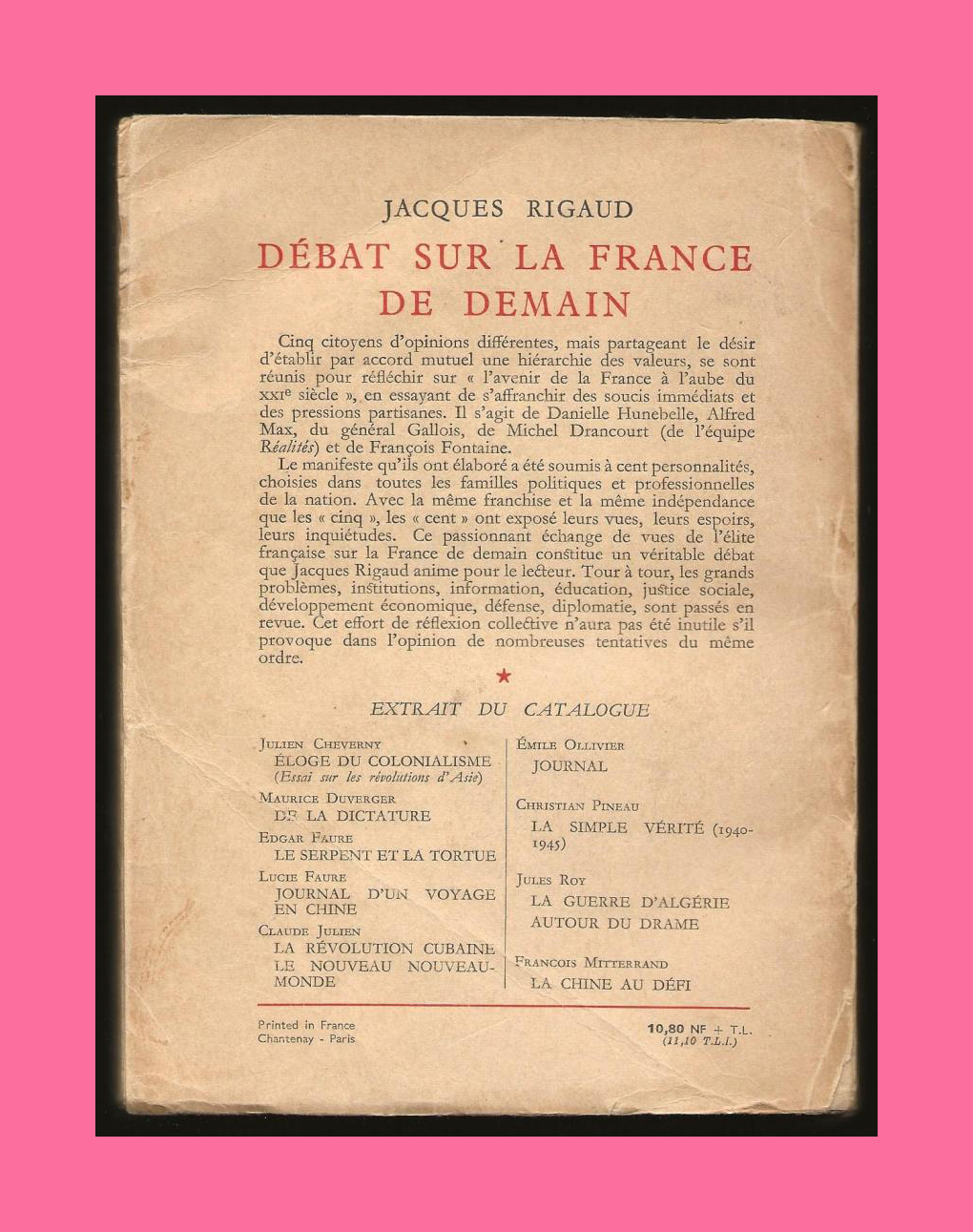
Back to Paris now, and a bit more of a heavy read is ‘Débat sur la France de demain – le manifeste des cinq et les commentaires des cent.’ Published by René Julliard, 1961. This is loosely translated as a debate about the France of tomorrow – a manifesto of 5 and a commentary of 100.
Its writer, Rigaud Jacques, had an established political career, particularly as a senior civil servant, journalist, political writer, and deputy director general of Unesco.
Apparently, the book was “a bit boring in the middle“.



Tonally, the polar opposite of a political essay is ‘Juggling for the Complete Klutz’, by John Cassidy & Billy Clyde Rimbeaux. This made it to a 30th-anniversary edition, and many reprints are still available.


To Cranleigh, and the Doctor stumbles upon ‘A Text Book Of Botany For Students, with directions for practical work’, by Amy F M Johnson. The preface was written September 1902, a good 23 years before Adric tucked in, Nyssa dropped out, and Tegan was the life and soul of the ‘partay’.


Onto the Master’s hotel now (with en-suite), and we can glimpse Peter Mark Roget’s Thesaurus – regarded as the first of its kind. ‘Roget’s Thesaurus of English Words and Phrases’ was first printed in 1852, and has never been out of print since.


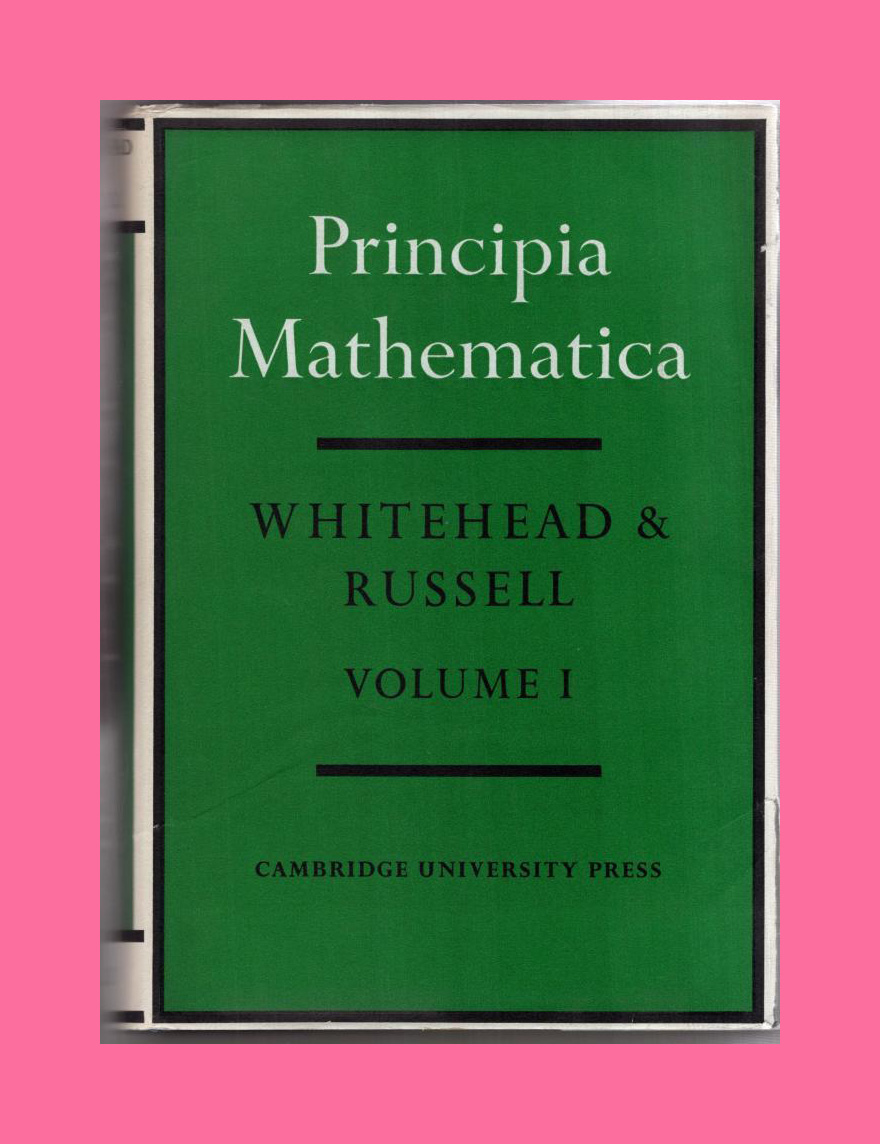
Ah, the young students of antiquity! Another light read is a ‘monumental but little read classic of symbolic logic’ – ‘Principia Mathematica’, by Alfred North Whitehead and Bertrand Russell. It was first published in 1910–1913.


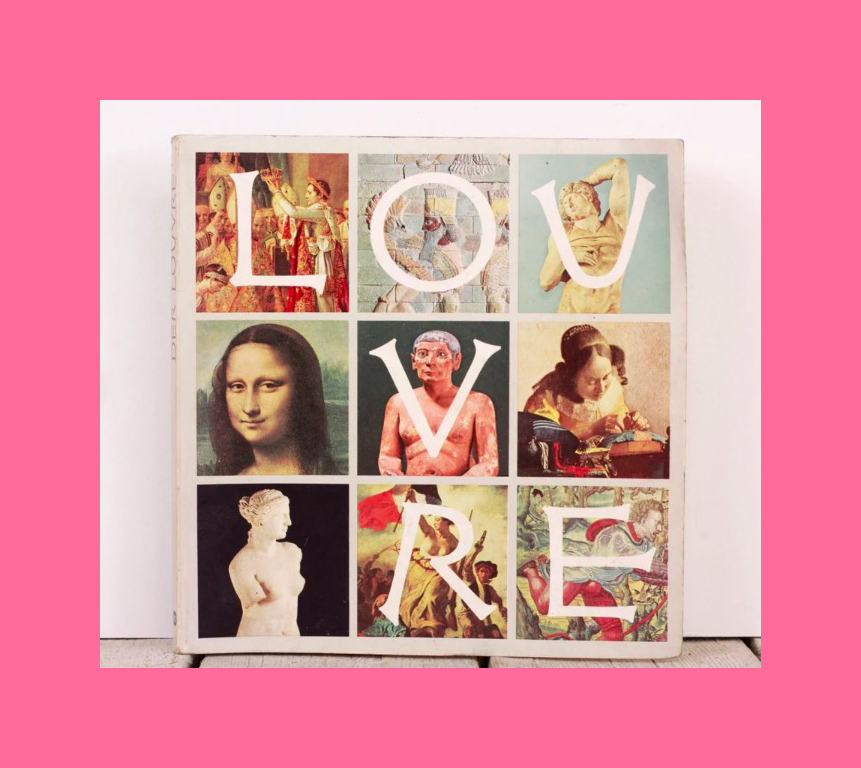
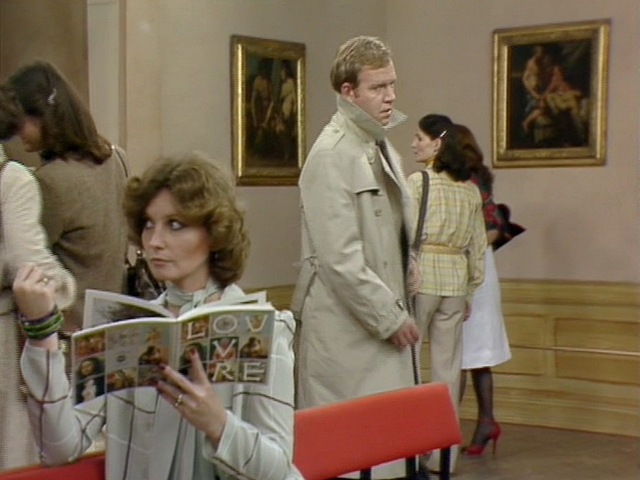
Finally, we return to Paris (via BBC Television Centre), and we have this 1977 Louvre Museum Book with floor map, for those moments when one tries so hard to look inconspicuous, while a detective with a gun in his pocket (probably) walks around looking anything but.
And, of course, ‘The Time Machine’, H.G. Wells. Pan publishing, London. Perhaps a 1976 or 1979 reprint.


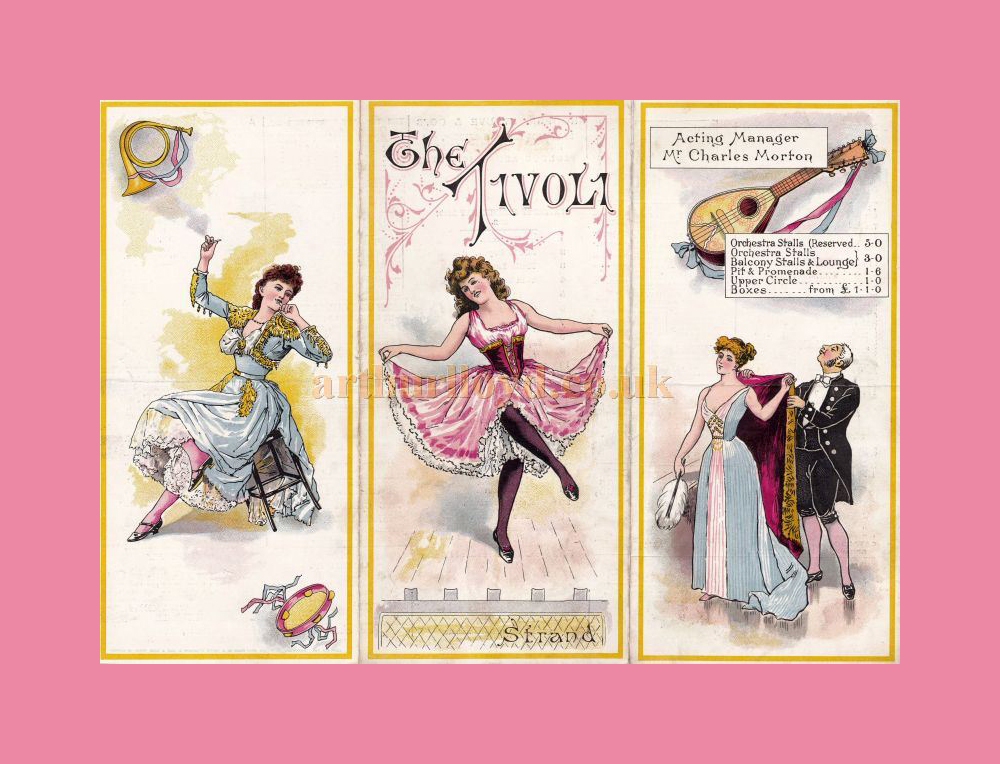
We finish, not with a book, but a printed item. In the Palace Theatre, Leela holds a theatre programme. I always assumed this was a custom-made artefact for the scene. After all, it does have ‘The Palace’ prominently featured at the top. However, it is a modified version of a programme, for the Tivoli Theatre n the Strand, London for May the 28th, 1892.

FOOD AND DRINK
Let’s start with breakfast in Shoreditch, 1963. Mrs. Smith is seen with a PBB “Ever hot” insulated ceramic and chrome teapot. The patent number is 523942. England, 1930’s


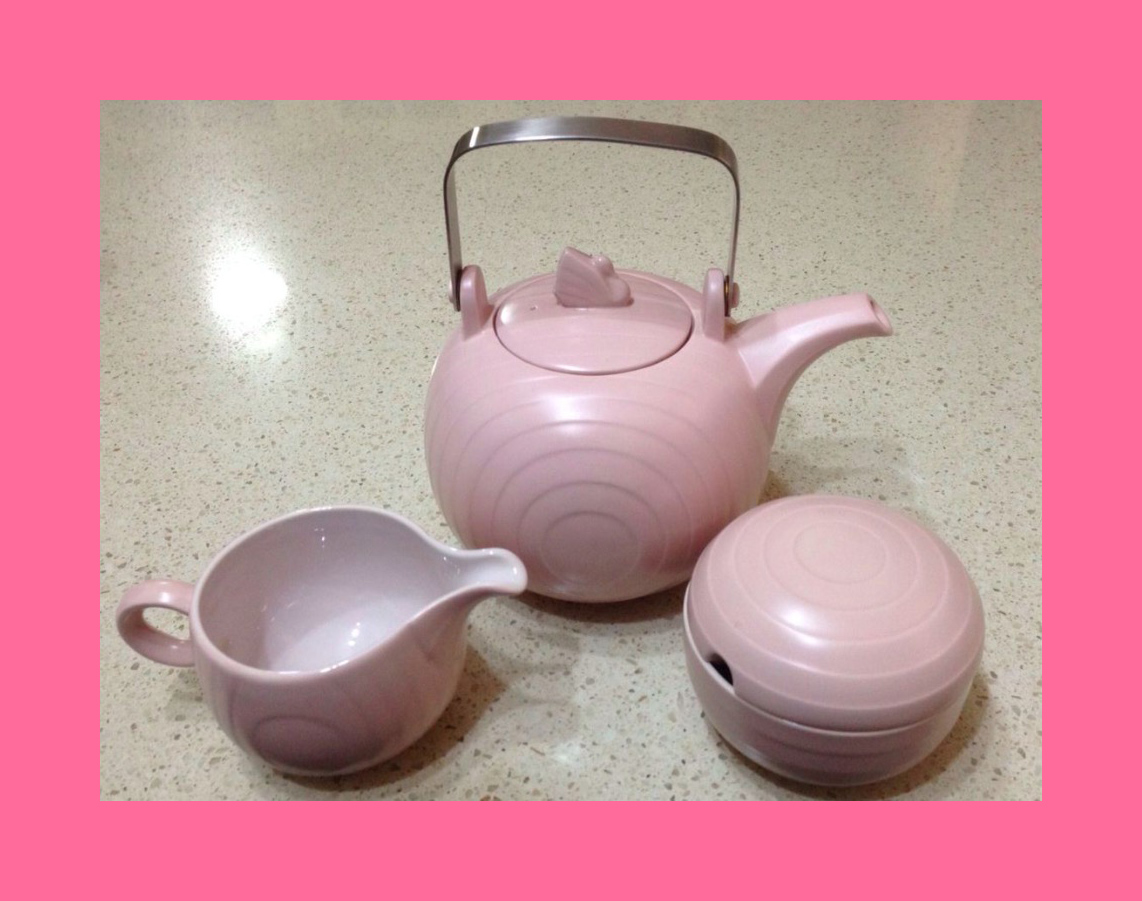
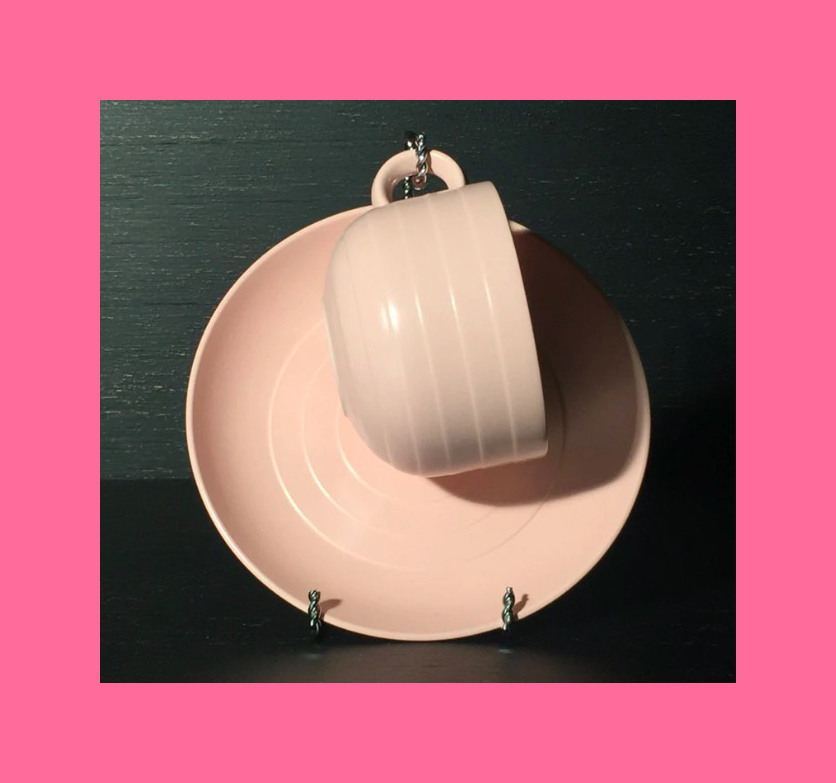
On to afternoon tea now, and Mel enjoys the immaculate presentation offered by Tilda and Tabby of apartment 1236 Paradise Towers. Here we see a pink ‘Swan lake’ dinner set, first produced in 1983 by Hornsea Pottery, and available in stone white, pink and grey. Hornsea Pottery was created in 1949 by two brothers called Desmond and Colin Rawson, and survived until 2000.

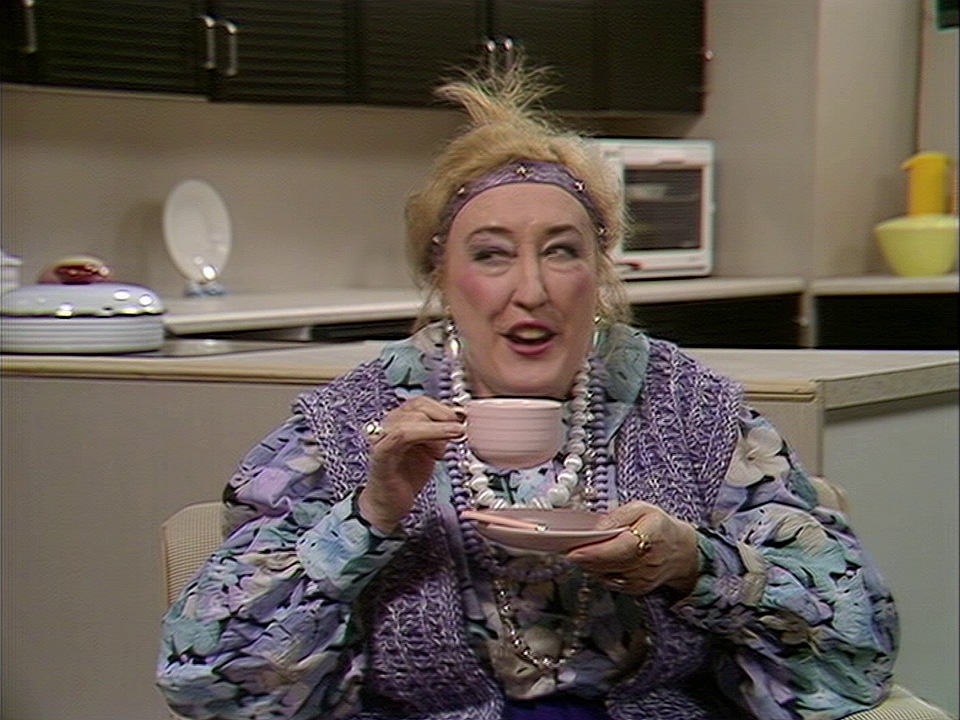


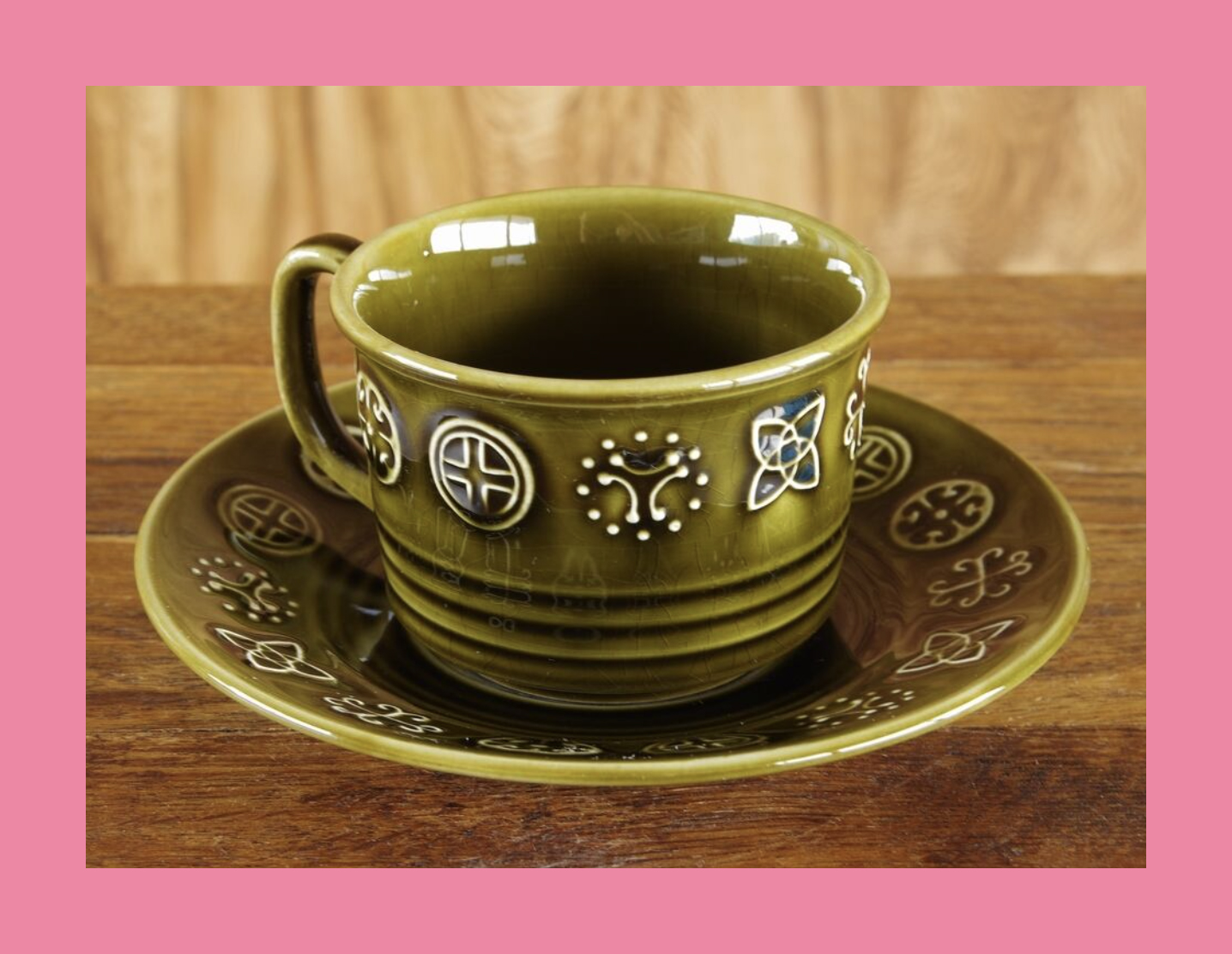
Coffee or tea? Mike Yates sups on this Celtic tea cup and saucer, Lord Nelson Pottery, London , 1960s. I thought that would go against Global Chemicals brand of efficiency.

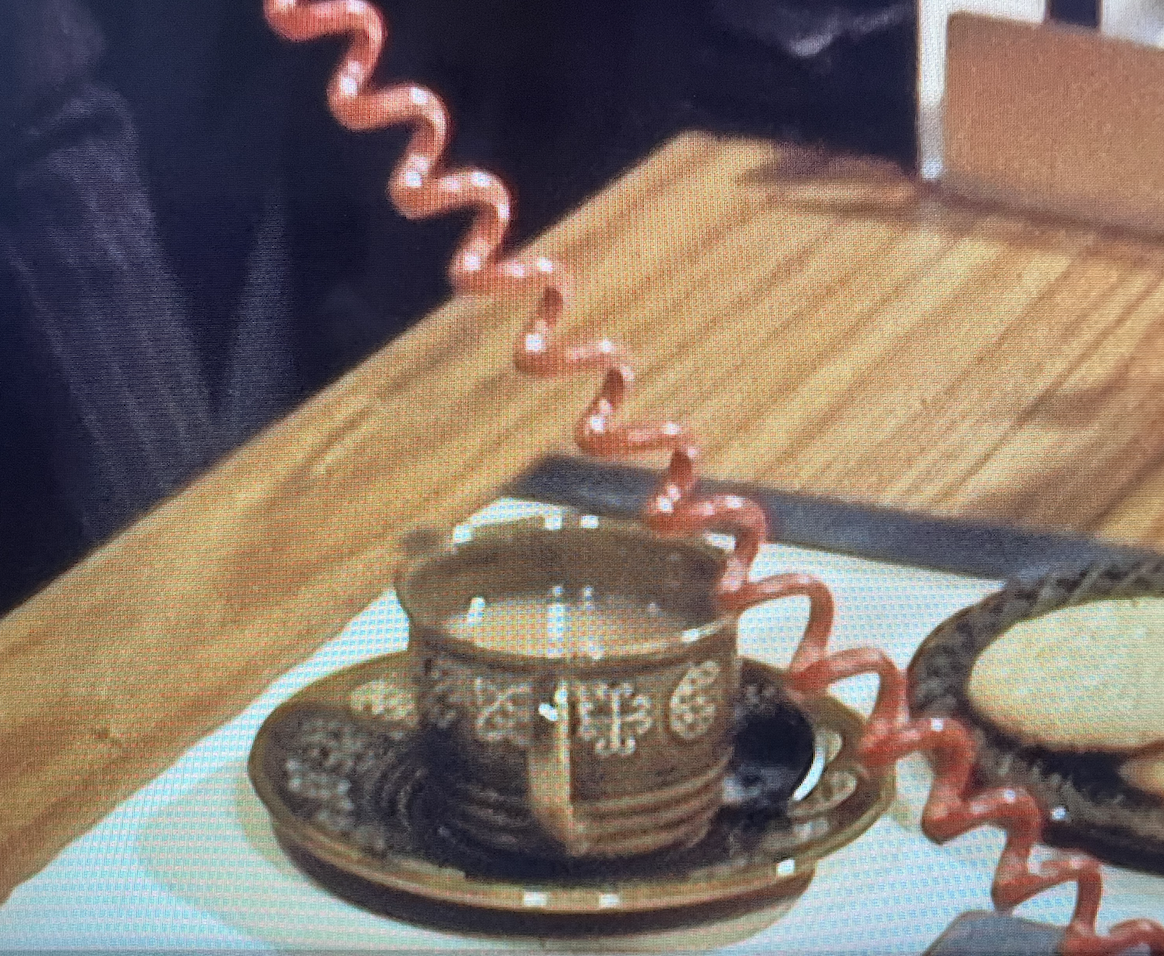
Nyssa and Tegan’s room is adorned with this Dovecot coffee pot and set. Designed by Roger Michell, they were produced by Carlton Ware Pottery, UK, 1978.


The Hyperion III is a treasure trove of riches. Accompanying the obligatory copy of Murder on the Orient Express, are these Bodum Kaffeglas cups with green saucers, Denmark. 1980’s.


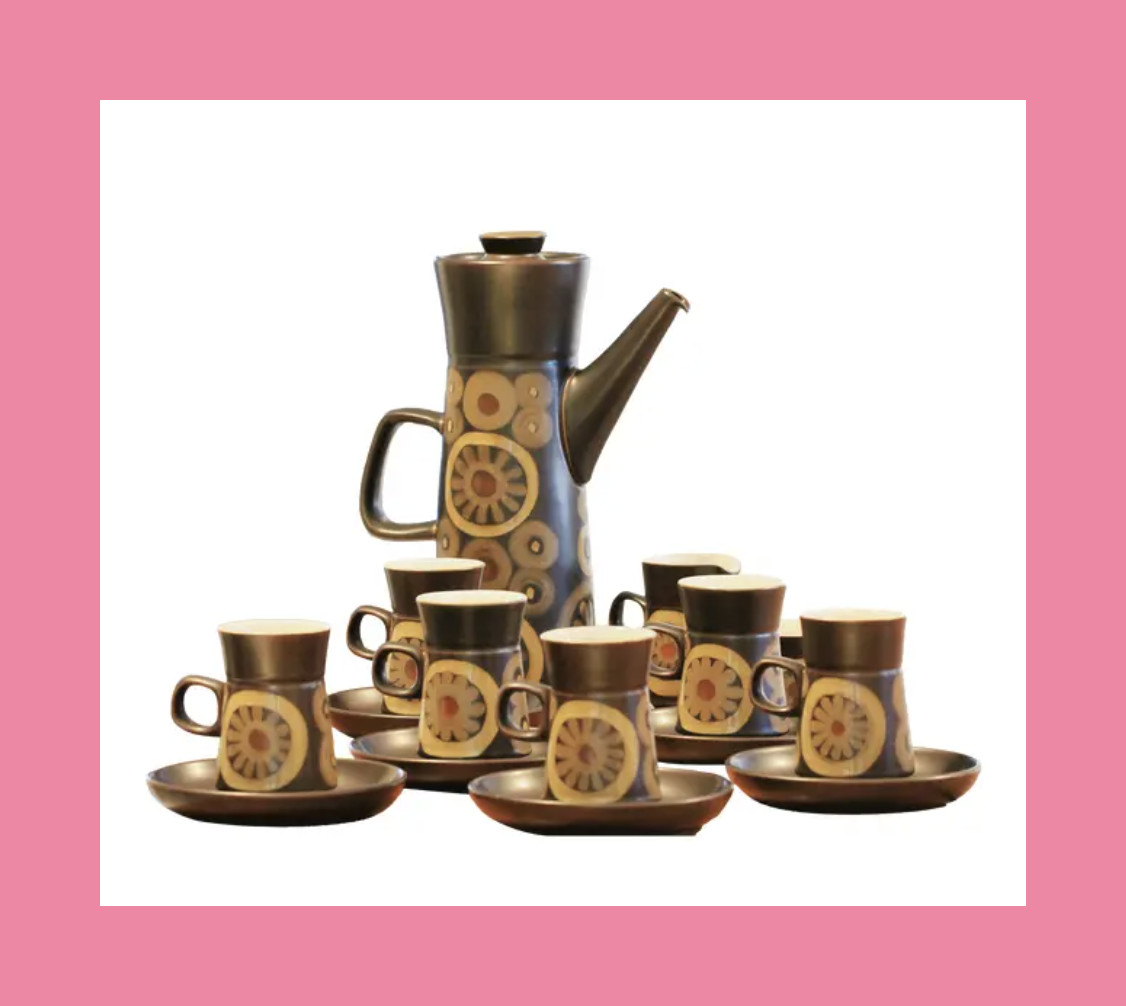
Finally, for coffee, we have this Arabesque cup, by the Denby Pottery Company. Designed following a trip to Russia by Gill Pemberton, UK, 1963.


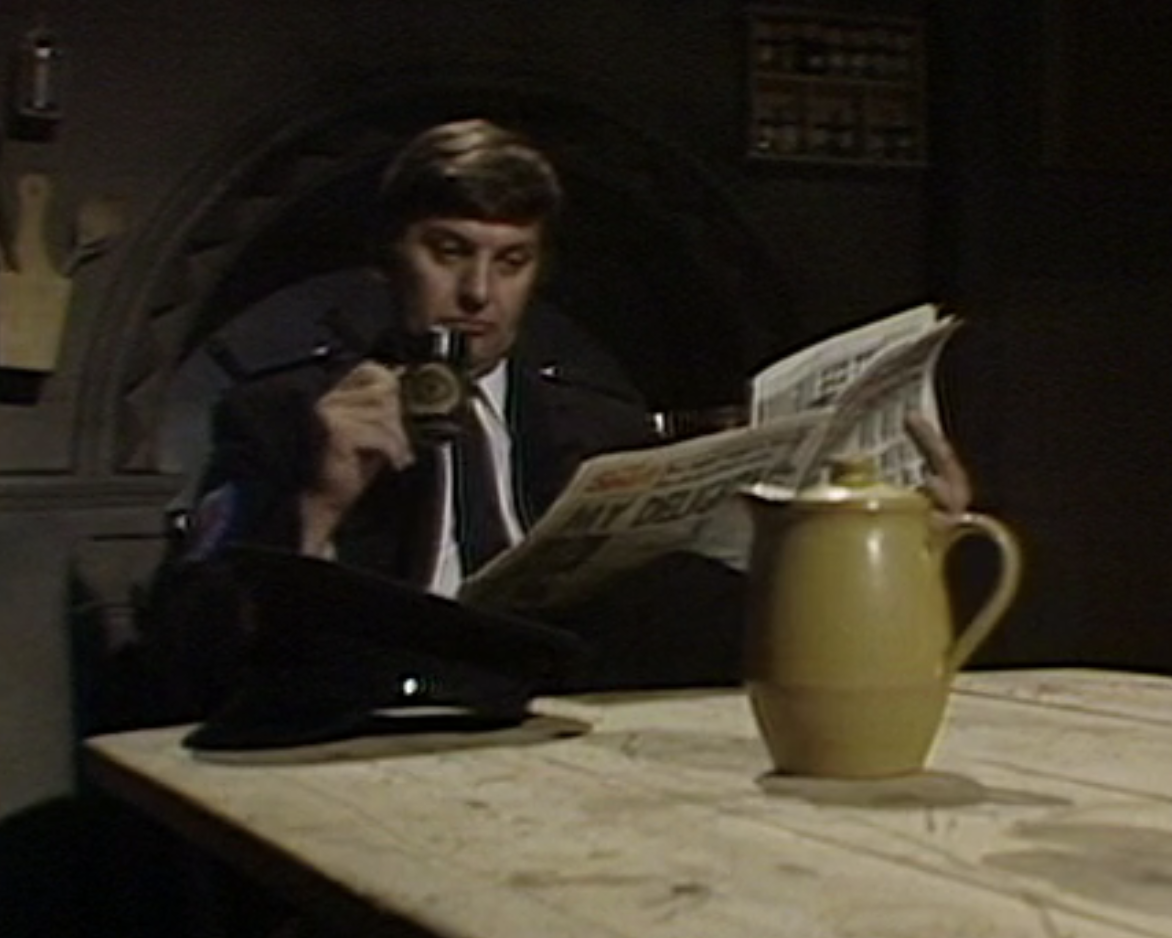
Moving on to lunch, let’s spare a thought for poor old Goodge. “Elsie, cut out the hard-boiled eggs“, he said. Although I’m unable to comment on the effects on his digestion, I can enjoy this 1960s Aluminium Sandwich (or Snap) box – made in England. It’s functional but not aesthetically boring.


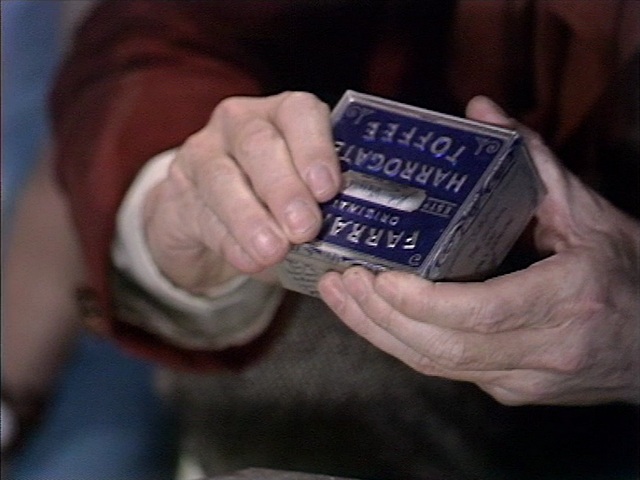
Another tin, full of anti-matter goodness. In fact, this is a 100g blue and silver embossed tin for Farrah’s toffee, established 1840, and still made in Yorkshire to this day.


On to Tom Baker’s (on screen) tipple of choice. This is very likely an old pottery ginger beer bottle from G Ray & Sons Macclesfield. The bottle measures 8″ in height and has screw threads on the inside for a top. Likely 1920s. Perhaps it goes well with a Salami sandwich?


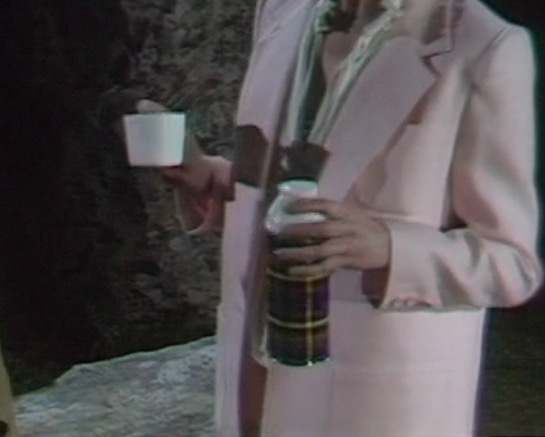
A quick hop to the Roll Right Stones, or is it Cornwall? Either way, this tartan thermos flask manufactured by Vacco (British) 1970s, will keep warm the most stone cold of souls.

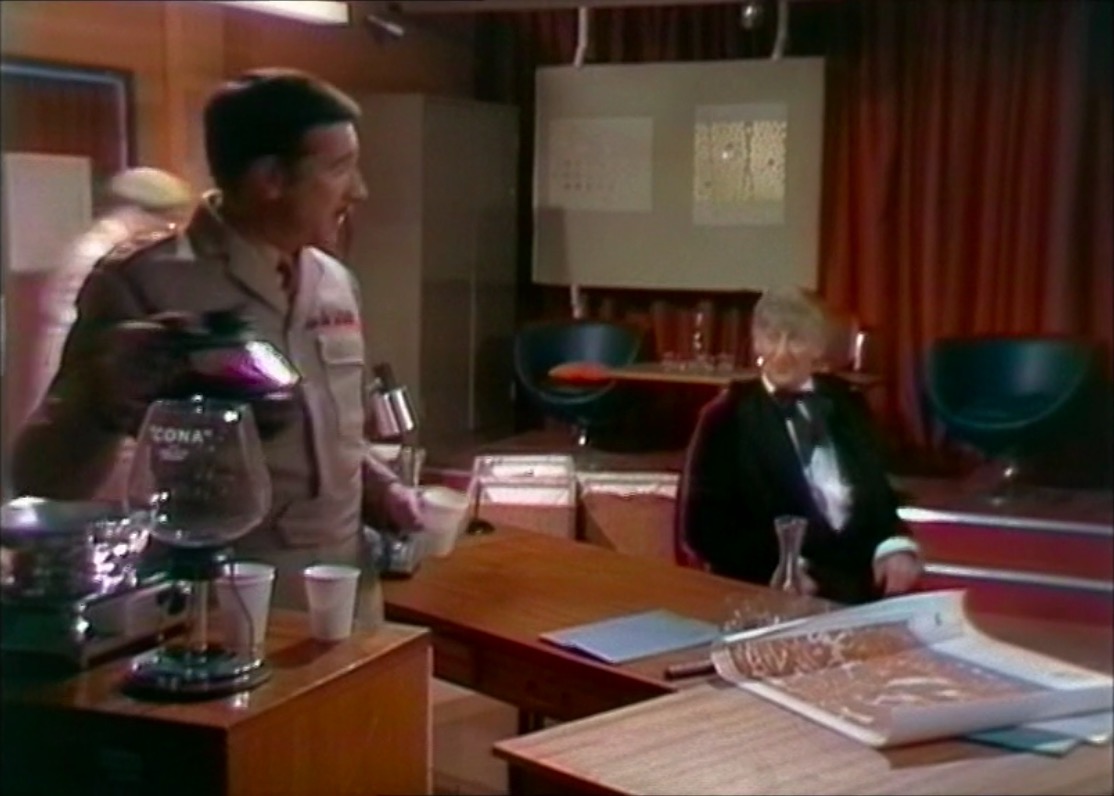
Sticking with hot drinks, here is the ‘Cona’ coffee machine, at Wenley HQ. Apparently, the Cona Vacuum brewer consists of a large glass bowl connected to a siphon tube at the bottom with a rubber seal, and inside the tube is a filter that looks like a little glass rod. I call it a filter because it prevents the coffee grounds from entering the pot.
…I thought you just stick on a Gareth Hunt mask, and shake your hand while next to your ear.



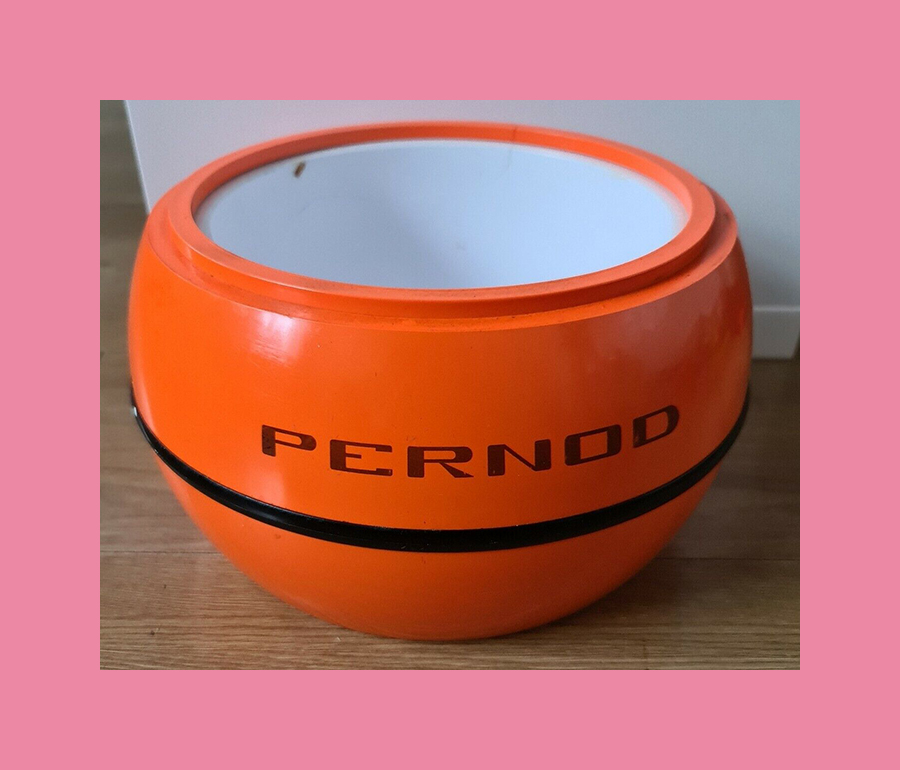
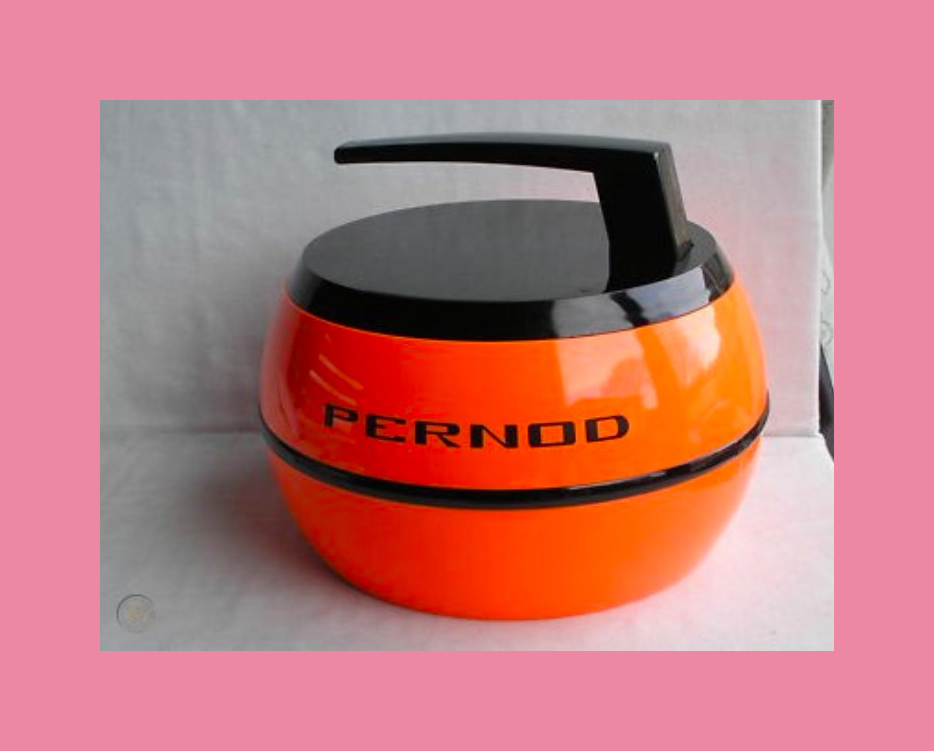
Back to Paris now, and here is a 1970’s Pernod ‘Curling Stone’ ice bucket. Makes sense.

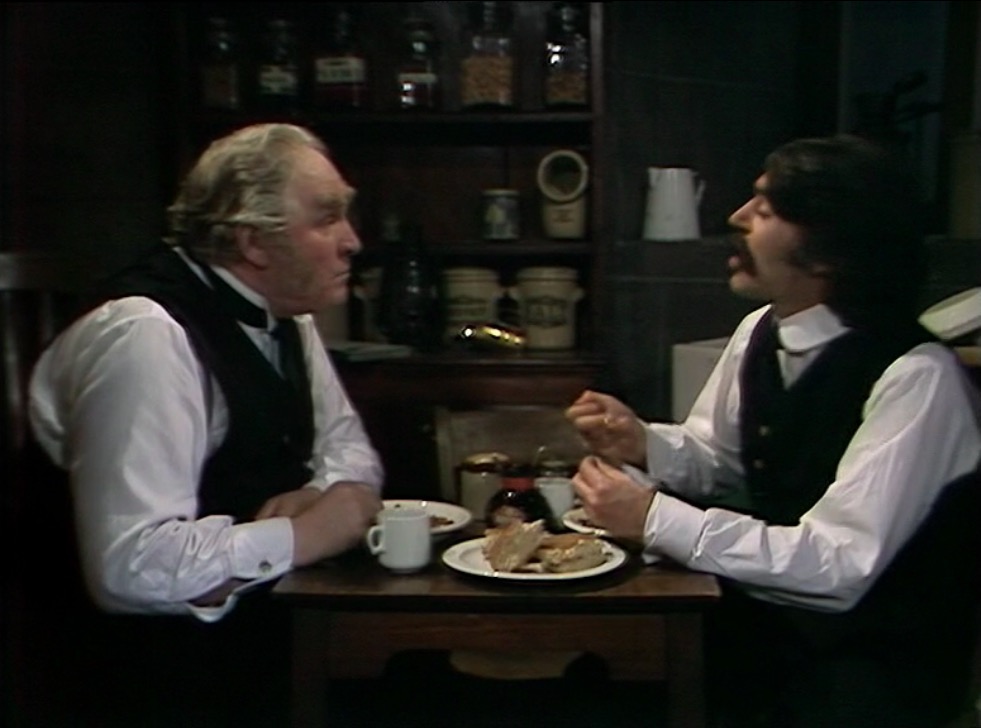
Here is a familiar name. Bovril was developed in the 1870s by John Lawson Johnston, and known by many as ‘Beef Tea’. Bovril was promoted as a superfood in the early 20th century. Advertisements recommended people dilute it into tea or spread it on their morning toast. Some adverts even claimed that Bovril could protect one from influenza.
The packaging used for the studio recording at BBC Pebble Mill, appears to date from the 1920s.



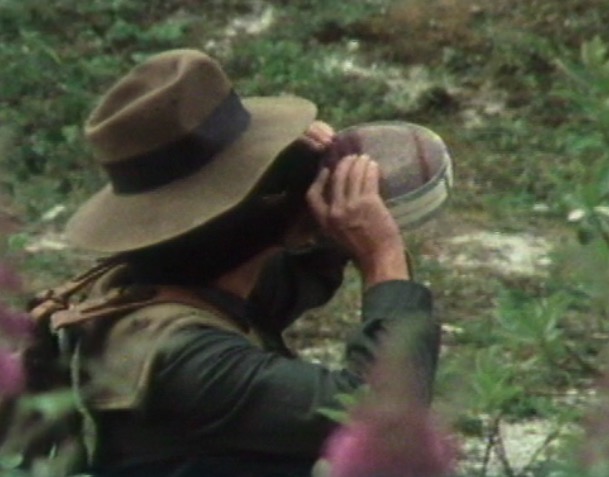
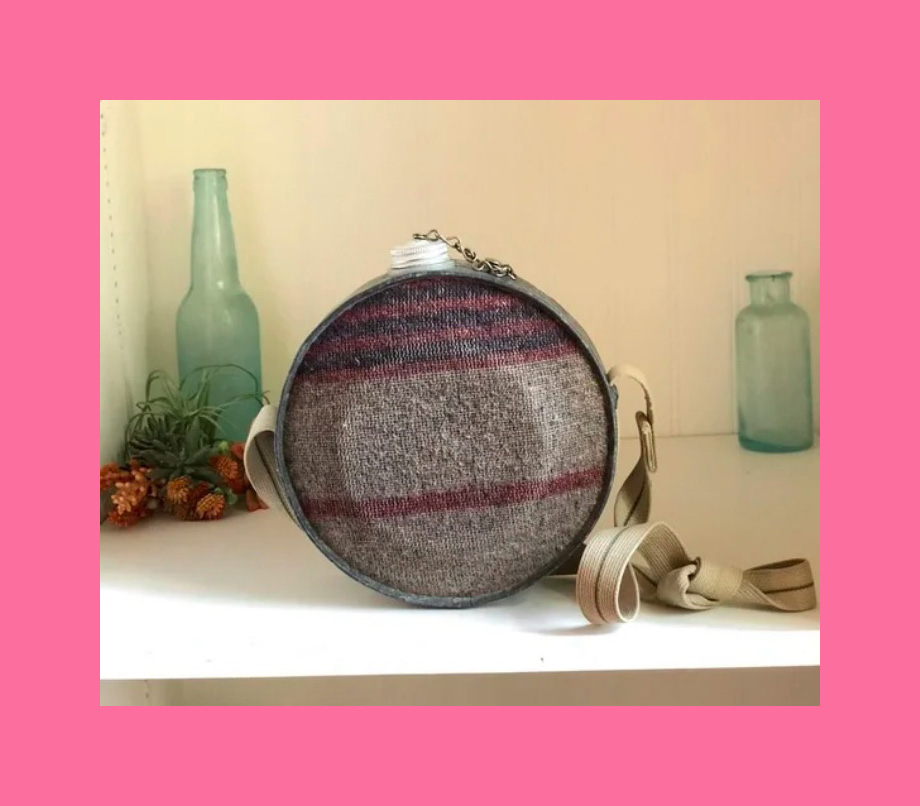
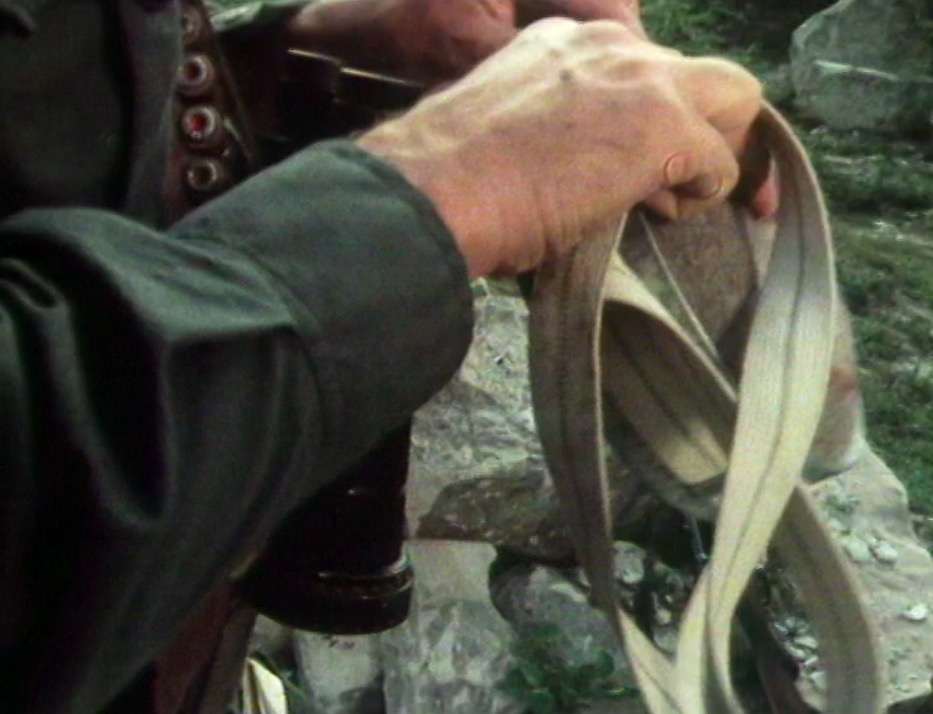
Into the Matrix now, and Doctor Tom is going to need water. But he won’t find any inside this Oasis 2 Quart Tin Horse-blanket Striped Canvas Strap Canteen, probably dating from the 1940’s. An identical (or the same) prop apparently featured in the movie ‘Stand By Me’.


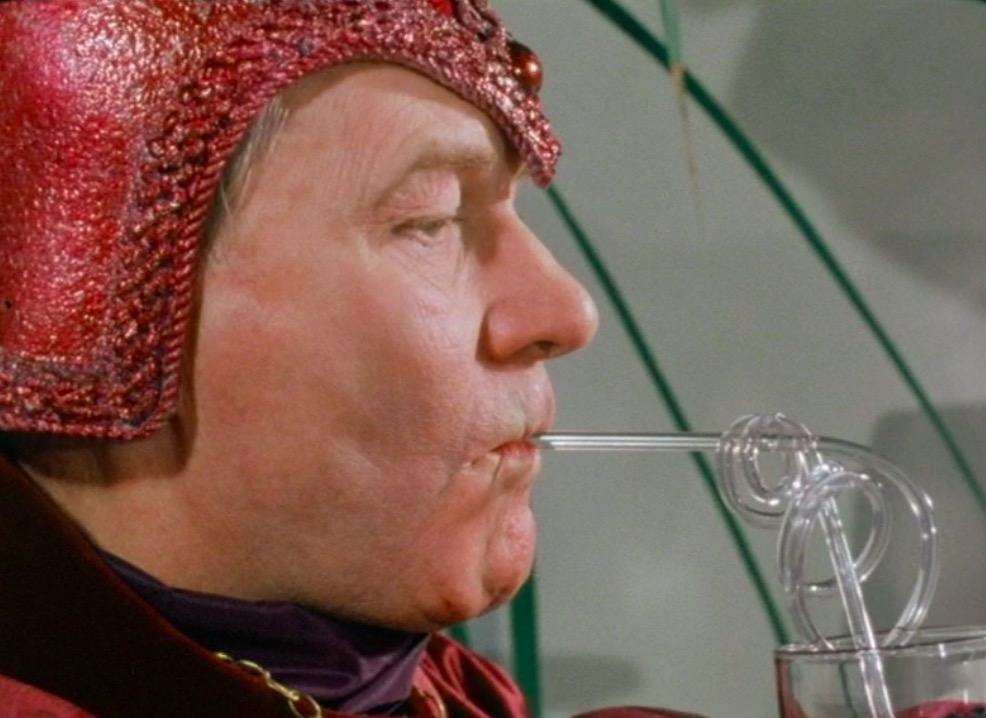
Ah, the Krazy Straw! This was an American import, likely first produced in 1961. Apparently, its origins stem from a glassblowing accident in Ohio. Suck on that.

FLEUR DE LYS
After a hard-boiled lunch it’s time for a quick drink down the Fleur de Lys.
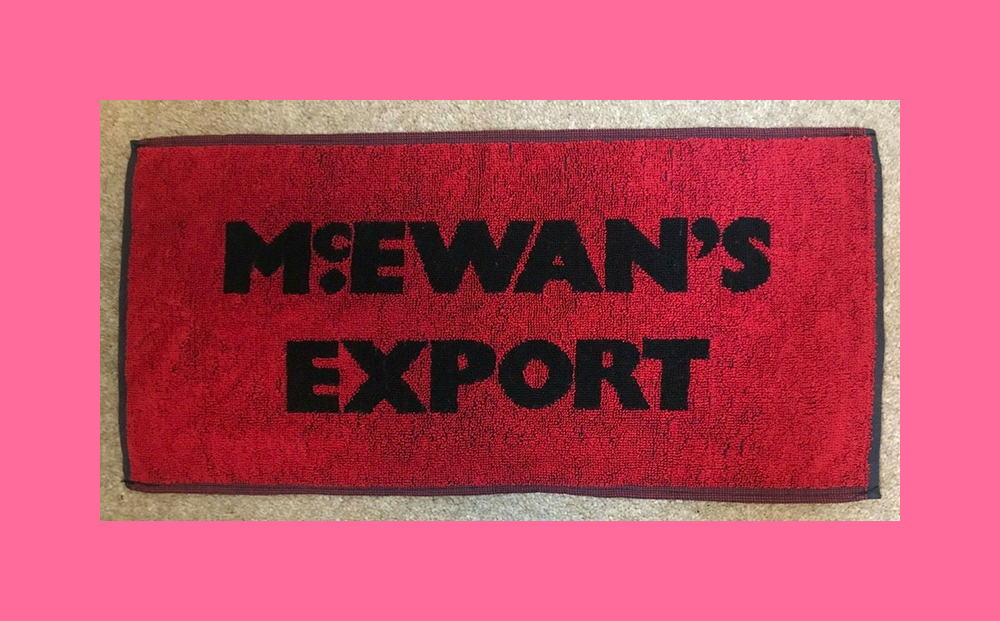
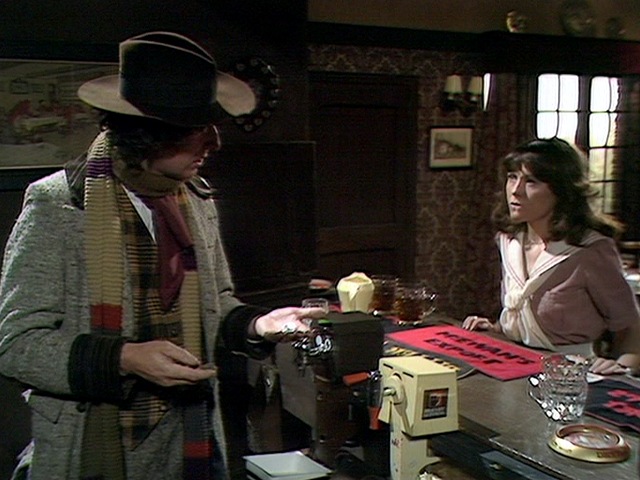
The origins of this bar towel can be traced back to 1885, when William Mcewan started his own brewery in Edinburgh. Interestingly 1975, the same year as ‘The Android Invasion’, is listed as the year Mcewan’s Export became the biggest-selling canned beer in the UK. For the barroom brawlers, and local parasites getting poleaxed drunk, this 1970’s Export bar towel will soak up any stray drops, or offer a cushion against an oncoming hard surface.
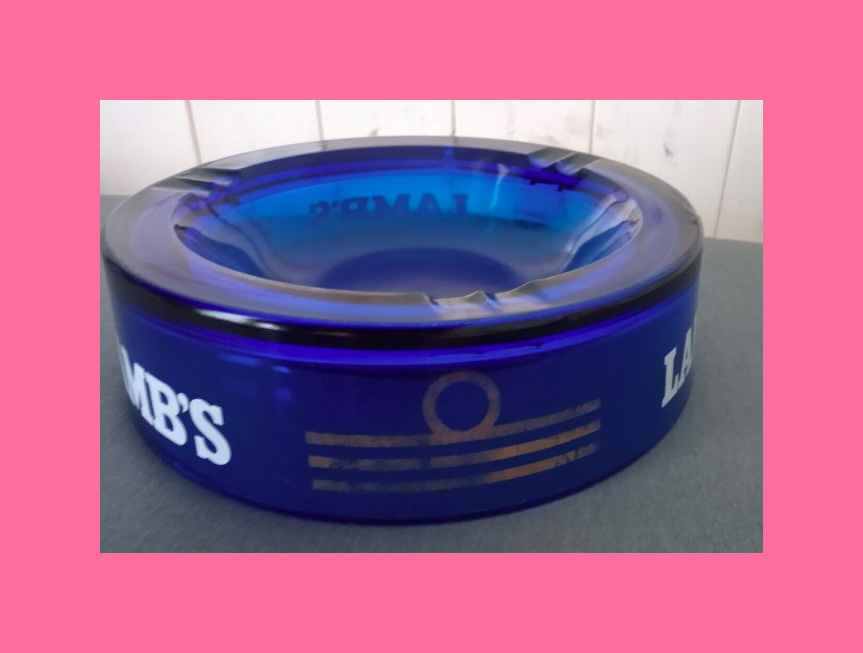
Lamb’s Navy Rum – founded by Alfred Lamb in 1849. Advertising slogans evolved from the post-Blitz ‘True determined spirit‘, to post-war libration – ‘Have a good rum for your money‘. Blind drunk. (Sorry).

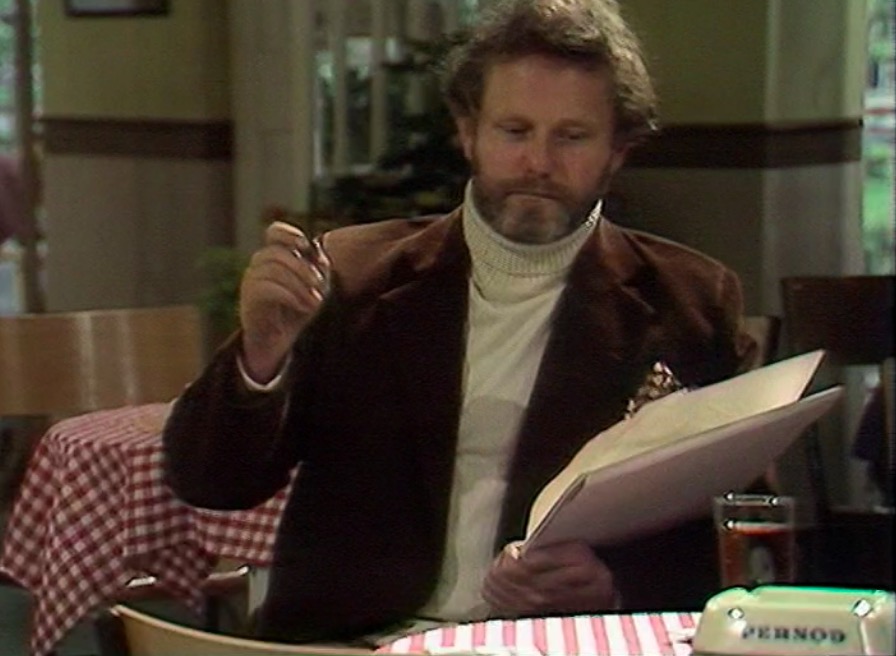
Working in arts education for a couple of decades, I’ve witnessed many a fit of pique. This one is mild by comparison. Hats off to the props team for using distinctive French-wear to the last detail. Here is a custard coloured ashtray from the 1950’s, manufactured by Opalex for Pernod liqueur. This ashtray uses Opaline Glass, giving a ‘milky’ quality. A number of listings mention a glow in the dark property – uranium – for those who fancy a cold war, or intimately radioactive vibe.

Finally, in our journey through a smoky, tar-laden time vortex, we have this ‘Smoke Boars Head Tobacco’ enamel advertising sign, probably made in the USA, and dating from the 1920s at the earliest.
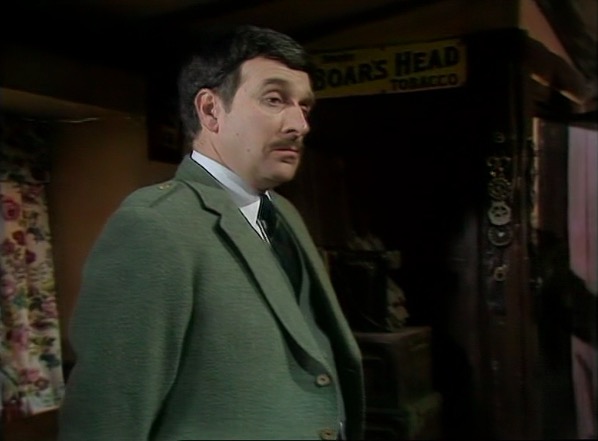

INTERIOR STYLINGS
Let’s kick off in the homely surrounds of Scarman’s abode, with these 19th century Earthenware Wally Staffordshire Dogs by Arthur Wood.

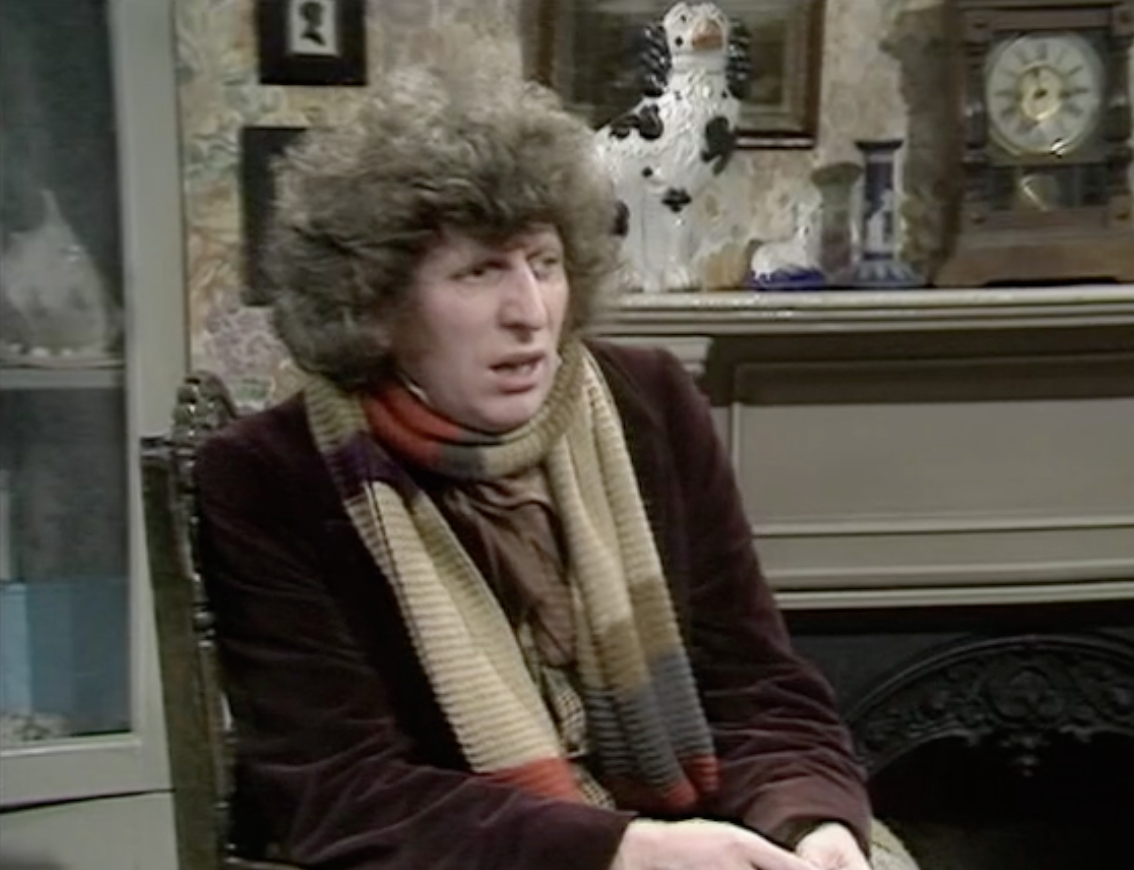

Up high in Paradise Towers, style is everything. This vase took a bit of confirming. Some listings mentioned that it was designed by Henri Heemskerk and manufactured by Belgian Glassmaker Scailmont in the 1920s and 1930s.
However, a bit of additional research revealed that it was a North American art deco style molded fan design salmon pink vase by Anchor Hocking, dating from around 1980.


Also there is this Cockatoo in pink and grey by Beswick.
Beswick was established in 1984, and based in Stoke-on-Trent. It’s still going today – the company, not the Cockatoo.

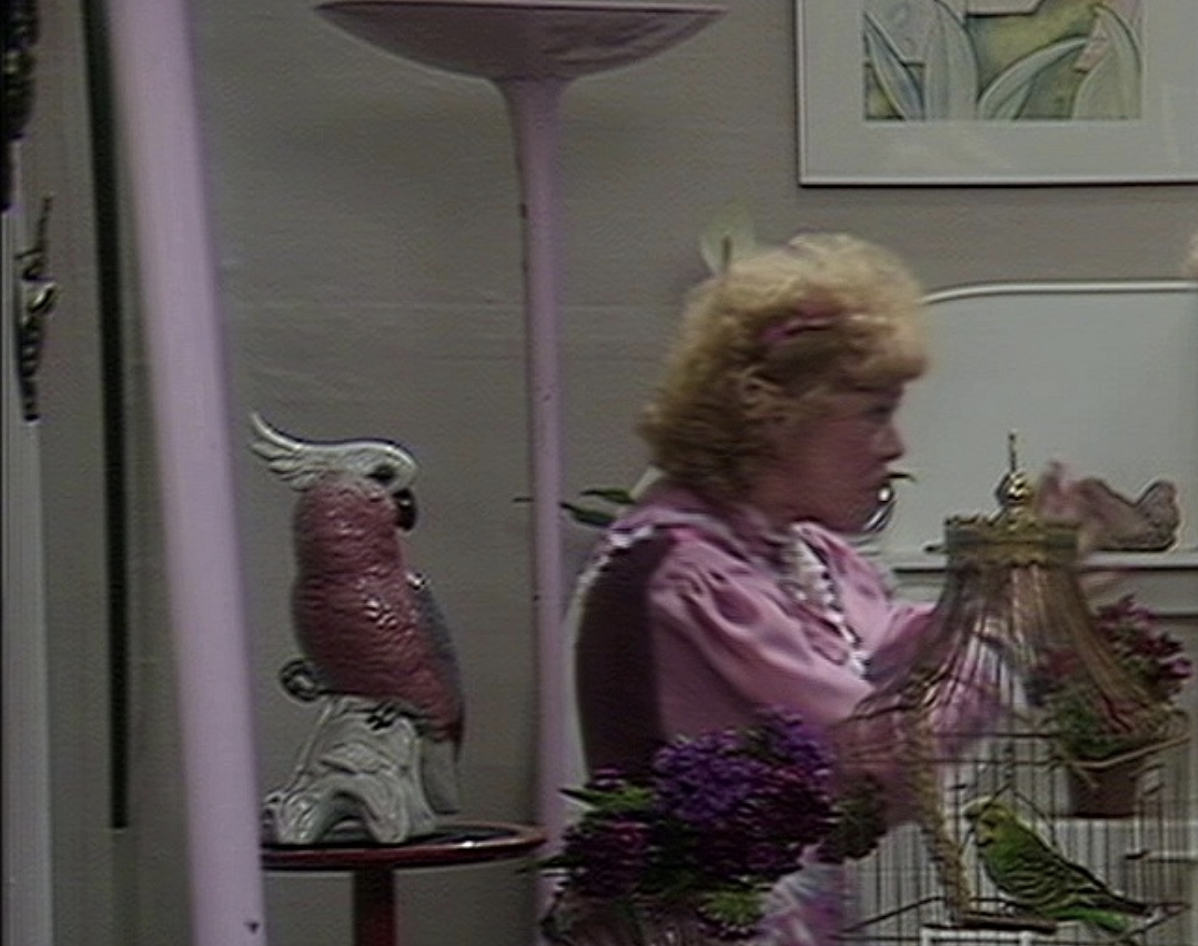
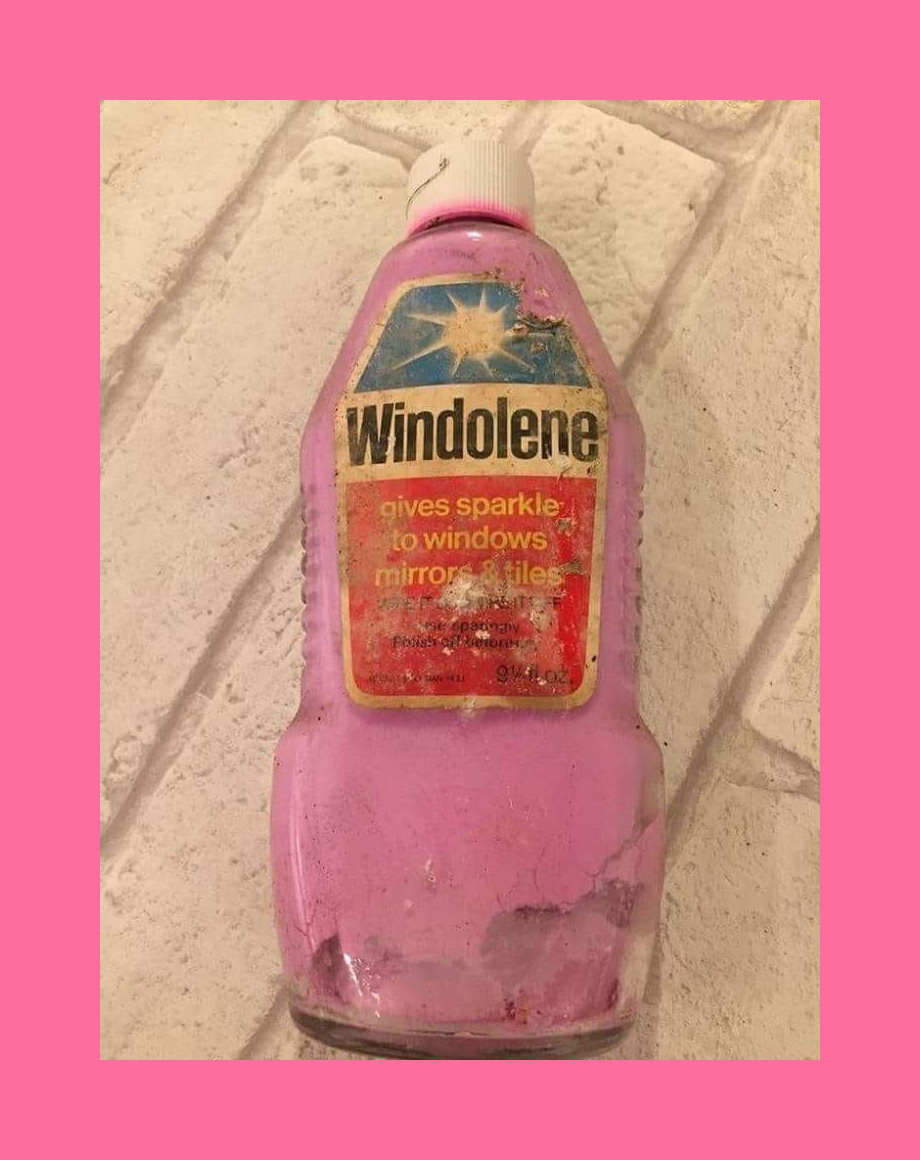
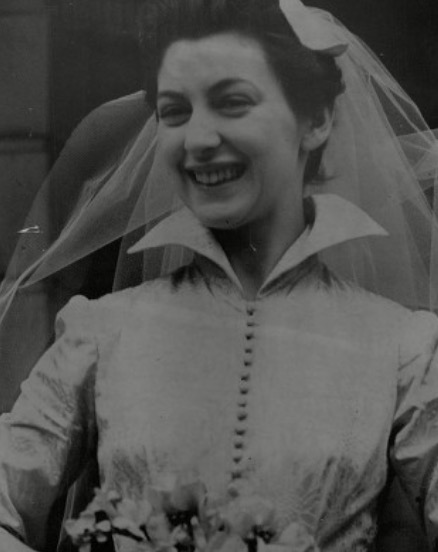
Here’s a blast from the past – a 1970s bottle of window clearer/polish Windolene, used by the undisputed star of ‘The Green Death’ – Doris the Cleaner. And for a little bit of VAM, here is a lovely picture of actor Jean Burgess on her wedding day.

On the subject of keeping surfaces clean, here is an Aluminium, Brass and Glass side table, designed by Pierre Vandel, Paris, 1970s. It suggests Nyssa and Tegan had a keener eye for design than first thought.


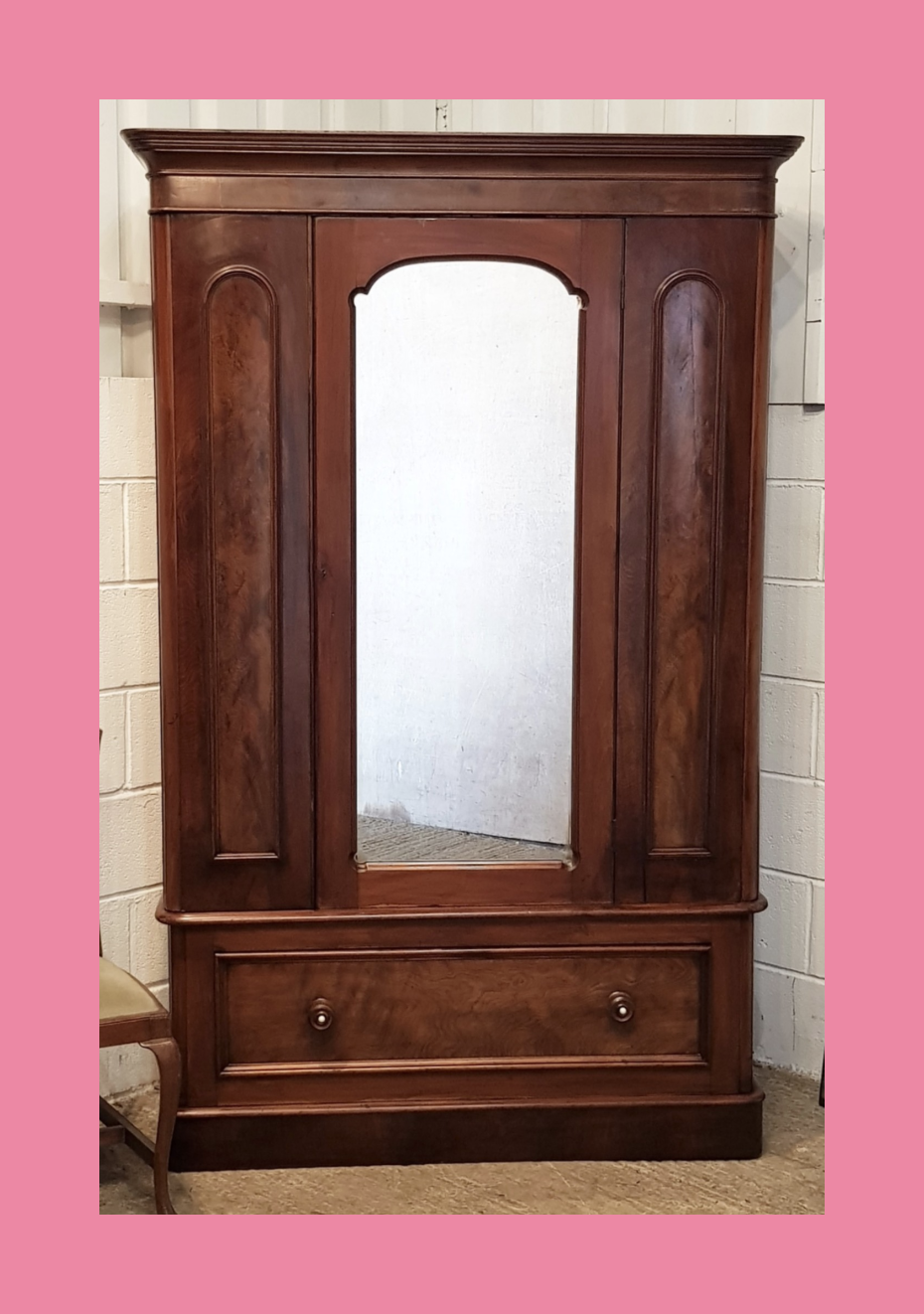
Back to Earth, and let us discuss Lupton’s wardrobe – a Victorian Mahogany affair dating from around 1880. A listing goes into micro-detail. “Constructed from quality mahogany it has a moulded cornice top with cross banded frieze above a full length arched central mirrored door with working key and flanked on either side by an arched panel. Internally it is all hanging with rail. To the base is a long deep oak lined drawer with original turned knob handles.”

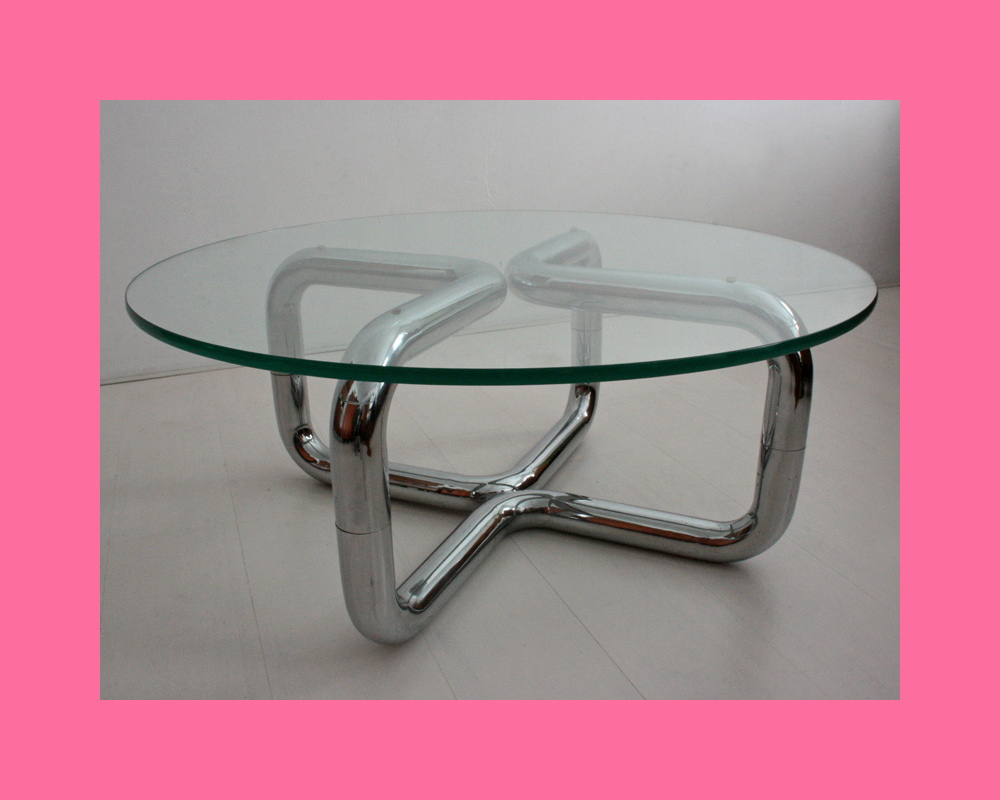
I’ve always felt that Zanak was a planet of interior design riches. All floral wallpaper and beaded curtains. The research continues, but for now, here is a rather distinctive chrome and glass coffee table from the 1960-70’s. Alas, the designer and manufacturer are unknown, or perhaps ended up in the Captain’s trophy room.

Sticking with the tubular chrome theme, we go Full Circle. In Romana’s room, we can see a 1970’s circular chrome and glass display stand. Again, the designer is unknown.
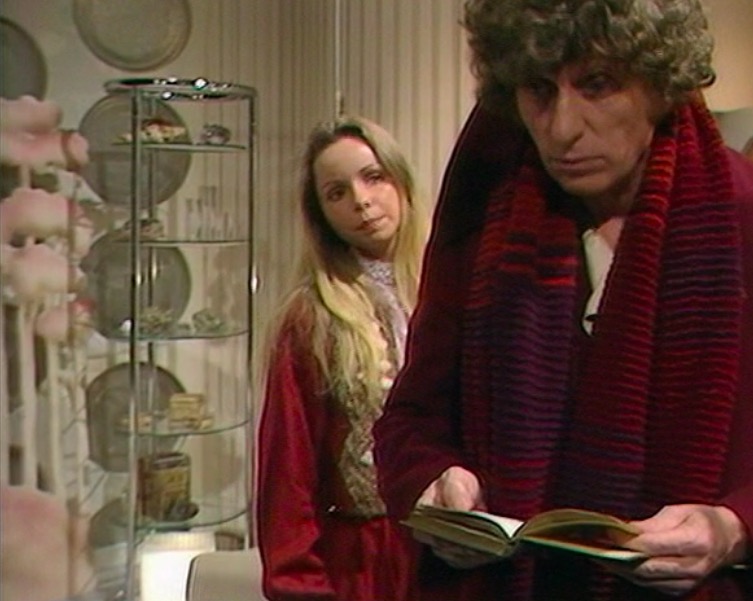
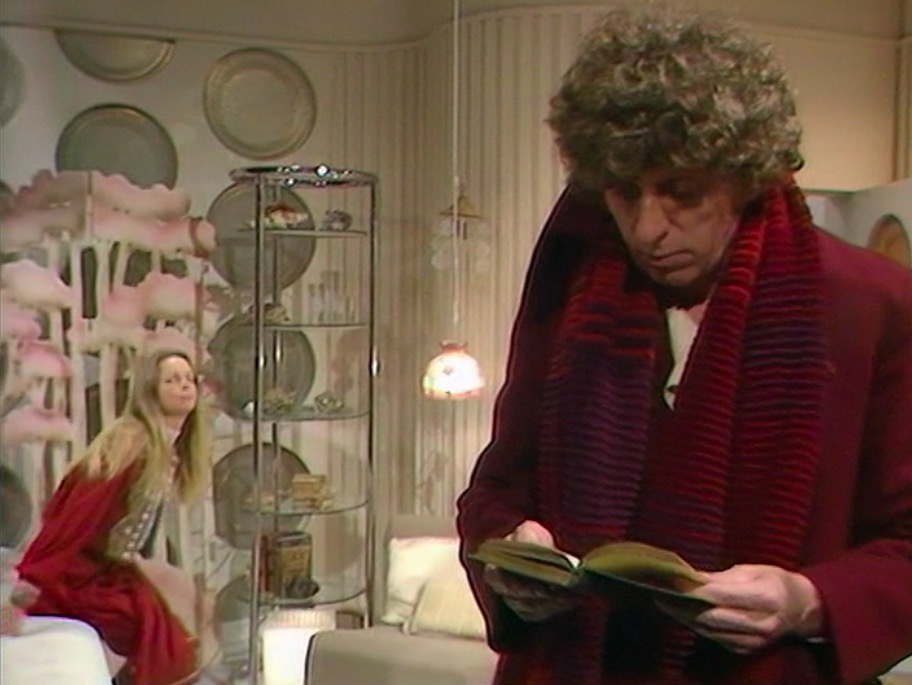
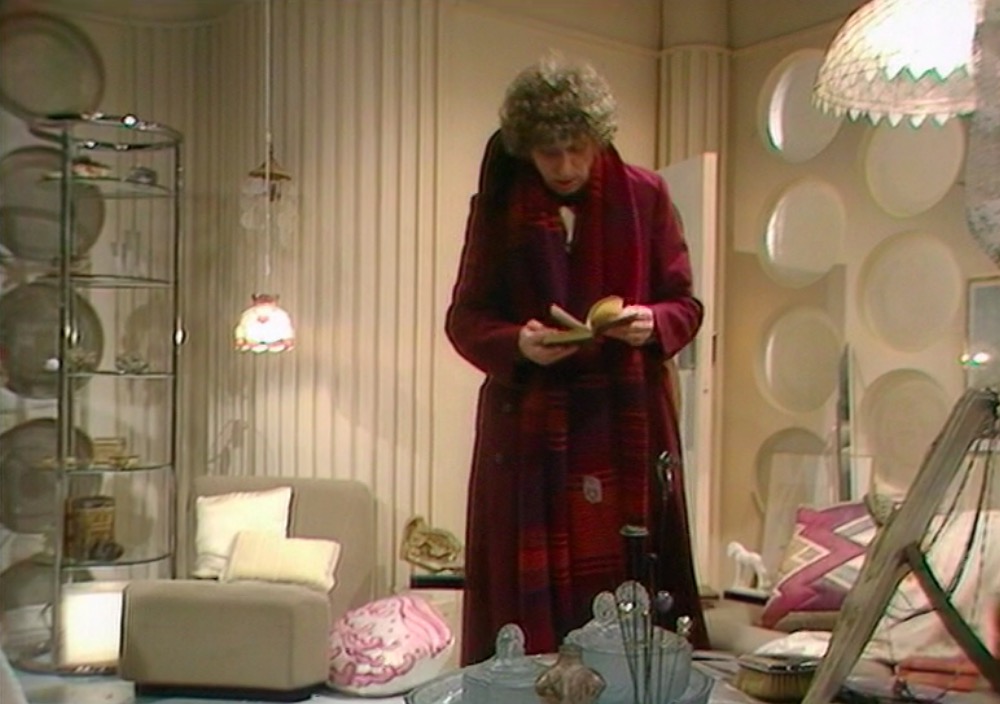

‘Four to Doomsday’ now, and here are some plastic modular shelves. The designer and manufacturer are unknown, but the finished design is in the style of Kartell and the Umbo shelving system.


Splendid items, all of them. This turns up in the Brig’s home in 1977. It’s a cast iron and brass signal cannon, unmarked, probably late 19th century. It also appears in Grover’s office in ‘Invasion of the Dinosaurs’.


TRANSPORT
While I’m not keen to replicate other fine websites (e.g https://www.imcdb.org/) that have exhaustively logged various vehicles seen in classic film and television, there are some curios and some new discoveries, that are worth highlighting.
Kicking off at the dawn of colour, and the novel approach to self-discharge as Jon Pertwee escapes from a moving vehicle. This is a London Ambulance Service 1965 Morris Wandsworth LD M30 ambulance.


And while we’re here, lets also enjoy another big hitting motor – a 1927 Vauxhall 14/40 Princeton Tourer. This roadster also featured in ‘Reilly’, ‘Ace of Spies’, and ‘Dads Army’ – it’s been around the block!


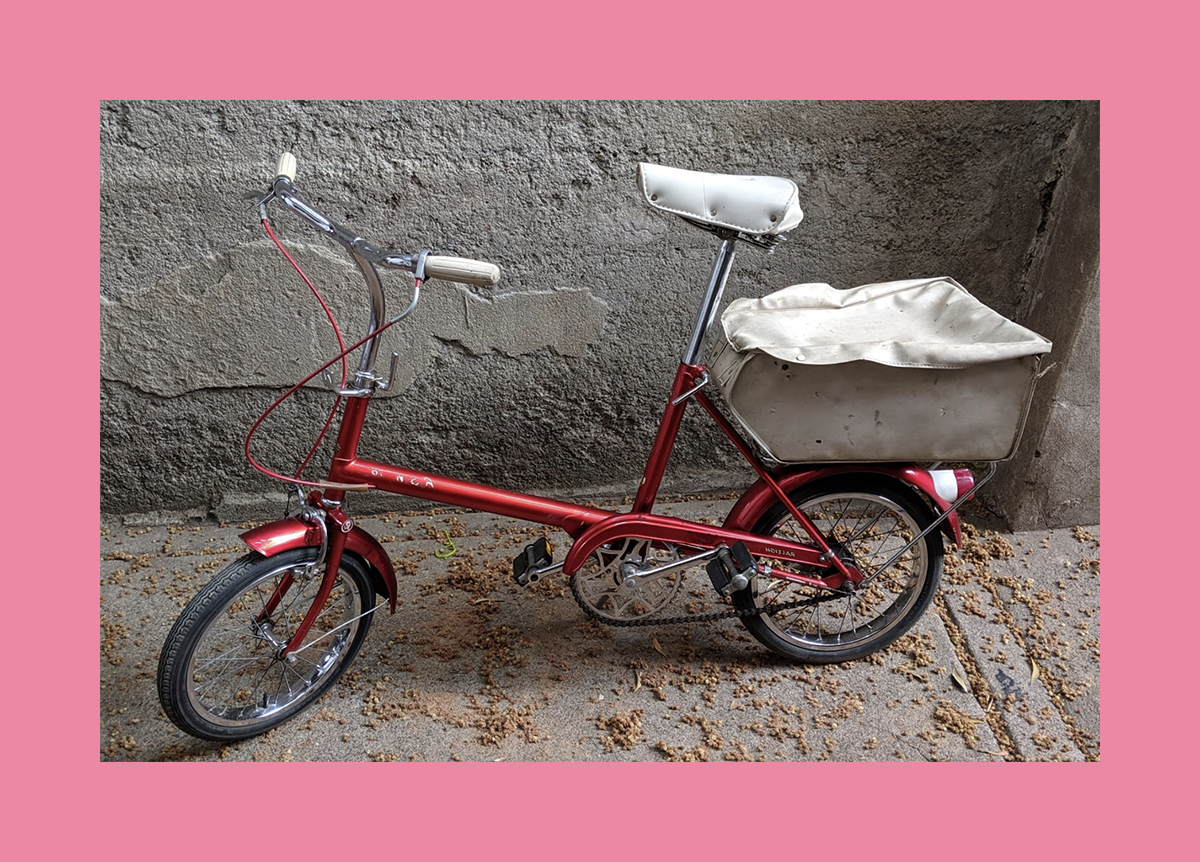
Devil’s End, and we can glimpse the Raleigh RSW (Small Wheel). Made from 1965 to 1974, is was a competitor to the popular Moulton Bicycle.

To the freezing wastelands of the Antarctic, and Dr. Chester and his team of anonymous medics from South Bend reach the Doctor and Sarah thanks to this 1972 Aktiv Snow Trac ST4. The origins of this vehicle can be traced to mid 1950s Sweden, where Lars Larsson, chief design engineer for a Swedish farm equipment company, developed means of taking him and his brother on fishing trips in the winter. Wiki notes that it uses a unique steering mechanism called a variator that allows the steering of a tracked vehicle to use a traditional automotive steering wheel instead of levers.


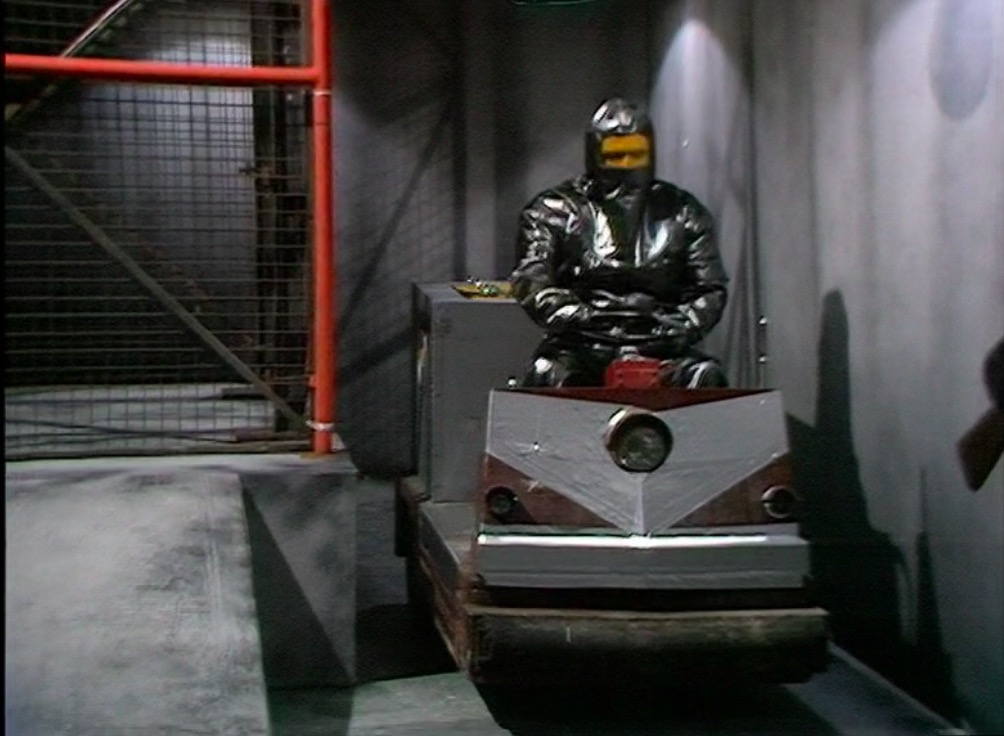
This has popped up more than once, notably in ‘The Ambassadors of Death’ – a Lansing Bagnall electric tractor from the early 1960s. This is the kind of vehicle where HAVOC needed to use all their experience to heroically fall off at 10 miles per hour.
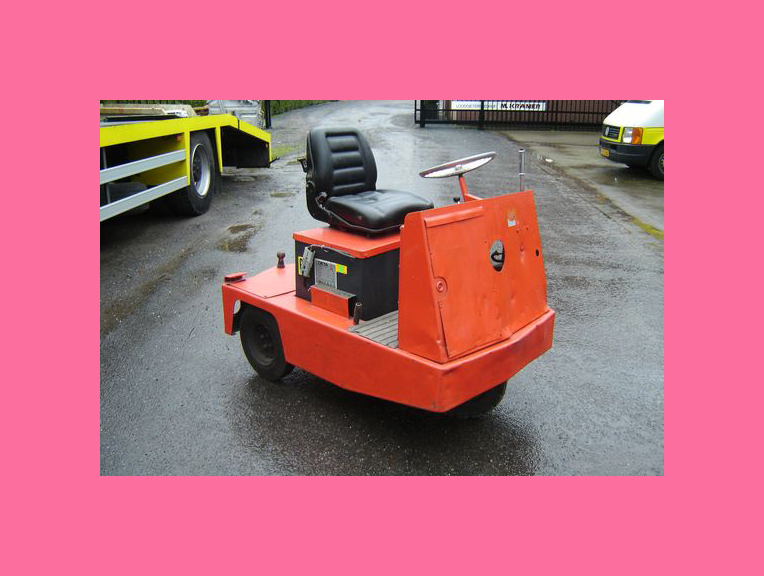

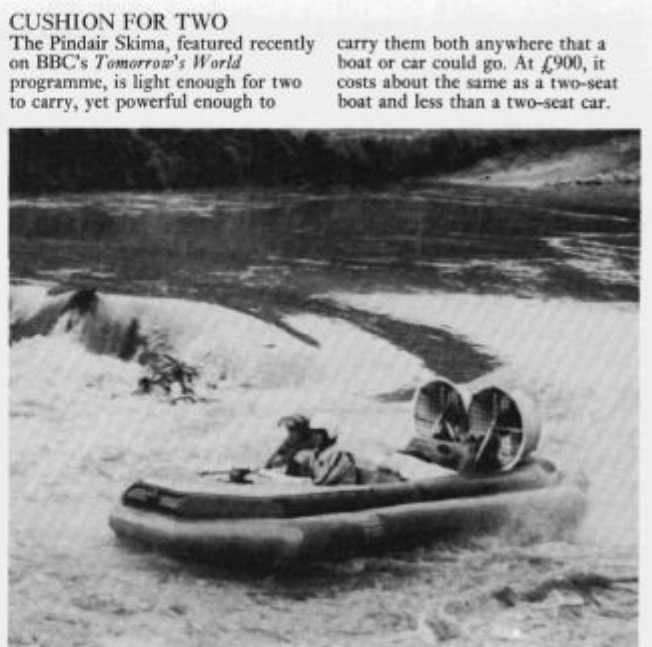
Of course, the Pertwee era features heavily in this category. ‘Planet of the Spiders’ features this Pindair Skima, likely version 1 from 1973.


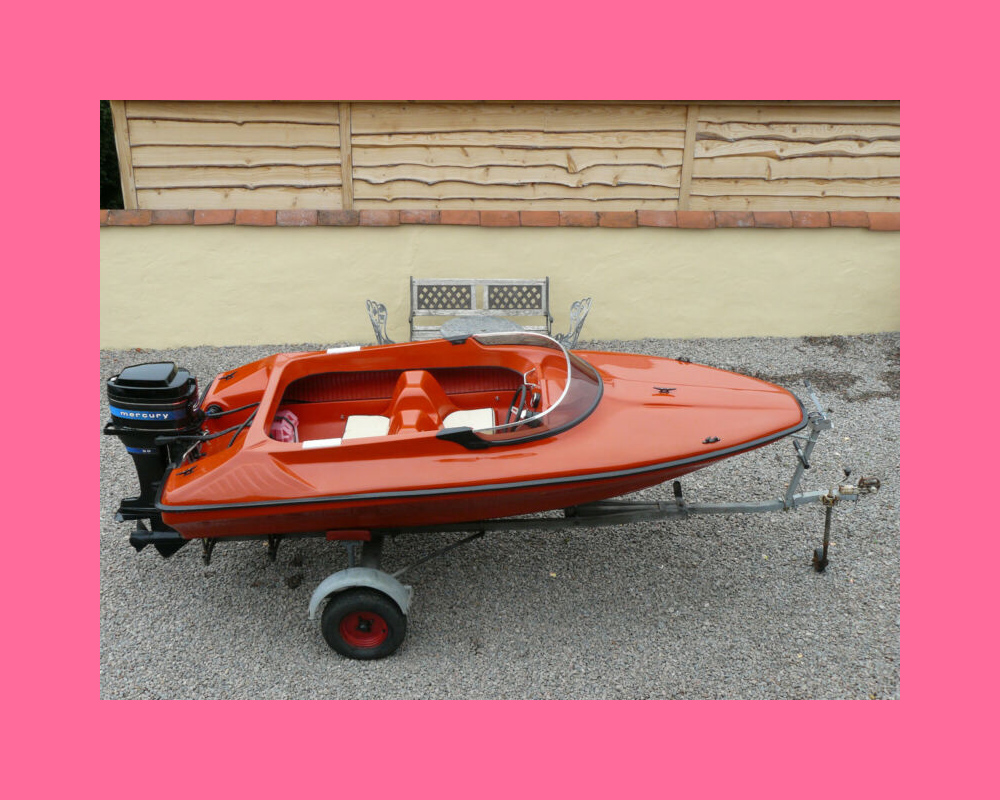
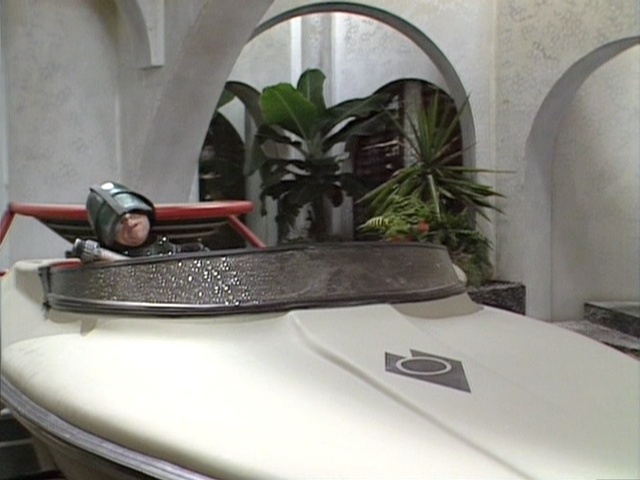
By the left frontal lobe! I’m super happy to find this one. Here is the aircar of the Pirate Captain! It’s a Shakespeare Mini Clubman Classic Speedboat from the late 1970s.



In 1970, Honda introduced the off-road world to an all-new type of recreational vehicle. Part motorcycle and part dune buggy, the US90 (later renamed ATC90) kicked off a balloon-tired revolution. In 1972 Jon Pertwee and Katy Manning are dodging Ogrons somewhere around Brentford. It’s the perfect advert for these machines.


A few stories later, we travel to the south coast. The Master makes for sea onboard this Buccaneer jetboat/jetski. It was designed by Brealey Smith, and built in Nottingham, circa 1970.
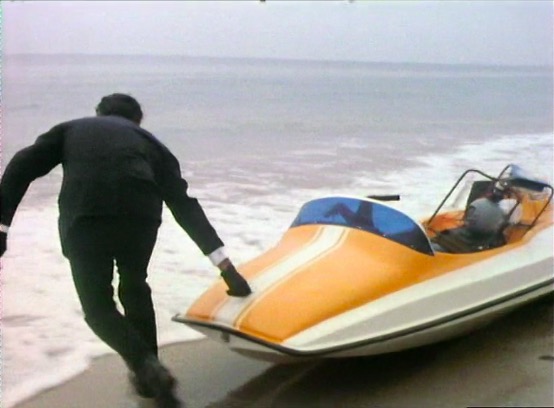


Earlier, I promised you a motorbike. And here it is. A Yamaha XT500 – it won the first Paris to Dakar races in the late 1970s.


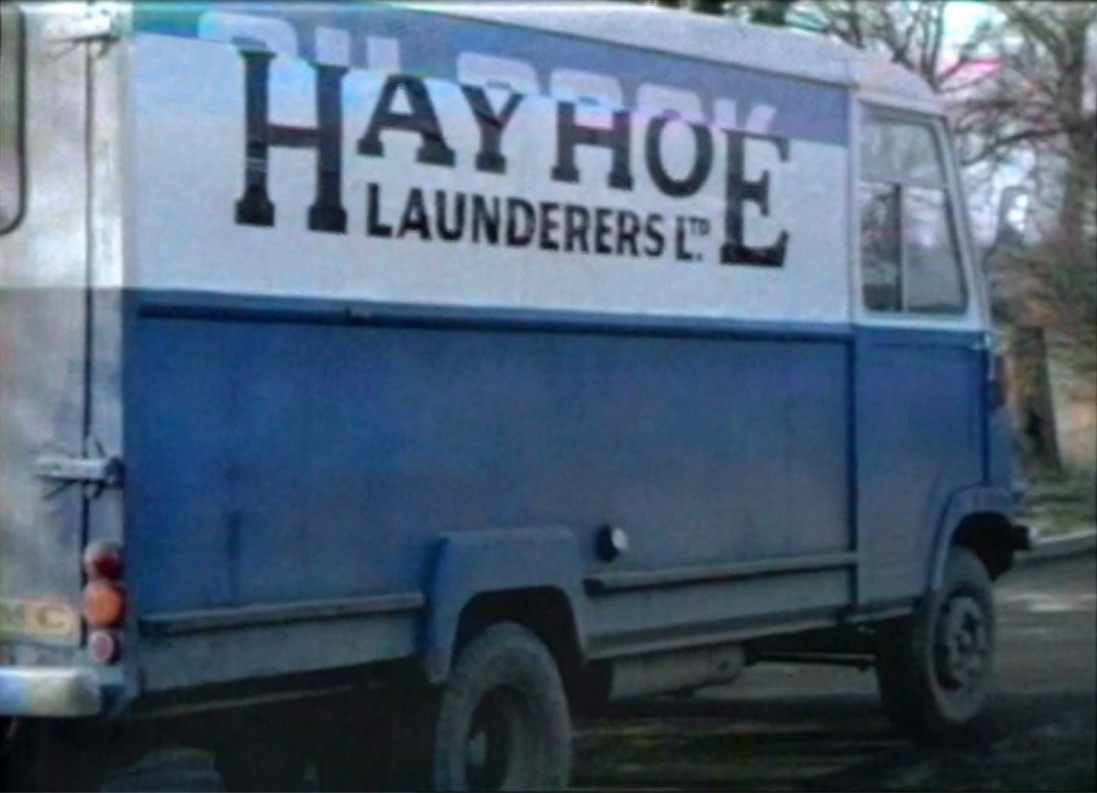
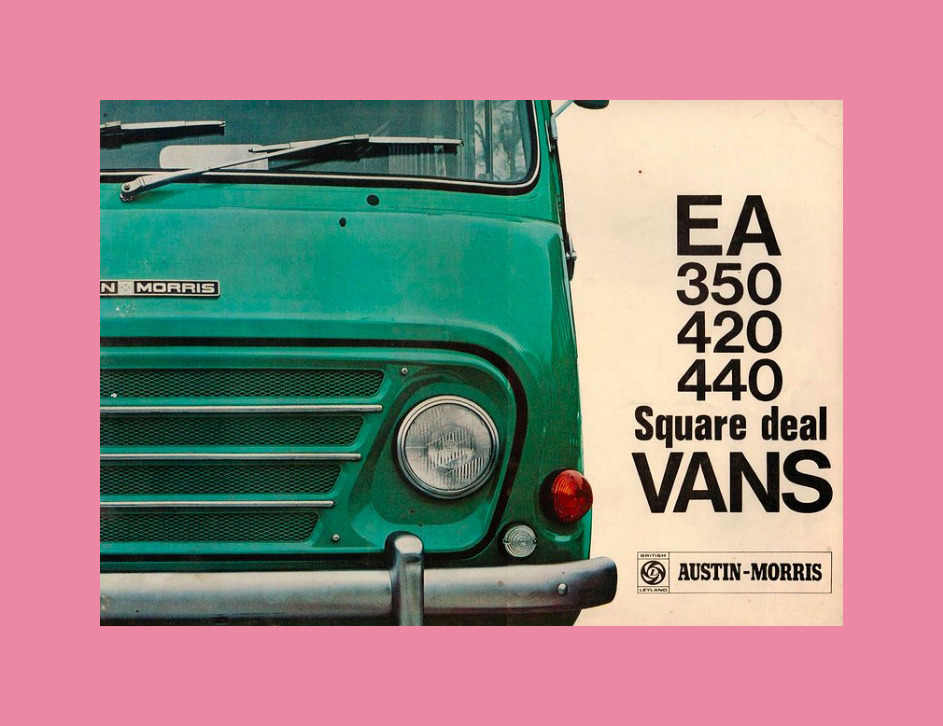
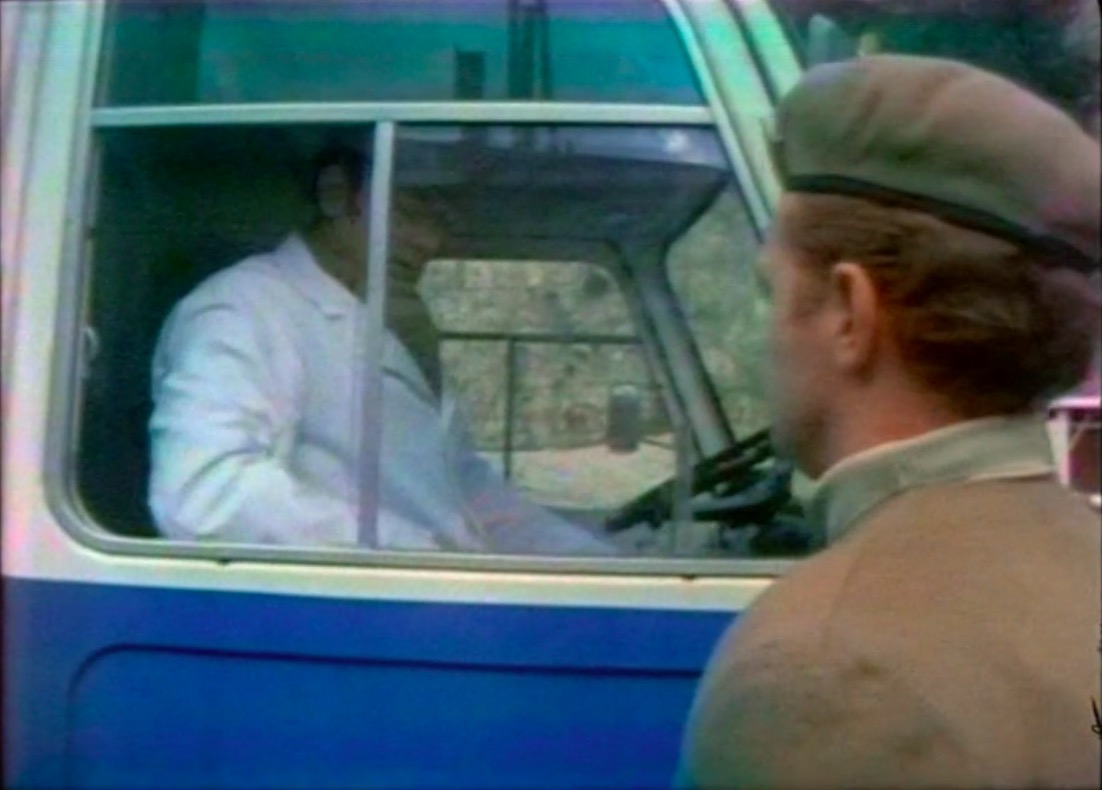
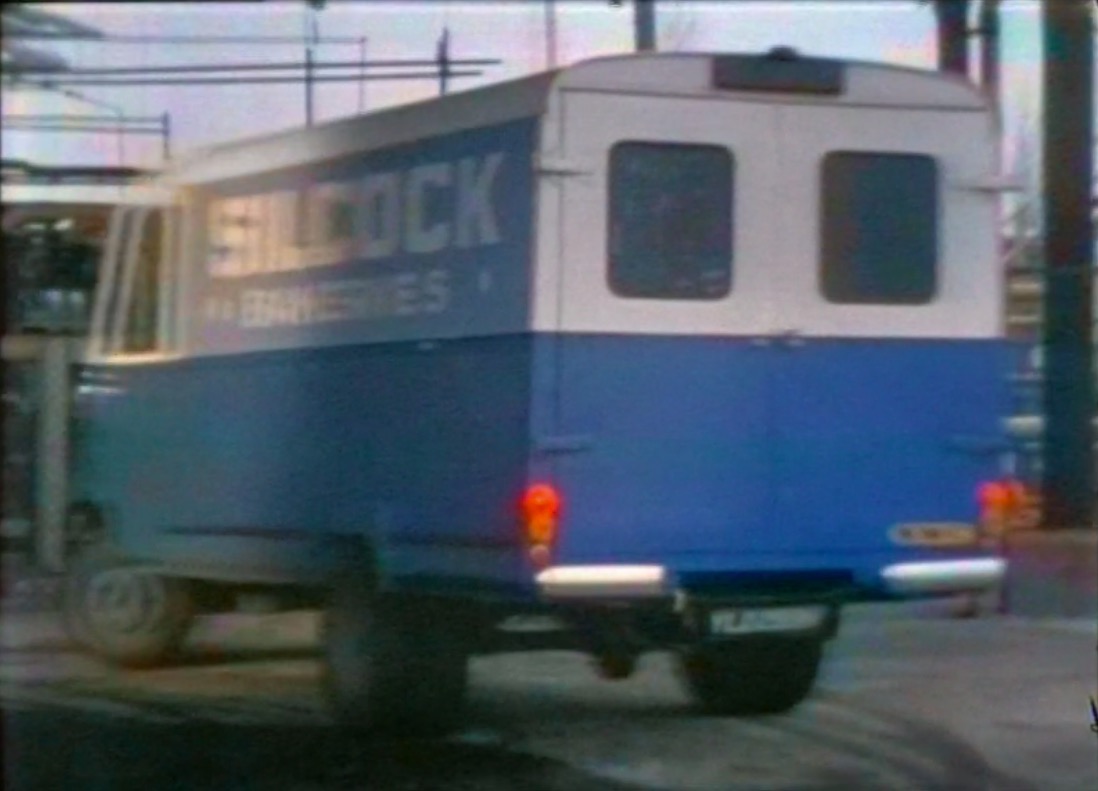
Hey, Margot! We finish where we started, with season 7. The Ambassadors (STING) of Death, features this Austin Morris 350 EA Van, Manufactured by BMC/Leyland. It’s versatile, and perfect for all sorts of subterfuge.



TOYS
To cut the tension that seems to follow the Doctor, we now present one of the most trusted companions – this Lumar Championship Yo-Yo 99 Great Britain (1950s). It can be glimpsed from the (model) wastelands of Skaro, to the comfort of the TARDIS interior.


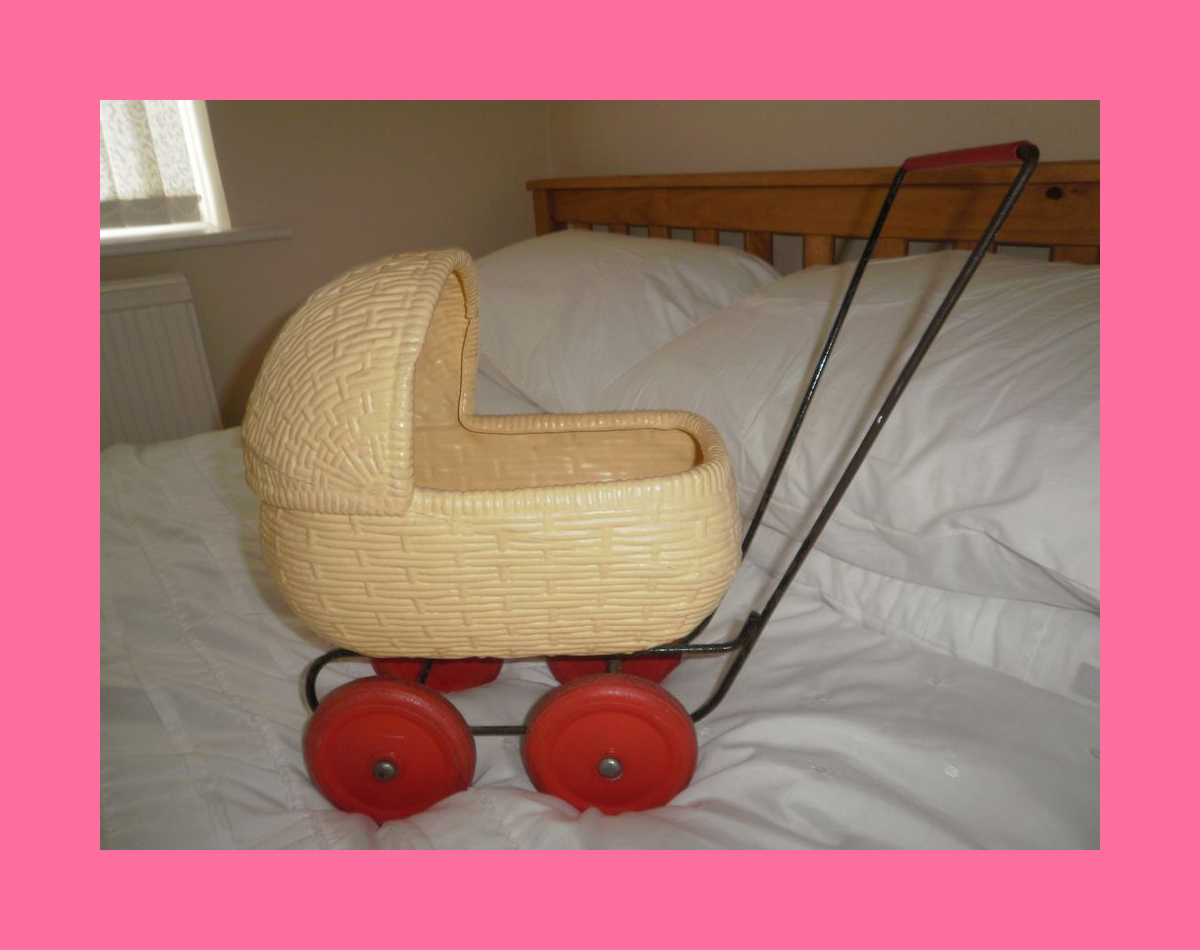
The Dinosaurs have landed! Run for your lives! Here are two very recognisable toys – firstly a plastic dolls pram from the 1960’s…

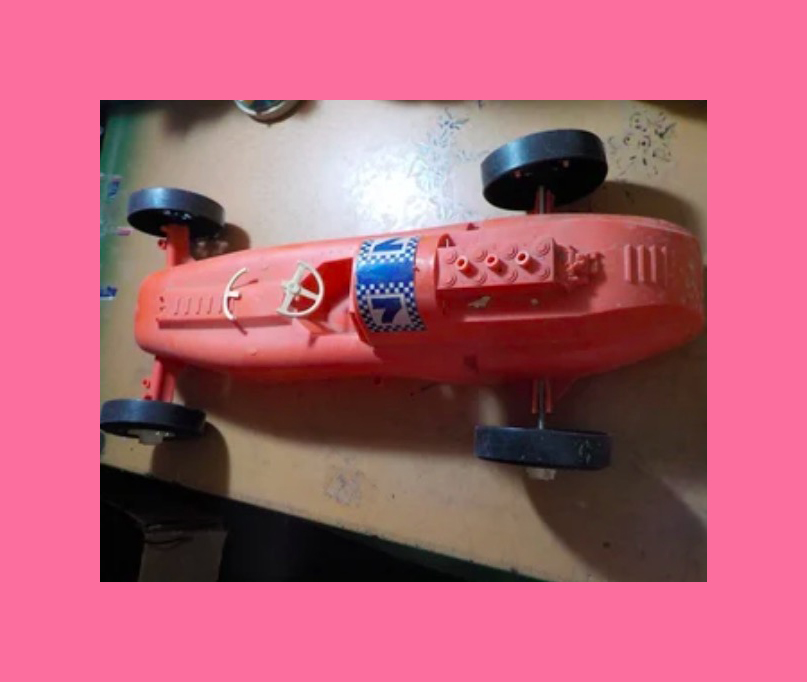
…and a red toy racing car, also from the 1960’s. In both cases the designer/manufacturer are unknown.
A short while later, and the tanks comes to the…er…rescue? The Giant Robot bosses this Action Man Scorpion Tank, 1972.


Across the border to Aberdeen now, and Sarah Jane carries an Oliver Owl, made in the 1970’s by Alresford Crafts ltd.


NEWSPAPERS AND COMICS
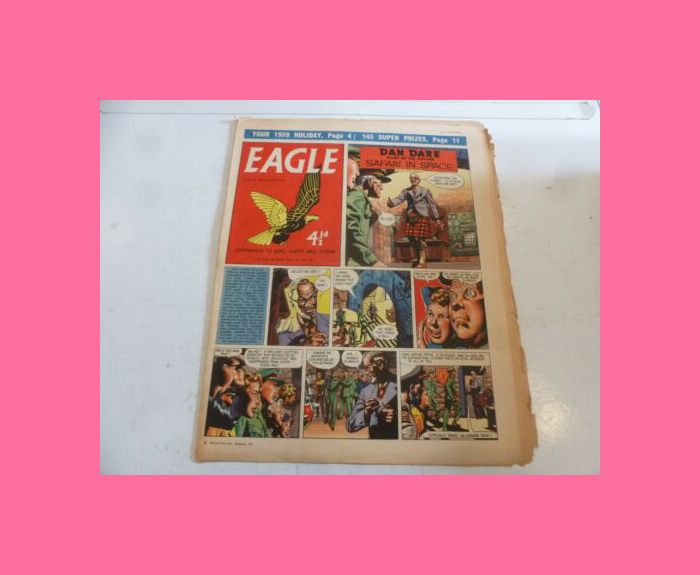
Across two borders from Scotland to Wales now, and the Shangri-La camp. Here is an Eagle comic – 1959 – Vol 10, No 10. The specific date is 07/03/1959.

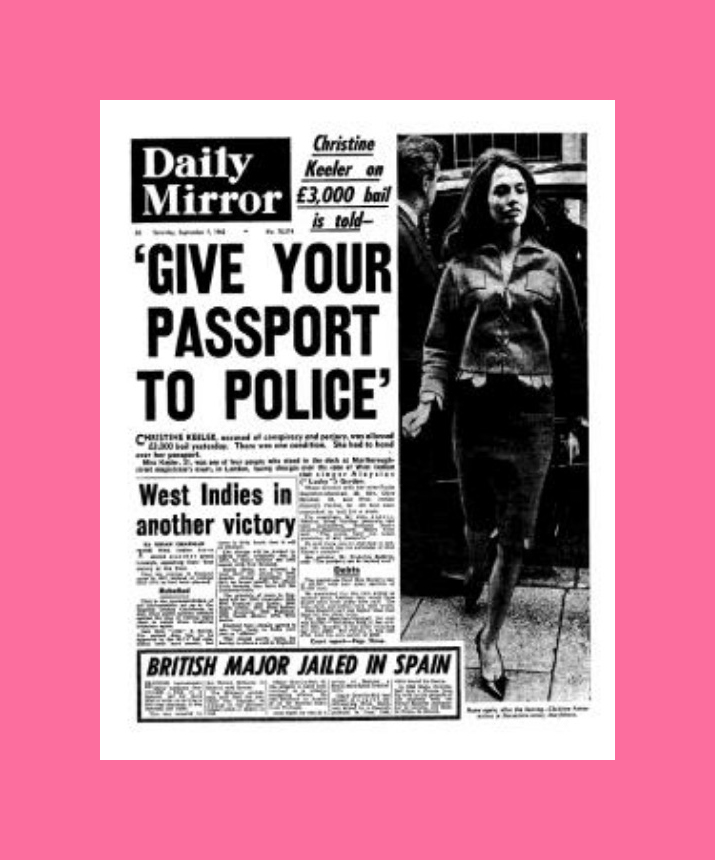
A few years later in the timeline, and here is the Daily Mirror – Saturday 7th September 1963, with Christine Keeler being the news. from top to toe.

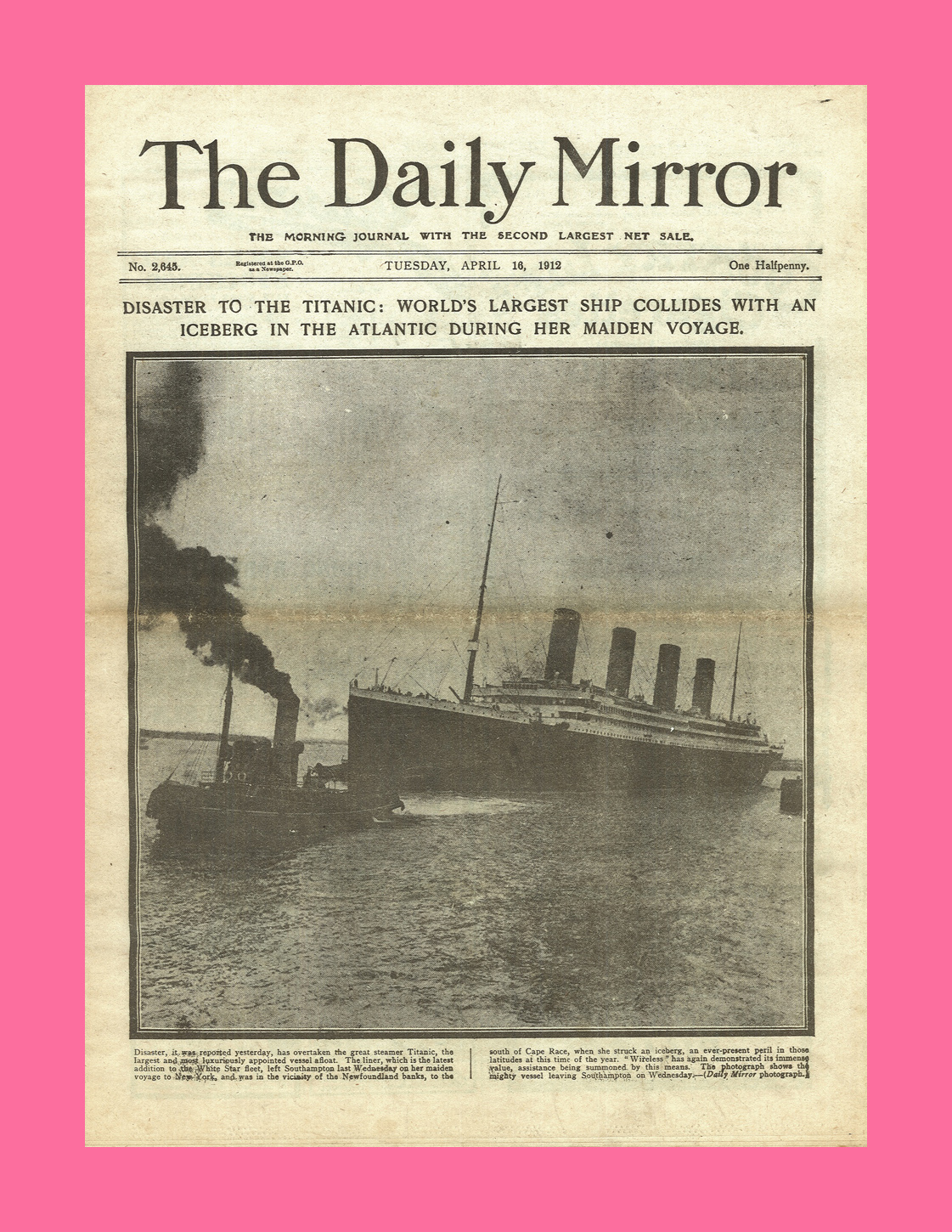
Sticking with Daily Mirror, here is coverage of the Titanic, from No 2645, Tuesday 16th April, 1912. Nothing to do with the Doctor, honest.


We finish in Perivale, at the end of the original run, with this Bobby Brown headlined edition of Melody Maker from June 10th 1989, which ties in nicely with the filming dates.


AUDIO/VISUAL
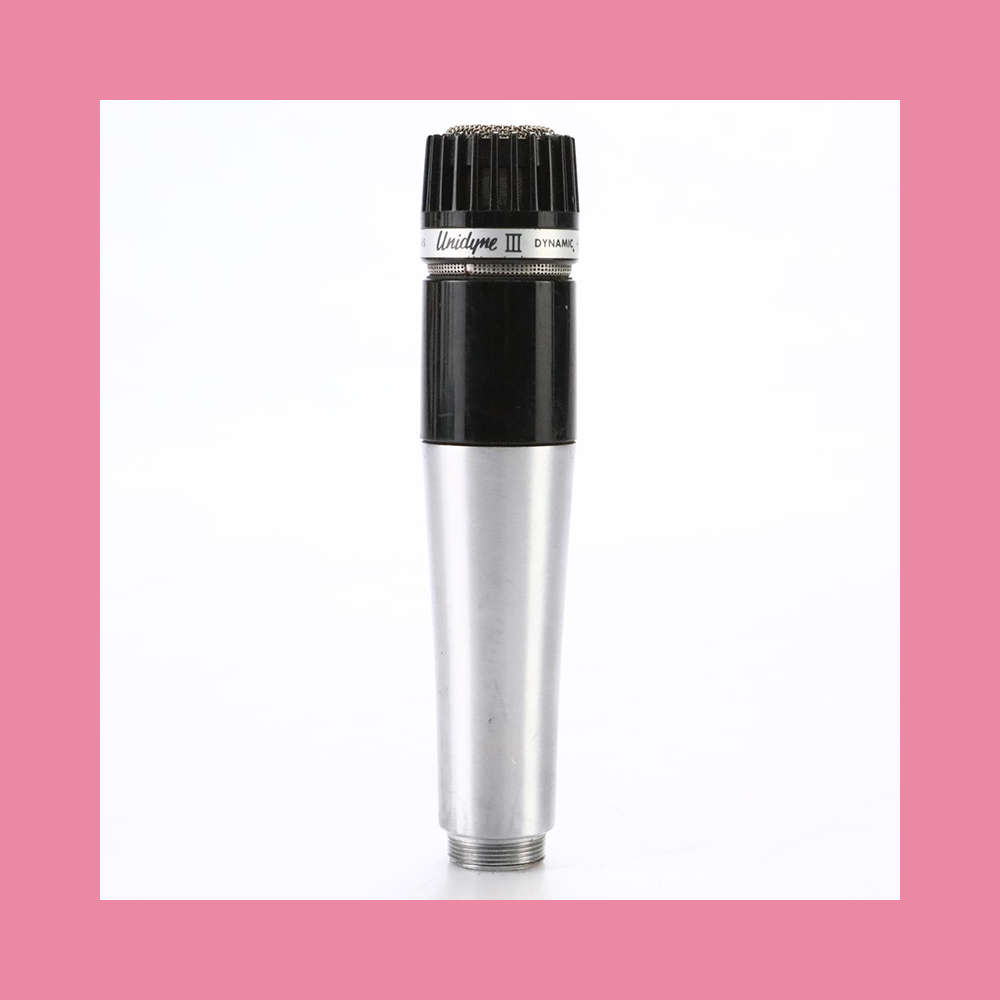
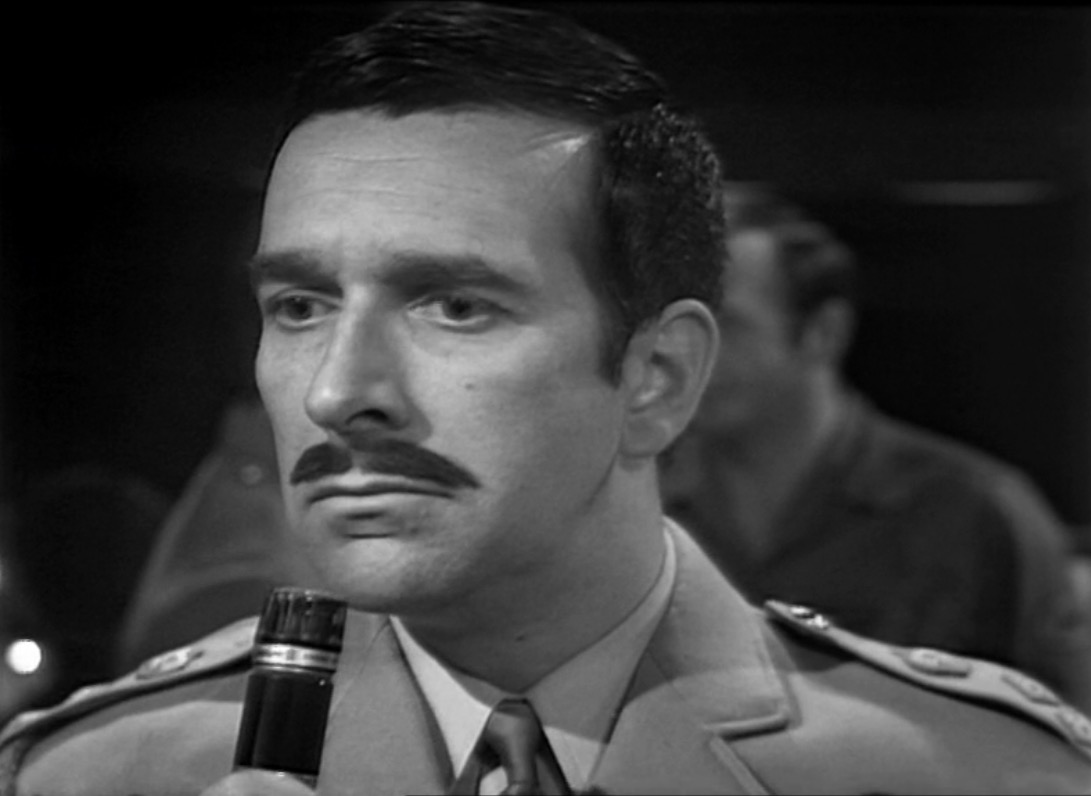
If you are going to mouth the word ‘chopper’ with resolute conviction, be sure you are talking into the finest microphone money can buy. In this case, a 1960s Shure Unidyne III Model 545 Dynamic Cardioid Microphone.

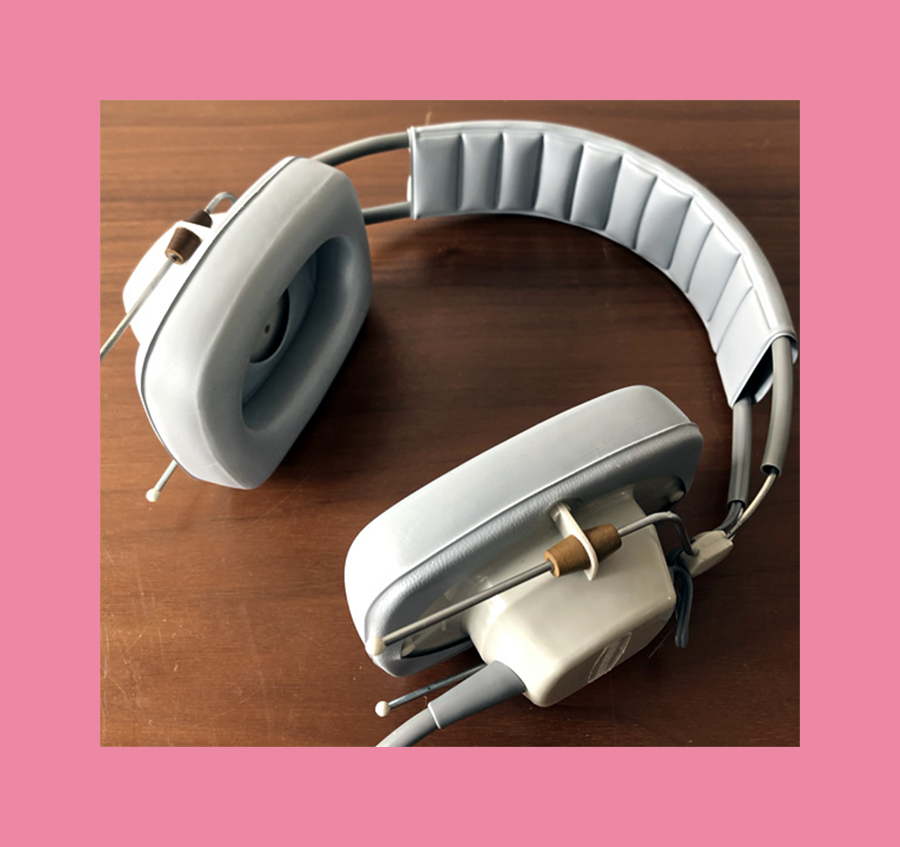
Sticking with the theme of aviation, ‘Time Flight’ features these Racal/Amplivox ‘Astrolite’ headsets, likely 1970’s. Not only were they used frequently in aviation, but also in broadcasting talkback – ‘Four to Doomsday’ floor manager take note!


Pure Tomorrow’s World now, and this famous ‘Videosphere’ television set, made by JVC, Japan, 1970. It includes white ABS plastic television, two base units (one with alarm clock) and spare ring aerial. (thanks, Tony Bird!)


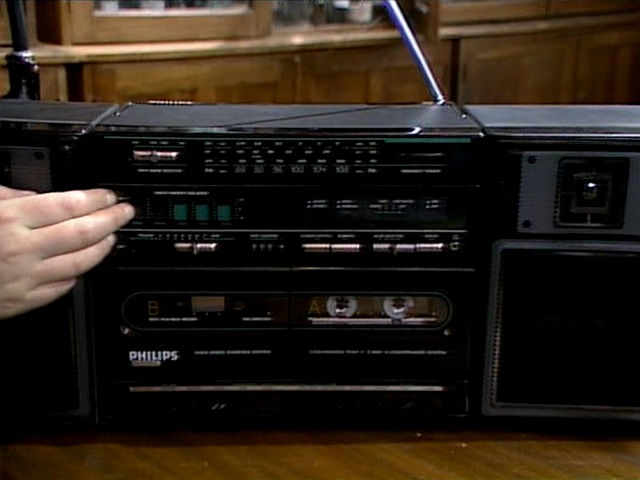
“There seems to be an interruption in our transmission, so while we work on this, here’s a little music.” We welcome Ace back to Earth. Her ghetto blaster is a Philips D 8479 dual deck radio cassette recorder Boombox. “BOOOOOOOOMM!”


This contrasts nicely with something of the period. The Bush TR82 Radio. Shockingly recognisable.


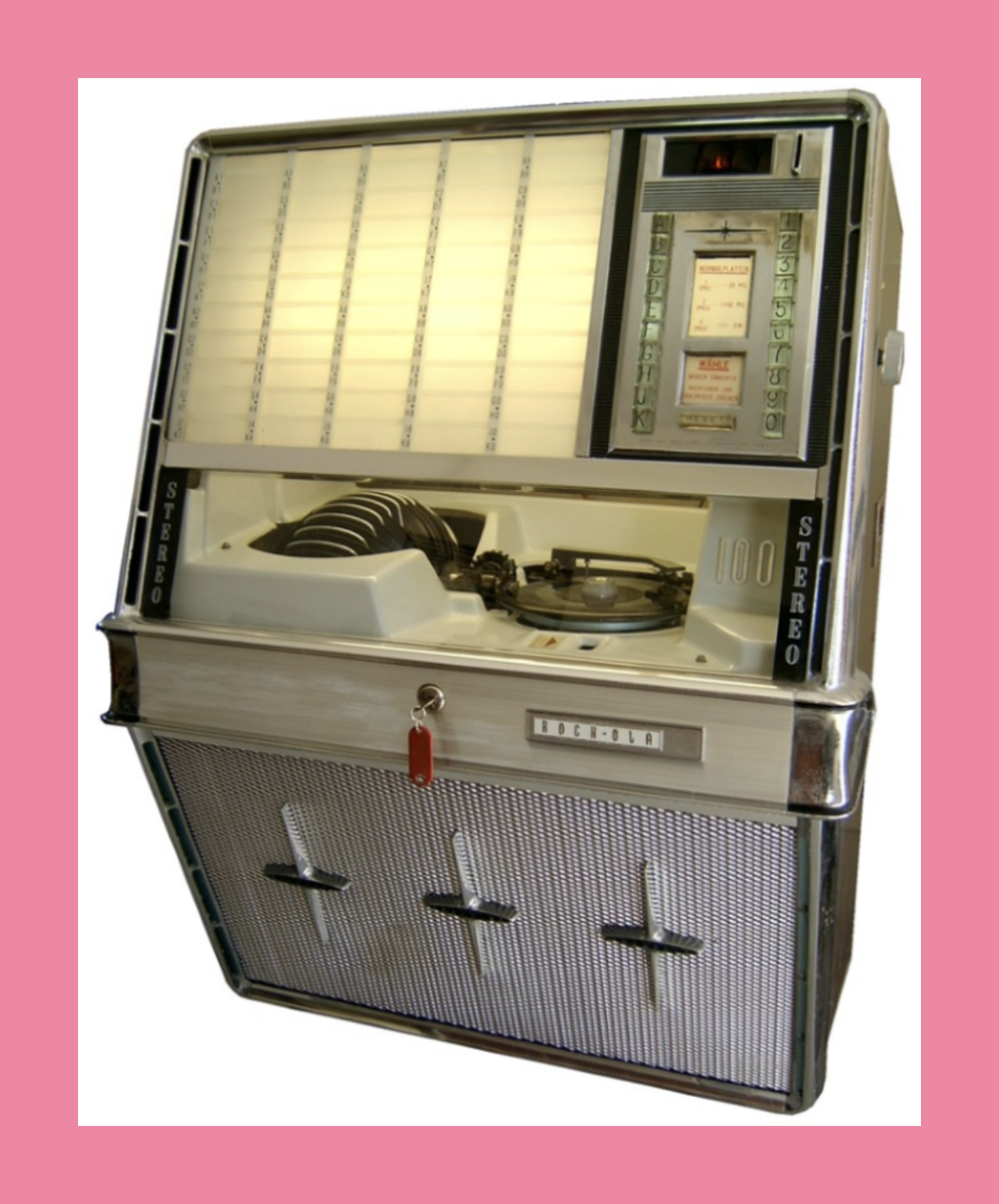
Meanwhile, back at the cafe, Ace has a go at selecting a disc from this 403 Wall Phonograph by ‘Rock-Ola’ (USA, 1962). This model allows 50 records, and 100 selections. Interestingly, the name ‘Rock-Ola’ wasn’t simply a matter of style, it was the name of the company’s founder – David Cullen Rockola.

While we’re at it. Here’s another jukebox, featured in Tranquil Repose. The DJ uses a model ‘A’ Juke box, by AMI Incorporated. USA, 1946-47. It offers 20 records and 40 selections. Heeeaaavvvyyyy.


A radio device from an even earlier age now, and this quick shot from ‘The War Machines’, offering a glimpse of a Newmatic Roadmaster ‘all transistor’ car radio.


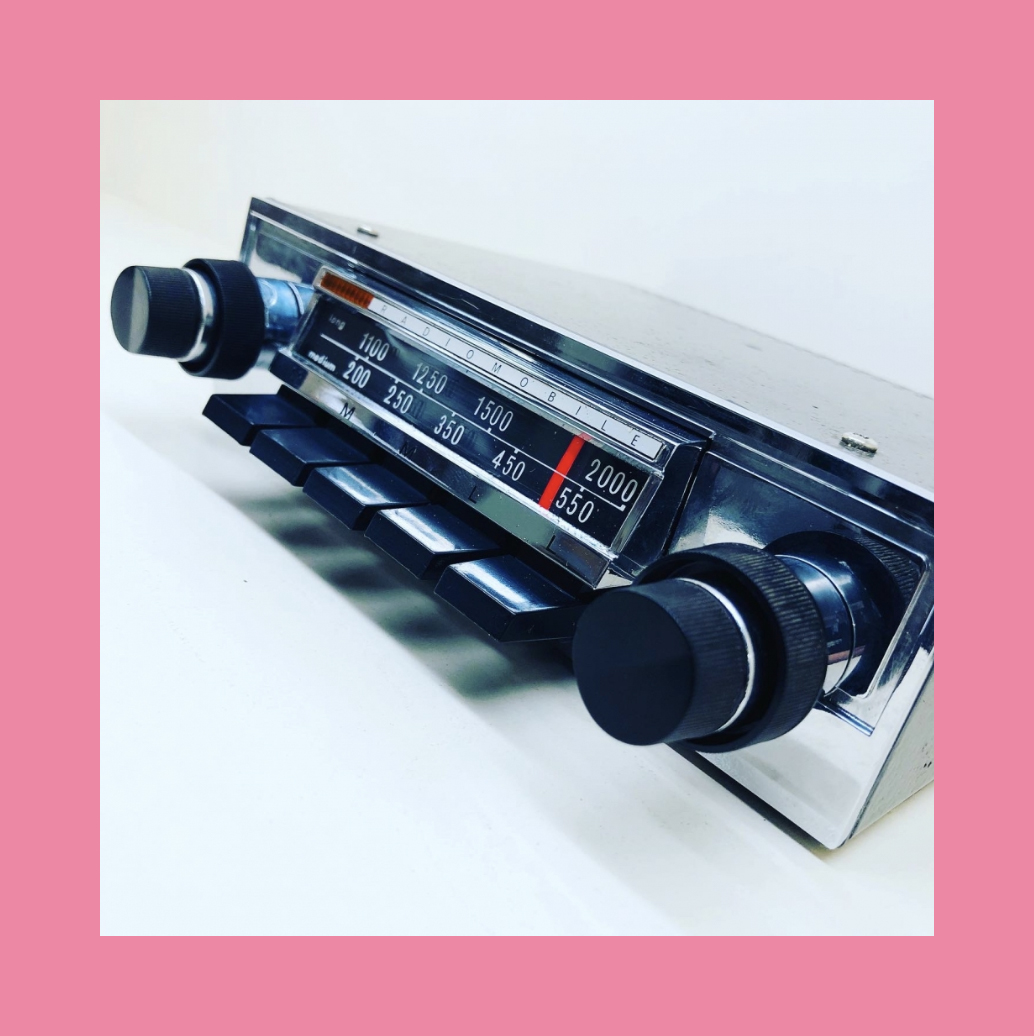
And a few years later, Bill Filer twiddles the knobs of this ‘970’ car radio, from Radiomobile Ltd, Cricklewood Works, London, 1965-66


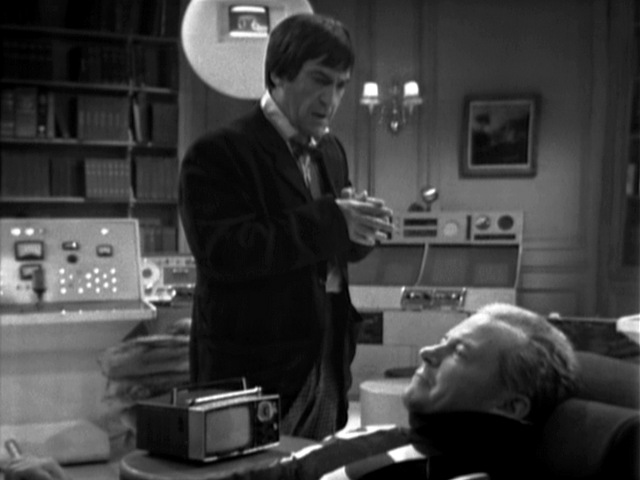
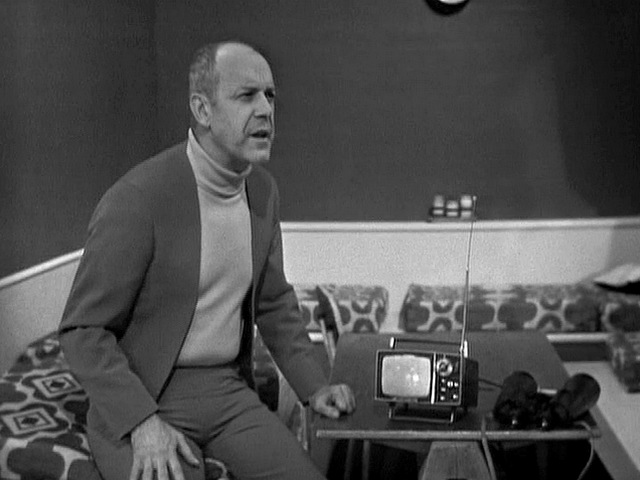
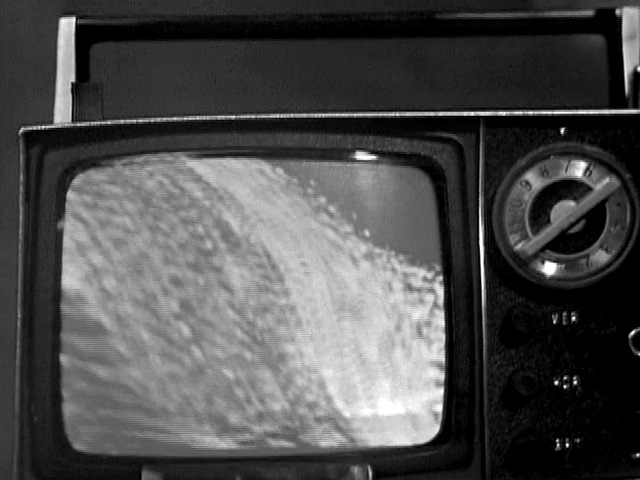
Transmission of a different kind now, thanks to this Sony 5-303W portable “Micro” television receiver – the smallest and lightest of its time – made in Japan in 1962. It’s frequently seen throughout Troughton’s run.
This transistor set has quite a history. In Japan, Frank Sinatra was so impressed with it that he returned to the USA with one, although modifications needed to be made so it would work in his home country. This opened the door to the American market, and at the time of release, Sony’s chairman personally delivered one to Sinatra, as promised.
The 5-303W also held up to vibrations and shake. The results were achieved by secretly testing it on a 600km stretch of motorway. The Sony staff were caught for speeding – the price of progress.


This rather fine looking object is not a camera, but a Noris Plank 300 metal slide projector from the late 1950s. It’s for those detective moments, proving how clever the Doctor is. I’m sure Pertwee had it written into his contract that he must look clever at least 10 times per episode.


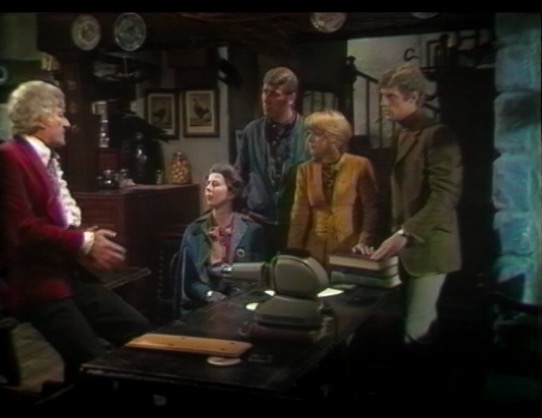
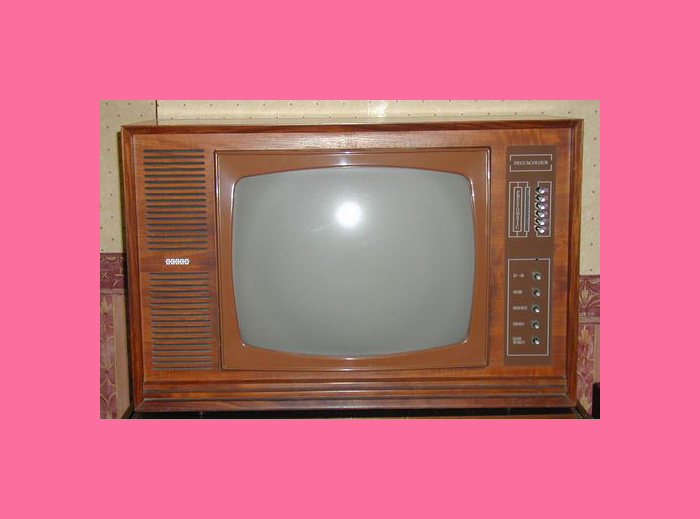
To the Doctor’s laboratory now, and episode 1 of ‘The Ambassadors of Death’. This wooden Goliath is a Decca CTV25 Dual Standard Chassis TV, the kind of object that would remain intact within a raging inferno. This leads neatly to…

“In London today…” I’ve always felt the deleted ‘Lord Haw Haw’ scene from ‘Inferno’ is an integral part of the story, giving a tangible sense of the world outside of the drilling complex. Armageddon is cheerfully announced via this Hacker-RP17 Transistor Radio, dating from 1962, and made in Maidenhead.

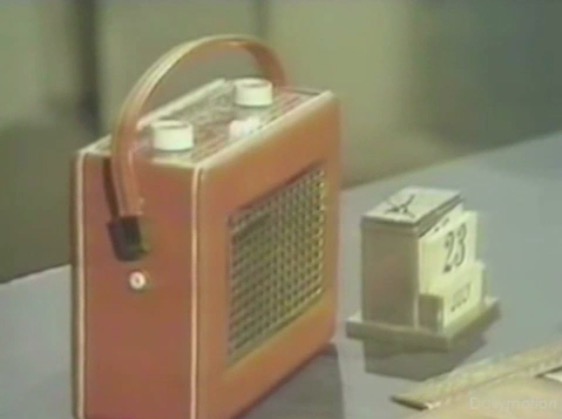
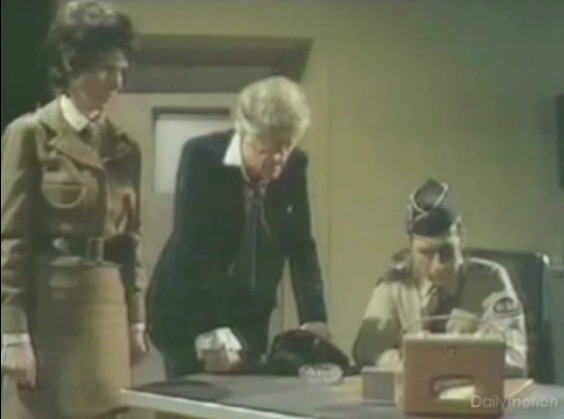

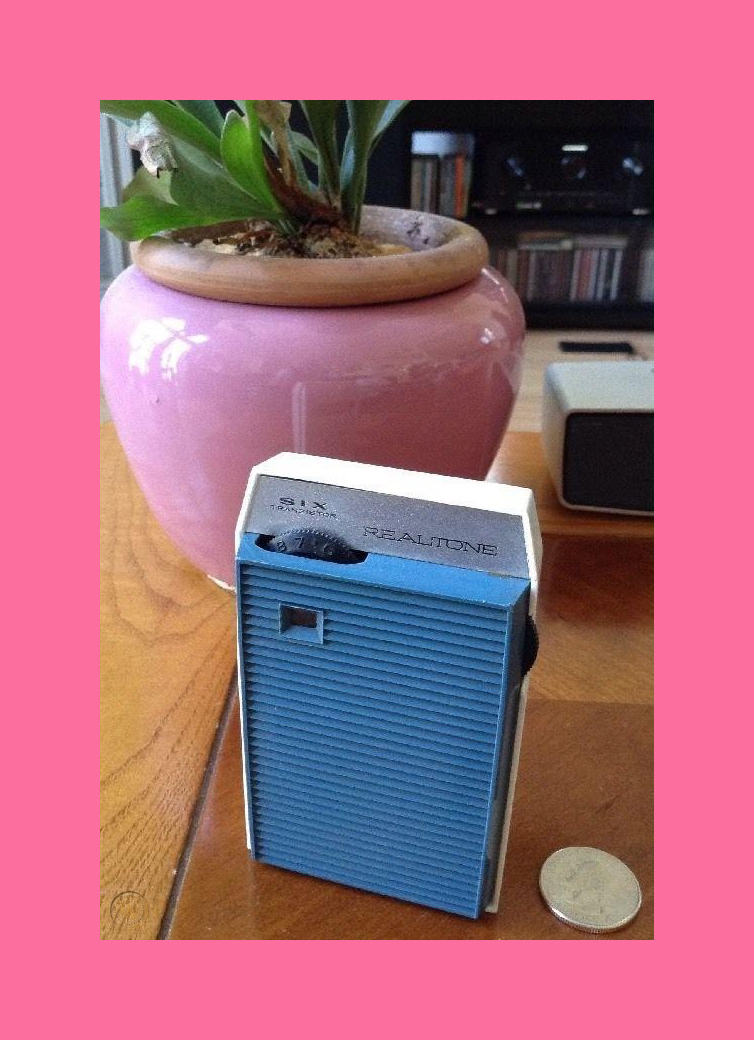
In an alternative universe ‘Inferno’ might have been the swansong of Doctor Who, so it feels right we go right back to the beginning. Susan dances to Common Men on a Realtone TR-1645 6-Transistor AM pocket Radio, made in Japan in 1960-1961.


Colony warfare now, and this little chap is a Mayfair portable 4 transistor reel to reel tape recorder – model TR-1963. Standard IMC issue, apparently.


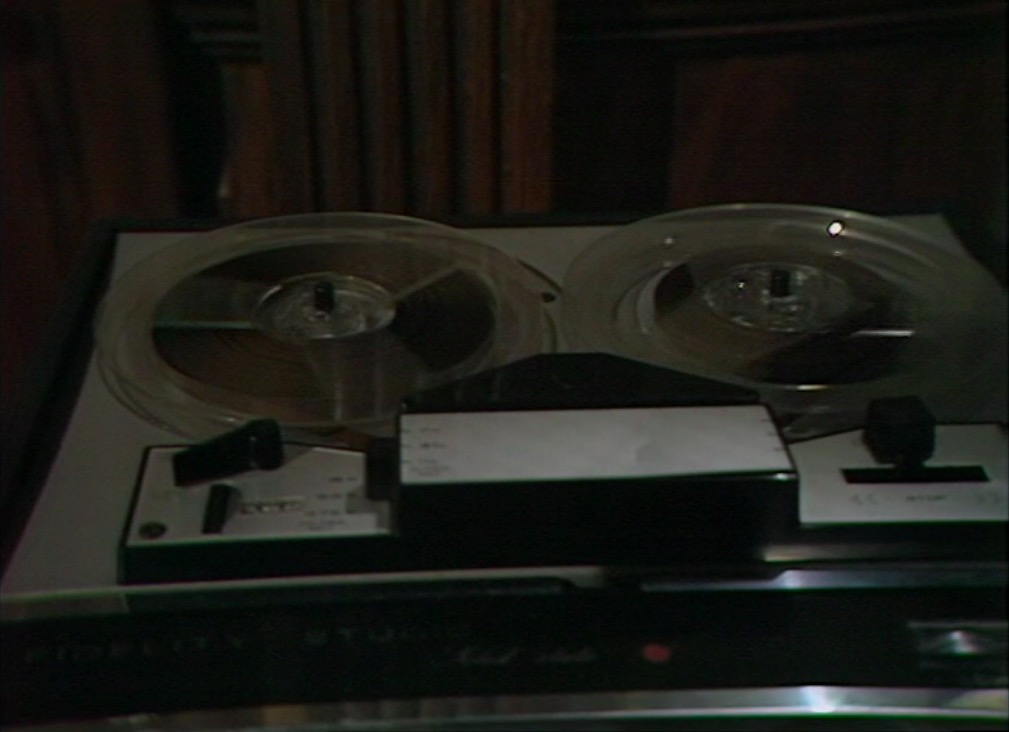
And at the end of Pertwee’s run we have this Fidelity Studio Tr17 solid state open reel tape recorder. Fidelity Radio Ltd, London, approx 1970.


Mike Yates channels the energy of Michelangelo Antonioni, or Federico Fellini, or. ..er… Tinto Brass. This is a Sony Vidicon TV camera, dating from 1969 – thanks to @IcarFaem on Twitter for the heads up!


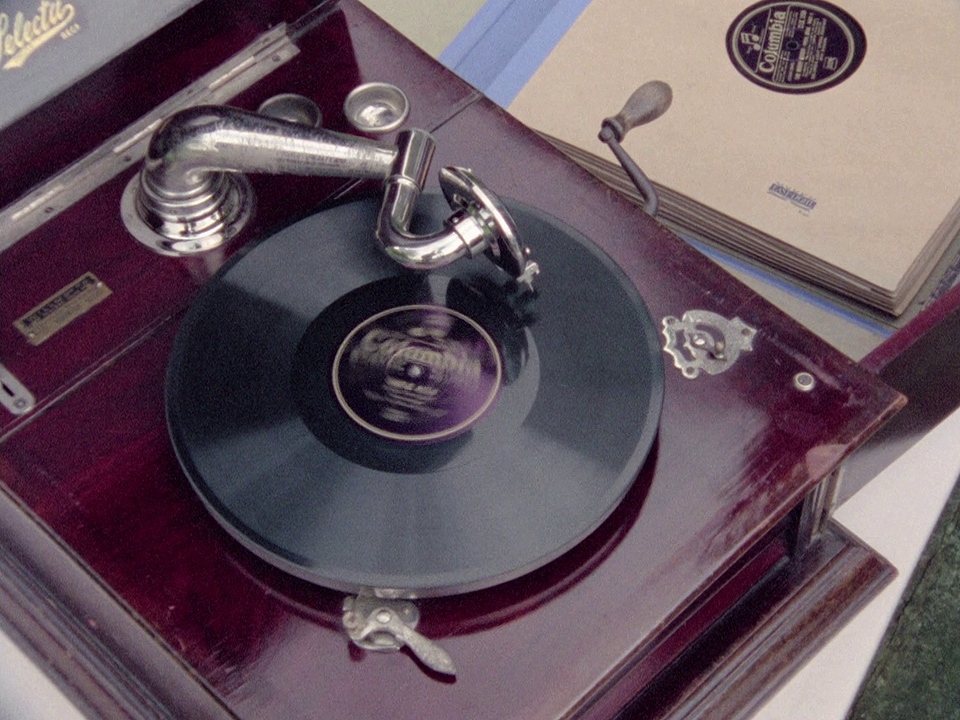
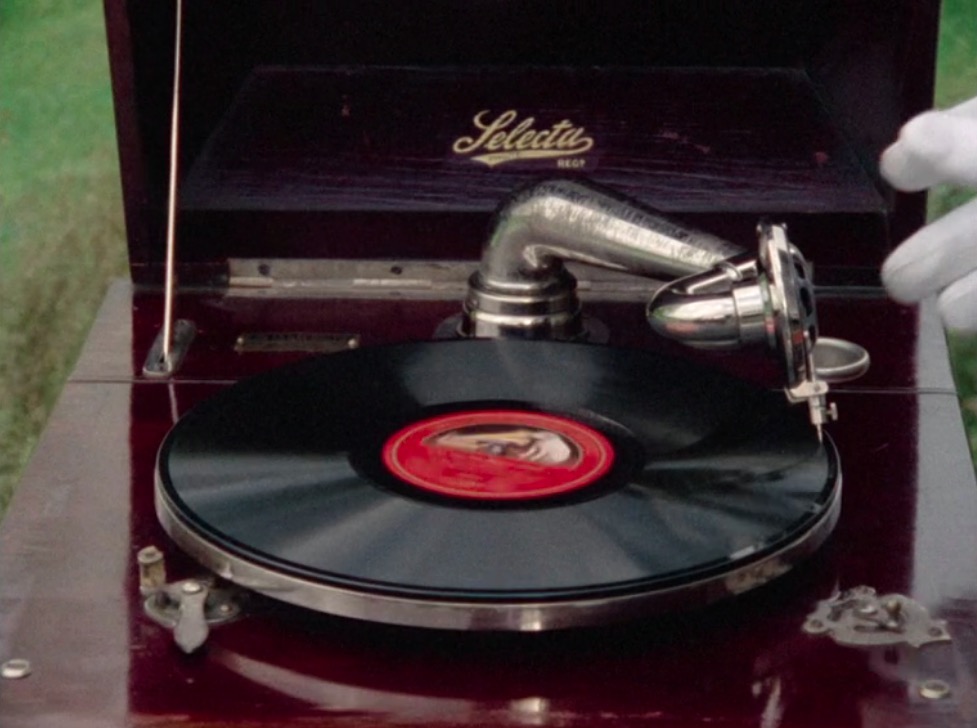
Cranleigh 1925! And blasting out the tunes, while Adric consumes his entire body weight in food, is this Selecta gramophone in mahogany.

Back to London now, and martial law is enforced using this Rolleiflex camera, probably a 2.8F TLR, dating from 1960. “Now, how about one of all of us together?”


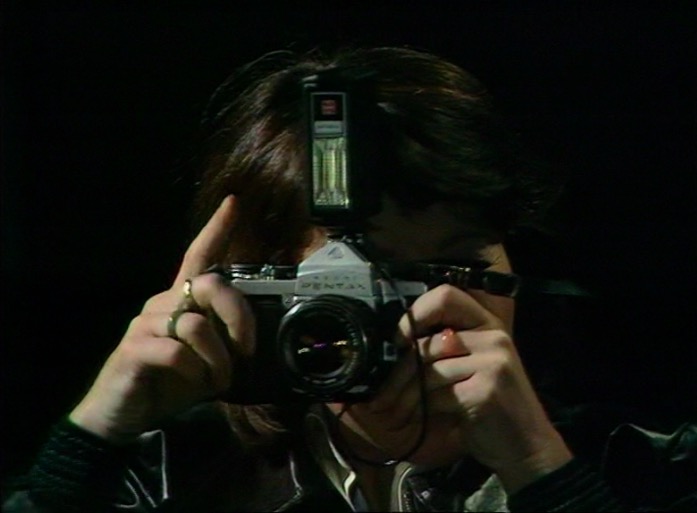
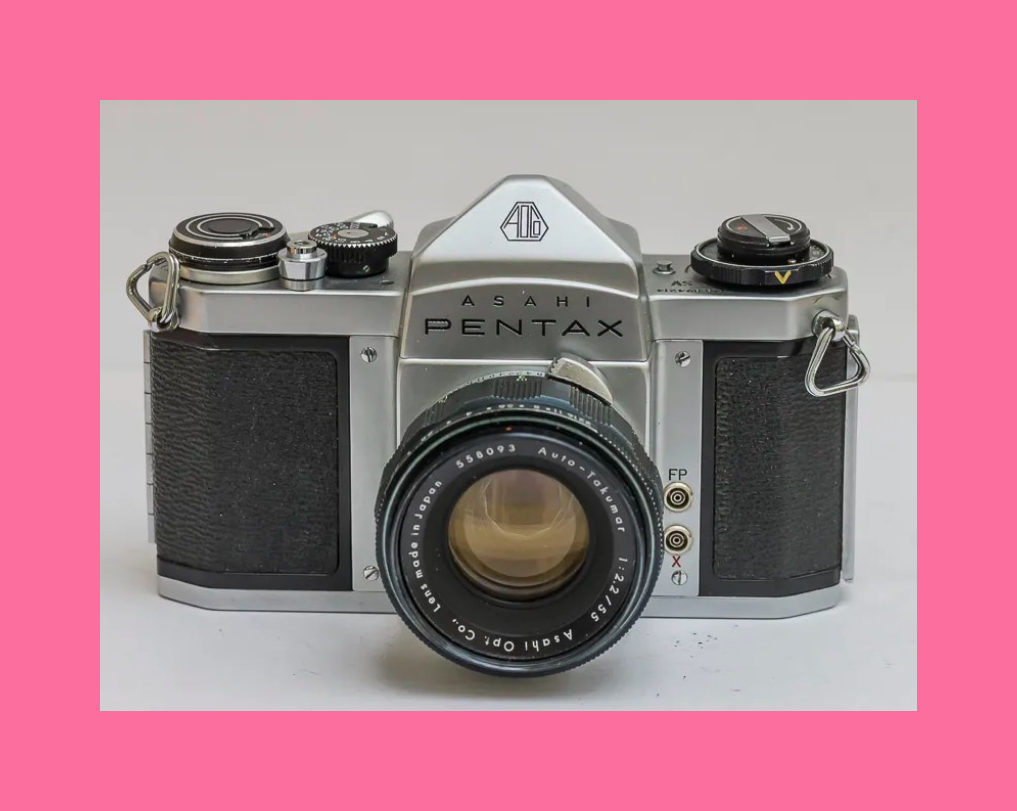
Later in the same story, Sarah Jane brings us back to the real world with this Pentax SLR camera. My guess is that it is an ‘SV’ model dating from the 1960’s.
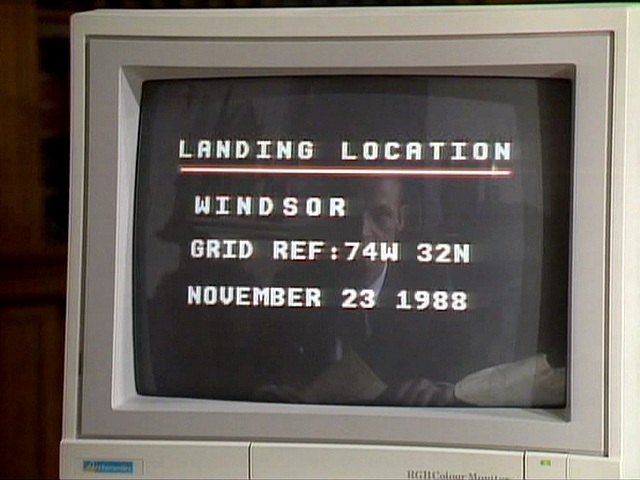
Modern-day England now, and the neo-Nazis locate Windsor, via this 1980’s Commodore RGB computer monitor – probably one of the 1084 range, and a part of the Acorn Archimedes, released the previous year. For more computers, https://www.starringthecomputer.com/ is a strong recommend.

Finally, back we go to Navy HQ, and this Trio JR-500S Ham Radio Receiver plays a part in the battle against The Master, and the Sea Devils.


LEISURE
Back into space now, and aboard the Hyperion III, we can see this Tunturi Ergometer W exercise bike, Finland 1980’s. Tunturi means ‘big mountain’. The overall 1980s typeface also screams big, as it should be!


On to a couple of artifacts that wouldn’t necessarily make an edition of the Antiques Roadshow.
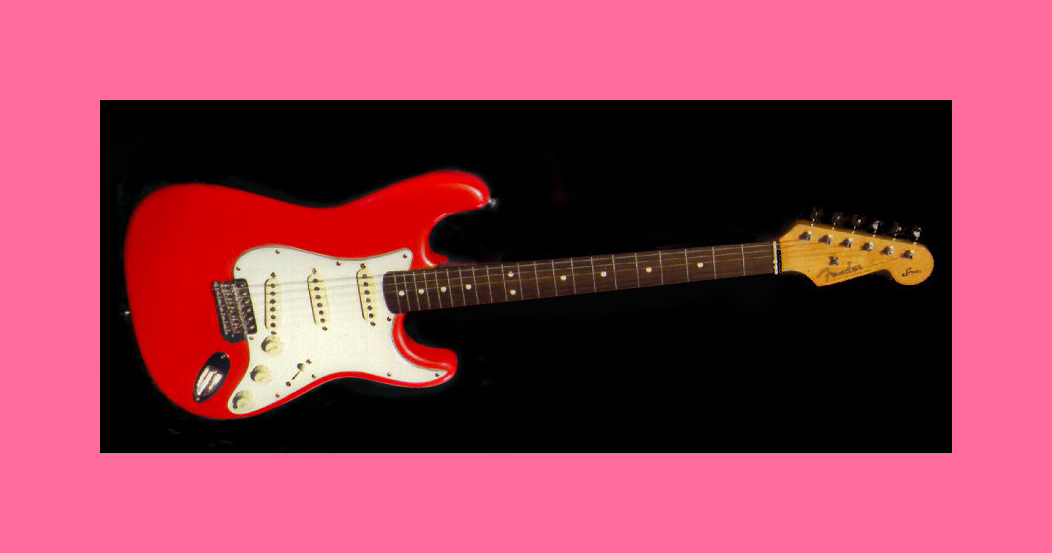
Well, if you’re feelin’ lonely. and gettin’ in a stew. just bend your ear. come over here. and man here’s what you do. A bit of air guitar now, thanks to this 1980’s Squier Stratocaster.


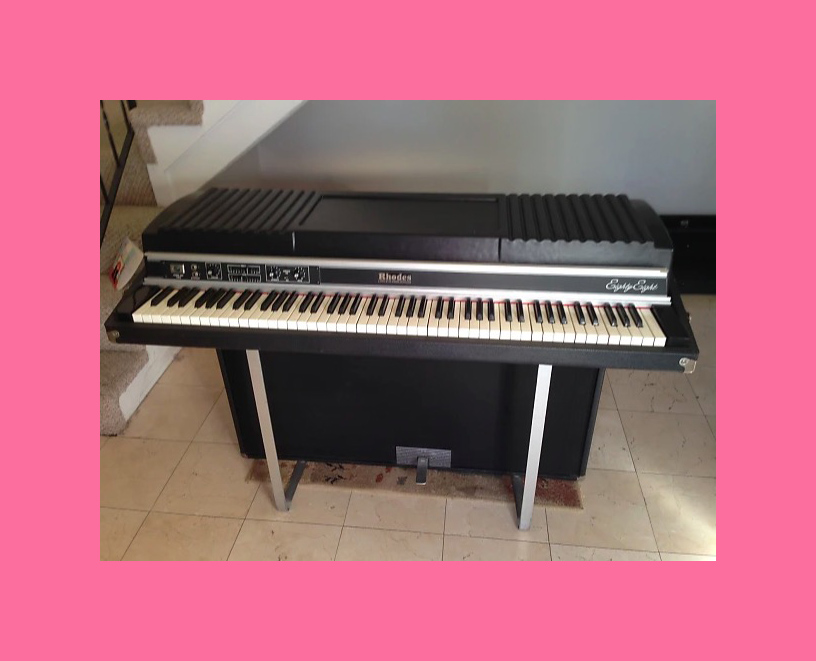
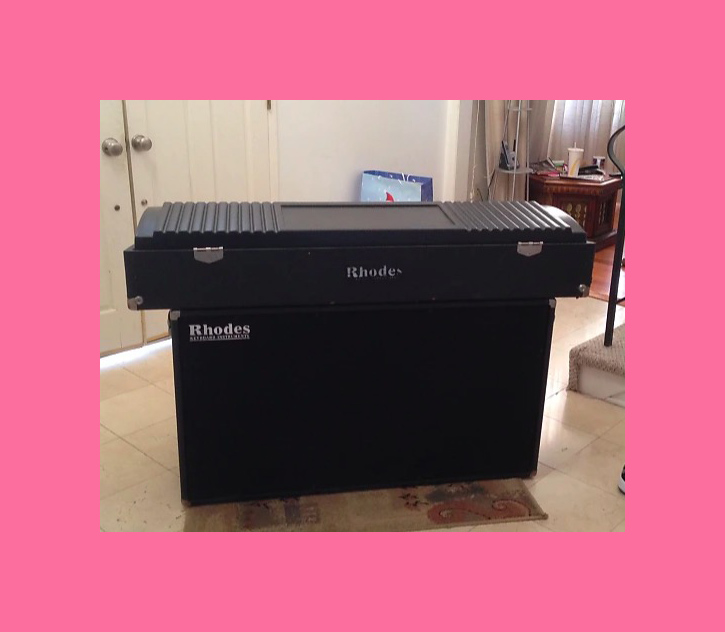
In the beer garden, Courtney Pine and his marvelous band made use of a Fender Rhodes Mark II Suitcase Electric Piano.

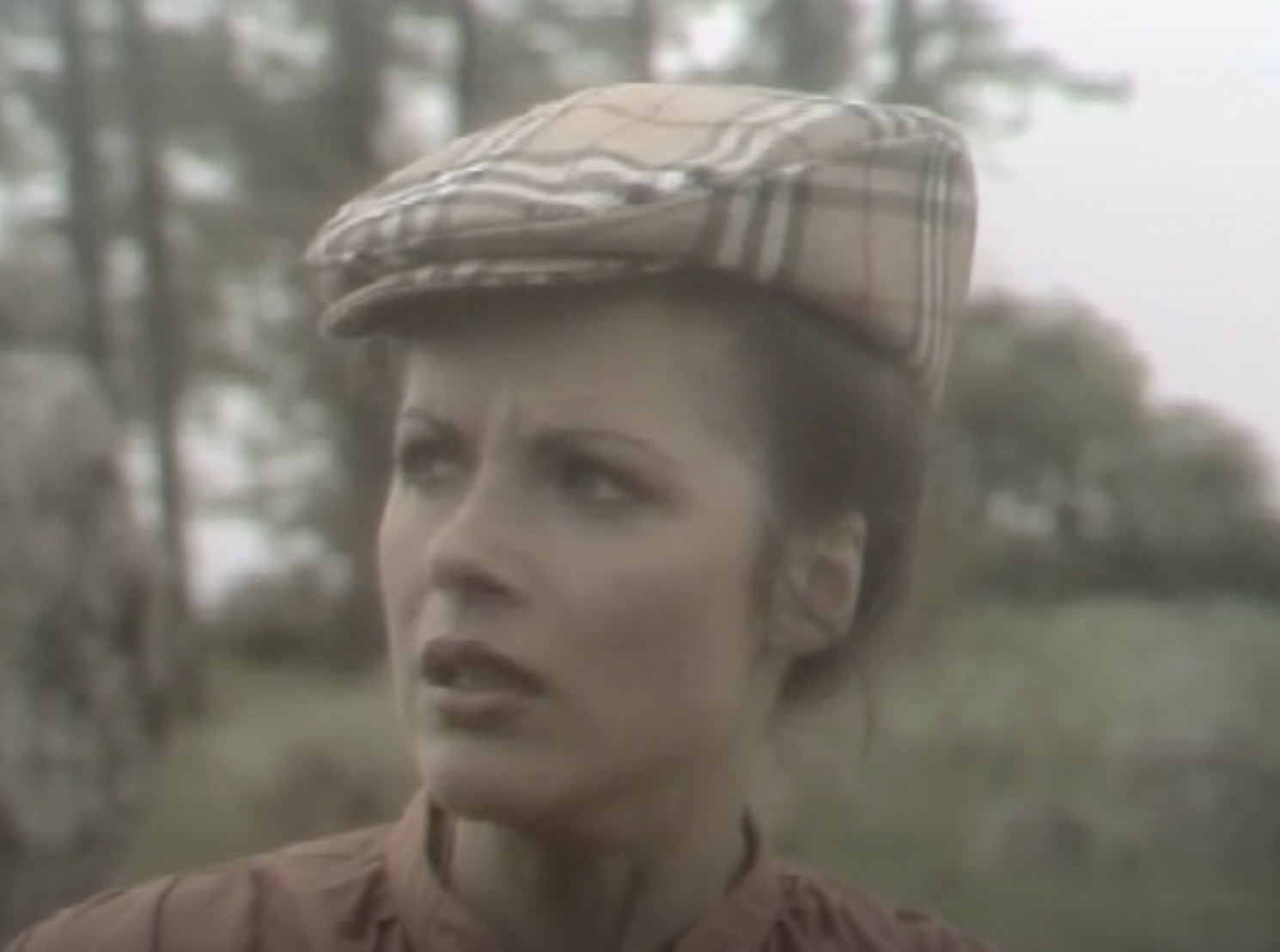
Elsewhere, in another rural videotaped pasture, Romana wears this Burberry newsboy hat, 1970’s.

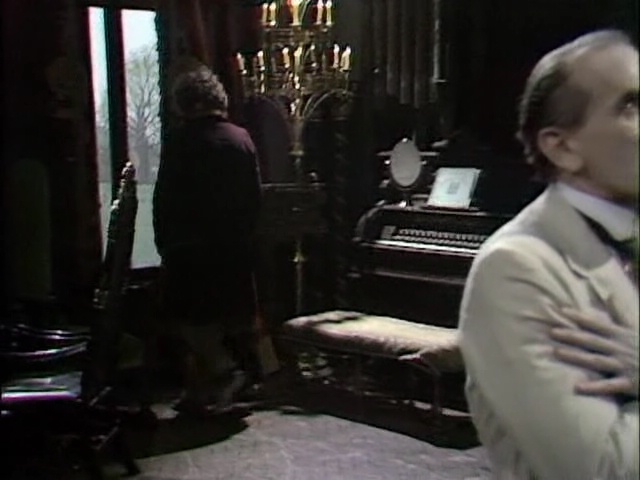
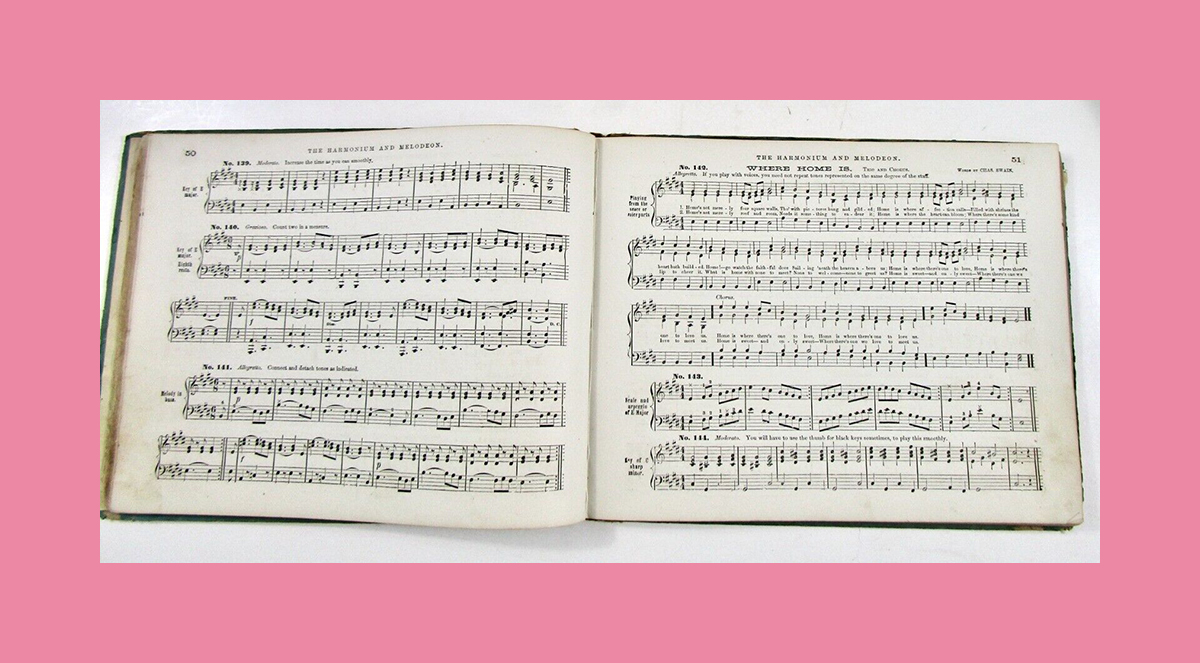
Back in time, and Namin is tinkling the ivories, on specific instructions from Sutekh, to make sure his eventual arrival on Earth is as grand and foreboding as possible. We see this 1863 songbook – ‘School for the Melodeon, Harmonium, and Cabinet Organ, Songster and Music.
One listing notes the following; Songster Description: George F. Root, School for the Melodeon, Harmonium, and Cabinet Organ. Boston: Oliver Ditson, 1863, 144 pages. 9 ¼” x 11 ¾”. “Containing lessons, studies and scales; songs, duets, trios, and quartets; voluntarie, interludes and recreative pieces; for the parlor and choir: carefully prepared with reference to the advancement of learners, both in the technical ability and taste as well as the true development of the powers and beauties of these instruments.”


Meanwhile, back at Master HQ, we see Roger Delgado making good use of this 1970s rowing machine made by Dolomiti, Italy.


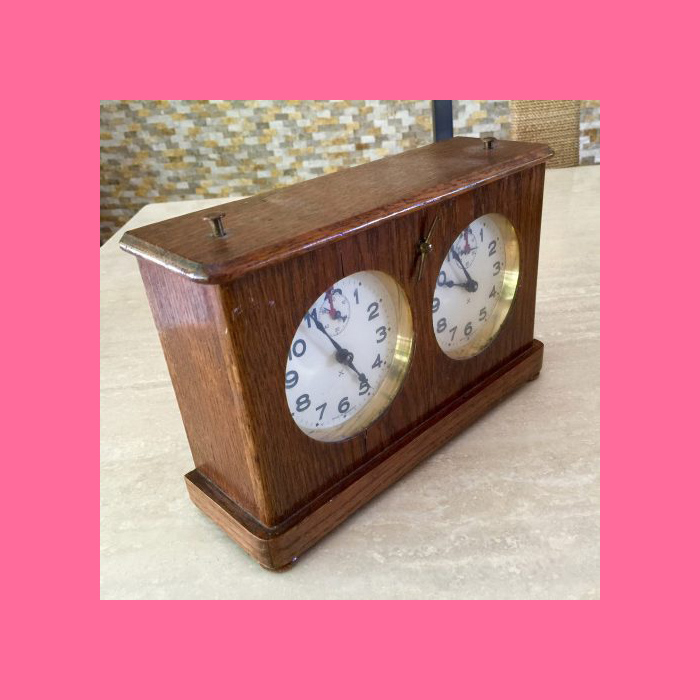
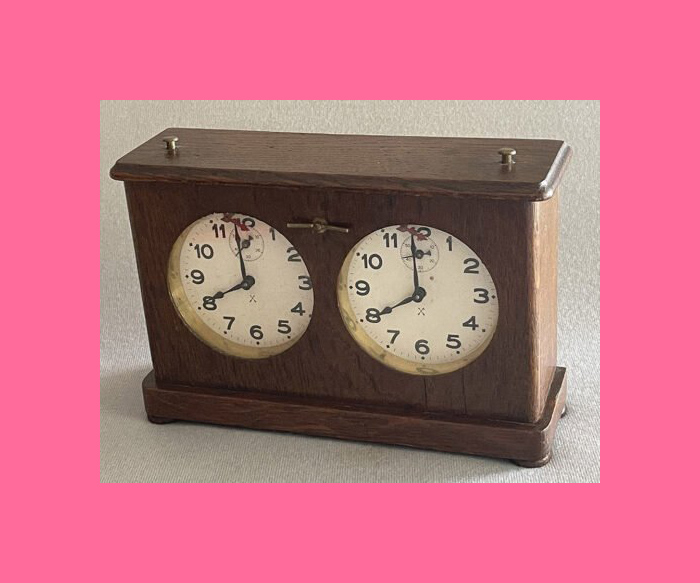
Following consultation with himself, the Doctor is prescribed plenty of rest. So, perhaps a game of chess is in order? Cue this federation chess clock circa 1925 (approx). These timers were used in many clubs and tournaments of all levels throughout the UK in the early to mid-1900s. The clock movements were manufactured by H.A.C, the Hamburg American Clock Company (1883-1929). This German company produced clocks of all types using many American methods and designs.


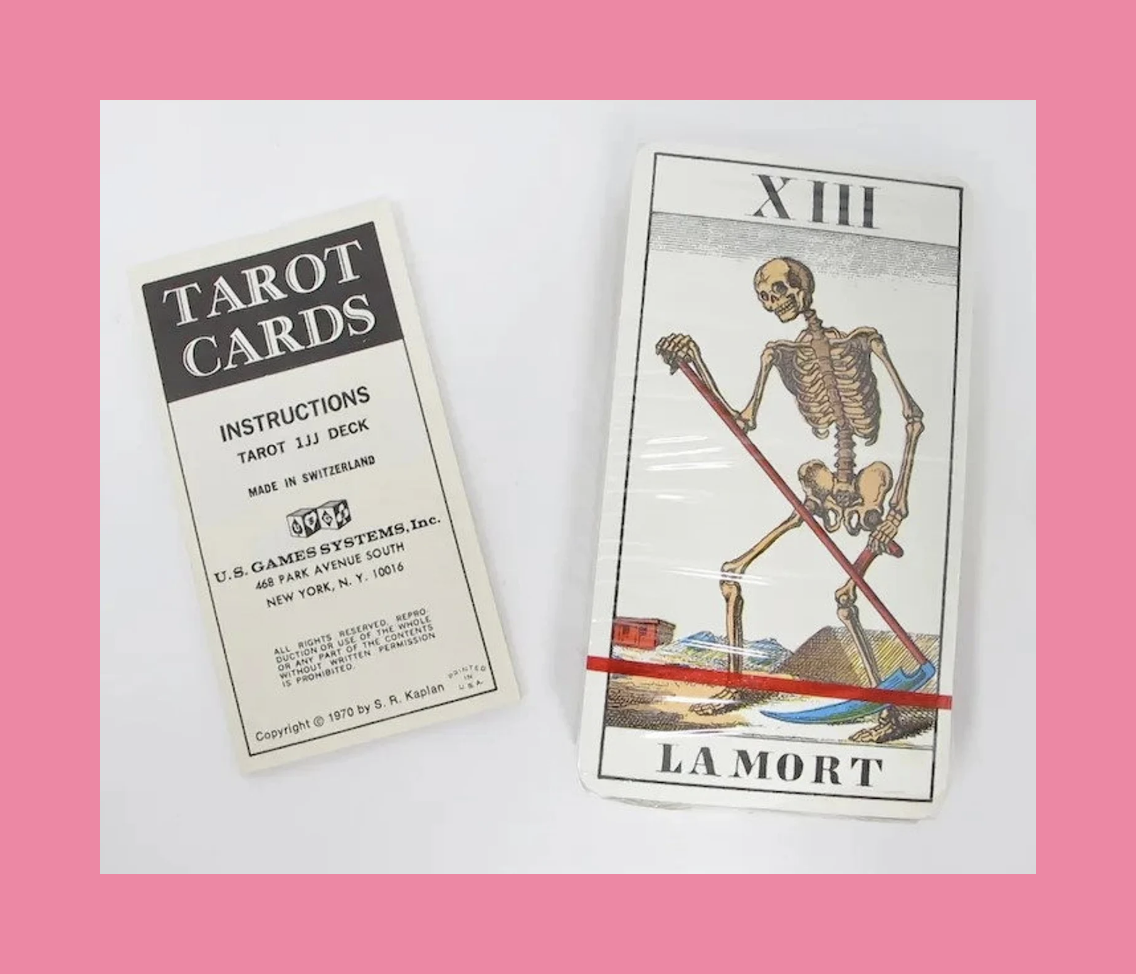
From the floor to the table. In Ma Tyler’s cottage, we can see 1JJ Swiss Tarot, first published in 1831, This is a 1970 edition, published by Muller in Switzerland and distributed by U.S. Games Systems. It’s based on the ancient Marseilles deck. The two J’s in the title refer to Jupiter and Junon, the Roman equivalents of Zeus and Hera, who in this deck were substituted for the Pope and Popess so as not to offend the Catholic Church.



This Armillary/Sun Clock with zodiac stand, featured throughout the 1960’s and also popped up in ‘Terror of the Vervoids’ too. It’s likely Scandinavian, likely from Denmark. One listing notes it was made in the 1940’s.


INDUSTRIAL
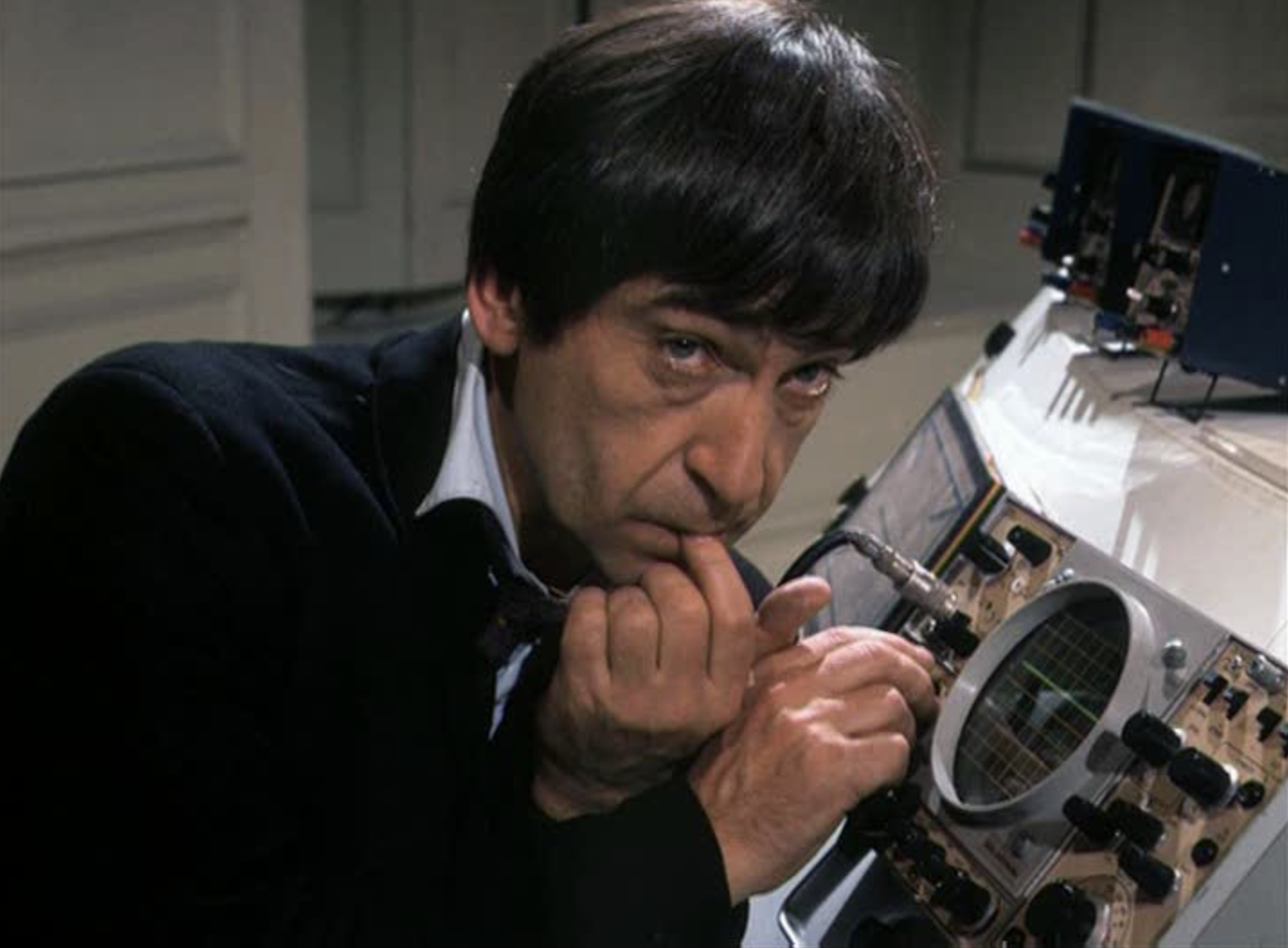
A mainstay – an Airmec Type 279 display oscilloscope, for everything from brain activity to sonic disturbance. (Thanks, @DavidHugginsORI on Twitter!)

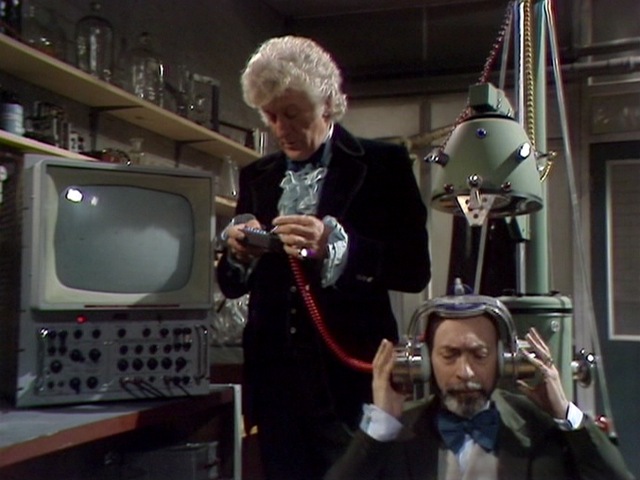


Also featuring in ‘Planet of the Spiders’ is this Jodrell Bank Cossor 1035 Valve based Oscillograph, 1950’s.


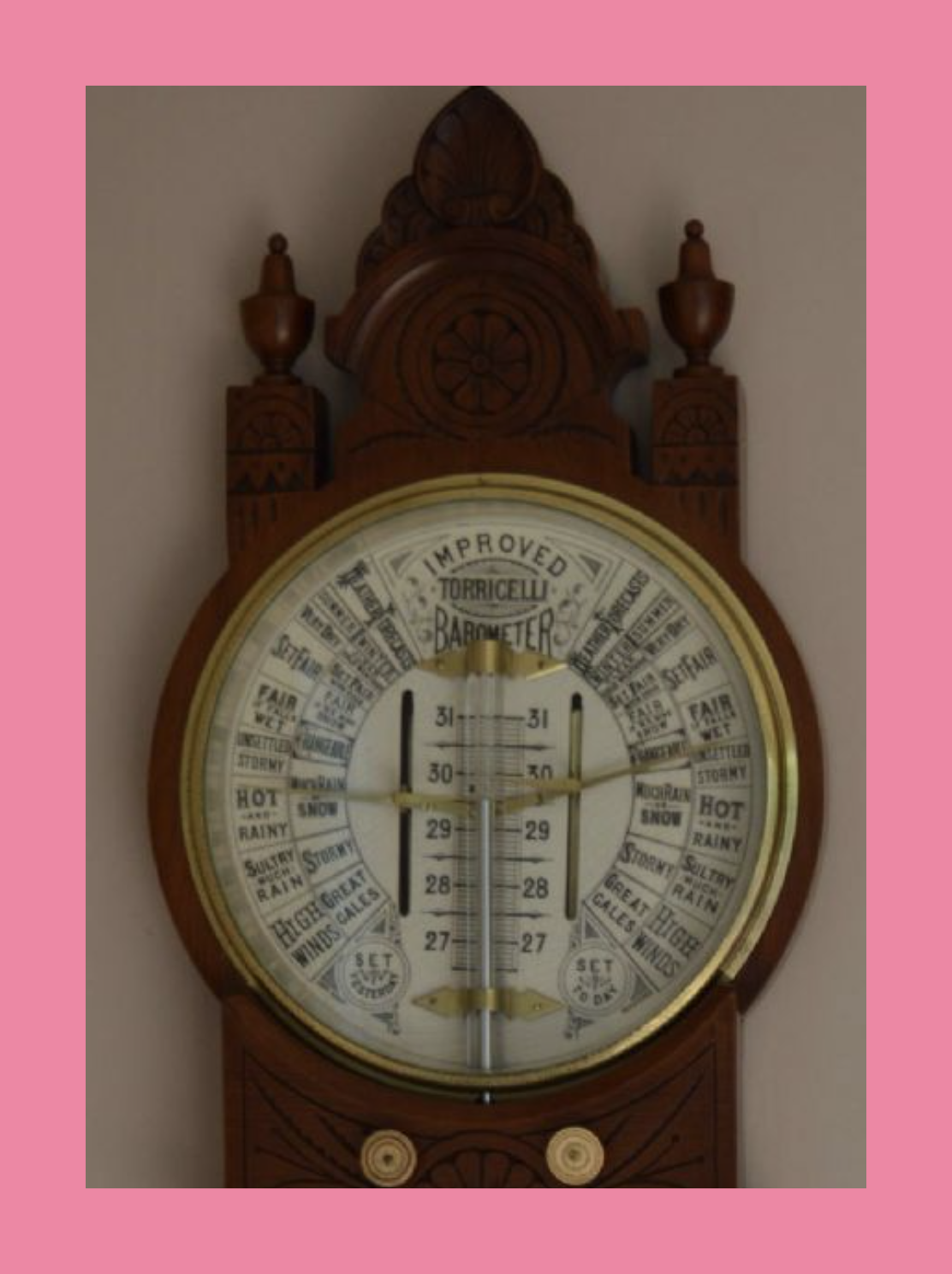
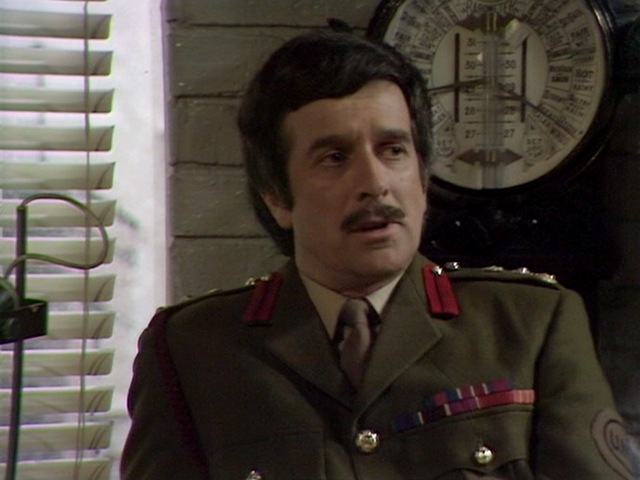
Another item that pops up in the UNIT lab is this Admiral Fitzroy Polytechnic barometer from the late 19th century.
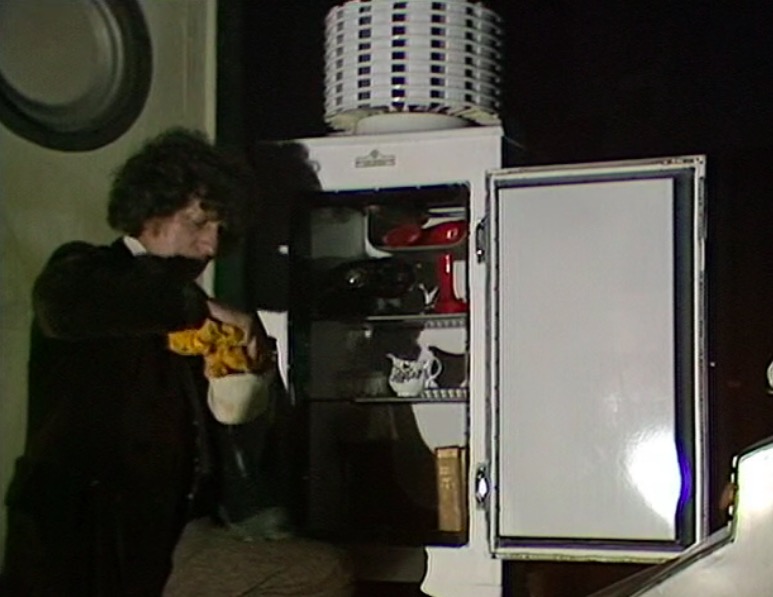
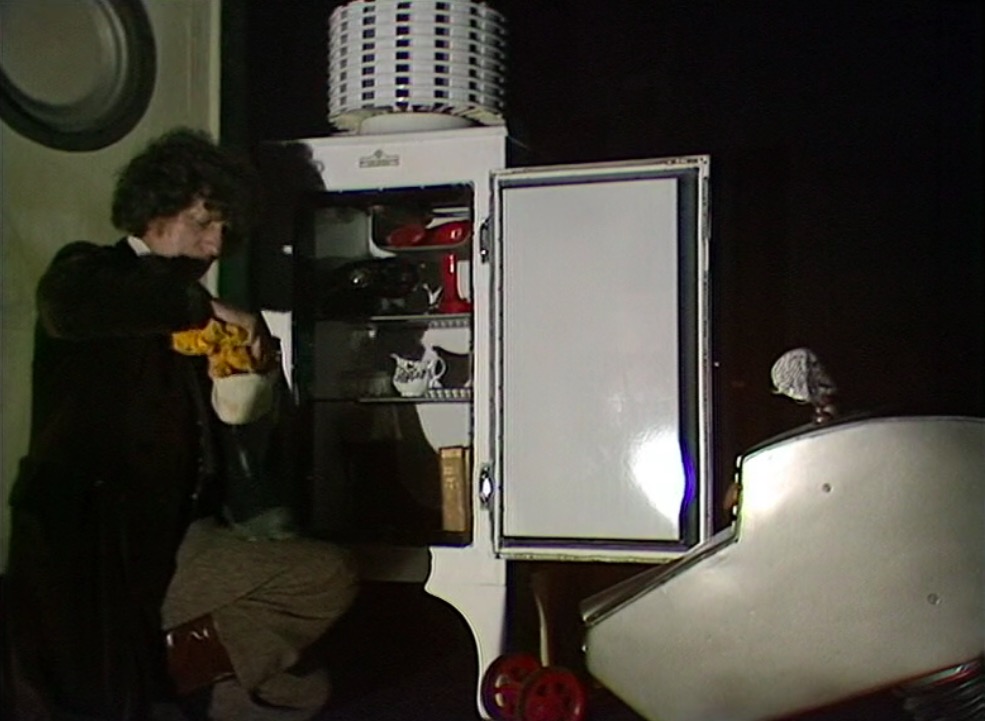
A real piece of history here. This is one of the very early refrigerators, as we know them. This is a General Electric monitor-top fridge USA 1934. Perhaps it has enough room to keep a 15th anniversary cake fresh.


The Doctor and Sarah Jane land in a quarry once more. This is a real vintage piece – an exploder detonator circa 1915 ish, so probably in common currency during the Great War. The hand pictured is human.
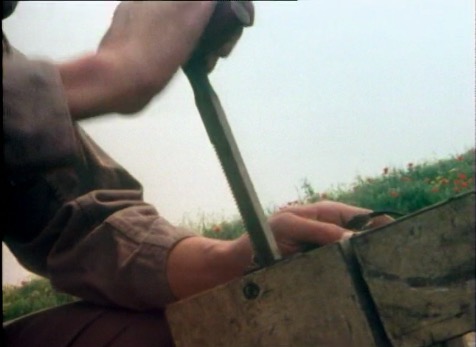


Down the country we go – all the way to Cornwall. Professor Emilia Rumford and her friend Vivien Fay enlist the help of Romana as they study the “Nine Travellers”. Early on, we can see a theodolite surveyors staff measure – a telescopic long ruler tape, circa 1920s. It’s like it was designed to complement Romana’s cap.


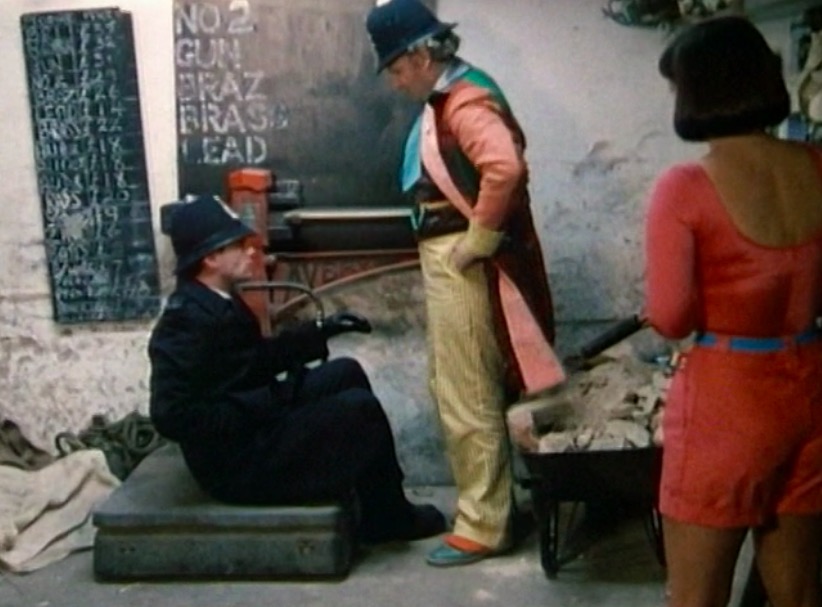
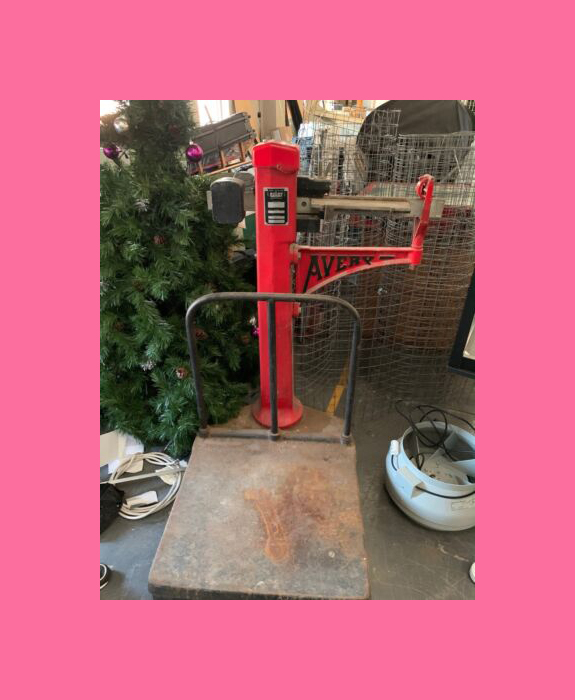
How much does a Policeman weigh? Only one way to find out – secure him to this Avery 500lb industrial weighing scale.

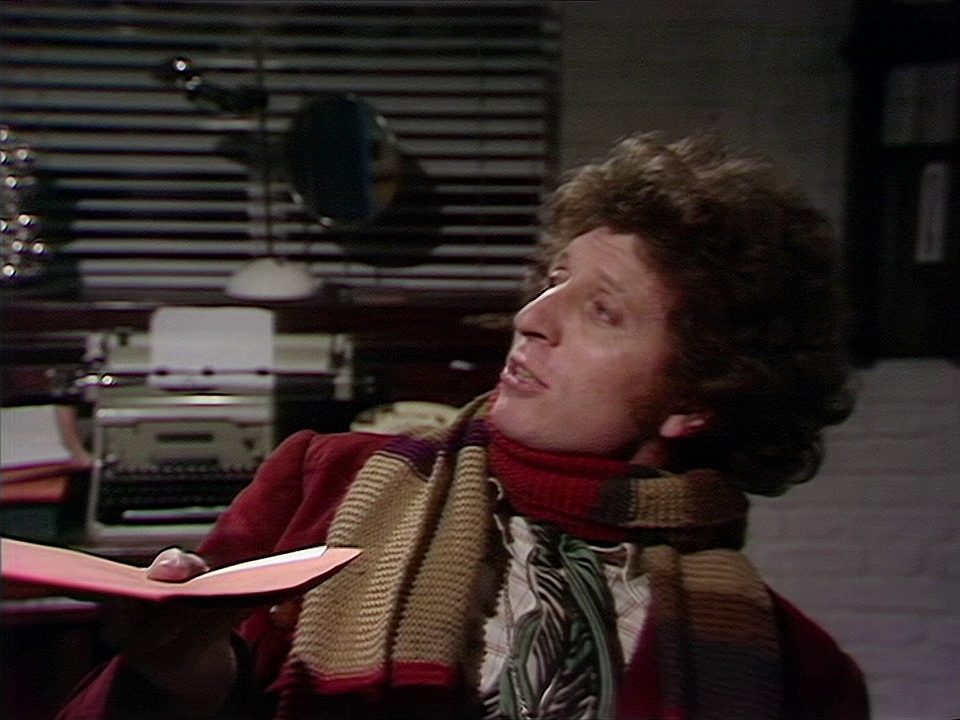
Out with the old, and in with the new. Pertwee becomes Baker within the familiarity of UNIT HQ. In ‘Robot’ you can see this ‘Imperial 66’ typewriter. Apparently, the spools on the outside are for typing onto a tape. This was made between 1954 and the late 1960s. Around this time (1974) the Imperial name disappeared altogether after it was brought out by an American company.

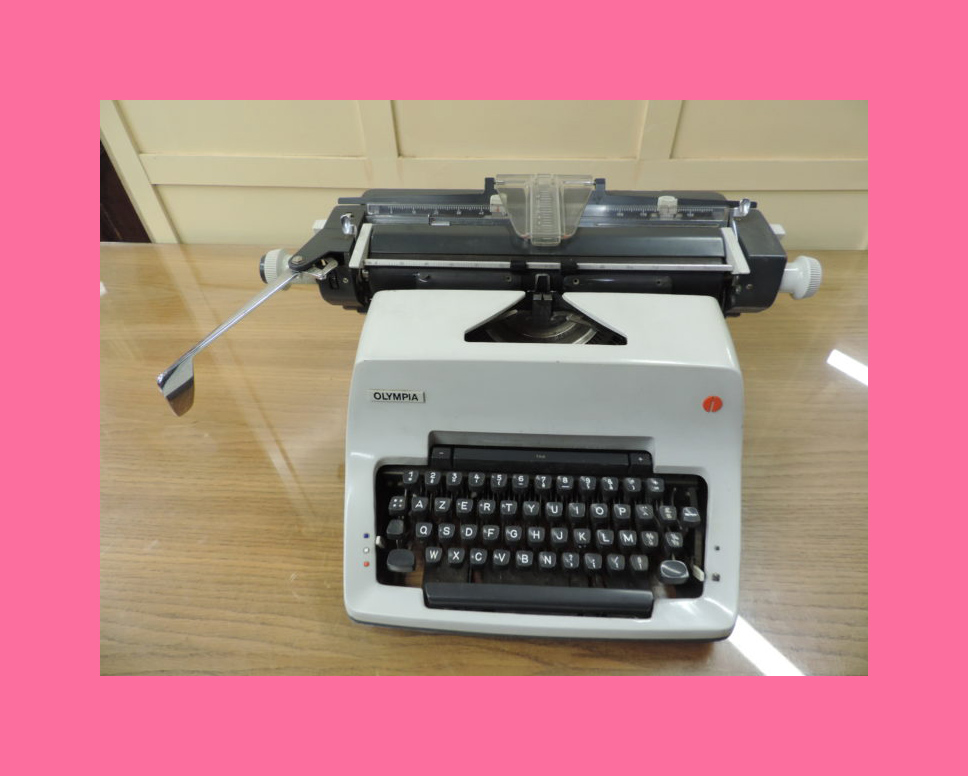
Back into Wales again, and here is Elgin, typing the letters C H I C K E N P O X on an Olympia SG3 typewriter – likely an early 1970’s model, based on the typeface used on the back.


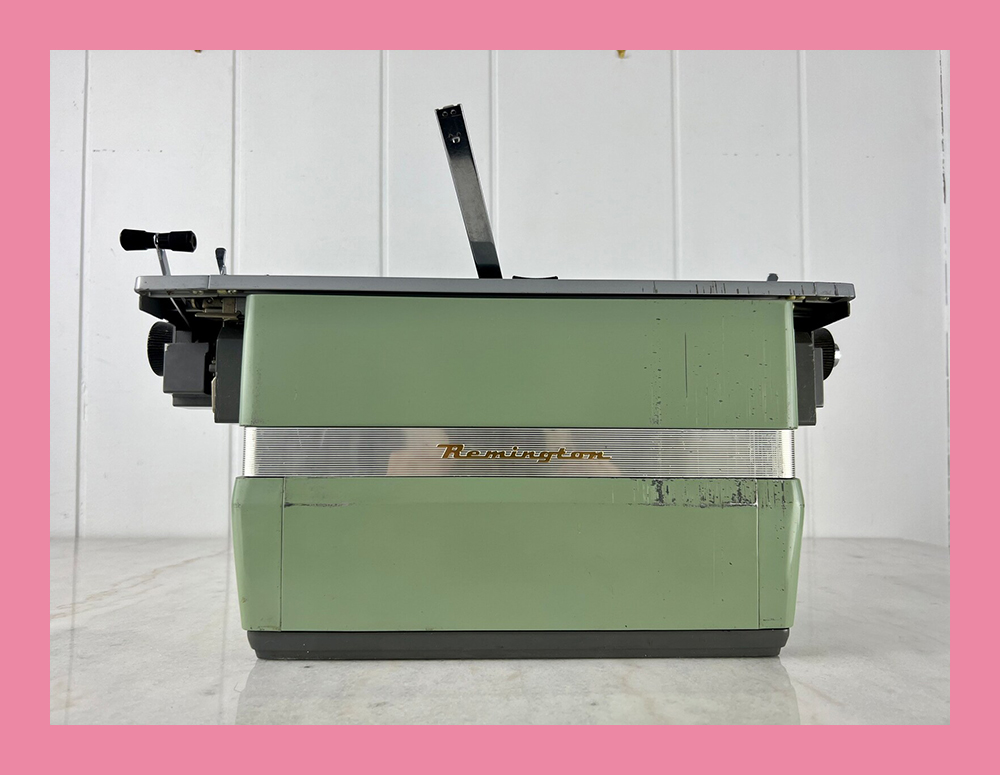
A bit further ahead in the timeline, and Sarah Jane gets to work in Scotland, thanks to this Remington international portable typewriter from the 1960’s. Mint Green. Hmmmmm, nice.


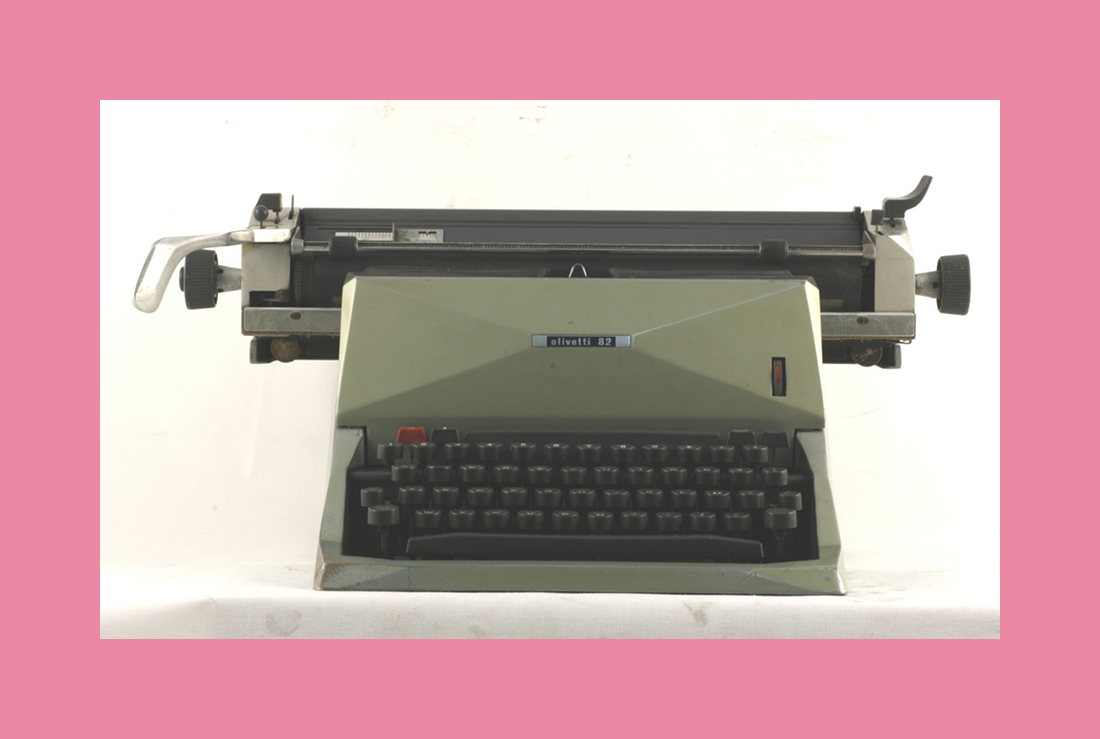
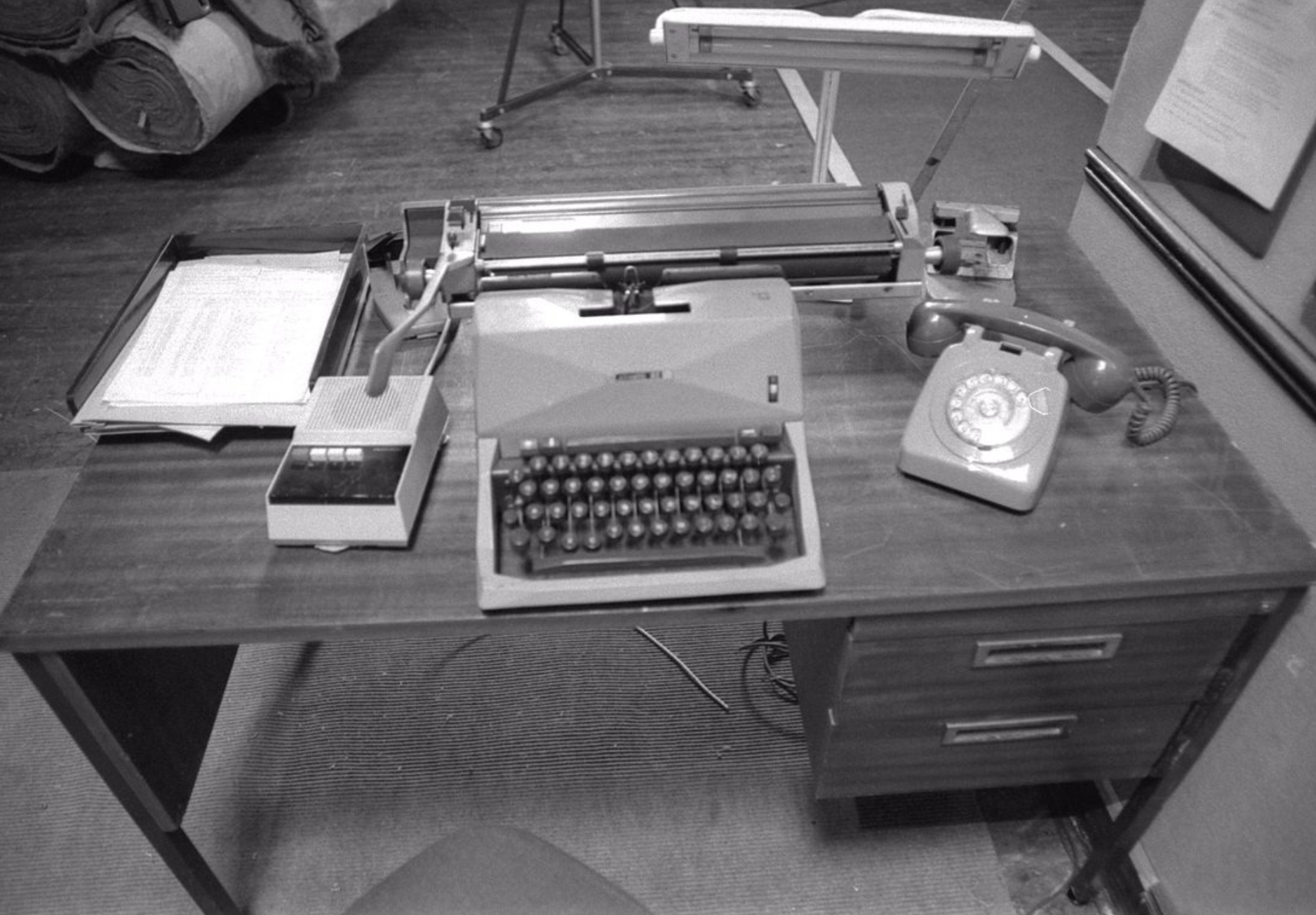
Sticking with the UNIT theme, the sergeant seen in ‘The Five Doctors’ is using this Olivetti Diaspron 82 – likely circa 1959. Check out the amazing advertising that came with this model.



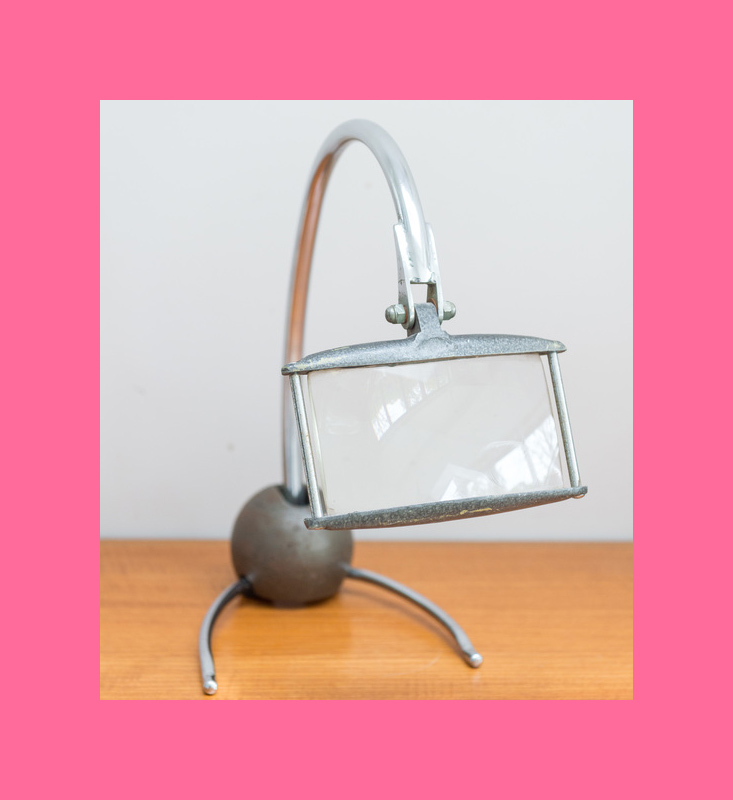
Whenever I see a magnifier, my mind immediately thinks of that shot of Nyder’s eye looking through the Doctor’s pocket clutter on Skaro. However, it’s easy to forget that the Master also enjoys a Big-Eye-Close-Up (BECU) via this Enbeeco desk top scientific magnifier. England, circa 1930.


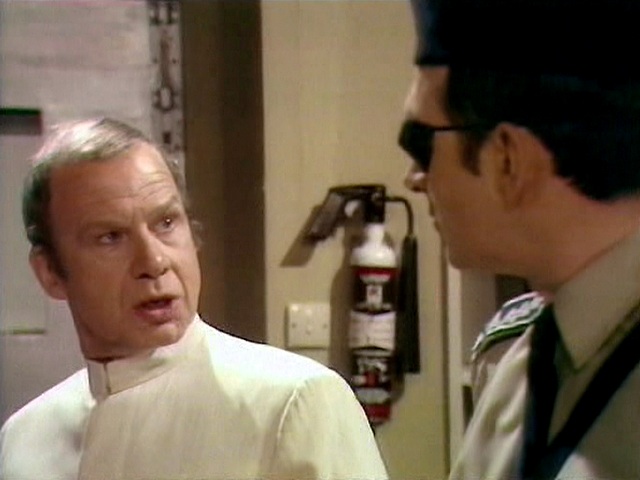
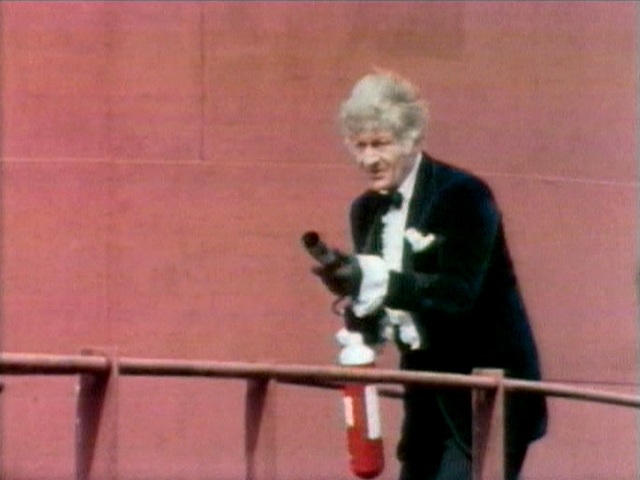
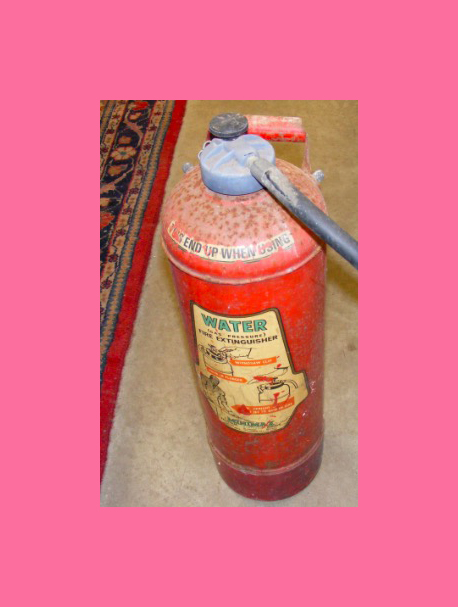
Off to Eastchester now (if you subscribe to the radio broadcast being canon). The Project Inferno site includes these Walter Kidde pistol grip fire extinguishers, which intriguingly were used for anything other than putting out fires. This particular model hails from the late 1960s.



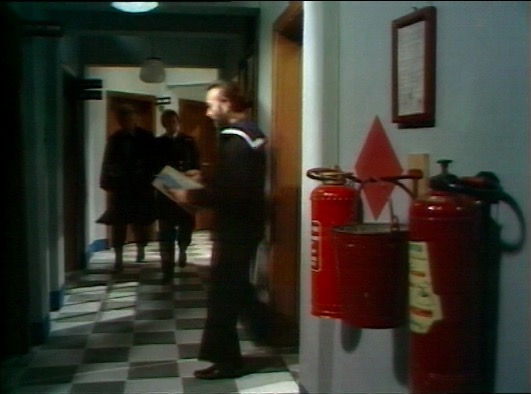
Back to Navy HQ and here is a 1970s minimax fire extinguisher.
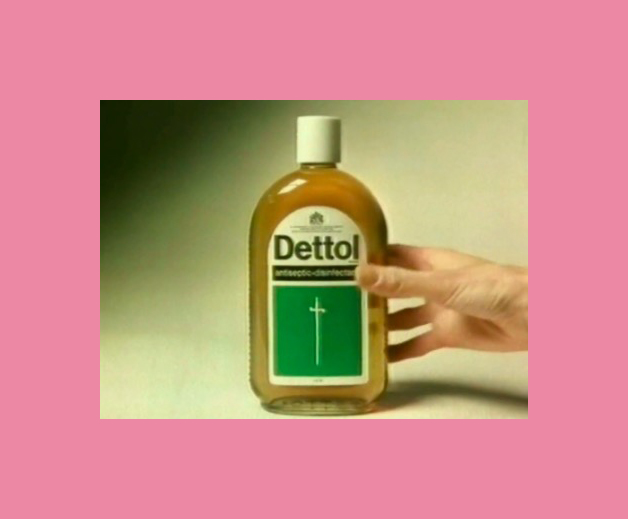
Such a familiar name, yet I know nothing about it. Born in 1933, Dettol was invented for doctors and first needed when millions of mothers and babies were dying from sepsis following childbirth. This (obviously) is the 1970’s branded model.
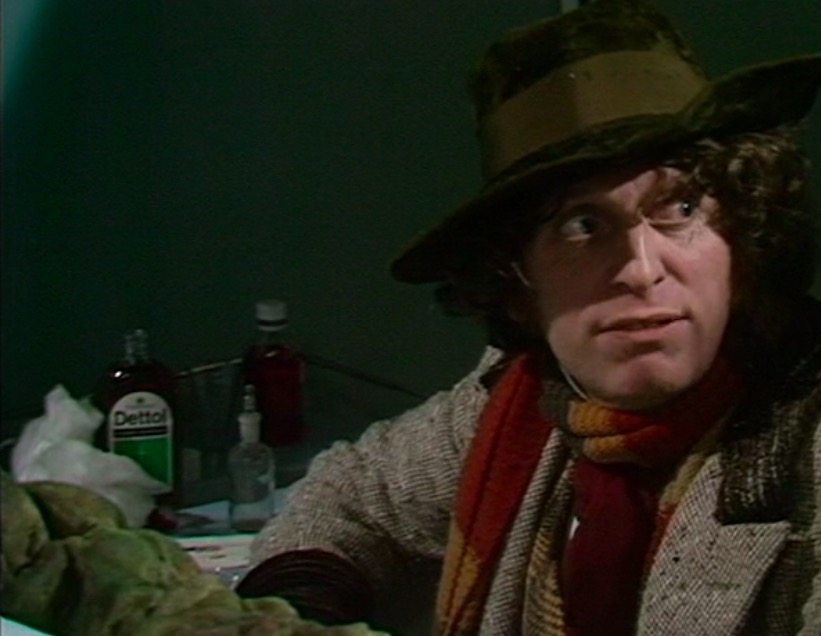
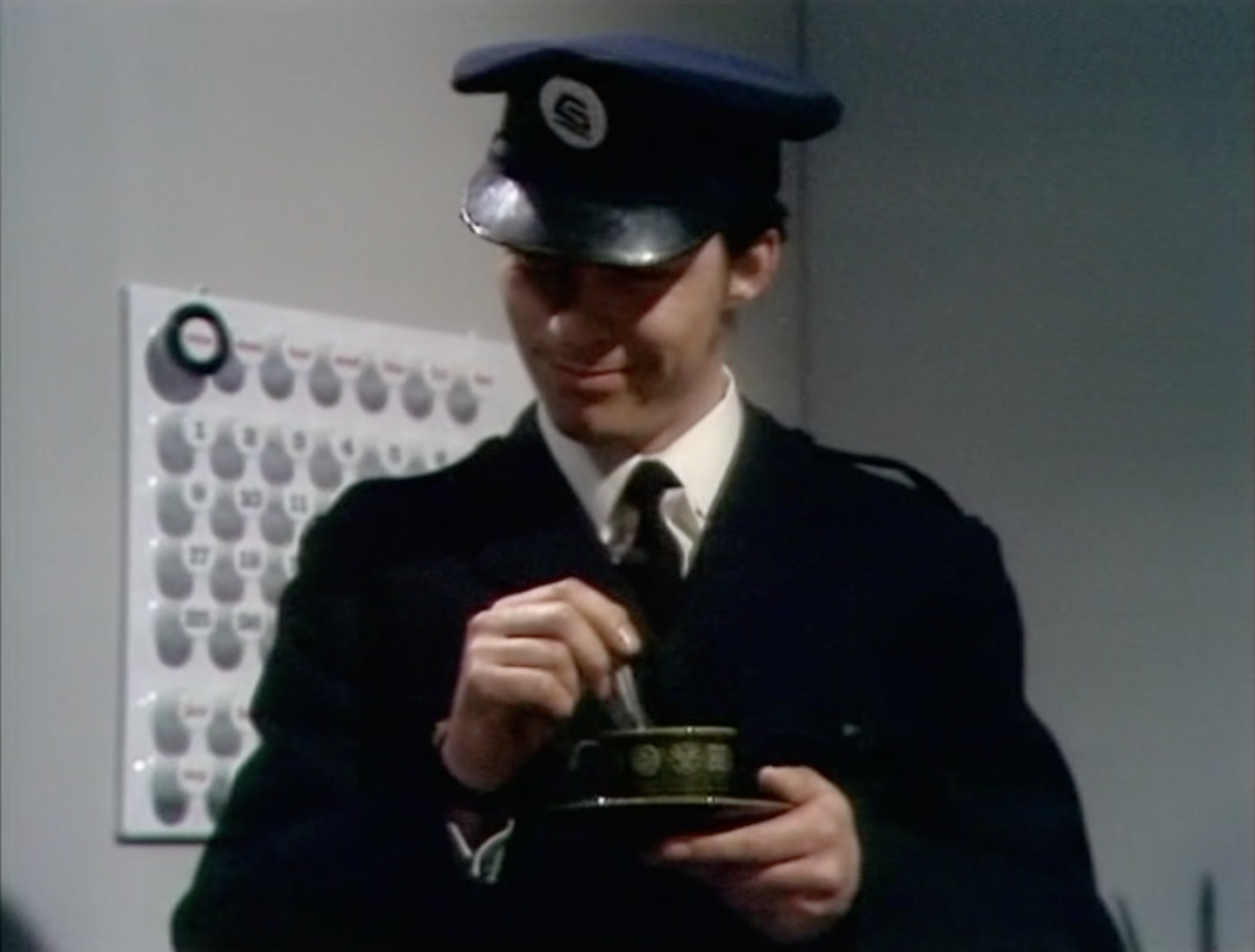
Back to office-wear now, And Yates chats to the Doctor and the Brig on Sunday 28th April. How ungodly! I know this thanks to the Ring-a-Date wall calendar, designed by Giorgio Della Beffa for Euroway Torino, Italy, 1970s


LIGHTING
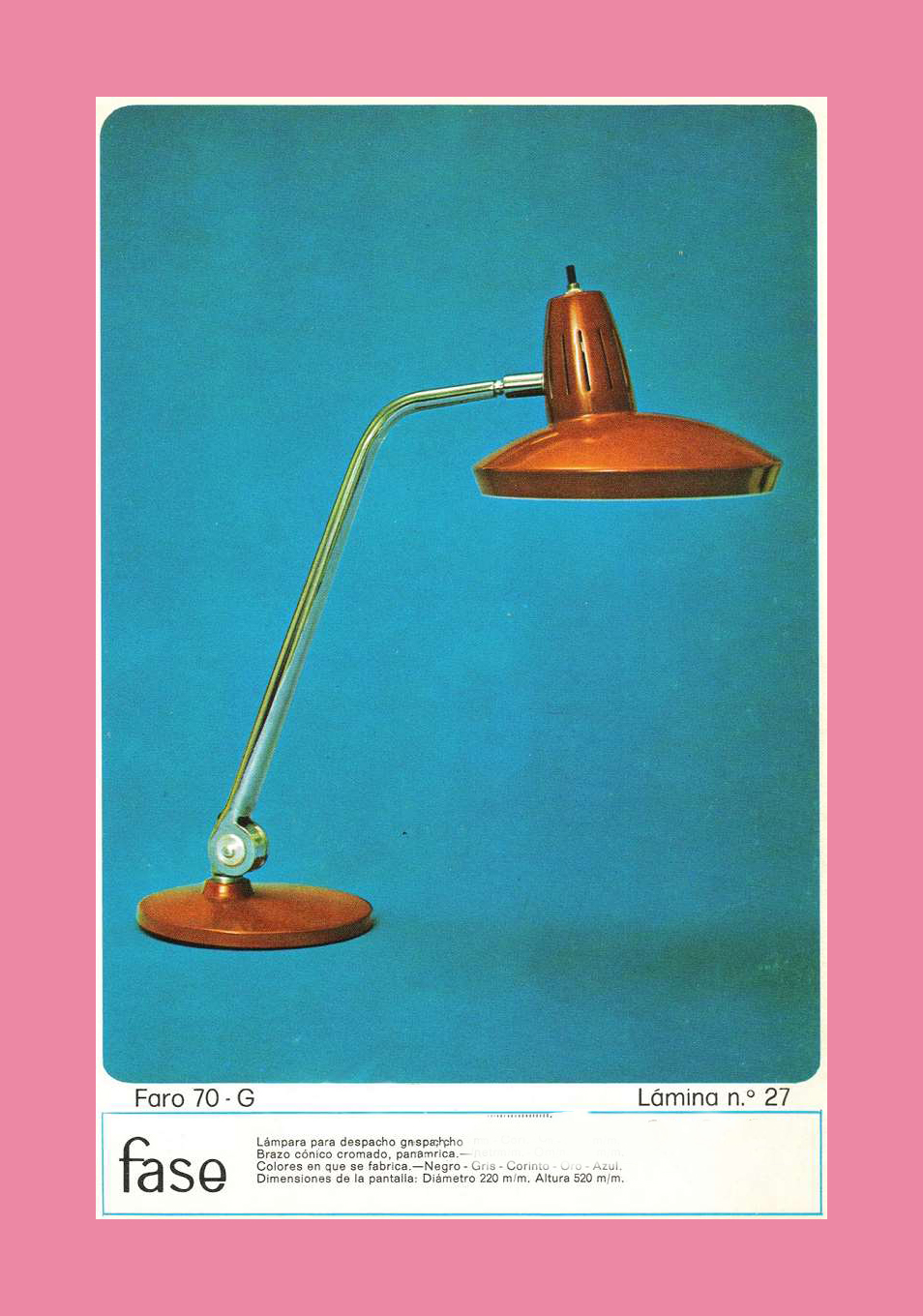
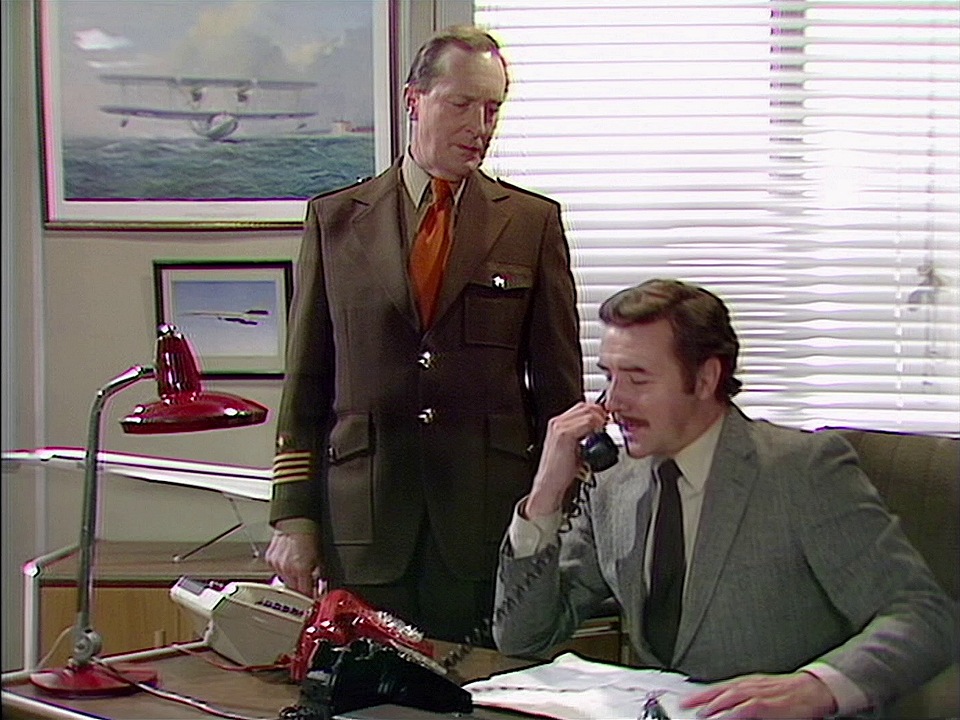
We start at Heathrow. Fase Faro Desk Lamp by Luis Pérez de la Oliva for Fase (Spain). This is the 70-G model, likely from the early 1970’s. Also featured in 1963 London, in ‘Remembrance of the Daleks’.

‘Frontier in Space’ (BBC, 1973) Maison Charles ‘Orgue’ lamp. Jacques Charles France, 1965 Stainless steel.
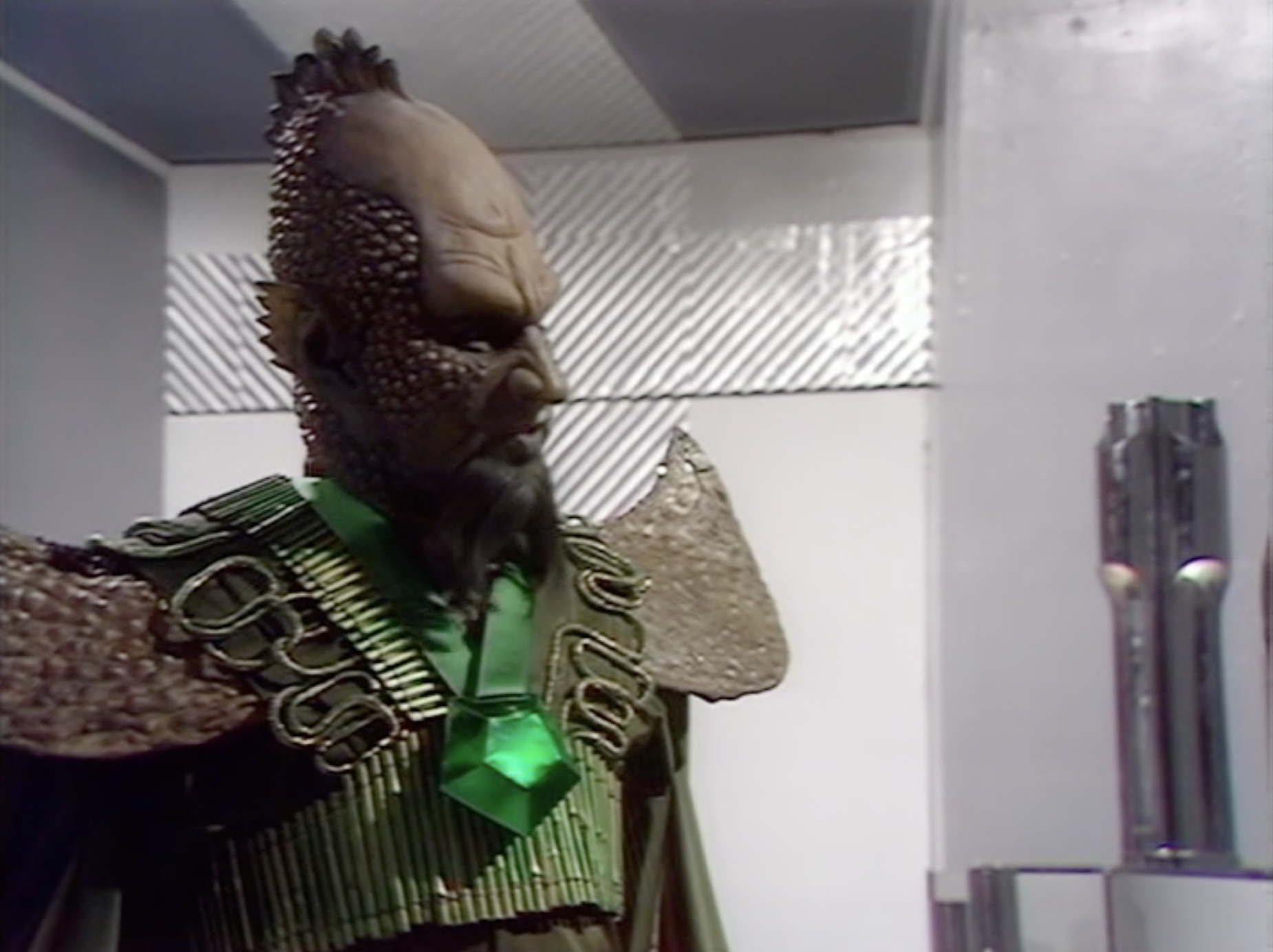

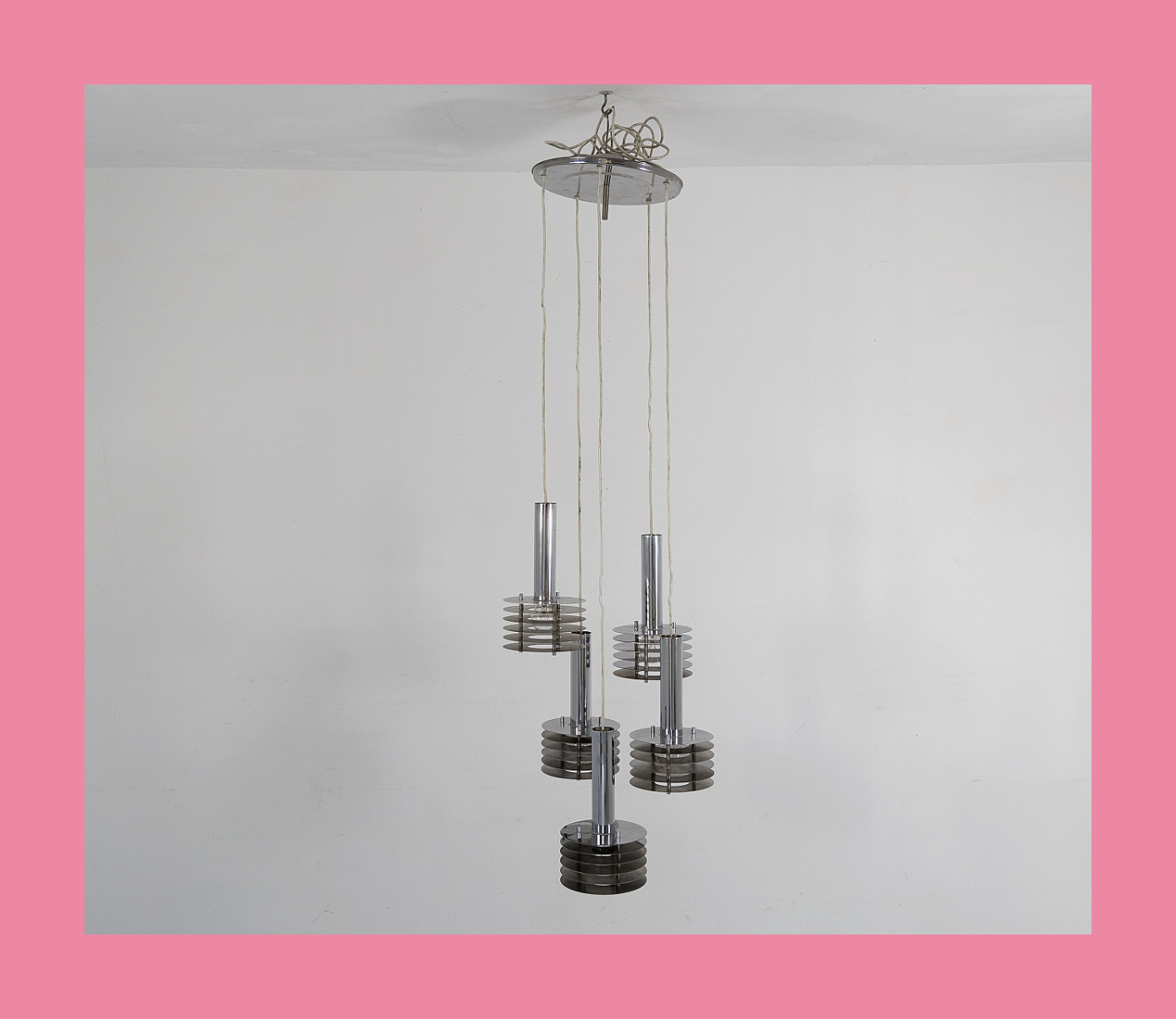
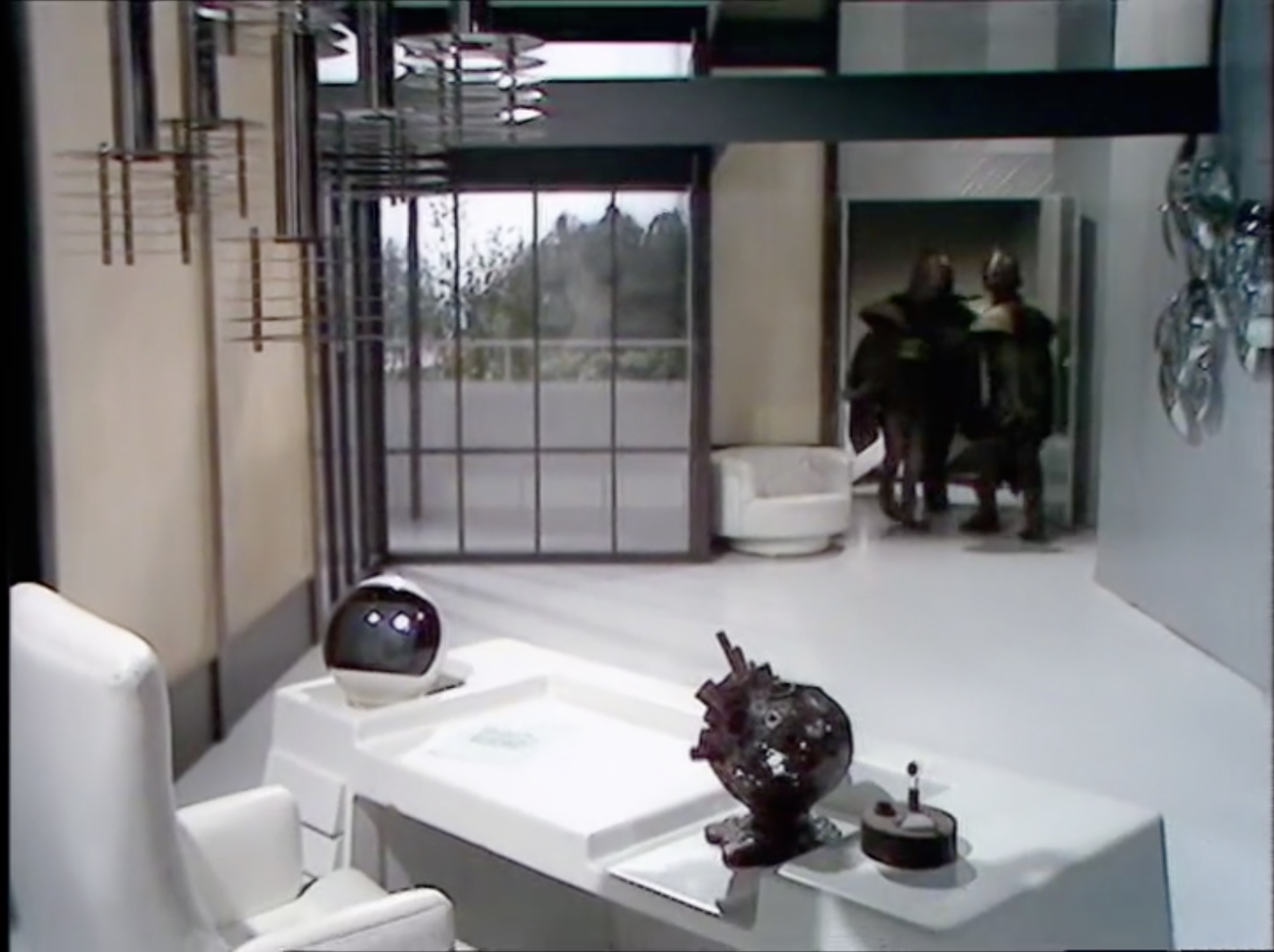
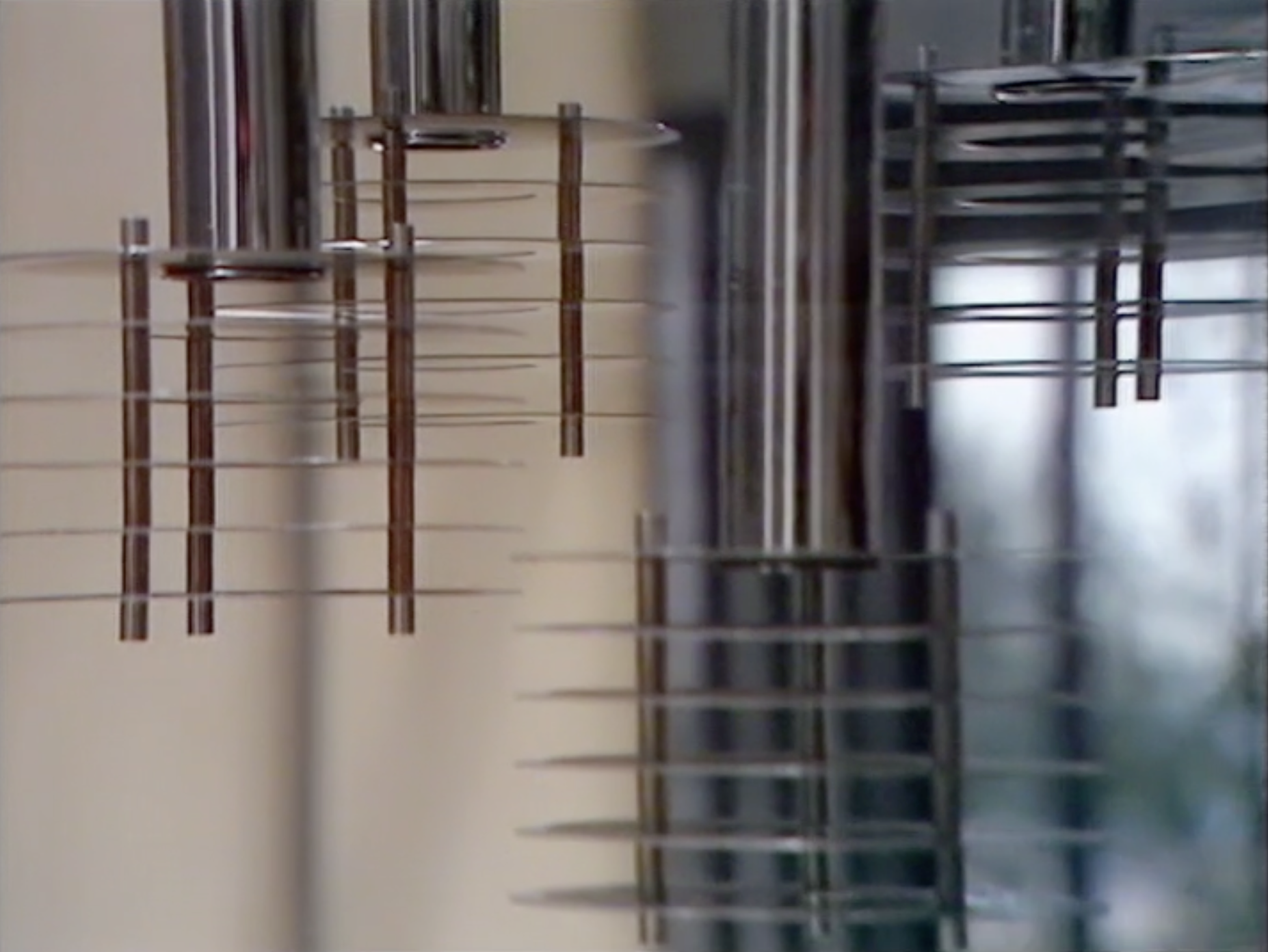
Elsewhere, the Draconian embassy HQ features this Italian, 1970s, Chromium-plated 5-point chandelier in Space Age style. Designer unknown, listed as in the style of BPS Leuchten-Systeme by Rolf Krüger.

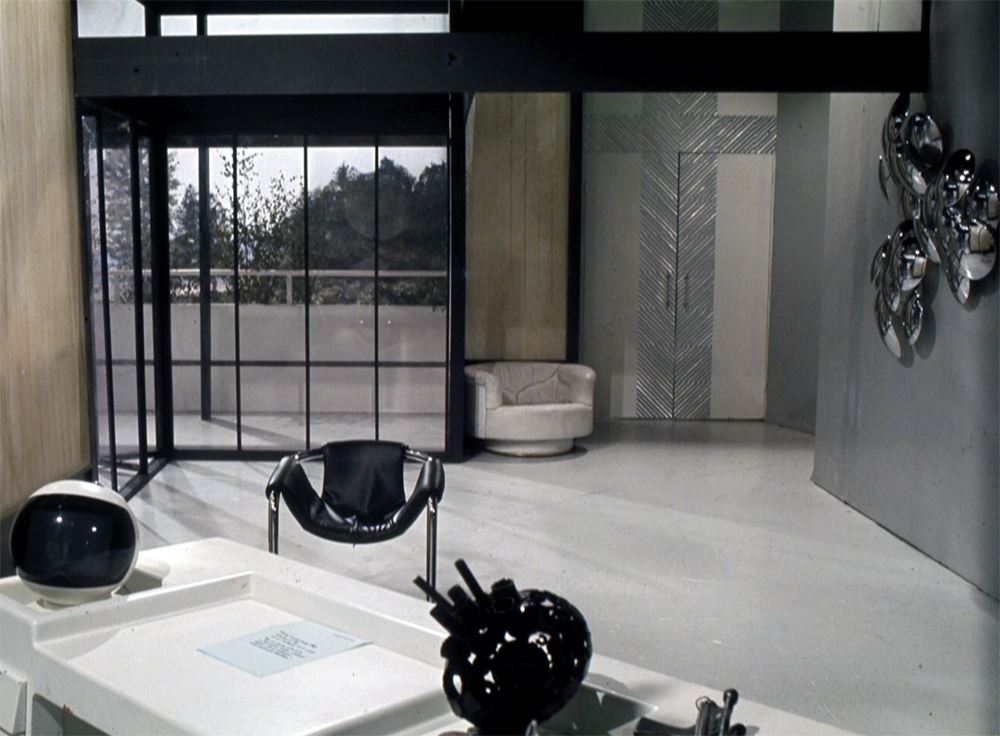
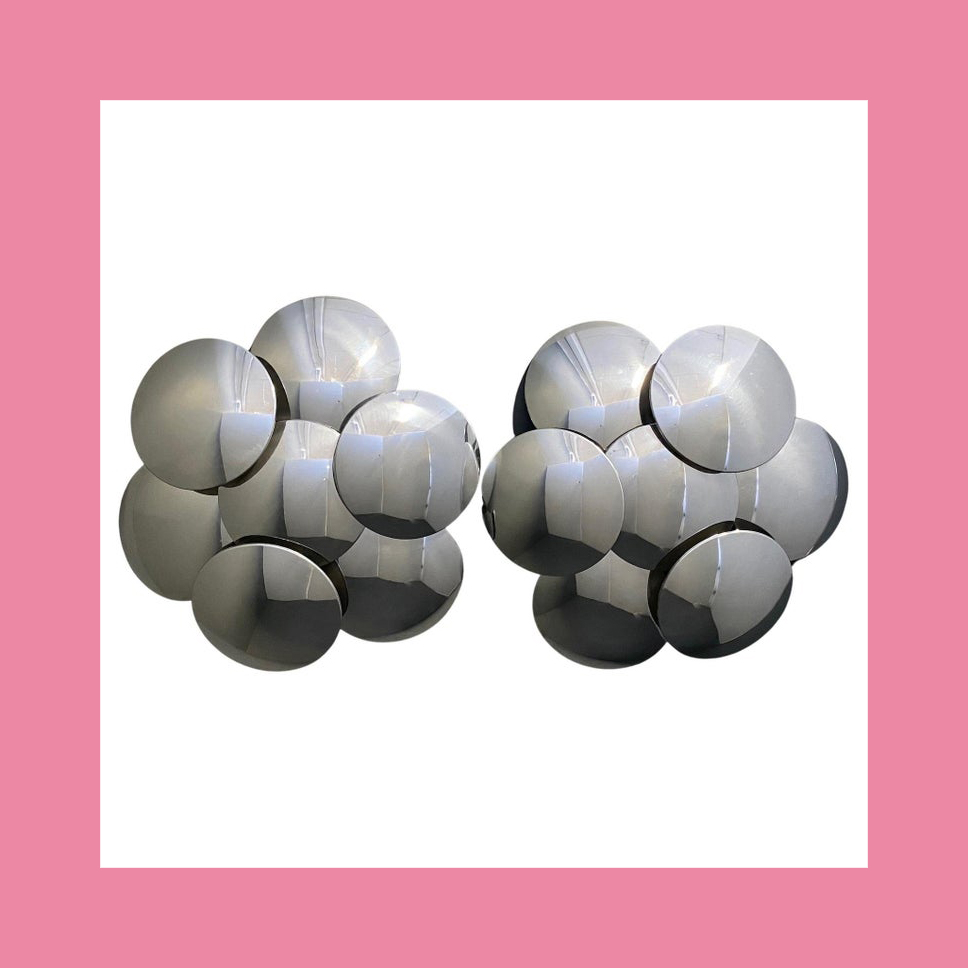
…and a Convex disc wall lamp, by Goffredo Reggiani, manufactured by Studio Reggiani.
Futuristic 1980’s style now, with a pop of colour, with this “Trilumen” floor lamp, by Hans Von Klier for Bilumen Milano, 1980’s. But can it upstage Paul Darrow?

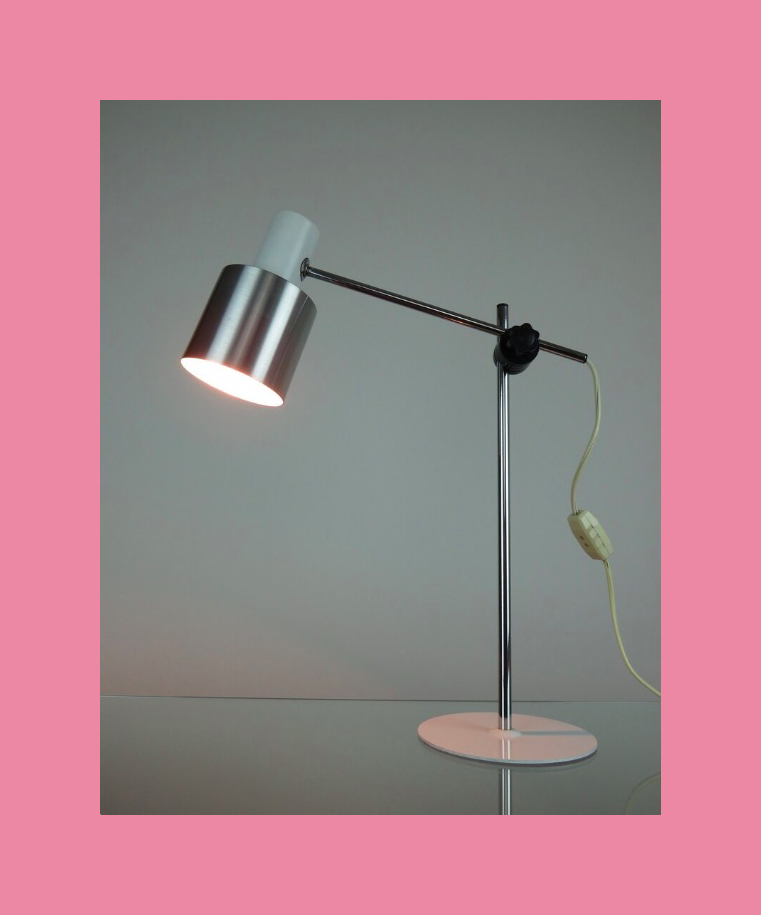
Underneath Wenley Moor, and the UNIT ‘pop up’ office set up includes this LUMI desk/table lamp (Milano) 1960s.

Into Professor Watson’s lab now, and we see an Anglepoise table lamp by Herbert Terry for Herbert Terry & Sons, 1960s.


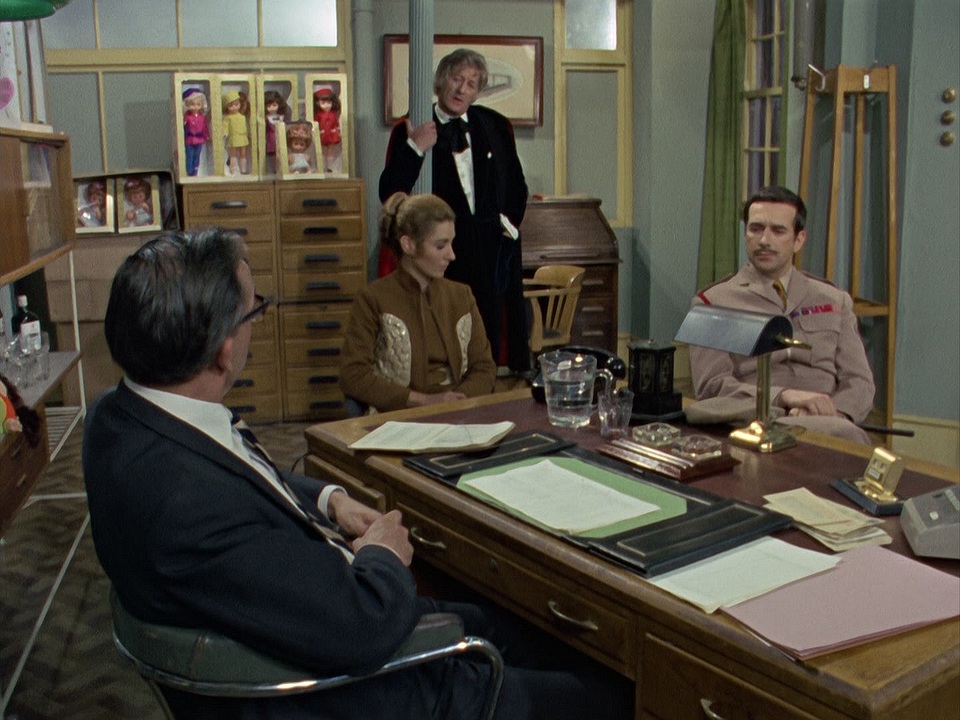
Playing chess on the floor cannot be good for the back, so perhaps the seated option at a desk is a better idea? And big bad desks need big bad brass bankers’ desk lamps, possibly 1920’s.


Meanwhile, back at the ranch, Stevens is talking big business with the BOSS. I could write an essay about how amazing this office is, but for now, I will point you in the direction of this rather lovely ‘Trumpet’ floor lamp by Tony Paul for the Mutual Sunset Bellini collection.


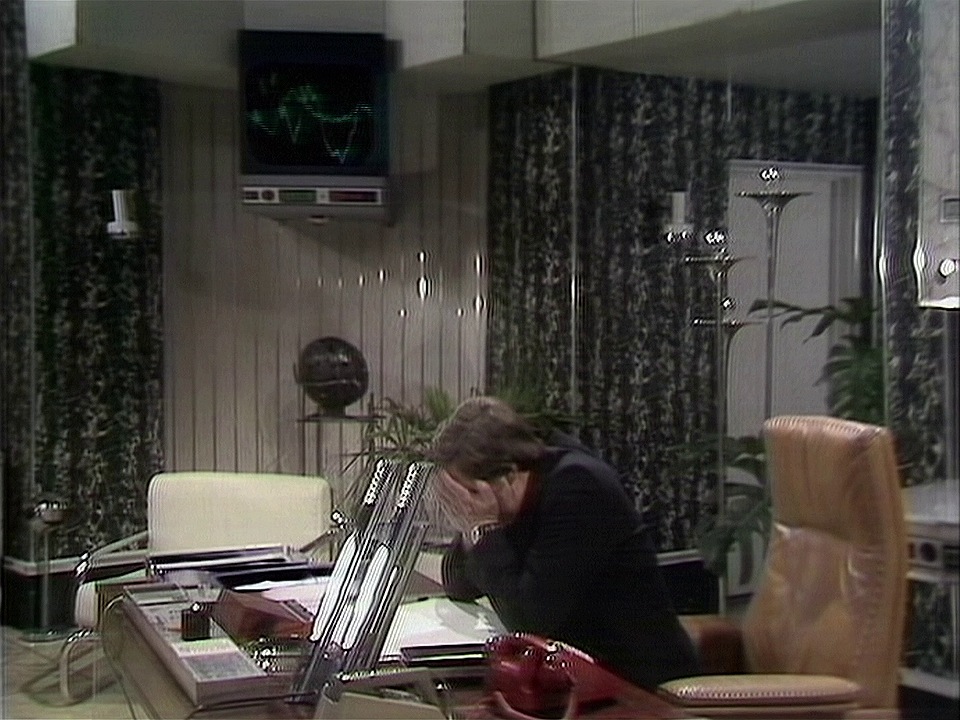
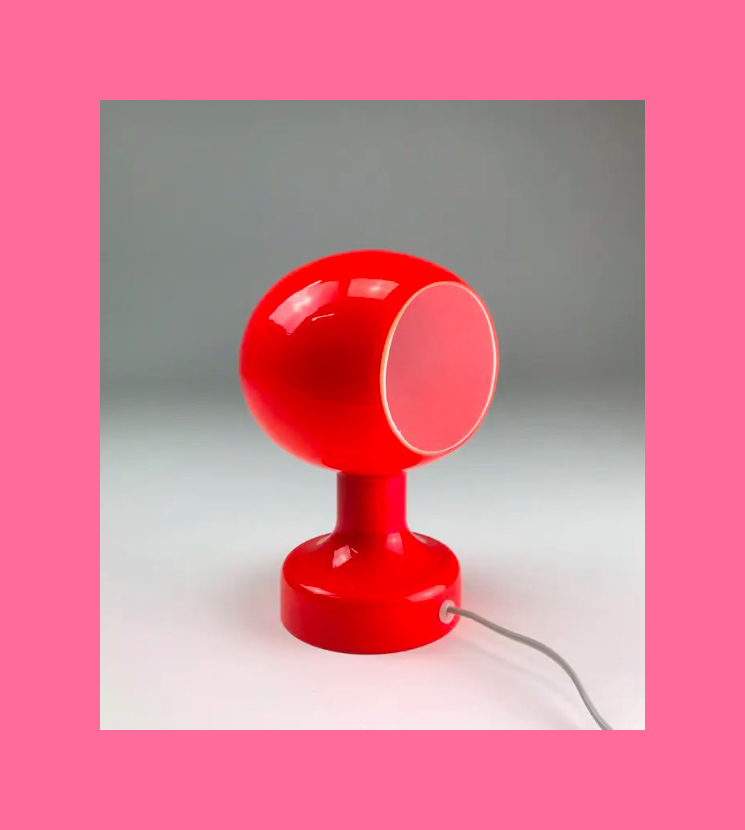
Back to Pertwee’s second season, and in ‘Colony in Space’, we have this ‘Astronaut’ glass lamp by Michael Bang for Holmegaard, Denmark 1967. One of Bang’s challenges was to steer lighting production in a more artistic direction. Looking at how the lamp stands out in the drabness of the IMC ship, I think he was successful!
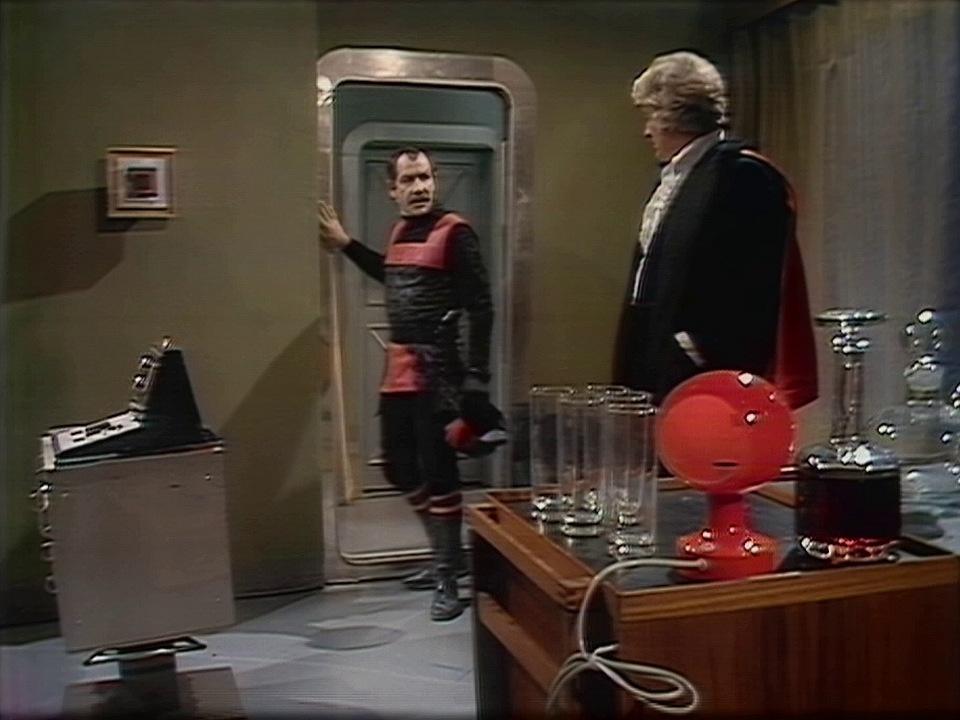
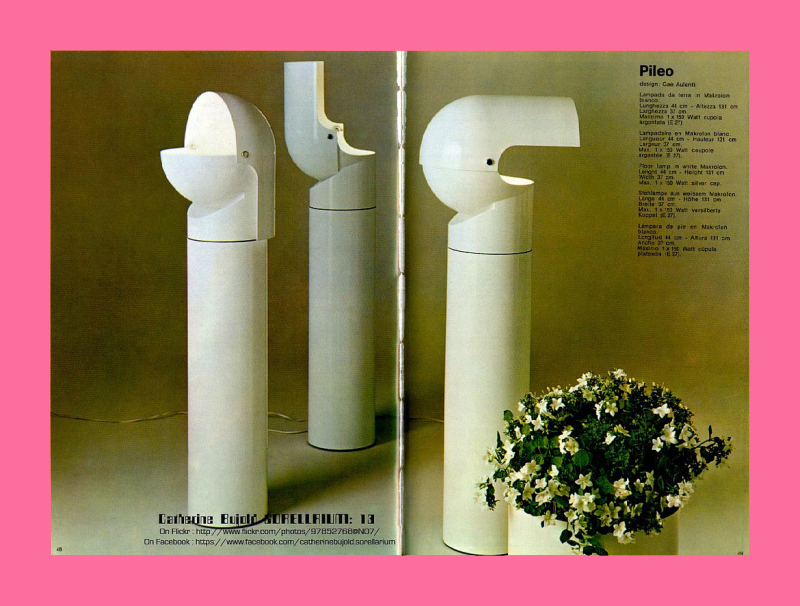
Season 15 might have a reputation as the season where the money ran out, but it’s perhaps the best season for high-quality furniture. And that’s not all. The lighting is exceptional. Take these lamps on Bi-al (and also featured in many other stories). This is a Pileo floor lamp by Gae Aulenti, circa 1972.
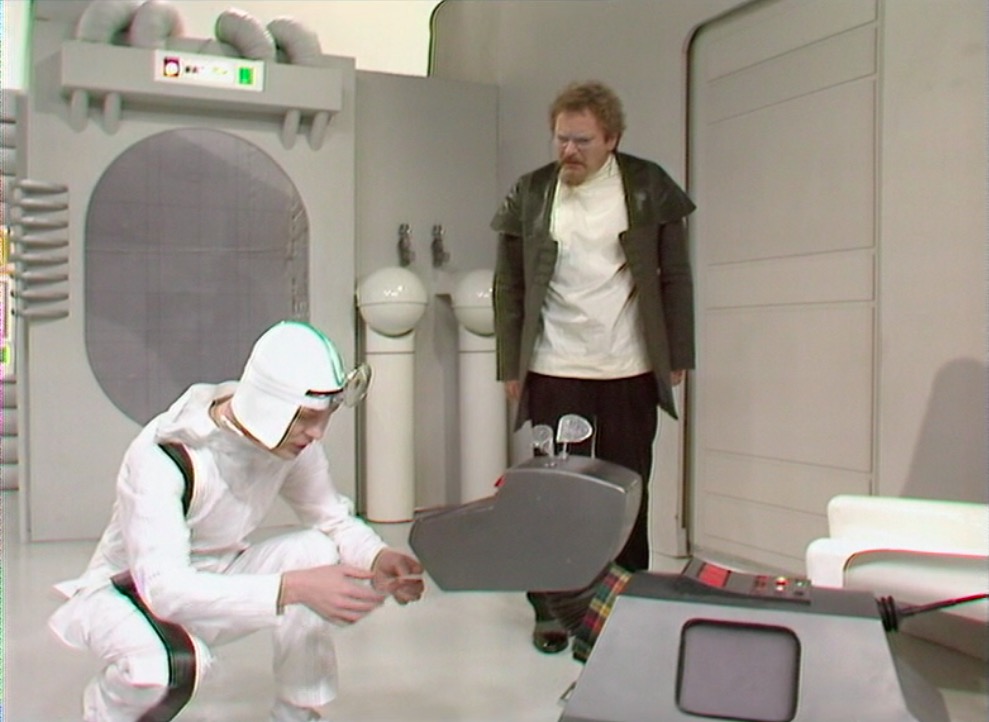


And the corridors of Gallifrey include this rather lovely Lampione floor lamp, by Fabio Lenci, circa 1968.


‘The Mind of Evil’ features this B-2088 desk lamp, by Raak Amsterdam, 1960’s, prior to wibbly-wobbiness.
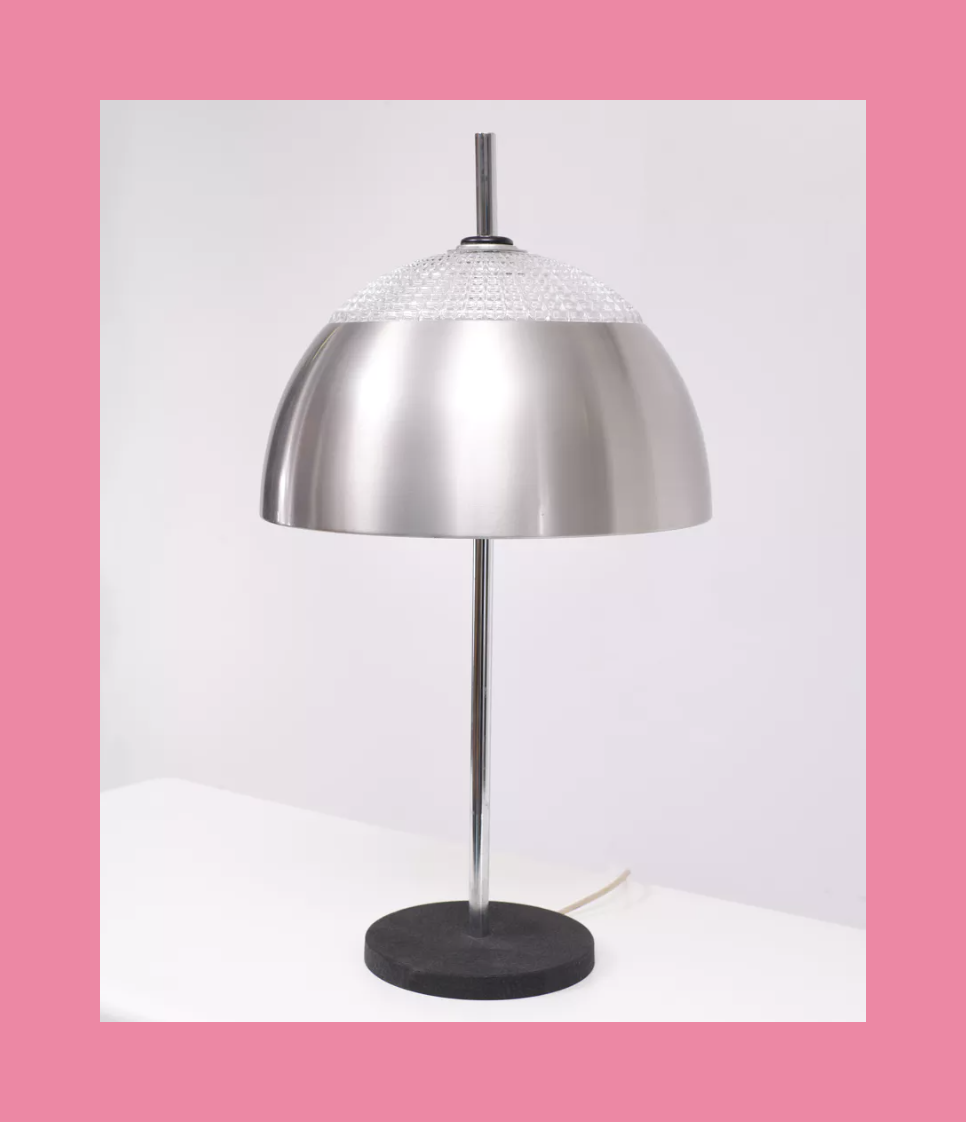
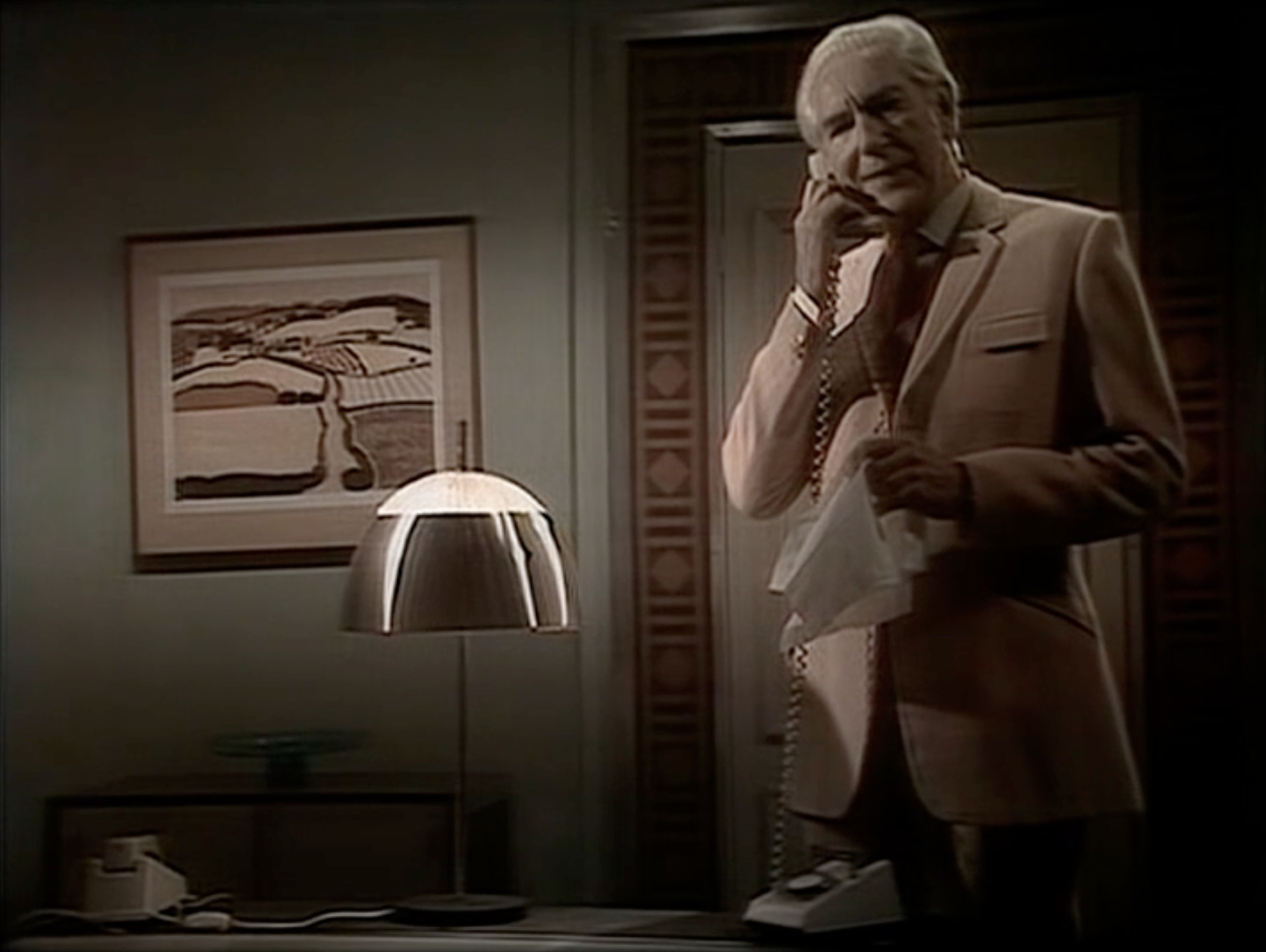
Let’s finish with something special, thanks to the eagle eyed Tom Newsom @aquatics64 on the Twitter. This is a famous artistic endeavour – ‘Signals’ by Panagiotis Vassilakis, who goes by the name of ‘Takis’. The artefacts seen in ‘The War Games’ are likely circa 1966-67, as many iterations of his work were created since the mid 1950s.


BRIC-A-BRAC
Back to the desks of a near-future Earth now, and there are plenty of sightings of this brass perpetual desk calendar, Germany 1950s. No plastic in sight!


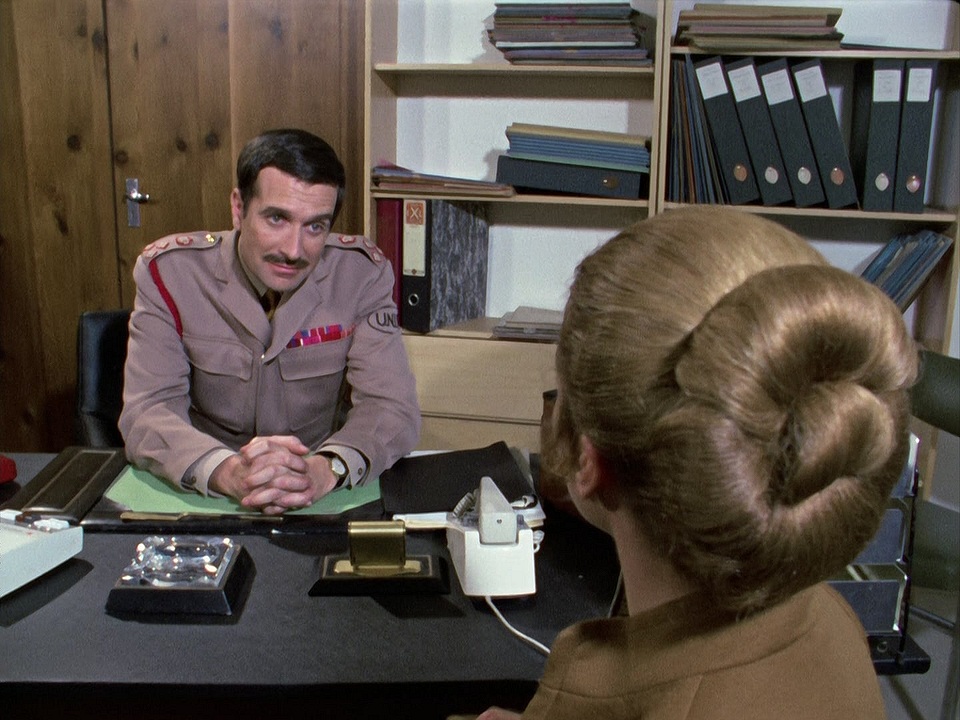

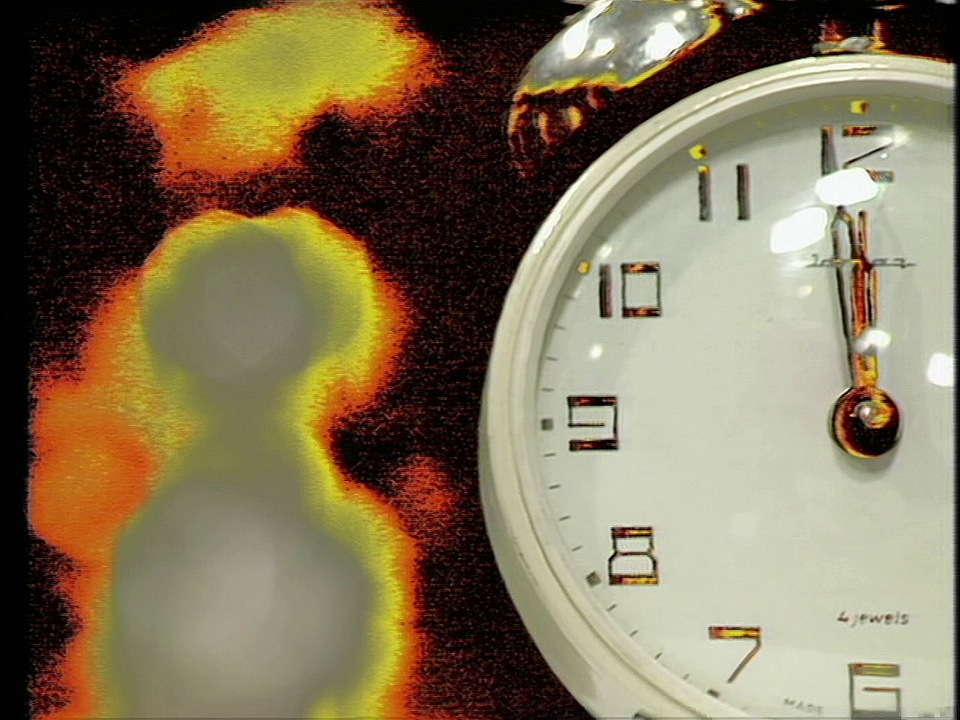
From one ‘paradise’ to another, and let’s head off to Deva Loka. When everything is tripping around you, the clockface of choice is this Russian Jantar Alarm Clock 4 Jewels, circa 1960’s.

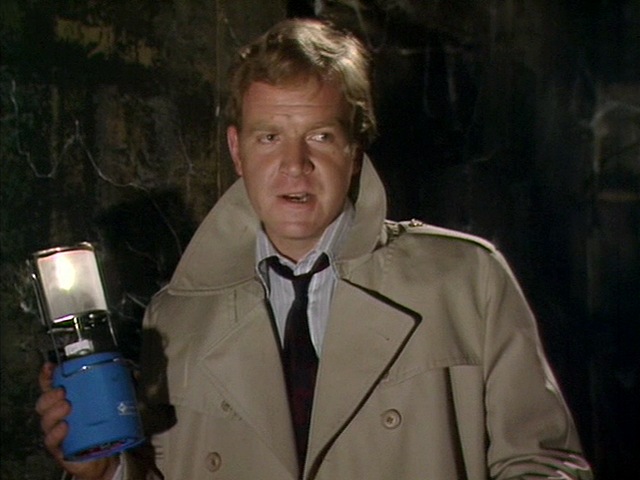
I’m sure a few of us will remember these. Duggan’s armory includes this Campingaz Lumogaz C 200 S AA Lantern – “possibly one of the most important camping lights in history.“


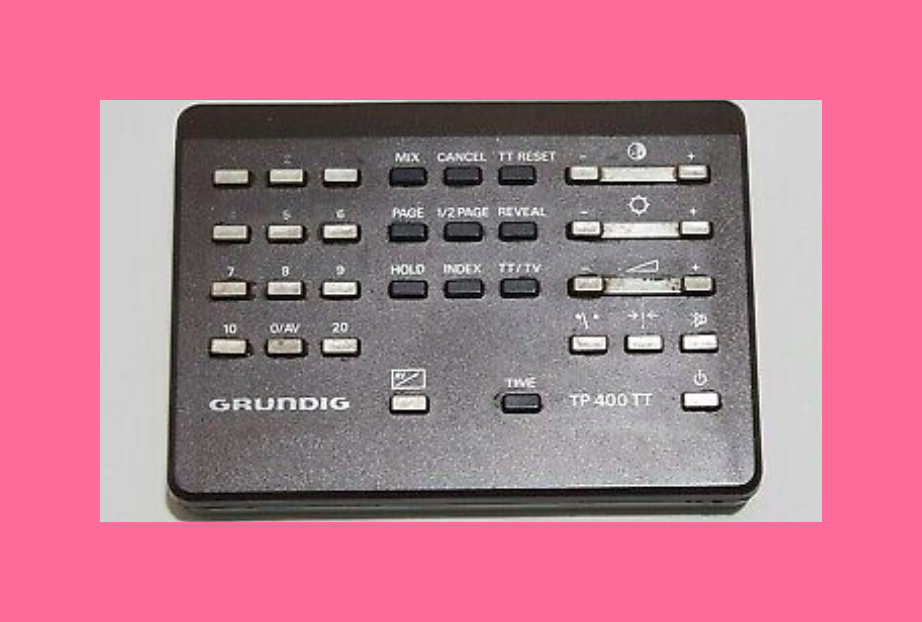
This one has been identified on a number of forums, but here it is again. This is the TP400TT Grundig remote control. Press the reveal button and “we shall all feel a lot better.” Kudos to John Normington for following directorial advice and placing a thumb over the company logo.

Back to Paradise Towers now, and we have these vintage graduated brass wall hanging flying ducks, circa 1960s.


We finish in Stevens’ office. BOSS might take the credit, but keeping the little Superman logical, efficient and organised is this ‘Channel 1’ modular desk tidy organiser, designed for Artifact.


BONUS CONTENT
Here are some artefacts that either exist away from what was actually televised. Or, I am pretty sure of, but can’t be 100%. Or, I can only find a close match, rather than the exact item.
Let’s start by paying homage to Don Smith’s fabulous collection of photographs for the Radio Times.
Union House, Shepherd’s Bush, the Doctor Who production office – room 505. Terrance Dicks clutches the essential ‘Doctor Who in an Exciting Adventure with the Daleks’ by David Whitaker, likely the 2nd edition, published by Muller in 1965. Cover by Arnold Schwartzman OBE – you can find out more about him here.

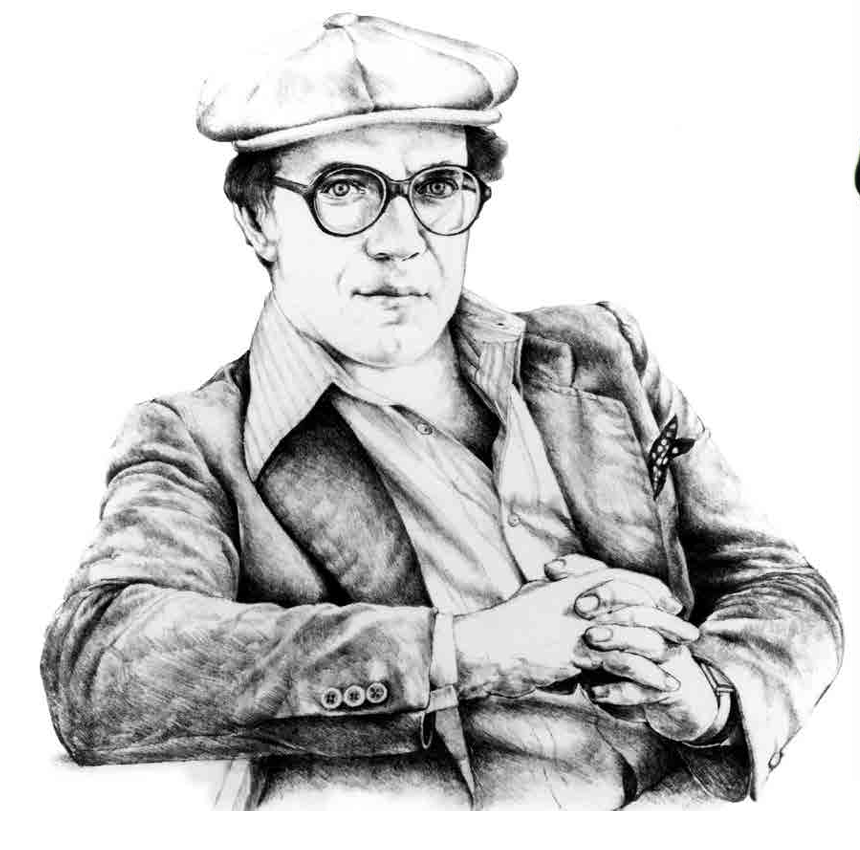

Most prominently in Dicks’ collection is the February 1970 edition of Science Journal. This covered everything from the war industry to Water Buffalos, Seyfert galaxies to Microencapsulation.
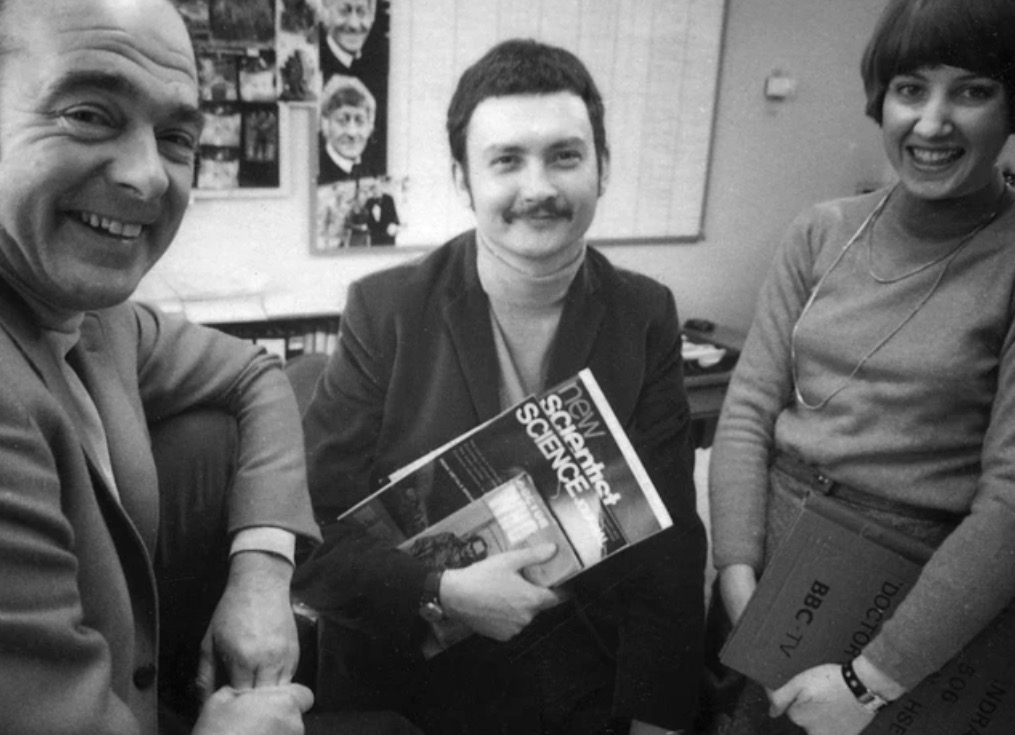


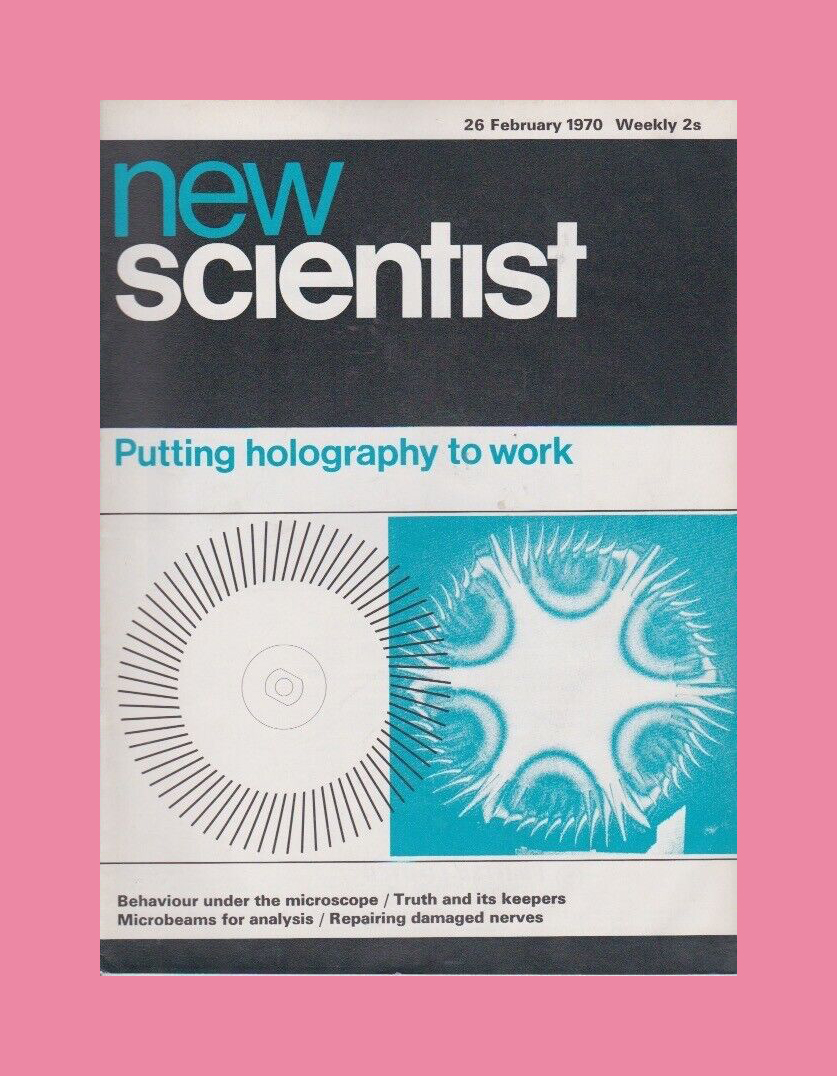
Poking out just behind Science Journal, is New Scientist, 26 Feb 1970. This includes features on Holography, Microbeams, and damaged nerves.
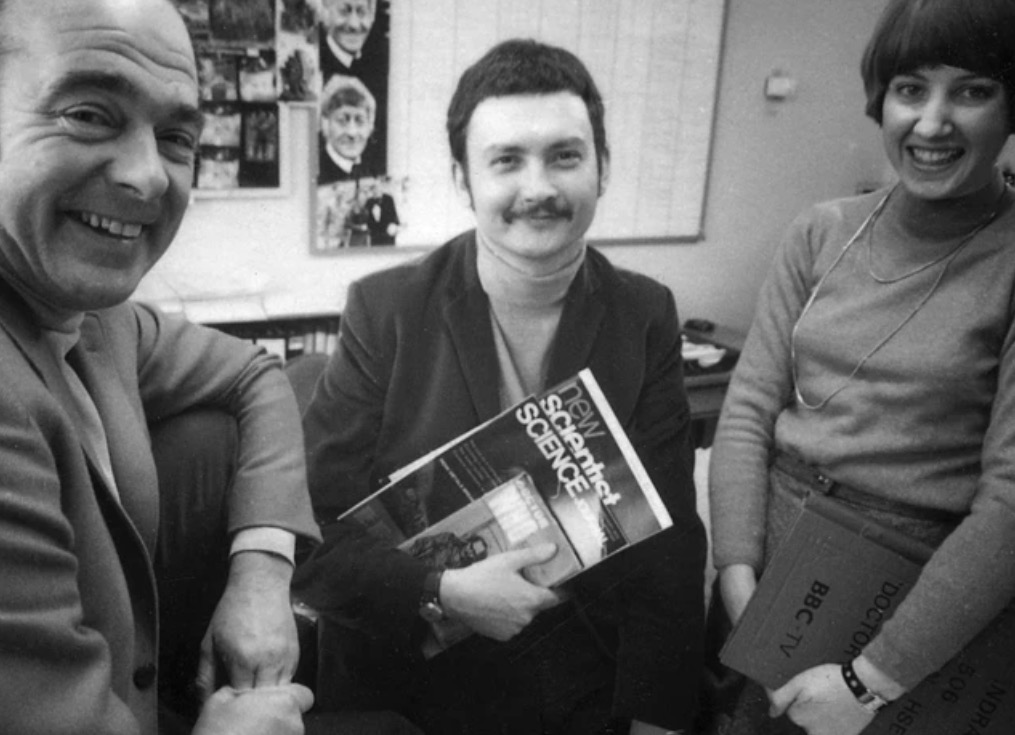

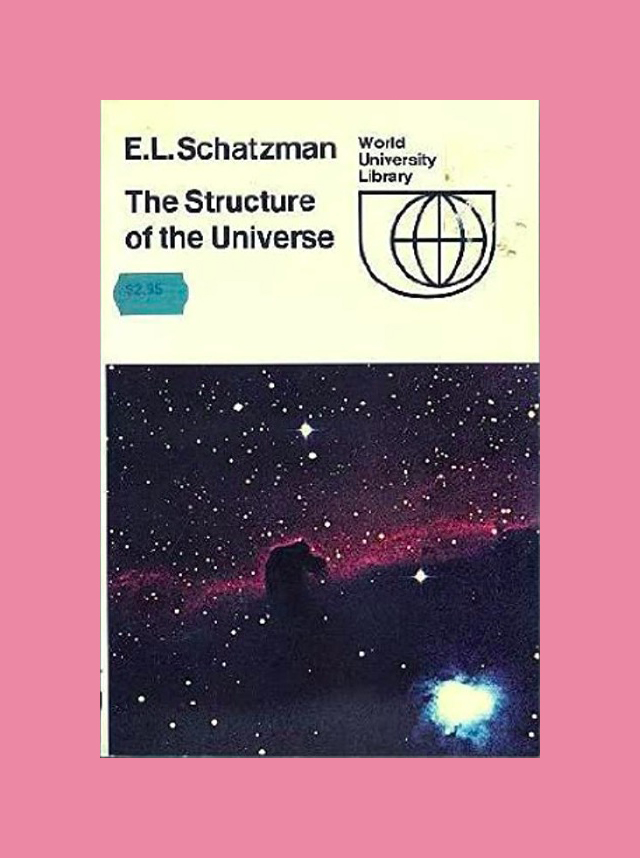
A quick hop into the near future (likely 24th April, 1970) and we end up in TC3 at BBC Television Centre, during the studio sessions for ‘Inferno’. In front of Barry Letts is a copy of the indispensable (for publicity photos) The Structure Of The Universe By E.L. Schatzman, (1968), World University Library.


Another famous publicity shot. This time from ‘The Ice Warriors’. A Solartron CD1400 Duel Beam Oscilloscope, 1960s.

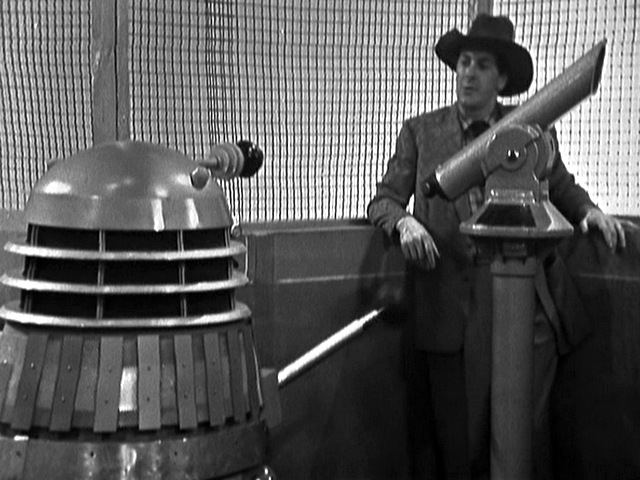
Here are some German 15×60 coin-operated panoramic telescopes. These are sometimes referred to as a graphoskop or graphoscope. I think this is a Graphoskop Model VII 15 x 60 mono, but the design of the barrel is slightly different, so there is the possibility that these Doctor Who artefacts might be custom-built – but I don’t think so.



There is this famous publicity photograph of a War Machine being confronted by the lethal forces of dog, mother and baby. The pram in question has been found, but the designer cannot be identified at this point in time.


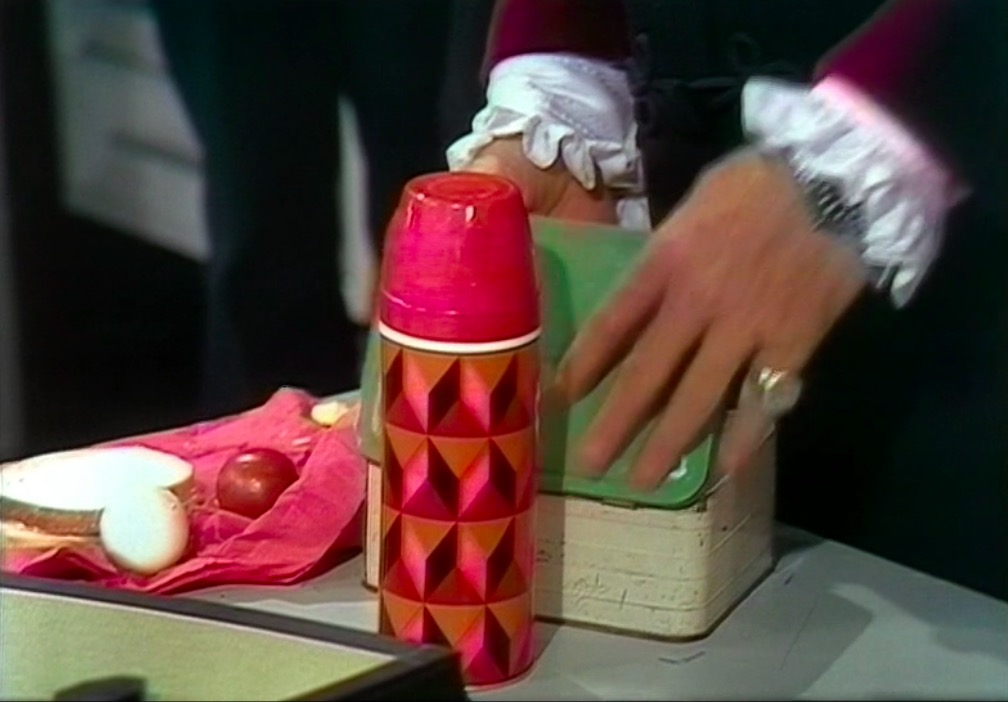
Sometimes, you just know you’ve found something, but you can’t verify it completely. In this case, I’m 90% certain that this ACME Thermos Flask, likely 1960s, goes with the hard boiled eggs for Goodge in ‘Terror of the Autons’. However, it’s always the 10%, isn’t it?

Some items are less certain. Take this Clam shell lamp seen in ‘Horror of Fang Rock’. There are a million examples of this design, but I’m going for this 1930’s manufactured example, listed as “original art deco silver lamp with shell shaped shade”. But I’m not certain at all, the base doesn’t quite match, although camera lens can play a part in that.


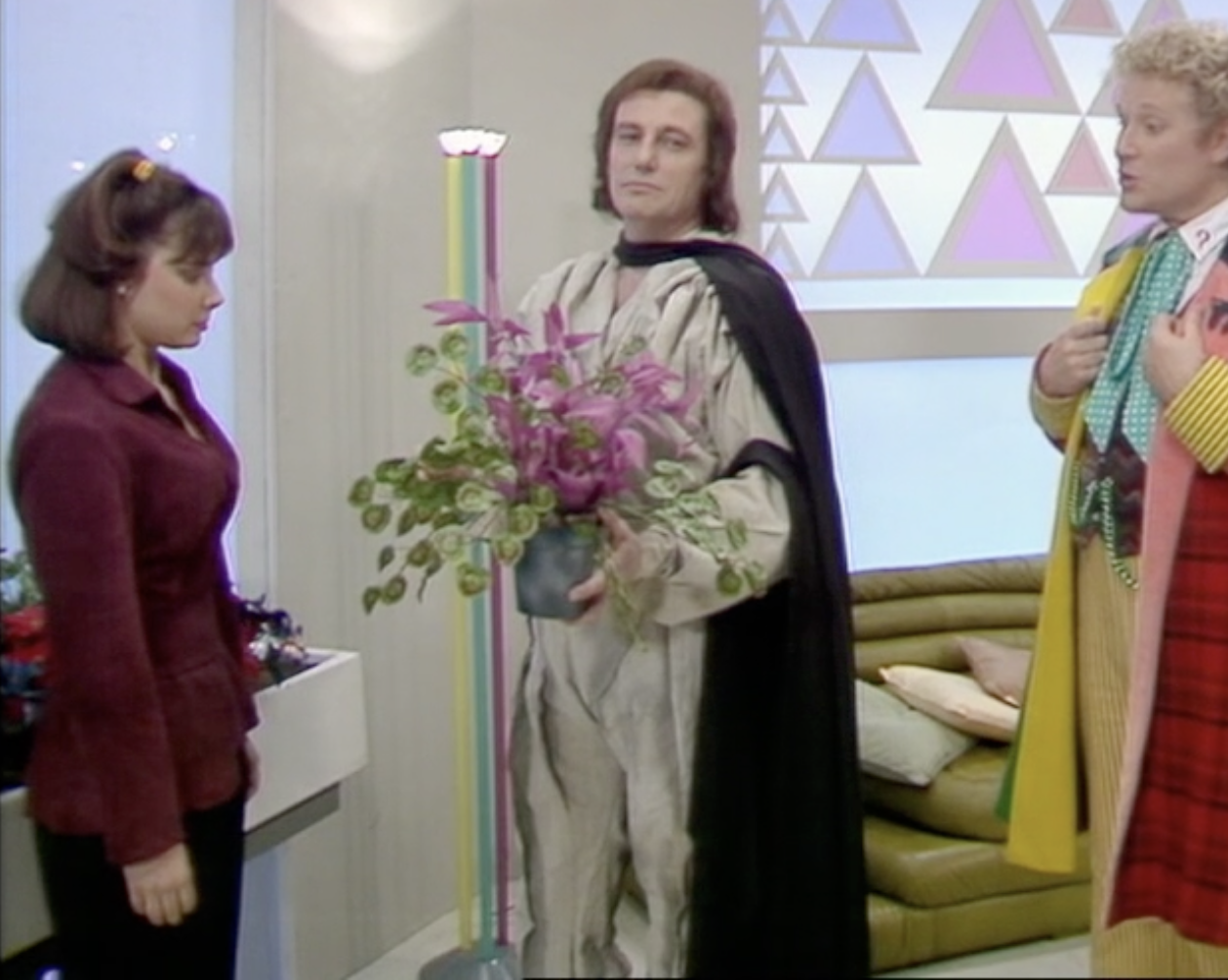
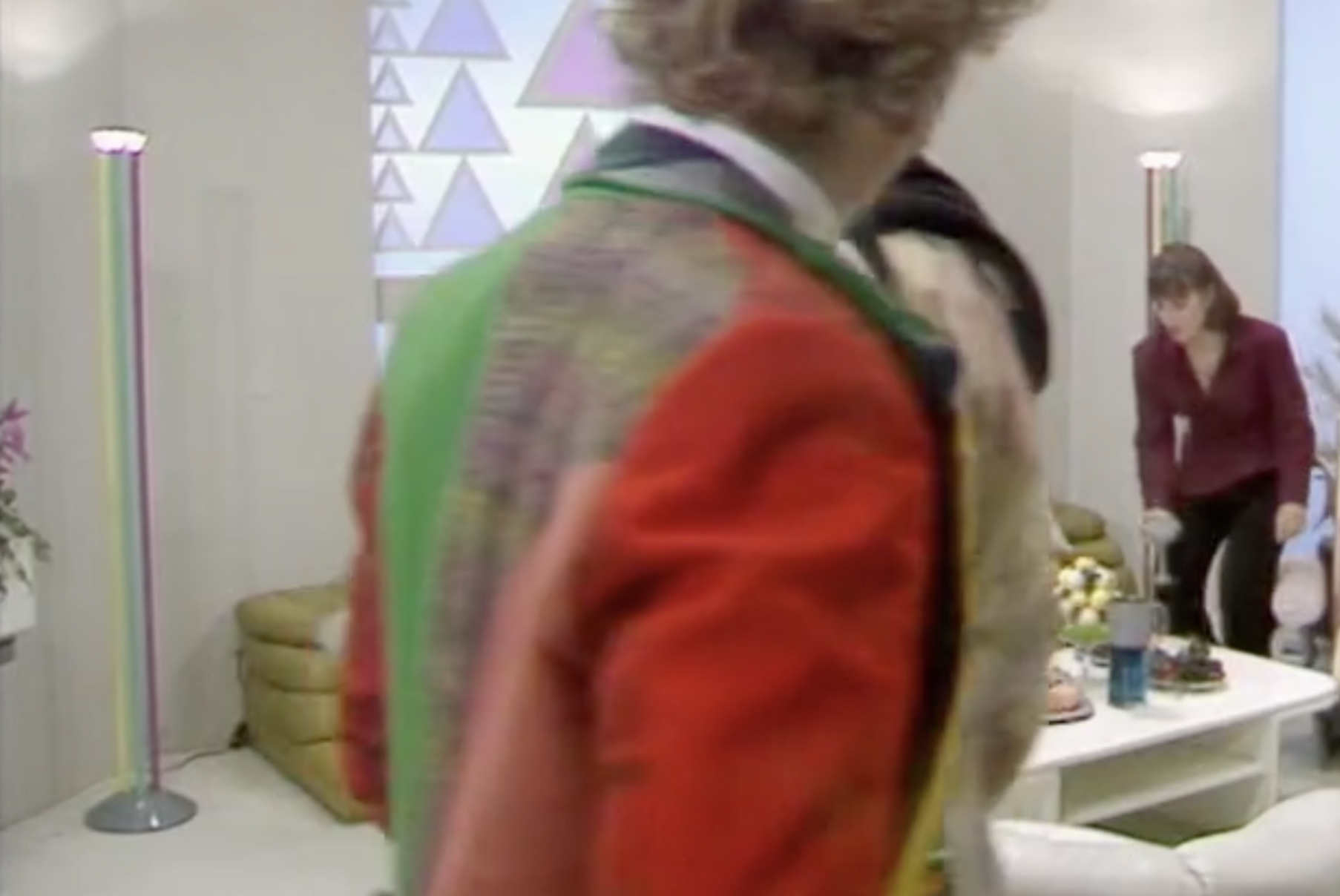
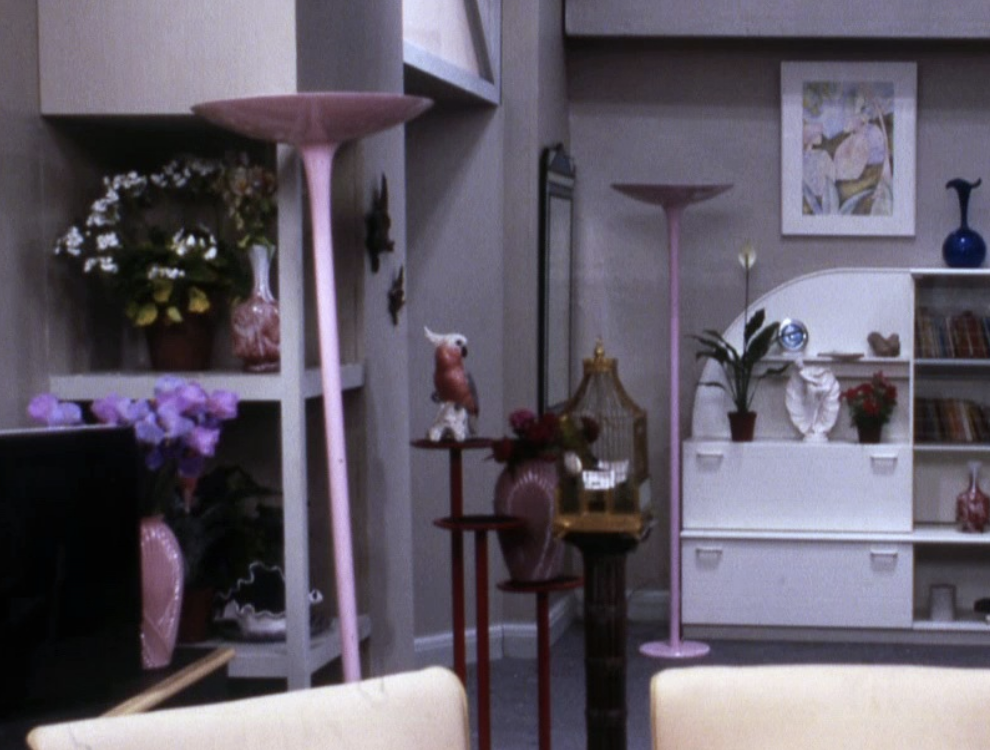
This ‘Paradise Towers’ floor lamp is pink, but its actual Pterodactylness can’t be found, yet. However it is listed by Newman Hire, London as a 74″ round base pink column dish uplight standard lamp.

Something a bit different now. A pattern. Verity Lambert stars in her own farewell photoshoot for ‘Mission to the Unknown’ in 1965. For it, she wears a contemporary dress crafted from Marimekko ‘s ‘Puketti’ (bouquet) pattern, designed by Annika Rimala in 1965. Puketti was one of Marimekko’s most beloved floral patterns, combining two typical motifs, the sphere and the flower.


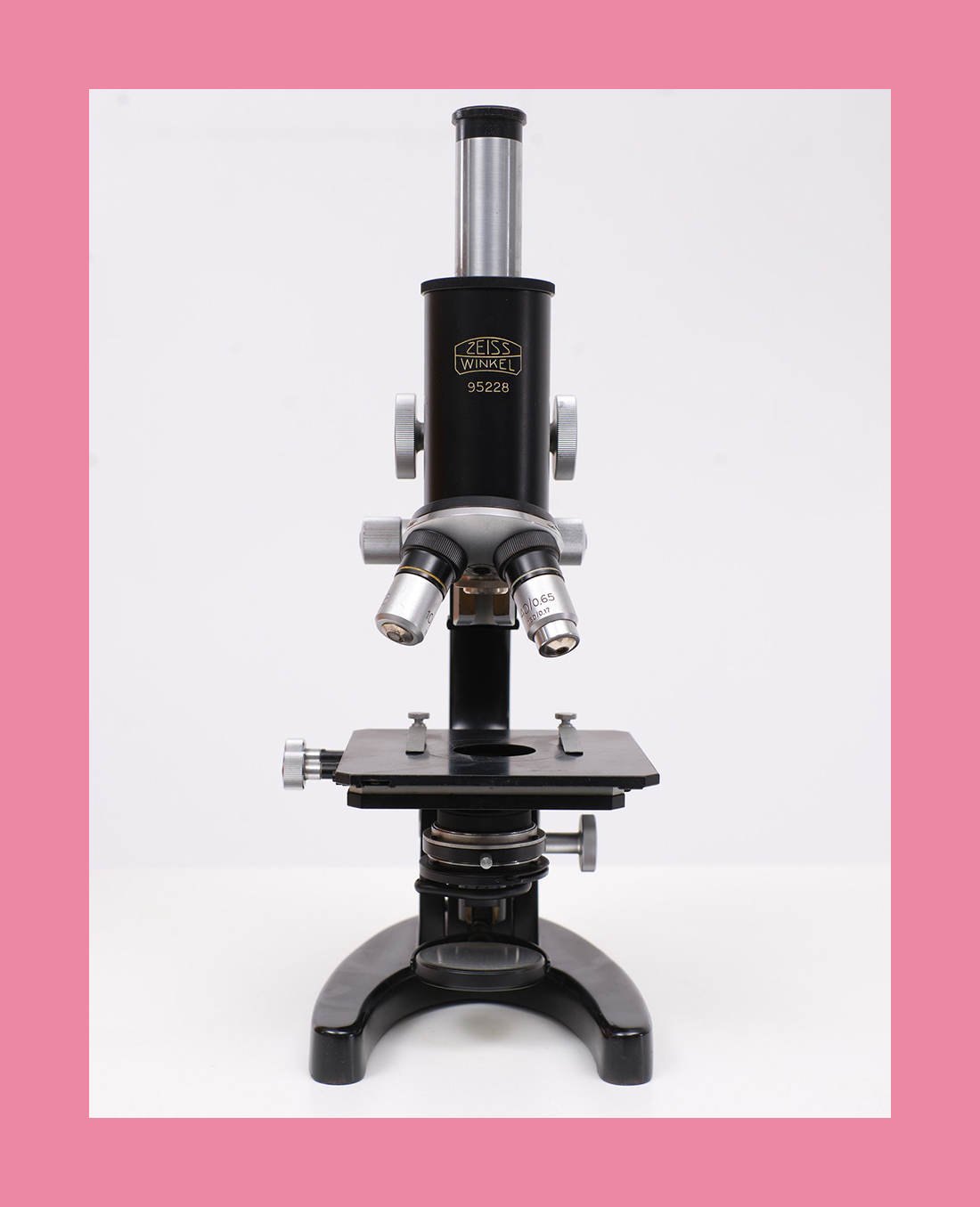
A couple more microscopes to finish. Firstly, one that can be identified. This publicity shot for ‘An Unearthly Child’ features Ian and this Zeiss Winkel Monocular Microscope – the serial number suggests post WWII.

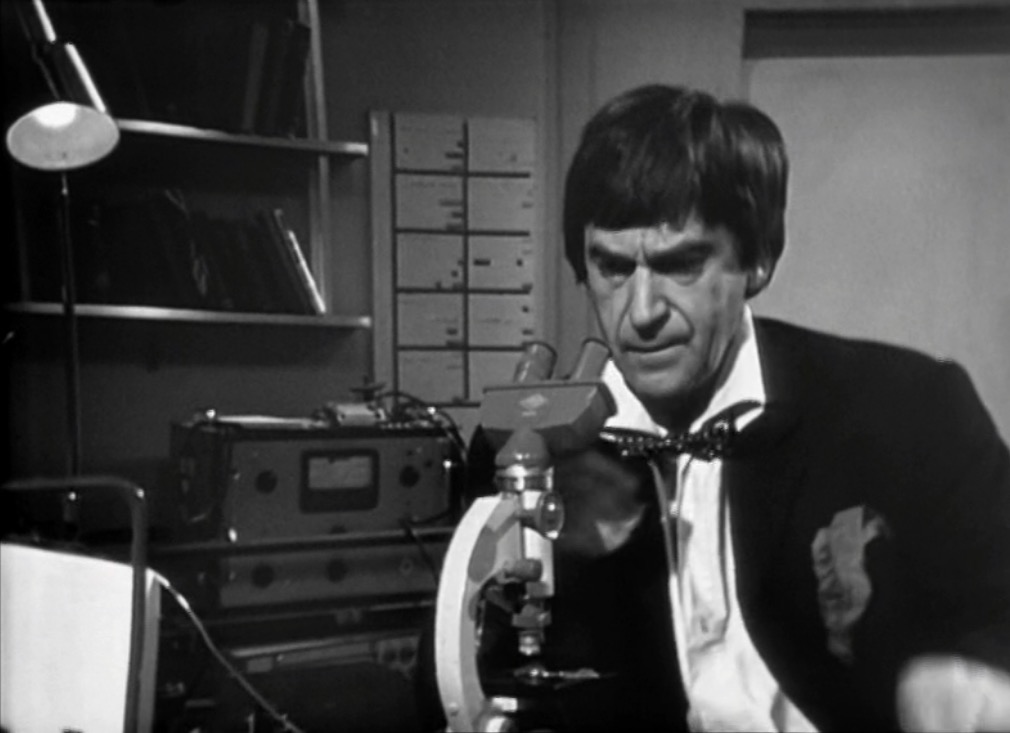
In ‘The Invasion’, Doctor Troughton makes himself at home in Professor Watkins’ lab, and can be seen using a Prior Scientific binocular microscope. The exact model and date remains out of reach…for now.



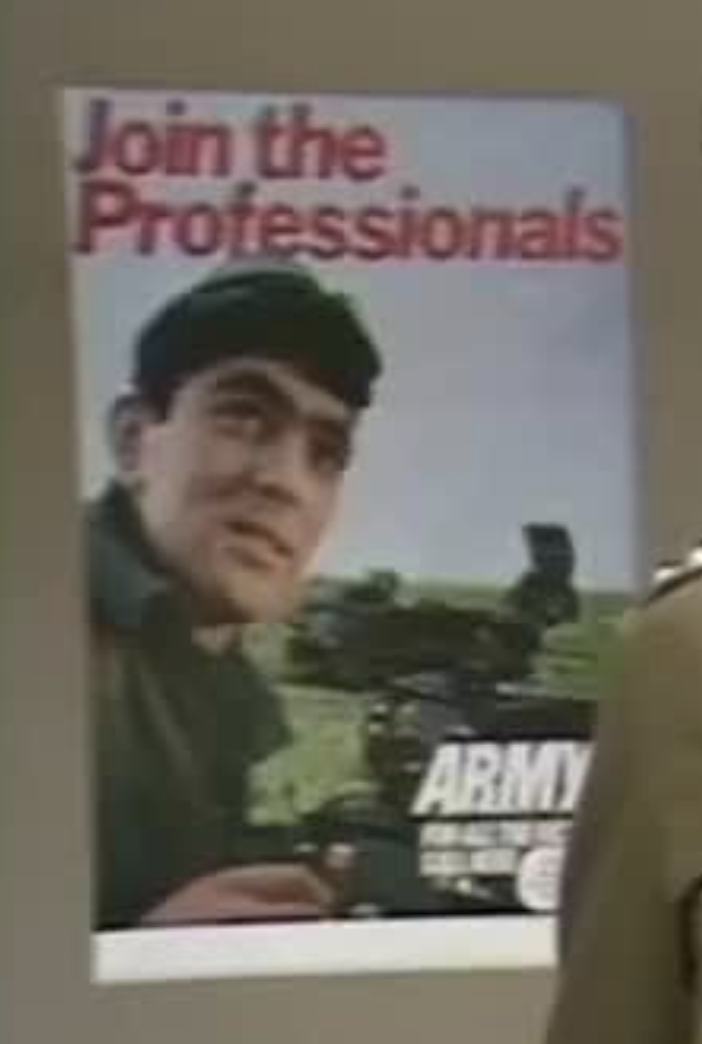
Back underground again, that the Army recruitment poster seen in ‘Invasion of the Dinosaurs’ is visible to the world, but the origin remains untraceable. It did appear in a 1969 episode of Monty Python though.
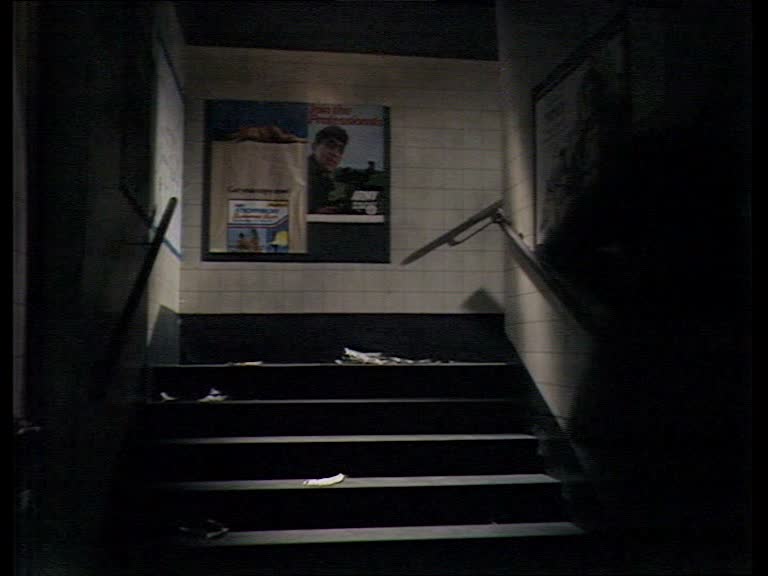
Like all things, the search will continue. Maybe I can find enough to warrant version 4.0, maybe not – the law of diminishing returns, and all that.
Do get in touch if you can see any other gems.
Thanks for reading,
Tim.
Refs:
https://collections.vam.ac.uk/item/O685058/babe-rainbow-print-sir-peter-blake/


 Pink for your actual Pterodactyl
Leave a reply to Korvin Cancel reply